May 24, 2026

Local movers are a time-saving, lower-risk choice for moving within a city or nearby area. They bring professionally trained labor, specialized moving equipment, and insurance to minimize the risk of damage and late timelines. Hiring movers usually costs you more in dollars but saves you aches and hours you can spend on work or family labor instead. Moving yourself can save money on small loads but adds hidden costs, including rental truck fees, fuel, packing materials, and lost work time. It just depends on load size, schedule, physical ability, and budget. Below, I compare costs, risk, and practical trade-offs to help decide which option suits your move.
Key Takeaways
- Local movers bring experience, tools, and insurance that minimize stress and damage risk, making them your best option when time, safety, and complicated logistics are a concern. Frugal readers should consider the premium relative to less exertion and risk.
- Rental trucks provide maximum control and minimum base cost. They demand serious muscle, driving acumen, and hours. Pick this option only if you have help, the equipment, and a timeline to match.
- Moving pods provide flexible loading and less time stress, and fit those who need storage or staggered schedules. You have to account for container drop-off charges, space constraints, and rain or theft risks.
- A hybrid approach tends to make the most sense, mixing and matching professional handling for heavy or specialty items and DIY packing or truck rental for lower-value goods, allowing you to customize cost, time, and effort.
- Factor in all of the obvious and not-so-obvious costs. Consider rental or hourly rates, fuel, mileage, insurance, packing supplies, permits, meals, and potential hotel nights. Back it all with a contingency buffer to prevent surprising expenses.
- Put safety, accountability, and environmental considerations first by choosing licensed movers with transparent contracts, sufficient insurance, and green practices when they fit your budget and the complexity of your move.

Weighing Your Moving Options
Comparing local movers versus a DIY move requires a transparent perspective on expenses, time, labor, and risk. Here’s an organized dive into the pros and cons of hiring a professional mover versus handling a straightforward move yourself, plus four in-depth option breakdowns to match you with the best fit for your budget, schedule, and amount of belongings.
1. Professional Service
Experienced crews use dollies, straps, and thoughtful packing to minimize damage and accelerate the move. Full-service movers provide options such as packing, furniture placement, debris removal, and unpacking, which liberates you to take care of utilities, a change of address, or work during moving week. Professional movers offer fundamental liability coverage, with additional insurance available, so it's essential to check their limits and claim procedure. For larger homes with three bedrooms or more, hiring a reputable mover often becomes economical once you factor in time and injury avoidance. For long-distance moves, anticipate delivery windows of days or weeks, so strategize backups if immediate access to necessities is required.
2. Rental Truck
Renting a truck provides complete control of timing and route, making it an ideal choice for a self-service move. You do the packing, driving, and unloading, which fits bite-sized moves like a studio or 1BR, where the effort is contained. These costs are for daily rental and mileage, fuel, insurance, and equipment such as furniture pads. Since rentals charge daily, sluggish loading that drags on for several days can push costs beyond original projections. There’s handling risk in driving a reputable moving vehicle and possible tight-space issues at pickup or drop-off.
3. Moving Container
Containers allow you to pack at a leisurely pace and keep everything boxed up until drop-off, making for an uncomplicated move. Businesses manage transport and provide temporary storage possibilities, but be aware of service fees and delivery scheduling. Verify container security and packing techniques to protect your belongings during this straightforward move.
4. Hybrid Approach
Mix pros: Hire a professional mover for heavy lifts and use a rental truck or container service for the rest of your belongings. This cuts costs while minimizing wear and tear and potential damage. This option works well when you want professional assistance with certain items, but maintain control over much of the move planning.
The True Cost Of Moving
There are transparent moving fees and many hidden moving expenses that can complicate an uncomplicated move. Here, in no particular order, is a list of possible costs to consider for your move planning, helping you create a budget and avoid nasty surprises!
- Truck Or Container Rental: Short local rentals typically cost between 120 and 200 units of local currency. Long-distance leases can cost anywhere between 1,500 and 2,300. Consider mileage overages and fuel.
- Professional Mover Fees: include hourly rates, minimum hours, and peak-season surcharges. Full-service moves include packing and unpacking labor.
- Insurance And Liability: Basic carrier liability is low. Full-value protection is more, but caps your out-of-pocket damage. It shall be well worth it since not purchasing adequate coverage can mean full replacement costs later.
- Labor And Equipment: include dollies, furniture pads, straps, ramps, and furniture disassembly tools. Last-minute rentals push costs up.
- Supplies: boxes, tape, bubble wrap, wardrobe boxes, specialty crates for fragile items.
- Time Costs: include lost wages for packing days or moving day, and productivity loss if the move disrupts work responsibilities.
- Incidentals En Route: include tolls, parking permits, hotel stays, meals, and fuel during long-distance moves.
- Damage And Injury: include the repair or replacement of furniture, home damage, or medical bills for helpers.
- Storage And Car Transport: temporary storage fees and vehicle shipping if needed.
- Service Add-Ons And Penalties: include overtime from movers, cancellation fees, and surcharges for stairs or elevator restrictions.
Financial Reality
When planning a simple move, it's crucial to find the total investment for each option. For a DIY short move, anticipate truck and fuel costs plus supplies, which can exceed $200 when considering time and the risk of damage. For long-distance DIY, truck costs alone can range from $1,500 to $2,300, with additional mileage and fuel expenses. Labor, packing, and insurance are also important factors. In contrast, hiring a reputable mover for a turnkey move may have a higher upfront cost, but it combines many line items and can prevent costly mistakes.
Hidden Expenses
Hotel nights, meals, and tolls can quickly add up during a long-distance move, contributing to the overall expenses. Wrong packing increases replacement expenses for delicate items; some professional movers levy overtime, heavy-item fees, or insurance upgrades that can arise post-move. Last-minute needs, such as extra boxes and dollies, also add small amounts that can tatter your move budget.
Value Proposition
- Professional movers minimize physical danger and time away from work.
- The pros use professional-grade equipment and packing techniques that reduce the risk of harm.
- Insurance and reputable providers offer financial recourse for loss.
- Convenience and less stress can justify higher upfront spending for complicated moves.
Protecting Your Valuables
Moving puts your valuables at risk from shock, moisture, theft, and poor handling. Knowing those risks and what protections are available makes it easier to determine if you should hire a professional mover or consider DIY truck rentals. Below are the principal considerations: how damage occurs, what equipment matters, and how insurance shifts responsibility and cost.
Damage Risk
Experienced movers minimize the risk of damage through a combination of time-tested packing methods and skilled hands. They corner-wrap and pad furniture and strap it down to prevent shifting, which is beneficial in adverse weather or for longer routes where shaking and moisture can exacerbate damage. DIY moves are often breakage-prone because folks skip blocking, overstack boxes, or use flimsy packing materials. For a one-van move, employing a truck large enough to load it all at once reduces handling occurrences and damage exposure. Studio moves require less padding than four-bedroom moves, but refrigerators still need solid hand-holds and blocking, no matter what.
Packing integrity matters: Double-box fragile items, label orientation, and isolate liquids to avoid leaks. Stow heavy items on the floor, wedge voids with padded goods, and affix tall furniture to container walls. If you’re planning a winter move, add some waterproof covers and desiccant packs. Snow and salt really increase corrosion and staining.
Proper Equipment
DIY moves need dollies, furniture sliders, moving blankets, straps, ratchet tie-downs, and rock-solid boxes. Renting a dolly and picking up edge protectors saves you from strains and scuffs. Pro crews come with appliance dollies with straps, hydraulic lifts, hoisting straps, and truck-mounted anchors, none of which you get with a regular old rental. Container services typically provide internal bracing and palletized loads to keep goods from shifting during shipping, but check sizes and padding availability prior to booking.
If you lack tools, rent them. A two-wheel dolly is inexpensive and prevents back injury, while moving blankets protect varnish and glass. For big moves, hire the pros who already own the equipment and know how to lift responsibly.
Insurance Coverage
When reviewing mover contracts, consider that basic liability pays cents per kilogram per item, while full-value service movers replace or repair damaged belongings. It's essential to verify claims, timelines, and documentation requirements, especially for long-distance moves, as full value can be a cost-effective solution given the increased exposure during transportation.
The Human Element In Moving
Moving demands more than decisions about boxes and trucks; it involves the human element in relocation, your bodies and minds, your time, and your fellow humans. Before you compare quotes or rent a truck, sketch out how the move will impact your physical resources, mental resources, and daily schedule. This planning helps determine if hiring professional movers or opting for DIY moving makes sense for your situation.
Physical Strain
Get ready for lifting, hauling, and constant bending that exhausts even the fittest among us. Bulky pieces, such as refrigerators, mattresses, and sofas, need team lifts and frequently special stair handling. Doing them without tools or expertise increases the chances of pulls, back injuries, or dropped merchandise. If you have an injury, a chronic condition, or limited mobility, professional crews come equipped with tools and techniques that minimize damage. Friends and family can occasionally step in and assist, but their availability is limited. Depending on them can lead to last-minute coverage gaps. Movers offer reliable labor and insurance for mishaps. Consider how many boxes you can safely lift per hour and handle long carries between the car and door, and see if running up and down stairs multiplies the effort. Hire for the high-risk pieces if full-on DIY feels unsafe.
Mental Stress
Scheduling times, helpers, permits, and the right size vehicle all generate cognitive overhead that compounds the move’s emotional toll. When planning a relocation, concern over schedules, potential breakage, and missing socks is compounded by the need for a reputable mover, especially if you have professional or familial obligations. Highly rated service movers with transparent contracts take this worry off your plate by owning the schedule, the fragile items, and the claims processes if things go awry. For them, offloading the hard stuff, breaking down furniture, wrapping, elevator scheduling, and building restrictions transform an overwhelming weekend into a controlled assignment. If you like control and the planning process, a DIY move can be rewarding, but if not, the mental freedom afforded by hiring the pros is quantifiable.
Time Commitment
Calculating packing, loading, driving, and unpacking hours can be daunting, especially with DIY moves that take days or require multiple trips. Those with demanding work schedules or caretaking obligations might find time off untenable, and the sustained strain increases burnout risk. Using professional movers can significantly reduce this burden. Local movers operate with teams and routines that compress the timeline: packing in hours instead of days, single-day loading, and prompt delivery. This efficiency means less work missed and a quicker return to normal life, making a notable difference for those living in urban locations or with limited leave.
Navigating Complex Moves
Complex moves demand more than a load-and-go type trip, especially when considering the logistics of a professional mover. Think stairs, narrow halls, limited curb space, and long carry distances upfront. To ensure a straightforward move, compare truck size to door widths and elevator capacity, and estimate weights and routes while avoiding low bridges or restricted streets. Organization skills reduce last-minute issues: label boxes by room, keep hardware in clear bags, and maintain an inventory to quickly spot missing or damaged items.
Urban Logistics
City moves can be stressful due to time and space constraints. Narrow streets often restrict where trucks can be parked, potentially leading to several small hauls from curb to door. Experienced professional movers understand how to navigate local regulations, obtain loading zones, and find routes that avoid peak traffic. To ensure a smooth relocation, it’s wise to get parking permits or temporary no-parking signs when necessary. A reputable mover who frequently handles apartments will efficiently sort through the required paperwork.
Specialized Items
Luxury or oddly shaped objects require specialized attention, making it essential to hire a professional mover. Pianos, large sculptures, and framed works need skid boards, lifting straps, climate-safe crates, and professional riggers to ensure safe transportation. Select movers with a proven track record and inventory lists, and consider requesting declared value coverage or additional insurance for your valuable belongings. Damage is expensive, and repair or replacement frequently dwarfs the cost of well-packed and insured shipping, ensuring an uncomplicated move.
Disassembly
Make a disassembly checklist that identifies each piece, the required tools, and reassembly steps. Take photos and label hardware in sealed bags. Experts can expedite complicated tasks of taking apart and putting back together, minimizing lost time and the risk of putting something back together wrong. If you do the dismantling yourself, gather manuals, keep a tool kit, and schedule time. This work is usually more time-consuming than you think. Tag completed bundles with the destination room and urgency to speed unpacking and prevent wasted work time.
Plan for extra expenses: dollies, protective materials, helper meals, and possible overtime. Anticipate physical suffering and keep loose. Random blockages or weather will necessitate impromptu adjustments.
The Unseen Moving Factors
Selecting local movers or opting for DIY truck rentals for your move means looking beyond price tags to less obvious but tangible risks and compromises. Below are three attention areas, including personal safety, responsibility, and community impact, that determine the true price and result of a relocation. These factors all relate to time, energy, and the hidden costs that emerge when you start packing, making it essential to consider a reputable mover for a straightforward move.
Personal Safety
Moving involves consistent heavy lifting, awkward stair carries, and driving an unfamiliar moving truck, which can be daunting. Using proper lifting techniques, dollies, straps, and back braces is essential, rather than relying on bad habits. Professional movers come to your door trained and equipped for this challenging task. For a two- to three-room apartment, loading and unloading can take hours, while larger homes may require days. Regular brief breaks and scheduled shifts help reduce exhaustion and decrease the likelihood of injury. Driving a rented truck introduces risks, such as limited visibility and different handling, making it crucial to consider hiring moving services. If you lack the time, physical ability, or crew to assist, the safety argument often favors hiring professional movers, even if DIY options seem less expensive.
Accountability
Professional movers provide you with a contract and inventory lists along with liability terms that clearly outline who pays what if something breaks or a delivery is late. When planning your uncomplicated move, reputable movers with transparent rates and strong customer ratings on consumer sites are invaluable for submitting damage claims. In a self-move, all responsibility rests with you: broken items, scratched floors, late returns of rental trucks, and unplanned costs such as extra fuel or replacement supplies. For a large move involving many rooms or expensive items, hiring a professional mover can minimize both monetary and sentimental risks. Be sure to do your homework and check reviews, BBB records, and contract fine print before you commit.
Environmental Impact
Moving decisions impact pollution and detritus, which is why hiring a professional mover can be beneficial. Reusing boxes, booking consolidated container services, or choosing reputable movers that recycle packing materials all help reduce carbon footprints and landfill contributions. For local moves that are long distances, the efficiency of your transport and packing methods becomes crucial. Combined moves and route planning not only reduce fuel usage but also save time. Supporting businesses with transparent sustainability habits encourages the delivery industry to adopt practices that minimize environmental impact.
Final Remarks
Local movers prove to be worth it for most. They save you hours of backbreaking labor, reduce your chance of getting injured, and preserve your valuables. For moves under 50 km or single-room shifts, they can save you money if you have time and elbow grease. For larger jobs, stairs, tight parking, or valuable equipment, professionals come equipped with tools, experience, and speed that count. Now think in dollars and hours. Factor in the expense of missed work, a busted lamp, or a twisted ankle. Use a short checklist: list hard-to-move items, note access limits, get three quotes, and read reviews. Give an on-site estimate a shot for tight spaces. So, are local movers worth it compared to moving yourself? Compare two estimates and one realistic schedule to choose the smartest way.
Frequently Asked Questions
1. Are Local Movers More Expensive Than Moving Myself?
Local movers, often considered reputable movers, may have a higher initial cost, but they save time and mitigate risk, making your relocation more straightforward. Consider your total expenses, including rental fees and potential damage costs.
2. How Do Local Movers Protect My Valuables Better Than I Can?
Local movers are worth it compared to moving yourself because they employ packing materials, correct lifting techniques, and safe truck loading. They’re experienced with handling delicate items and usually provide insurance. This reduces the risk of damage compared to DIY moves.
3. When Is It Worth Hiring Local Movers Instead Of DIY?
Consider hiring a professional mover for your relocation if you have heavy furniture or fragile valuables, especially when dealing with complex logistics and long distances, ensuring a straightforward move with predictable timing.
4. What Hidden Costs Should I Expect With Local Movers?
Anticipate charges for packing services, oversize items, stairs, extended carries, fuel surcharges, and insurance when hiring professional movers. Request a written estimate that itemizes all possible surcharges for a straightforward move.
5. Can Local Movers Handle Complex Moves Like Pianos Or Antiques?
Yes. A lot of local movers, for example, are great at providing professional mover services for heavy or fragile items. Verify their experience, ask for references, and ensure they provide in writing any special equipment and insurance coverage before you book them.
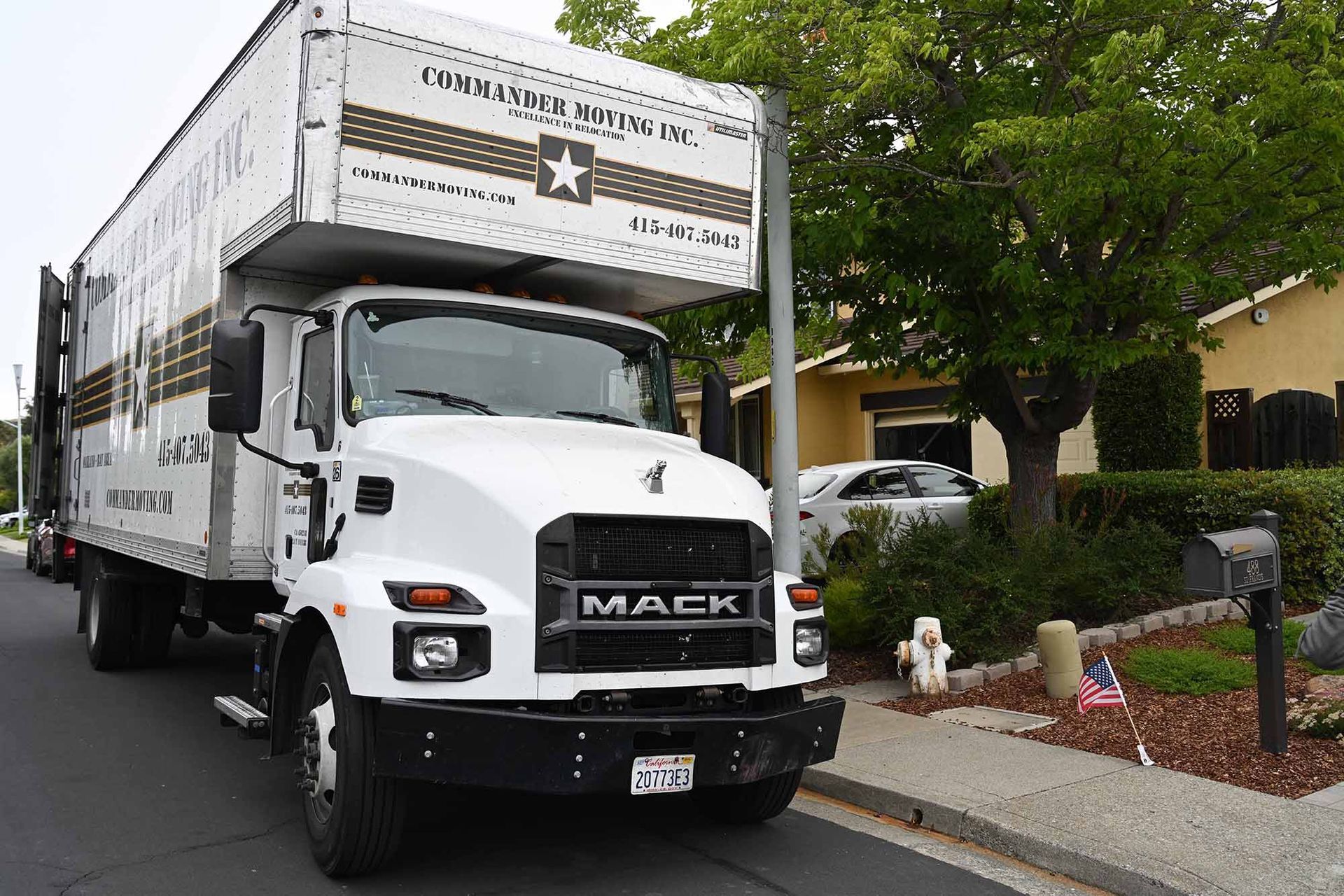
Need Reliable Local Movers For Your Next Home Move?
Moving can quickly become overwhelming when you’re trying to coordinate packing, protect valuable furniture, manage timelines, and avoid costly mistakes all at the same time. Many homeowners start the process thinking they can handle everything themselves, only to run into damaged belongings, hidden costs, unreliable movers, or exhausting moving days that create more stress than expected. Choosing the wrong moving company can turn an exciting transition into a frustrating experience that affects your family, schedule, and peace of mind.
At Commander Moving, we help homeowners and families simplify the entire process with professional local movers who know how to plan, protect, pack, and move efficiently. From large residential homes and apartments to specialty items and full-service packing, our team focuses on making every move organized, smooth, and stress-free. We believe moving should feel manageable from start to finish, not chaotic or unpredictable.
When you work with experienced local movers, you gain more than transportation. You gain confidence that your belongings are protected, your timeline is respected, and your move is being handled by professionals who care about getting it right. Contact Commander Moving today to schedule your estimate and experience why more Bay Area homeowners trust our local movers for safe, efficient, and frustration-free relocations.
Disclaimer
The materials available on this website are provided for general informational and educational purposes only and are not intended as legal, financial, moving, storage, or professional advice. Every move is different, and you should contact a qualified moving professional regarding your specific relocation needs, timelines, pricing, storage requirements, or specialty moving concerns.
Do not act or rely solely on the information contained on this website without first speaking directly with Commander Moving or another qualified professional regarding your individual situation. While we strive to keep the information on this website accurate and up to date, moving regulations, service availability, pricing, and operational details may change without notice.
Commander Moving disclaims all liability for actions taken or not taken based on any content found on this website to the fullest extent permitted by law. Use of this website or communication through this website does not create a contractual agreement for moving services unless confirmed in writing by Commander Moving.