May 24, 2026

At Commander Moving, the process is built on tried-and-true packing, padding, and handling techniques designed to minimize risk from start to finish.
Commander Moving wraps furniture with moving blankets and stretch film to prevent scratches and moisture damage. For floors, rosin paper or reinforced cardboard is placed along walkways to avoid scuffs and gouges. Fragile items are secured using double boxing, bubble wrap, and foam inserts, with clear labeling and inventory notes for special handling.
Professional lifting equipment, such as dollies, straps, and team lifts, is used to reduce strain and lower drop risk. Before any move, Commander Moving performs a pre-move survey to identify tight hallways, stairs, elevators, and disassembly needs so every step is planned safely.
The core of this approach lies in combining protective materials, skilled labor, and careful logistics planning that homeowners can expect from a professional moving service.
Key Takeaways
- Design a pre-move protection plan that maps routes, item condition, and records homeowner notes so movers can clear fragile and high-value items first with little disruption.
- Complete an in-depth property survey to identify tight spaces, sensitive finishes, and architectural hazards. Use this information to develop personalized packing and handling plans for each type of item.
- Including double-walled boxes, padded blankets, custom crates, and two-person carries. Label and load fragile items last to reduce transit risk.
- Safeguard flooring and walls with surface coverings, corner guards, door jamb shields, and reinforced padding along designated paths. Swap out coverings as necessary throughout the move.
- Provide seasoned movers, spotters, and direct communication to orchestrate careful handling, bypass impediments, and inspect items at delivery for an on-the-spot remedy.
- Provide optional coverage and clear claims processes. Guide clients on packing tips. Regularly evolve techniques and supplies to meet contemporary industry standards.
The Pre-Move Protection Blueprint
A pre-move protection blueprint establishes the protocols and procedures that avoid loss, damage, and fraud before any shipment. It integrates scheduling, valuation, and professional packing techniques, ensuring homeowners understand the timeframe, how valuable belongings will be managed, and who is responsible.
- Property walkthrough and damage documentation
- Custom packing and handling plans per item class
- Materials list: padding, blankets, shrink wrap, corner protectors, floor runners
- Inventory numbering, labeling, and risk flags
- Route mapping and access checks for stairs, elevators, and loading zones.
- Client approval of special handling instructions and insurance options
- Licensing and insurance verification of the moving company and brokers
- Binding, not-to-exceed quotes where applicable (weight-based and accessorial)
- Clear broker disclosures and written contracts
- Contingency plans for delays, weather, or structural issues
Property Assessment
Pre-move protection planning involves using professional packing techniques to wrap and tag fragile and valuable items, such as antiques and electronics. It’s crucial to document any pre-existing damage, like scratches or stains, with photos and timestamps. Discovering tight hallways and low door frames is essential for determining what needs disassembly and what special handling needs to be addressed. Additionally, flagging completed floors that require protective measures, like runners or rosin paper, ensures the safe delivery of delicate belongings during the relocation process.
Custom Strategy
Build a handling plan by item category to ensure a successful move. Sectional sofas should have sectional brackets removed and be wrapped in quilted pads for protection. Glass tabletops must go flat in A-frame racks with foam edge strips, while TVs and monitors require professional packing techniques, packed in anti-static wrap and double-boxed crates. Designate the right packing materials and a crew lead, per item group, and record step-by-step handling instructions. Factor in homeowner demands and make accommodations for tight doors or limited street access, ensuring the safe delivery of valuable items.
Inventory Process
- Item Description Estimated Weight Serial Numbers Notes on Condition.
- Employ tracking sheets and barcode tags to track items at load, in transit, and at delivery.
- Tag valuables and high-risk items for separate handling and include priority loading on the truck.
- Send home the complete checklist and a copy of contracts, with licensing and insurance documentation, so owners can check broker disclosures and obtain binding estimates if appropriate.
How Movers Protect Your Items
Movers employ a multilayer approach that combines professional packing techniques, materials, and processes to minimize risk to furniture, flooring, and delicate items. We aim to control motion, absorb shock, and ensure safe handling from pick-up to delivery.
1. Specialized Materials
Movers use professional packing techniques to select the right packing materials based on item fragility. For instance, fine china, crystal, and delicate belongings receive custom crates or dish packs for safe delivery.
2. Proven Techniques
To ensure a successful move, line boxes with packing paper or bubble wrap, using professional packing techniques to prevent items from shifting during transportation. For fragile items like glassware, consider using foam inserts and cell dividers for added protection. Movers employ proper handling and lifting forms on heavy pieces to minimize strain injuries and drops. Additionally, they label boxes with upright indicators and 'Fragile' to ensure safe delivery and proper handling throughout the relocation process.
3. Custom Solutions
Create unique solutions for weird shapes and oversized art using professional packing techniques. Construct wooden crates with foam padding for oversized items, ensuring safe delivery. Climate-controlled transport might be needed for oversized paintings. For antiques and collectibles, expert hands and complete blanket wrapping avoid the partial wrap blunders that frequently result in damage, especially during long-distance moves with vibration and temperature changes.
4. Strategic Loading
To ensure a successful move, load fragile boxes last and unload them first, reducing stacking stress. Employ professional packing techniques to plan the truck layout, separating heavy furniture from fragile items, while keeping furniture empty to avoid joint stress.
5. Careful Transit
Drive cautiously and watch conditions while using modern, dependable equipment for transportation. Use professional packing techniques and keep your team in communication to ensure safe delivery of fragile items.
Protecting Floors And Walls
Protective planning kicks off before the first box is moved. Effective packing techniques should be employed to plan the course, record delicate finishes, and position coverings such that each fragile surface is accounted for before high-volume traffic. This minimizes surprises, keeps the crew on target, and contains repair expenses, which average over $6 a square meter when damage occurs.
Surface Coverage
Cardboard sheets are used on tile and laminate surfaces as a rigid, impact-dispersing protective layer placed under appliances. Corrugated plastic is ideal for wet areas and stair landings due to its water resistance and durability, providing temporary surface protection. Felt pads and furniture sliders are suited for hardwood and tile floors, offering a low-friction, reusable solution for moving furniture under its legs.
In addition, protecting tile and carpet from dirt and heavy foot traffic is crucial. Layering with appropriate materials, vacuuming thoroughly, and using a vinegar-water solution for cleaning are all part of smart packing methods. During local relocations, flipping soiled covers keeps protection fresh, while gently peeling off protective materials at a 45-degree angle ensures the safe handling of your valuable belongings.
By focusing on the right packing materials and strategic placement, you can mitigate potential risks associated with moving fragile items. This attention to detail not only enhances the safety of your irreplaceable items but also contributes to a seamless movement of your personal belongings to the destination room.
Structural Shielding
Add door jamb protectors and wall shields where large items transit. These guards protect against chips and scratches along edges and are secured with non-marking tape or quick clips to prevent finish damage. Foam pads and bumpers fit on sharp furniture edges and on stairs’ balusters to prevent dents from glancing blows.
Stairs need special attention. They’re the most abuse-prone areas during moves. Secure stair rails and landings with additional padding and rigid boards to distribute the load. Fasten all shields and pads before transport. Unsecured protection can slide off and become a hazard in and of itself.
Navigational Aids
Map out breezy paths to bypass those tight corners and narrow hallways, reducing the last-second pivots. Protecting Floors and Walls: Use hand trucks, dollies, and sliders to relocate heavy furniture with measured force. Detach legs, mirrors, or split sectionals to downsize and decrease danger.
Have spotters direct carriers around obstacles and hazardous areas marked with tape or signs. No cobbled-together haphazard processing. Continuous controlled handling from start to finish keeps your walls and floors intact.
Handling Unique And Specialty Items
Specialty items require strategic preservation and adept touches, particularly when it comes to professional packing techniques. Movers assess size, fragility, worth, and climate requirements, then pair the right packing materials and methods to each item. For fine china, crystal, artwork, heirlooms, and antiques, movers use special custom crating and padded wraps, ensuring safe delivery while in transit. Big paintings might need custom wooden crates, acid-free paper, and foam. Crates and climate-controlled transport can cost between 218 USD and 872 USD or more, depending on size and humidity control requirements.
Apply Custom Crating, Padding, And Wrapping Techniques For Specialty Items Like Pianos, Artwork, And Gun Safes.
Pianos receive an enhanced skid, thick foam underlay, and exterior blankets with straps to prevent surface gouges, using professional packing techniques for safety. Uprights and grands require inner braces for the soundboard, while gun safes and heavy metal items benefit from steel skids, edge guards, and tie-down ratchets to ensure safe delivery. Moving a safe can cost between $270 and $1,296, depending on weight and access. Artwork requires non-abrasive wrapping, corner blocks, and often custom crating, employing proper materials to protect fragile items. Desiccant packs and sealed crates protect against humidity, marking crates with ‘this side must stay up’ stickers to avoid damage during transportation.
Disassemble Complex Furniture And Reassemble It At The Destination For Safer Transport.
Take-apart furniture minimizes bulk and decreases the potential risks for damage to joints and veneers. Professional packing techniques involve movers photographing every element, using zip-tie closures, and applying sticker components for swift re-installation. Grandfather clocks usually require partial dismantling, packing of the pendulum and weights, and setup in the destination room. Count on $327 to $763 for that. Taking things apart tends to minimize cubic space, which can help you evade that costly second truck during your local relocation!
Use Dedicated Trucks Or Separate Trips For High-Value Or Oversized Items.
Expensive or large items require professional packing techniques and should be sent in a reliable vehicle or specialized compartment to minimize damage and risks during transportation. Using specialty services, including climate control and route planning, ensures the safe delivery of valuable belongings while avoiding bumpier roads.
Assign Experienced Movers With Specialized Training For Handling Unique Belongings.
For challenging jobs, such as moving pianos or delicate artworks, it's crucial to send our specialized movers equipped with professional packing techniques. Booking these specialty moves two to four weeks in advance ensures the proper handling of fragile items during busy seasons.
The Human Element In Protection
Local moves require more than just boxes and blankets; they depend on skilled movers who scan objects, dangers, and environments to ensure safety and efficiency. These professional movers identify parts requiring special attention, such as antique furniture that is prone to warping due to temperature fluctuations. They then employ strategic packing techniques that keep weights low and vulnerable pieces safe. Understanding the importance of fragile item handling, movers pack fragile boxes last and unpack them first to prevent glass and mirrors from experiencing stack pressure and excessive handling, significantly reducing the risk of damage.
Professional packing techniques are employed by movers to ensure uniform handling of all items. They wrap legs, bolt down loose parts, and use corner protectors and rigid crates where soft wraps won’t suffice. For valuable items such as fine china, crystal, and heirlooms, they use proper materials such as foam, acid-free paper, or custom crates, labeling each side and face for easy identification. Additionally, they monitor transit conditions closely, padding wooden antiques to limit exposure to temperature extremes that could lead to cracking or finish loss.
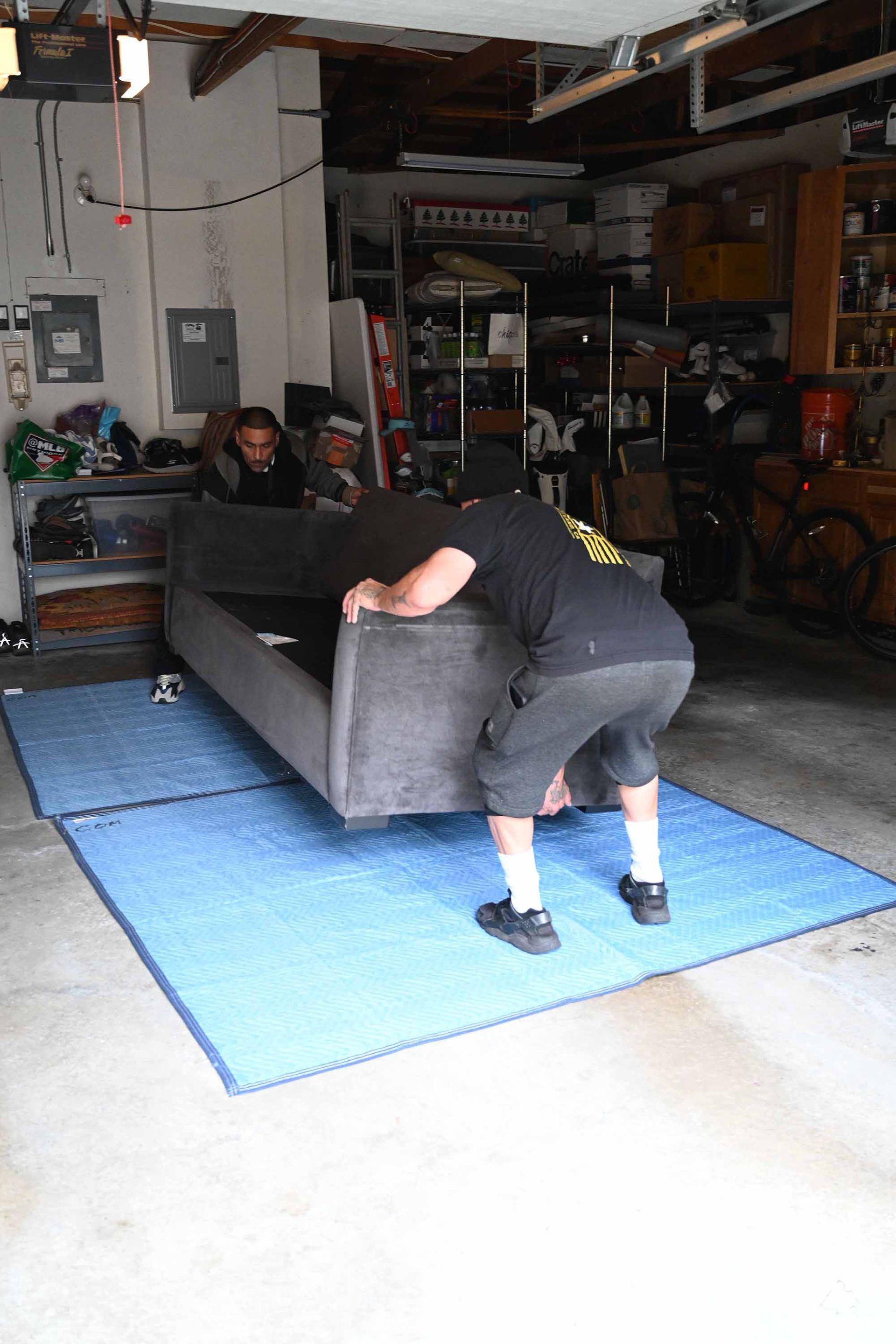
The size of the moving team and their coordination play a crucial role in the success of the move. A larger crew can expedite the process, reducing the time items are in transit or in hallways, but this typically inflates the hourly rate. Therefore, movers must balance speed versus expense while leveraging clear communication and mapped roles to prevent collisions and ensure efficient handling. For instance, when two people carry a couch, they coordinate their movements, which helps maintain the integrity of their floors and furniture pieces.
Care is paramount throughout the relocation process. Movers protect floors with runners or hardboard and use sliders under heavy legs to distribute the load effectively. They also pad door frames and stair rails while unhooking small fixtures that could snag upholstery. In the truck, they strap and build load walls to prevent movement. Should unexpected challenges arise, such as a tight staircase or a defective hand truck, proactive teams will stop to re-strategize, ensuring a smooth and safe delivery.
Even the most well-meaning untrained helpers lack the gear and judgment necessary for this level of protection. Since 64% of individuals consider moving to be extremely stressful, relying on expert movers not only minimizes potential risks but also preserves the value of delicate and irreplaceable items, making the entire relocation experience more manageable and less daunting.
Beyond The Box: Proactive Safeguards
Local movers employ a variety of proactive safeguards to protect furniture, floors, and fragile items from harm during a move. High-quality packing materials form the first line of defense: double-walled boxes, acid-free tissue, bubble wrap with varied bubble sizes, corrugated corner protectors, moving blankets rated for abrasion, and stretch film to lock drawers. Professional movers select padding according to the object, such as small-bubble wrap for glassware, foam sheets for televisions, and sturdy boxes for books. Labels serve as visual reminders, designated by room and fragility, so crews understand what to transport first and what boxes need to go on top.
Movers in breakables training use simple and specific packing techniques to reduce risk, such as wrapping items individually, cushioning tops and bottoms, filling voids with crumpled paper or foam, and using tape patterns that prevent burst-open seams. Movers load fragile boxes last into the truck and unpack them first to reduce piling strain. For furniture, teams take legs apart, pad contact points, and protect corners with guards to avoid gouges. Floor protection is planned: adhesive runners for short moves, reusable mats for long carries, and corner guards in stairwells to avoid scuffs.
For high-value or specialty items, movers provide custom services. Fine china and crystal, original artwork, and family heirlooms get custom crating or wooden crates that are sized to the item with internal bracing to prevent shifting. Oversized paintings might require crating and climate-controlled distribution to prevent humid or temperature-based damage. This service escalates price but aligns with risk. Movers typically suggest full-value protection or third-party insurance for those items, describing coverage limits, deductibles, and exclusions so customers can select the appropriate plan.
Open-book promises and easy paperwork minimize on-the-other-side-of-the-move angst. Movers capture pre-move conditions with photos and condition reports, record serial numbers for electronics, and provide customers with a written claims process with timelines and points of contact. Educating customers is part of the service: movers advise on decluttering, which items to pack personally, and how to prepare appliances for transport. They refresh methods and supplies based on trends, embracing newer cushioning foams, returnable protection solutions, and digital asset trackers to stay in step with the industry.
Final Remarks
Local movers follow specific steps to reduce damage risk and keep things safe. Movers wrap furniture in thick pads and tape to secure the wrap. They use rigid crates for glass and dishware and stack soft layers between fragile pieces. Local movers protect floors with runner mats and Masonite sheets and safeguard your furniture and fragile items. They pad doorframes and corners to prevent dents. Local movers don’t drag furniture, floors, or fragile items; movers lift with straps and dollies. For pianos, art, and antiques, they plan routes and bring along specialized equipment. Movers chat with customers, identify vulnerabilities, and record them with pictures. That combination of equipment, expertise, and attention minimizes unexpected moments and saves minutes. Want a checklist you can go over with your mover? Ask, and I’ll share one you can use today!
Frequently Asked Questions
1. How Do Local Movers Protect Large Furniture During A Move?
Movers use professional packing techniques, padding furniture with moving blankets and wrapping fragile items in stretch film. They also break down bulky furniture pieces to prevent scratches and minimize shifting during transportation.
2. How Do Movers Prevent Floor And Wall Damage?
Local movers employ professional packing techniques to protect furniture, floors, and fragile items. They use corner guards on doorway corners and map logistics routes to avoid narrow turns and unnecessary movement near delicate surfaces.
3. What Steps Protect Fragile Items Like Glass And Ceramics?
Local movers use professional packing techniques to protect fragile items by wrapping them in bubble wrap, paper, or foam, and employing the right packing materials in clearly labeled, sturdy boxes with cushioning for safe delivery.
4. How Are Specialty Items Like Pianos Or Art Handled?
Specialty items often require professional packing techniques such as custom crating or reinforced padding. Using straps, dollies, and lifts specifically designed for fragile items helps protect furniture, floors, and valuable belongings during transportation.
5. What Role Does Insurance Play In Protecting Items?
Insurance provides a financial safeguard should damage happen during the relocation process. Basic liability is included by reputable movers, while additional valuation coverage can be purchased for extra protection and peace of mind.
Need Reliable Local Movers for Your Next Home Move?
Moving can quickly become overwhelming when you’re trying to coordinate packing, protect valuable furniture, manage timelines, and avoid costly mistakes all at the same time. Many homeowners start the process thinking they can handle everything themselves, only to run into damaged belongings, hidden costs, unreliable movers, or exhausting moving days that create more stress than expected. Choosing the wrong moving company can turn an exciting transition into a frustrating experience that affects your family, schedule, and peace of mind.
At Commander Moving, we help homeowners and families simplify the entire process with professional local movers who know how to plan, protect, pack, and move efficiently. From large residential homes and apartments to specialty items and full-service packing, our team focuses on making every move organized, smooth, and stress-free. We believe moving should feel manageable from start to finish, not chaotic or unpredictable.
When you work with experienced local movers, you gain more than transportation. You gain confidence that your belongings are protected, your timeline is respected, and your move is being handled by professionals who care about getting it right. Contact Commander Moving today to schedule your estimate and experience why more Bay Area homeowners trust our local movers for safe, efficient, and frustration-free relocations.
Disclaimer
The materials available on this website are provided for general informational and educational purposes only and are not intended as legal, financial, moving, storage, or professional advice. Every move is different, and you should contact a qualified moving professional regarding your specific relocation needs, timelines, pricing, storage requirements, or specialty moving concerns.
Do not act or rely solely on the information contained on this website without first speaking directly with Commander Moving or another qualified professional regarding your individual situation. While we strive to keep the information on this website accurate and up to date, moving regulations, service availability, pricing, and operational details may change without notice.
Commander Moving disclaims all liability for actions taken or not taken based on any content found on this website to the fullest extent permitted by law. Use of this website or communication through this website does not create a contractual agreement for moving services unless confirmed in writing by Commander Moving.