
May 27, 2026

Here are the biggest red flags to watch for when hiring local movers: lack of licensing, no written estimate, and poor or no insurance coverage. Moving companies without an operating license pose legal and liability hazards. Estimates provided exclusively by phone or that vary widely on moving day are an indicator of billing issues and sneaky fees. Movers who eschew written contracts or don’t have itemized inventories make damage claims trickier. Multiple terrible reviews, vague pickup times, and no local address are huge red flags that they are not reliable. A crew without uniforms or ID, damaged trucks, or on-site pressure to sign waivers diminishes consumer protection. This is a great checklist of what to check, what paperwork to demand, and tips on negotiating so you can select trusted local movers and minimize price and danger.
Key Takeaways
- Check licensing and insurance before booking to steer clear of rogue movers and ensure you’re protected. Have coverage details in writing.
- Demand a written estimate and don’t accept or ask for verbal or ballpark quotes to avoid hidden fees and ambiguous pricing.
- Don’t hire movers that want large upfront payments or cash only. It’s better to hire a company that takes a small deposit and the balance upon delivery.
- Be wary of unprofessional communication, bad review trends, or inconsistent documentation as indicators to seek alternatives.
- Check equipment, crew behavior, and moving procedures upon arrival for careful handling and a computerized inventory system.
- Cross-check credentials with the official registries and multiple review sources. Compare all top-rated movers and save all contracts and insurance copies for your records.

Identify These Moving Red Flags
Identify these local moving red flags. Here’s a quick list of the big red flags to look out for when hiring licensed movers, followed by in-depth breakdowns of the most frequent trouble spots.
- No written estimate or contract.
- Requests for cash-only or wire-transfer payment.
- Large upfront deposits or full payment is demanded before delivery.
- Estimates that are unusually low compared with the market.
- No physical business address or invalid U.S. DOT number.
- Lack of licensing, insurance proof, or verifiable credentials.
- Unwillingness to provide references or customer reviews.
- Poor, slow, or inconsistent communication and status updates.
- Repeated negative reviews, unresolved complaints, or regulatory actions.
- Pressure sales tactics, rude behavior, or vague pricing methods.
1. Vague Estimates
To ensure a smooth move, require a written, itemized estimate from your local mover that includes separate listings for labor, transport, packing materials, and any additional fees for stairs or long carries. If the mover rejects an in-person or virtual inspection, consider that a red flag. Relying on verbal or ballpark estimates can lead to potential scams, where the final invoice is significantly inflated. It's crucial to find out how they measure volume or weight, whether they use hourly or flat rates, and what prompts surcharges. A transparent sample contract is essential for exposing absent line items and confirming if the firm understands typical liability alternatives and valuations.
2. Payment Demands
Be aware of these local moving red flags. Reputable movers will accept cards or checks, while cash-only or wire transfer requests should raise concerns. Never pay in full upfront; a small deposit is standard, with the balance due upon delivery. If a licensed mover insists on advance payment, view it as a warning sign of a potential scam. Always document transactions and verify payment terms in the contract.
3. Missing Credentials
To ensure a smooth move, check license numbers with federal or state authorities and the mover’s status with FMCSA databases. Make sure they can provide adequate insurance coverage for goods in transit and damage coverage. If there is no address or US DOT number, or if they won’t show you their credentials, they could be a dishonest mover operating illegally. Membership in respected trade groups lends trustworthiness but never substitutes for license checks.
4. Unprofessional Communication
To spot these local moving red flags, pay attention to slow responses, conflicting or incomplete information, and unwillingness to provide firm deadlines. Pressure to book right now before you have all the details, or they will sell out, along with rude staff or dismissive answers, are common indicators. Reputable movers provide written estimates, contracts, and updates, ensuring a smooth move with proper licensing.
5. Dubious Reputation
Be vigilant about trends in online reviews, BBB files, and FMCSA complaints when selecting a local moving service. Multiple accounts of damage or concealed charges can indicate a reputable mover has systemic issues. A lack of genuine third-party reviews or reluctance to provide referrals may suggest the company is hiding something, such as potential scams or unfair business practices.
Scrutinize Their Paperwork
Examine their paperwork carefully, as it contains crucial specifics about the local moving services offered, including services, dates, charges, and legal names. Omitted or ambiguous items can often indicate potential scams or unethical moving services, such as careless movers who might tack on extra charges later. Ensure that the company name on contracts aligns with the business license and any online directory listings, and retain copies of all pages for your records.
The Contract
A thorough contract with a local moving service will itemize the supply list, per-hour or per-square-foot rates, and service terms. For pickup and delivery addresses, dates, and primary contact numbers, have these written down exactly as you will use them. Check for clauses on extra fees for stairs, long carries, packing supplies, or unforeseen delays, and observe how and when those fees can be charged. Review cancellation and rescheduling policies and dispute resolution steps, including arbitration, court venue, or small-claims routes. Never sign a blank, unfinished, or verbal-only contract. Once inventory is not itemized, demand that room-by-room lists and condition notes be added. This minimizes any vagueness if damage or loss does occur. A signed, transparent contract safeguards both of you and establishes expectations for a smooth move.
The Insurance
Verify the mover has the necessary insurance and that coverage limits are adequate for your items' worth. When hiring professional movers, demand details on full value protection, which replaces or repairs damaged items, versus released value, which is minimum liability calculated per kilogram or per piece. Read the exclusion sections; common exclusions include pre-existing damage, unpacked fragile items, or items of high intrinsic value, such as jewelry and documents. Ask for a certificate of insurance before moving day and check the company and policy numbers. If you're bringing in some valuables, think about either supplemental insurance or homeowner's policy extensions to ensure a smooth move. Another key protection from loss is proper insurance paperwork.
The Claims Process
- Examine Their Paperwork: Get detailed written claims instructions before the move.
- Note exact timelines for reporting damage and submitting documentation.
- Review Their Paperwork.
- Request example forms and policies on inspections and settlements.
SHARE: When considering a local moving service, ask the company if they have specific timelines for claim resolution and if they maintain a formal record of all claim correspondence. A clear and expeditious claims process reflects the commitment of reputable movers and minimizes the possibility of loss.
Observe Their Operations
See how the local moving service operates its daily business to find out about efficiency, safety, and dependability before you hire. Their visible state of vehicles, crew’s manner, packing routine, and use of technology all transmit cues regarding training, accountability, and how they address complaints about potential scams.
Their Equipment
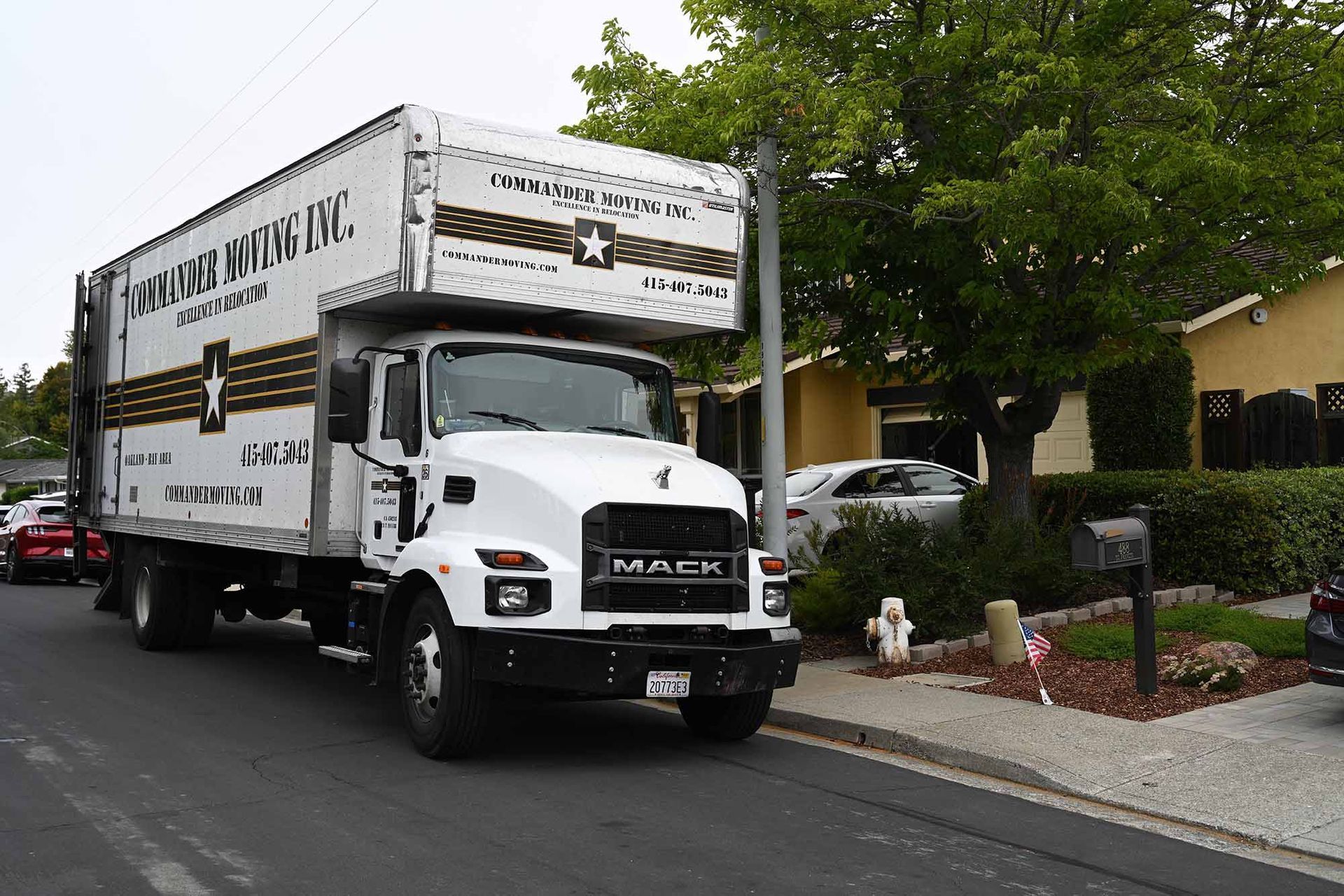
When hiring a local mover, seek out shiny, well-kept trucks that display prominent company logos and phone numbers. These demonstrate openness and facilitate follow-up in case of problems. Trucks should carry proper moving gear: padded blankets, straps, heavy-duty dollies, appliance dollies with brakes, and edge protectors for furniture. Check out packing materials, including intact boxes, bubble wrap, and mattress covers, and see whether they employ purpose-built crates or specialty supports for delicate items. Unmarked or shabbily maintained vehicles are a warning of potential scams. They mask subcontracting, uncertain insurance coverage, and off-the-books practices that increase safety and liability exposure. Equipment ties to sustainability and safety, ensuring a smooth move.
Their Attitude
Notice how the staff welcomes you and responds to inquiries when considering a local moving service. Polite, patient employees who describe the schedule and timelines indicate training and a customer-oriented culture. It's important to observe if the crew members are conferring with each other and a lead mover, as distinct role separation minimizes errors and maximizes speed. Careless behavior, often seen with dishonest movers, includes a rough hand or dismissive answers that can stem from bad training or low morale. A responsible crew that records damage issues and inquires about delicate items shows a commitment to a smooth move.
Their Process
A careful walk-through with inventory and labeling anticipates written counts, lists, and photos for valuable items, ensuring a smooth move. Proper packing includes tiered protection: wrap, cushion, and secure. Fragile items are separated and labeled. Technology utilization, such as barcode scanning, digital inventories, and GPS tracking, demonstrates a commitment to data-driven oversight and traceability. Inquire about how they manage complaints and damages, as hiring professional movers who hurry the walkthrough, refuse paperwork, or neglect to take inventory of items is high-risk and should be circumvented.
How To Verify A Mover
Before booking a local mover, it’s crucial to check their credentials and track record. Start by using official directories and the FMCSA website to confirm they are a licensed mover. Additionally, cross-check their business address, licensing, insurance, and reputation through public records and reputable associations to avoid scams.
Check Licenses
When hiring professional movers, always ask for their USDOT number or state license and verify it on the FMCSA site to ensure you're working with a reputable mover. Make sure the ID matches the company name on any quote or contract, as mismatches often indicate a wrong moving service. It's crucial to verify that the license is appropriate for your type of move; local moving may be regulated by state agencies, while an interstate move necessitates a USDOT number. Avoid firms with expired or suspended licenses, as this can lead to potential scams and complications during your relocation.
Insurance Confirmation Process
Request evidence of insurance from your local mover and review the certificate for up-to-date effective dates, insurer, and coverage limits for liability and cargo loss. It's crucial to verify the insurer’s name with public registries or its own site to confirm it is legitimate, as fake insurance certificates are a known con. For your valuable belongings, inquire about supplemental coverage options, third-party valuation plans, or standalone transit insurance. Just be sure to keep a photocopy or digital image of the insurance certificate with your moving file. Additionally, check if their policy includes damage while packing and loading, in transit, and unloading, and if there are exclusions, such as for stairs, elevators, or long carries.
Read Reviews
- Collect the highest-ranked local movers from Google, industry sites, and the BBB.
- Look at ratings and total reviews across platforms so you’re not too dependent on one site.
- Note comments on punctuality, professionalism, damage prevention, and communication.
- Look at the complaints. How does the company respond to them? Fast, responsible responses indicate dependable service.
Look for patterns: repeated notes about surprise charges, lowball estimates that ballooned, or requests for large deposits are red flags when hiring local movers. Check the business address on Google Maps to ensure it is a legitimate company and not a residential listing. Confirm accepted payments and demand a transparent written estimate from reputable movers to minimize the possibility of surprise fees.
What A Professional Mover Does
A reputable mover offers an end-to-end solution, including packing, loading, transport, unloading, and optional storage or specialty handling. They operate with processes that minimize liability and establish measurable expectations for customers. This local moving service begins with a consultation to approximate weight, volume, distance, and services needed, ensuring a smooth move and ending with paperwork, inventory lists, and a delivery window.
Clear Moving Communication
Act immediately on requests, and don’t give me scratch-the-surface answers to my questions. A licensed mover returns calls and texts promptly, clarifies the scope, and provides a written estimate that connects services to costs and timelines. Detail all services, pricing terms, and schedules in writing. In writing, specify what’s included, what’s extra, and the forms of payment accepted. Be cautious of large deposits, as they are unusual and should be red-flagged. Keep you updated in advance of any problems that come up during the move, including weather impacts or equipment issues, accompanied by a fresh delivery window and next steps. Providing critical details such as driver number, delivery window, and inventory ensures a smooth move and minimizes mix-ups, creating a chain of responsibility from pick-up to delivery.
Respectful Handling
To ensure a smooth move, pack with padding to protect your belongings and property. Reliable local movers should wrap frames, pad legs, and protect doorways and floors. Adequate training for employees on how to lift, carry, and load items safely minimizes injury and the risk of dropping or damaging goods. Go the extra mile with delicate, valuable, or oversized items; special straps or two-person lifts are typical for pianos, antiques, and large appliances. Photograph everything before and after your relocation day. Photos, timestamps, and signed condition notes establish a paper trail in the event of a claim, especially when dealing with licensed movers who offer liability options such as Full Value Protection.
Transparent Pricing
Reveal any additional fees for stairs, long carries, or packing supplies when hiring licensed movers. Respect the original estimate unless you request add-ons to ensure a smooth move. Don’t fall victim to unethical moving service practices that lead to surprise fees on moving day. If an unexpected cost arises, the local mover should stop work, describe the reason, and receive written approval to continue.
Your Pre-Booking Checklist
A pre-booking checklist is essential, as it reduces last-minute stress, helps spot potential scams, and ensures you compare local moving services before committing. Use the checklist below as a step-by-step guide to cover what, why, where, and how before you hire professional movers.
Create A Checklist With Comprehensive Description To Ensure All Necessary Steps Are Covered Before Booking A Mover
When preparing for your move, it's essential to list items by gathering an inventory, creating a room-by-room list with approximate weights or counts, and photographing valuable items. Additionally, note access constraints such as stairs, elevator size, and long carry distances. Be sure to check online reviews and ratings for each local moving service, as these can be indicators of their reputation, though not definitive evidence. Verify that the company website uses HTTPS and includes a physical address along with transparent contact options. Booking your move 4 to 6 weeks in advance can help secure reliable company crews at competitive prices. Be cautious of significantly lower quotes, as these may indicate potential scams. Remember to keep track of payment methods, as reputable movers typically accept cards and bank transfers without asking for large deposits.
Schedule In-Person Or Virtual Estimates With Multiple Companies For Comparison
Arrange at least three estimates, either in-person or via a detailed video tour that shows all rooms and access points. In-person visits allow estimators to check stair counts and lift access while gauging packing needs for a smooth move. Virtual tours can substitute when travel or geography is an issue. Request written estimates after the visit and compare line items such as labor hours, vehicle type, packing materials, and special handling fees. If an estimator gives only a verbal quote, insist on a written one to avoid potential scams or last-minute charges.
Review Contracts, Insurance Options, And Claims Processes Before Signing
Read the contract fully and compare coverage types, such as basic release value versus full replacement value insurance, as this is crucial for a smooth move. Inquire about their claims process, standard turnaround times, and results of sample claims from reputable movers. Verify damage liability and what paperwork you must maintain, including inventory lists and pictures, to avoid issues with dishonest movers.
Confirm All Details: Dates, Addresses, Pricing, And Services - In Writing For A Smooth Experience
Verify the move date, pick up and delivery addresses, start time, crew size, total price, and payment terms listed in the contract with your local mover. Get a written, itemized final estimate from reputable movers and save copies of correspondence and receipts.
Final Remarks
Hiring local movers begins with these very basic checks and easy steps. Know how to spot fake reviews, vague quotes, or a push to pay cash. Request a written estimate, license number, and insurance. Keep an eye on how the crew packs and handles things. Contact the regulator and previous customers. Here’s what you need to know about some of the biggest red flags to watch for when hiring local movers.
Little deeds trim huge dangers. Photograph items and the house before the move. Arrange to be there when the team is working. Hold on to copies of all documents and records of phone calls.
Let’s move smart! Then, use the checklist above, call Commander Moving, and book the company that shows clear proof and steady work.
Frequently Asked Questions
1. What Are The Biggest Red Flags When Hiring Local Movers?
Watch for no written estimate, fuzzy answers, no business address, bad reviews, or pushy salesmen, as these are common indicators of unethical moving services or rogue movers.
2. How Do I Verify A Mover’s Licensing And Insurance?
Request their local mover license number and insurance information. Confirm this with your state or national moving regulator and ask for a certificate of insurance that lists you as an interested party if feasible.
3. What Should I Check On A Moving Company’s Paperwork?
To ensure a smooth move, obtain a written, itemized estimate along with the mover’s business address, proper licensing, insurance numbers, and clear payment terms, avoiding any local mover that only offers verbal estimates.
4. How Can I Tell If A Mover’s Operations Are Professional?
Professional movers are punctual, bring the right equipment, wear uniforms, maintain a neat truck, and offer transparent communication, demonstrating their commitment to a smooth move and trustworthiness.
5. Is A Low Estimate A Warning Sign?
Yes. High bids from inexperienced or rogue movers can be dangerous. Opt for a fair, written estimate from reputable movers instead of the lowest bidder.
Need Reliable Local Movers for Your Next Home Move?
Moving can quickly become overwhelming when you’re trying to coordinate packing, protect valuable furniture, manage timelines, and avoid costly mistakes all at the same time. Many homeowners start the process thinking they can handle everything themselves, only to run into damaged belongings, hidden costs, unreliable movers, or exhausting moving days that create more stress than expected. Choosing the wrong moving company can turn an exciting transition into a frustrating experience that affects your family, schedule, and peace of mind.
At Commander Moving, we help homeowners and families simplify the entire process with professional local movers who know how to plan, protect, pack, and move efficiently. From large residential homes and apartments to specialty items and full-service packing, our team focuses on making every move organized, smooth, and stress-free. We believe moving should feel manageable from start to finish, not chaotic or unpredictable.
When you work with experienced local movers, you gain more than transportation. You gain confidence that your belongings are protected, your timeline is respected, and your move is being handled by professionals who care about getting it right. Contact Commander Moving today to schedule your estimate and experience why more Bay Area homeowners trust our local movers for safe, efficient, and frustration-free relocations.
Disclaimer
The materials available on this website are provided for general informational and educational purposes only and are not intended as legal, financial, moving, storage, or professional advice. Every move is different, and you should contact a qualified moving professional regarding your specific relocation needs, timelines, pricing, storage requirements, or specialty moving concerns.
Do not act or rely solely on the information contained on this website without first speaking directly with Commander Moving or another qualified professional regarding your individual situation. While we strive to keep the information on this website accurate and up to date, moving regulations, service availability, pricing, and operational details may change without notice.
Commander Moving disclaims all liability for actions taken or not taken based on any content found on this website to the fullest extent permitted by law. Use of this website or communication through this website does not create a contractual agreement for moving services unless confirmed in writing by Commander Moving.