
May 21, 2026
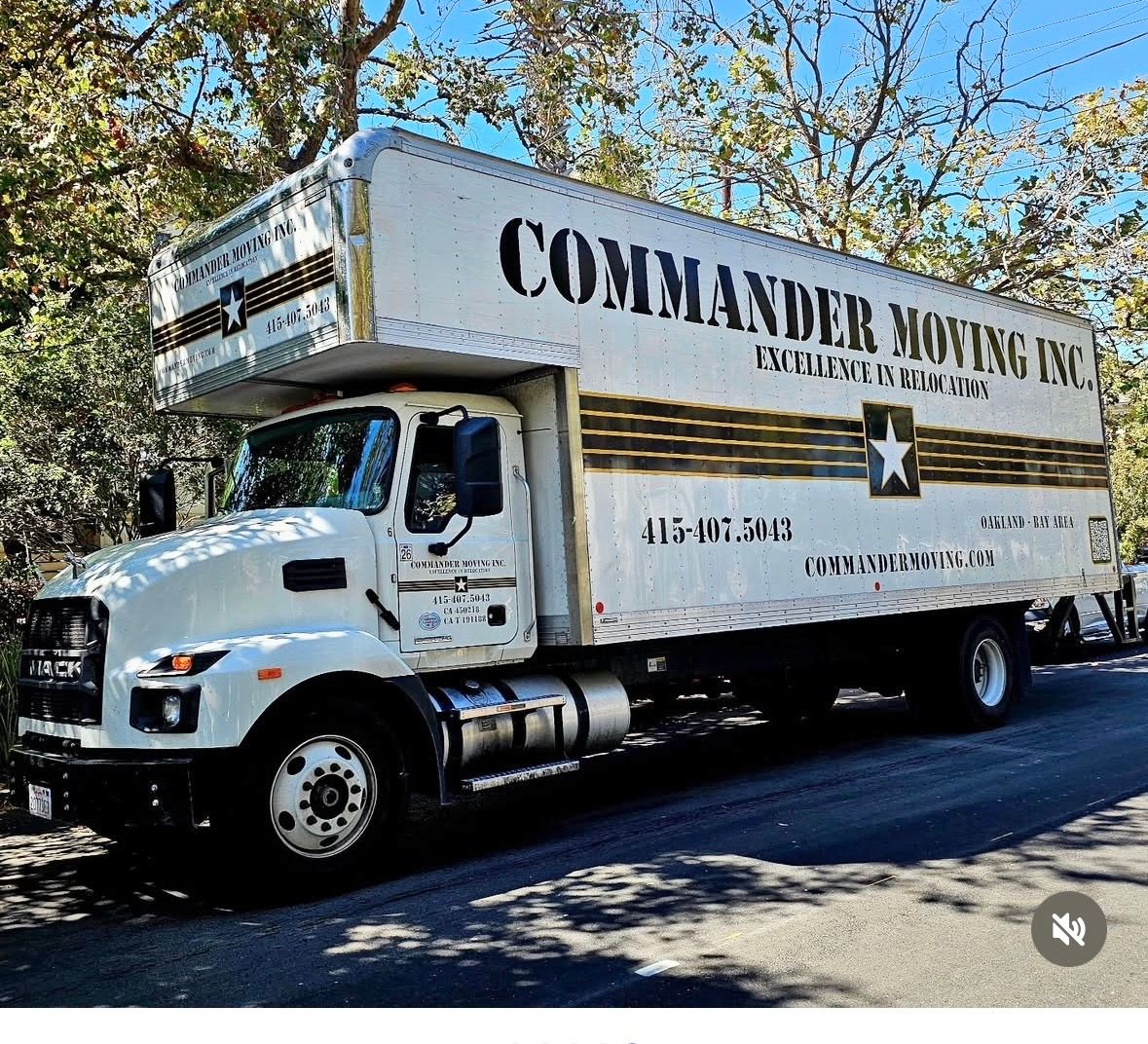
Local movers are pros who take care of short-distance residential and small business moves within a city or region. They plan routes, pack breakables, load and unload trucks, and handle local permits when necessary. Regular crews calculate in pounds and cubic feet to estimate space and pricing, and frequently provide an hourly rate or flat local fees. Several companies offer insurance coverage and basic packing supplies upon request. For first-timers, selecting movers with upfront estimates, transparent fees, and verified reviews minimizes risk and downtime. The text below describes how to compare quotes, verify credentials, and organize a cost-effective move with handy checklists and sample timetables.
Key Takeaways
- Check credentials such as USDOT or state license and insurance coverage to safeguard your home and ensure the mover is legitimate.
- Trust the steady, tested reviews and local word of mouth. Check for pattern complaints or red flags.
- Obtain written, itemized estimates from several movers and verify that they are binding, so you’re not sucker-punched by surprise charges and hidden fees.
- Select full service if you need packing, loading, transport, and storage taken care of end-to-end, and ask for custom crating for high-value or fragile pieces.
- Establish clear communication with one point of contact and the cadence for updates, and use local expertise for permits, access, and routes.
- Safeguard valuables by choosing suitable valuation coverage, capturing item condition with photographs, and familiarizing yourself with the mover's claims procedure ahead of moving day.

Evaluating Professional Local Movers
Start by ensuring that the moving service providers are licensed to operate in your city and that there’s protection in place for loss or damage before a professional mover touches your belongings.
1. Verify Credentials
To confirm that the moving service providers are operating legally, verify the mover’s USDOT number or applicable state license. For overseas readers, consult your local transportation agency or business registry. It's also essential to request documentation of insurance and bonding, including policy limits and total-loss protections. Being a member of industry associations is a good credential, but it does not guarantee reliability. Additionally, check that crews have undergone background checks and training records, especially when handling fragile or high-value items.
2. Assess Reputation
- Check trusted reviews and testimonials for recurring ratings.
- Look for compliments or criticisms in the reviews.
- Compare date ranges to determine if service improved or declined over time.
- Note specifics: Punctuality, care for items, communication, and post-move follow-up.
- Look out for trends with the same issue, hidden fees, or damage claims, for example.
- Prioritize reviews with pictures or a recorded solution.
Look for a track record of on-time, dependable service and local referrals from neighbors or community organizations. Hiring professional movers with short lead times reduces your options. Book 4 to 6 weeks in advance to guarantee access to a reputable moving service provider, such as Commander Moving.
3. Compare Services
List all services offered by moving service providers and match them to your needs: packing, unpacking, loading, unloading, specialty handling for pianos or antiques, and storage solutions. Check if the company provides full-service packages or à la carte pricing for added control. Ensure they offer any extras you might need, such as short-term storage, junk removal, or concierge support. Inquire about their rates for stairs, elevators, long carries, and waiting time, as these usually trigger unexpected fees.
4. Request Estimates
To secure written, itemized quotes from moving service providers, ensure you can see the hourly labor and travel surcharges alongside materials and flat hourly rates. By reviewing several written estimates side-by-side, you can identify outliers. Be wary of super cheap bids, which can be bait. Good-quality movers seldom require large deposits in advance and accept a variety of payment options to help ease the stress of your move.
5. Ask Questions
Inquire about handling moves, including how local moving helpers have managed similar tasks in the past and the process for damage claims. Ensure you understand the scheduling, payment, and cancellation policies while also discussing typical additional fees and how professional movers help avoid them.
Understanding Full-Service Movers
Full-service movers, including professional movers, handle every aspect of a move, from packing to unloading at the new address. These moving service providers offer labor, materials, equipment, transportation, and optional storage so clients can offload logistics and focus on other things. Costs vary widely; small local moves may start near 1,000 USD while long cross-country jobs can exceed 10,000 USD. INDEPENDENT THOUGHTS: For local moves under 100 km, most companies will charge by the hour, typically 80 to 100 USD per hour per mover. During peak season, from May to September, you generally have to book 4 to 6 weeks out to get crews and the best rates.
Secure Item Wrapping
Professional packers wrap and box household goods in protection-rated materials such as double-wall boxes, bubble wrap, and furniture pads. To ensure a stress-free move, fragile items like glassware, ceramics, and framed art receive custom attention with layered cushioning and wooden crates for safe transit. Additionally, ask for a complete inventory from your moving service providers. Specific tagging and an itemized manifest not only reduce the chance of loss but also clarify insurance claims effectively.
Safe Item Loading
Expert crews from moving service providers pack with balance and accessibility in mind. They load heavies low and toward the truck’s front to keep loads stable. With dollies, straps, ramps, and floor runners, they can move safely without leaving a scratch on your belongings or property. Efficient loading maximizes the use of every cubic meter in the rental truck, which reduces the number of trips and thus lowers costs. Skilled crews handle stairs and tight hallways as well, using time-tested lift methods and two-person carries to protect both staff and cargo.
Transporting
- Make sure the truck and towing systems are inspected before departure.
- Check straps and bracing to make sure they are tight after every major stop.
- Request GPS tracking or status updates en route.
- Check driver licensing and cargo insurance paperwork before loading.
Movers should ensure they provide routine status reports and secure cargo to prevent shifting during transport. Trucks must be in good condition and operated by licensed drivers, while professional movers often offer additional coverage options for peace of mind. It is important to consider the potential financial hardship from lost or damaged belongings.
Unloading
To help ensure a stress-free move, tell professional movers where to put boxes and furniture so unpacking begins more quickly. Examine items as they are unloaded from the rental truck and document any damage at once. If necessary, file claims right away. Crews will reassemble furniture and connect major appliances when asked.
Decoding Your Moving Quote
A moving quote reflects four core inputs: distance and geography, the weight and volume of belongings, the exact services you want, and the transport mode. There are binding, non-binding, and not-to-exceed quotes. In-home visits by professional movers offer the best perspective because they can actually see your volume and special items. Federal regulations establish a minimum liability of USD 0.60 per pound unless you purchase additional coverage. For long moves, anticipate segments including information such as contact information, estimate type, transportation charges, and payment options from moving service providers. Most importantly, read each section so you know what is and is not covered.
Binding Estimates
When you need price certainty, demand a binding estimate from your moving service providers, as it binds the mover to a set total based on the inventory and services you submit. Ensure the quote breaks down labor, packing, materials, and the mode of transportation, including any accessorials, so you’re not missing anything. Check your binding agreement’s small print to find out how changes are managed and if delays, route changes, or additional items allow for adjustments. If you switch the plan after the in-home quote by adding furniture or storage, obtain a written amendment to align the final invoice with the revised estimate.
Hidden Fees
- Stair and/or distance from truck to door, long carry fees
- Elevator or shuttle charges for limited-access buildings
- Bulky or specialty item handling (pianos, safes, aquariums)
- Packing materials, partial packing, or reassembly fees
- Storage, long-term hold, or detention charges for delays
- Fuel surcharges and tolls
- Insurance upgrades, valuation claims handling fees
- Cancellation or rescheduling penalties
Request a comprehensive list of add-ons from your moving service providers and review the contract for add-on clauses. Explain how contingencies, such as weather and limited access, can impact the rate. Require transparency to avoid last-minute fees on moving day.
Value Vs. Cost
Professional Movers (Pros / Cons)
DIY Move (Pros / Cons)
Pros: trained crew, insured, saves time.
Cons: higher outright cost
Pros: lower direct cost, control.
Cons: physical risk, time, hidden rental fees
Pros: consistent schedule, full services available.
Cons: possible extra access fees
Pros: flexible timing.
Cons: potential damage, lost time from work
While cheap helpers may reduce costs, they can increase the potential for breakage and theft during a move. Full-service moving service providers pack convenience and time, which are frequently worth the premium for busy professionals or complicated relocations. Balance quality and cost by comparing the mover's coverage, reviews, and fine print.
The Local Mover Partnership
Through the partnership, Local Mover consolidates local moving services into a curated network, featuring more than 1,000,000 moves booked via its platform. This optimized booking flow allows customers to book their moves in minutes rather than hours, helping to reduce the stress of planning a move. It pairs screening before a mover’s initial job with continuous performance standards, exclusive customer support seven days a week, and a $1,000 Service Guarantee to mitigate risk. Our HQ is in New York, NY, and we’re a Delaware C-Corp.
Clear Communication
Provide one point of contact, usually a dedicated move coordinator or representative, to minimize missteps and expedite resolution. That coordinator can communicate status updates, verify access information, and record special requirements.
Set expectations for regular updates by phone, text, or email. The partnership’s platform supports quick status flags that customers can subscribe to, minimizing ad hoc calls. Share specifics early: narrow driveway width, elevator reservations, hours when unloading is allowed, and any fragile or high-value items so crews arrive prepared.
Nip any issues in the bud. Reported problems are monitored against mover KPIs associated with the partnership’s norms and an average score of 4.8 from 332,564 authenticated reviews, ensuring quality remains uniform between tasks.
Local Expertise
Local movers have hands-on experience with how traffic flows, when rush hour occurs, and what the local regulations are in terms of deciding which routes to take and when. This frequently saves time and fuel, particularly in dense urban areas with block-by-block different parking and curbside rules.
Consult movers on parking permits, building access windows, and alternative loading zones. They can source short-term storage, donations, or junk removal, depending on local options. Examples include reserving a goods lift in a mixed-use building or using off-peak lanes to avoid delivery restrictions.
Have confidence that local experts have moved homes like yours. Screening before initial assignments and continuous feedback ensure crews are prepared for location-specific concerns, including tight stairwells or vintage building idiosyncrasies.
Flexibility
Need next-day scheduling or short-notice moves. Commander Moving facilitates immediate matches to open teams and displays typical price ranges depending on home size and team size. Inquire regarding weekends and after-hours availability when normal windows won’t work.
Sample customized pack-and-load packages, packing-only, loading-only, or full-service, and evolve the plan as needs evolve. Commander Moving, customer support, can update bookings and verify pricing. Continued updates and a service guarantee help support flexibility.
Protecting Your Possessions
Moving inherently places your belongings in the path of risk, which can be minimized with thoughtful decisions about coverage, handling, and record-keeping. By choosing moving service providers with proper valuation coverage based on the value and fragility of your belongings, you can better protect your items. Additionally, identify specialty items requiring special care and understand how to file a claim should the worst happen.
Valuation Coverage
When planning your move, it's crucial to choose the right type of insurance, such as basic liability, which offers the lowest payout per kilogram, or full value protection, where the moving service provider covers repair or replacement up to the declared value. Be aware of your policy limits and exclusions to ensure that valuable items like delicate electronics and antiques are adequately insured. Document your high-value items with photos taken from various angles, including close-ups of serial numbers. Additionally, check the mover’s claim report deadline and their internal reimbursement process. Using durable, correctly sized boxes and high-quality packing materials can significantly reduce claims and make insurance disputes less likely during your relocation.
Fragile Item Handling
Inform your moving service providers in advance if you have pianos, large appliances, artworks, temperature-sensitive instruments, or antiques so they arrive equipped for the job. It's also wise to schedule custom crating for delicate or irregularly shaped pieces. Be sure to discuss additional fees for stair carries, hoisting, or crating and secure those details in writing. Expert packers use item-specific techniques, such as using dish packs for china and anti-static wraps for electronics. To prevent damage during transit, mark crates with ‘this side must stay up’ arrows to ensure your items are handled with care throughout the moving process.
Claims Process
Learn each step to file a claim with your moving service providers: who to contact, what forms to submit, and the deadline for notice. Keep all documentation, including the mover’s inventory list and your photos, as these are crucial for any claims. Follow up with the mover’s customer service representative constantly and document every contact. Understand typical timelines for complex claims, which can take weeks. To avoid issues, carry valuables like passports and jewelry, and color-code boxes by room to quicken unpacking and minimize handling mistakes.
Preparing For Moving Day
Getting ready for moving day is about concise planning and focused execution, especially when coordinating with moving service providers. Below is a numbered checklist that outlines key tasks to help ensure a smooth relocation, followed by targeted responsibility sections.
- Confirm logistics: Verify date, arrival time, addresses, parking, elevator reservations, and any access restrictions with your mover at least 48 hours before the move. Reconfirm on the morning of the move to avoid surprises!
- Final walkthrough and inventory: Inspect every room, closet, attic, basement, and outdoor area. Mark what you’ve abandoned and check the inventory sheets as boxes stack up.
- Pack strategy: Prioritize seldom-used items first. Leave daily essentials for last. Label boxes by room and with descriptive contents to expedite unloading and placement. Use a color code or numbered manifest to connect boxes to rooms.
- Essentials kit: Pack a clearly marked bag with toiletries, chargers, medication, a change of clothes, and snacks. Hold onto it for quick access at your new place!
- Appliance prep: Unplug appliances at least 24 hours before moving them to cool down and drain systems where applicable. If you’re moving, follow the mover's instructions for disconnecting gas or water lines.
- Home prep: Clear pathways, remove rugs if needed, protect floors and walls with cardboard or felt pads, and reserve parking close to the entrance. Don’t forget to measure doorways and halls if you have large furniture.
- Personal valuables: Collect important documents, jewelry, and personal items to transport yourself. For added peace of mind, photograph high-value items and keep receipts.
- Team review: Share the moving plan with family, roommates, or hired helpers, detailing which rooms to clear first and fragile items that need special care. Role and timing walkthroughs.
- Safety and clothing: Set aside comfortable clothing and closed-toe shoes. Take a water bottle, and schedule lay downs, or you will be worn out.
- Contingency notes: Identify potential constraints such as stairs, narrow doorways, or parking limits and discuss solutions with the movers in advance.
Your Responsibilities
Mark boxes appropriately with room names and contents to ease unloading during your move. For appliances, disconnect and prepare as per professional movers' instructions, unplug at least 24 hours prior, and secure any loose parts. Keep important documents and jewelry safe for self-transport and carry them with you. On moving day, show up to oversee the crew, address inquiries, and make on-the-spot decisions for a smooth and stress-free relocation.
Mover Responsibilities
Show up punctually with the proper gear, materials, and crew size for the move. Use professional movers who are part of a vetted network to protect items with proper packing and loading techniques. If there are problems or delays, notify people early and do whatever you can to fix them, ensuring a smooth relocation.
Final Remarks
You now have the basics to choose local movers with confidence. Transparent quotes, adequate insurance, and a mapped plan reduced tension. Employ fragile checklists, label boxes, and reserve a weekday slot to avoid traffic. Inquire from movers about precise crew size and truck capacity. Compare a minimum of three written estimates and watch for additional fees. Keep an essentials bag with meds and chargers. Position yourself by the door on move day to direct placement and keep children and pets safe. Small steps add up to a smooth move: document damage, keep receipts, and leave feedback to help others. Ready to make your next move easier? Contact Commander Moving to schedule your move and request a detailed quote today.
Frequently Asked Questions
1. What Should I Look For When Evaluating Local Movers?
Verify the credentials of moving service providers by checking their license, insurance, and reviews, as well as how long they’ve been in business. Confirming memberships in local trade associations and obtaining transparent written estimates can help minimize risk and demonstrate professionalism.
2. How Do Full-Service Movers Differ From Basic Movers?
Full-service movers pack, load, transport, unload, and sometimes unpack, providing extra peace of mind during your move. While basic movers only handle transport and loading, full service offers a dedicated move coordinator to save time and reduce stress, though it comes at a higher rate.
3. What’s Included In A Typical Moving Quote?
A quote from moving service providers typically itemizes labor, truck time, mileage, packing materials, and specialty item charges to help prevent surprise fees.
4. How Can I Build A Good Partnership With My Local Mover?
Discussing timelines and accurate inventory with your moving service providers helps ensure efficient access and reduces hold-ups.
5. How Should I Protect Valuable Possessions During A Local Move?
Vested boxes for electronics, padded blankets for sofas, and special crates for breakable objects are essential for a stress-free move. Additionally, consider purchasing declared value coverage or third-party insurance for valuable items.

Need Reliable Local Movers For Your Next Home Move?
Moving can quickly become overwhelming when you’re trying to coordinate packing, protect valuable furniture, manage timelines, and avoid costly mistakes all at the same time. Many homeowners start the process thinking they can handle everything themselves, only to run into damaged belongings, hidden costs, unreliable movers, or exhausting moving days that create more stress than expected. Choosing the wrong moving company can turn an exciting transition into a frustrating experience that affects your family, schedule, and peace of mind.
At Commander Moving, we help homeowners and families simplify the entire process with professional local movers who know how to plan, protect, pack, and move efficiently. From large residential homes and apartments to specialty items and full-service packing, our team focuses on making every move organized, smooth, and stress-free. We believe moving should feel manageable from start to finish, not chaotic or unpredictable.
When you work with experienced local movers, you gain more than transportation. You gain confidence that your belongings are protected, your timeline is respected, and your move is being handled by professionals who care about getting it right. Contact Commander Moving today to schedule your estimate and experience why more Bay Area homeowners trust our local movers for safe, efficient, and frustration-free relocations.
Disclaimer
The materials available on this website are provided for general informational and educational purposes only and are not intended as legal, financial, moving, storage, or professional advice. Every move is different, and you should contact a qualified moving professional regarding your specific relocation needs, timelines, pricing, storage requirements, or specialty moving concerns.
Do not act or rely solely on the information contained on this website without first speaking directly with Commander Moving or another qualified professional regarding your individual situation. While we strive to keep the information on this website accurate and up to date, moving regulations, service availability, pricing, and operational details may change without notice.
Commander Moving disclaims all liability for actions taken or not taken based on any content found on this website to the fullest extent permitted by law. Use of this website or communication through this website does not create a contractual agreement for moving services unless confirmed in writing by Commander Moving.