
May 28, 2026

Help with apartment and condo moves from local movers. Sure, local movers can manage apartment and condo moves quickly and painlessly, taking care of packing, heavy lifting, stairs, elevators, and short-distance transport. They’re familiar with building regulations, necessary permits, and rush-hour limitations in city environments. Charges typically track an hourly or flat rate based on crew size, time, and access issues such as tight halls or parking. Many companies provide insurance and item-specific care for fragile items and large furniture. For renters and owners who hire local movers, it lessens physical strain, accelerates move-out and move-in tasks, and keeps costs quantifiable. Here’s how to pick services, estimate cost, and get ready for a seamless condo or apartment move.
Key Takeaways
- Local movers offer neighborhood expertise and logistical planning to short-distance apartment and condo moves. This minimizes delays and facilitates coordination with building management.
- Expert movers bring custom tools and packing materials and do disassembly and assembly to safeguard products and building interiors during close-quarter, limited moves.
- Local movers with safety protocols, trained crews, and appropriate handling techniques reduce injuries and damage and can quickly deal with stairs, narrow hallways, and elevator policies.
- Transparent communication and upfront preparation minimize day-of surprises and hidden fees by securing permits, parking, elevator reservations, and building regulations well in advance of moving day.
- Needless to say, use full-service movers when you want to save time and reduce stress, or go partial/DIY to save money but get professional help with the hard stuff and storage!
- Get practical, de-clutter, pack, confirm timing with movers and management, and keep inventory and insurance handy.

The Role Of Local Movers
Local movers focus on short-distance moves and provide practical benefits that count for apartment and condo relocations. Local movers' experience with local streets, building configurations, and rush hours allows them to choose routes and times that minimize delays. They typically bill by the hour, making quick moves economical. Their limited customer base means they can accommodate last-minute adjustments and customize to specific requirements.
1. Navigating Logistics
Local movers plot the best routes to steer clear of construction and traffic jams, leveraging their expertise in local shortcuts and rush-hour patterns to maximize time savings. They schedule move-in and move-out windows with building management, securing access and loading bay regulations. Management coordination includes elevator reservations and time slots, which eliminates expensive on-site downtime. When unforeseen hurdles pop up, such as locked doors, unplanned elevator outages, or permit issues, local movers pivot, adjusting routes or storing goods temporarily in safe locations until they can gain entry.
2. Providing Equipment
Movers come prepared. They bring dollies, hand trucks, and moving blankets that shield items during transit. They arrive equipped with disassembly tools and hardware for beds, wardrobes, and modular furniture, then reassemble units at the destination to the same spec. Protective padding and corner guards protect walls and floors in hallways and elevators, minimizing repair requirements. For apparel and delicate sets, movers provide wardrobe boxes, shrink wrap, and specialty crates to ensure these items remain organized and protected during the move.
3. Ensuring Safety
We instruct our crews in proper lifting techniques and team lifts for heavy or cumbersome items in an effort to reduce the risk of injury. Safety procedures include stairs, narrow hallways, and elevator weight restrictions, with spotters and tethers applied as appropriate. Stair climbers, straps, and other equipment minimize strain and damage to property even more. Movers track weather and site hazards, including wet steps, icy ramps, or high winds, and adjust plans, stop work, or supplement protections as needed.
4. Saving Time
Smart packing and loading reduce total move time radically. What takes movers a few hours to complete can take homeowners days. Our veteran crews juggle tasks such as packing, loading, and labeling all at the same time to hit deadlines. Local movers do this by deploying smart teams to every job, minimizing downtime from one task to another. This means little disruption to residents’ schedules and a quicker road to feeling at home.
5. Offering Protection
Local movers offer insurance and cover fragile items. They conduct pre-move inspections to highlight potential risks and produce comprehensive inventory lists for liability. This tiered coverage provides both transparency and comfort to homeowners regarding loss or damage.
Specialized Apartment Services
Boutique apartment services assist moves into and out of apartments and condos by blending logistics with residential-ready accommodations that streamline city relocations. They customize plans for condos and apartment buildings, navigate limited access and communal spaces, and provide flexible scheduling so residents can relocate with minimum inconvenience.
Packing
Professional crews provide grade-A packing materials tailored to each item type, from wardrobe boxes to archival-grade document boxes. Boxes are separated by room and purpose and tagged with transparent destination labels, which makes unpacking faster and minimizes lost belongings. We bubble-wrap and custom crate fragile items. Flat-screen TVs come in foam-lined crates, and artwork goes in rigid, shock-absorbing frames. They offer options of full packing, with crews that will pack everything, or partial packing, where specific rooms or delicate collections are packed. Pricing is based on scope and distance, with weekend moves being more expensive and needing to be booked well in advance.
Appliance Disassembly Work
Movers disassemble bulky furniture, so it passes through stairwells, elevators, and narrow hallways typically found in old buildings with screwdrivers, torque wrenches, and furniture sliders to reduce surface markings. Tiny hardware and fasteners are sealed in labeled bags that connect to the related article, ensuring no parts get lost along the way. Upon arrival, groups reconnect beds and lay pieces for instant use, whether that’s reattaching bed frames, fitting sectional sofas, or reinstalling light fixtures if allowed by building regulations. The right tools and careful steps minimize stripped screws, warped panels, or scratched finishes.
Storage
Their providers provide temporary and long-term storage with metric-sized unit details and transparent rate levels, enabling you to perform a temporary housing lookup without the hurry. Climate-controlled units safeguard wood, leather, and electronics from humidity and temperature fluctuations. Secure premises feature round-the-clock monitoring, controlled entry, and inventory-tracking systems, so stuff is simple to access and ship by request. Others combine furnished temporary apartments with concierge assistance, common areas such as pools and gyms, and assistance coordinating property tours and landlord interactions toward a long-term solution. Price is based on distance, apartment size, service level, and timing, so schedule early to keep fees planned and in check.
Overcoming Building Challenges
Apartment and condo moves need to have a defined strategy that fits into the building regulations, small spaces, and even those unforeseen circumstances, such as rain or elevator malfunctions. Overcoming building challenges involves addressing what the building permits, mapping logistics for loading and parking, coordinating with management, and preparing contingencies so the move stays on schedule and within rules.
Elevators
Shield elevator interiors with interior padded blankets on walls and a heavy-duty floor cover to prevent scuffs and moisture. Plan moves for off-peak hours when residents won’t be riding elevators as much, which reduces trip times and friction. Educate movers to press elevator buttons responsibly, not to hold doors with wedged stones, and observe weight limits so elevators don’t shut down.
Hallways
Before moving day, measure hallways, stairwells, and doorways to identify tight turns or low clearances. Then vet your couch depth, bedframes, and appliances against them. Use corner guards and continuous runner mats along hallways to avoid paint chips and dents during those long carries. Transport your stuff gently down the hallways and stop when people walk by to minimize noise and friction. Pace ingress and egress so that it won’t get stuck near the mailroom, trash room, or lobby chairs. Practice the path with your team so everyone knows where to stand and how to hand off bulky things.
Regulations
Follow building-specific moving policies, including allowed hours, elevator reservations, and floor protection. Many associations will post a moving packet. Get curbside loading or temporary parking permits. There are different ordinances for every city, and some neighborhoods even require paid permits. Adhere to noise and community regulations and provide residents and management with a schedule beforehand so tenants can prepare. Expect setbacks. Bad weather, delivery delays, or permit issues happen. Neighborhood movers with local expertise eliminate waiting inconveniences, know the back roads, and absorb your packing timing pressures while keeping residents happy and calm.
The Unseen Complexities
Apartment and condo moves involve more than just boxes and brawn. They overlay logistics, building rules, municipal requirements, interpersonal dynamics, weather risk, and the emotional burden of change. Movers save time that you’d otherwise spend packing for days or weeks, and their trained presence minimizes panic when plans change, pets misbehave, or the weather turns rainy. Here are some real-world places where complexity lurks and how local movers usually deal with it.
Parking Permits
Temporary parking permits for moving trucks, often needed in congested urban neighborhoods, need to be acquired in advance of the move, or you’ll be hit with tickets. Find legal loading zones near main entrances and map out alternate stops a few blocks walk away when on-site parking isn’t an option. Work with city officials or building management to verify placement times and permit display regulations so trucks aren’t towed or ticketed. If permit windows are tight, stagger loading or use smaller vans to squeeze into tight spaces.
Post-Move Debris Cleanup
Post-move cleanup is a recurring issue. Cardboard, foam, and broken packing can pile in hallways and service areas. Get packing materials out of the unit immediately and adhere to building rules when disposing of such materials. Most condominiums have bulk-trash pickup days or bulk-trash compactor rooms. Provide recycling or donations for unwanted items and record disposal with receipts or photos when the building needs evidence. Vacating cleanly maintains tenant relations and avoids fines or loss of deposit.
Community Impact
Moves impact neighbors and common spaces. Minimizing that disruption demands transparent communication. Coordinate move times with building residents and property managers and observe quiet hours, elevator reservations, and fire door protocols. Train crews to use pads in halls, carry items delicately, and not hog elevator time. Good relationships with managers and tenants cut down on friction and can even save you from getting shut out at the last minute. Movers’ Zen attitude and experienced systems help keep things controllable, even when issues like stubborn landlords, misbehaving pets, or weather delays throw a wrench in the process.
Understanding Relocation Costs
Apartment and condo relocation expenses depend on a number of quantifiable variables. Below is a transparent numbered list that unpacks what drives price, followed by comparisons and practical tips to budget and avoid surprises.
- Distance and travel time: Local moves are usually charged by the hour and by travel time. Same-city moves run an average of $85 per hour. Longer drives or traffic increase fuel and time costs. Flat rates or mileage fees might be charged for moves crossing city limits.
- Volume and weight of items: The amount of furniture and boxes directly affects labor time. Sweeping, to be loaded, can really shrink the hourly total cost. Smaller moves typically begin near 333 and extend to about 697, while those with bigger homes can run up to 2,719 or even more based on distance.
- Building and street access: Dense neighborhoods with limited loading zones, narrow stairwells, elevators with time windows, or long carries from curb to door add labor and time. These can ignite surcharges per flight of stairs or per additional mover.
- Timing and seasonality: Time of day, day of week, and month influence rates. Weekends and peak season months are busier and generally more costly. Midweek or off-season bookings bring the rates down.
- Services and add-ons: include packing, disassembly, specialty handling for pianos and antiques, and temporary storage, which add fixed fees. Move-out and move-in date gaps can cause extra daily storage fees.
- Insurance and liability choices: Basic coverage may be included. Full-value protection costs more. Verify which option is listed on the estimate.
- Labor requirements and crew size: Bigger crews finish faster but raise hourly cost. Smaller crews extend time. How complex the move is defines your best crew size.
- Local regulations and permits: Some locations require loading permits or valet services for parking that the client must pay.
Full-service vs. DIY expenses: Full-service includes labor, packing, transport, and sometimes insurance. It reduces physical work but costs more upfront. DIY moves save on labor fees but add time, truck rental, and possibly multiple trips. Hybrid options allow you to do the packing, and movers do the loading, which typically lands at a mid-level cost.
Budgeting and avoiding hidden fees: Review the estimate line by line and confirm what is included upfront. Inquire about added fees for stairs, long carries, elevator waits, fuel surcharges, and storage. See if you qualify for low-income moving assistance programs for some financial relief. For more on knowing your relocation costs, get written estimates and book early to lock in rates.
Move Day Preparation
Getting an early start on move day preparation minimizes stress and allows you to address logistical issues with a careful hand. Start months ahead: reserve movers, notify utilities, and book parking or elevator use. Here are key things to get done before moving day.
- Book movers and confirm them. Steer clear of last-minute hiring and higher rates.
- Call utility providers two weeks ahead of the move to activate.
- Arrange exclusive elevator use or loading zone reservations with building management.
- Pack and label boxes on two sides. Maintain an inventory.
- Declutter: donate or discard items unused for a year. Arrange pickups.
- Box up an essentials box and sort out a separate safe box for valuables.
- Organize pet plans for moving day and first-night accommodations.
- Verify arrival time, crew size, vehicle size, and insurance with movers.
- Confirm any parking permits and rules for moving hours in your new building.
- Keep emergency contacts and important numbers accessible.
Declutter
Create a checklist to guide the decluttering process: room-by-room inventory, keep/sell/donate/trash categories, timeline for actions, and target weight or volume goals. Liberate yourself by purging what you haven’t used within the past year. It reduces load and cost and expedites packing. If you have donations, schedule donation pickups or a junk removal service upfront. Many charities require advanced notice. Sort bulky items first, such as furniture, mattresses, and electronics, and calculate cubic meters to determine what they come with. Use bins with labels like ‘to sell’ or ‘to give away.’ Having a sale plan eliminates last-minute thinking and can even recapture some moving expenses.
Communicate
Inform building management and neighbors of moving dates, hours, and when you plan to reserve an elevator or protect your hallway. Confirm details with your moving company: full address, access constraints, stair carries, parking permits, and crew size. Give special directions, like fragile, disassembly, or limited elevator windows. Have emergency contacts, mover dispatch, and building security numbers on one simple list. Keep it digital and in your essentials bag.
Prepare Essentials
Pack a separate bag with toiletries, medications, and important documents. Leave chargers and electronics easily accessible. Reserve snacks, water, some basic cleaning supplies, and a few tools for quick assembly. Store valuables such as passports, jewelry, and small keepsakes in a locked box you bring. Plan for pets by arranging a sitter or securing travel crates so movers can work uninterrupted. Mark two sides of each box and create an essential box.
Final Remarks
Local movers provide obvious benefits for apartment and condo moves. They use folding dollies, stair straps, and soft wraps in order to reduce damage risk. They coordinate with building personnel and adhere to strict move-window policies. They scale teams to staircase and elevator capacities. They take care of permits, lift heavy objects, and transport breakables responsibly. Prices differ by hour, manpower, and accessibility. Packing in advance and labeling your boxes reduces both time and cost. Request in-home quotes and written estimates. Select local movers that have great reviews and are properly insured. A solid strategy and the proper team make moves speedier, safer, and less stressful. Moving, too! Grab a couple of local quotes and compare services today.
Frequently Asked Questions
1. Can Local Movers Handle Apartment And Condo Moves?
Yes. Local movers are no strangers to apartment and condo moves. They pack, they lug stuff through halls and elevators, and they load the truck. They provide more rapid service for local moves and are familiar with building regulations.
2. Do Movers Know How To Navigate Building Rules And Permits?
Additionally, most seasoned local movers know about building policies, move-in and out hours, elevator reservations, and permits. They can communicate with building management to eliminate delays and additional charges.
3. Will Movers Protect My Floors, Walls, And Doorways?
Yes. Experienced local movers protect with floor runners, corner guards, and door protection. They use best practices to safeguard common spaces and your unit throughout the relocation.
4. Can Local Movers Move Large Furniture Through Narrow Stairwells?
Yes. Experienced movers measure and approach these with creative methods such as dismantling, diagonal carries, or even hip or head harnesses. They plot their routes to carefully avoid tight stairs and turning spaces.
5. How Are Relocation Costs Calculated For Apartments And Condos?
Fees are based on labor hours, number of movers, travel distance, stair or elevator usage, and additional services such as packing and disassembly. Local moves typically use either hourly or flat-rate pricing. Ask for a written estimate so you don’t get any surprises.
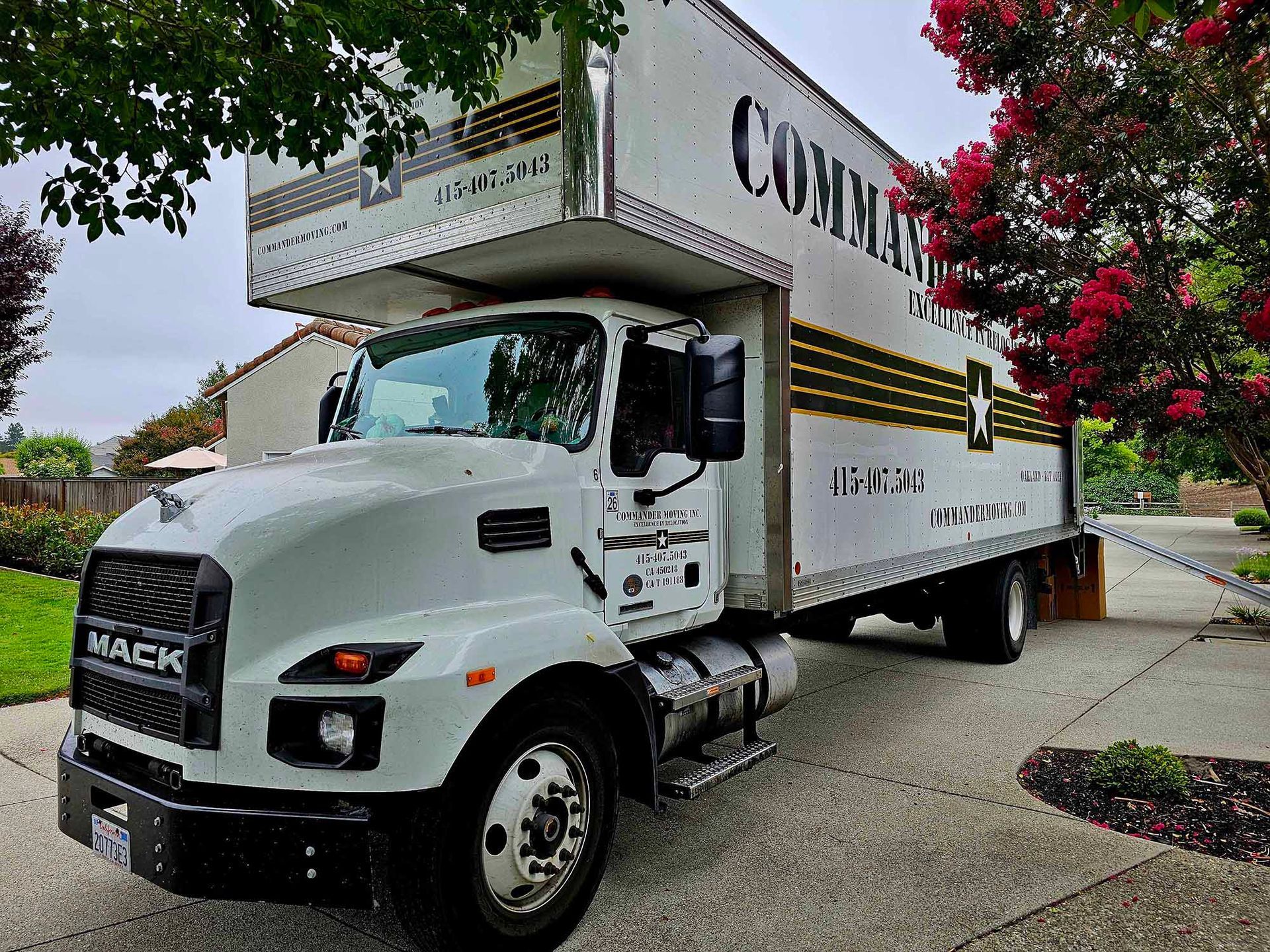
Need Reliable Local Movers for Your Next Home Move?
Moving can quickly become overwhelming when you’re trying to coordinate packing, protect valuable furniture, manage timelines, and avoid costly mistakes all at the same time. Many homeowners start the process thinking they can handle everything themselves, only to run into damaged belongings, hidden costs, unreliable movers, or exhausting moving days that create more stress than expected. Choosing the wrong moving company can turn an exciting transition into a frustrating experience that affects your family, schedule, and peace of mind.
At Commander Moving, we help homeowners and families simplify the entire process with professional local movers who know how to plan, protect, pack, and move efficiently. From large residential homes and apartments to specialty items and full-service packing, our team focuses on making every move organized, smooth, and stress-free. We believe moving should feel manageable from start to finish, not chaotic or unpredictable.
When you work with experienced local movers, you gain more than transportation. You gain confidence that your belongings are protected, your timeline is respected, and your move is being handled by professionals who care about getting it right. Contact Commander Moving today to schedule your estimate and experience why more Bay Area homeowners trust our local movers for safe, efficient, and frustration-free relocations.
Disclaimer
The materials available on this website are provided for general informational and educational purposes only and are not intended as legal, financial, moving, storage, or professional advice. Every move is different, and you should contact a qualified moving professional regarding your specific relocation needs, timelines, pricing, storage requirements, or specialty moving concerns.
Do not act or rely solely on the information contained on this website without first speaking directly with Commander Moving or another qualified professional regarding your individual situation. While we strive to keep the information on this website accurate and up to date, moving regulations, service availability, pricing, and operational details may change without notice.
Commander Moving disclaims all liability for actions taken or not taken based on any content found on this website to the fullest extent permitted by law. Use of this website or communication through this website does not create a contractual agreement for moving services unless confirmed in writing by Commander Moving.