May 29, 2026
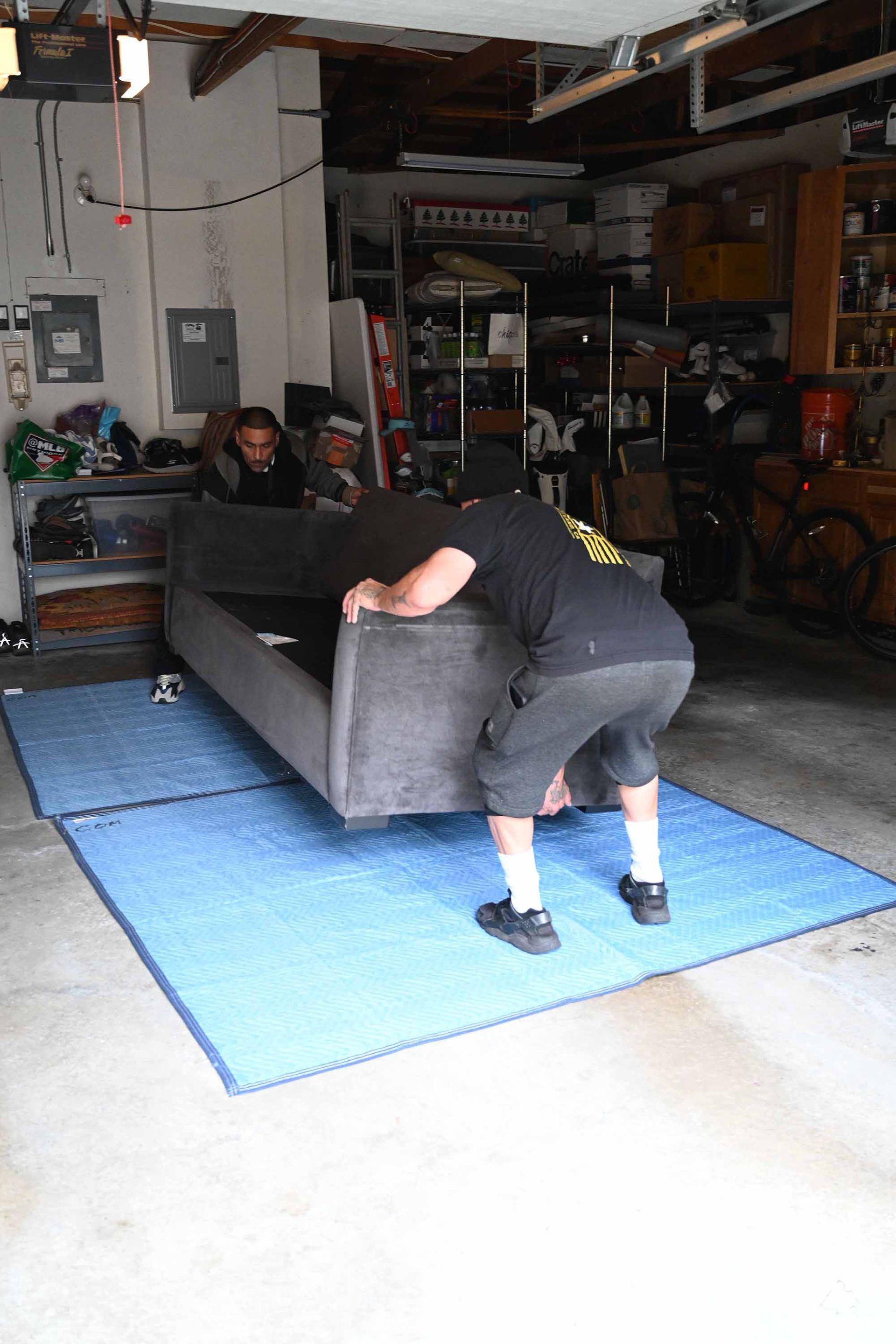
How do local movers prevent damage during a move? They evaluate delicate goods, cover them with bubble wrap or moving blankets, and arrange them in the truck to prevent movement. Local movers, for example, use padded straps, corner guards, and specialized crates for heavy or oddly shaped items. They’ll map load order to keep weight balanced and reduce pressure on delicate pieces. They dismantle big furniture and label components for secure reassembly. They frequently come with insurance and condition reports to record problems. The remainder of this post breaks down practical measures, price considerations, and what to inquire about when hiring movers to minimize danger.
Key Takeaways
- Conduct a detailed pre-move assessment to identify fragile, heavy, and high-risk items. Create a risk checklist that pairs each item with recommended protective measures and packing materials.
- To minimize damage, use premium, item-matched materials and custom packing techniques such as foam inserts, double-boxing, and disassembly to prevent breakage and insulate temperature-sensitive or oddly shaped items.
- We follow strict furniture and loading protocols, including padded wraps, dollies, weight-balanced loading, straps, and floor and corner protection, that prevent scratches, dents, and shifting during transit.
- Mark boxes clearly with contents, fragility, and room destination. Keep an inventory so movers can identify what requires extra attention, and you can check that everything arrives safely.
- Trust professional local moving crews that use safe lifting, clear communication, and immediate problem-solving, reinforced by regular training, pre-move briefings, and the proper tools.
- Plan on your end to de-clutter, flag high-value items, communicate special instructions with movers, and inspect goods upon delivery. Look into insurance or full value protection for items that can’t be replaced.
The Pre-Move Assessment
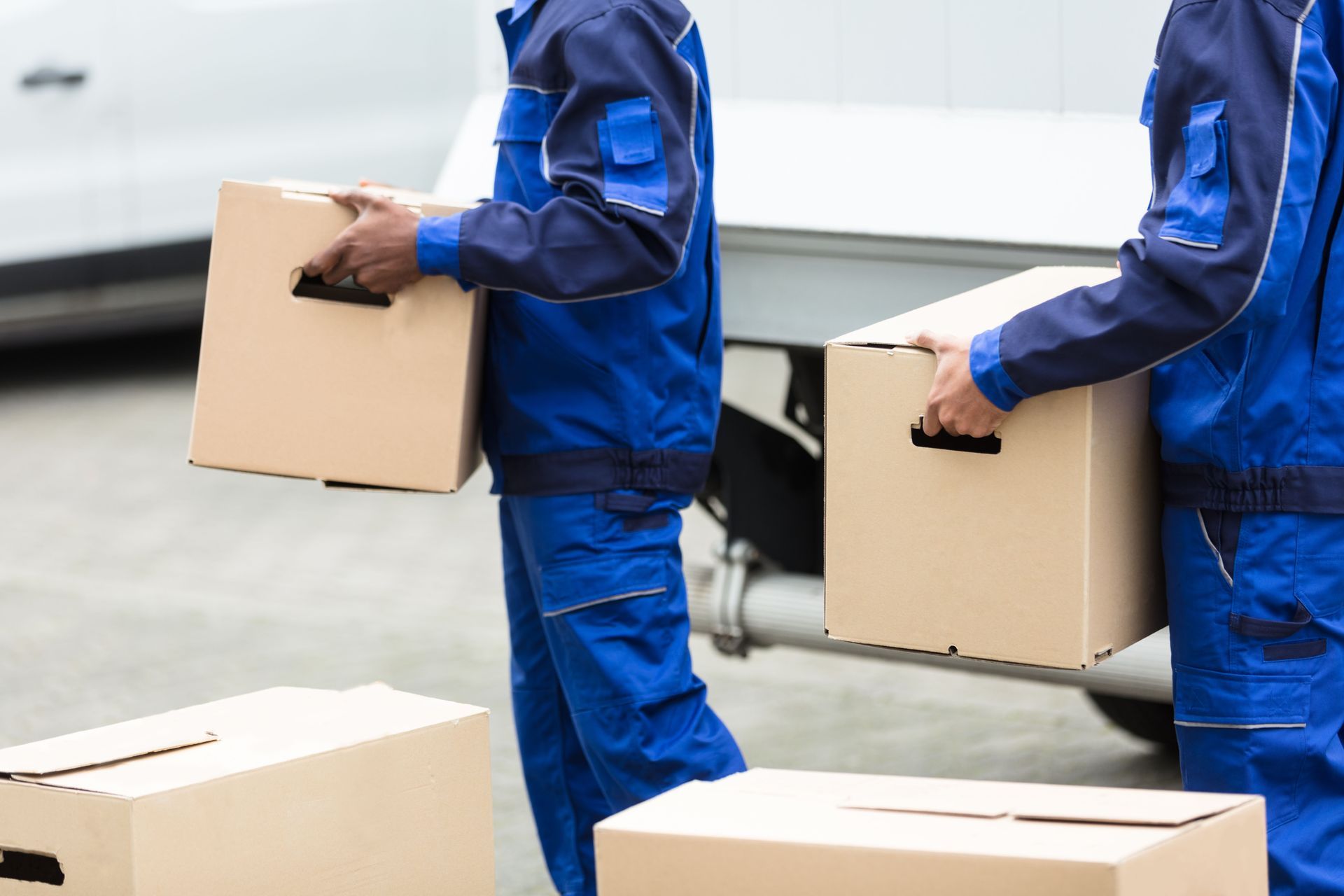
A pre-move assessment sets the factual frame for a safe, low-damage relocation by listing risks, sizing items, and mapping required resources before any packing or lifting starts.
A proper inventory picks out glassware, bulky furniture, and high-risk items. Walk through each room and note glass tabletops, framed art, mirrors, electronics, potted plants, and heirlooms. Take measurements and weight estimates for sofas, armoires, mattresses, and boxes in kilos. Note any items that need to be taken apart, like beds or modular shelving. Take pictures and time-stamped notes to create written documentation that becomes an impartial third-party source.
Conduct A Thorough Inventory To Identify Fragile Items, Heavy Furniture, And High-Risk Belongings Before The Move.
Note every piece of furniture along with a brief description, dimensions, and condition. Label with ‘fragile’, ‘very heavy’, and ‘two people’ for proper handling. For example, mark a 2.2 m by 0.9 m glass tabletop as fragile and indicate that it requires professional movers for safe moving. This clarity informs staffing decisions and ultimately avoids surprises that could lead to property damage.
Potential property damage risks and protective measures:
- Scratched floors from unpadded furniture: Use felt pads and rigid floor runners.
- Scuffed door frames and walls: install corner guards and adhesive wall protection.
- Broken glass and ceramics: double-wrap with bubble wrap and use edge protectors.
- Strained lifting causing dropped loads: assign two or more movers and use lifting straps.
- Damaged appliance connectors: disconnect and cap pipes and secure doors with straps.
- Staircase jams: remove legs from furniture and use protective pads.
- Weather exposure for outdoor moves: use waterproof covers and sealed boxes.
Assess Packing Needs And Recommend Quality Packing Materials And Custom Packing Techniques For Delicate Items.
Specify materials for a successful move: single-wall boxes for light items, double-wall boxes for heavy items, acid-free paper for artwork, and foam corners for screens. For delicate belongings, advise custom crating for antiques or large glass panels to ensure proper handling.
Develop A Risk Management Strategy To Minimize Accidents, Breakage, And Costly Repairs During Relocation.
Map both properties for narrow doorways, elevators, and tight stairwells to ensure a seamless move. Decide on protective routes and lay floor coverings where heavy loads will pass. List required equipment: dollies, furniture-moving straps, and appliance rollers for safe moving, along with a toolbox for minor disassembly. Assign roles, set checklists, and keep the written assessment on-site for reference.
How Movers Prevent Damage
Local movers, or professional movers, minimize damage through a mix of material selection, customized techniques, and proper handling policies, ensuring maximum protection during the transportation of delicate belongings. Here’s what expert movers do, why those steps matter, and how each minimizes risk.
1. Material Selection
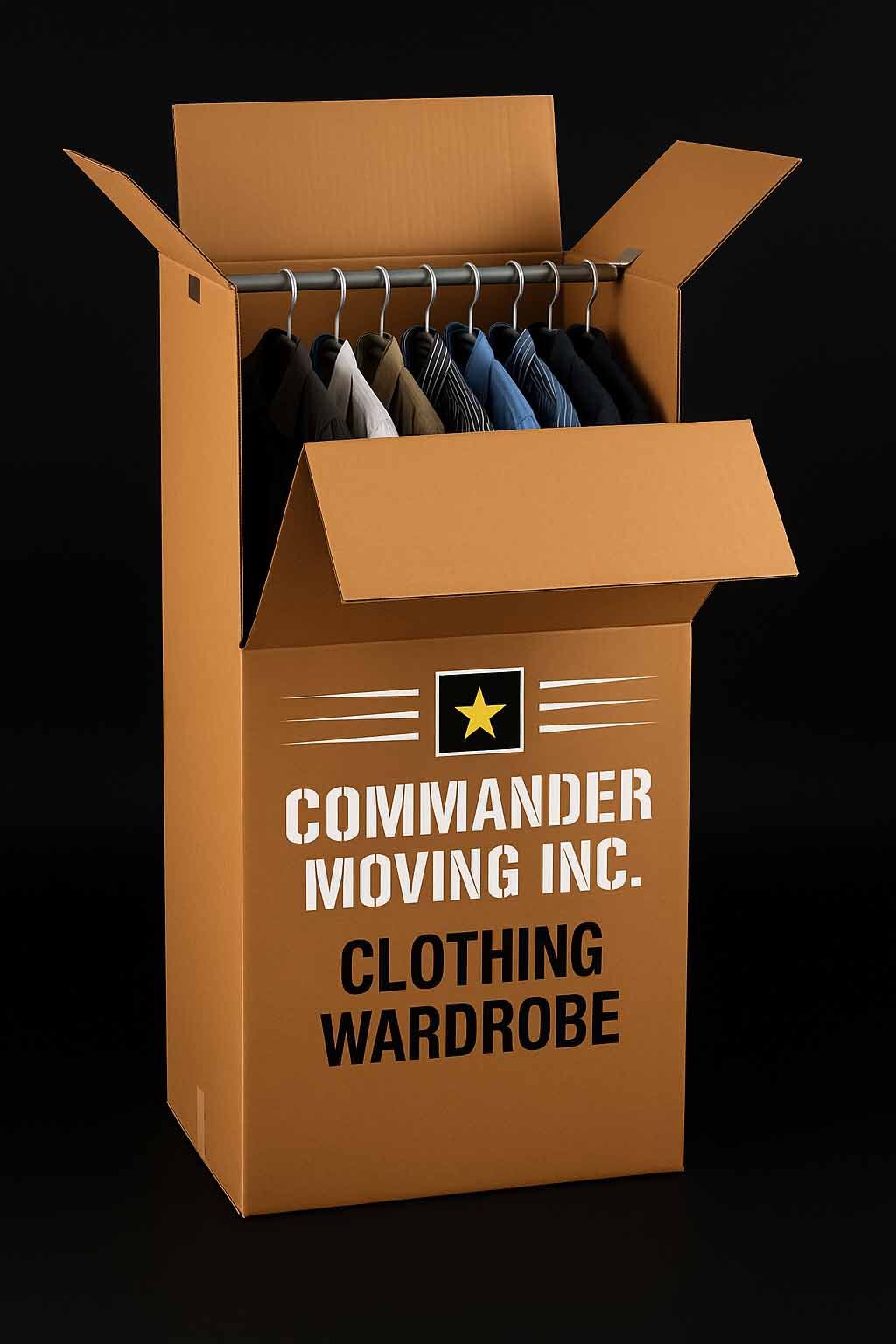
Professional movers select premium boxes, industrial-strength tape, bubble wrap, and foam sheets to ensure maximum protection during the moving process. Heavy-duty, weight-class-rated cardboard boxes discourage collapse, while double-wall boxes are ideal for transporting books and dense foods. Delicate belongings receive special handling with foam bags or molded inserts. Insulated boxes are employed for temperature-sensitive equipment. Using wrong supplies, such as thin boxes or sparse padding, increases the risk of property damage during lifting and transit. Experienced movers prepare kits with specific item sets, ensuring that each object gets the right protection from the start.
2. Custom Techniques
Special pieces require special packing techniques. Expert movers custom-cut foam and crate glass shelving to ensure maximum protection during transportation. They securely bolt down gun safes to skids to control the center of mass. Upholstery receives stretch-wrap and breathable covers for proper handling, preventing moisture and staining. Teams disassemble beds and tables, with their legs removed and screw-bagged for easy reassembly. These professional packing methods minimize point loads and vibration damage, ensuring a seamless move for delicate belongings.
3. Furniture Protocol
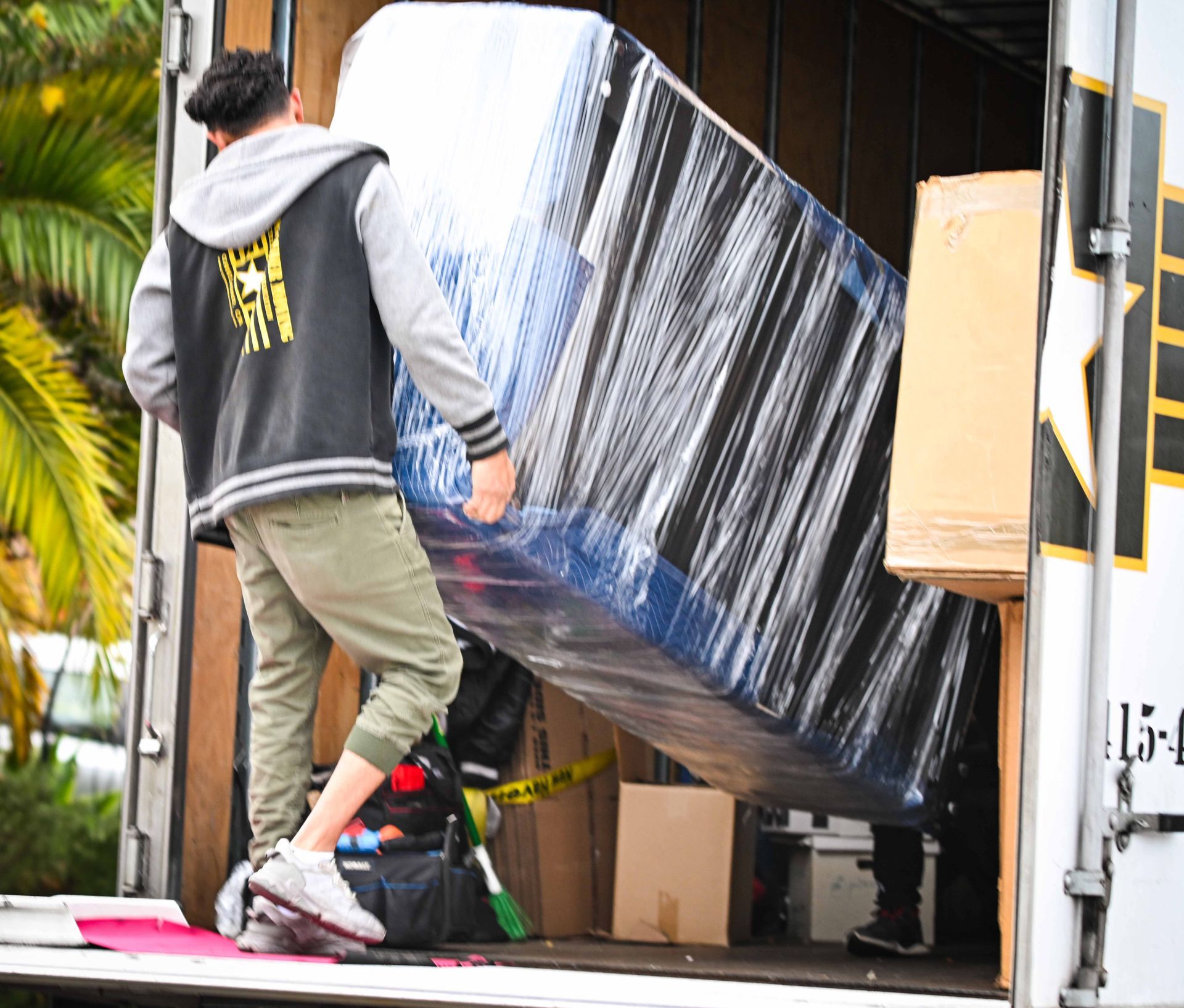
To ensure a successful move, all furniture is wrapped in padded moving blankets and then shrink-wrapped to hold the padding in place during transportation. Using dollies, lifting straps, and low-profile skids, professional movers protect both themselves and the items while minimizing scrapes to delicate surfaces. In tight hallways, foam corner guards are fastened to door frames, and reusable floor runners safeguard tile and hardwood. At delivery, expert movers reassemble pieces with torque control for fasteners, ensuring joints sit correctly and avoid future property damage.
4. Strategic Labeling
Boxes should indicate the room destination, brief contents, and fragility, while color bands or icons help identify at-risk items at a glance for loaders and carriers. Using labels like 'Fragile' and 'This Side Up' assists in damage prevention during the moving process, ensuring proper handling and reducing the risk of accidental damage to delicate belongings.
5. High-Value Items
We flag irreplaceable or costly goods and use protective covers, sturdy cardboard boxes, or climate-controlled units during the moving process. These professional movers provide declared-value coverage and recommend additional insurance for at-risk moves. Senior staff directly handle these delicate belongings, maintaining possession through loading and offloading to reduce theft and damage incidents.
Strategic Loading And Transit
Strategic loading and transit begin with having a plan that connects packing, truck layout, and route selection so goods arrive unscathed. Professional movers strategically load the truck space by weight class and fragility, putting heavy items low and close to the axle, while placing lighter or fragile items toward the top and the rear third if you're unloading after them. Labels indicating which side must remain upright direct placement and minimize shifting damage. During the summer moving months of June, July, and August, this schedule gets even tighter and runs more closely together. More runs and tighter schedules mean efficient packing and a serious loading order that reduces the risk of delays and crushes.
Cool Tips On Loading And In Transit
Movers list items by mass and fragility and then load them in zones: structural base, secure middle, and accessible top/front. Big appliances butt up against the bulkhead and are tied down. Boxes containing fragile contents and labeled upright receive a padded buffer and are never loaded underneath other loads. For example, a bookcase is unloaded first for weight balance, then packed with cushioning, and tied to the wall to avoid toppling. Using professional packing techniques ensures that fragile items are handled with care.
Strap items inside the truck, using friction mats and padded barriers to reduce movement and impact. Use rated ratchet straps, edge protectors, and anti-slip mats to stop sideslip. Soft barriers, such as blankets, foam panels, or inflatable dunnage, absorb shock and isolate sensitive gear. For glass or framed art, wooden crating, corner guards, and double-strap points minimize sway damage. Frequent inspections during loading ensure compression and pressure points are shifted.
Consider dedicated trucks or segregated compartments for high-value or delicate shipments to minimize exposure. One divided compartment or vehicle shields climate-sensitive items, electronics, and art from household goods. This minimizes incidental friction and enables customized strapping. Professional movers can assist in ensuring that these precautions are taken seriously.
Track transit vehicles for temperature, humidity, and route conditions that may impact the safety of items. Real-time monitoring systems track environmental and telematics data, flagging deviations so drivers can adjust routes or climate controls. Planning the most efficient route cuts down time on the road, bypasses rough roads, and minimizes exposure to the elements during inclement weather. Smart load balancing, cargo security, and live tracking all combine to reduce the risk of damage during the entire move.
Skilled Human Handling
Local movers provide the human touch and expertise that machines and materials simply cannot offer. Their knowledge, especially in professional movers' damage prevention, reduces the risk of harm as they understand what products require additional protection, how various materials react to pressure, and when to decelerate or switch strategies. Trained teams, including experienced movers, avoid injuries and damage to possessions through the use of tested techniques and proper equipment. This prologue context builds anticipation of how the human element, training, coordination, and problem-solving, combine to safeguard assets.
Professional Training
Ensure that professional movers undergo comprehensive training in correct techniques for lifting, handling, and packing every type of item, and require adherence to that training. Training in body mechanics, two-person lifts, and lifting straps enables movers to transport awkward and bulky items with even weight distribution, which minimizes strain. Create a checklist detailing the training movers receive, particularly focusing on professional packing techniques. Since packing varies and is not one-size-fits-all, different materials such as china, glass, and electronics necessitate specific wrapping and cushioning methods. Hold regular refresher courses to maintain a consistently high standard of safety and professional handling, while simulating real-world scenarios to test movers' competence with fragile and specialty items.
Team Coordination
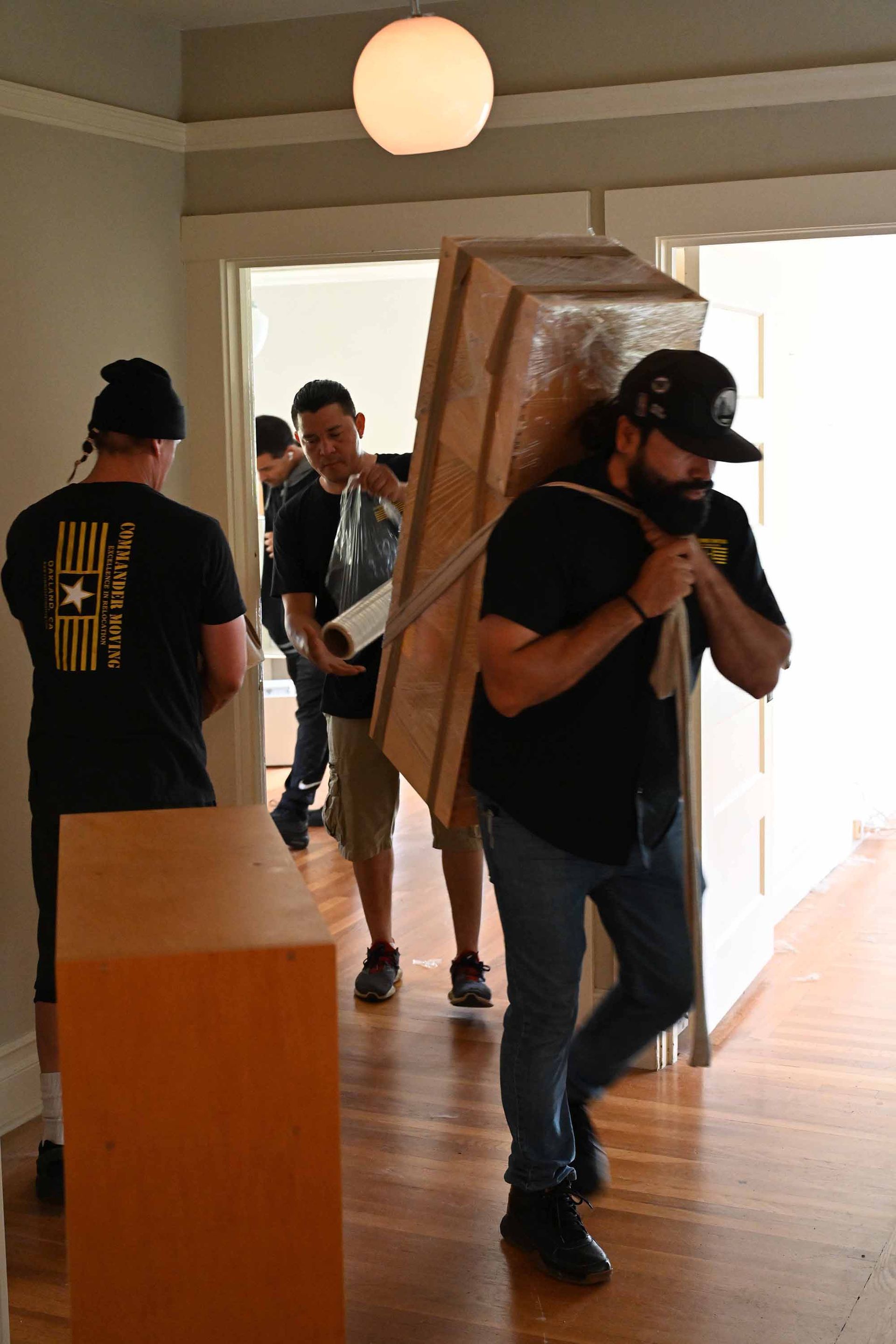
Designate specific tasks to every professional mover to streamline workflow and minimize the potential for accidents. Emphasize the human element together, using communication signals and checklists to coordinate moves, especially for large or heavy items, while holding pre-move briefings to run down the plan, highlight risk areas, and synchronize on safety measures. Hiring experienced movers for tricky moves with big furniture, stairs, or tight spaces is essential, as one of the hardest parts about moving is wrangling large pieces through small spaces. Route planning is crucial to avoid property damage during a move. Map door widths, turns, and elevator dimensions beforehand and choose routes that reduce friction and drops that cause chipped or warped wood.
Crew Troubleshooting Skills
Train professional movers to improvisationally react to surprises, whether they're a tight hallway or a weather shift. Give teams autonomy to decide in the moment about protection and bypass routes, and deploy expert movers with repair kits and materials to troubleshoot and make quick fixes or packing changes. Thinking outside the box to fix a problem ensures you don't endanger yourself or risk being late. It only takes one stumble, and you’re stuck with property damage, like scratched floors or chipped furniture. Hands-on exercises that simulate actual limitations develop discretion that avoids expensive errors.
Specialized Equipment Usage
Specialized equipment allows professional movers to manage heavy, fragile, and difficult-to-move items with less danger and greater control. The appropriate equipment minimizes breakage of the customers’ belongings and of the property, while also reducing worker strain and injury. Expert movers often rely on dollies and hand trucks to relocate sofas, refrigerators, and other hefty items. These devices focus weight on wheels, lessening pressure on floors and walls, allowing movers to transport objects in fewer, safer lifts. Straps and lifting harnesses distribute load forces across stronger parts of the body and equipment, preventing back strain and other musculoskeletal injuries while keeping items secure.
Furniture slides/sliders are essential for careful movers, allowing you to easily move heavy pieces across finished floors without dragging or scuffing. Sliders work wonders on tile, hardwood, and low-pile carpet, cutting friction and enabling one or two people to move objects that would otherwise require additional help or pose a danger of scratching the floor. In case of stairs or elevated entryways, ramps and temporary lifts enable secure entry and exit. Ramps provide a slick runway into a truck, while lifts handle heavy appliances, minimizing the dangerously precarious time involved in transporting large items.
PPE and padding are standard for professional moving companies. Specialized equipment includes blankets, pads, shrink wrap, foam inserts, and bubble wrap that protect surfaces and corners from dents and scratches during handling and transit. Using padded walls within trucks keeps items from touching, and foam pads inside boxes ensure that fragile item handling is effective. Labels on boxes and on wrapped items guide handlers, with clear marks such as “Fragile,” “This Side Up,” or “Do Not Stack” influencing how movers load and place goods, thereby lowering the chance of breakage.
Some relocations necessitate specialty solutions, including climate-controlled storage for sensitive instruments, crate systems for art and antiques, and custom racks or braces for long-distance hauls. Specialized equipment is crucial; dedicated trucks with built-in tie-down points and smooth loading floors are essential for safe moving. Routine upkeep makes everything trustworthy. Worn straps, frayed dollies, or sticky wheels increase the chance of slips and falls and sudden drops, making pre-job inspections and repairs imperative for a successful move.
Your Role In Prevention
Getting your stuff ready before the professional movers show up establishes the mood for a secure move. Declutter by creating keep, donate, and discard piles so fewer moves lead to fewer breaks. Pre-pack by room and like items to minimize wrangling and the risk that delicate pieces get tossed in with the bricks. Mark delicate and pricey things well, enumerate them separately, and snap some pictures for your inventory. Use good packing materials such as sturdy cardboard boxes for heavy items, bubble wrap for glass, foam for electronics, and furniture blankets for bulky pieces to minimize shifting and absorb impact. Proper labeling matters: mark boxes with contents, destination room, and which side must stay upright to prevent shifting.
Your role in damage prevention is crucial. Let your movers know any concerns and special instructions well in advance of move day. Inform them of anything requiring special attention, such as antiques, pianos, oversized works of art, or fragile electronics, and verify if the moving company has the appropriate equipment and expertise. Leave a note with your special-care items and phone contact for last-minute questions. Expert movers have established best practices for moving fragile items. They employ blankets, tie-downs, and load patterns that maintain balanced weight. Pre-establish those habits and inquire about insurance or appraisal services for expensive items.
If you opt for partial packing, heed the movers’ packing tips. Weighty things should go in small boxes, and delicate items should be nestled in layers of padding. Use void fill to prevent shifting inside boxes and seal with reinforced tape. Write handling instructions and contents on each box so movers know what requires special care. Dedicating time to packing right slashes potential for harm and ensures that your fragile item handling is effective.
Check the last finished-goods inventory and check the goods as they come in to catch it early. Take a comprehensive inventory before the move and compare it to the movers’ list upon arrival. Unpack the boxes marked ‘fragile’ immediately, check electronics and glass items for cracks, and record any damage on the movers’ paperwork before signing. Your involvement in packing and loading is the best means of prevention. It ensures that your directives are followed and gives you a chance to intervene if something appears amiss.
Final Remarks
Local movers reduce damage and save time through smart processes and the right equipment. They survey the house, identify vulnerable areas, and carefully pack breakable objects. Movers load with equilibrium, lock vans, and secure items still in transit. Experienced crews scope out the layout, select the appropriate truck, and use pads, straps, and hand trucks to minimize bangs and falls. You do your part by labeling boxes, clearing paths, and flagging fragile pieces. A local mover can move a glass table on its side in a foam cradle or lift a heavy bookcase with two movers and a lifting strap to prevent floor marks. Rely on professional crews, organize in advance, and eliminate stress on moving day. Want to get a quote?
Frequently Asked Questions
1. How Do Local Movers Assess Items To Prevent Damage Before Moving Day?
First, professional movers check fragile items, heavy furniture, or unusually shaped belongings during a walk-through. Experienced movers identify packing requirements, suggest sturdy boxes, and coordinate handling strategies to minimize the risk of property damage during transport.
2. What Packing Materials Do Professional Local Movers Use To Protect Belongings?
They use industry-grade boxes, bubble wrap, moving blankets, and protective covers to ensure safe handling of fragile items. This professional packing technique protects all of your items by cushioning and preventing scratches during transportation.
3. How Do Movers Load The Truck To Minimize Damage?
Professional movers cluster items by heaviness and frailty, using protective materials such as load straps and braces to construct stable layers. This proper handling avoids crushing and sliding during the moving process.
4. Can Local Movers Protect Large Or Specialty Items Like Pianos Or Antiques?
Yes, professional movers use specialized equipment, custom crating, and protective padding to ensure safe moving and minimize risks when handling delicate belongings.
5. What Role Does Transit Technique Play In Preventing Damage?
Good drivers maintain a steady pace and select smooth roads, which is essential for professional movers to minimize shaking and ensure delicate belongings remain safe.
Need Reliable Local Movers for Your Next Home Move?
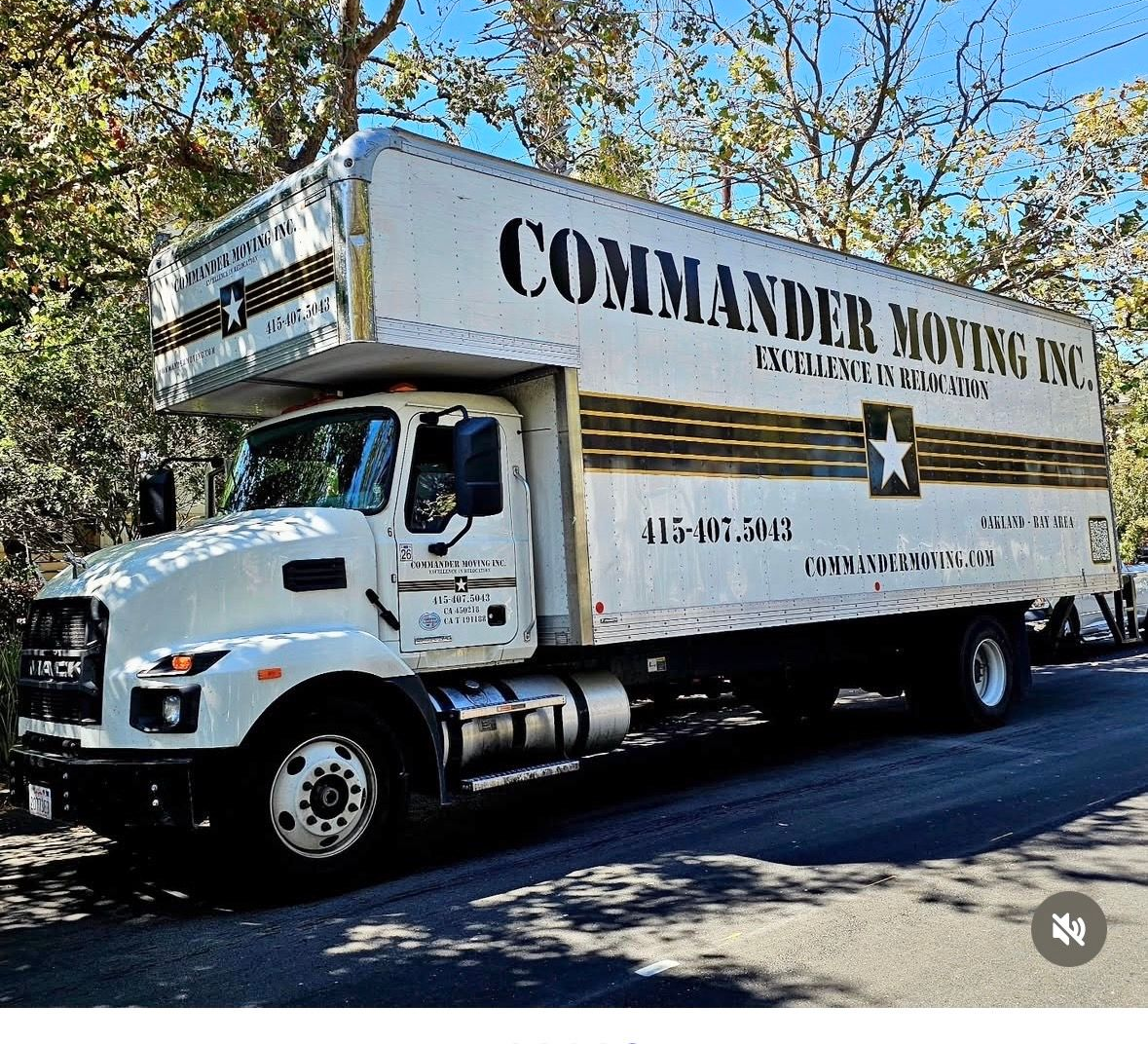
Moving can quickly become overwhelming when you’re trying to coordinate packing, protect valuable furniture, manage timelines, and avoid costly mistakes all at the same time. Many homeowners start the process thinking they can handle everything themselves, only to run into damaged belongings, hidden costs, unreliable movers, or exhausting moving days that create more stress than expected. Choosing the wrong moving company can turn an exciting transition into a frustrating experience that affects your family, schedule, and peace of mind.
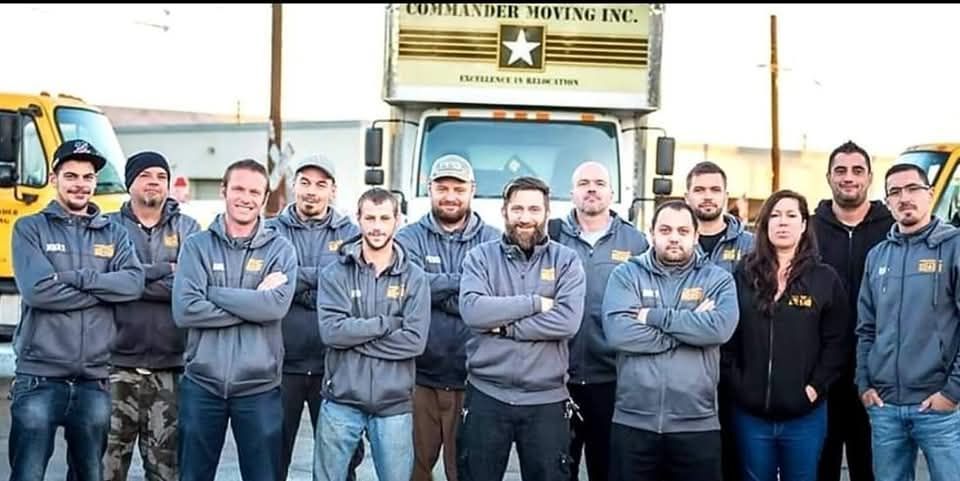
At Commander Moving, we help homeowners and families simplify the entire process with professional local movers who know how to plan, protect, pack, and move efficiently. From large residential homes and apartments to specialty items and full-service packing, our team focuses on making every move organized, smooth, and stress-free. We believe moving should feel manageable from start to finish, not chaotic or unpredictable.
When you work with experienced local movers, you gain more than transportation. You gain confidence that your belongings are protected, your timeline is respected, and your move is being handled by professionals who care about getting it right. Contact Commander Moving today to schedule your estimate and experience why more Bay Area homeowners trust our local movers for safe, efficient, and frustration-free relocations.
Disclaimer
The materials available on this website are provided for general informational and educational purposes only and are not intended as legal, financial, moving, storage, or professional advice. Every move is different, and you should contact a qualified moving professional regarding your specific relocation needs, timelines, pricing, storage requirements, or specialty moving concerns.
Do not act or rely solely on the information contained on this website without first speaking directly with Commander Moving or another qualified professional regarding your individual situation. While we strive to keep the information on this website accurate and up to date, moving regulations, service availability, pricing, and operational details may change without notice.
Commander Moving disclaims all liability for actions taken or not taken based on any content found on this website to the fullest extent permitted by law. Use of this website or communication through this website does not create a contractual agreement for moving services unless confirmed in writing by Commander Moving.