May 30, 2026

What goes down on moving day when you engage local movers? Local movers show up at the appointed time, do an inventory check, and confirm the route and any building regulations. They wrap and protect furniture with pads and straps, disassemble as needed, and load trucks using dollies and ramps to minimize damage and maximize speed. Movers take over, pack up fragile boxes, and label them to be placed in specific rooms at your new location. They track time and mileage for billing and send text messages if there are delays or problems en route. Upon delivery, they unload, set where directed, and reassemble major furniture upon request. This cuts strain and move time with local movers while maintaining liability and insurance clarity.
Key Takeaways
- Moving day is a well-defined workflow with stages from arrival through wrap-up that emphasize planning, protection, and communication to minimize delays and damage.
- Get a jump list ready before they arrive, with an essentials box, cleared pathways, and properly labeled rooms to hasten loading and maximize safety.
- Professional movers safeguard your home and possessions with floor runners, padding, smart loading, and cautious transport while keeping you updated live on schedule and route.
- Designate one point person on your end and trust the crew leads to delegate, troubleshoot, and keep the move as efficient and low-stress as possible.
- Prepare for typical stumbling blocks such as weather, access, and surprises by mapping out backup plans, permits, and special-handling requirements before moving day.
- Post-move: do a final walk-through, file the damage claims process outlined above if necessary, and use your unpacking priorities to get settled quickly while offering feedback to make service better.

The Moving Day Blueprint
A defined blueprint manages expectations and keeps the crew and homeowner on the same page during a typical move day. Here is the local mover’s play-by-play from arrival to finish with notes on coordination, professionalism, and practical steps to help you prepare for a successful move.
1. The Arrival
- Be there on time with a stocked moving truck parked as close to the entrance as allowed, parking permits and reserved spots confirmed!
- Welcome and introduce you to each crew member, explaining who to ask about things.
- Go over the move plan, inventory highlights, and first hour priorities like unplugging and defrosting the fridge.
- Have all your paperwork handy, respond to immediate inquiries, and confirm access to stairwells, elevators, and loading ramps.
2. The Walkthrough
- Do a comprehensive walkthrough to mark tight corners, delicate items, and access bottlenecks. This directs load order and tool selection.
- Recognize high-value items and define additional packing precautions for them.
- Talk about special requests from elevator reservations about where to unload a “first-night” box with meds, chargers, sheets, towels, and coffee.
- Make an inventory checklist so both sides keep tabs as the move progresses.
3. The Protection
- Put down floor runners and door jamb protectors for scuff and scratch prevention.
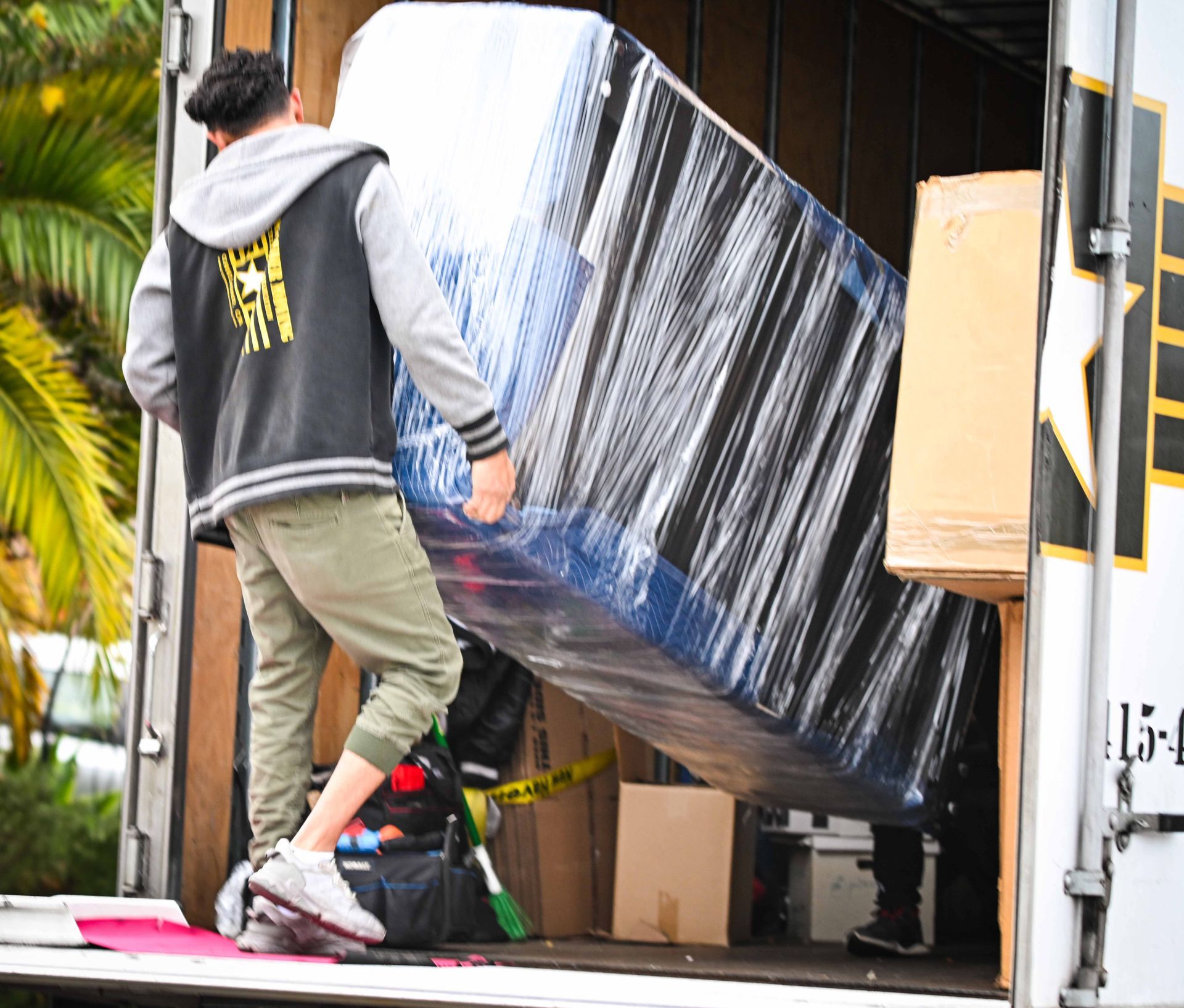
- Wrap furniture with moving blankets and then shrink wrap joints and surfaces.
- Pad stair rails, corners, and tight spots.
- Pack electronics, glassware, and art in labeled, secure boxes.
4. The Loading
- Load with a plan: heavy items first, fragile last, and use straps to prevent shifting.
- Employ dollies, ramps, and lifting straps for bulky pieces.
- Keep essential boxes accessible for unloading.
- Final sweep and checklist review before sealing the truck.
5. The Transit
- Plan routes, optimize for weather and traffic, and update you on ETA.
- Monitor load security and temperature-sensitive cargo.
- Coordinate anticipated arrival windows to facilitate convenient parking and access to the buildings.
- Prepare contingency plans for delays.
6. The Unloading
- Unload with care, check for damage, and record it right away.
- Set boxes and furniture in the specified rooms according to your plan.
- Reassemble items if included in service.
- Verify inventory and sign off on items.
7. The Placement
- Place furniture according to your floor plan and tweak positions until you are happy.
- Move heavy items incrementally to avoid strain.
- Remove packing debris and clear walkways.
- Start with the essentials: unpack items you need immediately, such as toiletries, clothing, and kitchen supplies.
- Set up your bedroom next to ensure a comfortable sleeping space.
- Unpack the living room to create a welcoming area for relaxation and socializing.
- Organize the kitchen, placing frequently used items within easy reach.
- Finally, tackle the bathrooms and any additional rooms, ensuring everything is in its proper place.
8. The Finalization
- Completed Move: Answer questions and document concerns.
- Collect signatures and provide copies of paperwork.
- Explain follow-up support and warranty for damaged items.
- Thank and verify contact info for after-service needs.
Your Pre-Arrival Checklist
A targeted pre-arrival checklist establishes expectations and minimizes friction when household movers show up on move day. Finalize logistics, check the site, and pre-stage key items so the professional crew can work efficiently. Go over the moving contract and check the moving truck’s USDOT number with the team on arrival to verify identity and coverage.
Essentials Box
- Passport/ID and moving contract copy, and USDOT number notes.
- Prescription meds for 48 hours, basic first aid, and essential toiletry items.
- Wallet, keys to both properties, phone chargers, and a portable battery pack.
- Small tools include a screwdriver, utility knife, tape, and a set of pliers.
- Snacks, water bottles, and a simple meal agenda for the day.
- Inventory of photos of valuables and serial numbers.
Hang on to this box: don’t put it on the truck so you have quick access to important documents and medications during your move day. Pre-packing photos provide evidence of an item’s condition, which is essential for a successful move should you be filing an insurance claim. Leave a printed contact list of your number and emergency numbers for your professional movers.
Clear Pathways
To ensure a successful move, clear hallways, stairs, and thresholds of furniture and loose items to facilitate quick passage and prevent tripping. Make sure rugs are firmly secured, and cords are taped down. Take down any low-hanging fixtures or mark them explicitly so your tall furniture does not snag. Reserve parking spaces and driveway access for the truck and loading ramp. Give your professional mover specific directions to the closest entryway. Snap the route and final meter readings before load-out, as these records are useful for any disagreements that may arise later.
Final Instructions
To ensure a successful move, mark boxes with their contents and destination room to streamline unloading. Designate what’s NOT moving and label it clearly. Inform the professional crew about which boxes remain and report any special requests, such as fragile-only handling or stair-only limitations. Additionally, recheck the USDOT number, flash insurance paperwork if necessary, and deliver a fast break and meal schedule to keep the crew safe and efficient.
Child And Pet Care
Schedule childcare or a pet sitter so kids and animals are out of the line of fire during your move day. Prepare a quiet, secure room with toys, food, and water for them. Pack comfort items for kids and pets, and notify your professional movers of animals and their containment location.
Our Professional Commitment
We won’t skip on quality, efficiency, and reliability when it comes to move day! That means defined schedules, a detailed hour timeline, practiced teams, proven equipment, and move checklist schedules so the relocation flows like a mechanical operation instead of a panic. These are the working pillars that frame each shift with examples and trade-offs to guide you in what matters.
Safety First
Crews of professional movers follow strict safety protocols covering manual lifts, stair work, and truck loading. They use lifting straps, back braces, gloves, and protective footwear while keeping aisles clear to reduce trip risks. Regular briefings before each job review hazards such as narrow stairwells or uneven pavement, and set controls such as spotters and padded corners. This proactive approach ensures a successful move by preventing most injuries and minimizing damage to property. When unusual hazards arise, the crew pauses, rescans the plan, and employs alternate techniques rather than pushing on.
Asset Protection
Movers use heavy-duty blankets, corrugated boxes, bubble wrap, and custom crating for antiques and electronics during a typical move day. Workers practice packing strategies that prevent items from moving around, balance weight, load bulky items first, and nestle sofas and refrigerators up against truck walls. Well-explained full insurance options are available so customers understand cover limits and claims processes. Our professional crew performs a pre-move walkthrough to note conditions, and a post-move inspection confirms item state, and formal inventory sheets document every box or piece, ensuring a successful move.
Logistical Expertise
A move plan plots timing, routes, and building regulations, including final preparations for elevator and parking coordination, completed ahead of time. Teams optimize for the least number of driving hours and overnight stops possible, depending on the selected level of service and the distance to be moved. Technology powers scheduling, GPS tracking, and real-time customer updates. When last-minute changes occur, professional movers re-route, reassign tasks, and adjust staging areas without losing sight of the end goal: a successful move.
Efficient Systems
Organized checklists transform dozens of small tasks into a smooth flow for a successful move: walkthrough, protect, load, inventory, and confirm. We divide and conquer with our professional crew: a leader, a packer, and a loader; no step is left behind. Tools and materials are staged to reduce downtime, and progress is tracked in real time to meet the move checklist schedule, ensuring even minor shifts like moving a cubicle are managed effectively.
Navigating Common Hurdles
On moving day, there are always delays and surprises that can impact your day's schedule plan. Anticipating them keeps your stress down and the job on schedule. Expect roadblocks, plan easy contingency steps for weather, access, and surprise items, and ensure communication with the professional mover crew is straightforward.
Weather Delays
Keep an eye on the forecasts and reschedule the start time for your crew if there is heavy rain, snow, or extreme heat in the forecast. Cover furniture and boxes with tarps and plastic sheeting, wrapping glass and ceramics in towels or linens to provide cushioning and water absorption. Put together a move checklist schedule with some toiletries, a change of clothes, and medication so tenants can operate if work stops. If things get dangerous, stop loading. Safety is more important than speed, so rearrange or stage items under cover until it is safe. Inform the client and crew immediately of any weather-driven changes to arrival times or delivery windows so everyone can re-plan time-sensitive steps for a successful move.
Access Issues
Before the move day, survey doorways, elevators, stairwells, and parking areas. It’s crucial to observe clearances and tight turns, and measure bulky pieces against door frames for a successful move. Get any necessary permits or loading-zone permission ahead of time and pre-arrange reserved parking with building management to avoid getting stalled. For tight corridors or second-floor work, come equipped with professional equipment such as moving dollies, stair climbers, corner guards, and cushioned straps. Schedule building personnel to assist with elevator access, and if stairs or a long carry are unavoidable, book additional crew hours and deconstruct large pieces whenever possible.
Unexpected Items
Navigate common hurdles on move day by scanning for oversized, hazardous, or regulated goods before loading. Batteries, paint, and chemicals frequently need to be handled separately and cannot travel with household goods. Offer clear options such as on-site disassembly, disposal, or arranging alternate transport for restricted items. Resist the urge to pack in any old container or with any old writing utensil. Keep blank boxes and sharp markers on hand for last-minute packing to label those boxes. Update the inventory process in real time and inform the client of any additional charges or special steps right away. Keep your cool, stay agile, and maintain open communication channels between the client, crew, and building staff to tackle surprises in a stress-free way during this demanding day.
The Unspoken Partnership
An unspoken partnership with your professional movers can transform a demanding day into a well-oiled operation. When both parties have a clear understanding of the day tasks and logistics, the move remains on schedule and damage-free, ensuring a successful move.
Your Point Person
Designate a single person in charge on your end for a successful move. This individual should know the inventory, have keys, and be accessible via phone or text throughout the day. They should have the authority to approve simple choices, such as which items go on which truck and whether a fragile box can be moved now or staged. They must carry essential documents such as the estimate, contact list, and insurance info, along with a floor plan if rooms have special handling needs. If you have kiddos, fur-babies, or time-sensitive limitations, the point person must flag those upfront. They should be able to answer rapid-fire questions regarding the move checklist schedule, ensuring the pathway is clear, or if an awkward piece needs extra wrapping. For major relocations, when top-level decisions are required, that person can quickly summarize and suggest actions for your approval.
Our Crew Lead
One crew lead maintains cohesion and discipline throughout the demanding logistics day. The lead informs us of our arrival times, double-checks the inventory process, and assigns roles: packer, loader, and trolley guy, based on skill and gear. They conduct quality checks: straps tight, padding adequate, and labels readable. When it comes to damage claims or surprise hurdles, such as a tight stair, a busted handrail, or a void in elevator reservation, the crew lead records the occurrence, suggests mitigations, and requests your side person’s approval if necessary. The lead further imposes safety regulations to mitigate liability and ensure that the loading phase aligns with the unloading priority. This individual will swap contact information with your point person and record critical decisions to prevent future disagreements.
Open Dialogue
Keep at it on move day. Brief, specific status reports keep small problems from bloating. Ask for status checks at major milestones: truck loaded, en route, arrived, and unloaded. If something appears wrong, speak up immediately with a specific request: “wrap the glass table again” or “load the boxes marked kitchen last.” Carry phones or walkies for immediate responses when the site is big or loud. Providing quick feedback during the transition allows the professional crew to fine-tune packing density or routing. A constant stream of useful knowledge keeps everybody on one page and reduces strain for all parties.
After We Depart
Once the team of professional movers has left the source, anticipate that it will take hours to days before everything has settled at the destination. Local moves can include 30 to 120 minutes of transport time, with bigger or longer-distance moves extending a day or more. Delays and unexpected challenges often occur, such as traffic or loading setbacks, which may add time and stress to your move day. The tips below include what to do right away, what to check, what to unpack first, and how to file claims or provide feedback.
- Verify that all checked items on the inventory are packed and in their correct rooms.
- Walk through each room with the crew to confirm location and damage.
- Unpack essential boxes first: kitchen, bedding, toiletries, work items.
- Put down mattresses and a simple kitchenette to reclaim comfort fast.
- Photograph any damaged or missing items from multiple angles.
- File claims with pictures, dates, and the original inventory in the required timeframes.
- Save the information for the mover's claims desk and local coordinator.
- Give genuine comments via email, the company website, or on public review services.
- Keep receipts for any immediate repairs or replacements for compensation.
Final Inspection
Tour the new house with the gang before they head out to verify the placement of every piece, ensuring a successful move. Verify furniture positioning and box quantities, and inspect for scratches, dents, or missing components while the light is still good. Check delivered items against the move checklist schedule line by line. Sign final paperwork only after you’re satisfied that services are complete, or note exceptions clearly on the bill.
Unpacking Strategy
Start with a short plan: unpack essentials first so the space works for daily life. Focus on beds and bedding, a mini kitchen kit, toiletries, chargers, and work stuff to ensure a successful move. This de-stresses and helps you sleep and eat. Then, tackle one room at a time to avoid feeling overwhelmed by unpacking piles of random boxes. Label boxes by room and prioritize opening those first. If time or energy is limited, consider hiring professional movers or an unpacking service. Get referrals from movers or local listings and demand fixed prices.
Damage Claims
Supply well-marked descriptions, dated images, and a copy of the inventory for your move checklist schedule. Contact claims assistance directly for status and maintain documentation of all communications during this demanding day.
Providing Feedback
We ask that you provide us with candid feedback via email, the company portal, or public review sites regarding your move day experience. Be sure to include details on timeliness, crew behavior, and any destruction. Your feedback informs training and procedure modifications for a successful move.
Final Remarks
Moving day with local movers goes as smoothly as a well-laid-out plan. Movers show up on time, check the list, and handle heavy lifts. They bubble wrap breakables, load trucks efficiently, and label boxes by room. You keep in contact, verify minor changes, and sign a brief inventory. When traffic or stairs drag on the work, movers shift equipment and speed to maintain safety. On moving day, they deliver, put boxes where you request, and indicate what requires follow-up. You review articles and record problems on the inventory. The result is less stress, fewer missed steps, and a faster settle-in.
Want a checklist version you can print out? I’ll create one with timelines and sample notes.
Frequently Asked Questions
1. What Should I Do Before Local Movers Arrive On Moving Day?
Clear a path, pack your essentials, and label your boxes to ensure a successful move. Secure parking and elevator access expedite the logistics of your day move.
2. How Long Does A Typical Local Move Take?
The majority of local moves wrap up within a couple of hours, influenced by home size, stairs, and distance. Your professional mover will provide a detailed hour timeline before arrival on move day.
3. What Happens To Fragile Or High-Value Items?
Local movers on the day of moving, often referred to as household movers, are professional movers who pad, wrap, and secure fragile items. To ensure a successful move, consider special packing or a carry-on for valuables before moving day.
4. Who Is Responsible For Damage During The Move?
Movers have liability insurance and provide valuation options, which are essential for a successful move. Remember to report damage right away and add photos for documentation before moving day.
5. Can I Change The Moving Plan On The Day Of The Move?
Small tweaks are typically okay on move day, but big changes can add time and expense. Share changes with the professional mover crew lead and receive updated pricing in writing.
Need Reliable Local Movers for Your Next Home Move?
Moving can quickly become overwhelming when you’re trying to coordinate packing, protect valuable furniture, manage timelines, and avoid costly mistakes all at the same time. Many homeowners start the process thinking they can handle everything themselves, only to run into damaged belongings, hidden costs, unreliable movers, or exhausting moving days that create more stress than expected. Choosing the wrong moving company can turn an exciting transition into a frustrating experience that affects your family, schedule, and peace of mind.
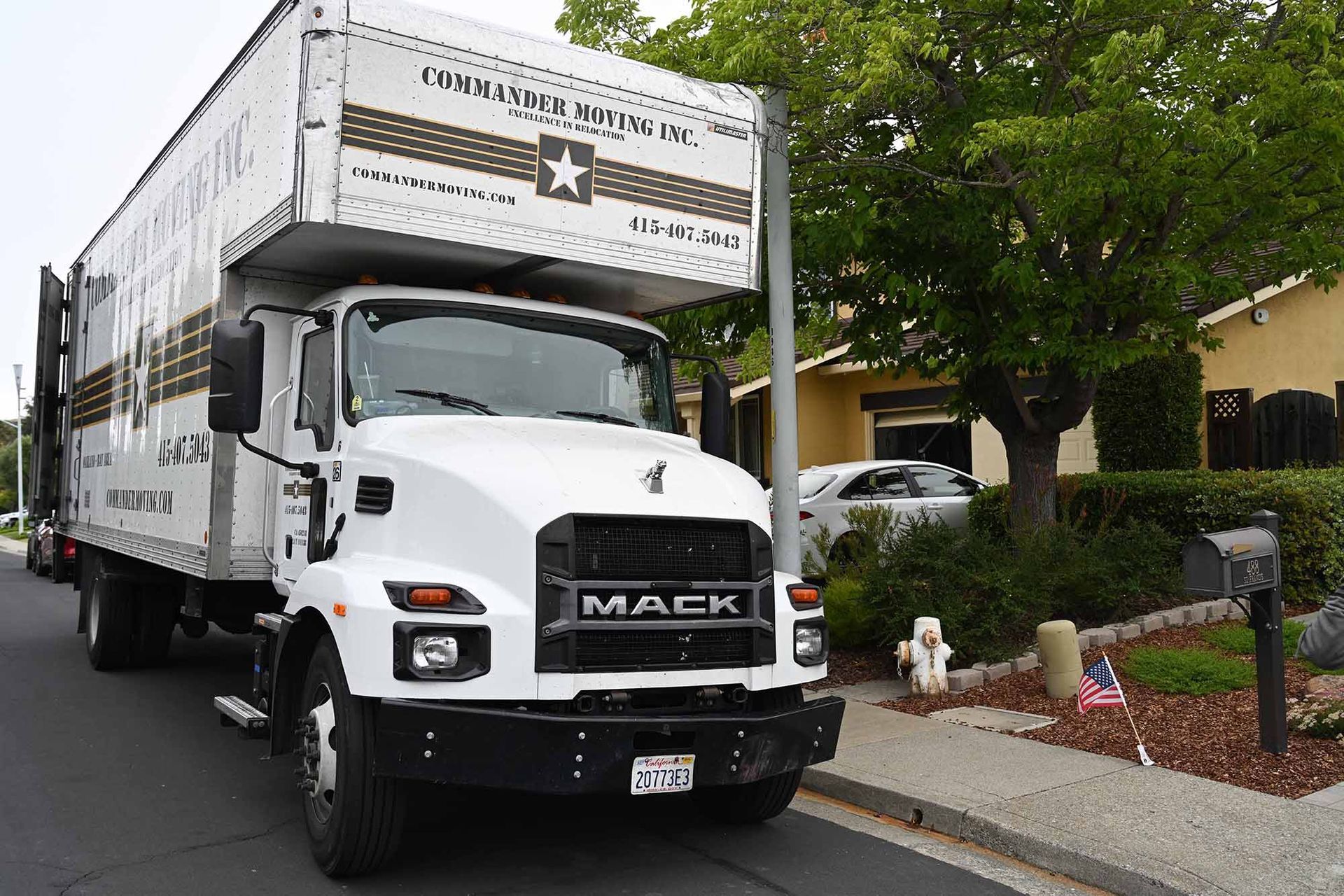
At Commander Moving, we help homeowners and families simplify the entire process with professional local movers who know how to plan, protect, pack, and move efficiently. From large residential homes and apartments to specialty items and full-service packing, our team focuses on making every move organized, smooth, and stress-free. We believe moving should feel manageable from start to finish, not chaotic or unpredictable.
When you work with experienced local movers, you gain more than transportation. You gain confidence that your belongings are protected, your timeline is respected, and your move is being handled by professionals who care about getting it right. Contact Commander Moving today to schedule your estimate and experience why more Bay Area homeowners trust our local movers for safe, efficient, and frustration-free relocations.
Disclaimer
The materials available on this website are provided for general informational and educational purposes only and are not intended as legal, financial, moving, storage, or professional advice. Every move is different, and you should contact a qualified moving professional regarding your specific relocation needs, timelines, pricing, storage requirements, or specialty moving concerns.
Do not act or rely solely on the information contained on this website without first speaking directly with Commander Moving or another qualified professional regarding your individual situation. While we strive to keep the information on this website accurate and up to date, moving regulations, service availability, pricing, and operational details may change without notice.
Commander Moving disclaims all liability for actions taken or not taken based on any content found on this website to the fullest extent permitted by law. Use of this website or communication through this website does not create a contractual agreement for moving services unless confirmed in writing by Commander Moving.