
May 31, 2026

Full-service local movers do everything from packing to loading, transport, and unloading, and sometimes offer insurance, whereas labor-only movers supply you with skilled personnel to pick up, carry, and load items you organize transportation for them. Full-service teams save time and reduce physical risk, with choices for packing materials and scheduled transit. Prices mirror those additional services and liability coverage. Labor-only crews have lower hourly rates and fit DIY moves, grunt work shifts, or local hauls where you rent a truck separately. Selection is based on cost, timeframe, volume, and packing for transit. Here’s how they compare, with a breakdown of costs, typical tasks, insurance, and everything you need to know about when to choose each.
Key Takeaways
- Full-service local movers complete everything from packing to loading to transport to unloading and often storage. Labor-only movers only complete the heavy lifting. Opt for full-service if you want a hands-off experience and labor-only if you intend to rent trucks and supplies yourself.
- Full-service pricing bundles labor, truck, equipment, packing materials, and basic insurance, which simplifies budgeting. Labor-only charges hourly for movers and leaves truck rental, fuel, and supplies as separate costs to track.
- Labor-only moves can save you dollars upfront, but they shift time, coordination, and risk onto you. Calculate total costs, including truck rental, boxes, scratches from heavy furniture, and delayed schedules, before opting in.
- Full-service providers show up with professional equipment and liability coverage that minimizes the risk for damage or injury, while DIY or labor-only moves require you to acquire proper equipment and verify insurance to prevent coverage gaps.
- Find the best fit for your moving equation. Then, let a checklist and written quotes help you compare real-world tradeoffs.
- Look for hybrid options to mix that pro muscle with your cost controls, and never book without asking for written, detailed estimates and insurance terms to avoid hidden fees and coordination issues.

Comparing Full-Service And Labor-Only Movers
Full-service movers take care of the whole relocation workflow, from packing your delicate dishes to driving the moving truck and unpacking in your new home. Labor-only movers provide skilled brawn for loading and unloading, but anticipate you renting the truck, the supplies, and nearly all of the organization. This distinction impacts price, time, labor, tools, and risk.
1. Scope Of Work
Full-service tasks include professional packing, labeling, loading, driving, unloading, furniture disassembly and reassembly, clean packing materials, and sometimes short- or long-term storage. They tend to feature inventory control and synchronized delivery windows.
Labor-only tasks include loading and unloading, such as heavy lifting, in-home moving, disassembly and reassembly when agreed, and placement of furniture. They don’t offer trucks, packing supplies, or transport insurance as standard.
With labor only, the customer books the truck rental, arranges supplies, and juggles timing. Labor-only clients handle logistics themselves.
Customer involvement varies. Full-service needs planning and decisions, but requires minimal physical work. Labor only necessitates hands-on coordination and a greater role in actually performing the move.
2. Cost Structure
Full-service pricing packages include labor, a truck, equipment, packing supplies, and basic insurance, all in one price. Average local full-service hourly rates are $80 to $100 per mover per hour for sub-100-mile moves. Long-distance full-service moves can range from $2,000 to over $10,000, depending on home size.
Labor-only is typically hourly for manpower only, around $40 to $75 per mover per hour. Other fees you pay separately include truck rental, fuel, mileage, and packing materials. The all-in truck costs for local moves under 30 miles are around $100 to $250 once mileage is factored in. Peak season or weekend bookings can add roughly 15 to 20 percent to quotes.
So the perceived savings with labor only can easily evaporate once you add truck, supply, and time costs, especially for larger households.
3. Your Effort
With a labor-only move, you still need to rent and load a truck, purchase or source pads and straps, and handle packing and scheduling. It requires more effort, sweat equity, and greater personal accountability for breakables.
Full service minimizes customer effort: movers pack, move, and unpack. You still have to oversee, select insurance coverage, and identify valuables.
- Compare the tasks involved in a full-service move versus a labor-only move.
- Estimate the time required for each type of move.
- Assess the energy expenditure for each option before making a booking.
4. Equipment Provided
Full-service teams show up with dollies, furniture blankets, straps, shrink wrap, and packing boxes. Labor-only crews anticipate that you will provide or rent the same equipment.
Lacking good equipment means you’re risking damage or injury with a DIY-style move. Know what you need, such as dollies, ramps, and straps, before you hire.
5. Service Liability Coverage
Full service generally offers basic transit insurance with declared value or third-party policy options. Labor-only firms might have little or no coverage, making damage during the truck rental frequently your own problem.
Read the liability policies thoroughly and select coverage that fits the move's worth and risk.
The Real Moving Costs
Moving costs are more than the hourly rate you see on a quote. Supplies, truck rental, fuel, parking permits, damage risk, and time all add up. Here’s a simplified breakdown of possible costs for full-service and labor-only moves to facilitate cost modeling.
Unexpected Move Costs
A lot of quotes fail to mention mileage fees, stair charges, equipment rental, and packing material markups. Long carries commonly add $90 to $120 per 75 meters (note: typical market cites per 75 feet; convert for local use). Utility transfer fees and short-term storage pop up after you book. Labor-only crews can add fees for staircases, long carries, narrow halls, or if you require additional hands mid-move. Full-service companies often have base prices but add surcharges for heavy or specialty items, as well as timing beyond business hours or inaccessible locations. Request a line-item estimate with hourly rates, number of movers, truck included, fuel, long carry, packing materials, and credit card surcharge.
Valuing Your Time
DIY planning, packing, and coordination can take dozens of hours. Small apartment local moves frequently total between $300 and $720. Larger homes vary dramatically from $600 to $15,000 based on weight and distance. Full-service movers free you to be productive or spend time with your family, turning hours saved into real value. Professional teams are faster, and higher rates ranging from $45 to $80 can be compensated by lower total hours. Compare the dollar savings from labor-only, which is typically 30 to 40 percent less expensive, to your lost work hours or stress level. Don’t forget tipping and seasonal rate increases when you model out total outlay.
The Truck Problem
Labor-only options mean you must rent, drive, and return a truck. Rental costs, limited availability, parking permits, and vehicle familiarity can complicate a move. Full-service packages include a truck and driver, but can include size limits or extra charges for oversized loads. Check truck size versus volume of goods and compare rental rates before choosing.
Who Carries The Responsibility?
Full-service movers take care of logistics, safe transport, and on-time delivery, while labor-only movers offload most coordination, safety, and timing responsibilities back onto the customer. Hybrid alternatives divide responsibility based on the services chosen, so you can exchange price for convenience. Local moves often imply the customer remains more engaged, while long and commercial moves put greater demands on the mover, including after-hours labor to minimize downtime. Consider budget, move complexity, and time constraints regarding who shoulders the burden.
Damage Liability
Full-service movers are typically responsible for damage while packing, loading, and in transit. They generally list liability terms up front and will fix or replace based on declared value. Labor-only movers typically aren’t responsible for what you pack or move. If you hire just muscle, any damage while you’re driving your truck is often on your insurance or you. Improper packing or lifting in a DIY move increases risk both for fragile goods and for humans. A broken dresser or a strained back can be expensive. Record what stuff looks like before a move, with pictures and an inventory, and get a damage policy in writing so you know who’s on the hook when things go awry.
Insurance Nuances
Full-service moving companies often have basic coverage and provide upgrades to full-value protection, which can replace or fix belongings at a premium. Labor-only providers can have little or no insurance, particularly when you supply the vehicle or rental truck. You typically must count on personal auto or rental insurance. Know exactly what is and isn’t covered. Per-item limits, deductibles, and exclusions for fragile items or electronics matter. Ask for proof of insurance in writing, shop around for quotes for upgrade options, and check if your homeowner or renter policy covers hired help.
Coordination Burden
Full-service movers arrange schedules and routes, acquire permits, and handle packing, loading, and unloading, leaving you free of the coordination burden. Labor-only moves require you to book helpers, rent and fuel the truck, find parking or permits, and time each step perfectly. Poor planning might result in tardiness, overtime fees, or missed windows. Employ a moving checklist and clear task assignments, and include time buffers for traffic or elevator waits. For business moves, anticipate movers working nights or weekends to safeguard operations, which is part of their service package.
- Full-service responsibilities include packing, loading, transport, unloading, permits, basic insurance, and scheduling.
- Labor-only responsibilities include providing the truck, fuel, insurance for the vehicle, hiring helpers, timing, and parking.
- Hybrid split: choose which tasks movers handle and which you retain. Costs and risks adjust accordingly.
Your Personal Moving Equation
Pick a moving option by balancing personal boundaries, time, and cash. Think in terms of variables: physical ability, time availability, stress tolerance, distance, volume, and cost. Compare those to services: full-service movers, labor-only movers, or DIY truck rental to obtain an efficient outcome that matches your priorities.
Physical Ability
Figure out if heavy lifts, stairs, and tight turns are something you can manage. Complete service movers eliminate this stress. They bring equipment, pad giant pieces, and move giant furniture without you lifting. Labor-only or do-it-yourself moves require power and correct lifting form. Prepare for hours of solid labor and possible injury if you’re inexperienced. Got health concerns, mobility limits, or live in a high-rise with tiny stairs? Hire pros! For example, a two-person labor crew for a three-bedroom place with stairs can be slow and risky. Full service removes those variables and often includes the disassembly and reassembly of large items.
Time Availability
Figure out how much time you need to plan, pack, and move. Full-service companies squeeze this timeline. They pack, load, move, and unload, which works for folks with busy work schedules or a firm move window. Labor-only moves presuppose you invest additional days doing the packing and organizing. These moves make sense when you have flexible days and can arrange pickups. Create a timeline: reserve movers, set packing milestones, and allow buffer days for peak-season delays. Rates are generally $98 to $196 locally per hour. Long-distance can be anywhere from $1,962 to $9,810 or more, based on weight and distance.
Stress Tolerance
Factor in comfort with logistics and last-minute problems. Full-service movers alleviate stress by managing the majority of the little details and providing insurance options. They typically cost a bit more. Labor-only or DIY increases responsibility: you manage truck rental, route planning, and protection of items. Truck rentals could be $20 to $39 per day plus mileage, which reduces cost but increases coordination burden. Peak season can add 15 to 20 percent to expenses. Packing services are expensive hourly add-ons, costing $49 to $147 or more. Tipping is typical: $20 to $39 per mover for a half day’s work is normal.
Exploring Hybrid Moving Solutions
Hybrid moving solutions fall somewhere in between full-service movers and labor-only teams by allowing you to mix services to match your budget and your needs. You can book labor-only movers to load and unload a rental truck or container, or book a mover to pick up and drop off a container and have you pack. This compromise lessens the physical burden of a move without the full price of full-service moving.
Hybrid moves offer both scheduling and logistical flexibility. You could rent a truck for a weekend, get two movers to load the heavy stuff, and then drive it yourself, or use a container solution, where they keep your goods for a short spell and then deliver them. With containers and rental trucks, you gain flexibility in timing, so you can spread things out over the course of days instead of cramming everything into one block. For local moves under 100 miles, this frequently keeps costs below what you’d pay movers by the hour, usually around 80 to 100 USD per mover per hour for full-service hourly billing.
Hybrid solutions allow you to choose which tasks professionals do and which you don’t. Typical splits are that professionals move large furniture and fragile items while you pack boxes and disassemble small furniture. Professionals load and secure items, and you drive the rental. Listing tasks in advance makes it easier to get an accurate quote and avoid any disputes. Create a specific inventory and identify heavy items requiring shrink wrap or straps so the hired moving crew arrives fully equipped.
Prices depend on distance, amount of stuff, and selected services. Small local hybrid moves can begin in the $1,000s. Cross-country moves can exceed $10,000 based on weight and carrier. Peak season is from May to September, and weekends tend to add 15 to 20 percent because of demand. Strategize in advance and shop around for container drop-off times, hourly labor rates, and fuel fees.
Hybrid moves impact etiquette and extras. Tipping remains customary. Expect about 20 - 40 USD per mover for a half-day and more for long or tricky jobs. If you want to circumvent logistics while continuing to save, hire professionals for scheduling and heavy lifting while leaving packing and small-item transport as DIY jobs.
How To Choose Wisely
Selecting between full-service local movers and labor-only movers starts with a firm declaration of requirements and limitations. Determine how big your move is, the distance, any specialty items, and your budget, a minimum of 4 to 6 weeks before moving. Note timing: moves in peak season (May to September) or on weekends often cost more. Armed with those fundamentals, weigh options on functionality, price, and risk.
Compare Service Options, Costs, And Included Features
List what each provider includes: packing, materials, loading, transport, unloading, disassembly, reassembly, and insurance. Full-service movers usually combine packing and delivery with liability coverage, while labor-only crews levy an hourly fee for loading and unloading exclusively. Get in-home estimates from trustworthy companies for the prices. Phone quotes typically skip details and end up with surprise charges. Collect quotes from two to three companies to compare line items. Always look at contracts for fuel surcharges, stair fees, long carries, or appliance servicing before signing.
Match Needs, Budget, And Preferences To The Right Solution
If you’re short on time, dealing with breakables, or just want one vendor to do it all, full-service is usually worth the extra price. For small moves, local moves in the same building, or when you already rented a truck, labor-only crews can save cash. Consider a hybrid: full service for fragile or heavy items and labor-only for standard boxes. Consider distance, volume in cubic meters, and whether you require packing materials. Plan timing to avoid peak surcharges.
Read Reviews, Check Registration, And Confirm Transparency
Read real customer reviews and complaint histories. Check FMCSA or state registration to steer clear of scams. Look at BBB ratings and complaints. Request a service quote in writing and verify availability for your dates. Ask for insurance and clarify liability limits.
Request Detailed Quotes And Confirm Availability
Request an itemized contract, inquire about refund and cancellation policies, and demand a signed confirmation of the arrival window and crew size. Verify every fee in writing and compare totals across sellers.
Final Remarks
Full-service movers take care of it all. They pack, load, drive, unload, and set up. They’re a good fit for those with serious time constraints, big houses, or delicate belongings. Labor-only movers are just the muscle. They reduce prices and assist. They’re good for small moves, partial jobs, or folks who want to pack themselves.
Choose according to time, budget, and risk tolerance. For a 3-bed home with fragile items, full service usually saves you stress and time. For a studio or local swap of furniture, labor-only can save hundreds. Hybrid bridges gaps. Call in the pros for pianos, antiques, or long hauls.
Compare quotes, check licenses and reviews, and generate detailed plans. Local movers versus labor-only movers: What’s the difference? Obtain two or three quotes and align them to your requirements.
Frequently Asked Questions
1. What Is The Main Difference Between Full-Service And Labor-Only Movers?
Full-service movers take care of everything from packing to loading to transport to unloading and sometimes even unpacking. Labor-only movers simply load and unload your belongings. You provide the truck and do the driving. Make your selection according to time, budget, and the amount of work you wish to delegate.
2. Which Option Is Cheaper: Full-Service Or Labor-Only Movers?
Labor-only movers are generally more affordable since you’re only paying for labor. Full-service movers are more expensive because they provide packing materials, transport, and liability coverage. Compare estimates and what each estimate includes.
3. Who Is Responsible For Damages During The Move?
Full-service movers are liable during transport and typically provide valuation coverage. Labor-only movers are usually responsible only while actually moving items. Always verify written liability limits before hiring.
4. When Should I Choose Full-Service Movers?
Choose full-service if you don't have time, need assistance packing, have lots of breakable belongings, or simply desire a turnkey move. It’s less stressful and shifts the majority of labor and risk to the moving company.
5. When Are Labor-Only Movers A Good Choice?
Labor-only is great if you have a rental truck, move locally, want to save money, or like to control transport. It’s great for short moves or DIY moves with professional muscle.
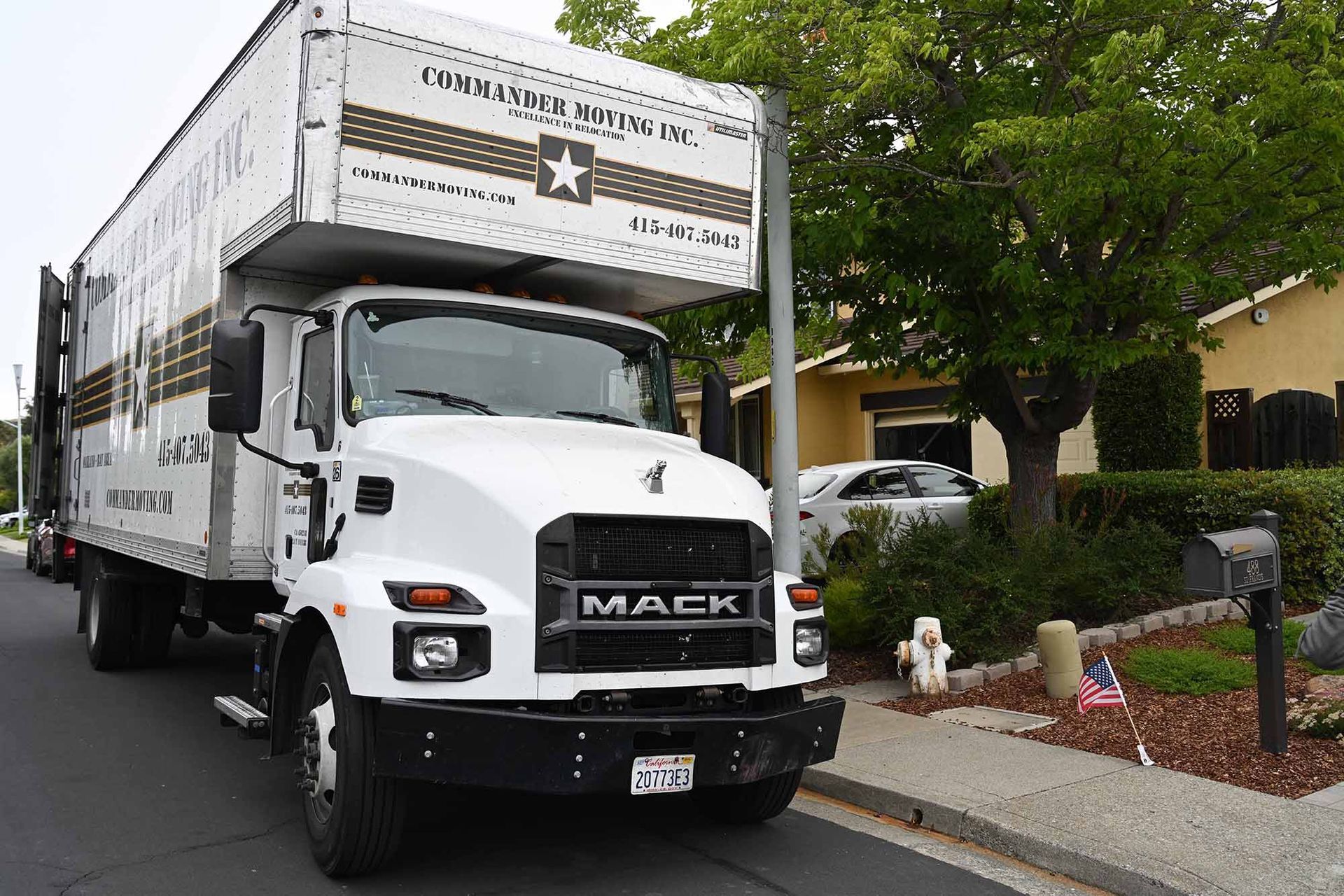
Need Reliable Local Movers for Your Next Home Move?
Moving can quickly become overwhelming when you’re trying to coordinate packing, protect valuable furniture, manage timelines, and avoid costly mistakes all at the same time. Many homeowners start the process thinking they can handle everything themselves, only to run into damaged belongings, hidden costs, unreliable movers, or exhausting moving days that create more stress than expected. Choosing the wrong moving company can turn an exciting transition into a frustrating experience that affects your family, schedule, and peace of mind.
At Commander Moving, we help homeowners and families simplify the entire process with professional local movers who know how to plan, protect, pack, and move efficiently. From large residential homes and apartments to specialty items and full-service packing, our team focuses on making every move organized, smooth, and stress-free. We believe moving should feel manageable from start to finish, not chaotic or unpredictable.
When you work with experienced local movers, you gain more than transportation. You gain confidence that your belongings are protected, your timeline is respected, and your move is being handled by professionals who care about getting it right. Contact Commander Moving today to schedule your estimate and experience why more Bay Area homeowners trust our local movers for safe, efficient, and frustration-free relocations.
Disclaimer
The materials available on this website are provided for general informational and educational purposes only and are not intended as legal, financial, moving, storage, or professional advice. Every move is different, and you should contact a qualified moving professional regarding your specific relocation needs, timelines, pricing, storage requirements, or specialty moving concerns.
Do not act or rely solely on the information contained on this website without first speaking directly with Commander Moving or another qualified professional regarding your individual situation. While we strive to keep the information on this website accurate and up to date, moving regulations, service availability, pricing, and operational details may change without notice.
Commander Moving disclaims all liability for actions taken or not taken based on any content found on this website to the fullest extent permitted by law. Use of this website or communication through this website does not create a contractual agreement for moving services unless confirmed in writing by Commander Moving.