
The biggest mistake people make when hiring a moving company is treating the process like a simple formality. Moving is already stressful, so it can be tempting to find a company online, accept the first reasonable-looking quote, book the date, and move on to packing. Unfortunately, rushing through this step can lead to expensive and frustrating problems later. Homeowners may face unexpected charges, delayed deliveries, damaged belongings, or disagreements over services they thought were included.
The most common mistakes are surprisingly simple and avoidable. Some people fail to verify a mover’s credentials, rely on a phone or online estimate without providing a complete inventory, choose the lowest quote without comparing services, or sign a contract without reading the details. Others overlook important questions about valuation coverage, additional fees, delivery schedules, cancellation policies, and storage.
A successful move often comes down to preparation rather than luck. Taking time to research potential movers, compare written estimates, check business information, and understand the contract can make a significant difference. Moving day should be about transporting your belongings—not discovering problems that could have been prevented weeks earlier. A little homework before booking can provide greater confidence, clearer expectations, and a smoother moving experience.
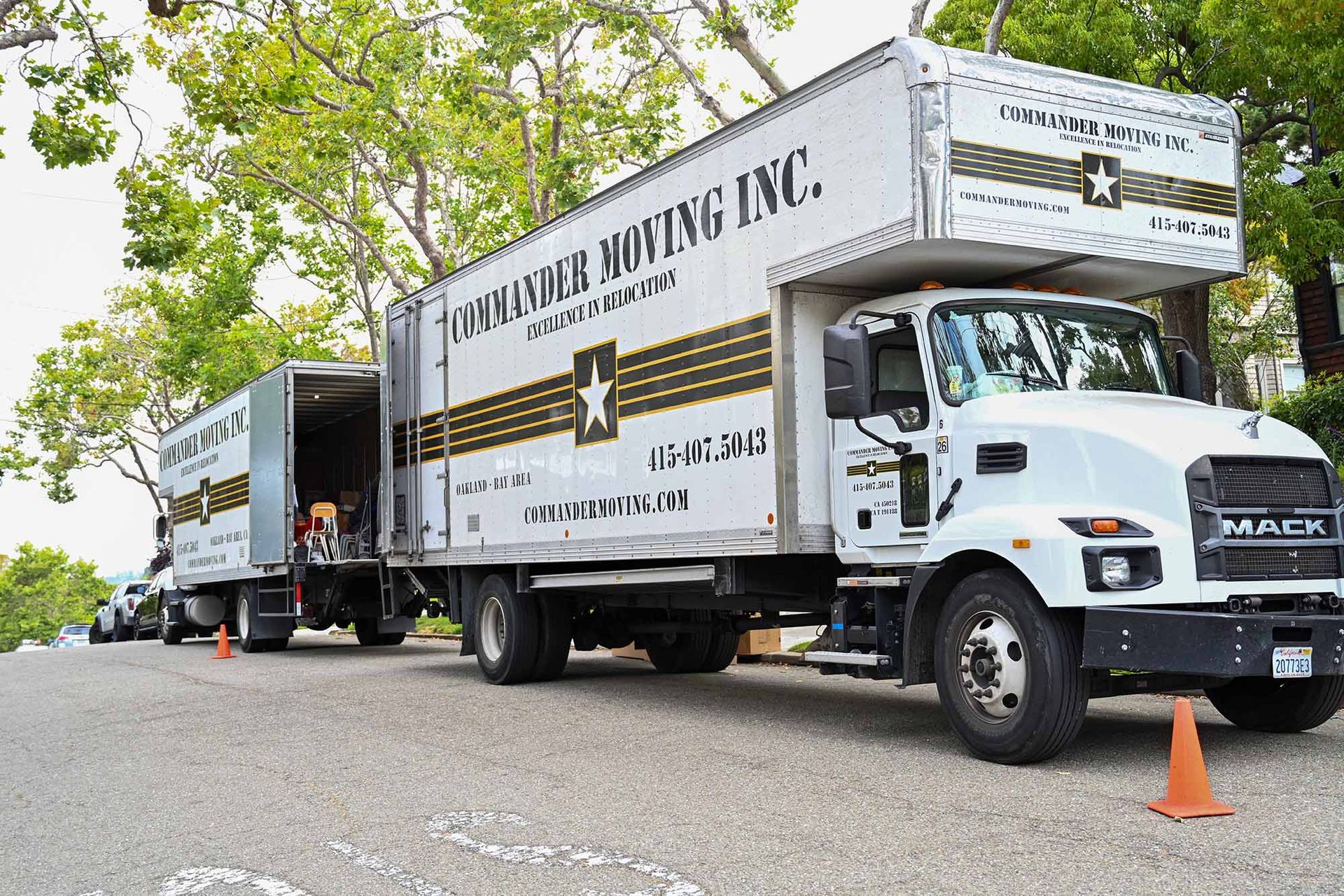
Legitimacy in this industry isn’t a vibe. It’s a paper trail, and that trail starts with a number most people never think to ask for.
Every company that handles interstate relocation is required to carry a USDOT number, and you can look that number up yourself through the federal registry before you sign anything. The FMCSA’s Protect Your Move hub exists specifically so homeowners can confirm a carrier’s operating authority instead of taking a salesperson’s word for it. Skip this step and you’re gambling. Rogue movers, the ones who show up with an unmarked truck and no real dispatch office, rely almost entirely on customers never bothering to check.
A legitimate mover has a warehouse, a fleet, and a business address that predates last Tuesday. The Department of Transportation’s own fraud investigators have flagged this pattern repeatedly, warning that companies claiming decades of experience while operating out of a generic email address and no local facility are a serious red flag worth investigating. If you can’t find a real office, or the “office” is a UPS mailbox, that tells you everything.
Complaint history matters more than star ratings alone, honestly. The Better Business Bureau fields something like 13,000 complaints a year tied to inflated pricing and belongings held past agreed delivery dates, according to its own scam study on the moving industry. Read the negative reviews specifically, not the five-star ones. Patterns of “they wouldn’t release my items until I paid more” show up fast once you start digging.
Here’s a pattern that repeats endlessly across this industry: the lowest bid on the table is rarely the honest one.
A rock-bottom estimate often exists purely to get your signature. Once your household goods are loaded onto the truck, the price mysteriously climbs, sometimes by hundreds or thousands of dollars, and suddenly you’re negotiating from a position of zero leverage because your stuff is already gone. Consumer advocates have documented this bait-and-switch pattern for years as one of the most common moving scams in the business.
The American Trucking Associations’ moving division recommends gathering at least three separate written estimates, ideally based on someone physically walking through your home, before you commit to a reliable company for your move. Three quotes give you a real price range for your specific inventory, your specific stairs, your specific fragile items. One quote gives you nothing to compare against.
Price should be one input among several, not the deciding factor. A mover charging slightly more but offering documented insurance, a fixed rate, and verifiable reviews is almost always the better bet than the company undercutting everyone by 30 percent for no clear reason.
Pricing Approach | Typical Risk Level | What It Usually Signals |
Lowest bid, phone-only quote | High | Bait-and-switch pricing, vague inventory basis |
Mid-range, in-home estimate | Low | Accurate cubic feet or weight assessment |
Highest bid, no added services | Medium | Possible overpricing without extra value |
Mid-to-high, full-value protection included | Low | Transparent company with real liability coverage |
Unexpected costs rarely come out of nowhere. They come from gaps in the estimate that nobody closed before moving day.
A quote given over the phone, without anyone actually seeing your furniture, your boxes, or that extra couch in the garage, is basically a guess dressed up as a number. Estimators who never assess your home in person frequently underquote the cubic feet involved, and the BBB’s research on rogue operators shows this ambiguity gets exploited constantly. Insist on a video walkthrough at minimum if an in-person visit isn’t possible.
A few questions save a lot of grief later:
Getting these answers in writing before booking removes most of the guesswork that leads to a final bill nobody expected.
Verbal promises evaporate the moment a dispute starts. The Federal Trade Commission specifically warns consumers to avoid signing blank or incomplete paperwork, because that’s exactly how movers add clauses after the fact. A binding estimate locks the price based on your inventory. A non-binding one lets the total shift, sometimes dramatically, once the truck is loaded.
Insurance and liability coverage are easy to overlook when you’re focused on packing boxes, organizing schedules, and getting everything ready for moving day. However, understanding how your belongings are protected before the truck leaves your driveway can help you avoid unpleasant financial surprises if something is damaged, lost, or broken during the move. Before hiring a moving company, take time to understand the coverage included in your estimate and what additional protection may be available.
Many customers assume that their belongings are automatically protected for their full replacement value. That is not always the case. Basic carrier liability coverage may provide limited compensation based on an item’s weight rather than its actual value. For example, if coverage is calculated at 60 cents per pound per item, a 50-pound television could result in only $30 of compensation if it were damaged. That amount may be far below the cost of repairing or replacing the item.
Ask the mover to explain exactly what basic coverage includes, what exclusions apply, and how claims are calculated before signing the agreement.
Full-value protection can provide broader financial protection for eligible belongings. Depending on the terms of the coverage, the mover may repair a damaged item, replace it with a comparable item, or provide compensation based on its value.
This type of protection may be especially important for expensive electronics, antiques, artwork, appliances, and other belongings that would be costly to replace. Review the coverage carefully, including deductibles, exclusions, valuation limits, and claim requirements.
Don’t wait until moving day to ask what’s covered. Request the valuation or protection details in writing and make sure you understand your responsibilities. For particularly valuable belongings, ask whether additional coverage may be appropriate.
It is also smart to photograph furniture, electronics, and other valuable items before loading. Keep those photos with your moving documents. If something is damaged, this documentation can help establish its condition before the move and support a potential claim.
A few minutes spent reviewing coverage before moving day can provide greater peace of mind and help ensure you know exactly how your belongings are protected.

A surprising number of moving disasters trace back to logistics decisions made weeks before the truck arrives, not anything the crew did on the day itself.
Booking a week out during peak season, typically late spring through early fall, limits you to whoever still has availability, which is rarely the companies with the best reputations. Reliable movers get booked out; last-minute availability often belongs to whoever else couldn’t fill their schedule.
An incomplete inventory list leads directly to underquoted estimates and cramped trucks that require a second trip, or worse, items left behind. List everything, including what’s in the garage, attic, and storage shed, before anyone gives you a final number.
If there’s a gap between move-out and move-in dates, ask specifically whether the storage facility is climate-controlled. Wood furniture, electronics, and artwork degrade fast in a hot, humid warehouse, and not every mover’s storage option includes temperature regulation by default.
Before hiring a moving company, take time to verify its business information, pricing, services, and contract terms. Recognizing common warning signs early can help you avoid unexpected charges, delays, and problems with your belongings.
A legitimate mover should be able to explain how an estimate was calculated. Be cautious when a company provides an unusually low quote without reviewing your belongings or asks you to commit before giving you clear pricing details.
Make sure the company’s name, contact information, business address, and vehicle markings are consistent. If a mover uses a different business name or cannot clearly explain who will be transporting your belongings, ask for clarification before signing.
Be careful with companies that demand unusually large cash deposits before providing services. Ask about the deposit amount, payment schedule, cancellation policy, and refund terms, and make sure these details appear in the written agreement.
If you’re working with a moving broker, find out which carrier will actually transport your belongings. A last-minute switch to another company without clear communication can create confusion about pricing, responsibility, and accountability.
Review the estimate and contract carefully, including additional fees, valuation coverage, delivery terms, cancellation policies, and services included. Don’t sign blank or incomplete paperwork. Asking questions before committing can help prevent costly surprises later.
Moving disputes can be stressful, but taking a calm, organized approach can make it easier to protect your rights and resolve the issue.
Start by gathering your bill of lading, written estimate, contract, receipts, inventory list, and any other paperwork related to the move. These documents can help establish the agreed services, pricing, delivery terms, and responsibility for damaged or missing belongings.
Take clear photos of damaged items, packaging, furniture, and any other relevant evidence. Keep copies of emails, text messages, invoices, payment records, and notes about phone conversations. Include dates and times whenever possible.
Give the mover an opportunity to address the problem through its claims or dispute-resolution process. Explain the issue clearly and provide supporting documentation. Whenever possible, communicate in writing so you have a record of the discussion and the company’s response.
If the company does not resolve the issue, consider submitting a complaint through the appropriate consumer or transportation regulatory agency. For serious disputes involving suspected fraud, withheld belongings, or significant financial losses, additional regulatory or legal assistance may be appropriate. Keeping thorough records throughout the process can make your complaint easier to evaluate and resolve.
Check the mover’s USDOT number, licensing or operating authority, physical business address, complaint history, and written business information before paying a deposit or signing a contract.
It’s better to avoid relying on a phone-only estimate. Ask for an in-home or video walkthrough so the mover can accurately assess your furniture, boxes, stairs, and other moving conditions.
Comparing at least three written estimates can help you identify an unusually low bid, understand the typical cost of your move, and compare services, coverage, and potential additional fees.
No. An unusually low estimate may leave out important services or charges. Consider the company’s reputation, experience, contract terms, coverage, and pricing transparency rather than choosing based only on price.
Ask about charges for stairs, elevators, long carries, packing materials, fuel, specialty items, storage, rescheduling, and additional labor. Make sure any potential fees are clearly explained in writing.
A binding estimate establishes the agreed price based on the services and inventory covered by the estimate. Make sure you understand what is included and whether additional services could change the final cost.
Not necessarily. Basic carrier liability may provide limited compensation based on an item’s weight rather than its actual replacement value. Ask the mover about available valuation protection and exactly what each option covers.
It may be worth considering if you have expensive, fragile, antique, or sentimental belongings. Review the terms carefully to understand the protection, exclusions, deductibles, and claims process.
Whenever possible, book several weeks ahead, particularly during busy moving periods. Planning early gives you more time to compare companies, review contracts, and find a schedule that works for your household.
Include furniture, appliances, boxes, garage items, attic contents, storage items, and specialty belongings. A complete inventory helps the mover provide a more accurate estimate and reduces the chance of unexpected charges.
Moving safely doesn’t require special expertise, but it does require patience and careful attention to details that are easy to overlook during a stressful relocation. Before hiring a mover, take the time to verify the company’s USDOT number, licensing or registration information, business address, and complaint history. Get multiple written estimates and be cautious of quotes that seem unusually low or are provided without properly reviewing your belongings. Just as importantly, read the contract and valuation coverage carefully so you understand the services, fees, responsibilities, and protection included in your move. Keep copies of estimates, contracts, receipts, inventory lists, and communications in case a dispute arises later. Moving may already feel overwhelming, but rushing through the hiring process can create even bigger problems. A few extra minutes of research and preparation can help you avoid unnecessary costs, reduce risks, and move with greater confidence and peace of mind.