
Full service movers are the best choice for large home relocations because they handle everything, such as packing, loading, transport, and unloading using trained crews and the right equipment. They minimize back strain, reduce damage risk, and decrease overall move time with logistics planning and moving trucks sized for bulky loads. While more expensive than DIY moves, transparent pricing and insurance coverage safeguard valuable possessions and save hours of effort for families and professionals. For multi-room homes, specialty services such as crating, furniture disassembly, and temporary storage keep intricate timelines moving. The remainder of the post breaks down how to compare quotes, verify licenses and insurance, and plan a timeline that fits move size and budget.
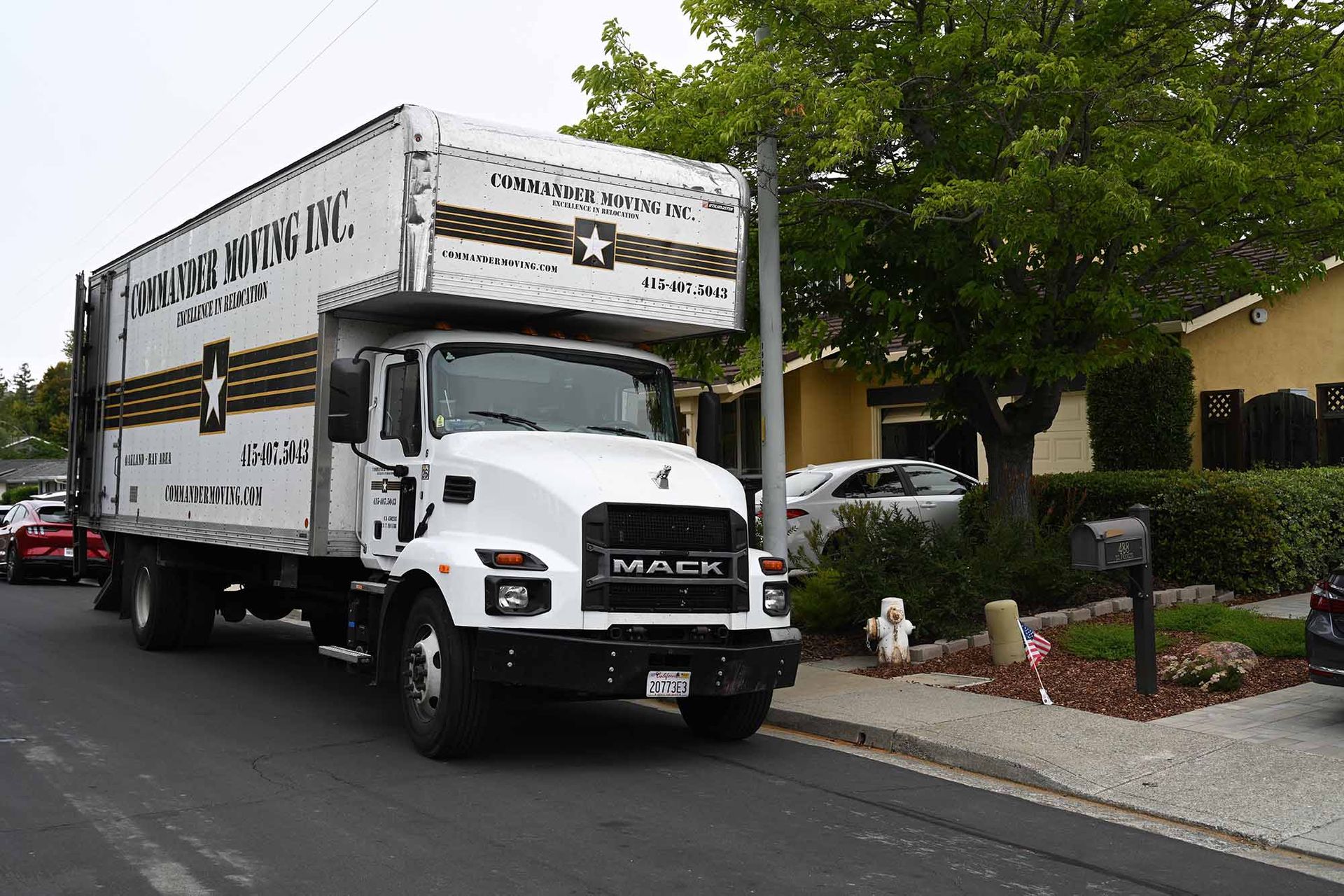
Full-service movers tackle the entire process of a big home move, managing efficient packing, delivery, and arrangement while you concentrate on other tasks. These long-distance movers come equipped with trained crews, SOPs, and time-saving tools to move bulky items up stairs and miles away.
Professional crews use industry-grade boxes, foam, paper, and even custom crating for fragile and high-value items during a long-distance move. They wrap glassware, electronics, and artwork with several layers of protection and employ efficient packing patterns that inhibit shifting in transit. Thanks to their system of proper labeling and inventory, each box is accounted for and put where it belongs at the destination, saving hours of sorting. Juggling all of that among a million other home prep tasks can be a nightmare, and subpar packing is the silent killer of many difficult DIY moves.
Movers schedule routes, timing, and load order with an engineering mindset that understands the traffic patterns and access roads. For long-distance moves, they pack trucks by weight and fragility to maximize space and minimize handling upon delivery. For complicated homes with several stair flights or tight hallways, teams pre-scout entrances and stage equipment. To ensure an efficient packing process, schedulers organize transit legs and driver hours, crafting contingency plans to avoid delays and excess handling during the entire move.
An average crew of professional movers arrives with dollies, ramps, straps, lift gates, and pads, in addition to custom piano cradles and HVAC-sized appliance blankets. With the right equipment, these long-distance movers can efficiently pack and move heavy sofas and appliances without scratching floors or denting door frames. Trained crews implement safe lifting techniques and leverage mechanical advantage to reduce injury risk during the entire move. Good trucks, just the right size for the work, keep wear and tear down, prevent overloading, and eliminate double trips!
Full-service moving companies take responsibility for your belongings during the entire process and provide coverage and valuation choices. Licensed long-distance movers adhere to transparent policies and record the condition of items, making claims easier if damage occurs, ensuring a smoother transition and less sticker shock after your move.
Crews unpack based on customer direction, set up large items, and haul away packing debris so homes are move-in ready on day one. They put beds back together and hook up appliances where specified, positioning delicate items thoughtfully to minimize after-move anxiety. This one hand-off from point A to home sweet home provides both time convenience and peace of mind, making it a smart choice for those considering a long-distance move.
Moving yourself can appear to be cheaper on a spreadsheet, but the potential hidden costs can alter the equation fast. Here’s a no-nonsense breakdown of direct and indirect expenses, along with the complexities of physical strain, financial risk, and time lost when you forgo professional movers.
Lifting heavy couches and navigating tight halls can be a strenuous task, often leading to muscle strains and joint sprains when proper lifting techniques and gear are not used. When considering a long-distance move, relying on friends can introduce significant risk, including potential hospital expenses. The complexity of a DIY move can sap your energy, leaving you exhausted and unprepared for setup in your new home after an extensive 16 to 24 hour relocation. Hiring professional movers can alleviate these burdens and ensure a smoother transition.
Scratches, broken tabletops, and dented door frames can lead to costly repairs during a long-distance move.
Planning, packing, loading, driving, and unloading can be a stressful experience that consumes hours, taking you away from work and family. Amateur teams often waste time with inefficient packing and loading, while professional movers streamline the entire process, allowing you to focus on your upcoming move.
A dedicated move coordinator brings the project management discipline to a large home move, turning an overwhelming cluster of work into one manageable process. Good project management guides teams to complete on time, on budget, and with the right quality- advantages that scale directly to moves measured in cubic meters, hours, and cost. A coordinator minimizes stress for the rest of the household by establishing priorities, allocating responsibilities, and monitoring milestones so everyone is clear on what to expect when.
Full-service movers prioritize protection throughout the entire process, from the initial estimate to the final placement. They evaluate expensive items and suggest efficient packing schemes that correspond to the risk profile of antiques, artwork, and heirlooms. This pre-process helps establish what should be expected during the long-distance move, what requires additional insurance, and which professional movers and packing materials to assign for secure delivery.
Custom crating starts with a precise layout for each piece. We make crates to fit artwork, vintage electronics, and oversized pieces so they cannot move. We use the best materials available, including quality plywood, kiln-dried lumber, foam blocks, shock-absorbing liners, and breathable wrap to prevent moisture buildup on long-distance moves.
Crating accounts for handling needs: skids for forklift access, internal bracing for fragile legs, and removable panels for inspection. These options minimize crush and shake exposure that standard boxes can’t handle, and they hold up nicely when weather holdups necessitate longer storage.
Glassware, china, and small decorative objects are packed with layered protection using proper packing materials like acid-free tissue, corrugated dividers, and double-walled boxes. Each glass box receives transparent labels indicating the destination room and immediate unloading priority, which enhances the convenience of the entire process. Labeled compartments not only make it easier to find necessities quickly but also reduce the risk of forgetting something during your long-distance move.
Professional movers are trained in wrapping techniques, two-person lifts for odd loads, and slow-staged loading to prevent stacking damage. This specialized training significantly contrasts with DIY moves, where poor packing and haphazard stacking can increase breakage percentages. Good preparation and labeled division are essential to minimize potential damage during transit and in inclement weather.
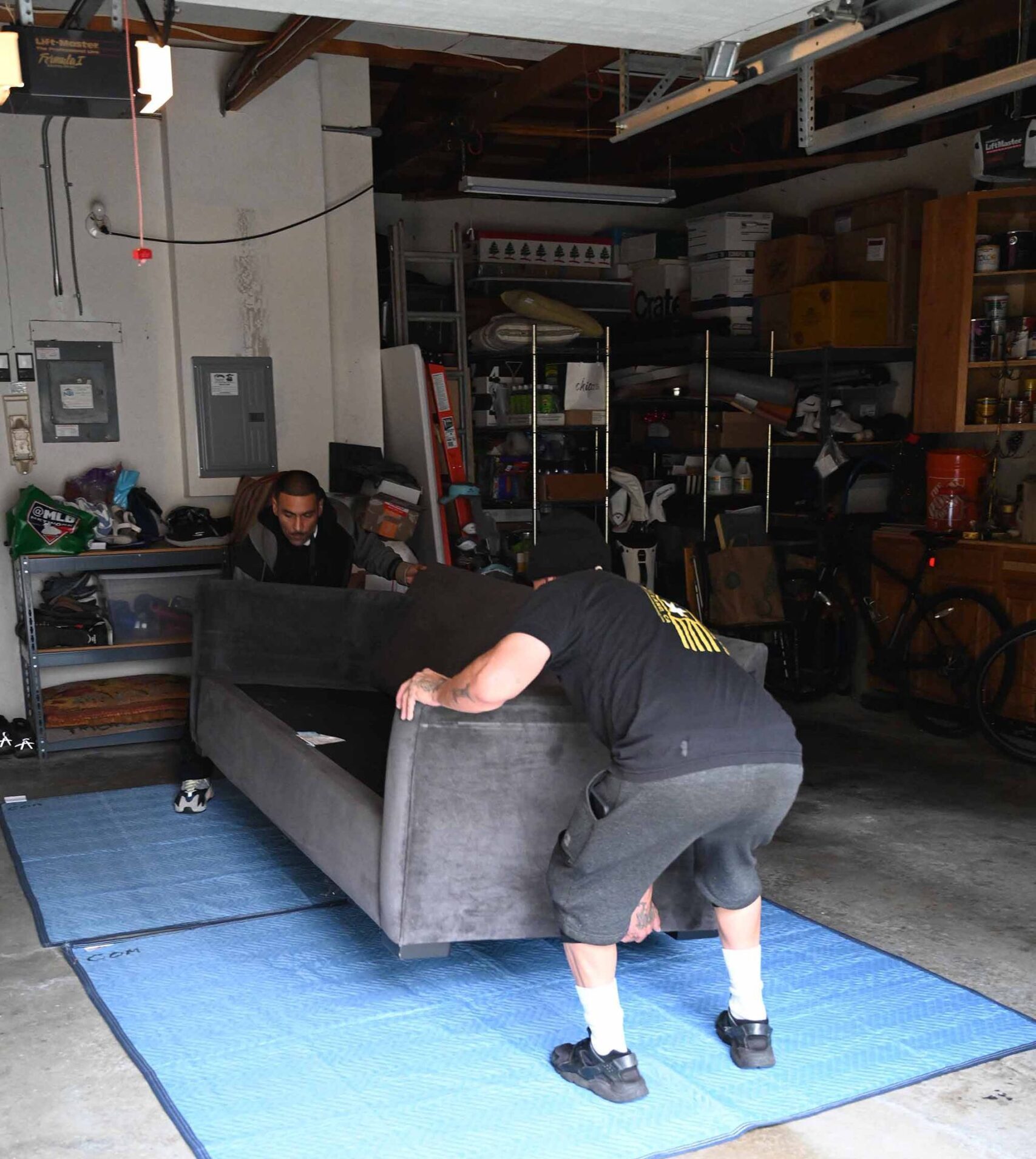
Large furniture is evaluated for safe disassembly and reassembly. Beds, bookcases, and sectional sofas are taken apart when needed and packed with hardware bags and step-by-step tags. Using dollies, lifting straps, and team coordination lets movers navigate stairs and narrow doorways without scuffing walls or denting pieces.
From floor runners to corner guards and door jamb padding, Commander Moving keeps homes intact. Upon arrival, crews reassemble furniture to the owner’s layout, test stability, and set items in place ready for use, which reduces downtime and on-the-spot repairs.
Transitions in and out of complex properties require definitive plans and close coordination. A well-structured plan provides clear expectations for each phase, minimizing last-minute scrambling and allowing professional movers to schedule time where it’s needed. Packing an entire household for a long-distance move can literally take days or even weeks depending on the size of the property.
Multi-story moves require careful planning to slash trips up the stairs, saving time and reducing risk during a long-distance move. Whenever possible, route big pieces to go straight from room to truck, mapping stops and scheduling crews so some concentrate downstairs while others stage upstairs. With stair rollers, furniture sliders, harnesses, and lift systems, you can efficiently pack and safely move heavy objects between floors, minimizing physical strain and potential damage. Supplement with extra muscle for awkward items such as pianos or tall armoires. An additional two movers frequently cut handling times and increase control by at least 50%. Pad stair rails, corners, and landings, and tape coverings firmly to avoid slips and scuffs. Shield carpets with runner covers. For multi-story homes, local relocations can wrap up within the same day if sufficiently prepared, but larger residences may consume an entire day.
Property Type | Typical Access Issue | Common Solution |
Urban brownstone | Narrow street parking, tight stoops | Obtain curb permits, use stair-skilled crew |
Elevator building | Service elevator size limits | Measure elevator, schedule off-peak use |
Suburban home | Wide drive but limited street parking | Reserve driveway space, load at doorstep |
Rural property | Long driveways, uneven terrain | Use smaller shuttles, off-road capable vans |
Gated community | Access controls, HOA rules | Coordinate with management, get approvals |
To ensure a smooth long-distance move, arrange loading permits and permissions in advance. City or HOA regulations can complicate the relocation process. When trucks can’t get close, consider sending smaller vehicles or shuttles to efficiently transport your belongings.
To ensure an efficient packing process during your upcoming move, dismantle beds, large tables, modular cabinets, and appliances to reduce bulk and safeguard components. Tag and bag hardware with neat kits attached to each piece, making reassembly simple for your long-distance movers. Log each piece inventory-wise so all items come back in the same shape and location, ultimately saving time and reducing technical mistakes during the entire move.
Choosing your moving partner begins with aligning service level to the scope of your move. Determine if you require labor-only assistance, a full-service crew that provides packing, loading, transit, and unpacking, or a DIY move with a truck rental. Labor-only lets you maintain control of packing while outsourcing heavy lifting. DIY will save you money, but it increases your chances of damage due to improper packing or loading. Full-service movers minimize that risk since they employ tried-and-true packing techniques and tight loading practices that count most for big houses and moves that cross many miles.
Compare movers on expertise, services, and reviews. Opt for companies with repeat experience with large or complicated moves and confirmed reviews from more than one platform. Seek proof they’ve moved similarly sized homes and items such as pianos, large electronics, or fine art. See if they provide packing materials, disassembly and reassembly, short-term storage, and fragile-only packing. Scan their reviews for comments about punctuality, damage statistics, and mover etiquette. Verify licensing and insurance. In the US, full-service carriers must be registered with the Federal Motor Carrier Safety Administration (FMCSA) and show proof of insurance.
Check the company’s equipment. Verify truck sizes in cubic meters, available lift gates, padding, crate options, and expert tools for oversized pieces. Inquire about crew size and whether they can accommodate multi-stop or time-constrained moves. For long-distance work, check tracking, transit time estimates, and your damage claims process.
Find a mover that suits you. Collect several written estimates and see how they compare in terms of what’s included. Always prefer binding estimates over those that allow for a surprise increase. Consider tipping guidelines and tip accordingly for quality. Select a partner whose policies in writing align with your risk and service appetite.
Full-service movers reduce risk, save time, and reduce stress for big home moves. They strategize every move, carefully pack fragile items, relocate oversized pieces with the right equipment, and take care of permits and building regulations. Full-service firms deliver professional crews, guaranteed work, and defined schedules. A DIY move can cost less on paper, but ask for the true price: missed work hours, damaged goods, and extra trips. For a big move, that risk accelerates.
Choose a mover that demonstrates insurance, transparent rates, and positive feedback. Obtain no fewer than three estimates, investigate a company’s history, and establish definite dates. Looking to shop movers? Begin an easy checklist and gather quotes now.
Full-service movers handle the entire process of packing, loading, transport, unloading, and unpacking, making them a convenient choice for your upcoming move. Their experienced movers save you time, reduce stress, and minimize the risk of potential damage during a long-distance move.
They’re more expensive upfront, but hiring professional movers can save you money in the long run. You skip rental fees, time losses, supply purchases, and potential damage costs, making the entire move less stressful and more efficient.
Professional movers use custom crates and quality packing materials to ensure efficient packing during your long-distance move. They also provide insurance options to protect your belongings from potential damage.
Yes. Seasoned long-distance movers deftly maneuver flights of stairs, tight hallways, elevators, and multi-story residences. They strategize logistics for the entire move, deploy rigging gear, and manage permits or parking when necessary.
They provide a move coordinator, a timeline, and crew management, ensuring efficient packing and minimizing downtime during your upcoming long-distance move.
Verify licenses, insurance, and online reviews for long-distance movers. Request written quotes, packing techniques, coverage, and previous comparable moves for your upcoming move.
With basic carrier liability and optional full-value protection, moving your belongings is important. Basic coverage is capped, while full-value protection covers repair or replacement, ensuring a smoother long-distance move.