
So how do full-service movers protect furniture and fragile items? That’s why all full-service movers use padding, shrink wrap, and corrugated boxes that are sized to the object. They use corner guards, mattress bags, and furniture blankets to prevent scratches and dents. For fragile items, they use bubble wrap, foam, and double-boxing with clear labeling and inventory tags. Their teams load vans with straps, soft ties, and floor protectors to minimize movement and shock in transit. Valuable items can receive crating and insurance options to cover damage. It cuts breakage and move times, and the following section details packing stages and price considerations to anticipate.
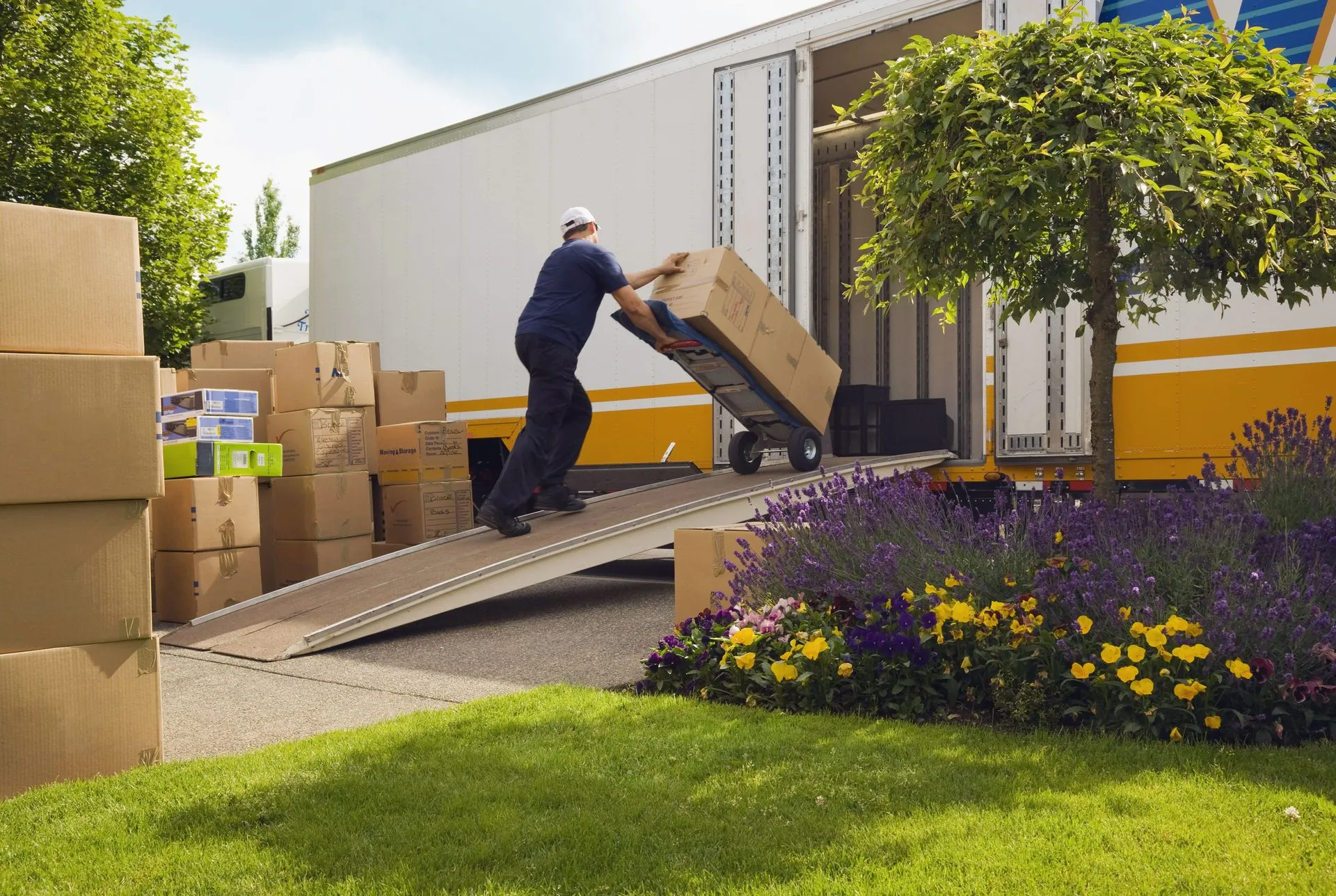
A protection blueprint establishes the standard procedure for protecting furniture and fragile items, such as glassware and collectibles, from pickup through delivery. It binds evaluation, careful packing, and organized transportation into one strategy that reduces uncertainty and provides homeowners with assurance that their valuable possessions, photos, heirlooms, art, and electronics will make it through rain or rough treatment unscathed.
Wrap every fragile item individually in several layers of cushioning materials for shock absorption, then bind with stretch wrap or tape to ensure it won’t move around during transportation. Use dividers and molded inserts inside boxes to keep valuable possessions separated and stabilized. Pad or foam-wrap any exposed edges or fragile surfaces for maximum protection.
Constructing custom wood crates for oversized, heavy, or oddly shaped valuables is essential for proper protection during relocations. Our professional movers, known as crating ninjas, create internal braces that secure fragile items in place and line the crates with cushioning materials to absorb shocks, ensuring maximum protection for your valuable possessions.
Pack delicate and fragile items last to keep them on top and easy to reach. Use professional moving services to secure boxes and crates to truck walls, employing strapping and barriers to avoid shifting. Stack heavier items on the bottom to create a solid foundation, while using cushioning materials like moving pads or blankets for maximum protection.
Full-service movers think beyond the cardboard box with layered, item-specific protection that begins pre-packing and doesn’t end until after your fragile items are placed in their new spot. Professional movers evaluate every item to determine packing material requirements and proper equipment, ensuring that everything from delicate pieces to valuable possessions receives customized attention.
Customized solutions for delicate items:
Specialized crating and padding for oversized or unusually shaped items begins with accurate measurement and crate design. Movers trim plywood and 19 mm (3/4 in) lumber to conform to each fragile item, install internal bracing, and pad interiors with foam or high-density polyethylene. For odd shapes, they construct internal foam saddles or custom-cut supports so the item cannot move. Crates are nailed and screwed, then sealed with strong packing tape and external labels like Fragile and This Side Up to instruct handlers.
Advanced packing methods for valuable possessions that cannot be boxed conventionally include wrapping in multiple protective layers. First, a soft layer of packing paper avoids abrasion. Then, bubble wrap is used where available, and finally, a padded blanket and shrink wrap hold the layers in place. When bubble wrap is not at hand, premium quality packing paper and corrugated inserts minimize point pressure and abrasion. Electronics receive anti-static foam and desiccant packs to mitigate humidity risk. Wood furniture susceptible to moisture off-gassed from shrink wrap is segregated and stored in climate-controlled transport.
Each piece gets customized safeguards beyond conventional packing, with written handling schemes and load configurations. Heavy stuff goes down first on the truck floor with straps to create a solid foundation, and then lighter fragile boxes on top, never stacked high in unsafe ways. Strong packing tape seals edges of industrial-strength multi-ply cardboard boxes so they won’t pop open in shipment. Boldly printed handling notes finish out the system, minimizing damage and increasing accountability.
Moving oversized, heavy, or fragile items requires specialized handling equipment to minimize damage and decrease the risk of injury. Full-service movers, equipped with professional moving services, evaluate every single piece to select equipment that corresponds with size, weight, fragility, and the journey from source to destination. This upfront decision influences how pieces are wrapped, hoisted, anchored, and set down. It’s different for couches, paintings, grand pianos, chandeliers, and TVs.
Common tools and equipment used for specialized handling:
Padded moving blankets and shrink wrap protect surfaces from scrapes and dings. Blankets provide a cushioning layer, and shrink wrap keeps those blankets secure and prevents seams from sliding on lifts. For glass tops, movers put cardboard or foam board underneath the blanket. For framed art, movers use corner protectors and then wrap with acid-free paper inside a crate.
Stair climbers and hoisting equipment conquer tricky spaces. Powered stair climbers allow two technicians to slide a bulky sofa up a narrow stairwell with less strain and more precision. Hoists and winches enable crews to hoist a grand piano or chandelier out the window when stair access is impossible. These implements minimize hand pressure and help prevent accidental drops or scrapes, ensuring the safety of valuable possessions.
Custom rigging is par for the course for big or weird-shaped pieces. Riggers design slings, spreader bars, and anchor points to distribute weight and prevent pressure points. They combine rigging with formal safety inspections, load calculations, and strap redundancy to minimize failure. Rugged safeties reduce the risk of damage and injury during relocations.
Full-service movers still depend on trained professionals as the first line of defense for furniture and fragile items. These movers are matched according to expertise and experience, not simply availability, which is crucial for clients concerned about their valuable possessions like family photos, heirlooms, and irreplaceable furniture. Providing seasoned movers educated in the most up-to-date packing services and handling practices minimizes risks from the outset and simplifies the handling of moisture-sensitive wood, such as expansion or shrinkage during transit.
Our professional movers undergo on-the-job training in careful packing, wrapping, and loading of all delicate items, including fragile valuables, with utmost care. They are trained on the appropriate deployment of specialty materials and equipment like climate-controlled wraps and hydraulic lifts. This training is refreshed with new best practices, such as strategies to reduce moisture exposure and how to brace valuable possessions against shrinking and twisting. We emphasize safety to avoid moves gone wrong, because avoiding a dropped box is as crucial as packing it properly.
Our experienced teams have a demonstrated history of moving delicate pieces like antiques, paintings, and expensive electronics, ensuring maximum protection during transport. They have completed difficult moves without a scratch, including multi-floor, urban ascension-style moves, or long-distance shipments with temperature control. Senior members are frequently tasked with managing the packing and transport of fragile items, using smart packing techniques honed from previous gigs. We take a room-by-room approach to ensure your valuable possessions stay together, which reduces the risk of something getting lost and makes unpacking faster. Heavier items are packed at the bottom of the truck and strapped down first to form a solid foundation.
Crews employ a transparent checklist to establish Do’s and Don’ts for client and crew communication. Clients receive peace of mind with situational status updates on the whereabouts and condition of their valuable possessions, alleviating stress and allowing for better decisions when unexpected weather or delays arise. Customers are encouraged to voice concerns or special requests regarding fragile item handling prior to and during the move, and team leads communicate with specialists right away if hurdles take shape. Clearly marked boxes enable you to find important belongings immediately and keep the entire operation above board.
Standard moving insurance provides a fundamental level of security for your valuable possessions. It frequently leaves gaps that are important when moving delicate belongings. Understanding what they do and don’t cover allows you to make more informed decisions pre-move, especially when it comes to fragile item handling.
Scenario | What happens under standard coverage | Shortfall example |
50-inch TV (25 lb) lost in transit | Carrier pays per-pound rate (e.g., $0.60/lb) | Payout = $15, far below market value |
Fine art scarred by wildfire smoke. Natural disaster tends to be excluded. | No coverage unless a separate policy. | Truck stop thieves snag antique jewelry. Limited per-pound liability applies. Jewelry value is well above the per-pound limit. |
Electronics fried by flood water. | Flood is typically excluded. | Claim denied, owner held responsible for loss. |
Electronics can also suffer damage, such as being fried by floodwater, which is typically excluded from standard policies. If a claim is denied, the owner is often held responsible for the loss, leading to further stress during relocations. This highlights the need for careful packing and specialized handling techniques for your fragile valuables.
The per-pound valuation in standard policies is effective for bulk, low-value household goods, but it breaks down for items that are valuable regardless of their weight. For example, a 25-pound TV or a bronze sculpture that weighs several hundred pounds can be worth hundreds or thousands of times the per-pound payout, emphasizing the importance of proper equipment for transporting valuable furniture.
Exclusions are critical to understand. Floods, wildfires, hurricanes, and other natural disasters are frequently carved out of carrier responsibility. For owners of irreplaceable items, such as art, antiques, and family heirlooms, these exclusions pose real danger during moves.
To minimize risks, consider purchasing declared value coverage or third-party transit insurance that includes named perils and full replacement cost. Before moving, photograph and list your essential belongings, keep receipts, and demand written policy limits and exclusions from your mover to ensure maximum protection for your items.
We use a scheduled, room-by-room walkthrough prior to our crew leaving to ensure that personal belongings are present, undamaged, and loaded properly. Inspecting the daytime allows natural light to highlight scuffs, scratches, and stains that artificial light may obscure, minimizing the likelihood of overlooked fragile items and ensuring maximum protection during transportation.
Begin at one side of the home and work your way across, opening up closets, cabinets, and storage areas. Inspect inside drawers and cabinets. Open them and close them completely. Check for hair in the drain or marks on the counter.
I check under beds and behind doors for small items. Check upholstery seams and glass for cracks. Take the inventory paperwork along on your final walkthrough. Use it as a live checklist, ticking off any damaged or missing parts straight away. For example, if a glass coffee table was wrapped, verify the wrapping is intact, and the glass shows no hairline cracks.
As you walk through the room, double-check each item on the master inventory, especially for fragile items and valuable possessions. Confirm serial numbers, model names, or pictures on the list for electronics and antiques. For expensive items, ensure the crew’s condition code is verified, and have them initial next to each entry. If the move included crated items, check crate numbers against shipping labels. Before signing off on a grand piano moved by professional movers, inspect pedal alignment, leg mounts, and the interior lid.
When inconsistencies arise during the relocation process, document them on the inventory sheet and take high-quality, timestamped photos of the fragile items involved. Have the foreperson sign the discrepancy report to ensure both parties acknowledge the situation. If small repairs can be done on location, discuss quick fixes versus claims for your valuable possessions. A chipped table edge can be photographed, logged, and temporarily taped to prevent further damage during final transportation.
Offer clients specific unpacking steps for their fragile items: remove packing materials slowly, support corners of frames, and reassemble furniture using the original hardware where possible. Advise homeowners to hang wood and fabric pieces away from direct sunlight and humidity. Recommend placing felt pads under legs and bolting heavy items to walls where appropriate for maximum protection.
Full-service movers protect furniture and fragile items. They wrap wood and glass with thick cloth and foam. They pad and strap items in trucks to prevent slides and smashes. Teams hoist with dollies, ramps, and lifts that conform to stairs and narrow hallways. Movers label boxes by room and fragility, so every item receives appropriate attention. Lead movers do a final walk and note marks, photos, and special moves. Basic insurance covers certain damage but frequently has holes. Apply additional protection for valuable artwork or antiques. A straightforward checklist and a cool handoff reduce risk. Give your mover a call in advance, let them know about breakables, and request a written strategy and photo evidence.
They use careful packing techniques, wrapping furniture and fragile items in padded blankets, foam edge protectors, and plastic wrap. By pulling furniture apart when possible and securing everything, they ensure maximum protection during transportation.
Top-notch bubble wrap, packing paper, and strong double-walled boxes are essential for the careful packing of fragile items. Fragile goods receive additional cushioning materials and are marked ‘fragile’ for proper handling during transportation.
Movers use dollies, appliance skates, and hydraulic lifts for careful packing of fragile items, which decreases stress and minimizes the risk of breaking valuable possessions.
Professional movers conduct inventories and use custom packing for fragile items, employing specialized handling techniques to ensure the maximum protection of valuable possessions.
Crew training is crucial for professional movers. Experienced movers use proper equipment and smart packing techniques to ensure safe lifting, minimizing risks to fragile items during transportation.
Basic liability has low limits and won’t cover full replacement. Inquire about declared value protection or third-party insurance for better coverage of high-value personal belongings.
The concluding walkthrough verifies the condition of valuable possessions, records inventory, and includes special instructions, ensuring a smooth process for item transport and establishing a paper trail for any damage claims.