
What do local movers charge for a full-service move? Local full-service moves cost anywhere from 300 to 2,000 USD, depending on size, distance, and services. Costs increase based on how many movers, total man-hours, heavy items, and additional services such as packing, disassembly, or short-term storage there are. Hourly rates typically range from 80 to 200 dollars a mover, with flat fees coming out for typical one-day moves in small apartments. Extras may include stair carries, long carries from the truck to the door, and insurance above basic liability. I’ll deconstruct typical pricing schemes and sample estimates by home size and advise comparing quotes fairly so readers can plan a realistic moving budget.

A full-service move is a relocation where professional movers handle packing, loading, transport, unloading, and unpacking of household goods. Movers bring all the materials, boxes, and equipment necessary to wrap and protect your belongings, label boxes, dismantle larger pieces of furniture, and put them back together at the new location. It includes all the major work from beginning to end, so the homeowner has very little in the way of hands-on work. The use of a free moving cost calculator can also help homeowners estimate their expenses before the move begins.
Having a crew to orchestrate logistics and sequencing is the hallmark of professional moving. Crews strategize the pack sequence, delegate work, and stage furniture and boxes for optimal loading. For a mid-size apartment, this can mean two movers over four hours, while a large home may require a team of five or more working the whole day. Teamwork means less total move time and a reduced risk of damage since the experienced crews employ standard moving lifts and protective equipment.
Full-service moves are flexible and can cater to different needs. Movers may pack just fragile or high-value items, do full-house packing, or handle specialty items such as pianos, artwork, or large appliances. For instance, a family with fragile glassware would ask for full packing in the kitchen, while another household moving a grand piano would require additional costs for specialty handling and rigging on top of basic service for safe delivery.
Yes, there are pragmatic reasons why others embrace the premium price. Full-service moves are incredible time-savers on move day and minimize stress, particularly for busy professionals, families with kids, seniors, or anyone with limited mobility. They simplify long-distance moves, as one vendor handles pickup, transit, and delivery, including permits or loading-dock coordination when necessary.
They’re more expensive because they include labor and materials, and because the service employs more crew and machinery. That additional cost is easily compensated for by fewer lost hours of work, diminished risk of injury, and reduced need to purchase packing materials. Most clients appreciate the convenience of it all, and for them, it’s worth the overall price.

Full-service moves involve professional moving services that combine labor, packing materials, transport, and valuation coverage into a single invoice. Each aspect contributes to the overall price, so understanding how they operate helps you prepare a reasonable budget and avoid unexpected expenses on moving day. To get an accurate mover cost estimate tailored to your specific move, use a free moving cost calculator that considers factors such as hourly labor, packing scope, and truck size.
Labor is typically billed by the hour per mover. Local moves often charge a certain amount per hour with 2- to 4-man crews. Average rates run about 80 to 150 an hour for the crew. For example, a three-hour studio move is very different from a day-long 4- to 5-bedroom gig.
Weekends and peak season (May-August) drive hourly rates higher. Anticipate a 10-20% premium in bustling urban markets and higher cost-of-living areas. Labor encompasses loading, driving, waiting, unloading, and simple furniture disassembly and reassembly when provided.
Make a simple comparison table of local hourly rates, typical crew sizes, and estimated total hours for your home size to set expectations and spot outliers.
Professional packing is a real time-saver and tends to reduce breakage, making it a smart choice for homeowners planning their next move. While it adds to your costs, full-home packing can push totals toward the high end of the $561 to $3,534 range, though selective packing can be much less expensive. Services can be tailored for a specific move, whether all-house, per room, or for fragile and specialty items.
Typical fees vary based on the distance of the move and the size of your belongings. There are per-room rates for a standard bedroom, kitchen, or living room, as well as flat packages that include materials and labor. Some companies offer a free moving cost calculator to help you estimate the overall price, while others charge separately for supplies.
Consider staging, which rooms require the pros and which you can handle yourself, to weigh cost versus risk. Planning your logistics can help you make small changes that significantly impact your total cost, especially if you’re considering a true DIY move.
Materials such as boxes, tape, padding, bubble wrap, and specialty crates. They might have flat-rate material packages or be billed by line item. Flat rates are nice because they’re easy to budget. You’ll overpay if you need little.
List materials by room to estimate costs: the kitchen requires additional small boxes and padding. Large furniture might require custom crating, which drives up charges for bulky or high-value items.
Moving charges are influenced by factors such as the size of the truck, fuel, distance, and time on the road. For a local move, homeowners can use a free moving cost calculator to estimate expenses, while long-distance moves often incur additional costs such as tolls and parking fees.
Request a breakdown of fuel surcharges, mileage, and any parking or loading-zone fees. Multiple stops or heavy traffic increase time and fuel expenses.
Valuation is the mover’s liability level, not full coverage. Basic released value protection is low and typically included. Full-value protection costs extra and covers repair or replacement.
Check options and itemize high-value things so coverage equals their value, or you’ll be looking at significant out-of-pocket damages.
Several major factors influence your final cost, including labor requirements, truck time, and risk exposure. Understanding these elements allows you to interpret mover cost estimates critically, anticipate adjustments, and furnish professional movers with the necessary information for an accurate quote. Use a free moving cost calculator that considers home size, distance, item complexity, and building access, along with pre-estimated inventory and access notes.
Bigger houses require more movers, boxes, and truck space, which increases the price.
Downsizing or decluttering before the move reduces volume and labor. A studio typically costs significantly less than a multi-bedroom home.
Distance impacts fuel, time, and occasionally driver and truck regulations.
Short local moves often take an hourly rate. Long or interstate moves can include distance and per-kilometer fees. Determine your exact mileage and the normal traffic on your route. Longer drives or heavy-traffic routes lead to more total hours and higher final bills. Some businesses establish flat fees within a certain radius, while others bill by the kilometer and time. Understanding which model is at play saves you from unexpected costs.
Very heavy, delicate, or odd-shaped items need special equipment and methods.
Pianos, safes, antiques, and swing sets frequently have itemized surcharges and could necessitate additional movers or equipment. Take a careful inventory of tricky items and discuss whether or not taking them apart, dismantling, and reassembling adds time and expense. Transparency on these points minimizes unexpected charges and safeguards security.
Access issues add labor and possible surcharges.
Stairs, long carries from the truck to the door, no elevators, and tight parking bottlenecks increase crew hours. Include photos and notes for pickup and delivery locations. Your movers may need permits or charge for restricted loading. Be upfront about access issues to avoid surprise stair or waiting-time charges and to schedule the appropriate crew size.
Going with the lowest bid for a full-service move typically moves expenses from the contract line to damage claims, lost time, and stress. Here are key places where a low initial price turns really expensive, with no-nonsense tests you can apply when shopping for movers.
Cheap movers often fail to pack properly and use weak materials, which increases the risk of damage or lost belongings during a long-distance move. Incorrect lifting and suboptimal load balancing on the truck can lead to in-transit damage, especially for large and heavy shipments that require more robust rigging and padding. Professional moving crews follow packing guidelines and use appropriate materials to minimize movement and protect your belongings. Repair or replacement costs for antiques, electronics, or appliances can quickly surpass initial savings, making it essential to seek accurate mover cost estimates and check references to ensure a hassle-free next relocation.
Other cheap companies will promote super low quotes for their moving services, then tack on fees for time, travel, stairs, or heavy appliances once the work has begun. These additional costs may include travel fees, such as an extra hour or $100 flat, for instance, or weekend or end-of-month move surcharges. To avoid unexpected expenses, ask for a written, itemized estimate that specifies if hourly rates include travel time and which services are additional. Read the reviews and watch out for surprise fee complaints to identify bait-and-switch patterns, ensuring you choose a professional mover with transparent pricing.
Discount movers often lowball on valuation coverage or may not offer it at all, leaving you to replace your belongings with your own money. In contrast, professional movers will guide you through the insurance process and present you with valuation tiers that match your shipment’s value. The overall price of replacing uninsured items can exceed the initial savings, particularly for long-distance moves that typically range from $2,000 to $5,000 based on size and distance. Always check coverage, get it in writing, and review claims processes before booking.
Full-service movers offer speed and efficiency, along with protection and reduced injury risk, which saves time and reduces stress during peak seasons when rates can be up to 20% more expensive. To make an informed decision, use a free moving cost calculator to compare value, considering factors like season, weekday timing, shipment size, and potential additional costs.
Full-service mover rates often seem straightforward, but various hidden fees can arise based on logistics, timing, and services selected. Using a free moving cost calculator can help homeowners understand the overall price, ensuring they know what to check and how to ask for details to avoid surprises.
Movers have a tendency to apply extra fees when they are required to transport possessions up or down more than one level of stairs at pick-up or delivery. These fees account for additional labor hours, increased damage risk, and a slower packing and unloading pace. Let your mover know about stair access ahead of time so the estimator can record precise flight counts, stair width, and any landings that impact carry speed.
Checklist to inform movers about stair access:
If possible, go for a ground-floor unit or one with elevator access to avoid stair surcharges.
Long carry fees kick in when movers have to walk an extraordinary distance between the truck and the door. Measure in meters the curb-to-entrance distance so you can estimate applicability. Movers have a base distance and then charge per additional meter or a set distance. These fees cover additional crew hours and possible requirements for dollies or floor protection.
Strike a deal for closer parking, temporary permits, or a loading zone to offset or even avoid the fee. Investigate local parking permit regulations because not grabbing a spot can tack on fines or require longer carry distances.
Be sure to itemize all specialty items upfront so professional movers arrive with the right kit and provide accurate mover cost estimates. These frequently require additional labor costs, packing supplies, or third-party services. Ask for confirmation of charges in writing before your next relocation.
Unpacking fees can impact the overall price of your next move and often include tasks like box clearing, furniture arranging, and organizing in each room. If you desire full unpacking services, it’s wise to request a quote, as the scope can vary widely. Ensure clarity regarding the disposal of packing materials and the definition of “organizing” to avoid confusion. Additionally, demand spikes during busy days can lead to increased rates by 25 to 40 percent, while off-peak timings may offer savings.
Begin by providing professional movers with precise, detailed information about your home and move, so their quotes reflect reality. Count rooms, floors, elevator access, and any narrow stairs or long carries impacting labor. Make a list of big pieces and estimate the total weight where you can. Include beds, large wardrobes, appliances, and delicate items, and identify specialty pieces like pianos or antiques that require special handling. Providing the precise pickup and delivery location and your intended move date is crucial, as distance and timing are primary cost factors. Include requested services such as packing, unpacking, disassembly, temporary storage, or debris removal.
Request a virtual or in-home move assessment for the best accuracy. A trained estimator will walk each room or review detailed photos and can spot access issues and bulky items that change crew size and truck needs. In-home visits usually yield the tightest ranges because the estimator measures actual volume and time. Virtual surveys using video calls are a close second and are useful for international readers or when an in-person visit is impractical.
Free moving cost calculators and online estimate tools let you check offers in a flash. Enter consistent inputs across tools so comparisons are apples to apples: the same inventory, date, and service level. Run estimates with a minimum of three licensed companies to compare price, services, and availability. Seek out features that demonstrate if pricing is hourly, weight-based, or distance-based, and record how fuel surcharges and travel time are calculated. Using a mover tool can streamline this process significantly.
Check terms, fees, and valuation coverage in writing before you book. Request a written estimate detailing base rates, packing materials, extra labor, stair or long-carry fees, and cancellation or rescheduling fees. Verify valuation choices and caps for misplaced or broken objects and take into account supplemental coverage if essential. Follow up on company credentials, reviews, and licensing. If an offer sounds too good to be true, it probably is. Plan and request quotes about eight weeks before your move and factor in seasonality. Summer and weekend slots often cost more. Having everything in writing and clarifying unknown fees ensures no last-minute surprises on moving day.
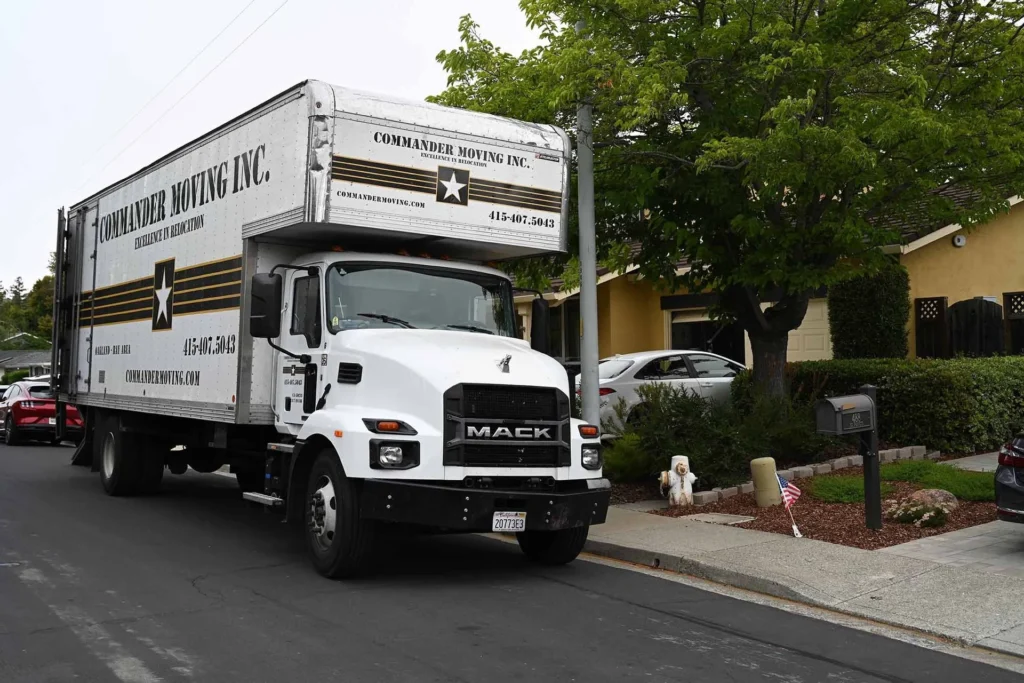
Local full-service move prices are more than truck rent and gas. Local movers cost labor, time, gear, and attention. Most invoices lie within a range defined by crew size and hours. Extra tasks add clear fees: stair carries, large items, tight access, and same-day work. Low bids conceal true costs more often than not. Good quotes will use an in-home or video walk-through and itemize each fee. Keep packing, storage, and insurance options straightforward to reduce surprises. Choose a mover that displays trucks, equipment, and license numbers. Request a written estimate and a fixed end time. Little steps today save big cash and agony on moving day.
Get three bids and compare line items before you book.
They range, but anticipate approximately $320 to $1,280 for the majority of local moving cost scenarios. The final cost depends on move size, weight, and services included, so use a free moving cost calculator for precision.
Local full-service moves typically charge by the hour, while long-distance movers often base their pricing on weight or volume. Hourly rates usually include the crew, truck, and basic supplies, offering homeowners a clear understanding of the overall price for their next move.
Packing, unpacking, and specialty item handling, such as pianos and antiques, add to the overall price. In addition, storage, short notice, or weekend moves can significantly increase the mover cost estimates.
All non-binding estimates are subject to change if the move scope varies. Binding estimates lock the price. Always ask what kind you are getting and get included services in writing.
Seek a minimum of three in-home or virtual, on-site estimates from professional movers. Provide a full inventory, mention access problems, and list special items for accurate mover cost estimates.
Moving can quickly become overwhelming when you’re trying to coordinate packing, protect valuable furniture, manage timelines, and avoid costly mistakes all at the same time. Many homeowners start the process thinking they can handle everything themselves, only to encounter damaged belongings, hidden costs, unreliable movers, or exhausting moving days that cause more stress than expected. Choosing the wrong moving company can turn an exciting transition into a frustrating experience that affects your family, schedule, and peace of mind.
At Commander Moving, we help homeowners and families simplify the entire process with professional local movers who know how to plan, protect, pack, and move efficiently. From large residential homes and apartments to specialty items and full-service packing, our team focuses on making every move organized, smooth, and stress-free. We believe moving should feel manageable from start to finish, not chaotic or unpredictable.
When you work with experienced local movers, you gain more than transportation. You gain confidence that your belongings are protected, your timeline is respected, and your move is being handled by professionals who care about getting it right. Contact Commander Moving today to schedule your estimate and experience why more Bay Area homeowners trust our local movers for safe, efficient, and frustration-free relocations.
The materials available on this website are provided for general informational and educational purposes only and are not intended as legal, financial, moving, storage, or professional advice. Every move is different, and you should contact a qualified moving professional regarding your specific relocation needs, timelines, pricing, storage requirements, or specialty moving concerns.
Do not act or rely solely on the information contained on this website without first speaking directly with Commander Moving or another qualified professional regarding your individual situation. While we strive to keep the information on this website accurate and up to date, moving regulations, service availability, pricing, and operational details may change without notice.
Commander Moving disclaims all liability for actions taken or not taken based on any content found on this website to the fullest extent permitted by law. Use of this website or communication through this website does not create a contractual agreement for moving services unless confirmed in writing by Commander Moving.