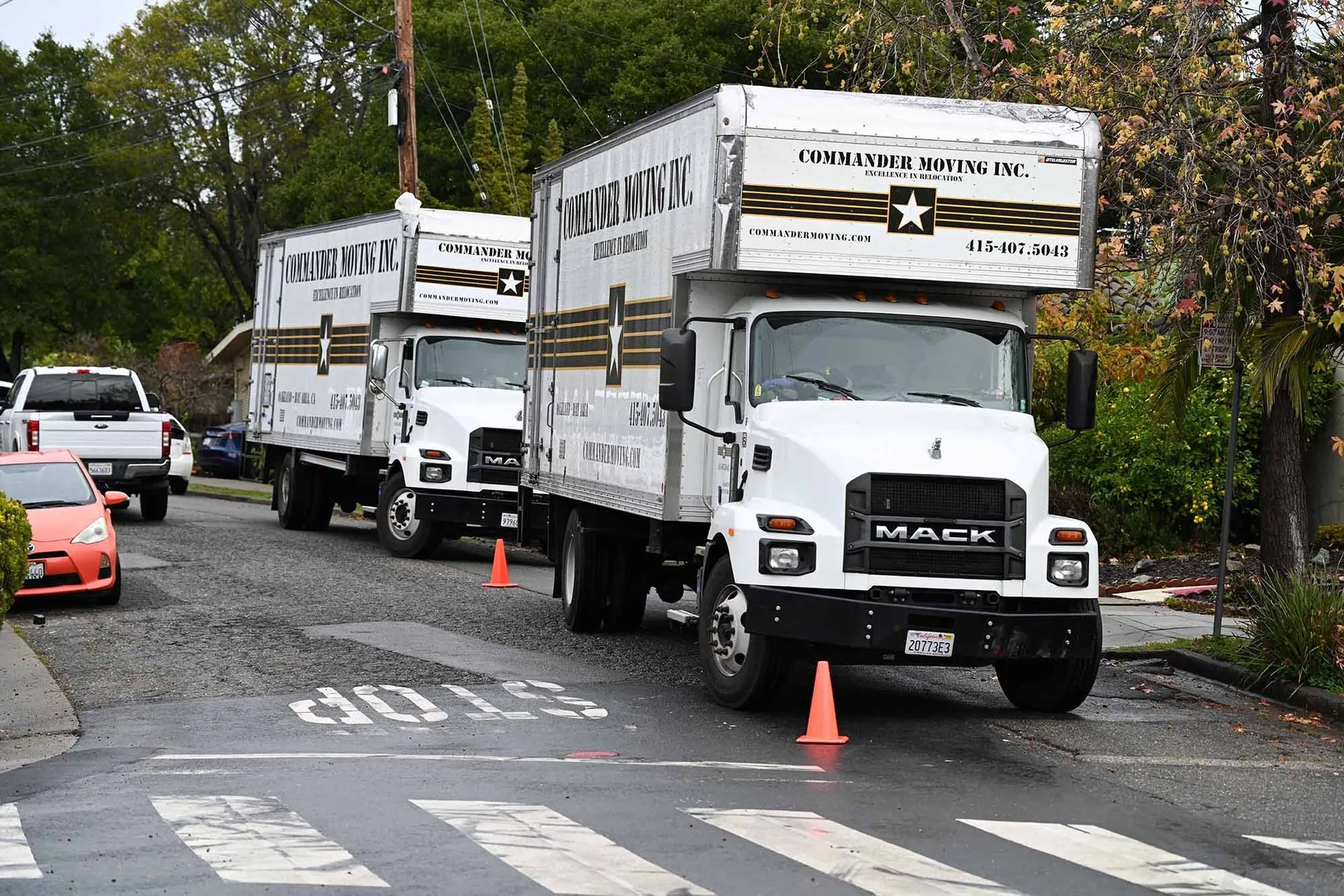
Full-service movers handle the entire moving process, including packing, loading, transportation, unloading, and unpacking. These guys have trained crews, purpose-built trucks, and packing materials to minimize damage and maximize speed. Standard services include inventory tracking, fragile-item protection, furniture disassembly and reassembly, and short-term storage in climate-controlled units. Prices depend on distance, cubic volume, and extra services, with transparent metric volume- or weight-based quotes. Customers with busy schedules, limited labor, or particularly tricky items frequently opt for full-service movers as a time-saver and risk-reducer. The remainder of this post contrasts service tiers, cost drivers, and advice for selecting trustworthy firms.
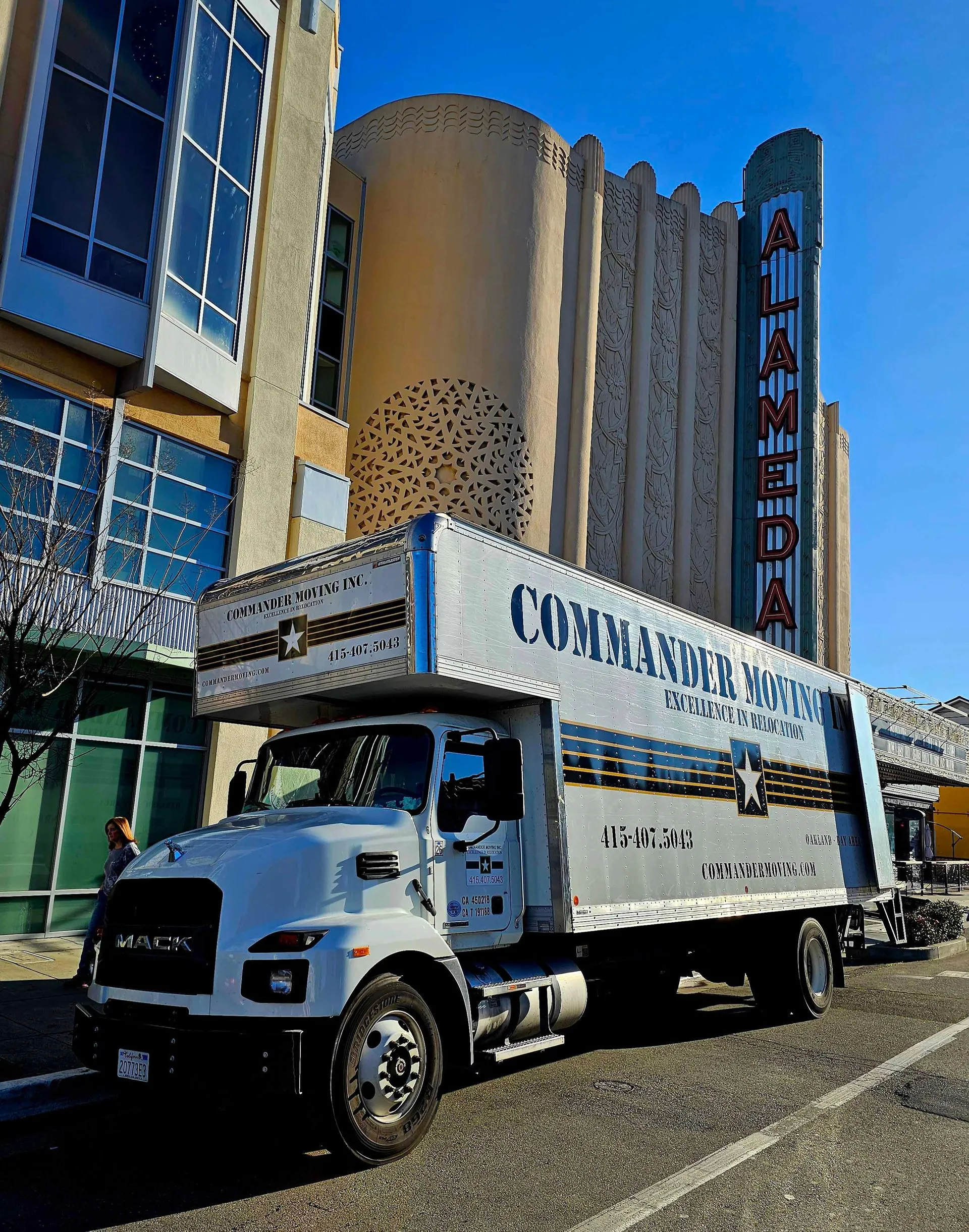
It’s why professional movers offer full-service solutions that encompass everything from planning to unpacking at your new home. They integrate planning, packing, transport, unloading, and unpacking into a single streamlined service, significantly reducing stress compared to DIY or limited-service alternatives. This model frequently provides door-to-door assistance for international and overseas relocation services, allowing clients a single source of communication through complicated logistics and customs processes.
Experienced movers begin with a walk-through survey to evaluate volume, specialty items, access limitations, and timing. A dedicated move coordinator schedules, records packing requirements, and determines crew sizes while ensuring a smooth service move. The comprehensive moving plan outlines tasks, schedules, and backup actions, allowing teams to adjust if the move escalates in scale or encounters snags. Professional movers provide guidance on supplies, realistic timelines, and prep work, such as recommending crate sizes for art or staging a bedroom first for swift living access.
Professional movers use quality materials such as double-wall boxes, acid-free paper for art, anti-static wrap for electronics, and moving blankets for furniture. Full packing typically includes fragile items, electronics, valuables, and specialty cases like pianos or antiques. For budget-conscious needs, partial/custom packing is always offered. Experienced movers are more efficient and reduce damage by employing proven methods and color-coded labels that assist with both inventory and unpacking.
The experienced movers take the furniture apart, wrapping and protecting it with corner guards, moving pads, and shrink wrap. Heavy and fragile pieces receive special care, and as necessary, specialized dollies or hoists are used to navigate items through stairwells and elevators. Crews will reassemble standard furniture at the destination, but for complex pieces, third-party specialists may be needed. This minimizes attrition and unintentional damage to both belongings and property.
Our experienced movers load trucks using a system that maximizes space and minimizes shifting. Heavy items go low with fragile boxes on top, ensuring a safe journey. Team lifting, proper belts, and training reduce injury risk. Transparent inventory lists and labeling follow items, while professional moving techniques secure loads with straps and padding to safeguard goods.
Experienced movers operate well-maintained trucks with routes designed to bypass traffic jams, ensuring a smooth journey. Long-distance moves can take days to weeks depending on the distance and size, with skilled movers providing valuation protection and liability options for added peace of mind. Local service moves typically require one to two days for completion.
Upon delivery, experienced movers unload and position items according to directions, shield floors and doorways, and assemble standard furniture. This organized approach, guided by detailed room-by-room placement lists, ensures a smooth transition and accelerates move-in readiness.
Full-service movers provide experienced movers who offer unpacking teams that remove boxes, assemble small furniture, organize your belongings, and dispose of packing trash. This professional moving service transforms a house into a working home quickly and includes claims assistance if issues arise.
Full-service movers tend to extend well beyond simple pickup and delivery to provide customized assistance for complicated moves. This section details the beyond-standard services customers receive, why they’re important, and how providers iterate processes and resources to minimize risk and friction. Below is a concise list of additional offerings commonly available:
Trained specialty movers arrive with the equipment and techniques to shield your most valuable pieces, ensuring professional moving for items like pianos and antiques that must be crated securely. Approximately twenty-five point ninety-three percent of Indianapolis movers advertise art handling services, and some companies even reserve third-party cargo planes to securely transport large canvases or sculptures. Hot tub relocation is a specialized service provided by about seven percent of Indianapolis movers, showcasing the variety of relocation services available. For heavy items like gun safes, appliances, and industrial machines, teams employ dollies and lift gates to prevent structural damage and injury during the moving process.
Short-term storage assists with timing issues in a move, while long-term storage options accommodate longer transitions. Just over 81% of Indianapolis movers offer storage, which is nearly identical to the state and national averages. Several have climate-controlled units, which they recommend in cases of extreme weather or fragile contents. By coupling professional moving and storage with one provider, you simplify inventory control and reduce double-handling. Flexible access hours, digital inventory lists, and release procedures enable customers to extract individual units on demand without retrieving the entire unit.
Moving-out cleaning relieves stress and accelerates rented or sold spaces going back into use. Go beyond the basics with services such as box removal, packing fill, and unwanted furniture removal, in addition to coordinating donation pick-ups or certified disposal. Experienced movers often follow eco-friendly practices: sorting recyclables, diverting usable goods to charities, and using licensed waste facilities. This coverage not only saves you time and results in a clutter-free home on move day but also minimizes environmental impact through smart disposal decisions and enhances the overall moving process.
Vetting your experienced movers starts with validation and healthy comparison. Homeowners should verify the legality of their chosen moving company, read unbiased reviews, and pose detailed operational and financial questions before signing. Below are targeted steps to check credentials, decode reviews, and craft queries that uncover authentic service.
Verify that your selected professional movers have a legitimate USDOT number, state moving license, and up-to-date insurance certificates. It’s important to confirm these numbers on official transport or state regulator websites. Additionally, ensure that the moving company’s physical address and phone number can be verified through mapping tools or an actual site visit if possible. Check any reported office hours and find an association that you can verify your movers belong to as a signal of professionalism. This includes regional groups and national registries. Also, confirm the mover complies with federal and state regulations for both intrastate and interstate moves, as different regulations apply to local versus long-distance moves.
When researching your next move, check several different platforms like Google, Trustindex, and BBB to get a balanced picture, as one can be slanted. Look for patterns: repeated praise for punctuality, care with items, and clear billing is positive. Additionally, recurring notes about hidden fees, late arrival, or damaged goods are red flags. It’s essential to put more emphasis on actual recent, in-depth, and verified customer experiences with experienced movers than on anonymous star ratings. Notice how the company reacts to complaints, as a careful response indicates that they have a claims process in place. Use reviews to compile a shortlist of at least three professional movers to ask for written estimates from so you can compare them directly.
Request an in-person or virtual survey of items to receive a precise written estimate from experienced movers. Stay away from loose or ballpark quotes. Confirm what the estimate includes: packing materials, labor, transport, fuel surcharges, storage fees, and unpacking. Inquire about insurance, their liability coverage, and their actual claims process if there’s any loss or damage. Additionally, ask about the crew’s experience, equipment, and plans for delays during the service move.
Moving cost is not just a line item, but it’s a series of overlapping fees based on miles, number of items, and the work involved. Understanding how estimates work, especially with professional movers, and where extra fees might hide can help you budget effectively and avoid surprises. Here are the top estimate categories and typical covert fees to look out for, along with real-world samples and a comparison chart.
Binding estimates are fixed-price quotes generated following an in-home or virtual inventory of items and access. The professional movers establish a hard total based on the inventory and services agreed upon. Aside from additional services requested by the client, the final bill will not exceed that number. That predictability is what makes binding estimates valuable for tight budgets and when you need certainty for lease or purchase timing. Trusted carriers offer binding estimates to help with precise planning, especially on long-distance moves, which can significantly vary in cost. For instance, average long-distance one to two-bedroom totals hover around three thousand one hundred fifty to thirteen thousand six hundred fifty, whereas three to four-bedroom moves range between three thousand eight hundred fifty and fifteen thousand two hundred fifty. Go with binding quotes if you need a cap on spending and to avoid being shocked by a higher final bill.
Non-binding estimates are based on a preliminary survey and may change after the move is completed and the actual weight or time is determined. Final fees could be higher if the task takes longer, the package is heavier, or extra services from professional movers are needed. Confirm ahead of time which factors could increase cost: extra hours, additional crew, packing beyond the initial scope, or extended travel time. Use non-binding estimates to compare among moving companies, but consider them a guide, not a guaranteed price, and always get multiple quotes to compare both the services and assumptions.
Know what you will really be paying. These surprise costs can turn the lowest bid into the most expensive.
Ask for detailed written estimates that list packing, labor, travel, insurance, and storage line by line and get two or three quotes before choosing.
Moving day is usually a very hectic day with things that can cause delays or changes in times. Expect the unexpected: escrow delays, early possession, or last-minute scheduling shifts can alter your timeline by hours or days. Weather can change timing and handling procedures, so verify weather policies in advance and prepare for contingencies. During peak season from May to September, demand for professional movers increases, so book about eight weeks out whenever you can. Weekday moves are less hectic and often less expensive. Short-notice moves are the worst, but with a nimble, trustworthy team, everything stays under control.
Have personal items packed and ready in case you didn’t purchase full packing services. Leave clearly labeled boxes for immediate needs, such as chargers, toiletries, and a change of clothes, so you can access them without unpacking everything.
Be there to guide movers and to verify inventory pre-load. Guide the crew through every room, indicate breakables, and double-check the inventory sheet. This reduces conflicts down the line and accelerates packing.
Lock up valuables, legal papers, and medications aside, and carry them yourself. A lockbox or small secured bag in your possession avoids loss and provides easy reach to necessities.
Provide basic hospitality: water, light snacks, and restroom access. Little courtesies accelerate work and maintain the team’s attention. If the move might drag, provide a shaded oasis and a defined trail for breaks.
Anticipate the crew arriving on time with dollies, blankets, straps, and protectors. They need to show ID and a blueprint. If it’s inclement, they modify loading sequences, and tarps or covered loading areas are used.
Movers follow a systematic approach: room-by-room packing or loading, padding and wrapping furniture, securing items in the truck by weight and fragility, then logging each item against the inventory. Bigger stuff gets custom crating or additional strapping.
They come with a pre-planned moving strategy and checklist synchronized with you in advance. That’s the schedule, which contains projected loading time, delivery route, and delivery window. A day or two goes by, then it’s The Day of the Move. Crews should give ongoing updates: progress checks, ETA revisions, and notifications of issues. Request status at fixed intervals so you can make decisions promptly.
Keep lines open with the team all day. Be sure to have one main contact person to answer questions and make decisions to prevent mixed messages. Verify delivery window, destination address, parking regulations, and special instructions before departure. Provide real-time feedback during the move to address issues on the spot and maintain plan momentum.
Once the crew of experienced movers is gone, there are a few things that make or break the transition. Check out the area, take breaks, and have a transparent route to report problems or acknowledge the professional moving service. This prevents small issues from ballooning and helps safeguard your time and money.
Before the experienced movers leave, conduct a thorough room-by-room check. Ensure that everything on the inventory is present and placed where you want it. Don’t forget to inspect closets, cabinets, and storage areas, and look behind large pieces of furniture. Document any apparent damage, and check your electronics and appliances for power. Photograph any scratches, dings, or broken pieces from multiple angles to keep a record.
Check off items on the inventory as you locate them and, whenever possible, have the crew leader sign off on the list. If you require things taken apart, snap photos of connections and labels before your departure so piecing back together is quicker. Address concerns right to the crew leader on site. A lot can be repaired immediately or documented for claims. A brief, cool conversation frequently resolves misplacement or treatment mistakes.
If you discover damage or loss, report it immediately to the moving company. Start by calling the company’s claims department and follow their claims process in writing. Submit a written claim within your contract’s timeframes along with photos, the inventory list, receipts, and any repair estimates.
Understand coverage options: Basic liability typically pays a low sum per kilogram or per item, while full valuation protection pays repair or replacement costs but may carry higher fees. Keep lines open and record such contacts with dates and names. Good, timely documentation increases the likelihood of a prompt, just resolution.
Tipping is appreciated and traditional. Typical advice is 5 to 10 percent of the move cost or roughly USD 4 to 8 per hour per mover. Of course, modify to suit quality of service, difficulty of the move, and crew professionalism. Hand out tips in cash directly to each mover at the job’s end to make sure they get the tip personally.
Write us a great online review and name the crew leader if service was great. Little things like water and snacks or a thank you note count. Sleep, drink water, and finalize utilities or locks that may need some love before your first night.
Full-service movers reduce the labor and the stress of a large move. They pack, lift, drive, and set up. You save time, experience fewer injuries, and have less stress. You pay more, but you receive expertise, equipment, and coverage that DIY doesn’t have. Choose movers that display obvious prices, insurance documents, and positive testimonials. Request on-site quotes, a written estimate, and itemized charges. On moving day, maintain a brief itinerary and a single point of contact. Post-move, inventory and file claims quickly.
Example: A two-bedroom apartment move with fragile items often saves three to four hours of work and cuts the risk of breakage by half with professional packing. If you desire a customized checklist or a quote checklist, ask me, and I’ll mail it.
Experienced movers offer full service to pack, load, transport, unload, and unpack your possessions. They can disassemble and reassemble furniture, provide packing materials, and do light cleanup, making your next move time-saving and stress-free.
Verify that the moving company is properly licensed and insured. Check reviews online to find experienced movers. Request references, a written estimate, and verification of liability coverage while ensuring the company is registered with local transportation agencies.
Most experienced movers provide valuation options, including basic released value and full-value protection. Review the policy and consider third-party insurance for valuable possessions during your next move.
Obtain in-home or virtual surveys from a minimum of three experienced movers. Evaluate their services, including exclusions, transit times, and binding versus non-binding estimates, while considering their reputation and included protections.
Be on the lookout for charges related to stairs, long carries, and appliance servicing when hiring experienced movers. A detailed written estimate can help avoid surprises during your service move.
To ensure a smooth relocation, it’s advisable to reserve 4 to 8 weeks in advance for local moves and 8 to 12 weeks or more for long-distance moves, especially during peak times.
Be there to answer questions and guide the experienced movers through the house, indicating fragile items and holding on to essential papers and valuables during the service move.