
What to expect on moving day with full service movers: Anticipate an on-time team equipped with labeled boxes, protective materials, tools, and a transparent inventory. Movers will dismantle and reassemble bulky items, wrap furniture, and protect floors and doorways. You’ll have to ensure access, parking, and any building rules prior to them beginning. Be prepared to be around for questions and final inspections, and hold onto your important papers and valuables. Prices include labor, packing supplies, and fuel, with quotes given by weight, mileage, and hours.

A detailed plan minimizes friction on moving day and keeps you in control from the first banged door to the final stowed box. The following sections map the service moving process: arrival, walkthrough, packing, loading, unloading, and placement. Maintain your contract, inventory, and key contacts in an organized binder, bring a checklist, secure the pets, keep the kids busy, and have a small kit of tools and essentials for a successful move.
Movers arrive in a pre-agreed window, check IDs, and sign initial paperwork before starting the moving services. Ensure the truck size matches your inventory and can park within a reasonable, safe carrying distance for a successful move. Shovel driveways, reserve elevators, or text codes in advance to avoid delays. Keep pets out of the way in a quiet room and assign your kids responsibilities, such as handing over small labeled boxes to keep belongings safe during the transition.
Walk each room with the professional movers to highlight fragile pieces, heavy items, and what to exclude, such as valuables and essentials boxes. Discuss the service moving options for furniture that requires disassembly and describe special handling for antiques or electronics. Have the moving company verify the itemized inventory and record pre-existing damage for a seamless experience.
Professional movers arrive with quality packing materials and meticulous methods for china, screens, and sentimental items. It’s essential to supervise the packers to ensure fragile belongings are protected, electronics are boxed in moving-approved cases, and closets are packed or hung as per schedule. Boxes are labeled with the room and contents to expedite unpacking, making for a seamless experience. For odd-sized or valuable pieces, ask for custom crating to minimize transit risk.
Movers use team lifts, straps, and padding during loading to maintain weight balance and prevent shifting, ensuring a successful move. They load bulky pieces first and organize boxes by breakability and room for an efficient experience. Quickly review the filled inventory one last time before the truck pulls away, and confirm the estimated transit time and contact procedures with your professional mover. Ensure your phone is charged and have a spare outfit available for moving day.
At the new home, guide the moving company on where to drop items and inspect for damage as they come off the truck. Use a jumble of storage solutions for the junk that isn’t up to weight. Have tools ready for last-minute reassembly, and work with the professional movers around your family’s schedule to make the transition seamless.
Labeling rooms is essential for a seamless experience with your moving company. Provide professional movers with the preferred room for each piece and recruit help for reassembling large items. Having boxes in their assigned rooms will facilitate unpacking and minimize mess during your transition to a new home.
You’re the coordination center on moving day, especially when hiring professional movers. Be accessible and prepared to decide on the placement of your belongings. Store essentials and papers on you for instant access, ensuring a seamless experience during the transition to your new home.
Act as the liaison between your home and the moving company to ensure a smooth transition. Share your relocation needs and special requests clearly with the professional movers. Label fragile items, mark which boxes go to which rooms, and point out pieces needing disassembly. Let the crew know about parking restrictions, elevator scheduling, or building regulations so they can schedule trips and avoid tickets. If something won’t fit through a door, lift it right away so the team can stop and suggest alternatives. Respond to questions quickly, as slow responses cause downtime and may delay the schedule. On hot days, provide water bottles if the crew leader permits. This demonstrates thoughtfulness and keeps the team working efficiently. Create an inventory list as items load and mark any shortages before the truck leaves.
Assigning a single person to oversee the entire move is crucial for a successful move, as it helps avoid conflicting directions. This individual will monitor timing, orchestrate room-by-room placement, and make rapid decisions when necessary. They should know where the valuables and essentials box is located and be prepared to access storage, closets, or garages. To ensure an organized relocation process, maintain a basic checklist to track finished rooms and remaining tasks. Additionally, consider contingency steps if there are delays, such as alternate parking or a backup contact, to reduce stress levels and ensure an efficient experience for everyone involved.
Before your big move, give the old place a systematic once-over. Check each room for small items like chargers, remote controls, and personal effects. Create a point-form checklist for your home move: kitchen (utensils, pantry), bedrooms (closets, under beds), bathrooms (cabinets, medicine), living areas (shelves, behind furniture), and storage (garage, attic). Ensure utilities are off and all windows and doors are locked. Once satisfied, sign off with the professional mover and keep the inventory and any paperwork for your records.
When it comes to handling your valuables during a service move, having a definitive plan is crucial to ensure delicate, sentimental, and valuable items arrive unscathed and ready at a moment’s notice. Record any current scuffs or furniture dents and list moisture-prone wood. Humidity fluctuations can cause wood to swell or contract, impacting joinery or finishes. Verify inventory and any last-minute changes with your professional mover about a week before moving day to alleviate stress and fuzzy decision-making.
Mark boxes containing breakables with clear handling instructions and affix large, visible “FRAGILE” labels. It’s essential to write the contents on the outside of the box for easy identification during the move. For valuable items like paintings or ceramics, consider asking your service mover for custom crating, as crating companies or professional movers can create a wood crate lined with foam for added protection. Clearly instruct the movers both verbally and in writing about the specific handling requirements for each item, ensuring that fragile boxes are loaded last and unloaded first for a seamless experience at your new home.
When relocating, keep high-value items such as passports, jewelry, legal documents, cash, and small electronics with you in a personal bag for a seamless experience during the transition.
Leave written instructions for special items and label boxes or furniture with new address locations during your move. Tape notes to big chunks indicating room and direction to assist the professional movers. Inform your moving company of rules like ‘no stacking’ or ‘keep upright’. Direct them to which boxes to unpack first to create a mini survival zone of clothes, toiletries, documents, and everyday electronics, ensuring a seamless experience. Record pre-existing damage on the inventory sheet to prevent arguments and request movers to ‘handle like family heirlooms’ on select items.
Full-service moves provided by a moving company are supported by a series of background tasks that keep the foreground work on track. Coordination includes transportation, specialty handling, paperwork, and contingency planning. Anticipate a logistics manager to oversee the crew on assignments, sequence tasks, and track progress, ensuring that packing, loading, and delivery conform to a tight schedule while minimizing risk to fragile or oversized belongings.
Expect a dependable crew where each person has a defined role: packer, loader, driver, and crew leader. The foreman sets priorities, aligns skills to specialty items, and moves tasks around if an issue arises. Clear on-site communication manifests as verbal check-ins and item lists and labels that the team uses to prevent redundant labor and overlooked boxes. It’s in the details. Experienced teams, especially professional movers, who have moved pianos, glass cabinets, and modular furniture select different wraps, dollies, and lift points than a general crew. Paperwork flies with the crew, inventory sheets, damage reports, and signed manifests, ensuring a seamless experience that aligns with what departs and what hits shore.
Let the moving company choose the route using distance, road quality, and delivery windows as input. For local moves, this translates into steering clear of rush hour or temporary roadwork. In the case of a long-distance move, it involves considering fuel stops, driver hours, and mandated rest. GPS tracking provides real-time updates, allowing you to track progress and receive precise ETAs. Route decisions effectively reduce fuel consumption and toll exposure, which directly translates into overall cost management. When the route includes narrow streets or low bridges, special equipment or detours are arranged before loading to ensure a seamless experience.
Professional movers are well-prepared for challenges such as truck breakdowns, storms, and damaged access, ensuring a smooth transition during your move. They stage backup trucks and have extra straps, tarps, and padding ready. Keeping insurance and spare paperwork allows for quick claims when necessary. Proactive communication is part of the service moving experience, you should receive timely updates about delays and options, eliminating surprises on arrival. This planning is key to a successful move, reducing stress and keeping everything on track.
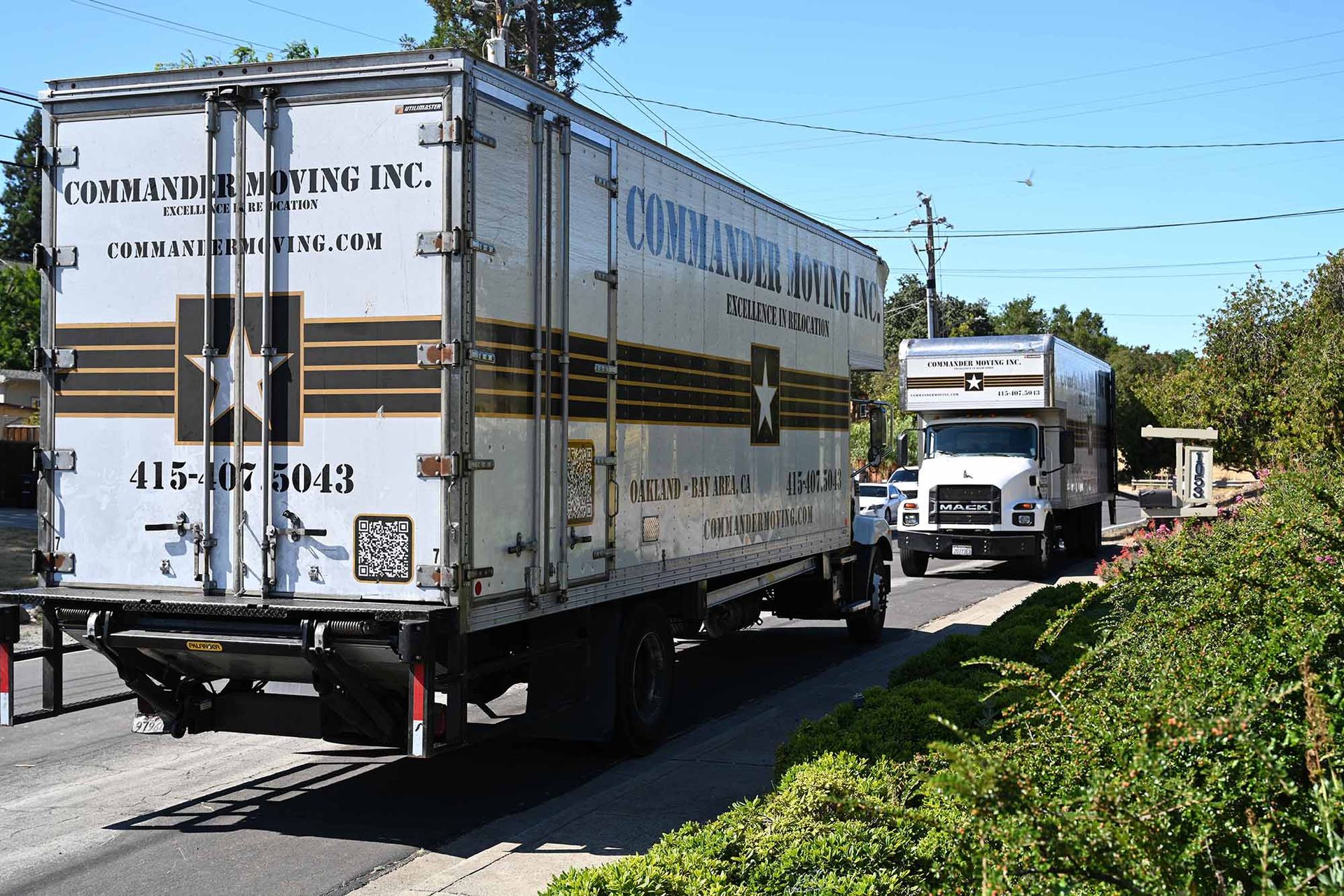
Knowing what to do with the moving paperwork minimizes your risk on moving day and beyond. Go over each paper before the professional mover shows up, while they load, and after delivery. Pay attention to what the contract says about moving services, fees, and insurance so you can identify gaps or surprise fees such as stair fees, long-carry fees, and supplies. Retain copies of all for your records.
Field | What to check |
Pickup address | Matches your current residence precisely |
Delivery address | Matches new residence and any access notes |
Services included | Packing, loading, unpacking, storage, special handling |
Agreed pricing | Base rate, accessorial fees, deposits |
Carrier details | Company name, license numbers, contact |
Double-check the pickup and delivery addresses as well as any special access notes. Verify that all of the moving services listed are what you hired, and ensure any additional fees are detailed. Both you and the professional mover must sign and keep copies. Without signed copies, you’re in no position to hold them accountable. Refer to this paperwork when conflicts arise during your transition.
Include EVERYTHING packed and loaded on the inventory. Walk through the house with the lead mover and randomly check delicate items or valuables. Be sure to note any pre-existing damage or special conditions right on the inventory so claims later are more straightforward.
Upon delivery, refer to the list to verify that all boxes, furniture, and crates made it there. Don’t sign off until you’ve inspected for missing items and visible damage. If anything is missing or damaged, jot it down on the inventory and photograph it before signing. Unsigned or unchecked inventories restrict your possibilities.
Item | Estimate | Final Invoice |
Base moving charge | 1200 | 1200 |
Packing materials | 150 | 180 |
Stair/long carry fees | 0 | 120 |
Total | 1350 | 1500 |
Match the final invoice against your original estimate and challenge inconsistencies right away. For a successful move, request line-item explanations for any new charges and consult your bill of lading and inventory when disputing costs. Verify payment methods, due dates, and what receipts you will receive, ensuring an organized relocation process. Hold on to a paid invoice copy for warranty and tax records.
Once the final box is loaded, you enter a focused window where verification, immediate actions, and short-term planning determine if the move wraps up cleanly or leaves dangling threads. This stage transitions the accountability from packing to putting away and from the old home to the new home. Even as the crew rests, the moving company truck leaves for delivery. Your focus is on a final sweep, tip decisions, and post-move support.
Walk through each room, closet, and storage area. Search attics, crawlspaces, and behind big appliances. Tiny things and chargers love to lurk in strange places. Check that drawers and cupboards are empty and that all boxes on your inventory are accounted for. Look over walls, floors, door frames, and corners for new scuffs or dents and annotate any possible repair or photo-claiming areas.
Gather packing mess, tape, and random labels along the way, and save your recyclables. Test utilities such as water, electricity, heating or cooling, and internet so you know what needs to be reactivated or reported. If the movers rested after they packed, use this downtime for your walk-through. After the truck leaves, forgotten item retrieval becomes more difficult and expensive. Bear in mind that the truck leaving indicates that the move is on the road. When your delivery will arrive depends on distance, traffic, and carrier scheduling.
Before your big move, it’s essential to figure out tipping for your professional movers. Calculate tips based on the service provided, the difficulty of the task, and your total labor cost. For my international readers, think proportionately in whatever the local currency. Have $20 or $50 bills ready for each mover or work out a pooled amount with the foreman. Tip extra generously for high lifts, challenging stair carries, or fragile handling. You might also inquire if the tip can be included in the final bill to simplify your moving experience.
Have the moving company’s contact information available for claims, storage requirements, or delivery window inquiries. If unpacking or furniture placement isn’t finished, ask for follow-up services from your professional mover. Many full-service movers provide staged unpacking or debris removal, which can enhance your overall ease during the transition. Leave concise comments about what was good or bad to guide others with recommendations.
Here’s what to anticipate on moving day with full-service movers. Movers pack, load, drive, and unload. Here’s how to prepare for moving day with full-service movers. Cross-check items and charges with your inventory and bill of lading. Once unloaded, do a walk-through of each room with your crew and note damage while they wait. Small tasks add up: lock up, keep receipts, and set short-term priorities for unpacking.
Take one step at a time. If you need a checklist or move-day script for your specific place, say so, and I’ll create one.
Ensure clear paths for the moving company, unplug appliances, and keep valuables accessible. Confirm scheduled timing with your professional mover and have IDs and paperwork ready to facilitate a seamless experience.
Hold cash, jewelry, and personal papers on you during your move. Hiring professional movers ensures that movers are not liable for what you keep, protecting high-value items and making insurance claims easier.
The duration of your transition largely depends on factors like home size, access, and the distance for drop-off. While local moves often conclude the same day, long-distance moves necessitate more time. Request a timeline from your professional mover before day one for a seamless experience.
Anticipate an inventory list, bill of lading, and a final contract or receipt from your chosen moving company. Go over rates, services, and liability choices to ensure a seamless experience.
You or your move coordinator should oversee the transition, ensuring an organized relocation process by being available to answer questions and verify furniture placement.
On moving day with full-service movers, here’s what you can expect. Once you’ve used your inventory and signed paperwork to file a claim with the moving company, quick reporting facilitates a seamless experience.
Inspect every room and do an inventory check to ensure all belongings are accounted for. Save the bill of lading and receipts for claims or taxes, as these are essential for a seamless experience with your moving company.