
Talk about full service movers vs. Basic moving. Basic movers typically assist with loading, transport, and unloading only, without packing, unpacking, or disassembly. They usually offer insurance as well. Basic moving services provide a truck and crew to load, move, and unload your items, with packing and setup being on you. Full service is for those with time constraints, delicate items, or more complicated moves. It generally charges a higher rate per cubic meter and an hourly rate. Basic service suits tighter budgets, simpler moves, and folks able to pack and lift. Both employ standard contracts, liability terms, and scheduling windows, so weigh hourly rates, itemized fees, and insurance limits before picking. The next few sections parse out expenses, timelines, and deciding factors.

Full-service movers manage end-to-end logistics and manual labor, making them a reliable option for those considering a local move or a long-distance move. Simple moving services, like a DIY move, assist with targeted activities such as packing and unpacking. This decision impacts your schedule, sweat, budget, and risk tolerance.
Full-service movers offer a comprehensive solution for your relocation needs, including professional packing, disassembly, loading, transport, unloading, reassembly, and often unpacking at your new home. These movers provide essential materials and tools, along with crews trained to handle specialty items like pianos and antiques, typically charging $80 to $100 per mover per hour for local moves under 100 km. In contrast, basic moving services focus on labor only, assisting with loading and unloading your rental truck or container while you manage the packing and logistics. This option is great for single-room moves or short-distance transfers, especially when you already have a rental truck.
Full-service movers employ quality supplies and efficient packing techniques, such as padding, shrink-wrap, and crating, for any fragile or heavy objects. This lowers your risk and saves you time during a local move. Basic movers rarely offer packing materials or labor, meaning homeowners need to acquire boxes, tape, and packing foam and do all the packing themselves. DIY moves and truck rental options place the physical burden on you, increasing time and damage risk without professional help.
Most full-service moves incorporate basic valuation coverage that offers reimbursement for loss or damage during transportation. While higher levels or declared value coverage can be more costly, they provide enhanced protection. Labor-only options and truck rentals generally come with limited or optional insurance, so it’s essential to purchase separate third-party insurance for comprehensive replacement cost coverage. Understanding valuation, replacement caps, deductibles, and exclusions is crucial before signing.
Full-service move prices encompass labor, materials, and additional services, which can lead to varying costs. Anticipate hourly charges, along with potential minimums and surcharges for specialty items. For a typical local move, labor-only moves average around $344 to $715 in some markets. Additionally, a local truck rental, particularly for a distance move under 30 miles, often costs between $100 to $250 all in. During peak season from May to September, expect prices to increase by 20 to 30 percent, while booking during off-peak times can provide savings of 15 to 20 percent. Be mindful of minimum service times and any carry or elevator fees.
Full-service movers significantly reduce your hands-on labor and planning time, allowing you to focus on overseeing inventory confirmations while they handle the heavy lifting. In contrast, a DIY move requires you and your helpers to manage the entire process, including scheduling, packing, and transportation, which can be physically demanding and time-consuming.
There’s more to a local move than just the line item on a quote. Consider direct costs such as professional movers, truck rental, gas, and insurance, alongside indirect costs like taking days off work, staying in a hotel, and the mental overhead of organizing. Distance drives price, as local moves are often billed by the hour while long-distance moves use per-kilometre rates. Peak season, typically from May through September, pushes rates even higher. Factors such as home size and move complexity, including the number of rooms and heavy items, significantly influence labor needs and equipment rental, so factor those variables into any decision.
Initial quotes can be misleading, especially when it comes to a local move. Rental truck companies and bare-bones providers might display a low base rate but omit essential add-ons, such as loading assistance or insurance. Full-service moves typically combine labor, minimal supplies, and travel time, resulting in a more comprehensive number that reduces unexpected fees. Review each provider’s line items: packing services, fragile item handling, stair or long-carry fees, and storage options. By comparing quotes side-by-side on an apples-to-apples basis, you can understand what’s included and what’s optional, which costs are hourly and which are flat, to grasp the true value differences between full-service and DIY options.
Typical hidden fees seem to be standard across models, especially when planning a full-service move. Mileage and fuel surcharges, weekend or holiday premiums, and wait-time charges can all pile up fast. Anticipate add-ons for furniture disassembly, appliance servicing, elevator hold fees, long carries from truck to door, and specialized equipment such as hoists. For truck rentals, review insurance, dolly or ramp rentals, and any cleaning or late-return fees. Weather can impose costs: rain or snow may require extra labor time or protective materials. Never sign without asking for an itemized fee breakdown.
Factor in hours of planning, packing, loading, driving, and unloading for each alternative. A DIY local move might save money on paper, but it costs days of your own time and effort, which is worth money, particularly for busy professionals and families. Hiring professional movers takes that work aside, allowing you to get back to work and family sooner. A hybrid scheme, where you hire loaders but rent the truck, can temper cash outlay and time saved. Make a straightforward comparison table of your estimated hours, direct costs, and opportunity costs to direct your decision regarding a full service move.
Moving can trigger an emotional roller coaster, from excited anticipation to overwhelming stress, and the different moving services you select define that emotional curve. Stress here is not simply vexation, but hard labor from heavy lifting increases the chance of getting hurt, and the cognitive burden of strategizing a local move escalates distress. For some, saying goodbye means leaving behind dear friends. How you deal with logistics will either liberate mental room to work through those emotions or compound them.
Full-service movers significantly reduce your short-term stress by shouldering the heavy lifting, packing, transport, and scheduling, making them an excellent choice for a local move. This way, you dodge injury risk and generally save a day or more on a 2-3 bedroom move. That simplification of tasks cuts down on cortisol spikes and allows you time to address emotional transitions. Opting for a DIY move or minimum services returns control to you, allowing you to select packing styles, timing, and the crew. This control can be stabilizing when departing a long-term home, but it adds to workload and planning complexity. Some people prefer hybrid models: professional movers for transport plus self-packing to balance cost and oversight.
Trusted full-service movers offer stable crews, expert packing, insurance, and processes that establish reliability, significantly reducing the anxiety that can paralyze individuals during a move. For long distances, interstate moves, or high-value items, the peace of mind that professional movers provide is worth the premium, as it lowers the risk of loss and the mental strain of ‘what if.’ Although a DIY move might seem cost-effective, relying on friends or renting a truck can introduce variability and liability gaps. Additionally, peak season pricing can add 20 to 30 percent, creating its own stress for squeezed budgets, as knowing price and scope in advance provides emotional room to adjust.
A move demands many micro-decisions: truck size, route, packing order, insurance, timing, and helper coordination. Full-service move firms package lots of decisions, reducing brain stress and leaving just a handful of sign-offs. In contrast, DIY moves require endless decisions that add up, wearing you down and leading to errors. For each choice, list crucial decisions to discover the actual mental overhead. Frequently, the list accounts for the increase in stress even when the manual labor is divided.
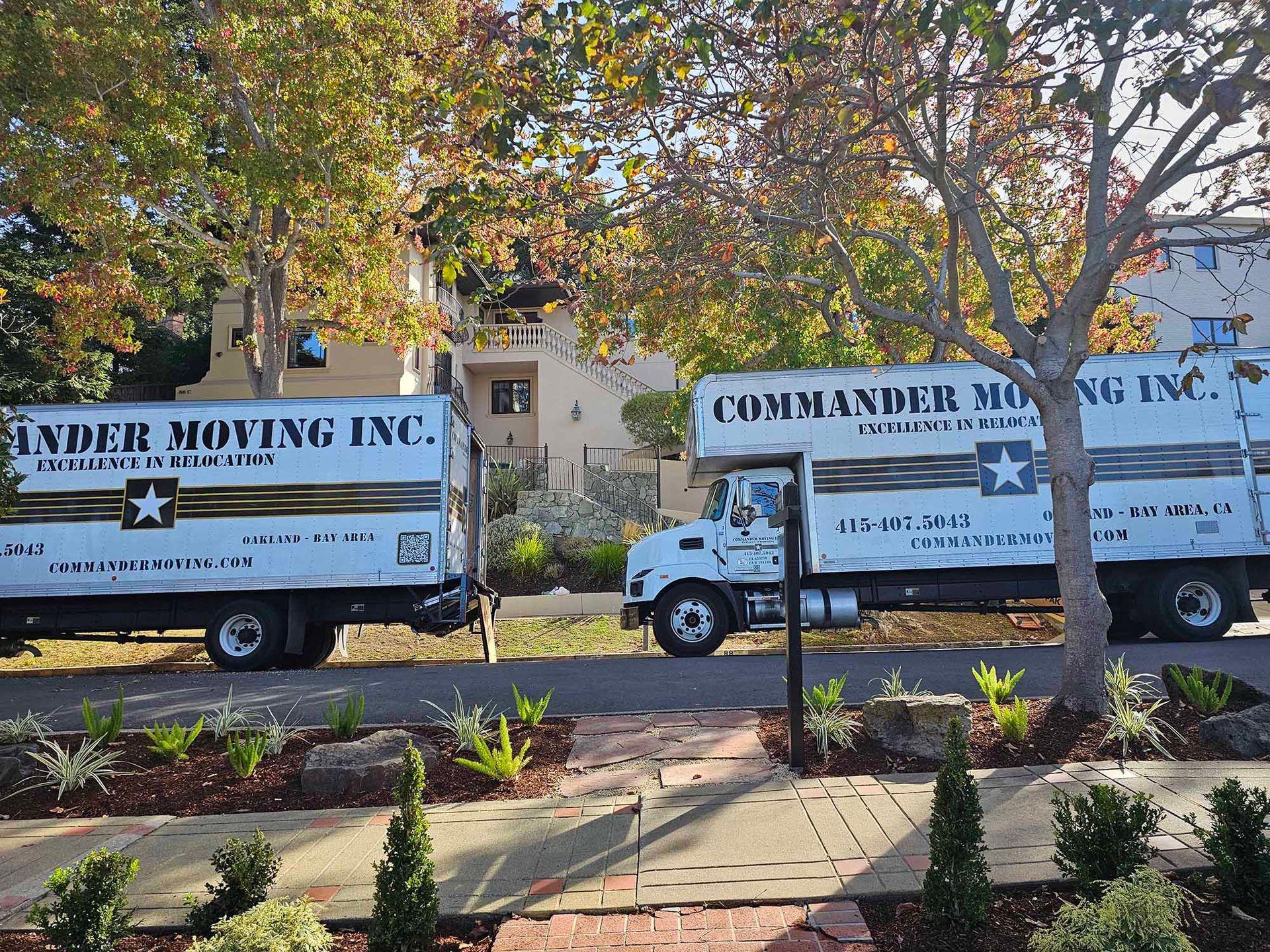
Full-service moving firms handle every stage of a relocation, including planning, packing, and transport, making them a reliable option for a distance move. Employ full service when scale, distance, or personal considerations make a DIY move infeasible, ensuring a smooth transition to your new home.
Complex moves often involve interstate moving trips, large households with many pieces, tight schedules, and difficult access like narrow streets or multiple flights of stairs. Full-service teams provide essential planning skills, project management, and specialized gear such as lift gates, furniture dollies, and stair rollers to keep everything on schedule. Using a same-crew, same-truck service reduces handoffs on long hauls, ensuring your belongings do not transfer to unknown carriers, which minimizes loss risk. While DIY options may seem appealing, they often lack the manpower or tools necessary for these constraints, leading to potential delays or damage. Therefore, if you encounter multiple challenges, opting for a full-service move is the most practical choice.
Your high-value treasures, such as fine art, antiques, pianos, and sensitive electronics, require packing systems and liability choices that extend beyond blanket wrap. Full-service move experts use custom crating, foam wraps, and climate-aware handling, and they can provide higher valuation coverage or third-party insurance recommendations. Many DIY movers mistakenly believe home insurance covers shipping, but it typically doesn’t. Make a valuables checklist and discuss declared value, packing, and claims with the professional movers before you book. This crucial step clarifies liability caps and helps prevent unexpected issues if damage occurs.
When time is in short supply, opting for a full-service move can save quantifiable hours. For two to three-bedroom households, professional movers can efficiently pack and relocate within a day or longer, whereas a DIY move could stretch across multiple weekends. Using a crew not only minimizes the back-breaking work but also reduces the risk of injuries from heavy lifting, allowing you to focus on your family or travel plans. Full-service firms excel in flexible scheduling and can reliably execute last-minute moves better than ad hoc help. If coordinating multiple vehicles is challenging, let the professionals manage the timeline and logistics of your local move.
Basic moving service works well for a local move when the move is small, or the budget is tight. It includes carrying and loading for an hourly rate, frequently with no packing, furniture disassembly, or long-haul. For many renters, students, and small homeowners, using a DIY option like a truck rental move puts you in charge of timing and packing while slashing costs. Consider the physical demand, time required, and whether specialty items or stairs are involved before opting for basic assistance.
Consider recommending basic movers or a truck rental move for budget-friendly options. You can hire hourly help to load and unload a rented vehicle while packing your belongings yourself. To save even more, consider enlisting friends or scheduling your local move during weekdays and off-peak months when rates are lower. Keep track of all costs, including truck fuel, moving supplies, hourly labor, and any hotel or meal expenses. Remember, opting out of a full-service move means more physical demand with heavier lifting and longer days ahead.
Basic service options or a DIY move is a good fit for single-box moves, studio apartments, or small 1-bedroom homes. Truck rental services and local day labor pools can provide the lift and haul for small quantities at a minimal rate. For light belongings, hiring professional movers for packing and a whole crew is typically overkill. It’s important to match the service to volume and weight, a few large, heavy pieces might still need two movers or equipment, while many small boxes are easy to manage alone.
For intra-city moves, local move average pricing often highlights how basic movers or truck rentals come out on top regarding both price and speed. Hourly pricing is typical for local work, as quick drive times and uncomplicated directions keep fundamental service affordable. Many local moves wrap up in one day with basic equipment and a lean crew. When planning a full-service move, it’s crucial to compare average local pricing and services before booking, especially for stair-in moves involving antiques or specialty items, as these may require the expertise and equipment that basic options don’t provide.
Decide with data: Compare scope, cost, convenience, and your personal constraints before signing anything. Break the move into tasks: packing, loading, transport, unloading, and assembly. Then map those tasks to service types. Full-service covers all tasks, basic or labor-only covers loading and unloading, self-service provides a truck and maybe driving, and hybrid mixes these. For each task, jot down time, homeowner effort, and risk to valuables. Distance in kilometers, home size, and furniture weight all adjust time and cost estimates. Measure those early.
Type of Move | Pros | Cons | Total Cost |
Full-Service | Minimal effort | Higher base fee and add-ons for fragile items | Varies based on distance and services |
Basic Service | Reduced hourly labor fees | You still rent a truck and do the packing | Varies based on distance and services |
Hybrid | May employ packers | You drive | Varies based on distance and services |
DIY | Lowest service cost | Highest time cost and liability | Varies based on distance and services |
Don’t forget line items for truck rental, insurance, fuel, packing supplies, and last-minute purchases. They always show up after that vague estimate and add a lot to the final bill.
Ask for thorough, itemized quotes from a minimum of three providers and make them binding where applicable. Request labor hours, truck size, fuel surcharges, and insurance limits in writing. See move.org average ratings and more than a dozen customer reviews to determine reliability and service quality, especially if there are repeat complaints about late arrivals or damaged items. Peak season affects availability and price. Book early in high-demand months or expect surcharges and fewer booking windows.
Fit your budget and time frame to the options. If you’re time-strapped and have a house full of heavy furniture, full-service frequently minimizes risk and can be cost-efficient when you value time. If funds are scarce and you can gather assistance, a hybrid or DIY scheme might save cash but still demand strategic packing and honest time projections. Price out various versions of your move, full-service, DIY, and hybrid, and run a side-by-side total cost estimate, including add-ons. That comparison will reveal the real trade-offs and assist in selecting the optimal match.
Full-service movers vs basic moving services involves obvious trade-offs. Full service is right for big moves, tight timelines, delicate or valuable inventory, and clients who want hands-off assistance. Basic service suits short moves, lean budgets, and people who can pack and lift. Full service is more expensive, but it reduces risk and time. Basic service is cheaper, but it transfers more labor and liability to the customer.
Take the article’s checklist. Include item counts, distance, delicate pieces, and your timetable. Call at least three movers. Request written estimates that detail labor, insurance, and add-ons. Record precise pickup and drop times. Look at actual figures, not just commitments.
If you need a hand evaluating your choices, share your move size, date, and special items. I’ll take a quick comparison and recommend next steps.
Full-service movers provide an inclusive moving service that packs, loads, transports, unloads, and unpacks your belongings. While basic services typically include only loading, transport, and unloading, opting for full service saves time during your relocation.
Full-service moves typically cost 25 to 50 percent more than basic service options, influenced by factors like distance, volume, and additional services such as packing materials or specialty-item handling.
When should you choose full-service move options over basic moving services?
A basic service move works well for those who can pack their belongings themselves, have a few items, and are planning a local move on a small budget.
Yes. Full-service move teams employ professional packers and seasoned handlers, which lessen the chance of damage during your local move. Check insurance and service options before you hire.
Full-service movers typically offer inclusive moving services, including declared-value coverage and packing guarantees, while basic service moves usually provide only basic liability, which is not always reliable.
Obtain three immediate detailed quotes from professional movers. Confirm licenses and reviews, and inquire about packing standards and insurance for your local move or distance move.