
May 25, 2026

So how do you avoid those hidden fees when you’re hiring local movers? Surprise fees pop up when quotes fail to include fees for long carry, stairs, fuel, or additional labor for heavy items. Request a written, itemized estimate that includes per-hour rates, minimum hours, and any potential add-ons. Research mover credentials and reviews to validate their previous billing practices and seek explicit explanations for terms like “standard carry” and “access time.” Take measurements of access points and record elevator use, parking restrictions, or tight stairs so that estimates align with reality. Document that nothing is damaged or missing, take pictures, and keep an inventory to argue any surprise fees. The bulk covers sample questions to ask, an on-site estimate checklist, and sample contract language you can use.
Key Takeaways
- Check estimates line by line and demand a written, itemized quote of the estimate type to help forestall surprise add-ons and reduce the wiggle room in the final cost.
- Inquire with specific, revealing questions about access, specialty items, packing materials, surcharges, and service add-ons to detect potential additional fees before moving day.
- Provide Commander Moving with an inventory and list of specialty items, and walk through your home before moving day so the estimate reflects real access and handling needs.
- Most importantly, compare multiple itemized quotes, peering beyond low headline prices to the total cost, including fuel, weekend, packing, and long-carry fees. Steer clear of movers that rush you to sign.
- Get it all in writing: all agreements, estimates, and verbal promises, and watch out for cancellation, storage, and surcharge clauses in the fine print. Never sign a contract with blank or vague terms.
- If fees show up out of nowhere, ask for itemized explanations. Negotiate the removal of unwarranted charges. Escalate to consumer protection organizations if necessary. Document and share your experience to assist others.

Unmasking Common Hidden Fees
Moving estimates typically display a base rate that omits common moving expenses. Here’s a quick rundown of the most common hidden moving costs so you can catch them before they show up on the final price.
- Access charges: include stair carries, long-carry fees, elevator charges, and suburban driveway surcharges.
- Specialty item handling: pianos, safes, antiques, hoisting fees
- Packing materials and services include boxes, tape, bubble wrap, and labor for packing and unpacking.
- Service add-ons: include furniture assembly and disassembly, appliance disconnects, storage, and expedited delivery.
- Surcharges: fuel surcharges, environmental fees, travel/time surcharges, weekend/holiday rates
- Cancellation and rescheduling fees: can be either flat rates or percentage-based penalties.
- Miscellaneous: Tipping, utility deposits, boarding kennel requirements, and vaccination costs.
Access Charges
Access fees occur when ordinary loading and unloading require additional time or risk during a residential move. Elevator use, tight hallways, multiple stair flights, and long carries from the truck to the door can significantly impact the overall moving cost. Movers typically charge per flight of stairs or carry per additional meter, so it’s wise to request per-item or per-hour fees associated with these limitations. Not doing so can lead to unexpected moving expenses that add hundreds to the final invoice.
High-Value Item Moving
Heavy or irregular items can incur additional moving costs, such as labor, equipment, or insurance. Pianos, safes, large aquariums, and oversized appliances might require hoisting, extra crew, or special straps, leading to potential unexpected moving expenses. Commander Moving often outlines specialty handling fees or heavy-lift rates in advance. Identify common hidden fees early and get written confirmation of any additional costs associated with specialty items. Skipping this step can transform a quoted local move into a day-of-moving nightmare financially.
Packing Materials
Just like most base quotes don’t include packing supplies, moving expenses can escalate quickly. Anticipate costs for boxes, tape, protective wrap material, and labor if you choose Commander Moving’s packing service. These unexpected moving expenses can add up fast; a full-service pack can increase your overall moving cost by hundreds. Request a materials and labor line-item breakdown, or plan to pack valuables and small items yourself to save money.
Service Add-Ons And Surcharges
Stuff like furniture disassembly, appliance disconnects, storage, expedited delivery, and more are often add-ons that can significantly affect your overall moving cost. Fuel expenses can be a percentage of the move or a per-kilometer fee and fluctuate with market prices. Be sure to check for unexpected moving expenses such as weekend, evening, and holiday charges.
Your Proactive Plan To Avoid Hidden Fees
Plan to minimize surprise expenses associated with your moving costs. By planning early, you can secure dates, obtain on-site or video quotes, and select off-season timing, such as mid-week or mid-month in fall or winter, to reduce fees. Additionally, anticipate fuel surcharges of approximately 5 to 10 percent for longer moves and consider potential stair, long-carry, and equipment fees.
1. Demand A Detailed Estimate
Demand a line-item estimate that itemizes packing, labor, transportation, materials, and surcharges, including potential costs like moving insurance and stair fees. Estimate the person or video so Commander Moving can actually see bulky or specialized items. This minimizes missed items and unexpected moving expenses. Demand that the estimate specify if it is binding, non-binding, or not-to-exceed, and get clear notes on storage rates, carry fees, and equipment rentals. Ask Commander Moving to identify “extra” services in writing to understand what triggers additional charges.
2. Ask Revealing Questions
Inquire upfront about moving costs for bulky items, long carries, and special equipment. Be sure to detail stair carries and elevator access to prevent unexpected moving expenses. Ask about cancellation fees, rescheduling policies, and minimum charges, and verify fees for delays or waiting time if locked out. Additionally, inquire if packing services, fuel expenses, or tolls are included in the quote and how scope changes can affect the overall moving cost. Note seasonal differences, as peak season often means higher base rates and tighter availability.
3. Compare Quotes Intelligently
Compile several comprehensive quotes from quality local movers and construct a matrix comparing base price, add-ons, and potential costs, including moving insurance and unexpected moving expenses. Consider both binding and non-binding offers while being cautious of lowball quotes that may add extra fees. Look beyond the headline price to the overall moving cost, including estimated fuel surcharges, and favor vendors who provide clear pricing for stair, long-carry, and equipment charges.
4. Get Everything In Writing
Capture it all in a signed contract that itemizes each service and fee you’ve agreed to, including moving costs and any oral assurances in the mix. Scan for empty spaces or fuzzy wording that can allow unexpected moving expenses. Retain copies of all estimates, email correspondence, and the signed contract to back up disputes.
5. Conduct A Final Walk-Through
Conducting a pre-move walk-through is essential to verify inventory and assess access problems, ensuring that specialty requirements are considered. This helps align the final price with reality and prevents unexpected moving expenses from arising on move day.
How To Read Your Moving Contract
Start by scanning the contract as a map: the header shows Commander Moving, dates, and cost estimate type. The body enumerates services and common moving expenses. The appendices hold inventory, moving insurance, and special terms. Understanding where each component lives helps you target unexpected moving expenses, like elevator reservations or fuel expenses, and ensures verbal promises show up in writing.
The Estimate Type
When planning your move, it's essential to determine if the estimate is binding, non-binding, or not-to-exceed. A binding estimate guarantees a fixed price, while a non-binding estimate may lead to unexpected moving expenses if the weight or time exceeds initial projections. "Not-to-exceed" means you won’t pay more than that amount, providing clarity on potential costs. Non-binding estimates are often blamed for inflated final move costs, so opting for binding or not-to-exceed options ensures better cost assurance. Ensure the estimate type is clearly identified in the contract, including any thresholds related to weight, hours, or distance moved to compute your overall moving cost accurately.
The Inventory List
Inventory verifies that your inventory lists every item to move, especially focusing on bulky and high-value items. It's essential to identify items that need disassembly or reassembly and have their handling charges, such as moving costs, specified. If you plan to do it yourself, do it the night before to save time and avoid unexpected moving expenses. Use this list to verify your moving estimate against reality, and be ready to revise it on the spot if plans shift. For valuables such as jewelry or electronics, inquire about limits by item and declare over 100 USD per pound on a high-value inventory form.
Moving Liability Coverage
Read the liability section for basic valuation coverage versus full-value protection, and check exclusions closely. Basic coverage pays small amounts per kilo or pound and frequently won’t cover the full replacement value. Full-value protection increases premiums but decreases your exposure to unexpected moving expenses. Pay attention to whether extra insurance is optional and how much it will add to your overall moving cost. Make sure you understand what kinds of damage, loss, or delay Commander Moving covers and get written examples if you need them.
The Fine Print
Check the fine print for cancellation fees, storage billing, stair or long-carry charges, shuttle or elevator fees, and packing rates, as well as any unexpected moving expenses such as fuel surcharges. Ensure that there are no blank spaces in the contract and that any verbal promises, such as a promised certificate of insurance, are documented. Request a materials price list before your move date and retain a copy to ensure pricing transparency before signing.
The Emotional Cost Of Financial Surprises
Unexpected moving costs can do more than just dent your pocketbook; they can significantly alter the mood of the entire move. When a final price arrives hundreds of dollars higher than anticipated, folks experience physical responses such as stomach drops and anxiety spikes, along with a desperate compulsion to reconfigure. This shock intensifies when last-minute modifications, such as changing the move date, introduce extra fees, leading to stress that rivals the pragmatic packing and logistics involved in the moving process.
The Stress Factor
Surprise fees can significantly inflate your overall moving cost, shattering a carefully crafted moving budget and disrupting peace of mind. A defined projection enables you to align cash flows and emergency savings. Without it, you may find yourself scrambling to cover unexpected moving expenses. This scramble can sometimes mean calling family for loans, pulling money from savings, or cutting back on necessities for a short period. Financial uncertainty affects those around you: partners, roommates, or family members feel the pressure, and household routines get disrupted. Anticipating extra charges and creating a buffer relieves that stress. Request line-item estimates, observe potential surcharge triggers (stairs, long carries, heavy items), and maintain a contingency that is at least 10 to 15 percent of the quoted cost.
The Trust Erosion
These hidden fees can significantly impact the overall moving cost and erode trust in a mover’s integrity. When estimates aren’t explicit, customers often post rants and cease recommending the moving company. This damage extends beyond one move; reputation loss can be measured in fewer leads and lower repeat business. Appreciate companies like Commander Moving that provide clear pricing, clarify optional services, and list examples of common moving expenses. Consulting third-party reviews and ensuring the company’s contract aligns with the verbal quote can save frustration and disappointment down the road.
The Loss Of Control
Ambiguous pricing troubles the soul and makes it hard to keep a budget during your moving house experience. Surprise costs, such as unexpected moving expenses, force hard choices: canceling add-ons, leaving items behind, or accepting lower quality service to save money. Stay in control by insisting on a written estimate and a signed agreement that itemizes all the moving expenses. Keep track of change orders as the job moves along and ask for details on any increases. Being informed, asking pointed questions, and recording conversations minimizes the risk of being blindsided and helps maintain your sense of agency.
Identifying A Transparent Mover
A transparent mover makes pricing visible and predictable, displaying line-item estimates and explaining what triggers additional charges, such as moving costs and unexpected moving expenses, so expectations align with the final bill. Make sure the estimate contains an itemized list of goods. Quotes lacking inventories are suspicious. Inquire about local versus long-distance costs and if Commander Moving charges special handling fees for pianos, large sectionals, or artwork. Confirm storage billing increments and minimum storage periods up front.
Constant Move Updates
Expect prompt, thorough answers to every cost question, and insist on written documentation for each phase: initial estimate, any revisions, and the final invoice. A transparent company like Commander Moving will provide a line-item estimate that itemizes potential add-ons such as stair carry fees, long carry fees, packing services, and special handling fees for oversized or fragile items. Complete your inventory as soon as possible and demand written change orders for additions so the estimate is current before your move. Reward businesses that are upfront about overall moving costs, hourly or flat rate, weight or cubic measures, travel fees, and fuel expenses by selecting them and giving feedback.
Positive Reputation
Search for stable, stellar scores and reviews that cite honest invoicing and no surprise charges related to moving costs. Customer references that mention clear, line-item billing and prompt invoices are particularly important. Check third-party sources such as BBB and Trustpilot to verify service and billing behavior trends instead of trusting a single glowing review. See whether reviewers mention transparent inventories and upfront disclosure of fees, like professional movers and special handling. Prefer movers like Commander Moving that are known for written estimates matching the final invoice.
No High-Pressure Sales
Watch out for movers who pressure you to sign right away or provide rates that appear suspiciously low. Be cautious of companies that talk you out of reading contracts or won't provide a list of possible moving expenses, such as stair-carry or long-carry fees. Select a reputable moving company like Commander Moving that allows you to shop for written quotes and focuses on your needs, rather than hard-pressure upselling. Trust companies that respond to, “What’s included?” and offer a clear breakdown of potential costs in writing.
What To Do When Fees Appear
To manage unexpected moving expenses effectively, begin by slowing down and reading the charge list carefully to prevent impulsive reactions to sticker shock. Request that your moving company provide a clear, itemized breakdown that connects each charge to a line item in your initial cost estimate or contract. Check if the fee relates to a modification you made, a missed oversized item, or an operational trigger such as additional stops, wait time, or schedule-driven fees. Maintain notes and timestamps of each call or message.
Checklist To Ensure All Steps Are Taken When Hidden Fees Appear
- When fees show up, ask for an itemized bill that maps fees to the original estimate.
- See if the quote leveraged a true inventory. If not, request one immediately.
- Verify what fees are due to plan changes and if those were approved in writing.
- Check any material charges against the mover’s published materials price list. Just for fees that show up, retain a copy.
- Identify triggers: extra stops, waiting time, redelivery, storage daily rates, and warehouse handling.
- Record any oversized or fragile items that weren’t disclosed previously.
- Finalize and write down a packing plan. Stick to last-minute packing fees.
- Capture evidence: photos of items, signed change orders, and time logs.
- Give the mover an ultimatum for their written explanation and proposed adjustment.
Contact Your Mover To Request Explanations And Negotiate Removal Of Unjustified Charges
Request a written explanation connecting each fee to contract terms or service modifications related to your move. If a fee is tied to a change you did not authorize, such as unexpected moving expenses, request removal and show your proof: original estimate, inventory, and communications. Provide a sensible compromise where there is a good-faith mistake, like taking a discounted rate in return for a written amendment to the final price. Use specific examples: if a daily storage fee appears but you never requested storage, point to pickup and delivery dates to argue removal.
Escalate Unresolved Disputes To Regulatory Bodies Or Consumer Protection Agencies
If negotiation doesn’t work, consider filing a complaint with your regional transport regulator or a consumer protection agency. Include your itemized bill, contract, and inventory, as well as any communications regarding unexpected moving expenses. Most regulators mediate disputes and enforce clear pricing rules.
Share Your Experience Online To Help Future Movers Avoid Similar Hidden Fees
Publish a candid narrative on review sites and social media, with identifying information and documents blurred. Specify what was not disclosed, such as unexpected moving expenses, missing inventory, or last-minute packing services charges, so that others can ask the right questions about their moving costs.
Final Remarks
Hiring local movers can be stressful. Straight talk, written estimates, and set dates eliminate that worry. Search for movers like Commander Moving that itemize fees and display truck size and insurance limits. Inquire about fuel, stair, long-carry, and delivery fees. Get a walk-through and a binding estimate in writing. Take pictures on your phone of items and move notes. If a fee pops up, stop, request the invoice, and cite the contract clause that addresses it. Consider small claims or consumer agencies after you try calm negotiation and documentation.
Example: Commander Moving adds a stair fee, but showing it clearly on the quote saves you from a surprise. Employ the checklists in this guide to keep fees transparent and consistent. Take one step now: call your top two movers and compare written quotes.
Frequently Asked Questions
1. How Can I Get An Accurate Moving Estimate To Avoid Surprises?
Request a detailed, written, itemized estimate from reputable movers based on an in-home or virtual survey. When comparing hourly estimates to binding estimates, opting for a binding or binding-not-to-exceed estimate ensures greater transparency regarding overall moving costs.
2. What Common Hidden Fees Should I Watch For?
Watch for common moving expenses such as fees for stairs, long carries, packing materials, and fuel surcharges. Request the moving company to provide any potential costs in writing before you sign.
3. Should I Tip Movers, And Will That Add To Hidden Costs?
Tipping is optional and separate from the overall moving cost. If you choose to tip, it's not an unexpected cost as long as you schedule it in advance.
4. How Do I Check A Mover’s Reputation And Legitimacy?
To avoid unexpected moving expenses when hiring local movers, seek a transparent mover who provides credentials and references readily.
5. What Should I Do If Unexpected Fees Appear On My Final Bill?
Request an itemized breakdown of all moving costs, including any potential extra charges. Ensure they explain and validate each fee, and dispute vague expenses in writing.
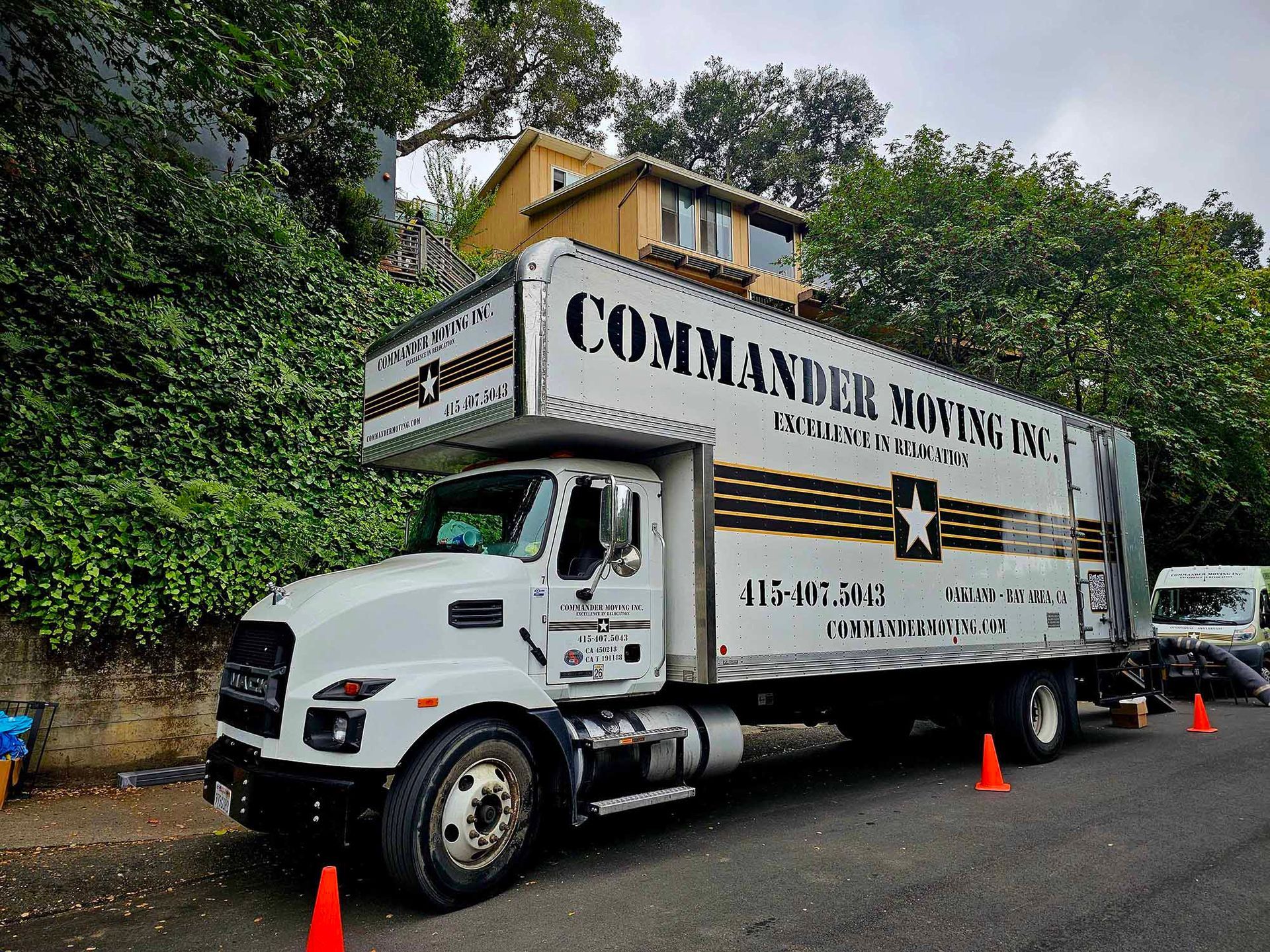
Need Reliable Local Movers for Your Next Home Move?
Moving can quickly become overwhelming when you’re trying to coordinate packing, protect valuable furniture, manage timelines, and avoid costly mistakes all at the same time. Many homeowners start the process thinking they can handle everything themselves, only to run into damaged belongings, hidden costs, unreliable movers, or exhausting moving days that create more stress than expected. Choosing the wrong moving company can turn an exciting transition into a frustrating experience that affects your family, schedule, and peace of mind.
At Commander Moving, we help homeowners and families simplify the entire process with professional local movers who know how to plan, protect, pack, and move efficiently. From large residential homes and apartments to specialty items and full-service packing, our team focuses on making every move organized, smooth, and stress-free. We believe moving should feel manageable from start to finish, not chaotic or unpredictable.
When you work with experienced local movers, you gain more than transportation. You gain confidence that your belongings are protected, your timeline is respected, and your move is being handled by professionals who care about getting it right. Contact Commander Moving today to schedule your estimate and experience why more Bay Area homeowners trust our local movers for safe, efficient, and frustration-free relocations.
Disclaimer
The materials available on this website are provided for general informational and educational purposes only and are not intended as legal, financial, moving, storage, or professional advice. Every move is different, and you should contact a qualified moving professional regarding your specific relocation needs, timelines, pricing, storage requirements, or specialty moving concerns.
Do not act or rely solely on the information contained on this website without first speaking directly with Commander Moving or another qualified professional regarding your individual situation. While we strive to keep the information on this website accurate and up to date, moving regulations, service availability, pricing, and operational details may change without notice.
Commander Moving disclaims all liability for actions taken or not taken based on any content found on this website to the fullest extent permitted by law. Use of this website or communication through this website does not create a contractual agreement for moving services unless confirmed in writing by Commander Moving.