
May 25, 2026

Inquire regarding licensing, insurance, and written estimates to ensure they're legit and you won’t get any unexpected expenses. Inquire about expertise with comparable moves, team size, and machinery to align move difficulty and prevent hold-ups. Review their policies on handling fragile items, packing services, and loss claims to protect valuables and minimize out-of-pocket loss. Inquire about schedules, local permits, and hourly rates to organize time and dollar budgets in metrics. Request references, online reviews, and a transparent contract with services and fees. Below, they dissect each question, provide sample phrasing, and present checklist items to use during calls and moving day.
Key Takeaways
- Verify the mover’s licensing and insurance by checking licenses through the appropriate national agency and requesting written information on coverage and how to file a claim in the event of loss or damage.
- Get a written, itemized estimate based on an in-home or virtual survey and clarify which fees are included to avoid surprise charges. Make side-by-side comparisons of multiple movers.
- Know what’s in the base price, which specialty services carry an extra fee, and how the crew is trained and screened.
- Review payment, cancellation, and contingency policies in writing. This includes acceptable payment methods, deposit requirements, refund timelines, and backup plans for delays or equipment failure.
- Safeguard valuables or vulnerabilities by verifying valuation protection choices, specialized handling background, and documented packing and home protection processes.
- VET REPUTATION AND COMMUNICATION PRACTICES. Check independent reviews, ask for references for similar moves, and confirm a single point of contact along with tracking and regular updates.

Inquire regarding licensing, insurance, and written estimates to ensure they're legit and you won’t get any unexpected expenses. Inquire about expertise with comparable moves, team size, and machinery to align move difficulty and prevent hold-ups. Review their policies on handling fragile items, packing services, and loss claims to protect valuables and minimize out-of-pocket loss. Inquire about schedules, local permits, and hourly rates to organize time and dollar budgets in metrics. Request references, online reviews, and a transparent contract with services and fees. Below, they dissect each question, provide sample phrasing, and present checklist items to use during calls and moving day.
Key Takeaways
- Verify the mover’s licensing and insurance by checking licenses through the appropriate national agency and requesting written information on coverage and how to file a claim in the event of loss or damage.
- Get a written, itemized estimate based on an in-home or virtual survey and clarify which fees are included to avoid surprise charges. Make side-by-side comparisons of multiple movers.
- Know what’s in the base price, which specialty services carry an extra fee, and how the crew is trained and screened.
- Review payment, cancellation, and contingency policies in writing. This includes acceptable payment methods, deposit requirements, refund timelines, and backup plans for delays or equipment failure.
- Safeguard valuables or vulnerabilities by verifying valuation protection choices, specialized handling background, and documented packing and home protection processes.
- VET REPUTATION AND COMMUNICATION PRACTICES. Check independent reviews, ask for references for similar moves, and confirm a single point of contact along with tracking and regular updates.
What Questions To Ask Movers?
Start by framing the central concerns: legality, protection, cost clarity, service scope, and crew competence. Here is a list of must-ask questions for professional movers, with in-depth subtopics elaborating on why each question is important and how to respond to the answers.
- Are you licensed and registered? Check FMCSA or local agency numbers, including verifying the physical address or online presence, and inquire if you are dealing with a broker or the carrier. Get the names of the movers who will be responsible for your belongings.
- What insurance and valuation options do you offer? Inquire about released value protection (federal minimum), full value protection, coverage limits, exclusions, and extra valuation for high-value items. Obtain the policy details in writing and a thorough explanation of the claims procedure and required documentation.
- How do you estimate cost, and what’s included? If available, request a written, binding estimate and inquire if it’s from an in-person survey or a virtual walk-through. Specify whether travel time, elevator or stair fees, long-carry charges, and cancellation or late-delivery penalties are included.
- Included services and costs. Verify basic services such as packing, unpacking, and furniture assembly, and check if they accept specialty items like pianos, autos, and perishables. Request a complete list of add-on services and fees, and ask if home protection materials and appropriate equipment are included.
- Who will be on my crew and their qualifications? Inquire about crew size, roles, training, experience, and background checks. Find out how the company handles flaky labor or late substitutions.
Legitimacy
Verify licensing with FMCSA or your state and obtain the DOT or permit number. Confirm the company’s actual address and review an active website. Ask them if they’re a broker. If yes, ask who the real carrier is going to be and why a broker model is used.
Valuables Insurance Protection
Ask what protections are mandatory and what you can buy. Released value is small, but the full value substitutes or fixes. Ask for policy terms in writing, claim timelines, and examples of excluded items.
Moving Cost Estimates
Demand an in-person estimate whenever possible so movers can observe all items and record complications. Inquire whether the quote is binding and what causes price changes.
Moving Service Options
Be sure to clarify packing, specialty handling, shipment tracking, and guaranteed delivery dates. Inquire about refusal lists for prohibited items.
The Crew
Inquire about the number of reputable movers and their positions, training protocols, and the procedure if crew members back out. Ask for names when possible.
Understand The Financials
Understanding how a moving company prices its services is crucial for budgeting and avoiding financial surprises on moving day. It's important to know the numbers, read the contract carefully, and find out what contributes to the final fee. Additionally, request a price list or cost calculator from reputable movers to compare offers under the same assumptions.
- Base moving charge (hourly rate or distance × weight/volume)
- Fuel surcharge and mileage fees
- Packing materials and labor for packing/unpacking
- Stair, elevator, and long-carry fees
- Flight fees for multiple building levels without an elevator
- Parking or loading zone permits and fines
- Wait and delay fees for holds at pickup and delivery
- Storage-in-transit and warehouse handling charges
- Insurance, valuation coverage upgrades, and claims processing fees
- Cancellation, rescheduling, and last-minute change fees
- Overnight or guaranteed delivery late fees (flat daily rate)
Pricing Model
- Hourly labor plus truck time
- Weight-based pricing for intrastate or interstate moves
- Volume-based pricing using cubic metres for partial loads
- All-inclusive bids for full-service moves or guaranteed delivery.
- Binding estimate versus non-binding estimate options
Inquire about how they calculate pricing for different home sizes and distances, as this can significantly impact your relocation costs. Hourly rates can vary based on crew size, while weight-based costs rely on certified scales. Additionally, volume pricing depends on truck space. Request a sample local, intrastate, and interstate move price table to understand typical ranges for a one-, two-, and three-bedroom move. Make sure to clarify minimum charges and whether a straightforward apartment move can be bid as a flat rate.
Surprise Service Charges
When hiring movers, it's crucial to ask for a comprehensive list of additional fees and ensure they are documented in writing. Movers frequently tack on fees for stairs, elevators, long carries, and parking issues, which can significantly impact relocation costs. Inquire about last-minute change penalties and whether guaranteed delivery late fees are structured as a flat daily fee. Verify that the contract states there won't be any hidden fees after you sign, and check binding estimate laws that restrict how much the final cost can increase.
Payment Terms
When planning your move, it's essential to find out what payment methods are accepted and when. A typical deposit to hold the move date is 10 to 20 percent. Inquire whether full payment is required before, during, or after completion, and understand how late payment penalties or bounced check fees are handled. Always have a written payment schedule and confirm refund windows for cancellations to avoid financial surprises.
Move Cancellation Terms
When hiring movers, ask for a copy of the cancellation policy and fees. Inquire about notice periods they require, processing of refunds, and rescheduling penalties to ensure a smooth relocation in case of technical issues or a job switch.
Protect Your Belongings
Protecting property starts with firm, written expectations about handling, packing, and liability prior to hiring movers to show up. Ensure the moving company has all the right credentials, such as licenses and certifications, that meet regulatory and industry standards, providing you with legal recourse if something goes wrong. Verify what the moving quote actually covers, including labor, materials, and travel time, and check if they include or sell packing services or supplies separately.
Coverage Options
Select from basic valuation, which is capped per-kilo or per-item compensation, and full value cover, which includes repair, replacement, or cash settlement for the lost or damaged item. Compare plans by their limits, exclusions, and deductibles, and request a written summary.
Request detailed claims procedures and sample claim timelines in advance of signing. Specify if fragile, high-value, or specialty items need extra insurance and how those fees show up on the bill.
Specialty Items
If you’ve got antiques, original art, a piano, or some big appliances, verify that they have experience with each and ask for examples or customers. Inquire whether special crating, blanket wrap, climate control, or pallet equipment will be used and whether those costs are in the estimate or invoiced separately.
ASK FOR WRITTEN PROOF THAT MOVERS HAVE MOVED SIMILAR ITEMS, and view sample invoices with specialty fees. Make sure movers will catalog and mark these, as well as check packing techniques. Tag fragile items and carry high-value pieces with you wherever possible.
Damage Claim Process
- Report it immediately to the company and get an incident report at the scene.
- Photograph damage and preserve packing materials.
- File a claim with receipts, an inventory list, and pictures within the company’s defined window.
- Stay on the claims department’s tail and save all of your correspondence.
Inquire about the typical time for resolution and payout, and what proof they need (receipts, photos, and inventories), and obtain direct contact information for the claims adjuster or department. To ensure a smooth relocation, minimize risk, and document damage by being there when professional movers load and unload.
Verify Their Process
Ask for a detailed, step-by-step description of the mover’s process from estimate through delivery in writing so you can compare promises to practice. This should include information about services provided, such as packing, fragile packing, loading, transport, storage, and vehicle shipping, as well as which are included or optional. Additionally, check licensing by requesting the license number and verifying it with the regulator. Ensure the company conducts background checks on employees and asks for references or links to third-party reviews to confirm their reputation as reliable movers for your interstate move.
Property Protection
When hiring movers, it's essential to ask which protective materials the crew uses, such as moving blankets, shrink wrap, and mattress bags. Inquire about their definite plan for wrapping furniture, securing tall pieces, and how they handle disassembling and reassembling units to minimize potential damage during your move. Ensure you check how they avoid damage to walls, floors, and door frames, especially on multi-level moves. Additionally, find out if the crew will clean up all packing debris and whether post-move cleanup is included in the service. It's also crucial to check the liability coverage levels to avoid any financial surprises.
Contingency Plans
When hiring movers, it's crucial to ask about specific backup plans, such as what happens if a truck breaks down or if a driver is ill on moving day. Inquire about their emergency support, including backhaul and partner carriers. Additionally, ask about how they handle weather delays or road closures, and whether rerouting or adjusted delivery windows will incur extra fees. Understanding the claims process upfront is essential, knowing how to file, expected timelines, required documentation, and escalation paths to avoid months of unresolved disputes during your move.
Smooth Communication System
Inquire about their update process and frequency, such as phone, email, SMS, or online tracking portal, and confirm that real-time shipment tracking is offered by reputable movers. Ask for the name and direct phone number of your key customer service representative and an alternate. Additionally, check what initiates status communications, such as "shipped," "at the terminal," or "out for delivery," and how emergency issues are escalated to leadership. Ensure the company will send daily pre-move checklists and a last delivery window estimate to facilitate a smooth relocation.
Evaluate Their Reputation
Begin by consulting third-party review sites to establish a factual baseline on any mover. Check trustworthy consumer advocate sites like move.org, realtor.com, and Consumer Affairs for actual customer reviews and reported trends. It’s all about reading the most recent reports of late deliveries, damage, or hidden fees. Cross-check reviews with the company’s profile, paying attention to how reputable movers address recurring problems rather than isolated complaints.
Check their reputation by requesting references from customers who have had similar moves. Ask for references of folks who relocated to similar home sizes, construction types, or distances. Call a minimum of two references to inquire about how many movers showed up, if the promised arrival window was honored, how the crew communicated status updates, and if any additional fees were imposed for stairs or long carries. A reference should verify that the crew had the correct tools for the work and that the ultimate invoice matched the estimate provided during the move survey.
Dig into the company’s past for formal complaints, fraud logs, and safety records. For interstate moves, make sure they have a USDOT number and licenses in good standing. Not having these is a serious red flag. Search public complaint databases and local consumer protection agencies for open cases. Look for a history of billing disputes or lost or damaged claims, which can significantly affect relocation costs.
Read reviews to look at ratings and testimonials that help eliminate bad movers and find reliable pros. Don’t just trust the five-star mega spots. Examine the distribution of ratings and the specificity of testimonials, as well as whether the firm addresses negative feedback with specific solutions. Check that they are operational by inquiring how many workers they usually have on staff, how many jobs they perform a year, and how many trucks they operate. This information proves the company is capable of managing your schedule and scale for a smooth relocation.
Explain pricing strategies and payment policies to prevent financial surprises. Understand how they come up with estimates, what additional fees may apply, such as for stairs, long carries, or last-minute changes, and what kind of deposit they require. Ten to twenty percent is standard, but a demand for fifty percent up-front or a refusal to accept credit cards are red flags. Verify arrival windows and how they will update you on moving day to alleviate stress and maintain accountability during your move.
Beyond The Standard Questions
Before you get beyond basics such as availability and base rates, inquire into the options that affect the experience and the bottom line. When hiring movers, ask about surcharges up front. Packing materials, long carries from door to truck, stairs, heavy items, and fuel surcharges for the truck can all materially add to the relocation costs. Clarify how the company sets prices: by the hour, by weight or volume, and whether distance alters the quote. That lets you know what to anticipate and keeps you from having moving day surprises.
Query if they give binding estimates or just non-binding ones. A binding estimate locks the price if the inventory and conditions align with what was quoted, which can be helpful for stingy budgets! If the mover offers hourly work, request an estimated window and how they record time. Confirm the deposit policy, including that a 10-20% deposit to hold a move date is normal, while 50% up front is a red flag. Check accepted payment methods as well. Businesses that reject credit cards or have strange payment stipulations can cause issues with delivery.
Explore the specialty products that potentially save time or eliminate waste. A few professional movers pack with sustainable materials or reusable crates or provide digital inventory tracking, timestamping, and condition photos for each item. Such services can minimize damage claims and accelerate claims processing. If they have them, demand demos or screenshots of digital tools and ask if green materials cost more.
We used to ask about babysitting and partners with local services that made settling easier. Movers who work with cleaners, handymen, or storage facilities can sort timing to reduce downtime. Go beyond the basics and ask for vendor names, price ranges, and if the mover handles scheduling. That comes in handy when you don’t have local contacts for your new home.
Ask for handy packing and prep advice from the crew you employ. Beyond the basic questions, request what to pack yourself, the best way to label boxes for rapid unloading, and how to strip beds or disassemble furniture. Good movers will provide you with a transparent checklist and might even present materials at a transparent unit cost so you can compare.
Verify post-move support such as deep cleaning, furniture assembly, or damage follow-up. Check licensing and certifications for moves between states; a USDOT number is mandatory. Take reviews with a grain of salt and employ them as one data point among references and validated licensing, ensuring you choose reputable movers for a smooth relocation.
Final Remarks
Hiring local movers seems less risky when you ask these questions. Full cost, extra fees, and what the estimate covers. Verify their license, insurance, and loss policies. Witness their packing for fragile items and tracking of your boxes. Seek new reviews, possible timelines, and direct connections with the crew. Verify their delay and damage policy. Choose a mover that provides a written plan, transparent pricing, and evidence of coverage. Mini-moves and mini-budgets require more fees and timing granularity. A great move leaves your items intact and your day uninterrupted. Want to get quotes? Get three quotes and compare them to the above checklist.
Frequently Asked Questions
1. What Documents Should I Ask To Verify A Mover's Legitimacy?
Request a business license, insurance certificate, and, for moves across state lines, a DOT number from reputable movers. Verify these with the issuing authorities to minimize fraud and safeguard your goods during the relocation.
2. How Do Movers Calculate The Final Price?
Movers use weight, distance, labor hours, and extra services such as packing and stairs. To avoid financial surprises, request a written, itemized estimate and inquire about the move date, ensuring the quote is binding or non-binding.
3. What Type Of Insurance Covers Damage Or Loss?
Movers provide standard carrier liability along with optional full-value coverage, which is crucial for a successful move. Full-value protection pays for repair or replacement, so always obtain coverage in writing and compare costs to avoid financial surprises.
4. How Should I Prepare Fragile Or High-Value Items?
Make a list and snap pictures of valuables. Inquire if reputable movers offer custom packing, crating, or white-glove services for your move. Pack irreplaceable items yourself.
5. Can I See Reviews And References Before Hiring?
Yes. Ask for recent customer references and verify independent reviews on consumer sites and social media. Seek repeated comments on punctuality, carefulness, and clear communication to confirm the reputation of professional movers.
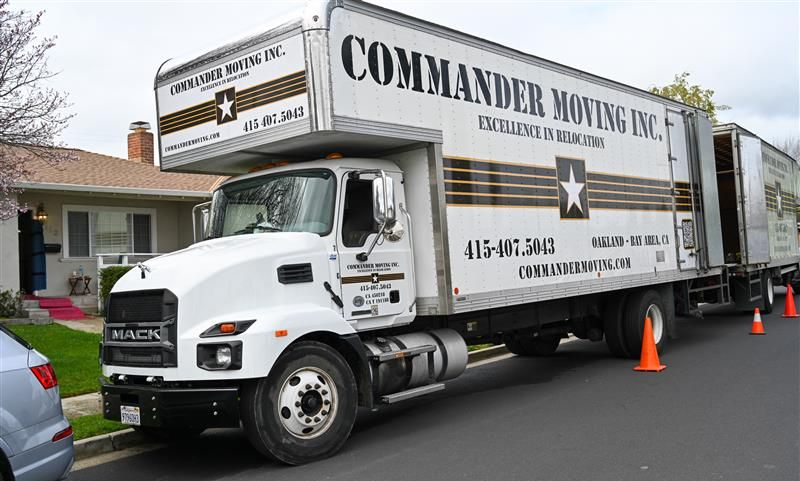
Need Reliable Local Movers for Your Next Home Move?
Moving can quickly become overwhelming when you’re trying to coordinate packing, protect valuable furniture, manage timelines, and avoid costly mistakes all at the same time. Many homeowners start the process thinking they can handle everything themselves, only to run into damaged belongings, hidden costs, unreliable movers, or exhausting moving days that create more stress than expected. Choosing the wrong moving company can turn an exciting transition into a frustrating experience that affects your family, schedule, and peace of mind.
At Commander Moving, we help homeowners and families simplify the entire process with professional local movers who know how to plan, protect, pack, and move efficiently. From large residential homes and apartments to specialty items and full-service packing, our team focuses on making every move organized, smooth, and stress-free. We believe moving should feel manageable from start to finish, not chaotic or unpredictable.
When you work with experienced local movers, you gain more than transportation. You gain confidence that your belongings are protected, your timeline is respected, and your move is being handled by professionals who care about getting it right. Contact Commander Moving today to schedule your estimate and experience why more Bay Area homeowners trust our local movers for safe, efficient, and frustration-free relocations.
Disclaimer
The materials available on this website are provided for general informational and educational purposes only and are not intended as legal, financial, moving, storage, or professional advice. Every move is different, and you should contact a qualified moving professional regarding your specific relocation needs, timelines, pricing, storage requirements, or specialty moving concerns.
Do not act or rely solely on the information contained on this website without first speaking directly with Commander Moving or another qualified professional regarding your individual situation. While we strive to keep the information on this website accurate and up to date, moving regulations, service availability, pricing, and operational details may change without notice.
Commander Moving disclaims all liability for actions taken or not taken based on any content found on this website to the fullest extent permitted by law. Use of this website or communication through this website does not create a contractual agreement for moving services unless confirmed in writing by Commander Moving.