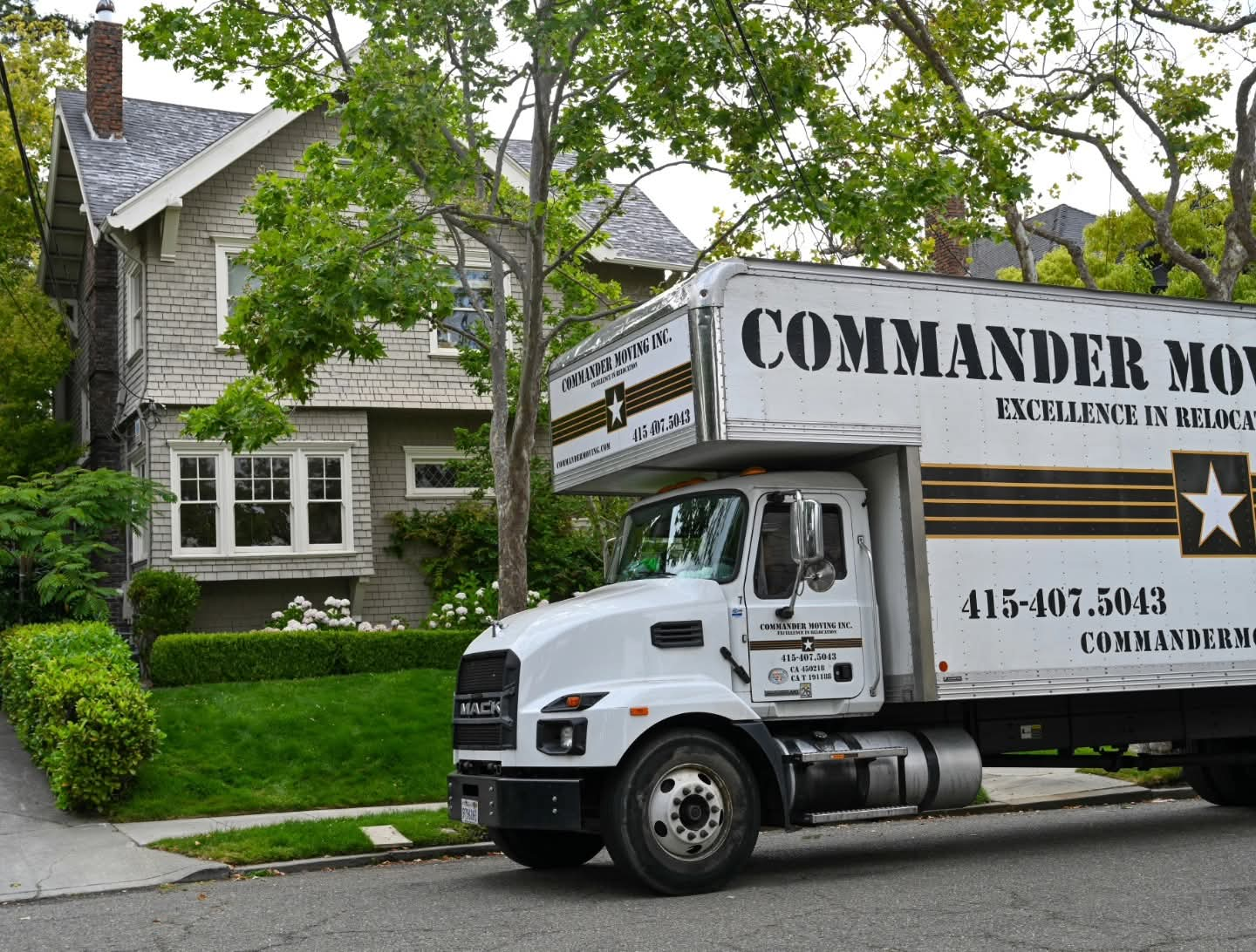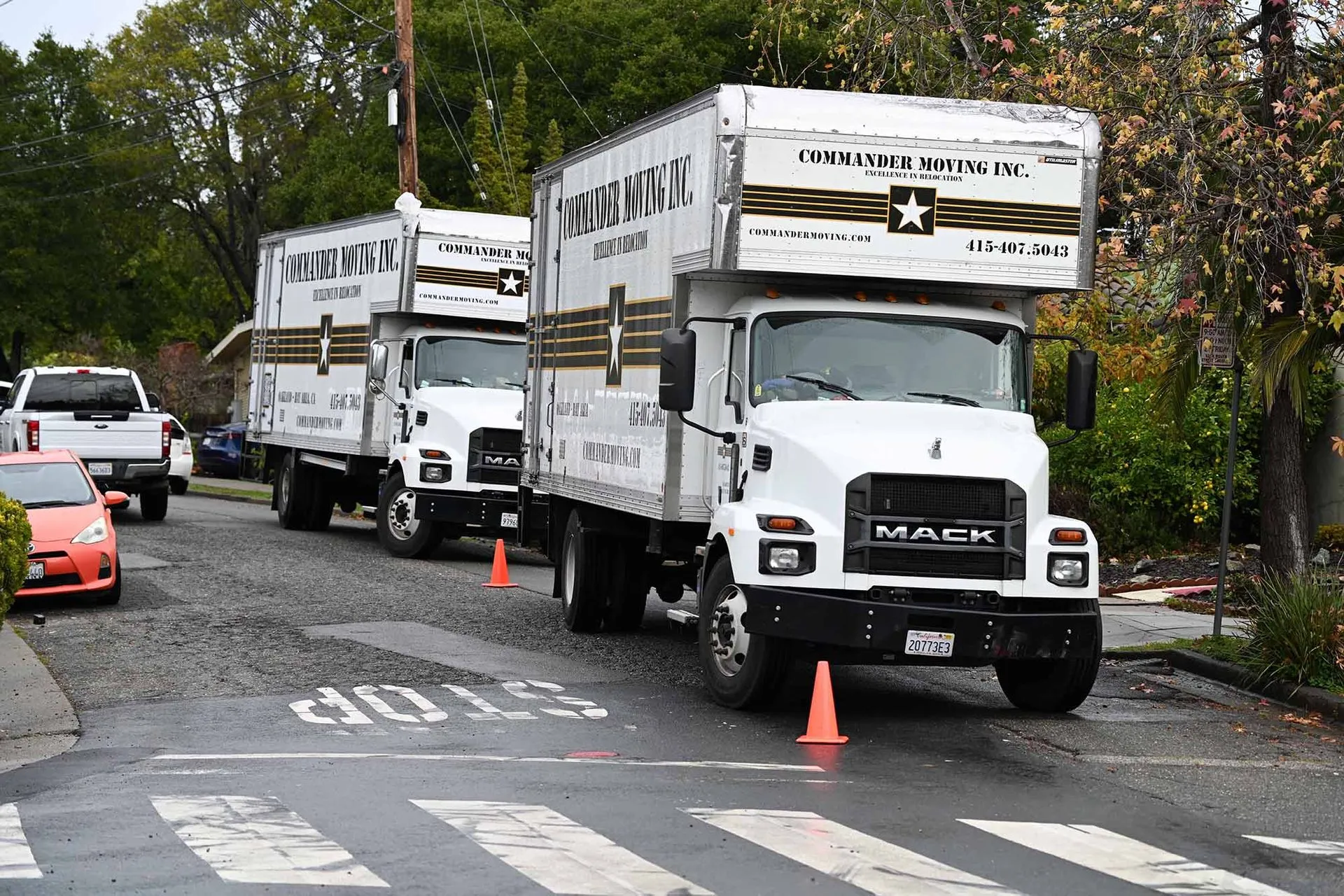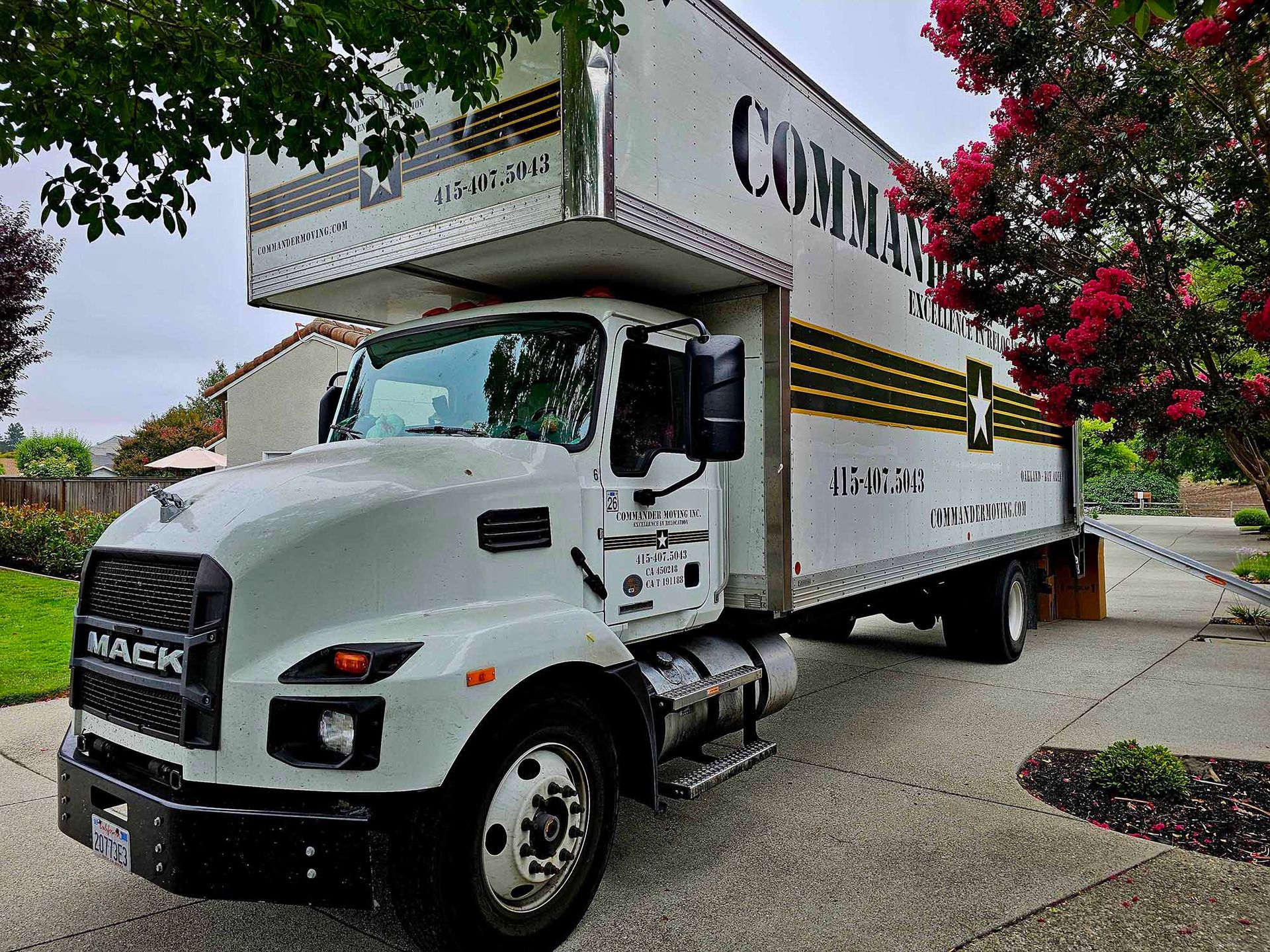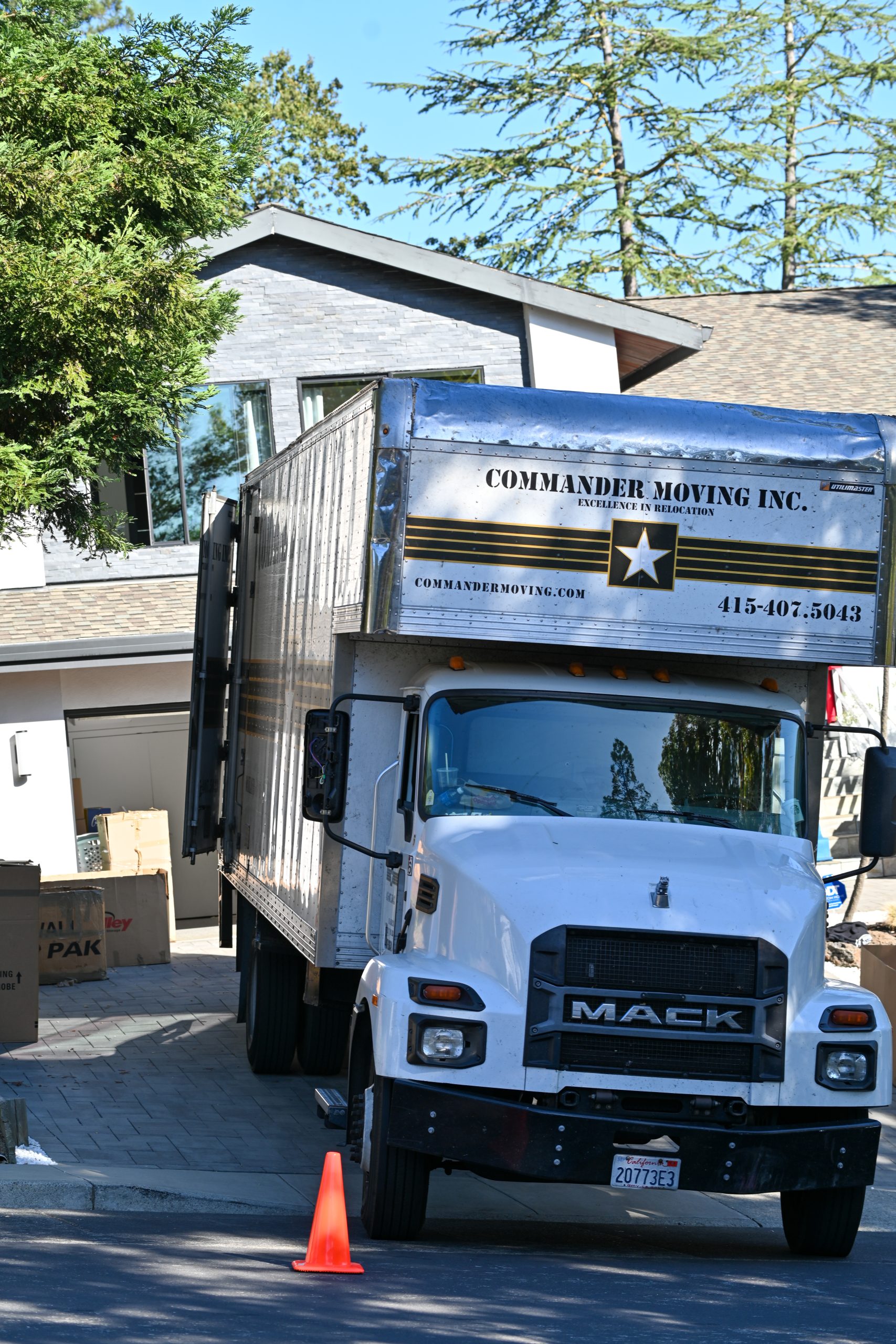
Moving into or out of a beautifully finished home requires more than carrying furniture from one location to another. Hardwood floors, custom millwork, designer lighting, stone surfaces, built-in cabinetry, luxury furniture, and carefully selected décor can all be vulnerable during a move. Even a minor scrape, impact, or dropped object may leave damage that is expensive or difficult to repair.
Protecting hardwood floors and designer interiors starts with assessing the surfaces, selecting compatible protection, and planning how belongings will move through the home. The term “luxury movers” alone doesn’t establish which precautions are included, so homeowners should confirm the property-protection plan before booking. Professional residential movers may use floor runners, protective coverings, furniture padding, doorway protection, corner guards, careful wrapping techniques, specialized moving equipment, and planned carrying routes to reduce the chance of accidental damage. Just as importantly, an experienced moving crew coordinates each stage of the move so furniture and boxes travel through the property in a controlled manner.
For homeowners who have invested considerable time and money in their interiors, this attention to detail can make professional moving services particularly valuable. Commander Moving’s residential moving services emphasize preparation, careful handling, and communication. Discuss your flooring, interior finishes, and requested protection during the estimate so the agreed services reflect your home’s needs.
Key Takeaways
- Professional residential movers protect hardwood floors before furniture, boxes, and equipment begin moving through the home.
- Floor runners, protective coverings, furniture blankets, corner protection, and doorway guards can help prevent scratches, dents, dirt, and accidental impacts.
- Luxury furniture and designer décor often require item-specific packing and handling rather than a one-size-fits-all approach.
- Planning the carrying route reduces unnecessary movement through delicate or high-value areas of a home.
- Proper moving equipment helps crews transport large items while maintaining greater control in tight spaces.
- Experienced movers consider both the belongings being transported and the property surrounding them.
- Commander Moving provides residential moving support designed to help homeowners complete local and long-distance moves carefully and efficiently.
Why Hardwood Floors Need Special Protection During Residential Moves
Hardwood flooring is durable under ordinary residential use, but moving day creates unusual conditions. Furniture that normally stays stationary is suddenly being lifted, turned, rolled, and transported. Dollies and moving equipment travel repeatedly through the same areas. Boxes may be temporarily placed in hallways, and crews frequently enter and exit the home. One careless movement can leave a visible mark.
A floor’s vulnerability depends on its wood species, finish, condition, and the loads moving across it. Specialty stains, parquet patterns, reclaimed boards, and custom finishes can also make a damaged area more difficult to repair or match. Repairing an isolated scratch may also be complicated if the repaired section needs to match surrounding flooring.
Experienced residential movers recognize that floor protection should therefore begin before the first major piece of furniture is moved. One of the most obvious risks is scratching. Furniture legs, metal hardware, grit trapped underneath boxes, or moving equipment can create marks when dragged across an unprotected surface.
Dents are another concern. A heavy object dropped onto hardwood can cause an indentation even when the finish itself does not crack. Moisture and outdoor debris can also create problems. Rain, mud, sand, and small stones can be tracked indoors as movers repeatedly walk between the house and moving truck. Tiny pieces of gravel caught underneath a shoe or piece of equipment can act like sandpaper against finished flooring. These risks explain why careful movers don’t simply rely on being cautious. They create physical barriers between moving activity and vulnerable surfaces.
How Luxury Movers Protect Hardwood Floors
A successful floor-protection strategy combines suitable materials with disciplined moving practices. Protective materials must suit the flooring and its finish. Follow the flooring and finish manufacturers’ guidance, especially for recently installed or refinished surfaces. A covering that’s unsuitable for the floor can create problems even when it’s installed securely.
Floor Runners Create Protected Travel Paths
Professional movers can establish designated routes through the house using protective floor runners or other suitable coverings. Rather than allowing repeated foot traffic and equipment to travel directly across exposed hardwood, the crew creates a path connecting important areas such as bedrooms, living spaces, stairways, entrances, and the moving truck. This approach serves two purposes.
First, it places a protective layer between the flooring and moving-day traffic. Second, it establishes a predictable carrying route. Movers know where to travel, which can reduce unnecessary movement through other parts of the house. The floor and the underside of each covering should be clean and dry before installation. Keep coverings flat and secure, and check for movement or trapped debris throughout the move. Don’t tape protection directly to finished hardwood. Where compatible sheets need joining, secure them to one another using the protection manufacturer’s instructions, and avoid coverings that trap moisture.
Entry Areas Receive Extra Attention
The entrance to the house frequently experiences the heaviest traffic. Every box, piece of furniture, and moving crew member may pass through the same doorway. The transition between the exterior and interior can also introduce moisture and debris. Professional residential movers may give these areas additional protection and periodically check whether dirt has accumulated near the entrance. Check entry protection regularly and remove grit before it spreads along the carrying route. Replace wet or dirty coverings promptly, and pause movement if an entrance becomes slippery or the protection shifts.
Furniture Is Lifted Instead Of Dragged
Heavy furniture shouldn’t be dragged directly across finished hardwood. Use a planned lift or an appropriate moving method suited to the item, floor, and carrying route. Dragging a dresser, dining table, bed frame, cabinet, or sofa can scratch flooring or damage the furniture itself. Experienced moving teams coordinate lifting responsibilities before an object starts moving. For particularly heavy or awkward pieces, movers may use appropriate moving equipment or additional crew members. The goal is controlled movement rather than forcing an item across the floor.
Moving Equipment Is Used Carefully
Dollies, hand trucks, furniture dollies, straps, and other equipment can make residential moving more efficient, particularly when handling heavy belongings. Equipment must be suitable for the item’s weight, the flooring, and the route. Check wheels and contact surfaces for grit or damage before use. Don’t assume a thin floor runner provides enough protection beneath a heavily loaded dolly. Discuss the required equipment and surface protection before moving unusually heavy pieces. Movers need to consider the flooring, available clearance, weight of the object, turns along the route, and transitions between rooms. Professional movers also inspect the planned path for obstacles before transporting particularly heavy items. This preparation helps avoid sudden stops or awkward adjustments while the item is already in motion.
Protecting Designer Interiors Requires More Than Floor Coverings
Hardwood flooring is only one part of a high-end home’s interior. Luxury properties may include custom cabinetry, detailed trim, decorative wall treatments, designer wallpaper, stone countertops, oversized mirrors, built-in shelving, statement lighting, and carefully finished staircases. Protecting these elements requires thinking about the entire moving environment. Professional residential movers assess how belongings will travel through the home and identify places where clearance is limited or accidental contact is more likely.
Doorways and Trim Need Protection Too
Doorways are natural collision points during a residential move. A sofa may fit easily in the middle of a living room but leave only a few inches of clearance when passing through a door. Mattresses, cabinets, tables, and large appliances can create similar challenges. Movers may use protective materials around vulnerable doorframes, jambs, railings, or trim when appropriate. For custom woodwork, wallpaper, and recently painted surfaces, confirm that the protection and its attachment method are compatible with the finish. Don’t assume adhesive tape is safe simply because it’s labeled removable or low-tack.
Why Measuring Before Moving Matters
Professional moving involves more than physical strength. Before attempting to move an oversized object, experienced crews can evaluate its dimensions and compare them with doorways, hallways, elevators, staircases, and other restrictions along the route. Some furniture can be partially disassembled when its construction and condition allow it. Confirm which pieces the movers will dismantle and reassemble, whether that work is included, and whether custom, antique, or built-in items require a separate specialist.
A dining table might be easier to move after its legs are removed. A bed may need to be dismantled. A sectional sofa may separate into individual pieces. Taking a few extra minutes to prepare an item can eliminate the need to squeeze it through a space where both the furniture and interior finishes could be damaged.
Corners And Walls Are Common Impact Zones
Corners can be especially vulnerable because movers may have limited visibility while carrying large objects. When a dresser or sofa blocks a mover’s view, judging clearance becomes more difficult. A second crew member can help guide the item through narrow areas and communicate when adjustments are necessary. Protective corner materials may also be used in vulnerable locations. The broader principle is straightforward: instead of waiting for accidental contact to happen, professional movers anticipate where it is most likely and prepare accordingly.
Staircases Require Controlled Movement
Stairs introduce several challenges at once. Movers have less room to maneuver, the weight of the object may shift between crew members, and decorative railings or walls can be close to the carrying path. Large furniture can also be difficult to rotate at landings.
Before moving a large item on stairs, the crew should assess the stair width, landings, overhead clearance, available handholds, and the item’s weight. Any stair protection must stay secure without creating loose edges or interfering with footing. If the route is unsuitable, stop and arrange an alternative instead of forcing the item through. Appropriate padding can protect the furniture, while communication between crew members helps maintain controlled movement. This level of coordination becomes particularly important for heavy dressers, large tables, armoires, artwork, and other substantial pieces.
How Luxury Movers Protect Designer Furniture
Protecting the property is only half of the job. The furnishings inside the home also require careful preparation. Designer furniture can feature delicate finishes, specialty fabrics, polished wood, metal details, glass, marble, or custom components. Some pieces may also have unusual shapes that make standard packing methods ineffective. Professional residential movers consider the characteristics of individual items before determining how they should be prepared for transportation.
Moving Blankets Provide An Important Protective Layer
Furniture pads and moving blankets can help shield furniture from scratches, rubbing, and incidental contact.
They are commonly used on items such as:
- Dressers and cabinets
- Dining tables and chairs
- Headboards and bed components
- Desks and consoles
- Sofas and upholstered furniture
- Other substantial household furnishings
Use clean, dry padding suitable for the furniture’s finish, and secure it without placing adhesive directly on delicate surfaces. Check whether specialty finishes need a different contact layer. Padding helps limit rubbing and incidental contact, but it doesn’t replace proper support, lifting, or load restraint.
Corners And Edges May Need Additional Protection
Corners often receive impacts before flat surfaces because they extend outward and may contact doorframes, walls, truck interiors, or nearby furniture. Pieces with decorative edges, exposed wood, stone surfaces, or intricate detailing can require additional attention. Professional movers evaluate these vulnerable areas during preparation rather than treating every piece of furniture the same.
Protecting Upholstery And Specialty Fabrics
High-end sofas, dining chairs, benches, and upholstered headboards may feature materials that are vulnerable to dirt, moisture, abrasion, or snagging. Choose clean protective materials that suit the upholstery and follow any available manufacturer care instructions. Avoid adhesive contact with the fabric, excessive compression of decorative details, and wrapping damp upholstery for transport or storage. The item should also be kept away from dirty floors and surfaces while it is being staged, carried, or loaded. Careful planning matters because upholstery damage may be difficult to correct, particularly when the original fabric is custom, discontinued, or difficult to source.
Moving Glass, Mirrors, And Fragile Décor
Large mirrors, glass tabletops, framed artwork, and decorative pieces require different handling than ordinary boxes. These items can be vulnerable to impact, vibration, pressure, and improper stacking. Professional residential movers may use specialized packing methods depending on the size, shape, construction, and fragility of the item. Certain valuable or unusually fragile belongings may need a specialist packing assessment or custom crate. Confirm whether the moving company provides that preparation, coordinates another provider, or requires you to arrange it separately.
Why Proper Placement In The Moving Truck Matters
Protection does not end once an item reaches the truck. Furniture and boxes must be loaded strategically to minimize shifting during transportation. Heavy belongings should not place inappropriate pressure on delicate items, and fragile objects need suitable positioning. Secure loading matters on every trip because braking, turns, vibration, and uneven roads can shift an inadequately restrained load. For longer journeys, also discuss any transfers between vehicles or periods in storage so the packing and handling plan accounts for the full route. A carefully loaded truck helps maintain the protection established inside the home.
Custom Crating For High-Value Household Items
Not every possession belongs in a standard moving box. Artwork, sculptures, antiques, specialty mirrors, collectible pieces, or unusual decorative objects may benefit from custom protection. Custom crating can provide a more structured enclosure designed around the object’s dimensions and vulnerabilities.
Whether crating is necessary depends on the item, its value, construction, fragility, and transportation requirements. Discuss these items during the assessment. Confirm whether crating is available, who will design and supply the crate, and whether packing, unpacking, and crate removal are included. Record any separate charges and scheduling requirements before booking.
Protecting Stone, Tile, And Other Premium Surfaces
Luxury interiors frequently combine hardwood flooring with marble, natural stone, tile, and other premium materials. Although these surfaces may appear extremely strong, they are not immune to damage. Heavy impacts can chip or crack certain materials. Metal equipment may scratch polished finishes, and dropping a dense object can damage flooring or countertops.
Experienced movers therefore avoid assuming that a hard surface is automatically a safe surface. Assess each surface and the loads that will pass over it. Don’t use countertops, decorative ledges, or other built-in surfaces as temporary supports for furniture. Flag existing cracks, loose tiles, and vulnerable edges before moving begins so the crew can plan around them.
Why Pre-Move Planning Makes Such A Difference
Many forms of moving damage are easier to prevent than repair. That makes planning one of the most valuable aspects of professional residential moving. Before major moving activity begins, a crew can evaluate access points, staircases, tight hallways, furniture dimensions, flooring materials, parking arrangements, and other property-specific challenges. This gives the team time to address access and protection concerns before handling begins. During a walkthrough, note existing marks or damage to floors, walls, trim, and furniture. Dated photographs can provide a useful condition record, although they don’t replace the mover’s inventory or reporting procedures.
Establishing A Moving Route
Instead of choosing a path each time an item leaves the house, movers can establish primary routes. A planned route allows floor protection to be placed where it matters most and helps the crew avoid delicate rooms or unnecessary obstacles. For example, if two possible routes lead from an upstairs bedroom to the truck, the crew may choose the route offering better clearance and fewer difficult turns. Small decisions like this can significantly improve moving-day efficiency.
Identifying Valuable Items Before The Move
Homeowners should point out possessions requiring unusual care before moving begins. This might include a designer dining table, antique cabinet, oversized artwork, fragile mirror, piano, sculpture, or custom-built furniture. Identifying these items early allows the moving company to assess the necessary labor, equipment, packing, and handling. Confirm whether each item falls within the mover’s services or needs a specialist, particularly for pianos, oversized artwork, and custom-built furnishings. It also reduces the chance of discovering on moving day that a particularly challenging item requires resources that were not anticipated.
Communication Helps Protect Luxury Homes
Physical protection materials receive considerable attention, but communication is equally important. Movers carrying a large item need to coordinate turns, stairs, doorways, and elevation changes. Crew members should know who is guiding the movement and when an item needs to stop. Clear communication also extends to the homeowner.
Customers should be able to explain concerns about specific belongings or areas of the property. If a room contains delicate wall treatments or a staircase has a custom railing, that information can be incorporated into the moving plan. Agree on the protection plan and identify the person authorized to approve changes before lifting begins. If the crew discovers insufficient clearance, an unsuitable surface, or an item requiring different equipment, pause to resolve the issue before proceeding.
Local Residential Moves Still Require Careful Protection
A short move is not necessarily an easy move. Moving only a few miles away still requires furniture to leave one property, enter a truck, travel to another location, and be carried into the new residence. That means belongings and interiors encounter many of the same risks present during a long-distance move.
Professional local residential movers can help protect both the home being vacated and the property receiving the household goods. This is especially important when homeowners are moving into newly built or recently renovated homes where flooring, paint, cabinetry, and fixtures are in pristine condition.
Long-Distance Moves Add Another Layer Of Planning
Long-distance relocations introduce additional considerations because belongings remain in transportation longer. Proper packing and loading become increasingly important. Furniture should be prepared for transportation, fragile belongings should be packed appropriately, and the load should be organized to reduce unnecessary shifting.
Before booking, confirm who will transport the shipment, whether it will transfer between vehicles, and whether storage is planned. Discuss inventory tracking, delivery timing, destination access, and who will provide property protection during unloading. A professional moving plan connects the protection inside the original home with secure transportation and careful placement at the destination.
Protecting The New Home Is Just As Important
Much of the discussion surrounding moving protection focuses on the property being emptied, but the destination deserves equal attention. In many cases, the new residence may contain freshly refinished floors, new carpeting, recently painted walls, upgraded cabinetry, or custom interior work. Before scheduling unloading onto newly installed or refinished floors, obtain the flooring contractor’s guidance on furniture placement, wheeled equipment, and temporary coverings. A surface that’s ready for light foot traffic may not yet be ready for moving activity. Once the floor is ready, establish compatible protection and check the carrying routes before bringing large items inside.
Furniture Placement Should Be Planned
Knowing where major pieces belong can reduce unnecessary movement. If movers carry a large dresser upstairs only to learn that it belongs in a different room, the item must travel through the house again. Before unloading, homeowners can decide where major furniture will go and clearly communicate those locations to the crew. This improves efficiency while reducing additional traffic across floors and through doorways.
Why Experience Matters When Moving Luxury Interiors
Moving a box through an empty hallway is straightforward. Moving an oversized designer sofa through a narrow doorway beside custom millwork requires considerably more judgment. Experienced movers learn how to evaluate weight distribution, clearance, balance, furniture construction, carrying angles, and available space. They should also recognize when to stop and reassess. Depending on the item and route, the solution may involve approved disassembly, different equipment, a specialist, or another access plan. The value of experience is not simply moving faster. It is knowing when to slow down.
Professional residential movers should prioritize controlled handling over rushing, particularly when working around high-value interiors.
What To Do Before Your Luxury Moving Team Arrives
Homeowners can support the protection process by preparing the property before moving day. Remove small obstacles from primary pathways and make sure movers can access the belongings scheduled for transportation. Inform the moving company about particularly valuable or challenging items in advance rather than waiting until the crew arrives. If your home has delicate flooring, specialty wall finishes, unusual staircases, restricted access, or recently completed renovations, discuss these details while requesting your estimate.
Share photographs, relevant measurements, finish-care instructions, and any building requirements for floor or elevator protection. Confirm who will provide the necessary materials and whether the estimate includes installation and removal. Homeowners should also separate belongings they plan to transport personally, such as important documents, medications, jewelry, and other personal essentials, according to their preferences and the moving company’s policies.
What To Ask Residential Movers About Property Protection
Before hiring a moving company, ask how it approaches home and furniture protection. Instead of accepting a general promise that movers will “be careful,” ask about the actual process. Useful questions include how hardwood flooring is protected, what materials are used for furniture, how oversized items are handled, and whether specialty packing or crating options are available.
Ask which protective materials and services are included, which cost extra, and who supplies them at each property. Confirm how damage to floors, walls, or fixtures should be documented and reported, including whom to contact and any applicable deadlines. Ask separately about protection for household goods and damage to the property rather than assuming the same terms apply to both.
Why Professional Moving Can Reduce Household Moving Stress
Residential moving involves numerous decisions at the same time: packing, scheduling, transportation, utilities, closing arrangements, address changes, and preparing the new property. Trying to manage heavy furniture on top of those responsibilities can make the process significantly more demanding. A professional moving service can provide labor, equipment, packing assistance, and coordination according to the agreed scope. Confirm the crew’s relevant experience and the services included before relying on a particular level of support.
For homes containing expensive flooring and carefully designed interiors, professional moving assistance can also provide greater confidence that property protection has been considered from the beginning. Rather than relying on improvised methods, homeowners have a structured moving process designed around preparation and controlled handling.
Commander Moving: Careful Residential Moving For Your Home
Every household move deserves care, whether you are relocating from a modest residence, a large family home, or a luxury property filled with custom furnishings. Commander Moving understands that residential moving involves more than transporting belongings. Movers work inside spaces homeowners have invested in, cared for, and often spent years creating. Our approach emphasizes preparation, careful handling, communication, and dependable moving service.
From protecting furniture and planning carrying routes to navigating hardwood flooring, stairs, doorways, and other sensitive areas, the objective is to make the relocation organized and manageable from start to finish. Whether your move is local or long-distance, working with professional residential movers can help you avoid the uncertainty of handling everything yourself. Request an estimate from Commander Moving and describe your flooring, delicate finishes, oversized furniture, and access concerns so the proposed services address your home’s requirements.
Conclusion
Luxury moving requires careful attention to both the possessions being transported and the homes surrounding them. Hardwood flooring, designer furniture, custom woodwork, walls, staircases, artwork, and premium finishes can all be vulnerable when large household belongings are being moved.
Professional residential movers reduce these risks through preparation. Floor coverings, furniture padding, planned moving routes, appropriate equipment, careful lifting, secure loading, and clear crew communication all contribute to a more controlled relocation.
The most important protection is a thoughtful process. Experienced movers assess the property, identify challenging items, prepare vulnerable areas, and avoid forcing furniture through spaces where damage could occur.
Whether you are moving across town or beginning a long-distance relocation, Commander Moving provides dependable residential moving support with attention to the details that matter. If you are planning your next household move, contact Commander Moving to discuss your needs, request an estimate, and learn how professional movers can help protect your belongings and your home throughout the relocation.

Frequently Asked Questions
1. How Do Residential Movers Protect Hardwood Floors During A Move?
Professional residential movers can use protective floor runners, suitable coverings, and carefully planned traffic routes to help shield hardwood from scratches, dirt, moisture, and repeated foot traffic. Furniture should generally be lifted rather than dragged across finished flooring. Movers may also pay particular attention to entrances and other high-traffic areas where outdoor debris can enter the home.
2. Can Movers Protect Newly Finished Hardwood Flooring?
Protection is possible once the floor is ready for the planned moving activity. Ask your flooring contractor when furniture, wheeled equipment, and temporary coverings can be used, then share those instructions with the movers. Protective coverings don’t override curing requirements. If the floor isn’t ready, adjust the delivery or placement plan.
3. How Do Luxury Movers Protect Designer Furniture?
Designer furniture may be protected with moving blankets, padding, wrapping materials, corner protection, careful disassembly, or specialty packing depending on the piece. Experienced movers evaluate the furniture’s material, shape, weight, finish, and vulnerable areas before deciding how it should be prepared and transported.
4. Do Residential Movers Protect Walls And Doorways?
Professional movers may use protective materials around vulnerable doorways, corners, railings, or other interior areas when appropriate. Equally important is careful route planning. Measuring furniture and evaluating clearance before moving oversized pieces can help prevent unnecessary contact with walls, trim, and doorframes.
5. How Are Artwork, Mirrors, And Fragile Designer Décor Moved Safely?
Packing and handling should match each item’s dimensions, construction, condition, and fragility. Large mirrors, artwork, glass pieces, and sculptures may require specialty packing or custom crating. Identify them during the assessment and confirm who will prepare them, whether a specialist is needed, and what the service includes. These precautions reduce risk but don’t guarantee that damage cannot occur.
6. Is Professional Floor Protection Important For A Local Move?
Yes. Even when you are moving only a short distance, furniture and boxes still have to travel through both properties. Floors, walls, stairs, and doorways are exposed to repeated moving activity regardless of the number of miles traveled. Local residential movers can help protect the home you are leaving as well as the home you are moving into.
7. How Can I Get An Estimate From Commander Moving For A Residential Move?
Request an estimate from Commander Moving with your current address, destination, preferred moving date, household inventory, and requested services. Mention delicate flooring, recent refinishing, designer furniture, artwork, stairs, and access restrictions. Arrange the applicable assessment and ask for a written estimate to identify the agreed protection, packing, and specialty-handling services.
Make Your Next Move Easier, Smoother, And Stress-Free
Moving to a new home or business is an exciting new chapter, but the process can quickly become overwhelming. From packing and organizing to coordinating transportation and protecting your belongings, there’s a lot to manage. At Commander Moving, we believe your move should be an opportunity to look forward to what’s next, not a source of unnecessary stress.
Our professional moving team provides personalized relocation solutions designed around your needs. Whether you’re moving locally, relocating across California, planning a long-distance move, or transitioning your business to a new space, we handle every step with care and attention. From residential and commercial moving to packing, transportation, and secure storage options, we’re here to make your transition as seamless as possible.
Your time, peace of mind, and belongings matter. With experienced movers, careful handling, honest upfront pricing, and a customer-first approach, Commander Moving takes care of the heavy lifting so you can focus on settling into your next chapter. Whether you’re moving across town or across state lines, you can count on our team for dependable service from start to finish.
Request your free moving estimate from Commander Moving today and let us help make your next move a smooth and worry-free experience.\
Disclaimer
The materials available on this website are provided for general informational and educational purposes only and are not intended as legal, financial, moving, storage, or professional advice. Every move is different, and you should contact a qualified moving professional regarding your specific relocation needs, timelines, pricing, storage requirements, or specialty moving concerns.
Do not act or rely solely on the information contained on this website without first speaking directly with Commander Moving or another qualified professional regarding your individual situation. While we strive to keep the information on this website accurate and up to date, moving regulations, service availability, pricing, and operational details may change without notice.
Commander Moving disclaims all liability for actions taken or not taken based on any content found on this website to the fullest extent permitted by law. Use of this website or communication through this website does not create a contractual agreement for moving services unless confirmed in writing by Commander Moving.