Moving valuable furniture and personal belongings requires much more than putting items into boxes and loading everything into a truck. Furniture, artwork, antiques, electronics, family heirlooms, collectibles, delicate decorations, and other possessions can be difficult or expensive to replace. Even ordinary household furniture can suffer scratches, dents, broken parts, stains, or structural damage when it is moved without proper planning and protection.
This is one reason many homeowners choose to work with a professional moving company. Experienced movers understand that transporting belongings safely involves preparation, appropriate packing materials, careful lifting techniques, protective equipment, organized loading, secure transportation, and cautious unloading.
A professional moving company can help reduce the risks associated with moving valuable belongings by creating a plan around the specific items being transported. Large furniture may require wrapping and padding. Fragile decorations may need individual packing. Heavy items may require specialized equipment. Narrow hallways, staircases, elevators, and tight doorways may require additional planning to prevent damage to both the item and the property.
Professional moving assistance can also reduce the physical risks involved in moving heavy belongings. Attempting to move a large dresser, solid wood table, appliance, or sectional sofa without appropriate equipment can result in injury or accidental damage. Experienced crews know how to work together, use moving tools, and navigate challenging spaces.
However, homeowners should remember that professional moving does not mean every item is automatically risk-free. Customers still have an important role in preparing their belongings, communicating special requirements, understanding applicable liability or valuation coverage, and following the moving company’s instructions.
Understanding how professional movers protect valuable possessions can help homeowners prepare for a safer and more organized relocation.
Every household contains items that matter for different reasons.
Some possessions are valuable because they cost a significant amount of money. Others may have sentimental or historical value that cannot be measured by their purchase price.
A dining table may have been passed through generations. A painting may have taken years to acquire. A collection may be difficult to replace. A piece of custom furniture may have been made specifically for the home.
Even when an item is not particularly expensive, damage can still create frustration and unexpected costs.
High-value furniture and belongings can be expensive to repair or replace.
Examples include:
These items may require more careful handling than standard household goods.
Some belongings cannot truly be replaced.
Family photographs, heirlooms, handmade furniture, inherited decorations, childhood memorabilia, and gifts can have emotional significance far beyond their monetary value.
Professional movers should understand that customers may have specific concerns about these possessions.
Some furniture looks strong but contains vulnerable components.
Glass doors, decorative trim, thin legs, hinges, drawers, veneer, carved details, and delicate finishes can be damaged by improper lifting or impact.
Protective preparation helps reduce these risks.
Furniture is only part of the protection challenge.
A home may contain hundreds of smaller belongings that can break if packed incorrectly.
Professional packing services may use boxes appropriate for different types of household goods.
Standard boxes may work for many belongings, while specialty containers can be useful for fragile or unusually shaped items.
Fragile items may need cushioning to reduce movement inside their containers.
Depending on the item, professional packing may involve paper, bubble wrap, foam, dividers, specialty boxes, or other protective materials.
The objective is to minimize direct contact and excessive movement.
Boxes should not be overloaded.
A box that is too heavy can become difficult to carry and may fail under its own weight. Heavy items can also crush more delicate belongings.
Professional packers understand how to balance weight and protection.
Clear labels can help identify boxes containing fragile belongings.
Labels may also indicate which side should remain upright or whether special handling is required.
However, customers should avoid assuming that labels alone guarantee careful handling. Proper internal packing and communication remain essential.
The lifting stage presents significant risk.
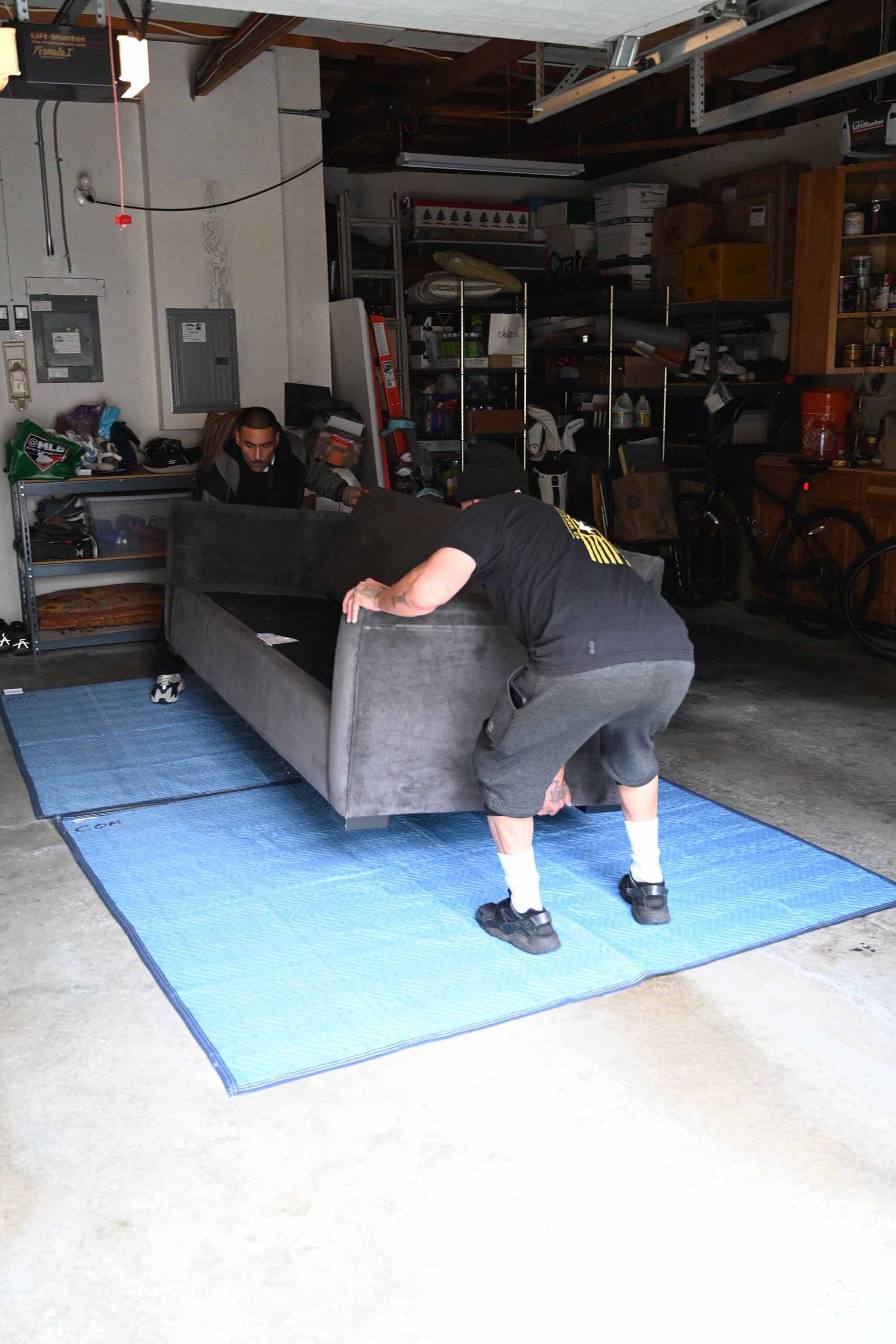
Large or heavy furniture often requires more than one person.
Professional crews can coordinate movements so that weight is distributed appropriately and the item remains controlled.
Experienced movers use techniques designed to reduce unnecessary physical strain.
They also understand that certain items should not be lifted manually when equipment would be safer.
Straps can help crews control large furniture and distribute weight during movement.
Used correctly, they can make certain difficult items easier to maneuver.
Professional movers often use equipment designed to make moving safer and more controlled.
Dollies can help transport heavy furniture across suitable surfaces without requiring the crew to carry the full weight.
Large appliances such as refrigerators and washing machines may require specialized dollies.
These tools help movers control heavy objects while navigating appropriate pathways.
Ramps can help move heavy items between different elevations when appropriate.
Furniture pads provide a protective layer between furniture and surrounding objects.
Straps and tie-down systems can help stabilize items during transportation.
Using the correct equipment can reduce unnecessary movement and make handling more predictable.
Protecting valuable belongings also means protecting the path they travel through.
Large furniture can scrape or impact door frames when moved through tight openings.
Movers may assess the route before carrying an item and determine whether doors need to be opened differently or whether an alternative path is safer.
Heavy furniture can potentially damage flooring when dragged or improperly maneuvered.
Professional crews may use floor protection in areas where additional precautions are appropriate.
Furniture can swing into walls or scrape corners during movement.
Careful route planning and protective materials can help minimize this risk.
Protecting the home is especially important because property damage can create additional repair expenses on top of the moving cost.
Professional movers may offer disassembly and reassembly services for certain furniture.
Large furniture can be difficult to move through narrow openings when kept fully assembled.
Removing detachable components can make an item easier to maneuver.
When furniture is disassembled, screws, bolts, brackets, and other hardware should be kept organized.
Losing a small piece of hardware can make reassembly difficult.
Professional crews may use labeled bags or other organizational methods.
If reassembly is included in the service, movers can rebuild appropriate furniture after delivery.
Customers should confirm exactly what the moving company does and does not include.
Loading the truck is a critical stage of the moving process.
Movers should consider the size, weight, shape, and fragility of each item.
Heavy items generally need to be positioned in a way that promotes stability. Fragile items require additional protection.
Furniture can shift during transportation if it is not properly positioned and secured.
Professional crews can use appropriate techniques and tie-downs to reduce unwanted movement.
Furniture pads and other protective materials can help prevent direct contact between pieces.
This reduces the likelihood of scratches and scuffs.
A disorganized truck can create unnecessary risks.
When belongings are packed randomly, heavier objects may press against fragile items, boxes can shift, and furniture can become difficult to unload safely.
Professional loading involves thinking ahead.
Movers should consider not only how items fit into the truck but also how they will be removed at the destination.
Once everything is loaded, the moving process is not finished.
The belongings must remain stable throughout the journey.
Properly positioned and secured items are less likely to move excessively.
Professional transportation requires awareness that sudden braking, sharp turns, rough roads, and other driving conditions can affect the cargo.
Safe driving helps protect the contents of the truck.
Rain, humidity, heat, and other weather conditions can create additional challenges.
A professional moving company should have appropriate procedures for protecting belongings during loading and unloading in changing weather conditions.
Customers sometimes focus heavily on the loading process and overlook the final stage.
However, belongings can still be damaged during unloading.
Furniture should be removed from the truck in a controlled manner.
Large pieces may need to be maneuvered carefully through the new home’s entrances and hallways.
Customers should communicate where furniture belongs.
Clear instructions can prevent unnecessary moving of heavy items after they have already been placed.
Customers should inspect their belongings after delivery.
If there are concerns about damage, they should follow the moving company’s established procedures for reporting those concerns.
An inventory helps keep track of belongings throughout the moving process.
An inventory may list major furniture pieces, boxes, appliances, specialty items, and other belongings.
For large moves, a detailed inventory can make the process easier to manage.
Customers may also want to photograph valuable belongings before the move.
Photographs can document the condition of items before transportation and provide a useful personal record.
Close-up photographs may be particularly useful for fragile furniture, antiques, artwork, and other high-value possessions.
Professional movers can provide valuable assistance, but customers should also prepare.
Tell the moving company which belongings are particularly valuable or fragile.
Do not assume the crew will automatically know which items require special attention.
Items such as passports, financial records, jewelry, cash, irreplaceable documents, and certain personal valuables may be better transported separately by the owner, depending on the moving company’s policies.
Always ask the mover about items they will not transport.
Furniture drawers and doors may need to be secured or removed according to the mover’s recommendations.
If you are packing yourself, follow the moving company’s instructions for preparing boxes and fragile items.
Not every household item can be treated the same way.
Safes, large appliances, gym equipment, and other heavy objects may require additional labor and specialized equipment.
Collections of glass, ceramics, artwork, or other delicate objects may require specialty packing.
Large musical instruments can have unique handling requirements.
Customers should disclose these items before moving day.
Customers should ask whether the moving company transports these items at all. In many situations, personally transporting extremely valuable or irreplaceable small items may be the safest approach.
Protection is not only physical.
Customers should also understand the financial responsibilities associated with damage or loss.
Do not assume that a moving company’s general statement about being insured tells you everything you need to know.
Read the actual documentation and ask questions about applicable coverage.
Some types of coverage or valuation protection may have limits, exclusions, or specific requirements.
Customers should understand these details before the move.
If a moving company requires customers to identify certain high-value items, follow those procedures carefully.
Failure to disclose special items could create complications later.
Professional moving protection depends heavily on communication.
If a particular table, chair, artwork, or heirloom requires special care, tell the crew.
If there is a narrow staircase, unusual entrance, elevator restriction, or other challenge, communicate it before moving day.
Customers should feel comfortable asking how a specific item will be protected.
A professional moving company should be willing to explain its approach.
Many moving problems are preventable.
Dragging furniture across floors can damage both the furniture and flooring.
Furniture should not be lifted by fragile decorative components, handles, doors, or other areas that are not designed to support the full weight.
Heavy contents can cause drawers or cabinets to become unstable.
Leaving empty space around fragile objects can allow them to shift and collide during transportation.
Placing heavy objects on top of fragile belongings can create unnecessary pressure.
Professional packing and loading procedures help address these problems.
The physical protection of belongings is only one benefit of professional moving assistance.
Moving can also be emotionally and mentally exhausting.
A professional crew can take responsibility for tasks such as:
Delegating these responsibilities allows homeowners to focus on other parts of the relocation.
Not every moving company offers the same services.
Ask whether the company regularly handles furniture similar to yours.
If you have antiques, artwork, oversized furniture, or specialty items, make sure the mover understands those requirements.
Find out what materials and equipment the crew uses.
Read estimates, contracts, liability information, and other documents carefully.
Do not compare only hourly prices.
Compare the entire package of labor, equipment, packing, protection, transportation, and customer support.
Packing an entire household can take days or even weeks.
Professional packing can save time and provide specialized handling for fragile belongings.
A full-service packing option may involve preparing most household belongings before the move.
Customers may choose to pack everyday items themselves while hiring professionals for fragile or valuable possessions.
Some belongings may require custom or specialty packaging.
Discuss these options with the moving company before the moving date.
If you have a particularly valuable furniture item, preparation should begin early.
Look for existing scratches, loose components, damaged joints, or fragile details.
Take photographs from several angles.
Ask whether shelves, drawers, legs, knobs, or other components should be removed.
Follow the mover’s recommendations for wrapping and padding.
Tell the moving crew that the item requires special attention.
Moving valuable belongings involves risk, and risk can become expensive.
A damaged antique may require restoration. A scratched custom table may be difficult to match. A broken mirror or artwork may be impossible to replace.
Professional moving services do not eliminate every risk, but careful handling can significantly reduce avoidable problems.
The cost of professional moving should therefore be considered alongside the value of the belongings being protected.
Protecting valuable furniture and belongings during a move requires preparation, knowledge, equipment, and careful handling. A professional moving company can provide all of these elements through an organized process designed to reduce unnecessary risk.
From the initial inventory and planning stages to furniture wrapping, specialty packing, safe lifting, strategic truck loading, transportation, and careful unloading, professional movers can help protect possessions throughout the relocation.
Customers also have an important role. Identifying valuable belongings, communicating special requirements, documenting the condition of important items, understanding applicable liability or valuation coverage, and following packing instructions can make the moving process even safer.
The goal is not simply to get everything from one address to another. The goal is to complete the move while keeping furniture, personal belongings, and property in the best condition possible.
When choosing a moving company, look beyond the basic transportation service. Ask about experience, equipment, protective materials, packing options, handling procedures, documentation, and communication.
For valuable belongings, professional care can provide something that a low-cost, improvised move may not: greater organization, preparedness, and confidence from beginning to end.
Professional movers can protect furniture using moving blankets, wrapping materials, padding, straps, dollies, careful lifting techniques, strategic loading, and appropriate transportation procedures. The exact methods depend on the furniture and moving conditions.
Yes. Tell the moving company about antiques, expensive furniture, artwork, oversized pieces, fragile belongings, and other items that require special attention. Providing this information early allows the company to plan appropriate labor and equipment.
Many professional moving companies use protective materials and careful moving techniques to reduce the risk of damage to floors, walls, door frames, and other property. Ask the company what protection is included in your service.
Ask the moving company about items they do not transport. In many situations, extremely valuable, personal, or irreplaceable small items may be best kept with the owner rather than placed in the moving truck.
Photographing valuable belongings before the move can be useful for documenting their pre-move condition. Take clear photographs of important surfaces, corners, finishes, and existing damage.
Antiques should be assessed individually because their construction, finishes, and condition can vary. Appropriate padding, wrapping, careful lifting, and specialty packing may be necessary. Discuss antiques with the moving company before moving day.
Many moving companies offer professional packing services. Depending on the company, customers may be able to choose full packing, partial packing, or specialty packing for particularly fragile belongings.
Movers may change the item’s angle, remove detachable components, use appropriate equipment, or select an alternative route. Experienced crews assess the pathway before attempting to move difficult furniture.
Moving blankets provide a protective layer around furniture that can help reduce scratches, scuffs, and minor impacts during handling and transportation.
Professional crews are trained to handle many types of heavy furniture and may use equipment such as dollies, straps, ramps, and specialized tools. Customers should disclose unusually heavy items before the move.