
Moving day always feels like it should be simple. Pack some boxes, load a truck, drive to the new place. Then reality hits somewhere around hour three, when you’re wedged under a couch trying to figure out how it got up the stairs in the first place, and you realize nobody warns you about this part.
Professional movers simplify residential relocation by handling the physical labor, logistics, and risk that homeowners usually underestimate until they’re mid-move and regretting every decision. That’s the short answer. The longer answer involves packing systems, trained crews, insurance structures, and a level of coordination that most people only think about after something goes wrong. So let’s get into why hiring out the heavy lifting (literally) tends to save more than just your back.
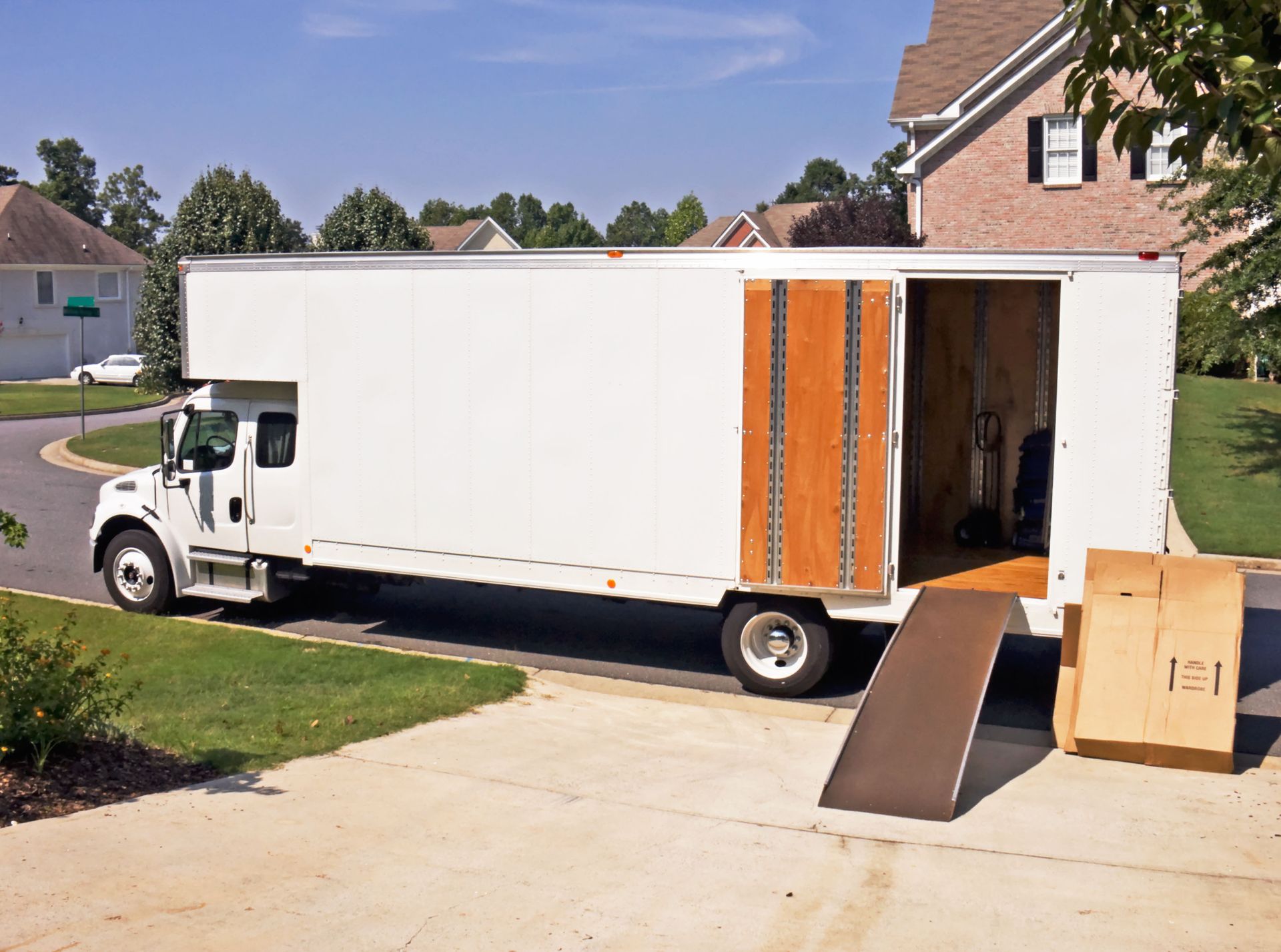
Efficiency in a move isn’t about hustling faster. It’s about not wasting motion. A DIY move usually means figuring things out as you go, which is fine for assembling furniture, but a nightmare for logistics involving hundreds of household items moving between two locations on a deadline.
Professional packing isn’t just shoving things into boxes and hoping. Skilled movers use a structured approach: labeling by room, grouping by fragility, and reserving proper packing materials for glassware, electronics, and anything with a screen. Sturdy boxes get reinforced at the bottom, fragile items get double-wrapped, and awkward items like lamps or mirrors get their own custom handling. Compare that to the average homeowner grabbing free boxes from a liquor store, and the difference in outcome isn’t subtle.
There’s an actual skill to loading a truck efficiently, and it’s one most people never think about until they’re trying to close the back door on a truck that’s somehow already full at 60% capacity. Experienced teams load heavy furniture first, distribute weight to prevent shifting, and treat every cubic foot like it’s billable (because in a sense, it is). This isn’t guesswork. It’s closer to spatial engineering.
A moving crew that’s worked together before doesn’t need a huddle before every couch. They communicate in shorthand, anticipate the next step, and move with a rhythm that’s honestly kind of satisfying to watch. That coordination shaves hours off a move that would otherwise involve a lot of standing around, pointing, and re-negotiating who’s carrying which end.
Here’s the part nobody budgets for emotionally: moving is physically brutal. Sore backs, twisted ankles, the occasional dropped dresser on a toe. Professionals mitigate that risk in ways DIY movers rarely can.
Movers are trained in lifting mechanics that protect joints and spines, not just muscles. It sounds basic, but bad lifting form is exactly how most moving injuries happen, and it’s rarely on the homeowner’s radar until they’re lying flat on the floor wondering what just happened to their lower back.
Dollies, forearm straps, ramps, furniture sliders. Necessary equipment that most households don’t own and have no reason to own outside of moving day. This tooling turns a two-hundred-pound dresser into something one person can maneuver instead of four people arguing about the best way to carry it down a narrow stairwell.
If someone gets hurt during a DIY move, that’s on you, your friends, your weekend, and possibly your homeowner’s insurance premium. Professional moving services carry worker’s compensation and liability coverage, which means an injury on the job doesn’t become the homeowner’s financial or legal problem. That protection alone is worth factoring into the cost comparison.
Breakage is the fear that keeps people up the night before a move. Grandma’s china, the wedding registry crystal, whatever oddly specific item holds sentimental weight that no insurance payout can actually replace.
For genuinely delicate belongings, professionals build custom crates or use layered wrap systems designed for the specific shape and fragility of the item. Artwork, mirrors, marble tabletops, these aren’t things you wrap in a bedsheet and hope for the best.
When there’s a gap between move-out and move-in, climate-controlled storage solutions keep sensitive items, think wood furniture, electronics, instruments, from warping or degrading while they sit in transit limbo. It’s a detail that matters more in extreme climates than people expect.
According to moving industry experts, hiring a professional company brings a level of insurance protection that DIY moves simply don’t offer, since reduced physical labor and specialized handling get paired with valuation coverage for anything that breaks or goes missing. The Federal Motor Carrier Safety Administration outlines liability protection options that movers must offer, including full value protection, which is worth understanding before signing any contract.

Short answer: yes, almost always. Long answer: it depends how much your own time is worth to you, and how many vacation days you’re willing to burn packing glassware.
A household that might take a family two full weekends to pack, evenings included, can often get packed by a professional crew in a single day. That’s not an exaggeration, that’s just what happens when packing is someone’s actual job instead of an unpaid side quest.
Movers also handle the routing logistics that homeowners rarely think about. Truck movers know which routes avoid low bridges, weight restrictions, and traffic patterns that could add hours to a transport. That kind of route planning gets baked into the estimate, not figured out mid-drive with a phone mount and a prayer.
Timing a move so the truck arrives right as keys get handed over sounds simple until you’re the one juggling two leases, a closing date, and a crew that needs a four-hour window. Professionals coordinate this constantly, so it rarely turns into the logistical pileup it would be otherwise.
This is the question that actually matters to most homeowners, and it deserves an honest answer instead of a sales pitch.
Cost Factor | DIY Move | Professional Move |
Truck rental | 100-300/day, plus mileage and fuel | Included in service quote |
Packing materials | Out-of-pocket, often underestimated | Included with packing services |
Injury risk | Uninsured, personal liability | Covered under worker’s comp |
Time investment | Days to weeks | Hours to a day or two |
Damage protection | None unless separately insured | Valuation coverage included |
Truck rental sounds cheap until fuel, insurance add-ons, and the extra day fee for returning it late get tacked on. Add in pizza for the friends who helped, replacement costs for anything broken, and the value of a missed workday, and DIY moving starts looking less like a bargain.
Reputable moving companies provide itemized estimates upfront, which means fewer surprises on move day. The FMCSA’s regulation enforcement summary covers the standardized estimation rules movers are required to follow, which gives homeowners a baseline for comparing quotes without getting blindsided by vague pricing.
A single damaged heirloom or cracked television screen can cost more than the entire moving service would have. That math tends to convince a lot of skeptics.
Not all moves are created equal, and the logistics shift quite a bit depending on distance.
Local moves usually involve tighter timelines and more predictable routes, since everything happens within one metro area. Crews can often complete a full local relocation, load and unload, within a single day.
Cross-country relocation introduces variables like fuel stops, overnight storage, and multi-state routing that require actual planning rather than improvisation. Long-distance movers coordinate this the way logistics companies coordinate freight, because functionally, that’s what it is.
Interstate movers fall under federal oversight, and the FMCSA maintains a verification database for registered household goods movers, covering more than 5,000 carriers under its regulatory jurisdiction, according to the agency’s own compliance overview. Checking a company’s registration status before booking isn’t paranoia, it’s just due diligence.
Choosing a moving company is an important decision because the quality of the mover you hire can affect your schedule, budget, belongings, and overall moving experience. Before signing a contract or paying a deposit, take time to ask specific questions that help you understand exactly what the company provides. A professional mover should be willing to explain its services, pricing, coverage, and policies clearly rather than leaving you to guess about important details.
One of the first questions to ask is whether the moving company has the appropriate licensing and insurance for your move. This is especially important for interstate relocations, where federal requirements may apply. Ask the company to provide its registration or licensing information and explain what type of insurance or valuation protection is available for your belongings.
Understanding coverage before moving day can help you avoid unpleasant surprises if an item is damaged or lost during transportation. Do not assume that every moving company offers the same level of protection. Ask what is included in the quoted price and whether additional coverage options are available.
Ask the mover to explain exactly how the estimate is prepared. The price may depend on factors such as the number and type of belongings, distance, labor, packing services, truck requirements, and other moving-related services.
It is also important to ask whether the estimate is binding or non-binding and under what circumstances the final price could change. A clear estimate makes it easier to compare companies and plan your moving budget. Request an itemized estimate whenever possible so you can see what you are paying for instead of relying on a single unexplained total.
Not every moving company provides the same services. Ask whether the quote includes loading, unloading, transportation, packing materials, furniture protection, disassembly and reassembly, or other requested services.
If you need help packing, for example, determine whether professional packing is included or charged separately. Clarifying these details in advance can prevent unexpected charges on moving day.
Even with careful handling, accidents can happen during a move. Ask what steps you should follow if something is damaged, lost, or arrives in poor condition. Find out how claims are submitted, what documentation is required, and whether there are specific deadlines for reporting problems.
It is also helpful to ask about the company’s valuation or protection options before the move begins. Knowing your rights and responsibilities ahead of time can make the claims process easier if an issue occurs.
For long-distance moves, ask how long transportation is expected to take and whether the company provides a specific delivery date or a delivery window. Travel distance, scheduling, and other logistical factors can affect when your belongings arrive.
A clear understanding of the expected timeline can help you coordinate your new home, work schedule, temporary accommodations, and other responsibilities.
Finally, ask about the company’s business history. Knowing how long the mover has operated under its current name can provide additional context when researching the company. Take time to review its reputation, policies, and business information rather than making a decision based solely on the lowest price.
A trustworthy moving company should answer your questions directly and provide clear information about its services and terms. The more you understand before booking, the better prepared you will be for moving day and the less likely you are to encounter unexpected costs or complications.
Even with professional movers, a little preparation can make moving day much smoother. Start by removing unwanted items so you do not spend money moving things you no longer need.
Keep medications, chargers, toiletries, important documents, and a change of clothes with you instead of placing them on the moving truck.
Confirm parking and access at both locations before moving day. Good access helps movers load and unload faster and reduces unnecessary delays.
Point out fragile, valuable, or sentimental belongings to the crew leader before loading begins. This allows movers to give these items the proper attention.
Walk through your home with the moving crew before work begins. Confirm what should be moved, what should stay behind, and which items require special handling.
Does hiring movers really cost more than doing it yourself? Upfront, usually yes. Factoring in truck rental, materials, injury risk, and potential damage, the total cost gap narrows considerably, and sometimes disappears entirely.
How far in advance should I book a moving company? Four to eight weeks for local moves, longer for long-distance relocation during peak season (May through September), when demand spikes hardest.
What items won’t movers transport? Hazardous materials, perishables, and certain plants or pets are typically excluded. Ask directly, since policies vary by company.
Can I pack some boxes myself and still use professional movers? Absolutely. Many homeowners do a hybrid approach, self-packing non-fragile items while leaving delicate or bulky items to the professionals.
Moving will never be entirely stress-free, that’s just the nature of uprooting a household. But the difference between a chaotic move and a manageable one usually comes down to who’s doing the heavy lifting, literally and logistically. Professional movers bring structure, coverage, and experience that DIY moving simply can’t replicate, no matter how many friends show up with a truck and good intentions. Whether that trade-off is worth the cost depends on the size of the move, the value of what’s being transported, and honestly, how much your own weekend is worth to you.