
Getting a moving estimate is one of the most important steps in planning a residential move. It gives you an idea of what your move may cost, what services are included, how the moving company calculates its price, and whether the company is a good fit for your needs. Yet many homeowners approach the estimate without knowing what is actually supposed to happen during the process.
A moving estimate should be more than a quick number given over the phone. A professional moving company should take time to understand the details of your move, including the size of your home, the number and type of belongings being transported, the distance between locations, access conditions, packing requirements, and the services you want the crew to provide. The more accurate the information provided during the estimate, the less likely you are to face unexpected costs later.
Depending on the moving company and the type of move, an estimate may be completed in person, over a video call, online, or by phone. For larger or more complicated moves, a visual survey of the home can be especially useful because it allows the estimator to see the items that need to be moved rather than relying entirely on your description.
It is also important to understand that an estimate is not always the same thing as a final price. Some estimates are based on the estimated weight of a shipment, while local moves may be calculated primarily according to labor hours, crew size, travel time, and additional services. Stairs, elevators, long carries, packing, bulky furniture, difficult parking, storage, and changes to the move can all affect the final cost.
Knowing what to expect makes the process much less intimidating. Instead of simply waiting for a price, you can participate in the estimate, ask useful questions, identify potential additional charges, and compare moving companies based on value rather than price alone.
This guide explains what normally happens during a moving estimate, what information you should provide, which questions you should ask, what warning signs to watch for, and how to use the estimate to prepare for a smoother and more predictable moving experience.
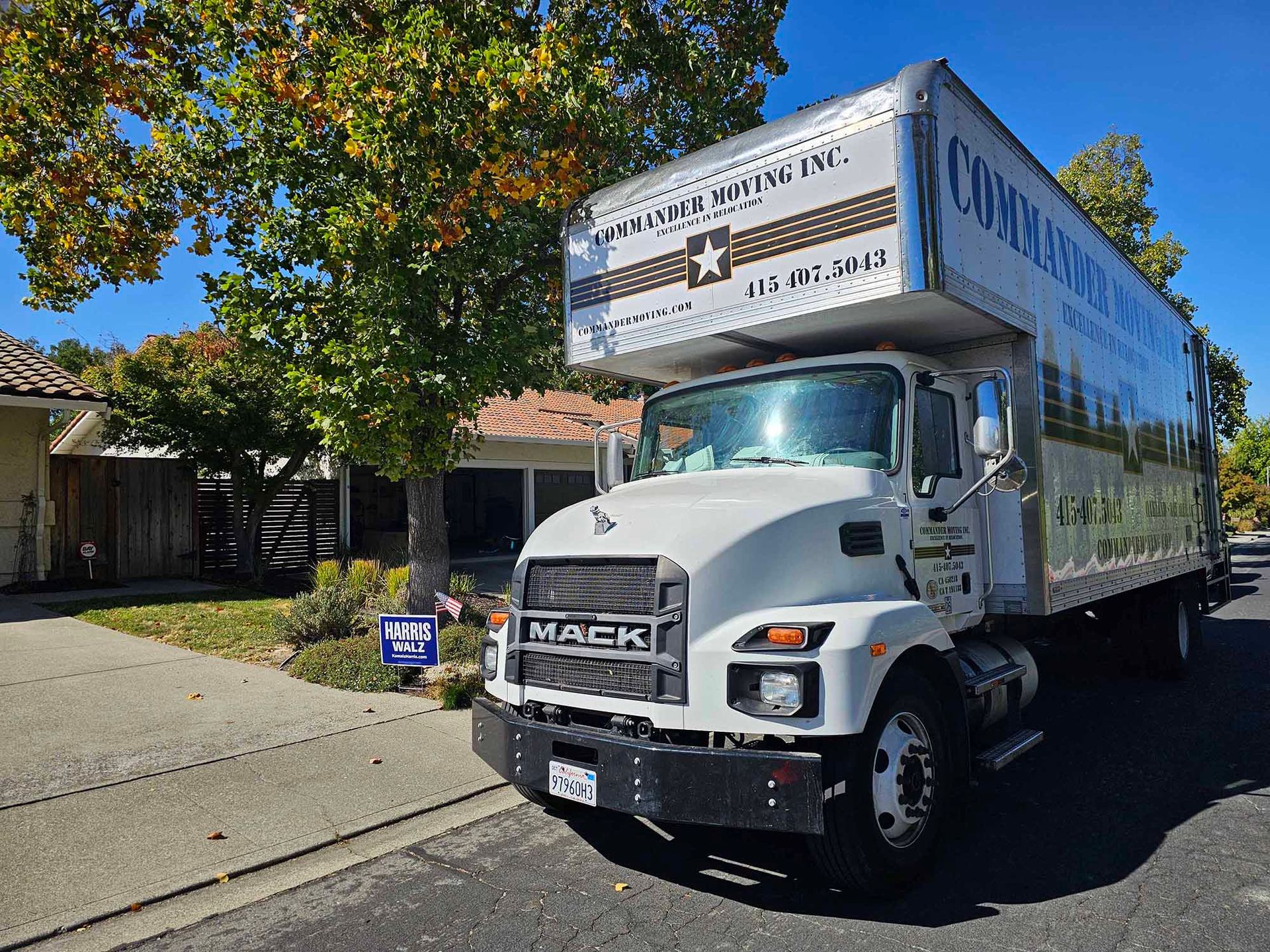
A moving company estimate is an assessment of the expected cost of transporting your belongings from one location to another. It gives both you and the mover an opportunity to establish expectations before moving day.
The estimate usually considers several factors. For a local move, the company may look at the estimated number of hours required, crew size, truck requirements, travel time, and additional services. For long-distance moves, the calculation may involve shipment weight, distance, origin and destination, services requested, and other applicable charges.
The estimator is essentially trying to answer one central question: What will it take to complete this move safely and efficiently?
That requires more than knowing the number of bedrooms in your home.
Two houses with the same number of bedrooms can have completely different moving requirements. One homeowner might have minimal furniture and very few boxes. Another might have a large sectional sofa, multiple appliances, extensive bookshelves, a home gym, outdoor furniture, a workshop, and dozens of fragile items.
Access also matters. A home with a wide driveway and ground-level entrance may be easier to service than an apartment with multiple flights of stairs, limited parking, a narrow hallway, and a small elevator.
A good estimate attempts to account for these differences.
The exact process varies by moving company, but most estimates follow a similar sequence.
The process generally begins when you contact a moving company and provide basic information about your move.
You may be asked for:
At this stage, the company may provide a rough price range or schedule a more detailed estimate.
Do not be surprised if the first conversation does not result in an exact price. A responsible mover may need additional information before giving you a meaningful estimate.
The estimator will want to understand what you are actually moving.
This may involve walking through the home and identifying major furniture pieces, appliances, electronics, boxes, outdoor items, and specialty belongings.
If the estimate is performed virtually, you may be asked to use your phone camera to show each room.
This is an important part of the process because the amount of property being moved directly affects the labor, truck space, and handling requirements.
The estimator should also consider how the moving crew will access the property.
For example, they may ask:
These details can affect the time required to complete the move.
The estimator should ask what you want the moving company to handle.
You might need full-service packing, partial packing, furniture disassembly, furniture reassembly, appliance preparation, temporary storage, or specialty handling.
This is where it is especially important to be specific.
If you tell the company that you want a “full-service move,” do not assume every possible task is automatically included. Ask what the company’s definition of full service includes.
After reviewing the relevant details, the mover provides an estimate.
Depending on the company and move type, this may include labor, transportation, materials, fuel or travel charges, packing services, valuation or protection options, and other applicable fees.
Read the estimate carefully before making a decision.
An in-person estimate is one of the most straightforward ways for a moving company to understand the scope of a move.
The estimator typically walks through your home and observes the property directly.
Do not worry if the estimator wants to inspect practically every part of your home.
The purpose is not to judge how much or how little you own. It is to determine what the moving crew will need to handle.
The estimator may look inside:
If you have boxes already packed, the estimator may ask approximately how many there are and what they contain.
Furniture and belongings that require additional labor may be specifically noted.
Examples include:
These items can require extra workers, special equipment, additional time, or specific handling procedures.
The estimator may also inspect entrances, stairways, elevators, driveways, gates, and walkways.
This is particularly important for large furniture.
A couch may fit comfortably inside a living room but still be difficult to remove if the doorway is narrow or the hallway has sharp turns.
Identifying these problems before moving day gives the company an opportunity to plan appropriately.
Virtual estimates have become increasingly common because they can save time and eliminate the need for an estimator to physically visit your home.
The process typically involves a video call.
The estimator may ask you to walk through the home while showing each room through your smartphone or computer.
It is easy to underestimate what needs to be shown during a virtual estimate.
Do not only point the camera at large furniture.
Show closets, cabinets, garages, storage areas, outdoor furniture, sheds, basements, attics, and other locations where belongings are stored.
If you have boxes already packed, show them as well.
The goal is to give the estimator as complete a picture as possible.
You should also show the areas outside the home.
For example, demonstrate:
This helps the mover anticipate potential challenges.
The quality of your estimate depends partly on the quality of the information you provide.
Be honest and complete.
It can be tempting to leave out items because you assume they will not make much difference.
However, a few “small” omissions can become significant when combined.
For example, a garage filled with tools, storage bins, bicycles, lawn equipment, and shelves can represent substantial additional work.
If you plan to move it, include it in the estimate.
Tell the estimator whether you intend to pack everything yourself or want the movers to handle some or all of the packing.
Packing services can involve different levels of assistance.
You may want the crew to pack the entire home, only the kitchen and fragile items, or only certain specialty belongings.
Clarify exactly what you need.
If you own something valuable, unusually heavy, fragile, oversized, or difficult to transport, mention it early.
This includes items such as artwork, antiques, musical instruments, safes, gym equipment, large appliances, and delicate electronics.
The mover needs accurate information to determine how these items should be handled.
One of the biggest advantages of a detailed estimate is that it gives you an opportunity to identify possible additional charges before moving day.
For many local moves, labor represents a major portion of the cost.
The estimate may account for the number of movers and the estimated number of hours.
Ask whether there is a minimum number of hours.
A company may have a two-, three-, or four-hour minimum even if your move takes less time.
Some companies charge travel time or transportation-related fees.
Ask how these charges are calculated.
For example, a local moving company might charge for travel from its facility to your property, mileage, or time spent driving between locations.
Stairs can require additional labor and increase the time needed to complete the move.
Ask whether stair charges apply to every flight or under particular circumstances.
A long carry may occur when the moving truck cannot park close to the building entrance.
The crew then has to carry furniture and boxes over a longer distance.
This can increase both labor time and physical effort.
Some buildings require movers to use elevators.
Depending on the circumstances, elevator use may involve additional time or building-related charges.
The estimate should explain whether these costs are included.
Boxes, tape, paper, bubble wrap, mattress cartons, specialty cartons, and protective materials may cost extra.
Ask whether packing materials are included in the quoted price.
Packing is often priced separately from transportation and moving labor.
If you want the movers to pack your belongings, make sure the estimate clearly identifies the packing services being provided.
If your belongings need to be stored before delivery, storage can add another layer of costs.
Ask about monthly storage rates, transportation into and out of storage, access fees, and any other related charges.

Understanding the type of estimate you receive is extremely important.
A binding estimate generally establishes a specific price under the conditions described in the agreement.
However, you should still read the terms carefully because changes to the move or additional services can affect what you ultimately pay.
A non-binding estimate is an approximation rather than a guaranteed final price.
The actual cost can differ depending on the circumstances of the move.
For example, if the actual shipment weighs more than estimated or you request additional services, the final amount may be higher.
Never assume that the number at the bottom of an estimate is the absolute maximum you will pay.
Ask:
“Under what circumstances can this price increase?”
That simple question can reveal important information about additional charges and conditions.
A written estimate should be clear enough for you to understand what you are paying for.
Depending on the type of move, it may include:
If something is unclear, ask before signing.
A professional company should not pressure you to sign a document you do not understand.
Not every inexpensive estimate is a good deal.
Some behaviors should make you pause.
A quote that is dramatically lower than every other estimate may seem attractive, but it deserves additional scrutiny.
Ask why the price is so much lower.
It could be legitimate, but it could also mean that certain services or fees have not been included.
Be cautious if the estimator gives you a vague number without explaining how it was calculated.
A professional mover should be able to explain the major components of the estimate.
You should have time to review your estimate.
High-pressure sales tactics are unnecessary.
Be cautious if someone insists that you must sign immediately or claims that the price is available only for a few minutes without a reasonable explanation.
Statements such as “there may be some extra fees” are not helpful unless the company explains what those fees are and when they could apply.
Ask for specifics.
Your belongings deserve appropriate protection during the move.
Ask what liability or valuation options are available and what limitations apply.
Getting multiple estimates can help you understand whether a quote is reasonable.
However, do not compare only the final numbers.
One company may quote transportation only, while another includes packing, furniture disassembly, protective materials, and additional labor.
The second quote may look more expensive but actually provide significantly more value.
Look at how each company calculates its price.
If one estimate is hourly and another is based on a different pricing structure, you need to understand the assumptions behind both.
Look carefully for charges related to:
A low base price can become less attractive once additional fees are added.
A little preparation can make the estimate more accurate.
If you already know that you will donate, sell, or discard certain belongings, remove them from the moving inventory before requesting the estimate.
There is little reason to pay to transport items you do not intend to keep.
You do not necessarily need a perfect item-by-item list, but having an overview of your belongings can help.
Make note of major furniture, appliances, specialty items, and approximate box quantities.
If you plan to transport valuables, documents, jewelry, personal electronics, or other belongings yourself, make that clear.
This helps the estimator avoid including items that will not be transported by the moving company.
Write down questions before the appointment.
Moving estimates can involve a lot of information, and it is easy to forget something once the conversation begins.
After the estimate, review the documents carefully.
Do not make a decision based solely on the estimator’s verbal explanation.
Look at the price, services, dates, conditions, fees, and payment requirements.
If something does not match what you discussed, contact the company before booking.
If you see a charge you do not understand, ask about it.
If the estimator said packing was included but the written estimate does not mention it, get clarification before signing.
Written documentation matters.
Once you decide to proceed, make sure the moving date and pickup or arrival window are clearly documented.
Do not assume that a conversation automatically constitutes a confirmed booking.
The estimate is only one part of preventing unexpected charges.
You also need to communicate changes.
If you purchase additional furniture after receiving the estimate, tell the mover.
If you decide to add packing services, notify the company.
If your new apartment changes and now has stairs instead of an elevator, update the mover.
Changes can affect the amount of labor required.
The safest approach is simple: tell the moving company about significant changes as soon as possible.
A moving estimate should help you plan realistically.
An artificially low estimate may look appealing at first, but it can create serious budgeting problems if the final cost is substantially higher.
A more detailed estimate may initially appear more expensive because it accounts for the actual scope of the move.
That does not necessarily mean the company is charging too much.
Instead of asking only, “Who is cheapest?” ask:
“Which estimate most accurately reflects what I actually need?”
That is a much better way to compare movers.
Estimates can change when the circumstances of the move change.
For example, the final cost could be affected by:
If the company says the price needs to change, ask why.
Request an explanation of what changed and how the new amount was calculated.
Do not be afraid to ask for documentation.
Clear communication between you and the moving company can prevent many misunderstandings.
Confirm the following before moving day:
If possible, keep important communications and documents organized in one place.
A good estimate should leave you feeling informed rather than confused.
You should understand:
The estimator should also be willing to answer reasonable questions.
Transparency is one of the most valuable qualities to look for in a moving company.
A moving estimate is much more than a number on a piece of paper. It is an opportunity to understand exactly what your move will involve, how the moving company calculates its charges, what services are included, and what circumstances could affect your final cost.
During a typical estimate, the company may review your inventory, inspect access conditions, discuss packing and specialty services, evaluate transportation requirements, and prepare a written price. The more accurate and complete the information you provide, the more useful the estimate is likely to be.
Remember to show the estimator everything you intend to move, including belongings in garages, attics, storage spaces, sheds, and outdoor areas. Mention oversized or fragile items and explain any unusual access conditions at either property.
Most importantly, read the estimate carefully. Ask whether it is binding or non-binding, what fees are included, what charges can be added, and what happens if you need to cancel or reschedule. Compare estimates based on the complete scope of services rather than choosing the company with the lowest initial number.
A professional moving company should make the estimating process straightforward and understandable. When you know what to expect and ask the right questions, you can enter moving day with a clearer budget, fewer surprises, and greater confidence in the company you selected.
The length depends on the size and complexity of the move. A small move may be assessed relatively quickly, while a larger home with many belongings or specialty items can require considerably more time. The estimator should take enough time to understand the actual scope of the job rather than rushing through the property.
Not always. Some companies offer virtual or remote estimates that allow you to walk the estimator through the property using a phone or video call. However, for some moves, an in-person assessment may provide a more detailed evaluation.
Your home does not need to look perfect. The important thing is that the estimator can see the belongings that will be moved and access relevant areas. If clutter is hiding items in closets, garages, or storage spaces, it can make the estimate less accurate.
Yes. If you intend to move the contents of your garage, make sure they are included in the estimate. Tools, equipment, shelving, bicycles, storage bins, and outdoor items can add considerable volume and labor.
Some moving companies provide phone estimates, particularly for smaller or simpler moves. However, a phone estimate depends heavily on the accuracy of the information you provide. For larger moves, a visual survey may give the company a better understanding of the actual requirements.
Not necessarily. The answer depends on the type of estimate and the terms of the agreement. A binding estimate may establish a specific price under stated conditions, while a non-binding estimate is generally an approximation. Changes to the move can also affect the final amount.
Ask the company to explain how the price was calculated and what services and fees are included. Compare it with other detailed estimates. An unusually low quote is not automatically bad, but you should understand why it is lower before booking.
They may, depending on the company’s pricing structure and the type of move. Ask whether stair charges apply, how they are calculated, and whether they have already been included in your estimate.
A long-carry situation occurs when movers must transport belongings a significant distance between the truck and the property’s entrance because the truck cannot park nearby. Ask the mover whether long carries are charged separately or included in the estimated labor.
Getting multiple estimates can be useful because it gives you a better understanding of typical pricing and service differences. Try to compare estimates based on the same information and requested services so that you are making a meaningful comparison.