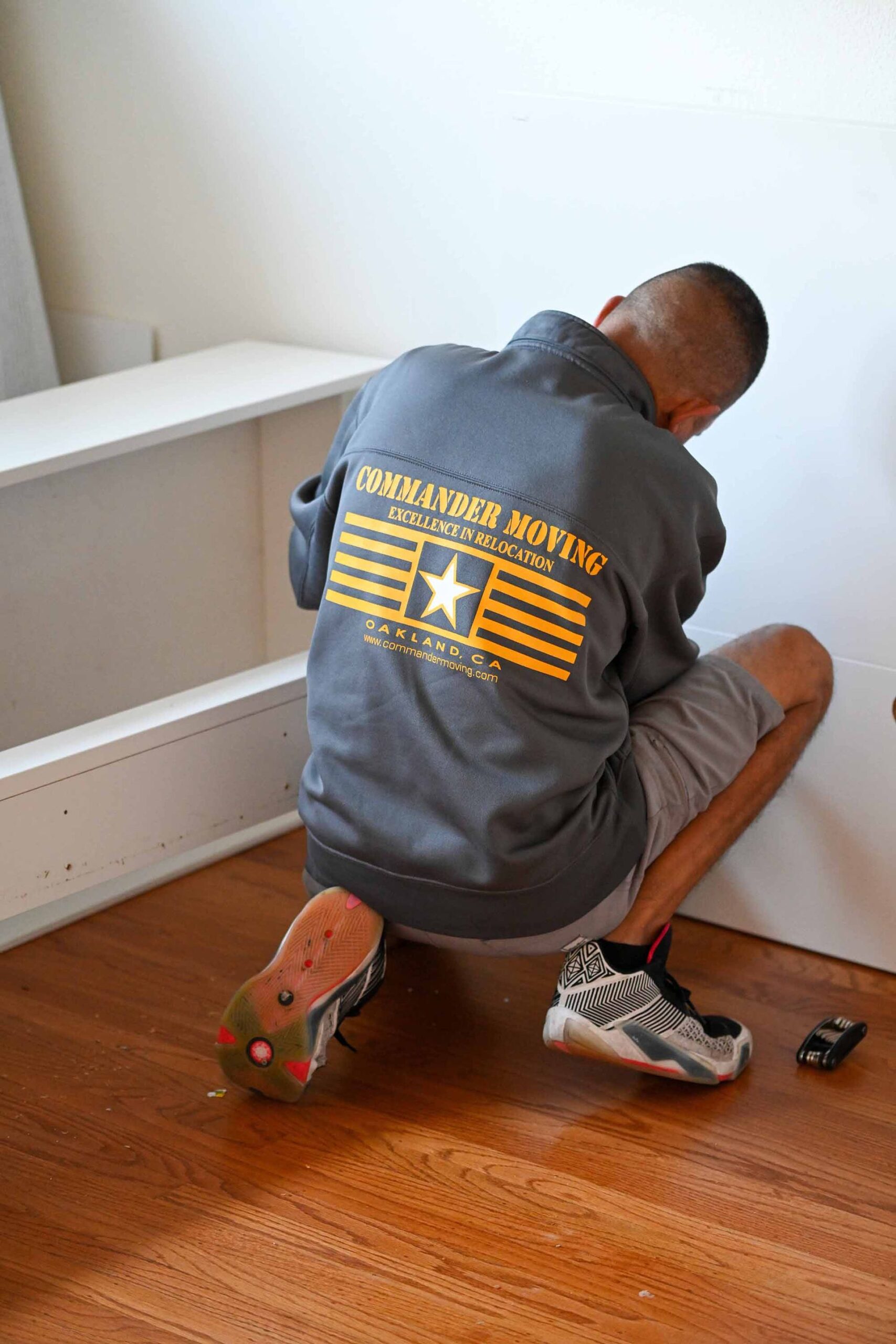
What do residential movers use to cover furniture and protect valuables? Residential movers protect furniture and valuable belongings by wrapping wood and glass with moving blankets and stretch film, using custom crates for artwork and fragile electronics, and anchoring large pieces with straps inside the truck. Residential movers safeguard furniture and valuables by recording item condition through photos and inventories and providing insurance plans based on declared values. Crews employ weight distribution and non-slip matting to avoid shifting in transit and a steady cadence in handling to minimize drops. For high-value items, movers use climate control and tamper-evident seals when necessary. The text describes special materials, methods, and how to select movers according to them.
Key Takeaways
- Movers take a multi-step approach to protecting your furniture and valuables, starting with an inventory and concluding with delivery. This includes careful wrapping at every stage.
- Professional materials and equipment such as bubble wrap, furniture pads, shrink wrap, dollies, and straps are used in item-specific ways to protect wood, glass, upholstery, electronics, and artwork.
- Expert methods include dismantling oversized furniture, locking drawers and doors, custom crating for artwork, and transporting electronics upright to minimize jostling and prevent damage while loading and on the road.
- Such a plan for loading and transit sets heavies low, clusters staples for quick access, preserves temperature as necessary, and prioritizes gentle driving and frequent load inspections to ensure everything stays put.
- Movers value home protection by utilizing floor runners, corner guards, and door jamb protectors. They strategically measure and sometimes modify routes to accommodate bulky pieces. They clean up after themselves to avoid damaging property.
- Customers should confirm mover training and liability coverage, inventory valuables before the move, note special handling requests, and maintain detailed paperwork to facilitate claims if items are lost or damaged.
What Is The Protection Process?
Protection starts with pre-move planning and evaluation, where professional movers take extra precautions to ensure the safe transportation of valuable possessions. The aim is to mitigate hazards, avoid injury, and arrive safely at your new home.
The Assessment
- Take a complete walkthrough to identify delicate, high-value, or large items that require special care.
- Protect: What is the Protection Process?
- Create a comprehensive packing list, label items with special handling instructions and declared value.
- Rough out a room-by-room strategy that puts packing, loading, and unloading in sequence to minimize double handling.
Thinking connects design to doing, especially when hiring professional movers for relocating large furniture. Being aware of scale and taking proper precautions ahead of time saves time and reduces risks.
The Materials
Protect with quality boxes, bubble wrap, packing paper, corrugated pads, and moving blankets matched to item type. Shrink wrap and mattress bags shield fabric and finishes from dirt and moisture during transit. Foam corner guards and rigid edge protectors protect glass and wooden corners. Resistant wrap keeps polish safe. Hand trucks, appliance dollies, moving straps, and floor runners minimize wear and tear and prevent scuffs. Verify equipment is rated for capacity before use.
It matters what material you put down on each surface. Delicate china deserves more padding than a hardback novel.
The Techniques
Protect breakables with several wraps and pad stress points. Disassemble bed frames, large tables, and removable legs as necessary to slip through tight doorways and lower the center of gravity. Wrap drawers and doors with stretch film or tape so they cannot open on the road. Employ team lifts, lifting straps, and leverage points for safes and appliances to maintain handling that is controlled and safe.
Technique unites brawn and the way. Well tied and balanced prevent shifting and tearing.
The Loading
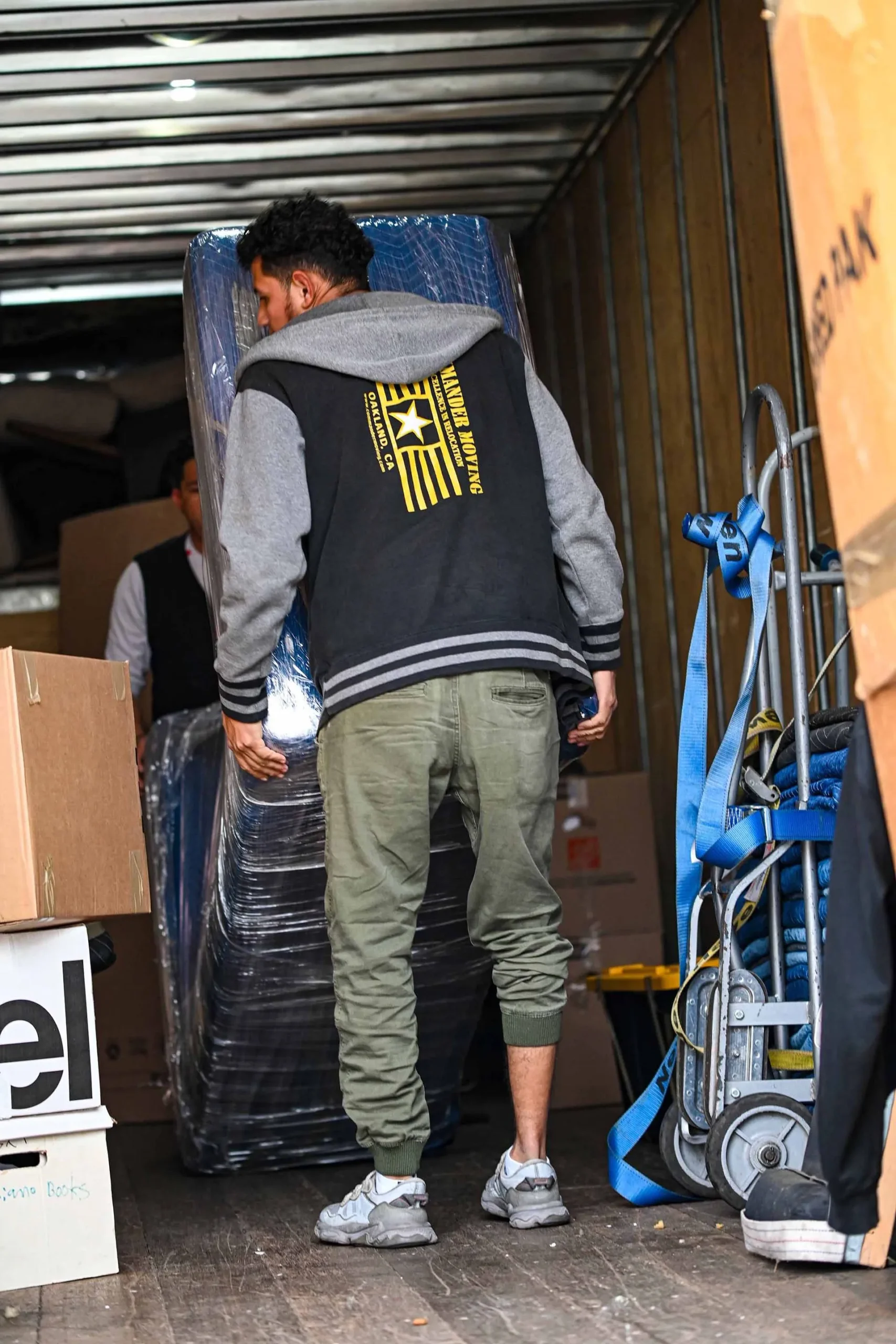
Set in heavy furniture and appliances first to create a solid foundation. Heavier items belong at the bottom of the truck. Load in layers: durable, heavy items, sturdy boxes, then fragile boxes and soft items on top. When you protect, you use straps and load bars to secure pieces and reduce shifting while traveling. Protect your basics and high-ticket items for easy access when you arrive.
A thoughtful packing arrangement keeps things from tipping over and makes it easier to unload when you arrive.
The Transit
ABOUT YOUR PROTECTION PROCESS: Inspect while stopped to ensure load stability and re-tension straps if necessary. Climate control is crucial for delicate belongings, such as electronics and fine art, as temperature or humidity could damage them. Inform homeowners about potential delays so they can prepare for the organized transportation of their valuable possessions and minimize wait.
Protecting Special Items
In residential moves, it is crucial to have a plan for protecting valuable possessions that hold either high monetary or sentimental value. The table below outlines typical special items, their care requirements, and how professional movers usually ensure careful packing and organized transportation during packing, transport, and unpacking.
Item Type | Handling Requirements | Protective Materials/Techniques |
Fragile glassware & ceramics | Individual wrap, avoid stacking, place on top of heavier items | Bubble wrap, packing paper, double-walled boxes, foam inserts |
Valuable art & sculptures | Custom crating, minimal handling, climate control if sensitive | Crates, padded coverings, VPI boards, climate-controlled truck |
Large electronics | Disconnect safely, protect screens and circuitry, keep upright | Original boxes, anti-static bags, foam corner protectors, straps |
Heirlooms & photos | Extra padding, secure transport, document condition | Acid-free paper, cushioned boxes, labelled archival boxes |
Antique furniture | Disassemble when possible, protect finishes, steady placement | Furniture pads, moving blankets, shrink-wrap, corner protectors |
Fragile Goods
Wrap each glass and ceramic item separately. Use at least three layers: tissue or packing paper against the surface, then bubble wrap, then a final cushion layer. If you can, put chips or parts in little sealed bags and tape them to the piece.
Identify boxes with obvious FRAGILE labels and the room destination. Movers require notes to place these boxes on top of heavier piles. Use double-walled boxes or specialty cartons for bearing weight. Pack fragile boxes so they cannot get crushed, with a reminder to unpack important breakables first.
Valuable Art
Custom crates minimize movement and provide shock resistance. Crate dimensions fit artwork with 25- to 50-mm foam barriers. Limit transfers by planning a single path from home to truck and from truck to final wall to avoid extra handling.
Ensure pieces sensitive to humidity or temperature shifts are shipped via climate-controlled transport. Coordinate unpacking and placement decisions with homeowners so movers aren’t putting art in the sun or on damp walls when installing.
Large Electronics
Pack electronics in original boxes when you can. If originals are lost, construct fits with foam inserts or corrugated partitions. Wrap screens in soft cloth and then bubble wrap. Place cords and accessories in labeled bags taped to the units.
Stand electronics up and away from heavy items, and strap them in to keep them from tipping. Cover sensitive components with anti-static materials. Note the condition of items and take pictures, both pre-move and post-move, for insurance issues and peace of mind.
The Mover’s Mindset
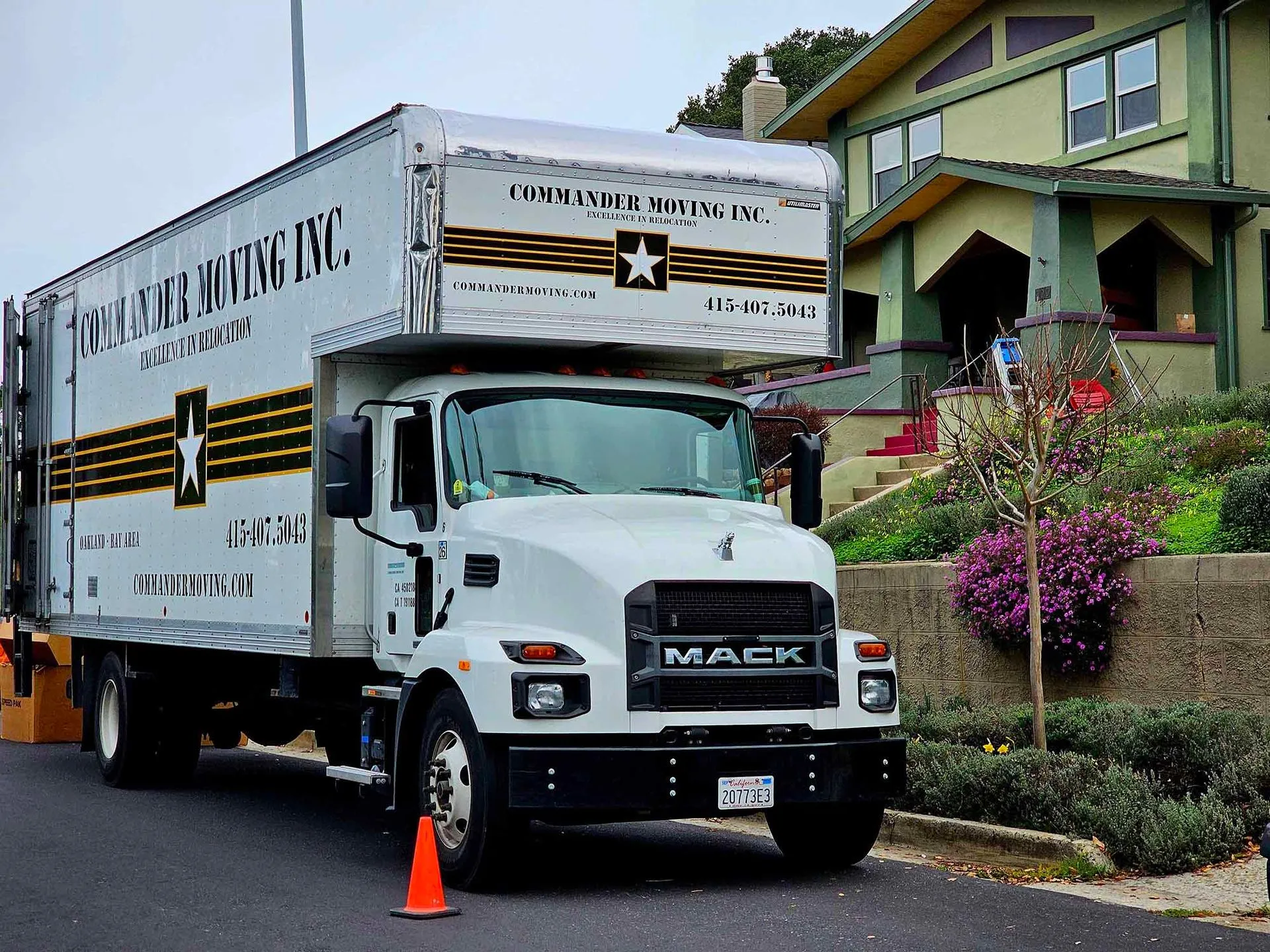
Movers have a philosophy, a collection of common beliefs and practices that prioritize clients’ belongings and inform every decision in a move. This mindset shapes accountability, communication, preparation, and real-time troubleshooting so that large furniture pieces, family portraits, and other valuable possessions are considered a priority from collection to hand-off.
Professional Training
Training starts with safe lifting and ergonomics to minimize injury and safeguard valuable possessions such as heavy furniture. Local movers learn to lay heavier items on the truck floor and strap them down first to create a foundation for lighter boxes and fragile pieces. They practice careful packing that employs proper packing techniques, such as bubble wrap, furniture pads, corrugated sheets, and reinforced boxes, to prevent surface abrasion and stress points. Lessons include expert handling techniques for antiques, electronics, and framed art, as well as the use of dollies, straps, appliance skids, and moving blankets. Employees are trained to interpret labels as visual signals for fragility or priority and to adhere to established guidelines for wrapping, padding, and strapping to minimize movement during transportation. Continued drills and reviews ingrain risk recognition so crews see weak corners, overloaded bins, or bad weight distribution before loading.
Problem Solving
Anticipation of obstacles begins in the survey: professional movers note tight entryways, narrow hallways, and tricky staircases to plan route options and tool needs. When plans shift, teams adjust loading techniques and toolsets to the home’s blueprint and client’s stock, deploying a stair slider and additional crew for a bulky cabinet or disassembling legs for passage through doorways. Inclement weather has the potential to cause excess complications on moving day, so crews pile tarps, quick-dry pads, and covered pathways to ensure valuable possessions remain dry and clean. If rubble or a last-minute pickup surfaces, the crew pivots, re-sequencing loads, adding padding, or coordinating an additional run while maintaining fragile pieces isolated and labeled for preferential treatment.
Careful Communication
By demystifying the moving process and explaining how their valuable possessions are protected, we create trust, which eliminates surprises. Our clients receive briefings on timing, our labeling system, and where large furniture will travel in the truck. Movers send status reports and log unexpected issues so homeowners remain in the loop, and they hear concerns about keepsakes, capturing and communicating special notes to the full crew. Thoughtful tagging helps you find key items rapidly upon arrival and facilitates gentle treatment across handoffs.
Protecting Your Home
Protecting the home during a relocation is something that requires some preparation before your local movers arrive and some discipline on move day. Good planning, the correct materials, and careful packing minimize the possibility of damage to floors, walls, and doorways, ensuring the safety of valuable furniture.
Floor Protection
To ensure a secure environment during your relocation, place floor runners, heavy-duty cardboard, or thick plastic sheeting over all paths that local movers will patrol and dollies will roll. Use coverings with non-slip tape to hold flat. For hardwood and tile, put protective blankets beneath large furniture as you slide them to prevent gouging floors. For carpeted surfaces, lay sheets of plywood or runner pads under dollies to distribute weight and avoid pile crushing.
Choosing furniture dollies with soft rubberized wheels is essential; check the wheel bearings since rough wheels can leave marks and track in grit onto delicate finishes. When moving large appliances, lift slightly and slide on sliders or roller pads. Avoid dragging, as sliding concentrates the force and causes scuffs. Clear debris immediately and pull covers back as you go to prevent tripping hazards and keep dust from settling into flooring.
Weather: Stage covered walkways from door to truck when rain or snow is in the cards. Dampness increases slip potential and, in combination with dirt, leaves a floor stained.
Wall Protection
Place foam corner guards and adhesive runners at tight turns, hall corners, and stair wells to absorb the blow of high or cumbersome objects. Wrap chairs, dressers, and appliances in moving blankets and secure with stretch wrap, which prevents both surface damage to the item and to painted drywall when items shift. For cramped hallways, do a dry run. Measure and calculate possible rotation angles to avoid wrestling.
Tell movers to lift, not slide, and to employ spotters by weak wall areas. Keep an eye on points of contact. A minor scuff spotted early is way easier to fix than a full-blown dent.
Doorway Protection
Install padded door jamb savers and frame guards at every entrance used during the move. Measure big pieces and check them against door and hallway clearances. If clearance is close, take off room doors or door handles to get a few more centimeters. Take spotters when maneuvering sofas, mirrors, or wardrobes through doorways to avoid banging.
Anchor heavy furniture first in the truck to create a base and mark boxes clearly so key or delicate items aren’t buried. Each load must be tied down before leaving, or it may shift during transit.
Understanding Mover Liability
Professional movers play an important role in ensuring the safe handling of your valuable possessions during a relocation. They are required to use proper packing techniques and appropriate equipment to mitigate risks and prevent accidents, as they can be liable for damage or loss resulting from negligence. Understanding coverage options is essential for protecting your belongings.
Levels Of Liability Coverage
Coverage Type | What It Pays | Typical Cost | When It Applies |
Released Value Protection (Basic Carrier Liability) | About $0.60 per pound per item | Usually free or minimal | Default for many moves unless upgraded |
Full-Value Protection (Mover choice) is crucial for safeguarding your valuable possessions during a move. It allows customers to repair, replace, or receive payment for the full current value of their items. This option is typically the most expensive, usually a percentage of the shipment value, and must be chosen and paid for before the move. Third-party insurance differs by policy and can provide full replacement coverage, but it varies and may need to be purchased separately from insurers outside the mover.
Released Value Protection, also known as Basic Carrier Liability, limits payouts to approximately $0.60 per pound per item, which often underpays for delicate belongings. In contrast, Full-Value Protection insures the item’s fixed value, whether repaired or replaced, or reimburses the depreciated value depending on the carrier. The type of coverage you select sets the compensation cap, making it essential to examine your options thoroughly.
Customers must examine coverage options and pre-declare valuables in writing. Examples include listing fine art, antiques, jewelry, or high-end electronics and providing receipts or appraisals. Making a list of what’s being moved ensures it is counted and priced into any protection plan. If acts of nature cause damage, movers typically aren’t responsible unless the customer secured broader coverage such as full-value or third-party policies.
If damage or loss occurs, claim immediately and gather evidence. Photograph the items, retain all packing lists and delivery receipts, and observe the packaging and the truck. Claims need inventories, value verification through receipts or appraisals, and specific damage descriptions. Federal regulations give you as long as nine months to make interstate claims, but movers sometimes enforce 30- to 90-day windows, so read the fine print and move fast.
Preventive steps can significantly reduce both risk and disputes during the moving process. Photographing and inventorying your important belongings, using sturdy boxes and quality padding, labeling fragile items, and attending the pre-move survey to confirm handling plans are all vital. These activities not only strengthen your assertions but also reduce the risk of preventable problems during your relocation.
Navigating Unforeseen Challenges
Movers prepare for the scheduled and adjust for the unscheduled, especially when handling large furniture pieces. Weather, traffic, and access restrictions alter the moving process and demand decisive decisions regarding proper packing techniques and protective methods to ensure the safe handling of valuable possessions during the relocation.
Prepare for Unexpected Situations Such As Inclement Weather, Traffic Delays, or Access Restrictions At Either Location.
Assess weather forecasts and have weather-specific gear ready: tarps, shrink wrap, rubber floor runners, and waterproof mattress covers. On rainy days, wrap upholstered items in plastic to ensure safe handling and keep cardboard off wet surfaces to avoid soaking. For snow or ice, add traction mats and salt to reduce slips. When planning your relocation, build buffer time into the schedule for traffic delays and set mile-based check-ins so teams know when to slow down or reroute. When access is limited, narrow stairwells or remote driveways, use flatbed dollies and proper equipment to facilitate the transportation of large furniture pieces, taking care to avoid causing any damage during the move.
Adjust Moving Plans Quickly to Accommodate Last-Minute Changes in Schedule, Route, or Client Requests.
Use a decision tree for common changes: if the route is blocked, choose a pre-mapped alternate. If the pickup is delayed, shift loading priority to fragile items and valuable possessions. Load heavier items first when the clock is ticking, ensuring proper packing techniques are followed. Get them on the truck and secured with load bars at the bottom, allowing you to stack lighter boxes and delicate belongings on top. Keep bonus packing supplies, bubble wrap, furniture blankets, and proper equipment on hand so that the organized transportation of your belongings remains manageable under stress.
Maintain Open Communication With Homeowners To Manage Expectations And Reduce Stress During Challenging Moves.
Define arrival windows and alert homeowners to delays while describing trade-offs when time is tight. Employ systematized tagging so customers can locate essential belongings quickly. Provide easy timelines and verify fragile lists verbally and in writing. Better time management and regular updates reduce stress and preventable problems during relocations.
Rely On Experienced Movers And Proven Practices To Overcome Obstacles And Ensure a Successful Relocation.
Seasoned local movers mitigate injury by employing safe lifting techniques, team lifts, and appropriate equipment. Using quality packing supplies and organized transportation methods safeguards valuable possessions. Little rituals, such as careful packing, labeling, and securing, transform an impossible relocation into something manageable without making it a big event.
Final Remarks
Residential movers use simple, time-tested methods to protect furniture and valuables. They pad and wrap, lock pieces in place, and load trucks in a specific order. Moving companies take special care with wood, glass, and antiques. They scout routes, secure loads, and guard against moisture and heat. Movers identify household hazards such as narrow stairs and fragile floors and take measures to prevent damage. Insurance and declared value provide defined coverage and charges. Real issues are resolved through pictures, comments and quick claims.
These practices reduce breakage, save hours, and reduce anxiety. Choose movers who demonstrate this work. Demand walk-throughs, written plans, and evidence of care. Are you ready to compare quotes and references?
Frequently Asked Questions
1. How Do Movers Protect Wooden Furniture From Scratches And Dents?
Movers use moving blankets, corner protectors, and shrink wrap, along with proper equipment like dollies or straps when lifting heavy belongings, ensuring careful handling to prevent dragging and minimize damage during transportation.
2. Will Movers Wrap And Box Fragile Items Like Glass And Artwork?
Yes. Professional movers use quality packing supplies such as acid-free paper, bubble wrap, and strong boxes for careful packing. They also implement organized transportation strategies to prevent shifting and label boxes containing delicate belongings as fragile.
3. How Do Movers Secure Heavy Items Inside The Truck?
Professional movers use straps, load bars, and non-slip mats to secure heavy belongings. They construct a solid loading strategy to avoid movement, which reduces impacts during transportation and safeguards every valuable possession.
4. What Protection Do Movers Offer For Electronics And Appliances?
Movers take important precautions by disconnecting, draining, and securing loose components. They use proper packing techniques to pack electronics in original boxes or well-padded boxes with anti-static material, ensuring safe handling during transportation.
5. Are There Extra Measures For High-Value Or Sentimental Items?
Yes. They provide custom crating, white-glove service, and organized transportation. You can have local movers do special handling and extra insurance for peace of mind.
6. How Do Movers Protect My Home During Loading And Unloading?
During relocations, professional movers install floor runners, stair treads, and corner protectors while using shoe covers and door jamb guards to prevent accidents and protect valuable possessions.
7. What Should I Do If Items Are Damaged During The Move?
As soon as it’s safe, document damage to your valuable belongings and report it to the moving company. File a claim with photos and inventory info, ensuring you verify your mover’s liability coverage and any purchased insurance for proper precautions.
Give Your Body The Time And Space To Rest, Recover, And Restore
When life feels nonstop, your body often carries the stress long after the day is over. Tight muscles, fatigue, tension, and mental overload can all be signs that it’s time to slow down and recharge. At The Sanctuary Holistic Healing Center, our approach to Rest, Recovery, and Restoration is designed to help you step away from the demands of everyday life and give your body the care it needs to reset.
Each session is personalized around how you’re feeling and what your body needs most. Through holistic therapies such as massage, cupping, Gua Sha, infrared light therapy, breathwork, and other supportive techniques, we create a calming experience focused on releasing tension, encouraging relaxation, and supporting your body’s natural recovery process.
Rest isn’t something you have to earn. It’s an important part of feeling your best. Whether you’re recovering from physical strain, navigating a stressful season, or simply feeling worn down, making space for intentional recovery can help you feel more grounded, refreshed, and ready for what’s next.
Schedule your session with The Sanctuary Holistic Healing Center today and make time to rest, recover, and restore.
Disclaimer
The materials available on this website are provided for general informational and educational purposes only and are not intended as legal, financial, moving, storage, or professional advice. Every move is different, and you should contact a qualified moving professional regarding your specific relocation needs, timelines, pricing, storage requirements, or specialty moving concerns.
Do not act or rely solely on the information contained on this website without first speaking directly with Commander Moving or another qualified professional regarding your individual situation. While we strive to keep the information on this website accurate and up to date, moving regulations, service availability, pricing, and operational details may change without notice.
Commander Moving disclaims all liability for actions taken or not taken based on any content found on this website to the fullest extent permitted by law. Use of this website or communication through this website does not create a contractual agreement for moving services unless confirmed in writing by Commander Moving.