What questions should you ask before hiring residential movers? Choosing a moving company involves more than comparing prices. Homeowners should verify the company’s credentials, understand the written estimate, review liability protection, and clarify which moving services are included. It’s also important to ask how the crew handles fragile belongings, difficult property access, scheduling changes, and potential damage claims. For California homeowners, understanding state-specific moving requirements can provide additional protection when comparing providers. This guide outlines the essential questions to ask residential movers, explains what to look for in their answers, and highlights warning signs to consider before signing a moving agreement.
Key Takeaways
- Verify the moving company’s authorization and insurance information before booking. For California household moves, check the company’s status with the Bureau of Household Goods and Services. Interstate moves also require verification of applicable federal registration and operating authority.
- Obtain a written estimate following the required assessment of your belongings. California intrastate household moves require a Not-to-Exceed price, while interstate moves may involve binding or non-binding estimates under federal regulations.
- Ask about the company’s experience with moves similar to yours, particularly when your home contains heavy furniture, fragile belongings, stairs, or other handling challenges. Confirm whether specialty services are available.
- Ask how the company coordinates the relocation from the initial estimate through delivery. Confirm the agreed services, inventory procedures, scheduling arrangements, and methods for reporting delays or damage.
- Review deposit requirements, accepted payment methods, cancellation policies, and any additional charges before signing. Make sure all agreed pricing terms appear in the written moving documents.
- Evaluate the company’s reputation through recent reviews, verifiable credentials, clear written policies, and responsive communication. Ask who will be your primary contact before and during the move.

Key Questions For Movers
Before hiring residential movers, focus on five essential areas: licensing, liability protection, written estimates, pricing, and relevant experience. These questions help homeowners compare moving companies fairly and understand what responsibilities each provider accepts. The answers should also explain how the company handles scheduling changes, difficult belongings, and potential claims.
1. Licensing
- Verify the company’s California household mover authorization through the Bureau of Household Goods and Services when arranging a California move.
- For interstate relocations, check federal registration and operating authority through the Federal Motor Carrier Safety Administration.
- Confirm the company’s business name, physical address, telephone number, and the identity of the business that will transport your belongings.
- Review available complaint information and identify unresolved patterns involving pricing, delivery, or damaged property.
Ask for the company’s applicable permit or registration number and verify it through the appropriate official database. Be cautious if the company refuses to provide identifying information, gives inconsistent business details, or cannot explain which authority regulates the proposed move. Proper authorization is an essential screening factor, although it does not guarantee that every aspect of the relocation will go as planned.
2. Insurance
Ask the moving company to explain the liability protection available for your relocation, including the standard valuation level, any additional protection options, and applicable exclusions. Valuation protection establishes the mover’s financial responsibility for covered loss or damage and is different from a separate insurance policy. Confirm how compensation is calculated, what documentation is required, and how to submit a claim.
If you’re moving artwork, antiques, musical instruments, or other valuable belongings, ask whether special handling or value declarations are required. Review any liability limitations, excluded items, and available additional protection. Photograph important belongings before moving day and confirm the applicable written claims procedure and filing deadline.
3. Estimates
Request a written estimate based on the required visual inspection of your belongings. For California intrastate household moves, review the Not-to-Exceed price, the services it covers, and the procedure for documenting customer-requested changes. For interstate relocations, ask whether the estimate is binding or non-binding and how the final charges will be determined. Confirm that the document identifies transportation, labor, selected packing services, storage arrangements, and any applicable additional charges.
Ask how long the estimate remains valid, whether any minimum charges apply, and what circumstances may require updated documentation. Confirm the expected pickup and delivery windows and how the company communicates significant delays. Homeowners coordinating a property closing or temporary accommodations should account for these scheduling considerations in their moving plans.
4. Pricing
Ask the moving company to explain the pricing method applicable to your relocation. For California intrastate household moves, distances under 100 miles may be charged by the hour, while moves over 100 miles must use weight-and-mileage pricing. Clarify how property access, additional services, scheduling changes, and other permitted charges are handled. Compare written estimates based on the same inventory and requested services.
5. Experience
Ask how long the moving company has operated and whether it has experience with relocations similar to yours. A multi-bedroom household, apartment with limited elevator access, or move involving valuable furniture may require different preparation. Review recent customer feedback and ask about any specialty handling or packing services your belongings may need. Relevant experience is useful when comparing providers, but it should be considered alongside verified credentials and written terms.
Evaluate Their Process
Ask each moving company to explain its process from the initial assessment through final delivery. The written estimate should identify the agreed services, applicable pricing method, and any additional charges permitted under the moving agreement. Obtaining estimates from multiple qualified movers can help you compare pricing and service options. Use the same inventory and relocation details for each estimate so the comparison is fair. Discuss packing, property access, furniture handling, and storage requirements before booking.
Your Home
Ask how the company will assess your belongings and the access conditions at both addresses. California intrastate household movers must conduct a visual inspection before providing a written estimate. Share information about staircases, elevators, narrow entrances, parking restrictions, and long carrying distances. Clarify whether permits or elevator reservations are required and who is responsible for arranging them. Ask what preparations homeowners should complete before the crew arrives, including clearing pathways and labeling fragile belongings. If you have concerns about staffing or security, inquire about the company’s hiring and screening policies without assuming specific procedures are in place.
Your Items
Ask for the moving company’s list of prohibited or restricted belongings, which may include hazardous materials, perishables, certain plants, and other items requiring special arrangements. Confirm whether professional packing is available, which materials are included, and what you must prepare yourself. Identify pianos, artwork, aquariums, antiques, and oversized furniture before the moving assessment so the company can explain whether it can accommodate them. Prepare an accurate inventory and document the condition of valuable belongings with photographs when appropriate. Review the applicable liability protection and claims procedures before moving day.
Your Timeline
Confirm the expected pickup date, arrival window, and delivery schedule. Ask how the company communicates significant delays or scheduling changes and who customers should contact for updates. Weather, traffic, property access, and transportation distance can affect moving timelines. If shipment tracking or regular status notifications are important to you, verify whether those services are available. Do not assume that every residential move includes real-time tracking or a mobile application.
Understand Their Team
Understanding how a moving company assigns crews can help homeowners prepare for moving day. Ask how staffing levels are determined, whether a crew leader will oversee the relocation, and how to communicate with the team. Crew size may affect both scheduling and costs when a move is priced hourly. However, the number of workers required depends on the household inventory, property access, and selected services. Confirm the expected staffing arrangements without assuming that individual employee biographies will be provided.
Who Are They?
Ask whether the moving company uses its own employees, temporary workers, or contracted crews for the services being quoted. Clarify who will supervise the move and whether the assigned team has experience with similar properties or belongings. For apartments, multi-level homes, and moves involving specialty furniture, relevant handling experience may be especially useful. The company should be able to explain its staffing approach and identify the responsible service provider, even if individual employee profiles are unavailable.
How Are They Trained?
Ask how the moving company prepares its crews to handle lifting, loading, furniture protection, and secure transportation. If your relocation involves pianos, antiques, artwork, or unusually heavy belongings, confirm whether the company has relevant experience and appropriate equipment. Training practices and specialized qualifications vary by provider, so request information about the actual procedures used rather than assuming every mover offers formal certification programs.
What About Subcontractors?
Ask whether the company that provides the estimate will also transport your belongings or whether another carrier or subcontractor may perform part of the move. If another provider will be involved, confirm its identity, applicable authorization, responsibilities, and how liability and claims will be handled. Interstate moving brokers and carriers have different roles and registration obligations. Obtain written clarification before booking rather than assuming the original company automatically accepts responsibility for every third party.

Plan For The Unexpected
Even well-planned residential moves can encounter unexpected circumstances. Traffic, weather, property access problems, and changes to a closing date may affect scheduling. Before booking, ask how the company communicates delays, documents changes to the agreed services, and responds when belongings are lost or damaged.
Delays
Ask how the moving company communicates delays or changes to arrival and delivery expectations. Confirm whether customers receive updates by telephone, text message, or email, and whether an estimated arrival window will be provided. This information is particularly useful when coordinating childcare, elevator reservations, work schedules, or access to the destination property.
Review the moving agreement to understand how delivery delays are addressed and whether any remedies apply. Ask which circumstances may affect the schedule, how the company handles significant disruptions, and who customers should contact when problems arise. Compensation for delays depends on the applicable regulations and contractual terms and should not be assumed to be available in every situation.
Damages
Ask how to submit a claim if belongings are lost or damaged during the relocation. Confirm which documents are required, how the company reviews reported damage, and which deadlines apply. Photographs, inventories, moving paperwork, and receipts may help support a claim. Review the liability protection limits and any exclusions involving fragile, valuable, or owner-packed belongings.
Obtain copies of the applicable valuation terms and ask how compensation would be determined for a covered loss. Understand the differences between basic liability, any broader available valuation options, and a separate insurance policy. If your household includes particularly valuable belongings, ask whether special declarations or additional protection are appropriate.
Cancellations
Before reserving a moving date, review the company’s cancellation and rescheduling terms. Ask whether a deposit is required, when it becomes nonrefundable if applicable, and whether changing the moving date affects availability or pricing. Confirm accepted payment methods and when payment is due. Make sure these terms are documented before making a payment.
Ask what happens if your move-out date changes or access to the destination home is delayed. A revised schedule or additional services may require updated documentation, depending on the terms of the move. If temporary storage might be necessary, confirm whether the company offers it and how storage duration, access, and transportation charges are handled.
Clarify Financial Details
Review all charges and payment requirements before signing a moving agreement. For California intrastate household moves, the required written Not-to-Exceed price establishes the maximum charge for the agreed work, subject to properly documented customer-requested changes. Interstate moves may use binding or non-binding estimates under federal rules. For an interstate non-binding estimate, the 110% rule generally limits the amount the mover can require at delivery for the estimated services, not necessarily the final total bill. Additional services and certain other permitted charges follow separate rules. Ask the mover to explain the estimate and payment obligations in writing.
Payment
Ask whether a deposit is required, how it is calculated, and when it must be paid. Deposit policies vary, so avoid assuming that a particular percentage is standard. Confirm whether the remaining balance is due before pickup, at delivery, or according to another agreed schedule. Request a list of accepted payment methods and ask whether additional processing charges apply. Obtain receipts for deposits and other payments, and compare them with the amounts and terms documented in your moving agreement.
Hidden Fees
Ask which services and charges are included in the written estimate. Potential cost considerations include packing materials, additional furniture handling, difficult property access, waiting time, storage, or customer-requested changes. Not every circumstance creates a separate charge, and any additional billing must comply with the applicable moving regulations and agreement. Review how changes are approved and documented before moving day.
Discounts
If moving costs are a concern, ask whether any currently available promotions or scheduling options may affect the price. Discounts vary by company and should never be assumed. Focus on comparing the actual written estimates, service inclusions, and applicable charges. If a promotion is offered, confirm its eligibility requirements and make sure the agreed discount is reflected in the moving documents.
Assess Company Character
Choosing a residential moving company involves evaluating more than its quoted price. Homeowners should consider how clearly the provider communicates, explains its policies, and responds to questions about potential problems. Verified credentials, detailed written estimates, recent customer reviews, and understandable claims procedures can help assess a company’s reliability. Licensing is essential, but it should be considered alongside the provider’s service record and willingness to explain its responsibilities.
Problem-Solving
Ask how the company handles common moving challenges, including unexpected access restrictions, delayed property availability, and damaged belongings. A reliable provider should be able to explain its communication procedures, claims requirements, and process for documenting changes to the agreed work. Clear answers are more useful than promises that delays, damage, or additional expenses will never occur.
Clear Service Coordination
Confirm how customers can contact the moving company before, during, and after relocation. Ask who will coordinate your move, which communication channels are available, and how important scheduling updates are delivered. For longer-distance relocations, clarify how delivery expectations and significant changes will be communicated. A company should provide understandable answers about its actual procedures rather than relying on unverified promises of dedicated representatives, tracking applications, or continuous updates.
Client Feedback
Review recent customer feedback across reputable platforms and look for recurring patterns involving punctuality, communication, pricing, and the handling of household belongings. When available, references from customers with similar relocation requirements may provide useful context. Pay attention to how the company responds to complaints and whether its written policies address common concerns. Consider reviews alongside verified credentials and the details of the moving agreement rather than relying on ratings alone.
Conclusion
Hiring residential movers is an important decision that deserves careful research and clear communication. Before choosing a company, verify its credentials, review its written estimate, understand its liability protection, and confirm which services are included. Ask about crew experience, property access requirements, scheduling arrangements, and procedures for reporting lost or damaged belongings. These questions can help homeowners compare providers more confidently and establish realistic expectations before moving day.
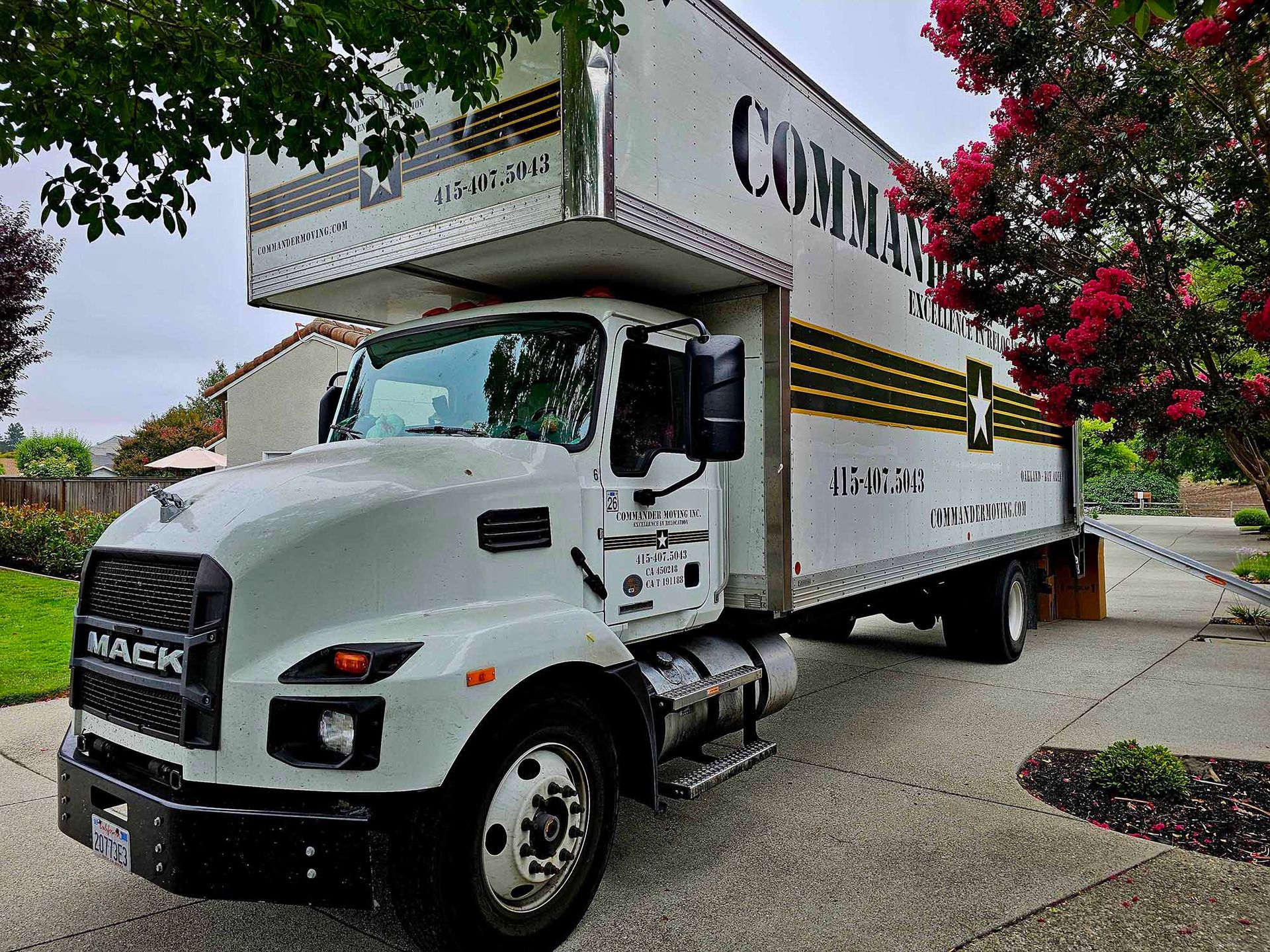
Comparing written estimates from qualified moving companies can help you identify the right combination of services, pricing, and experience for your household. For homeowners planning a relocation in the San Francisco Bay Area, Commander Moving offers residential moving services and can discuss the specific requirements of an upcoming move. Taking the time to ask informed questions is one of the best ways to prepare for an organized relocation.

Frequently Asked Questions
1. What Documents Should I Ask Movers To Provide Before Hiring?
Ask for the company’s applicable license or permit information, written moving estimate, and documentation explaining its services and liability protection. California intrastate movers must provide a Not-to-Exceed price and applicable consumer documents. Review the inventory information, payment terms, and moving agreement before signing. Keep copies of all completed documents for your records.
2. How Do I Verify A Moving Company’s Reputation?
Check the company’s authorization through the appropriate official regulator and review recent customer feedback across reputable platforms. Look for recurring concerns involving unexpected charges, delayed delivery, damaged belongings, or poor communication. For California household moves, consult the Bureau of Household Goods and Services. Interstate moving credentials and certain complaint information can also be checked through the FMCSA.
3. Should I Get A Written Binding Estimate Or An Hourly Quote?
The appropriate estimate depends on the type of move and applicable regulations. California intrastate household moves require a written Not-to-Exceed price following a visual inspection. Shorter California moves may use hourly pricing, while longer intrastate moves follow weight-and-mileage rules. Interstate moves may involve binding or non-binding estimates. Ask the company to explain how charges are calculated, what the estimate covers, and which documented changes may affect the amount owed.
4. What Insurance Or Liability Coverage Should I Expect?
Ask the moving company which liability valuation options apply to your relocation and how they differ from a separate insurance policy. Review standard protection, any broader available options, exclusions, and special requirements for valuable belongings. The rules differ between California intrastate and interstate household moves, so request the applicable terms in writing before deciding whether additional protection is appropriate.
5. How Do Movers Handle Fragile Or High-Value Items?
Professional movers may use protective wrapping, furniture padding, and suitable packing materials to help reduce damage risks. However, artwork, antiques, pianos, and other valuable belongings may require specialized handling that is not available with every moving company. Tell the mover about these items during the assessment, confirm the services available, and review any special declarations or liability limitations.
6. What Happens If The Move Is Delayed Or Items Are Damaged?
Ask how the moving company communicates significant delays and what responsibilities are established in the written agreement. If belongings are damaged, photograph the affected items, keep your inventory and moving paperwork, and submit a written claim according to the applicable procedure. For California household moves, loss or damage claims generally must be filed in writing within nine months after delivery. Confirm the relevant deadlines and requirements for your move.
7. How Far In Advance Should I Book Movers?
For a residential move, beginning the booking process several weeks in advance allows more time to compare companies and arrange the required estimates. Four to eight weeks can be a useful planning window during busy periods, especially for larger households or complex relocations. Availability varies by provider, and early booking does not guarantee a particular date or price. Confirm your reservation and scheduling terms in writing.
New Home. New Beginning. Let Our Residential Movers Handle the Heavy Lifting!
Moving into a new home should feel like the start of something exciting, not an endless checklist of boxes, heavy furniture, packing supplies, and moving-day headaches. Whether you’re upgrading to your dream home, downsizing for a simpler lifestyle, or relocating your family across the Bay Area, the last thing you want is to spend your moving day stressed about what could go wrong. At Commander Moving Inc., our experienced Residential Movers take the pressure off your shoulders, making it easier to leave the stress behind and look forward to what’s next.
Your belongings aren’t just things. They’re the furniture you’ve gathered over the years, the family keepsakes you treasure, and the everyday essentials that make a house feel like home. That’s why our professional residential moving services are built around careful handling, dependable service, and attention to detail. From packing and protecting your belongings to loading, transportation, and unloading, our team handles the hard work so you don’t have to. Whether you’re moving from a small apartment or a large family home, we’ll help make your transition as smooth and organized as possible.
Imagine arriving at your new home feeling excited instead of exhausted. No struggling with oversized furniture, no worrying about how everything will get there, and no sacrificing your weekends to manage the move alone. With over 15 years of experience serving the San Francisco Bay Area, Commander Moving Inc. helps families and homeowners move with greater confidence. From local residential moves to statewide and long-distance relocations, we’re here to help you settle into your next chapter with less stress and more peace of mind.
Ready to make your next move your easiest one yet? Contact Commander Moving Inc. today for a free residential moving estimate and let our professional movers handle the heavy lifting while you focus on making your new house a home!
Disclaimer
The materials available on this website are provided for general informational and educational purposes only and are not intended as legal, financial, moving, storage, or professional advice. Every move is different, and you should contact a qualified moving professional regarding your specific relocation needs, timelines, pricing, storage requirements, or specialty moving concerns.
Do not act or rely solely on the information contained on this website without first speaking directly with Commander Moving or another qualified professional regarding your individual situation. While we strive to keep the information on this website accurate and up to date, moving regulations, service availability, pricing, and operational details may change without notice.
Commander Moving disclaims all liability for actions taken or not taken based on any content found on this website to the fullest extent permitted by law. Use of this website or communication through this website does not create a contractual agreement for moving services unless confirmed in writing by Commander Moving.