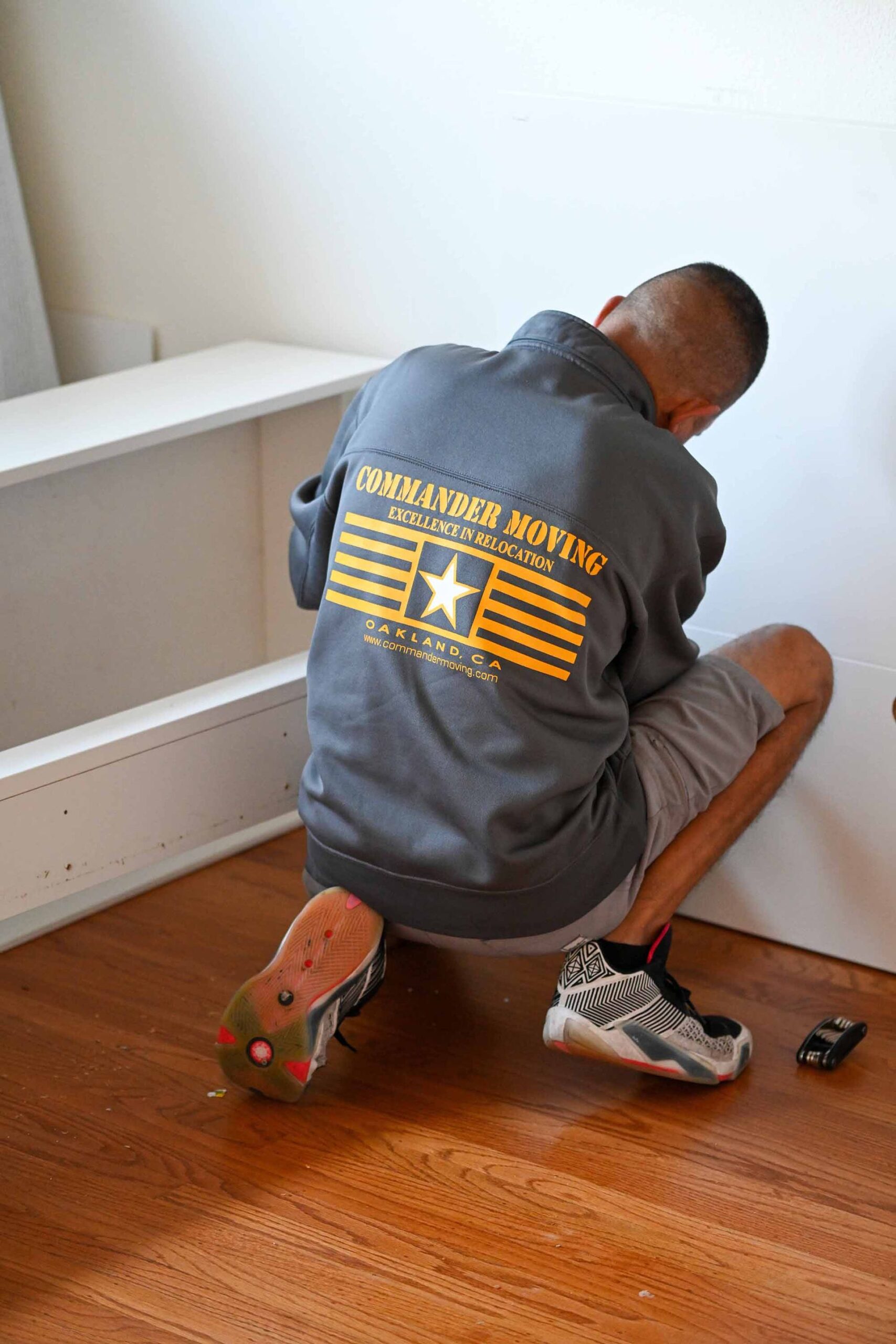
Residential movers beat DIY moving for families by minimizing physical strain, slashing overall time, and minimizing accident risk. Expert crews employ padded covers, lifting straps, and rated dollies to safeguard furniture and avoid injury. They schedule load order, optimize space in metric-sized trucks, and frequently have liability coverage for expensive materials. For families with little kids or grandparents involved, movers keep routines intact by absorbing the heavy lifting and coordination. Prices vary, but when weighed against lost work hours, practitioner bills from strains, and mangled precious items, movers are almost always worth it. The post that follows dives into cost, safety statistics, packing tips, and what to ask when you hire a residential moving company.
Key Takeaways
- Residential movers minimize hidden costs and risk by offering transparent quotes, bundled services, and insured handling. This makes comprehensive cost comparisons more straightforward and frequently more affordable than a DIY alternative.
- Putting family safety first takes the lifting and dangerous work off the shoulders of family members. This protects your kids and elderly parents while utilizing movers’ tools and precautions.
- Professional movers guard possessions with expert packing, specialized materials, and insurance choices, reducing the risk of damage, loss, and costly replacements.
- Professional movers save significant time and prevent several extra trips by maximizing truck space, staging furniture, orchestrating logistics, and operating according to a moving-day timeline. This allows families to relax and begin settling in sooner.
- It minimizes the stress and emotional toll of a move by removing the coordination burden, last-minute issues, and physical fatigue experienced in DIY relocations.
- When weighing up DIY versus professional moving, put your safety, efficiency, and peace of mind first. Ask for a free, no-obligation quote to see how true costs and services compare before making a decision.
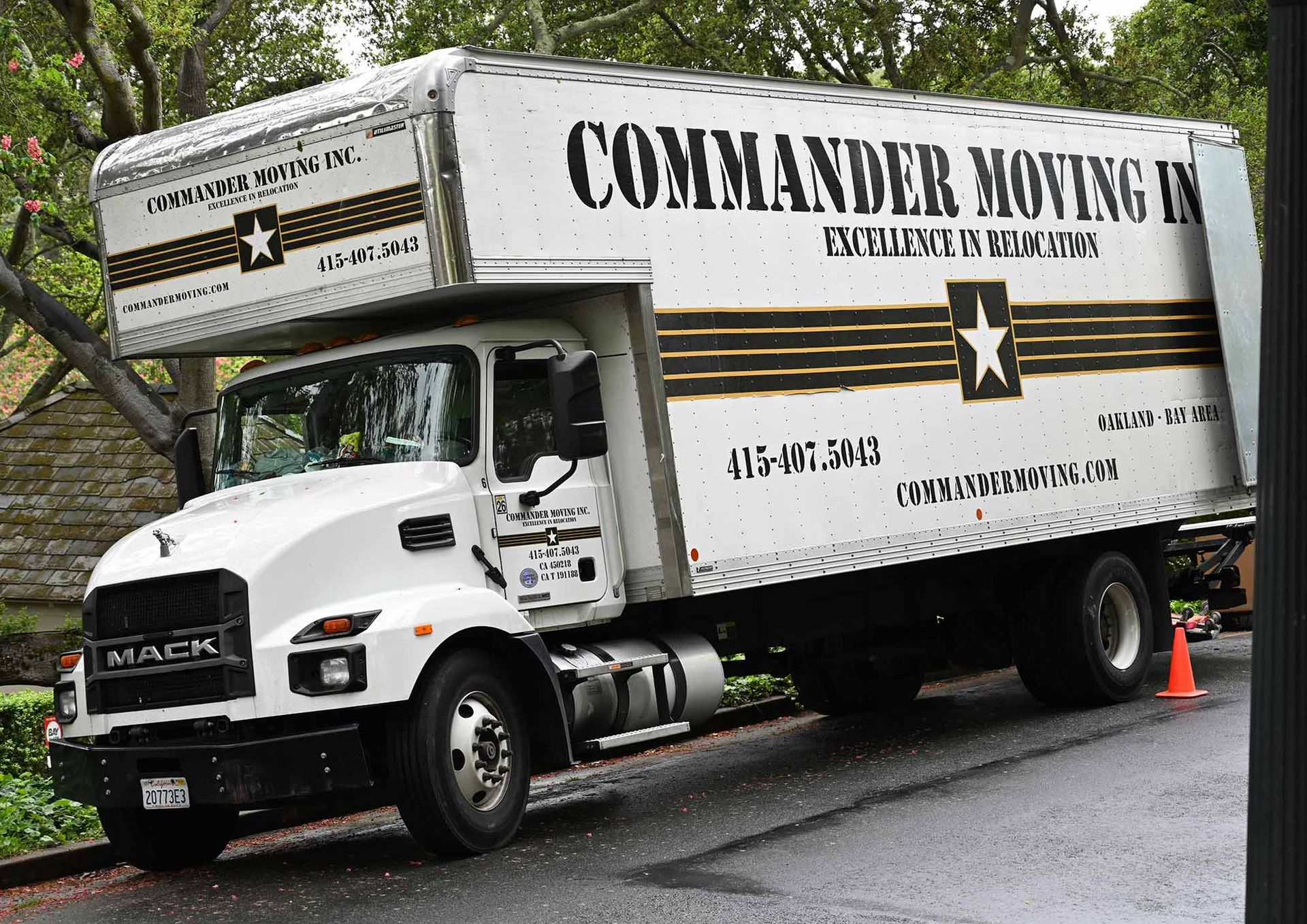
The DIY Moving Illusion
A DIY house move can look attractive on paper: a lower quote, control over timing, and the idea of doing it with family. These superficial savings frequently hide deep expenses and strain. Upfront rental truck fees, fuel, moving pads, dollies, straps, and boxes add up quickly. For a local move, expenses typically average between $300 and $500 for a studio. Studies demonstrate numerous DIY moves wind up costing between $600 and $1,000. Long-distance trips can run between $1,800 and $3,500, with some cross-country endeavors tallying up to between $2,000 and $4,000 once gas, tolls, and hotels are factored in, making the estimated cost a significant consideration.
The physical demand and safety generate their own additional strain. Moving heavy objects and furniture is hard work and poses a heightened risk of injury, particularly in homes with kids or the elderly. Average DIY move days are 16 to 24 hours, including packing, loading, driving, and unloading. Fatigue increases the likelihood of slips, drops, and back injuries. Families often enlist friends or relatives; nearly half bring in assistance. Uninformed helpers might improperly move furniture or not have the appropriate equipment, resulting in broken belongings or injury, which can add to the overall hassle of the move.
Planning the move is yet another complicated challenge that many people overlook. Route selection, vehicle size, parking permits, building loading dock rules, elevator booking, and timing windows all need to be coordinated. Urban or dense neighborhoods add parking headaches and permit requirements. Without professional help to sequence tasks and reserve required access, delays compound. This leads to stress and extra gas mileage associated with driving a big, unfamiliar truck for long distances. A bad route selection can mean hours of delay or expensive detours, making the logistical challenges even tougher.
Liability and emotional cost count too. DIY movers are 100% responsible for damaged items, lost items, and missed deadlines. According to surveys, up to 27% of DIY movers regret the decision, describing the process as stressful or even dreaded. Moving is a catalyst for loss and uncertainty, an emotional weight that mixes with the physical to generate stress and weariness. Unpacking and settling can last over a month, further extending the havoc on everyone’s schedules and work.
These hidden costs, monetary, physical, logistical, and emotional, are why so many families turn to professional help, despite the initial sticker price delta. The benefits of hiring a service move often outweigh the DIY option, providing a smoother and more efficient transition to a new residence.
Why Choose Residential Movers?
Residential movers offer a valuable service that ensures a timely relocation while safeguarding your family and belongings. Their professional help minimizes travel stress and logistical challenges, making it a worthwhile investment for a successful transition.
- Clear Cost and Obligation Quotes: Movers provide itemized estimates and binding or non-binding options so families can compare costs. For long-distance moves, this usually works out to be cost-effective. The average professional move spans from 1,800 to 3,500 or more in the same currency and can beat the hidden fees of several DIY truck rentals, gas, and incidental damage.
- One-Stop Convenience: Full-service companies handle packing, disassembly, transport, and unpacking. That takes out weeks of planning and the two to three days of back-breaking work a DIY move typically necessitates.
- Insurance and Liability: Basic liability is included with many firms, and additional coverage is available. This provides economic coverage for unintentional loss or harm and reduces individual liability.
- Specialized Handling: Movers bring the right gear for pianos, large sofas, and delicate antiques, avoiding the costly mistakes common in DIY moves.
- Predictable Timelines and Tracking: Long-distance services give estimated delivery windows and tracking, which reduces uncertainty and planning overhead.
- Professional Logistics: Trained crews optimize truck space, lowering the number of trips and the chance of damage. That efficiency can frequently save time and money on complex moves.
1. Family Safety
Expert crews from professional moving services minimize the risk of pulls, slips, and injuries while lifting your personal belongings. Movers use dollies, straps, and ramps, implementing safety protocols for stairs and elevators to ensure a successful transition. Keep kids and pets away from loading zones to reduce danger, especially in cramped apartments where the team has tricks to maneuver bulky furniture effectively.
2. Belongings Protection
Movers use foam, corrugated cardboard, and blankets for specific objects, ensuring that fragile items like delicate dishware, antiques, and electronics receive custom packing. While a DIY house move might seem appealing, the estimated cost of replacing a broken piano or heirloom often outweighs the benefits of professional help.
3. Time-Efficient Moving Services
An experienced team can help with your DIY house move by packing and loading in hours that would require families days. Expert truck loading means fewer trips and no headaches caused by underestimated load volume, making it a valuable service for timely relocation.
4. Stress Reduction
Outsourcing logistics for a timely relocation takes the stress of coordinating helpers and gear rental off your plate, allowing you to focus on your new residence while experienced crews manage the heavy lifting.
5. Total Efficiency
Crews are trained in space utilization, safe packing configurations, and rapid unloading, which is essential for a successful transition during a relocation. This efficiency significantly reduces downtime and ensures a timely relocation to your new residence, something that is seldom achievable with a DIY house move.

The True Cost Of Moving
There’s more to moving than a truck rental. Consider the real cost of moving before you choose a DIY move or residential movers. The list below highlights common hidden expenses that drive a DIY budget up.
- Fuel and mileage overages on rental trucks
- Insurance add-ons or lack of adequate coverage
- Equipment rental: dollies, furniture pads, straps
- Packing materials: boxes, tape, bubble wrap, specialty crates
- Meals on the road and extra overnight stays
- Lost wages from time off work and reduced productivity
- Repair or replacement of damaged furniture and appliances
- Medical bills and potential lost income from injuries
- Overtime charges or last-minute supply purchases
- Disposal fees for unwanted items or debris
A direct price comparison makes the value clear. A typical DIY baseline could include truck rental, fuel, and essential equipment for around $700. Packing materials cost between $100 and $200, mileage overage ranges from $100 to $300, and a couple of takeout meals cost between $50 and $100. If a dresser or appliance is broken and requires repair or replacement, add $200 to $600. Injuries or property damage can drive those numbers much higher. It’s not uncommon for a quoted $700 do-it-yourself move to come in at around $1,500 after these.
Movers will almost always give you a packaged price that includes labor, truck, some basic materials, and some liability coverage. That flat fee cuts the shock expenses that come with DIY. Professionals come equipped with tools and tricks that minimize the likelihood of harm and maximize moving velocity, which trims lost labor time. To families, that risk and time reduction usually trumps the higher sticker price.
Sample price comparison (illustrative):
- DIY: Truck rental 700 USD plus materials 150 USD plus fuel/mileage 200 USD plus meals/lodging 100 USD plus repair/medical 350 USD equals approximately 1,500 USD.
- Professional movers: Bundled service 1,200 USD (includes labor, truck, basic insurance, packing help) plus tip 80 USD is approximately 1,280 USD.
When you’re considering the true cost, factor in the backbreaking work, the time, and the risk of delays or mishaps to make a smart decision.
Handling Your Family’s Treasures
Relocating a family is more than just relocating boxes; it involves careful planning and understanding the unique challenges of transporting fragile items. Most homes, particularly those with grandparents or big families, have delicate china, vintage photographs, and antique furniture that require special attention. Experts know how to handle these pieces as a valuable service, not just commodity freight. They determine fragility, select appropriately sized boxes, and use padding such as acid-free tissue for photos or blankets for carved wood, ensuring a successful transition to the new residence.
Trust Professionals To Handle Delicate Items, Family Heirlooms, And Valuable Possessions With Specialized Care.
Movers trained in fine handling use specific methods to ensure a successful transition, such as cradle lifts for long fragile spans and corner protectors for frames. For seniors, who tend to have a lot of little treasures, a valuable service is provided where moving crews can take an inventory and snap photos of each item as they are packed. This careful planning alleviates anxiety and expedites any claims process, while for big families with tons of combined items, teams can split up work by type to avoid damage.
Use Movers’ Expertise In Packing Techniques To Safeguard Everything From Appliances To Artwork.
Technicians follow packing systems that cut risk during a timely relocation. Heavy items are placed low and centered in crates, while electronics are packed with anti-static materials and foam for added protection. Artwork is framed or crated to avoid pressure points, and appliances are packed with fluid drains and secured components. These careful planning levels minimize the risk of breakage during bumps or abrupt halts on the road. When time constraints collide with school or work, bringing in this valuable service saves hours and prevents rookie errors like overstuffed boxes.
Avoid The Emotional And Financial Loss Of Damaged Or Lost Items By Choosing Insured Service Movers.
Insured movers offer a valuable service that includes transparent liability and recorded inventories, which is crucial when sentimental loss combines with value during a DIY house move. An heirloom is seldom replaceable, so having insurance and written inventories clarifies the financial aspect and minimizes family stress when filing claims, making it a worthwhile investment for a successful transition.
Ensure A Safe Arrival Of All Belongings At Your Destination Address, Regardless Of Move Size Or Distance.
Professional crews provide valuable service by planning unloading to restore normalcy quickly during a house move. They prioritize setting up children’s rooms first, assembling beds, and placing kitchen essentials in one spot to cut down on the hassle of ‘living out of boxes.’ This thoughtful approach helps pets and kids settle in, allowing routine to return and making the new residence feel like home faster.
The Unseen Emotional Toll
Moving is perhaps one of life’s most stressful events, with decisions burdening every member of the family. It generally imposes a greater emotional toll than folks anticipate, and that load manifests itself in bickering, insomnia, and an incremental wearing down of patience. Packing, lifting heavy objects, and scheduling combine to create physical stress that exacerbates anxiety. Numerous movers report being overwhelmed and anxious, while others suffer loss and grief when abandoning their old haunts and social circles. A DIY house move focuses these pressures on the home, where roles fade, and accountability sits atop already strained parents.
Acknowledge the emotional toll of a DIY move: family fights, exhaustion, and routines thrown awry. When grown-ups divide work among themselves, minor missteps or forgotten stages become triggers for blame. Kids feel that tension and respond with clinginess, withdrawal, or acting out. Pets lose routine and safe spaces, which drives hiding, barking, or stress-related illness. For those with previous trauma, the disruption can re-trigger painful memories or emotions, turning the relocation into more than a mere logistics challenge. Practical examples include a parent who must leave work to manage loading, leading to lost income, or teenagers who resist packing because of perceived loss of control, which escalates conflict.
Learn how pro movers smooth the transition, so your family can concentrate on getting comfortable in your new home. Movers handle time-critical tasks, such as disassembly, safe lifting, and secure loading, alleviating the physical risk or scheduling stress for parents. With movers taking care of transit and set-up, family members can focus on unpacking necessities, reestablishing routines, and monitoring the kids. For example, as movers are loading the van, a caregiver can lay out a child’s bed and comfort items to minimize bedtime disruptions.
Don’t forget about the emotional toll from the chaos of moving on your kids and pets, and how professional help ensures a more seamless transition. Pros provide reliable timing and reduce surprises that unsettle kids. They can safeguard valuables, lessening mom and dad’s stress about disappearance. Reliable teams minimize the risk of last-minute cancellations or delays that boost stress, allowing for a more efficient relocation.
Minimize stress over details, schedules, and accountability with a trusted mover. Knowing who is responsible for what step reduces cognitive burden and emotional fatigue. Look for a company with set timelines, insured services, and referrals to reduce stress and allow families to adapt to their new life, making the right choice for a successful transition.
Making The Right Decision
When considering a DIY house move versus hiring residential movers, the decision often hinges on factors such as cost, time, safety, and stress. Two main elements that guide this choice include affordability and the amount of energy a family can invest in careful planning and executing the move. Balancing these aspects against the distance, volume of belongings, and family limitations is essential for arriving at a realistic decision.
Key factors to consider when choosing a moving approach:
- Total cost (truck rental, fuel, packing materials, insurance) in a single currency.
- Time available for packing, loading, driving, and unloading.
- Distance in kilometers and expected driving hours.
- Volume and weight of items, and whether specialty items exist.
- Physical capacity and health of household members.
- Need for liability coverage and insurance.
- Risks to belongings and to family safety.
- Local parking, building access, and loading dock constraints.
- Desire for lower stress and more predictable timelines.
To compare DIY vs. professional moves effectively, a simple chart can help clarify the trade-offs involved. A DIY option demands disciplined coordination, including creating inventory lists, booking a suitable vehicle, and reserving parking. Additionally, buying adequate packing supplies and planning driving legs will help avoid fatigue. Keeping your home staged and organized by packing nonessentials early, while labeling boxes by room, can lead to less last-minute chaos and faster unpacking.
- Cost: DIY can be lower for short, small moves. Pros typically charge more but include labor, truck, and insurance.
- Time and effort: DIY demands many hours for planning and manual work. Pros liberate family time.
- Risk: DIY increases the risk of damage or injury. Pros bring tools, pads, and trained crews to mitigate risk.
- Distance: DIY suits short moves. Professionals are more effective for long-distance or cross-border relocations.
- Flexibility: DIY allows full control over schedule. Experts offer delivery windows and logistics assistance.
Many households that opted for the DIY route reported that they wouldn’t choose it again due to the stress and hidden costs involved, such as overtime or additional trips. If your relocation involves long distances or a large household, seeking professional help can often be a more effective and less stressful approach.
Movers are equipped to coordinate logistics, secure insurance, and use specialized equipment to safeguard your personal belongings and ensure family well-being. To kickstart your planning without risk, reach out to Commander Moving for a complimentary quote and timeline evaluation.
Final Remarks
That’s why residential movers beat DIY moving for families. Movers pack with care, lift heavy items safely, and move on a strategic plan. Families maintain schedules and kids adhere to school and activities. A local crew can do a full-day job in hours, not days. The price seems higher initially because there are fewer broken goods, fewer sick days taken, and no rental truck fees; the decision is clever. Movers take care of miscellaneous tasks, such as taking beds apart and assembling large furniture. For parents, that tangible assistance counts the most. If peace of mind, safe handling, and actual time saved count, choose professional movers. Prepared to match costs? Get 3 local bids and match services to your needs.
Frequently Asked Questions
1. Why Are Residential Movers Safer Than DIY Moving For Families?
Residential movers use training, proper technique, and equipment to ensure a timely relocation while minimizing the risk of injury. They strap down items to avoid damage, safeguarding cherished belongings during transit.
2. How Do Residential Movers Save Families Money Compared To DIY?
Residential movers provide valuable service by saving you from hidden expenses such as truck rental and fuel, making them a worthwhile investment for families facing the logistical challenges of relocating to a new residence.
3. Can Movers Handle Fragile Family Items Better Than I Can?
Yes. Professional movers, such as Commander Moving, use padding, hard boxes, and special crating for fragile items, ensuring a timely relocation while reducing the risk of breakage.
4. Do Residential Movers Reduce The Emotional Stress Of Moving?
Yes. They take care of logistics and heavy lifting during your DIY house move so you can concentrate on dealing with the kids, maintaining your routines, and getting everyone settled in, ultimately lessening stress and decision overload.
5. Are Professional Movers Insured For Family Belongings?
Good moving companies offer valuable services, including basic valuation coverage and optional insurance upgrades, which can help alleviate travel stress during your relocation.
6. How Do Movers Protect Homes During The Move?
Movers use floor runners, door protectors, and corner guards to avoid scratches and damage, ensuring a successful transition. This attention to detail helps prevent costly repairs and keeps homes safe for kids and pets.
7. How Do I Choose A Reliable Residential Moving Company?
Review their online reviews and demand written estimates to ensure a timely relocation. Confirm their licensing and insurance while considering the estimated costs and service levels for a successful transition.
Give Your Body The Time And Space To Rest, Recover, And Restore
When life feels nonstop, your body often carries the stress long after the day is over. Tight muscles, fatigue, tension, and mental overload can all be signs that it’s time to slow down and recharge. At The Sanctuary Holistic Healing Center, our approach to Rest, Recovery, and Restoration is designed to help you step away from the demands of everyday life and give your body the care it needs to reset.
Each session is personalized around how you’re feeling and what your body needs most. Through holistic therapies such as massage, cupping, Gua Sha, infrared light therapy, breathwork, and other supportive techniques, we create a calming experience focused on releasing tension, encouraging relaxation, and supporting your body’s natural recovery process.
Rest isn’t something you have to earn. It’s an important part of feeling your best. Whether you’re recovering from physical strain, navigating a stressful season, or simply feeling worn down, making space for intentional recovery can help you feel more grounded, refreshed, and ready for what’s next.
Schedule your session with The Sanctuary Holistic Healing Center today and make time to rest, recover, and restore.
Disclaimer
The materials available on this website are provided for general informational and educational purposes only and are not intended as legal, financial, moving, storage, or professional advice. Every move is different, and you should contact a qualified moving professional regarding your specific relocation needs, timelines, pricing, storage requirements, or specialty moving concerns.
Do not act or rely solely on the information contained on this website without first speaking directly with Commander Moving or another qualified professional regarding your individual situation. While we strive to keep the information on this website accurate and up to date, moving regulations, service availability, pricing, and operational details may change without notice.
Commander Moving disclaims all liability for actions taken or not taken based on any content found on this website to the fullest extent permitted by law. Use of this website or communication through this website does not create a contractual agreement for moving services unless confirmed in writing by Commander Moving.