Moving a household is rarely as simple as placing belongings into boxes and loading them onto a truck. When a home contains designer furniture, antiques, original artwork, delicate décor, custom-built pieces, or valuable collections, the moving process requires an entirely different level of care. A minor mistake that might leave an ordinary table with a small scratch could cause substantial damage to a rare antique, handcrafted cabinet, or one-of-a-kind piece.
Professional luxury movers use detailed planning, specialized packing materials, careful handling methods, appropriate moving equipment, secure transportation, and organized delivery procedures. Rather than treating every belonging the same way, they evaluate individual pieces and select protection methods based on size, weight, materials, fragility, shape, and value.
Experienced Residential Movers understand that homeowners are trusting them with more than property. Furniture, artwork, heirlooms, and collections can carry financial, practical, and sentimental importance. Protecting these possessions requires patience and attention from the first walkthrough until the final item is positioned in the new home.
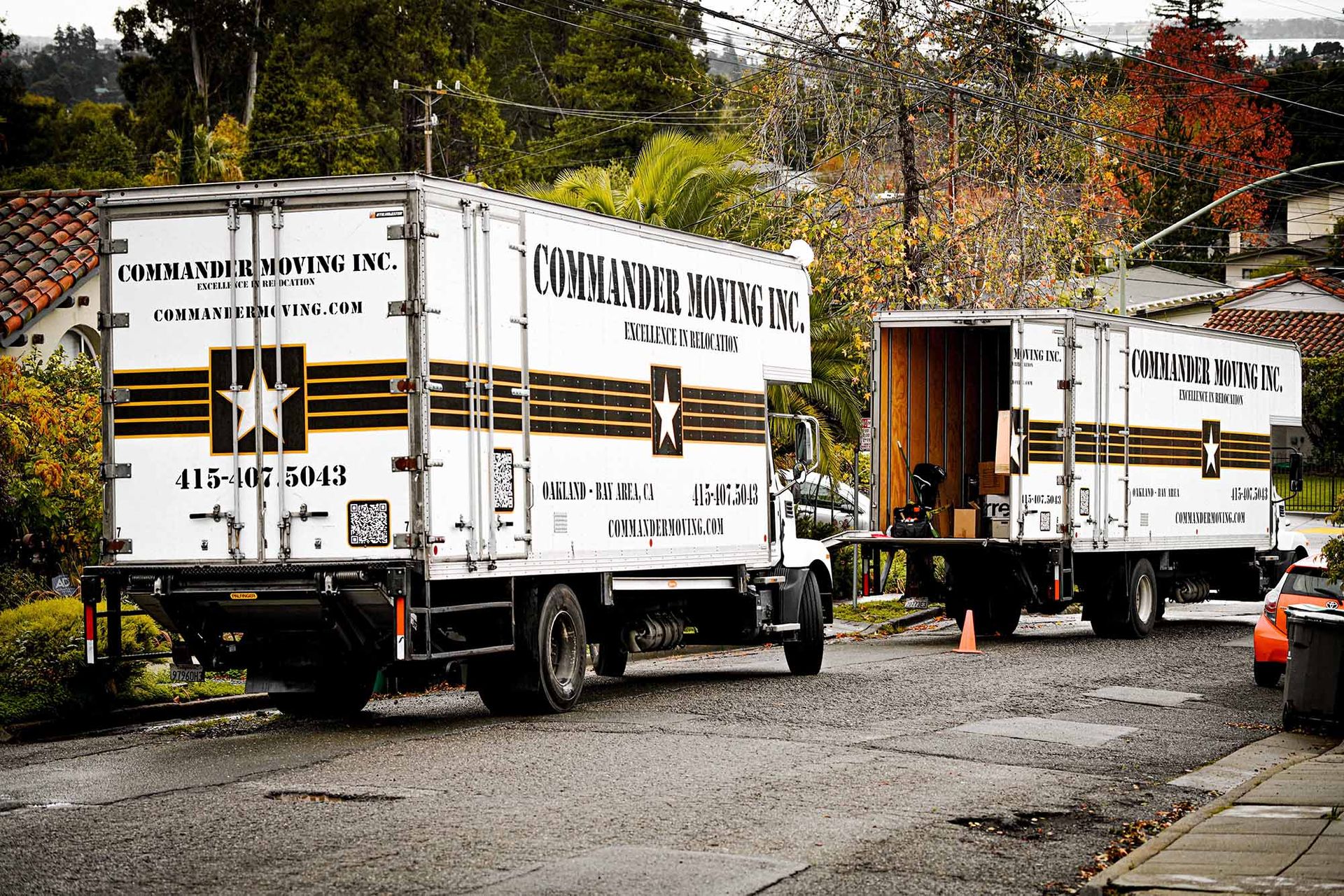
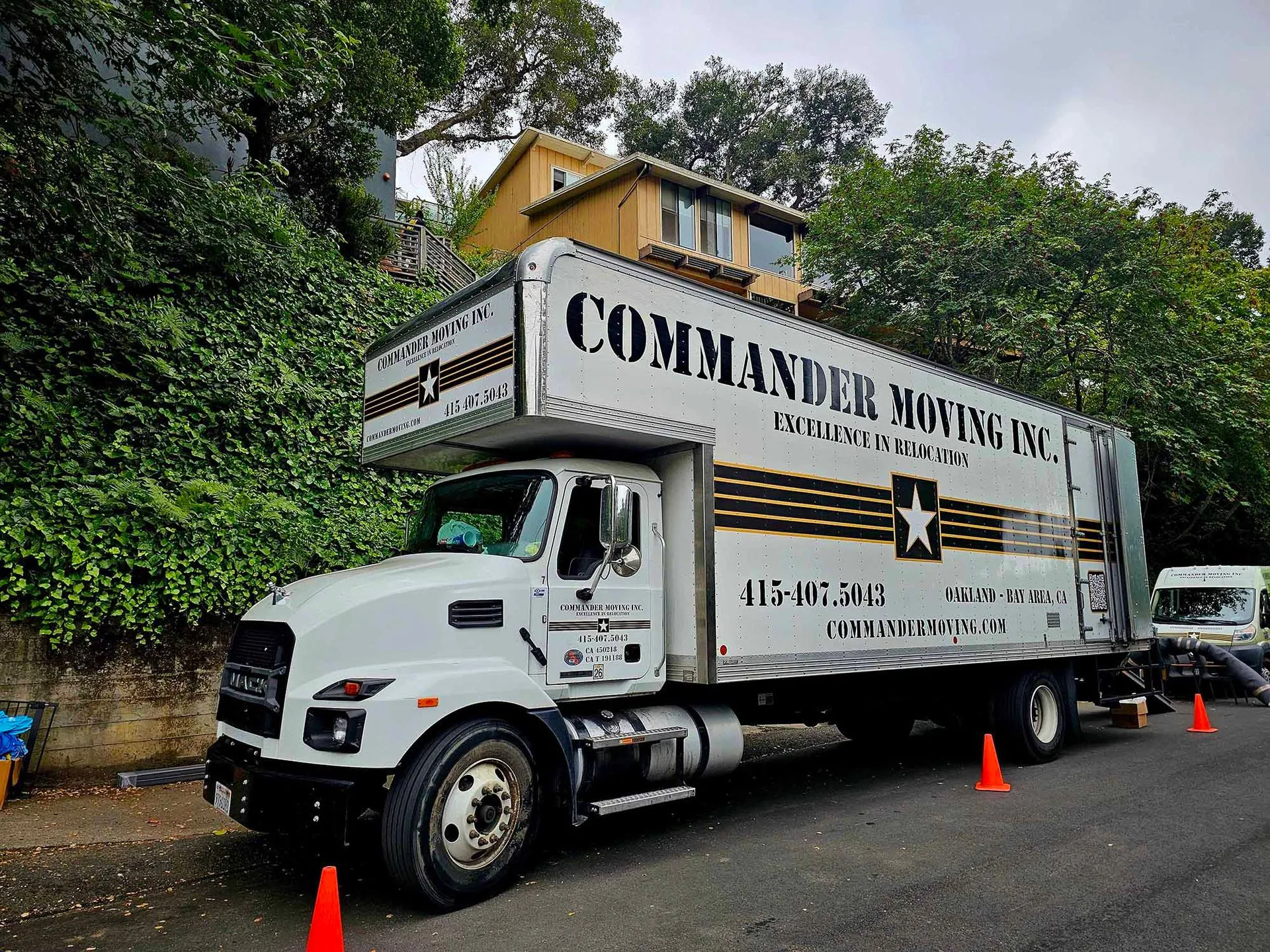
At Commander Moving, careful preparation and dependable service are central to the residential moving experience. Whether a homeowner is moving locally, relocating a large household over a longer distance, or needs assistance with particularly delicate belongings, an organized moving plan can reduce risk and make the transition considerably easier.
Key Takeaways
- Luxury movers assess valuable and fragile belongings before moving day so they can determine the safest packing, handling, and transportation methods.
- High-end furniture often requires layered protection using moving blankets, padding, stretch wrap, corner guards, specialty boxes, or custom crating.
- Professional Residential Movers use appropriate equipment and controlled lifting techniques to minimize impacts, scratches, tipping, and unnecessary strain on furniture.
- Artwork, antiques, mirrors, electronics, collectibles, and other sensitive belongings may require specialized packing rather than standard household boxes.
- Careful loading and strategic truck organization are important because even well-packed belongings can be damaged when weight is distributed incorrectly.
- Protection should extend beyond the furniture itself to floors, walls, doors, staircases, railings, and other surfaces throughout both homes.
- Clear communication, accurate inventories, labeling, and organized delivery procedures help homeowners keep track of valuable belongings throughout a move.
- Choosing experienced movers can provide greater confidence when relocating a household containing expensive, delicate, oversized, or irreplaceable possessions.
Why High-End Household Moves Require Additional Planning
Every residential move benefits from planning, but luxury moves can involve additional challenges. High-end homes may contain oversized furnishings, designer pieces with unusual finishes, valuable artwork, antiques, large mirrors, sculptures, wine collections, custom lighting, premium electronics, and other belongings that cannot simply be stacked in standard moving boxes.
The physical characteristics of these possessions can create challenges as well. A solid hardwood dining table may be extremely heavy. A designer sofa may be too large for a conventional doorway. A marble tabletop can be both heavy and vulnerable to cracking. An antique cabinet may have delicate joints that cannot tolerate the same lifting methods used for contemporary furniture. Professional movers therefore need to consider much more than an item’s monetary value.
They may evaluate:
- Dimensions and weight
- Construction and materials
- Existing condition
- Fragile components
- Surface finishes
- Appropriate lifting points
- Doorway and hallway clearance
- Staircase dimensions
- Packing requirements
- Transportation position
- Unloading requirements
A detailed assessment allows the moving team to prepare appropriate materials, equipment, and labor before work begins.
Understanding the Difference Between Valuable and Fragile
A valuable item is not necessarily fragile, and a fragile item is not necessarily expensive. Professional movers account for both factors. For example, a heavy designer dresser may withstand considerable weight but have a delicate lacquered finish that scratches easily. A relatively inexpensive glass decorative piece might have little financial value but significant sentimental importance.
Experienced Residential Movers don’t rely exclusively on replacement cost when determining how carefully something should be handled. Instead, they consider the item’s construction, condition, sensitivity, and importance to the homeowner. That individualized approach is one of the defining characteristics of a carefully managed residential move.
Luxury Movers Begin With A Detailed Pre-Move Assessment
Protection starts before the first box is packed. A professional moving company may conduct an in-home or virtual assessment to better understand the scope of the move. During this stage, homeowners should identify furniture, artwork, antiques, collections, electronics, or other possessions that require additional attention. The movers can then develop a plan for packing, disassembly, equipment, loading, transportation, and delivery.
Identifying High-Risk Items Early
Certain belongings deserve to be discussed before moving day, particularly:
- Antique furniture
- Fine art and framed artwork
- Large mirrors
- Marble or stone furniture
- Glass tabletops
- Designer furniture
- Sculptures
- Chandeliers and delicate lighting
- Grand or specialty pianos
- Premium electronics
- Collectibles
- Family heirlooms
- Oversized furnishings
- Custom-made pieces
Identifying these belongings early reduces the likelihood of last-minute improvisation. For instance, if an oversized cabinet requires a specific doorway or a valuable painting needs a custom crate, the movers can prepare those solutions beforehand rather than trying to solve the problem while the truck is waiting.
Planning The Route Through The Home
Protecting expensive furniture also means determining how it will safely leave the property. Professional movers may evaluate doors, hallways, stairs, elevators, gates, driveways, and other access points. They can identify tight turns or narrow openings that could create problems.
This route planning helps answer practical questions: Does the furniture need to be partially disassembled? Will a door need additional protection? Is there enough room to maneuver the piece around a staircase? How many movers are needed to maintain control? The goal is controlled movement rather than trial and error.
High-End Furniture Receives Layered Protection
Luxury furniture often features materials and finishes that require specialized protection. Polished hardwood, lacquer, leather, velvet, stone, glass, metal, and custom upholstery can respond differently to pressure, moisture, friction, and impact. For that reason, professional movers select protective materials according to the item rather than applying the same wrapping technique to everything.
Moving Blankets And Furniture Padding
Thick moving blankets are commonly used as an initial protective barrier for furniture.
They can help shield surfaces from:
- Scratches
- Scuffs
- Minor impacts
- Contact with other furniture
- Friction during transportation
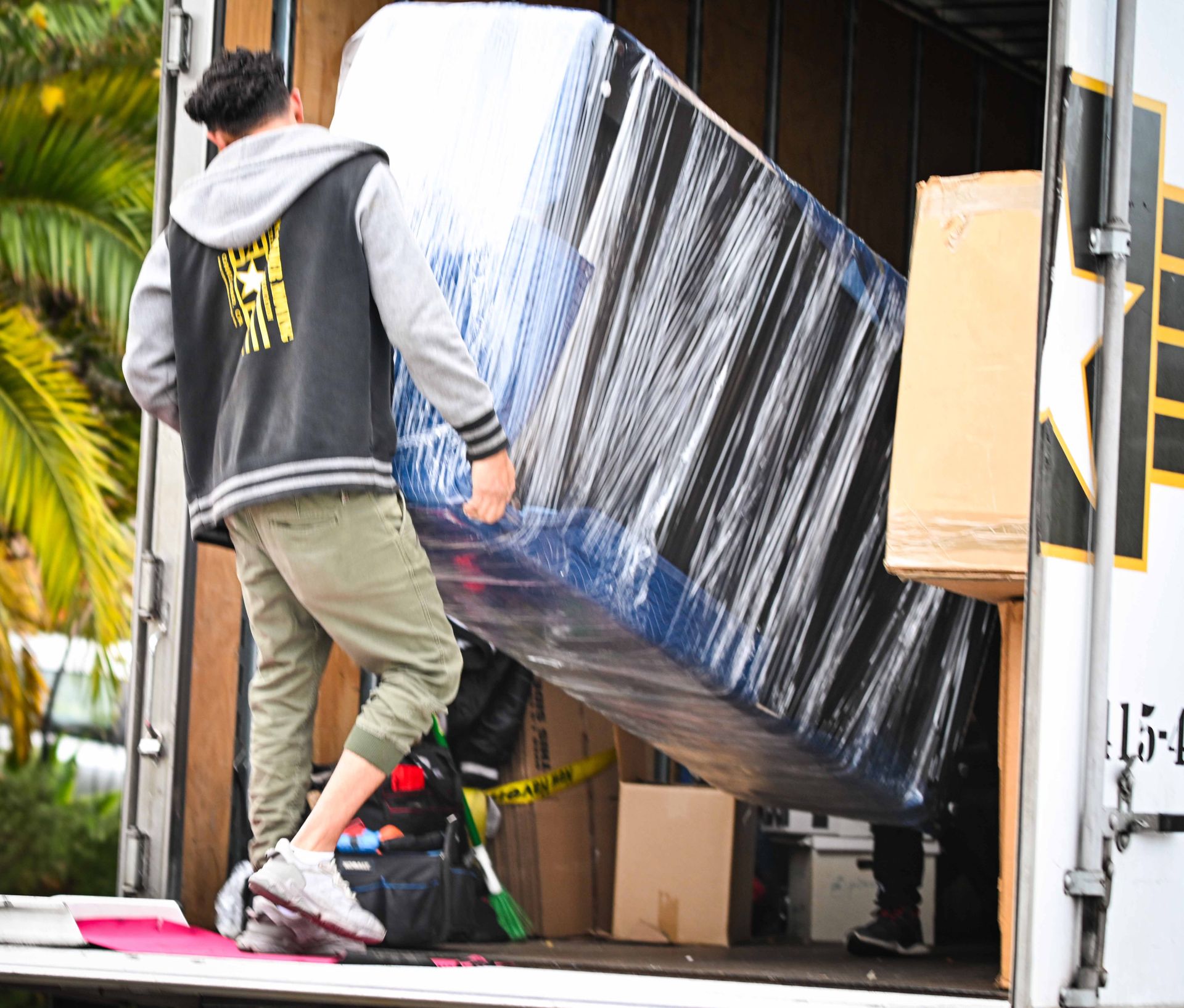
Movers carefully position padding around exposed surfaces and vulnerable areas. Depending on the item, the blankets may then be secured so they remain in place while the furniture is carried and transported. Padding is especially important for finished wood, tables, dressers, cabinets, bed frames, and other large household furnishings.
Stretch Wrap And Protective Coverings
Stretch wrap may be used to keep protective padding in position or safeguard certain surfaces from dirt and incidental contact. Knowledgeable movers consider the material underneath before applying any covering. Some delicate finishes, natural materials, or antique surfaces may require breathable or non-contact protection instead of direct plastic wrapping. That distinction illustrates why experience matters. Protective materials should be selected according to the piece rather than used automatically.
Corner And Edge Protection
Corners and edges are common impact points during residential moves. Door frames, hallways, elevators, staircases, and neighboring furniture can all create opportunities for accidental contact.
Corner protectors and edge guards can provide an additional barrier for:
- Tables
- Mirrors
- Framed artwork
- Cabinets
- Desks
- Stone surfaces
- Glass components
This targeted protection can be particularly useful for items with sharp, exposed, or easily damaged edges.

Furniture Is Carefully Disassembled When Necessary
Not every piece of high-end furniture should be moved fully assembled. Strategic disassembly can make certain furnishings easier to protect and maneuver. Removing vulnerable components may also reduce the chance of structural stress during lifting and transportation.
Professional movers may remove:
- Table legs
- Shelves
- Bed frames and headboards
- Mirrors attached to dressers
- Cabinet hardware
- Removable glass
- Sofa legs
- Modular furniture sections
The decision depends on the construction of the piece.
Hardware Must Stay Organized
One of the simplest details can make a major difference at the destination: keeping hardware organized. Screws, bolts, brackets, handles, and other components should be clearly labeled and kept with their corresponding furniture whenever appropriate. Losing a specialized piece of hardware from custom or imported furniture can create unnecessary complications. Organized Residential Movers use systematic labeling and packing procedures so reassembly is efficient when the furniture reaches the new residence.
When Furniture Should Not Be Disassembled
Disassembly is not always safer. Older furniture may have fragile joints or construction methods that make taking it apart risky. Certain handmade or custom pieces may require specialized knowledge before components are removed. Professional movers evaluate the furniture before deciding whether disassembly will genuinely reduce risk.
Custom Crating Protects Particularly Delicate Valuables
Standard moving boxes are excellent for many household belongings, but some possessions need stronger protection. Custom crating can provide a rigid protective enclosure around particularly delicate, valuable, irregularly shaped, or oversized items.
Items That May Benefit From Custom Crating
Depending on the move, crating may be considered for:
- Fine art
- Sculptures
- Large mirrors
- Valuable antiques
- Stone pieces
- Glass furniture components
- Delicate decorative objects
- Certain electronics
- Collectibles
- Unusually shaped valuables
A properly designed crate can limit movement and provide a stronger external barrier than conventional cardboard packaging.
Internal Protection Matters Too
The crate itself is only one component of protection. An item that can shift significantly inside a rigid container may still be vulnerable. Professional packing therefore considers internal cushioning, support, spacing, and movement control. The objective is not merely to surround an item with a wooden enclosure. It is to create a protective system appropriate for that particular object.
Artwork, Mirrors, Antiques, And Collectibles Receive Specialized Handling
Some possessions require techniques that differ from ordinary furniture moving.
Fine Art And Framed Pieces
Paintings and framed artwork can be vulnerable to punctures, pressure, scratches, moisture, broken glazing, and frame damage. Movers may use specialty art boxes, protective wrapping, corner guards, padding, or custom crates depending on the artwork. Large pieces also need to be positioned carefully in the moving vehicle. Heavy objects should not be allowed to lean against or shift into artwork during transportation.
Mirrors And Glass
Large mirrors require controlled handling because twisting or uneven pressure can lead to cracking. Protective corners, cushioning, appropriately sized cartons or crates, and careful upright positioning can help reduce risk. Glass tabletops are typically separated from their bases when appropriate and protected independently. Movers should avoid placing excessive pressure on glass or using it to support other belongings.
Antiques
Antique furniture may require particularly careful handling because age can make joints, veneers, hardware, and decorative elements more vulnerable. Experienced movers examine the piece before lifting it and avoid assuming that the strongest-looking section is actually the safest lifting point. For especially rare or delicate antiques, homeowners may also want to consult an appraiser, conservator, or specialist regarding preparation requirements before the move.
Collections And Decorative Objects
Collections often consist of many individually delicate objects rather than one large piece. Figurines, ceramics, glassware, memorabilia, and decorative collections benefit from individual wrapping, compartmentalized packing, appropriate cushioning, and clear labeling. A professional packing strategy prevents multiple fragile objects from contacting one another inside a container.
Professional Moving Equipment Helps Maintain Control
Protective wrapping alone cannot compensate for poor handling. High-end furniture needs to remain controlled while it is lifted, carried, maneuvered, loaded, and unloaded. Professional movers use equipment appropriate to the object’s weight and dimensions.
Depending on the situation, equipment may include:
- Furniture dollies
- Moving straps
- Hand trucks
- Furniture sliders
- Ramps
- Lift gates
- Protective floor runners
- Specialty moving equipment
The purpose of these tools is not simply to make the job faster. Proper equipment can reduce uncontrolled movement and help movers maintain a stable path.
Heavy Does Not Mean Indestructible
One common misconception is that heavy furniture is less likely to be damaged. Weight can actually create additional risk. A heavy object generates more force if it shifts, tips, or strikes another surface. Materials such as marble and stone may be extremely heavy while remaining susceptible to cracks or edge damage. Professional Residential Movers plan heavy-item moves around balance, lifting points, team coordination, and safe pathways rather than relying on strength alone.
Team Communication Is Essential
Moving a large or expensive item often requires several people working together. Movers need clear communication when approaching corners, navigating stairs, adjusting grip positions, or transitioning furniture onto a truck. A coordinated team can move deliberately and maintain control, especially when visibility is limited for the person carrying one end of a large item.
The Home Itself Is Protected During The Move
Luxury moving is not solely about protecting the belongings being transported. The property also needs attention. Furniture can accidentally damage hardwood floors, tile, walls, staircases, doorframes, railings, elevators, and entryways if appropriate precautions are not taken.
Floor Protection
Professional movers may use runners, protective coverings, or other materials to help reduce dirt, scratches, and surface damage in high-traffic areas. This can be particularly important in homes with hardwood, stone, specialty tile, or other premium flooring.
Walls, Doors, And Railings
Tight areas create additional opportunities for contact. Padding or temporary protection may be applied to vulnerable doorframes, railings, walls, and other architectural surfaces when appropriate. Planning the carrying route before moving a large object further reduces unnecessary contact. Protecting both residences helps create a more complete moving service rather than focusing only on what goes into the truck.
Strategic Truck Loading Keeps Valuables Secure in Transit
Packing and carrying belongings safely represents only part of the process. Once everything reaches the moving truck, the loading strategy becomes critical. A poorly loaded vehicle can allow furniture and boxes to shift during acceleration, braking, turns, or uneven road conditions.
Weight Distribution
Professional movers consider how weight is distributed throughout the vehicle. Heavy furniture needs stable placement, while fragile items should be protected from excessive pressure. Boxes should be arranged according to their strength and contents rather than simply stacked wherever space remains. Correct weight distribution also contributes to vehicle stability.
Preventing Movement
Furniture may be secured using appropriate straps, tie-down points, padding, or other methods designed to limit movement. The objective is to create a stable load in which individual pieces support the overall organization without placing damaging pressure on delicate belongings.
Separating Incompatible Items
Some objects should not be packed directly against one another. A heavy dresser, for example, should not be positioned where it could shift into a large mirror. Metal furniture components should not rub against polished wood. Fragile cartons should not bear the weight of dense household goods. Experienced movers think about these relationships while loading rather than treating the truck like a space that simply needs to be filled.
Long-Distance Moves Require Additional Attention
A long-distance relocation can expose household belongings to more time in transit, additional road vibration, changing weather conditions, and longer periods inside the moving vehicle. For homeowners relocating valuable possessions, careful preparation becomes even more important.
Stronger Packing For Extended Transit
Items that might be sufficiently protected for a short local move may benefit from additional cushioning or more secure packing for a longer journey.
Movers can evaluate:
- Expected travel distance
- Duration in transit
- Road conditions
- Number of handling stages
- Climate considerations
- Sensitivity of individual belongings
These factors influence how items should be prepared.
Inventory And Labeling
Organization becomes especially valuable during larger or long-distance moves. Detailed labels help identify boxes, destination rooms, fragile contents, and belongings requiring special handling. Homeowners should also maintain their own records of high-value possessions. Photographs, appraisals, serial numbers, receipts, and other documentation can be useful before any move involving significant valuables.
Delivery Should Be As Careful As Packing
Protection does not end when the moving truck reaches the destination. The unloading process introduces many of the same risks as loading: tight doorways, stairs, flooring, walls, awkward turns, and heavy lifting. Professional movers continue using appropriate protective measures while bringing belongings into the new residence.
Room-By-Room Placement
Clear labeling allows boxes and furniture to be delivered directly to their intended rooms. This can reduce unnecessary movement after unloading. A heavy cabinet that belongs upstairs, for example, is better positioned correctly the first time than carried into one room and moved again later.
Furniture Reassembly
When furniture was appropriately disassembled before transportation, movers may reassemble eligible pieces according to the services included in the move. Organized hardware and careful labeling make this process considerably more efficient.
Final Condition Check
Homeowners should inspect important belongings after delivery. If something appears different from its documented pre-move condition, it should be addressed promptly according to the moving company’s procedures.
What Should Homeowners Do Before Moving Valuable Items?
Professional movers handle much of the physical work, but homeowners can take several steps to prepare. Create an inventory of valuable belongings and photograph important pieces from multiple angles. Document existing scratches, chips, wear, or other conditions so there is a clear pre-move record. Gather relevant appraisals or receipts when available, particularly for valuable artwork, antiques, and collections. Discuss unusual possessions with the moving company during the estimate rather than waiting until moving day.
Homeowners should also ask what the mover will and will not transport. Certain possessions may be restricted or better kept personally, such as cash, important legal documents, passports, jewelry, medications, and other highly personal essentials. The more accurate information the movers receive beforehand, the better they can prepare for the household.
How To Choose Residential Movers For A High-End Move
Selecting movers should involve more than comparing prices. When valuable furniture and household possessions are involved, homeowners should consider professionalism, experience, communication, planning, and the company’s approach to protecting belongings.
Ask About Experience
Find out whether the company regularly handles residential moves involving fragile, oversized, antique, or high-end furniture. Ask how they would approach the specific items in your home. A detailed explanation is generally more informative than a simple promise that everything will be handled carefully.
Request A Clear Estimate
A professional estimate should provide homeowners with a clear understanding of the anticipated services and costs. If specialty packing, crating, furniture preparation, or other services are necessary, discuss them beforehand so expectations are aligned.
Discuss Protection And Valuation Options
Ask the moving company to explain available coverage or valuation options and how claims are handled. Homeowners with particularly valuable possessions may also want to review their own insurance policies or speak with an insurance professional about whether additional coverage is appropriate.
Pay Attention To Communication
Good communication is an important indicator of an organized moving process. Professional movers should be willing to answer questions, discuss concerns, explain preparation requirements, and clarify what homeowners should expect on moving day.
Why Careful Residential Moving Is About More Than Expensive Furniture
Luxury moving techniques are useful even when a household does not contain museum-quality artwork or extremely expensive antiques. A family dining table may not have a large resale value, but it could have decades of memories attached to it. A bedroom set may have been custom-built for the home. A framed photograph may be financially inexpensive but impossible to replace. That is why professional residential moving should be based on respect for the homeowner’s property rather than assumptions about what is valuable. Careful packing, controlled lifting, organized loading, clear communication, and thoughtful delivery benefit moves of every size.
Commander Moving: Dependable Residential Moving With Careful Attention
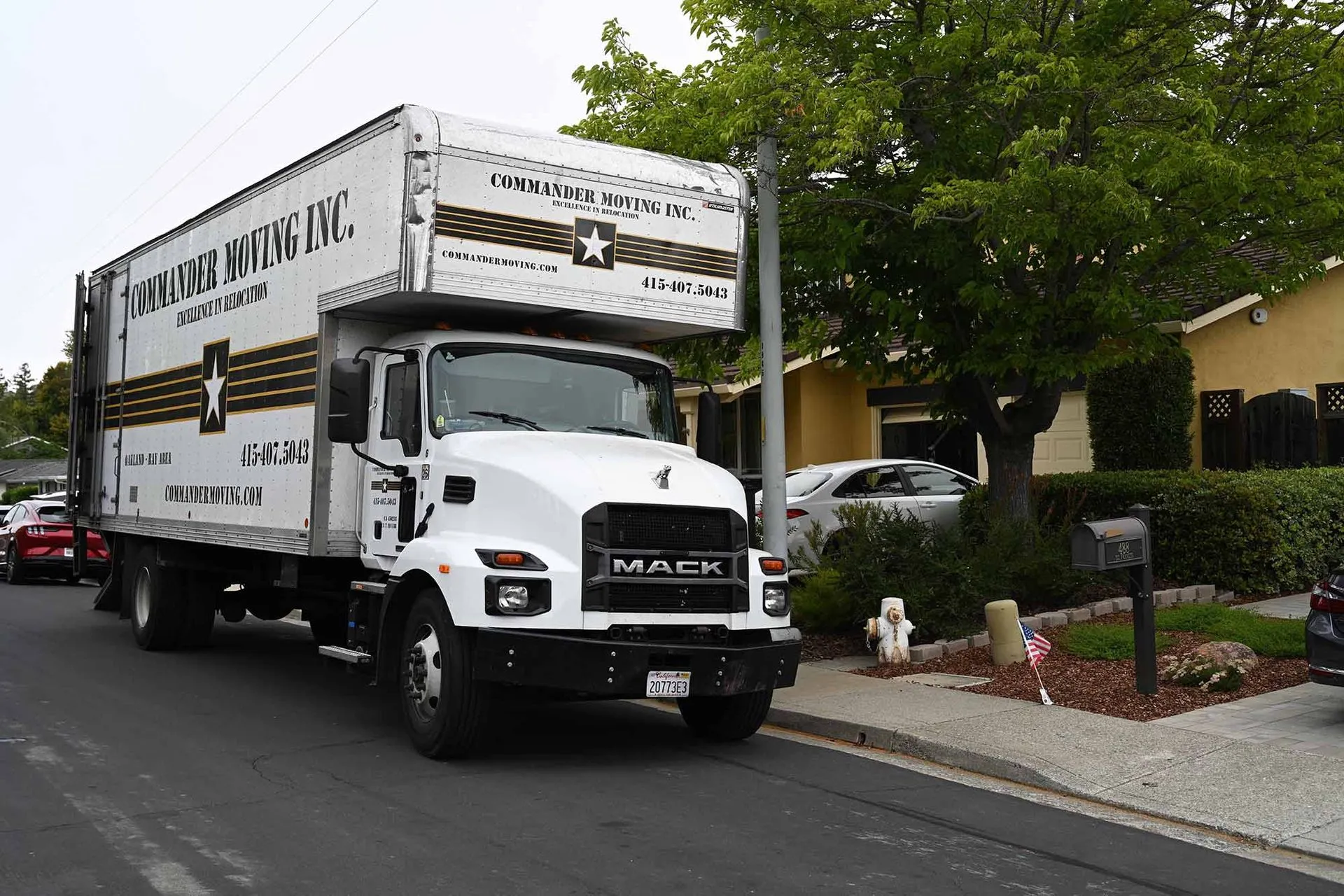
Moving into a new home should feel like progress, not a source of unnecessary concern about damaged belongings. Commander Moving provides residential moving services focused on careful handling, dependable service, and an organized moving experience. From everyday household furniture to possessions that require additional attention, proper planning helps create a safer and more efficient relocation. Whether you are moving across town or preparing for a longer-distance relocation, working with experienced Residential Movers can reduce the physical workload while helping protect the belongings that make your house a home.
Homeowners planning an upcoming move can contact Commander Moving to discuss their household, moving requirements, valuable furniture, special handling needs, and scheduling. Requesting an estimate early also provides more time to prepare an appropriate moving plan.
Final Remarks
High-end furniture and valuable possessions require more than ordinary packing. Luxury movers protect these belongings through detailed planning, specialized materials, careful disassembly when appropriate, controlled lifting, secure truck loading, and organized delivery.
The same principles also make any residential move safer and more manageable. Whether your household includes designer furniture, treasured antiques, large mirrors, artwork, or simply belongings you want treated with respect, choosing experienced Residential Movers can provide valuable peace of mind.
Commander Moving is ready to help homeowners plan local and long-distance residential moves with careful, dependable service. If you’re preparing for a move, contact Commander Moving to discuss your needs, request an estimate, and create a moving plan designed around your home and belongings.
Frequently Asked Questions
1. How Do Luxury Movers Protect Expensive Furniture During A Residential Move?
Luxury movers protect expensive furniture through a combination of planning, appropriate packing materials, controlled handling, and secure transportation. Before moving a piece, they consider its dimensions, weight, construction, finish, and vulnerable areas. Furniture may be covered with padded moving blankets and additional protective materials. Corners and edges can receive extra protection, while removable glass, shelves, legs, or hardware may be packed separately when doing so is appropriate.
Professional movers also focus on how furniture is carried. Dollies, straps, sliders, ramps, and other equipment can help maintain control and reduce unnecessary contact with walls, floors, or other furniture.
2. Can Residential Movers Safely Move Antiques And Family Heirlooms?
Experienced Residential Movers can prepare and transport many antiques and heirlooms, but the correct handling method depends on the item’s age, condition, construction, materials, and fragility. Antique furniture may have weakened joints, delicate veneers, hand-carved details, original hardware, or finishes that require additional care. Movers should inspect these characteristics before determining how the piece should be wrapped, lifted, and transported.
The safest approach begins with communication. Movers cannot properly plan for a sensitive item if they don’t know about it until loading begins.
3. Do Luxury Movers Use Custom Crates For Artwork And Valuable Items?
Custom crating may be recommended for belongings that need greater structural protection than standard moving cartons can provide. Large artwork, mirrors, sculptures, delicate antiques, glass components, stone pieces, collectibles, and unusually shaped objects are examples of items that may benefit from specialty crating. A professional moving company can evaluate the item and recommend an appropriate method based on its characteristics and the circumstances of the move.
4. How Are Marble, Glass, And Other Delicate Furniture Materials Moved?
Marble, stone, glass, and similar materials require special attention because they can be heavy while remaining vulnerable to cracking, chipping, or breaking. Movers first assess how the material is attached to the furniture. A removable glass tabletop, for example, may be separated from its base and packed independently. Stone surfaces may require specific support and positioning to prevent stress. Protective padding helps shield edges and surfaces, but handling technique is equally important. Large pieces should remain stable and properly supported while being lifted and carried.
5. What Should I Tell Residential Movers About My Valuable Items Before Moving Day?
Provide as much relevant information as possible before moving day. Tell your movers about antiques, artwork, designer furniture, oversized pieces, mirrors, glass furniture, stone surfaces, collectibles, specialty electronics, heirlooms, and anything else you believe requires extra attention. Mention unusually heavy objects and furniture that may be difficult to fit through doors or stairways. Measurements can be useful when access appears particularly tight. Providing this information early allows your Residential Movers to arrive with an appropriate plan instead of making important decisions under time pressure on moving day.
6. How Can I Prepare High-End Furniture For A Long-Distance Move?
Start by creating an inventory of important belongings and photographing valuable furniture, artwork, antiques, and collectibles. Keep relevant receipts, serial numbers, appraisals, and other documentation organized when available. Discuss sensitive belongings with your moving company during the planning stage. A longer trip may require additional packing or stabilization because belongings will remain in transit for a greater period and may experience extended road vibration.
Finally, confirm your moving schedule, destination access, and placement instructions. Good preparation at both homes helps movers protect belongings throughout the entire relocation rather than concentrating only on transportation.
7. Why Should I Hire Commander Moving for My Residential Move?
A residential move requires a company that understands the importance of careful handling, organization, communication, and dependable service. Commander Moving helps homeowners manage local and longer-distance household moves with attention to the details that can make relocation easier. When a home contains furniture or belongings that require additional care, discussing those needs in advance allows the moving plan to account for packing, handling, equipment, loading, and placement requirements.
Professional Residential Movers can also reduce the physical demands of moving. Instead of homeowners managing heavy furniture, difficult stairways, loading, and transportation on their own, an experienced moving team can coordinate these tasks more efficiently.

Give Your Body The Time And Space To Rest, Recover, And Restore
When life feels nonstop, your body often carries the stress long after the day is over. Tight muscles, fatigue, tension, and mental overload can all be signs that it’s time to slow down and recharge. At The Sanctuary Holistic Healing Center, our approach to Rest, Recovery, and Restoration is designed to help you step away from the demands of everyday life and give your body the care it needs to reset.
Each session is personalized around how you’re feeling and what your body needs most. Through holistic therapies such as massage, cupping, Gua Sha, infrared light therapy, breathwork, and other supportive techniques, we create a calming experience focused on releasing tension, encouraging relaxation, and supporting your body’s natural recovery process.
Rest isn’t something you have to earn. It’s an important part of feeling your best. Whether you’re recovering from physical strain, navigating a stressful season, or simply feeling worn down, making space for intentional recovery can help you feel more grounded, refreshed, and ready for what’s next.
Schedule your session with The Sanctuary Holistic Healing Center today and make time to rest, recover, and restore.
Disclaimer
The materials available on this website are provided for general informational and educational purposes only and are not intended as legal, financial, moving, storage, or professional advice. Every move is different, and you should contact a qualified moving professional regarding your specific relocation needs, timelines, pricing, storage requirements, or specialty moving concerns.
Do not act or rely solely on the information contained on this website without first speaking directly with Commander Moving or another qualified professional regarding your individual situation. While we strive to keep the information on this website accurate and up to date, moving regulations, service availability, pricing, and operational details may change without notice.
Commander Moving disclaims all liability for actions taken or not taken based on any content found on this website to the fullest extent permitted by law. Use of this website or communication through this website does not create a contractual agreement for moving services unless confirmed in writing by Commander Moving.