Are luxury movers worth the investment for a large residential move? For homeowners relocating from spacious properties, professional moving assistance can provide practical value through careful planning, organized packing, furniture protection, and coordinated transportation. Large households often involve extensive inventories, multiple floors, oversized furniture, and complicated schedules. Understanding the difference between basic moving assistance and more comprehensive services can help homeowners decide whether paying for additional support makes sense.
Luxury moving generally refers to a more personalized service approach, but the term does not represent a standardized package. Some companies offer additional packing, furniture preparation, specialty handling, or unpacking assistance, while others provide fewer options. Homeowners should evaluate the actual services included rather than assuming a luxury label guarantees specific capabilities.
Professional residential movers can manage agreed loading, transportation, and unloading responsibilities, with packing and other assistance potentially available. The amount of work delegated depends on the moving agreement. For large households, an accurate inventory and clear service expectations can help reduce avoidable confusion.
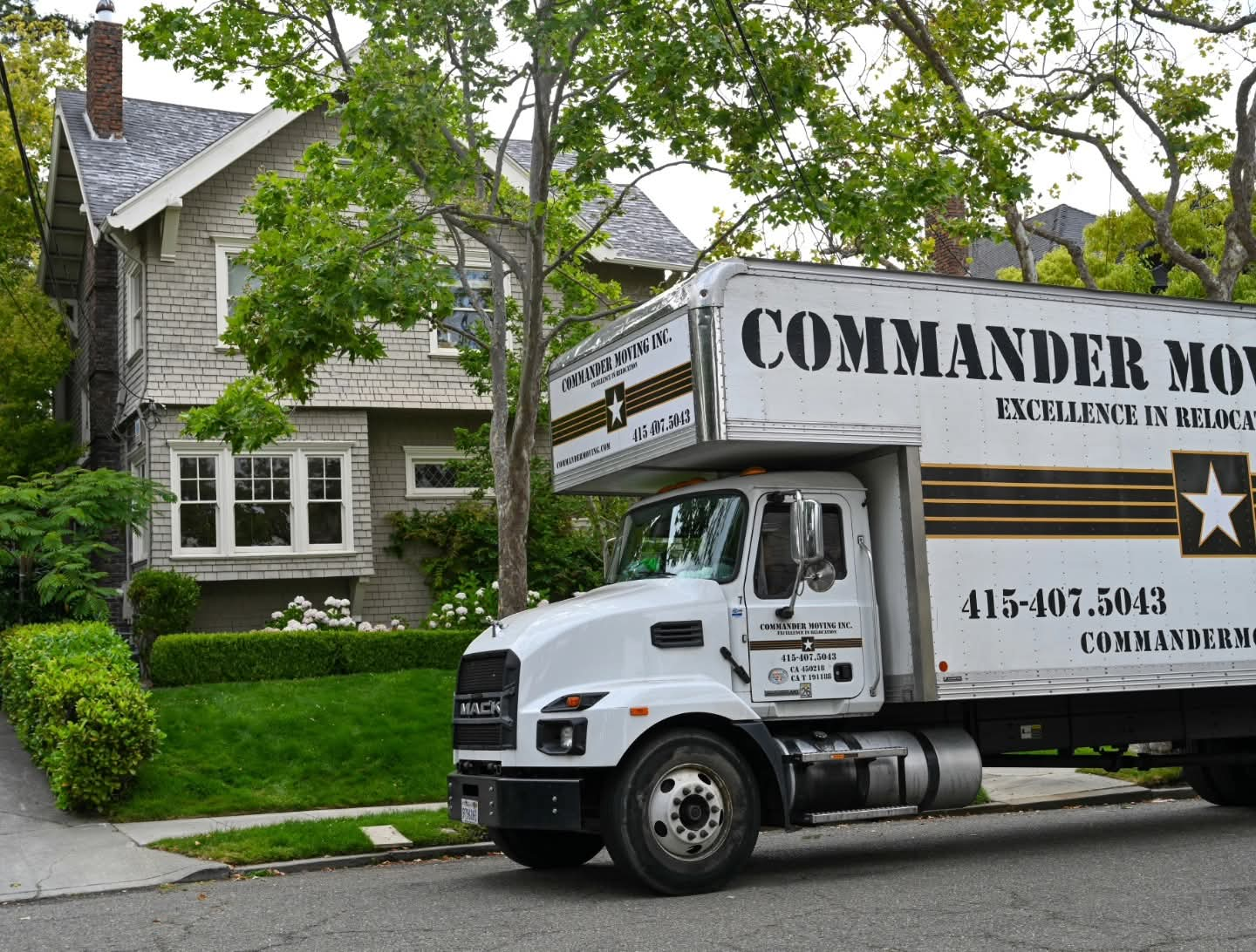
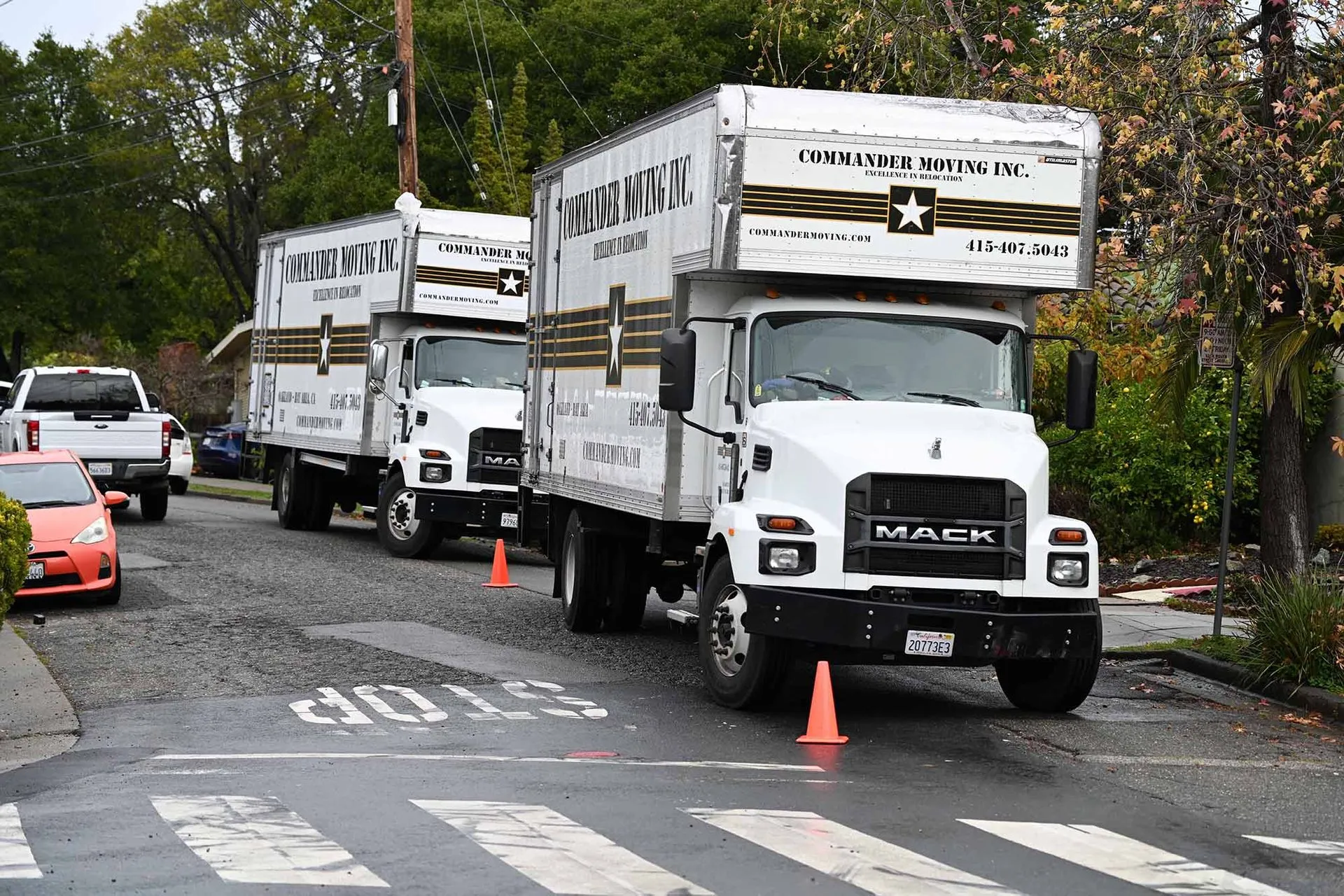
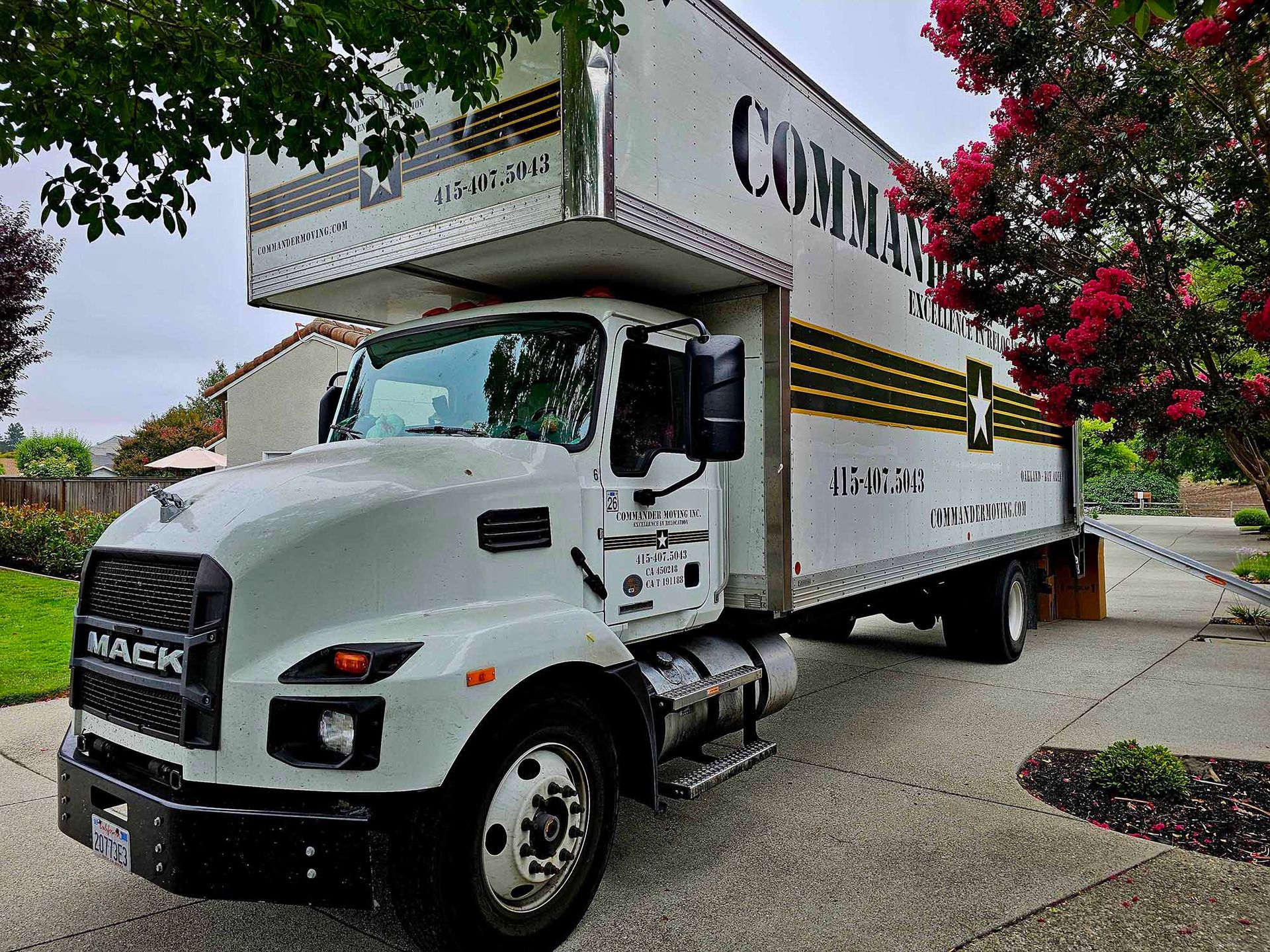
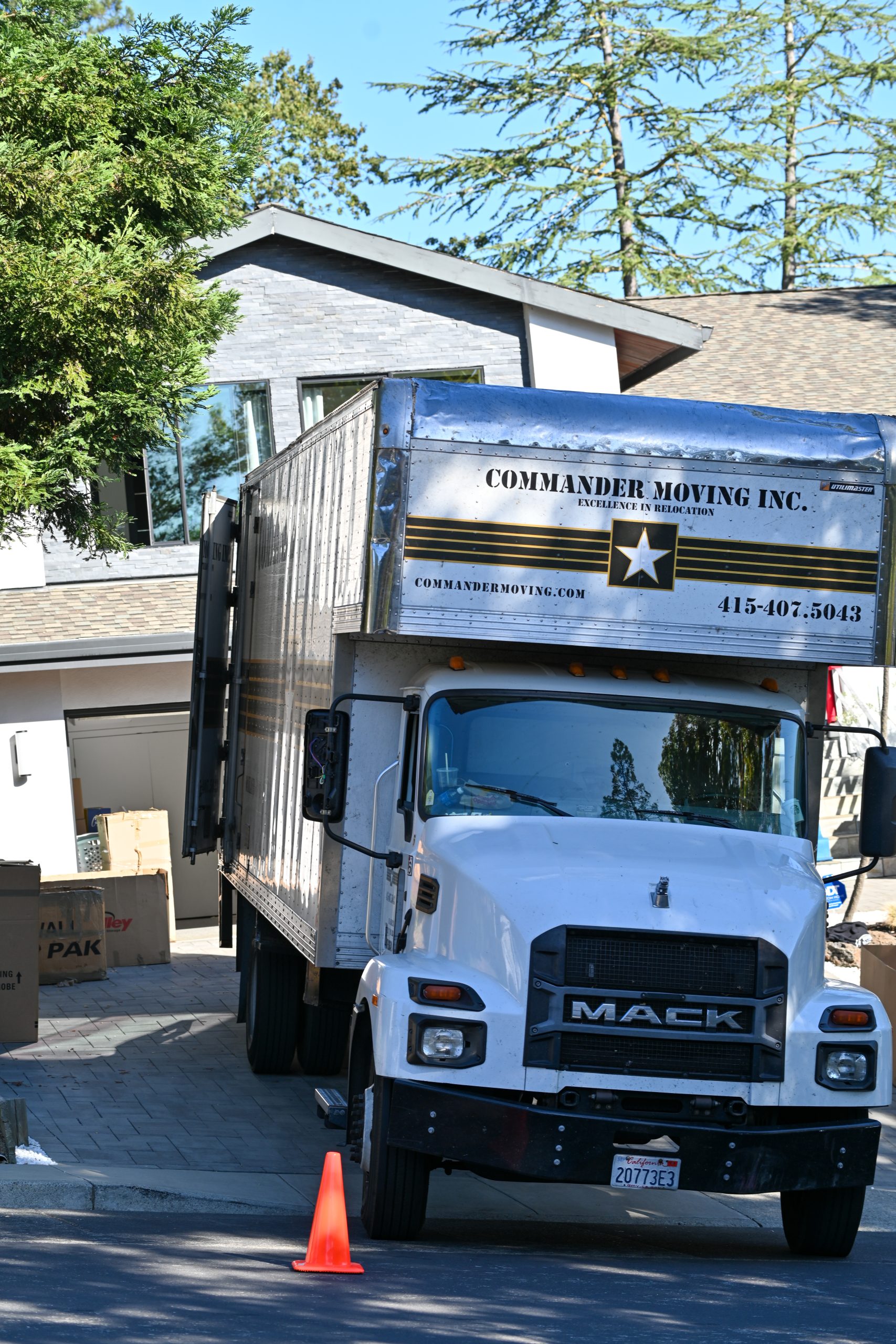
Commander Moving provides residential moving services for homeowners planning local and long-distance relocations in the San Francisco Bay Area. Before booking, customers can discuss their household inventory, packing requirements, property access, and any valuable or oversized belongings that may require additional attention. Premium moving assistance may be worthwhile when its added convenience, reduced physical workload, and available handling services justify the additional expense.
Key Takeaways
- Luxury movers provide a more detailed level of planning and coordination for large residential relocations.
- Professional packing and careful handling can help protect furniture, artwork, electronics, antiques, and other valuable household possessions.
- Experienced Residential Movers can coordinate complicated factors such as large inventories, multiple floors, narrow access points, specialty items, and long-distance transportation.
- Custom packing techniques and appropriate moving equipment can reduce the likelihood of damage during handling and transportation.
- Full-service moving assistance can save homeowners considerable time before, during, and after moving day.
- Clear communication and organized scheduling help homeowners understand what to expect throughout the relocation.
- Professional movers can reduce the physical demands associated with lifting, carrying, loading, and unloading heavy household belongings.
- Luxury moving services can be customized according to the size of the residence, destination, inventory, and level of assistance required.
- Choosing a dependable moving company can provide greater confidence when relocating a large household.
- Commander Moving provides professional residential moving solutions for homeowners seeking careful, organized assistance with local and long-distance moves.

What Makes A Large Residential Move More Complicated?
Large residential moves often involve extensive household inventories spread across bedrooms, home offices, garages, outdoor areas, and storage spaces. Each additional room may increase the amount of packing, loading, transportation, and unloading required. The actual volume of belongings matters more than the property’s square footage alone. A relatively minimalist large home might need less labor than a smaller property filled with collections and furniture.
Larger households may contain oversized dining tables, sectional sofas, artwork, antiques, exercise equipment, and delicate decorative pieces. Their weight, dimensions, construction, or fragility can affect staffing, equipment, and packing needs. Some belongings may require specialist handling arranged separately. A large home might also have staircases, long driveways, gated access, narrow entrances, or other conditions that influence how belongings can be moved.
A useful moving assessment focuses on what will actually be transported and how movers will access it. Homeowners should not rely solely on the number of bedrooms when requesting an estimate. Details about stored items, outdoor furniture, disassembly, or multiple delivery locations can materially affect the scope of work.
What Are Luxury Movers?
Luxury movers generally provide a more personalized level of residential moving assistance. This may involve additional planning, packing, furniture protection, and other services beyond basic transportation. The term luxury does not establish a specific industry-wide service standard. Homeowners should compare providers based on their actual capabilities, written agreements, and relevant experience.
Depending on the provider and agreement, additional services may include professional packing, furniture preparation, room placement, or specialty-item arrangements. These services can carry separate charges. A luxury label alone does not establish that custom crating, comprehensive unpacking, or exceptionally heavy-item handling will be available. Ask the moving company exactly what it will perform and whether outside specialists are needed.
Personalized Plans for Large Households
A personalized moving plan should reflect the actual inventory, transportation distance, access conditions, and requested services. One household may need help preparing delicate furniture, while another may require additional labor for bulky belongings or multiple floors. Identifying these requirements early helps the moving company discuss suitable arrangements.
Important planning considerations include household inventory and fragile possessions, packing materials and labor, access and parking restrictions, the moving distance and schedule, and furniture preparation and placement responsibilities. For a long-distance move, coordination with property closings, travel, and destination access may be especially important. Professional movers coordinate the transportation and other moving services they agree to perform, while homeowners typically remain responsible for utility transfers, property preparations, and personal travel plans.
Planning and Coordinating a Large Residential Move
A Moving Assessment Reduces Avoidable Problems
A moving assessment can identify large furniture, fragile belongings, packing needs, and property access difficulties before moving day. An accurate inventory helps the moving company discuss appropriate staffing, transportation capacity, and scheduling arrangements. Preparation can reduce avoidable problems, although weather, traffic, unexpected inventory changes, and property restrictions may still affect the schedule.
Identify furniture that may require disassembly, oversized pieces that could have difficulty passing through doorways, and belongings needing extra packing. Share information about elevators, parking limitations, stairs, or unusually long carrying distances at both properties. Confirm which services and materials the company will provide rather than assuming they come with the quoted moving package.
Homeowners should also explain their priorities. For example, some may need a children’s room or home office set up early, while others are concerned about keeping fragile collections together. These preferences can be discussed with the mover, but technical setup or detailed unpacking should not be assumed unless specifically included.
Communication and Clear Responsibilities
Before moving day, homeowners should understand the expected arrival window, packing responsibilities, handling arrangements, payment terms, and delivery process. Ask who the primary contact is, how significant delays are communicated, and how additional services or inventory changes will be documented. Clear expectations help address questions before the crew starts loading.
Large moves can involve interdependent schedules. An elevator reservation, a closing date, or restricted loading hours may affect the sequence of work. Keep copies of the estimate, inventory, change orders, and relevant instructions accessible. If something changes, inform the moving company promptly so it can explain the effect on service scope and charges.
Local Versus Long-Distance Coordination
Local and long-distance moves share many preparation needs, but their transportation and scheduling considerations differ. Shorter distances do not automatically guarantee flexible scheduling or easy access. A short trip between two large properties may still involve a demanding inventory, multiple floors, and substantial loading time.
For long-distance relocations, confirm pickup and delivery expectations, access at the destination, and how shipment updates will be communicated. Ask whether the move remains within California or crosses state lines, because different regulations and consumer protections apply. Do not assume a dedicated move coordinator or real-time tracking service is included without confirmation.
Packing, Furniture Protection, and Specialty Belongings
When Professional Packing Adds Value
Packing a large household involves preparing belongings from multiple rooms, storage areas, and outdoor spaces. The time required depends on the inventory, fragile items, available helpers, and packing materials. Professional packing assistance may reduce the workload homeowners must complete themselves, but the expected time savings should be assessed for the particular household rather than expressed as guaranteed days saved.
Professional packing may include organizing belongings by room, choosing suitable materials, and labeling cartons for delivery. Confirm whether packing labor, cartons, cushioning, furniture wrapping, and unpacking assistance are included or priced separately. A partial-packing arrangement may be appropriate when a homeowner wants to handle routine possessions but needs help with heavier or more delicate belongings.
Appropriate packing may involve sturdy cartons, cushioning, furniture blankets, protective coverings, and suitable loading methods. Materials should be selected according to each item’s construction and finish. The objective is to reduce preventable movement, surface contact, and handling difficulties, not to promise damage-free transportation.
Protecting Valuable and Delicate Belongings
Artwork, antiques, glass furniture, electronics, and other valuable belongings may require additional preparation because of their condition, materials, weight, or fragility. Explain any weak joints, sensitive finishes, repairs, or irreplaceable components before moving day. For exceptionally rare or delicate pieces, a specialist may be more appropriate than standard household packing.
Some belongings may require additional cushioning, support, or separate packing arrangements. Not every residential mover offers custom crating or specialist transportation. Ask if the company provides such services directly, coordinates with a specialist, or recommends another option. Conservation-grade art packaging, unusual lifting equipment, and climate-controlled transportation should never be treated as routine services without confirmation.
Homeowners should photograph valuable belongings and document their pre-move condition. Keep available appraisals, receipts, and inventory records. Ask about liability limitations for high-value items and whether any declarations are required. Moving-company valuation protection is different from a separate insurance policy, and its terms depend on the applicable type of move.
Furniture, Property, and Secure Loading
Oversized furniture can be difficult to move through narrow doorways, staircases, and hallways. Large sectionals, dining tables, wardrobes, and entertainment units may need access measurements or limited disassembly. Some furniture can be taken apart if its construction permits, but antique, custom, and manufacturer-restricted pieces may need special guidance. Confirm whether disassembly and reassembly are included in the agreement.
Moving crews may use suitable dollies, furniture padding, lifting straps, and careful positioning to help handle bulky belongings. Floors, walls, doorframes, stairways, and railings can also be vulnerable. Homeowners should identify delicate flooring, custom finishes, and recently renovated areas at both properties. Suitable floor coverings and planned carrying routes may help reduce contact damage.
Inside the truck, appropriate weight distribution, secure positioning, and methods that limit movement can reduce damage risks. Fragile cartons should not bear the weight of dense household goods, and heavy furniture should not shift into mirrors or other delicate items. Homeowners moving particularly valuable possessions should ask how those items will be packed, separated, and secured during transit.
Time Savings and Moving-Day Convenience
Reducing Physical Demands
Professional movers can reduce the amount of strenuous lifting homeowners perform during a large relocation. Heavy furniture, numerous cartons, stairs, and long carrying distances can be physically demanding. Delegating agreed loading, transportation, and unloading tasks may allow families to spend more time on childcare, pets, paperwork, travel, and property access.
This benefit should still be assessed alongside the budget. A household with a small inventory and capable helpers might find a basic service sufficient. Another household facing multiple staircases, large furniture, or limited availability may place more value on professional labor. The right choice depends on the amount and complexity of work involved.
Full-Service Assistance Versus Partial Help
Full-service moving may appeal to homeowners balancing relocation with careers, family obligations, travel, or property transactions. Depending on the selected package, movers may manage packing, furniture preparation, loading, transportation, and unloading. However, full-service is not a uniform definition across providers.
Before choosing additional help, confirm what tasks are actually included. Furniture disassembly, reassembly, unpacking, material collection, and specialty handling may be separate services. A partial approach can be sensible when the household wants to manage personal belongings while paying professionals for furniture or fragile-item preparation. Compare the cost of each arrangement against the work it removes from your schedule.
Organization at the Destination
Labeling cartons by destination room helps direct unloading and makes important items easier to locate after delivery. A room-placement plan is particularly helpful in a large or multi-story home. If furniture placement or reassembly is included, communicate your preferred locations before movers begin unloading. Wall mounting, electrical connections, and technical installation may require separate qualified professionals.
Unloading is not the same as unpacking. Removing boxes from a truck and placing them in designated rooms does not mean the movers will open every carton or organize cabinets. Ask about unpacking services and packing-material removal separately, including any additional charges. A realistic understanding of the destination tasks helps prevent disappointment after the truck leaves.

Luxury Movers Versus Basic Moving Services
Compare Scope, Not Labels
Comparing premium movers with a basic moving service requires evaluating the full scope of work, not the headline price. A lower-cost option may cover loading, transportation, and unloading, while a broader estimate may include packing, furniture preparation, or other assistance. Both can be suitable options when the service matches the household’s needs.
Ask each company to provide an estimate based on the same inventory, access conditions, and requested tasks. Compare labor and transportation, packing materials, specialty handling, storage, room placement, and applicable liability protection. Also ask about the permitted additional charges for stairs, long carries, access complications, or new services. The word luxury is not a substitute for transparent written terms.
When a Premium Service Is Worth the Additional Cost
Premium moving may make sense for a large residence with extensive belongings, heavy furniture, fragile artwork, multiple floors, limited preparation time, or difficult access. The added services are more valuable when they address work the homeowner cannot reasonably complete or would prefer to delegate. For certain households, reduced lifting demands and better preparation may justify a higher estimate.
On the other hand, premium moving is not automatically more economical or appropriate for every household. If the inventory is manageable and homeowners prefer to pack personal items themselves, basic transportation with selected add-ons might be the better fit. Consider the budget, physical capabilities, household schedule, and the actual cost of additional services.
A Practical Value Comparison
Consider two estimates for the same large household. One includes only loading, transportation, and unloading, while the other adds packing and certain furniture preparation tasks. The second can be worth more to a homeowner with limited time, but only when those extras are needed and clearly described. Compare the value of the additional labor with the amount of work you would otherwise handle yourself.
Avoid assuming that premium assistance automatically prevents losses or saves a set number of hours. Even professionally managed moves can experience delays or damage. The strongest justification for a higher-priced service is a documented match between the household’s needs and the work the company agrees to provide.
Choosing the Right Movers for a Large Household
Check Credentials and Written Estimates
Choose a moving company with verifiable authorization, relevant residential moving experience, and clear written service terms. For a move entirely within California, check the company’s authorization through the Bureau of Household Goods and Services. California household moves require a visual inspection before a written estimate and a Not-to-Exceed price for the agreed services. Customer-requested additions or changes should be documented according to the applicable requirements. Interstate moves follow a different federal framework.
Ask how the company handles large inventories, difficult furniture access, packing, transportation, and delivery. Confirm any specialty belongings that may need separate assistance. Review cancellation terms, payment arrangements, permitted extra charges, and the claims process. A written estimate should make clear what you are buying, rather than relying on general promotional language.
Liability Protection and High-Value Items
Before moving expensive belongings, ask about the available moving-company liability protection, exclusions, and claims procedures. Valuation arrangements are not automatically separate insurance. Requirements and options vary depending on whether the move is within California or crosses state lines. For interstate shipments, certain articles of extraordinary value may have additional declaration requirements.
Keep photographs of important belongings, and retain available receipts, appraisals, and condition records. Discuss high-value collections and unusually delicate pieces before the estimate is finalized. If you want additional financial protection, review your existing insurance policy or speak with an insurance professional rather than assuming every item is covered for full replacement value.
Prepare Both Homes
Before moving day, review the inventory and decide which belongings will be transported, donated, sold, or discarded. Reducing unnecessary items may lower packing and transportation needs, although the actual cost effect depends on the estimate. Identify specialty belongings, document valuable furniture, and keep medications, identification, jewelry, important documents, keys, and travel essentials with you.
Prepare the destination too. Confirm parking, stairs, elevators, building rules, and where major furniture should be placed. A simple room plan can prevent furniture from ending up on the wrong floor. Inform the moving company promptly if your dates, access arrangements, inventory, or requested services change.
How Commander Moving Supports Large Residential Moves
Commander Moving provides residential moving services throughout the San Francisco Bay Area. Homeowners preparing for large household relocations can discuss packing assistance, furniture protection, transportation arrangements, and access requirements with the team. The available services and written estimate should reflect the actual inventory and moving requirements rather than an assumed premium package.
Whether your move involves an extensive family household, fragile belongings, or unusually difficult furniture access, share these details early. Ask which packing materials, additional labor, furniture preparation, and other services are available. Specialty belongings may require arrangements outside standard household moving, so confirm expectations before committing.
Conclusion
Luxury movers can be worth the investment for large residential moves when additional services address real household needs. Professional packing, suitable furniture protection, coordinated transportation, and reduced heavy lifting responsibilities can provide meaningful value, particularly for extensive inventories and complicated properties.
However, value depends on the included services, household priorities, and written estimate. Verify the company’s credentials, clarify specialty handling requirements, and review applicable liability protection before booking. Commander Moving provides residential moving assistance throughout the San Francisco Bay Area and can discuss your household inventory, schedule, and available services.

Frequently Asked Questions
1. What Is the Difference Between Luxury Movers and Regular Residential Movers?
Luxury moving generally describes a more personalized service approach, often involving additional planning, packing assistance, furniture protection, or other options. However, luxury moving is not a standardized industry package, and many conventional movers offer similar services. Compare actual capabilities, written estimates, and relevant experience rather than relying on labels alone.
2. Are Luxury Movers Worth It for a Large House?
Luxury movers may be worth the additional expense when a large home contains extensive belongings, heavy furniture, fragile items, or difficult access conditions. Professional assistance can reduce the amount of lifting and preparation homeowners must handle. Whether the service is worthwhile depends on its additional costs, included tasks, and the household’s priorities.
3. Can Commander Moving Pack Furniture and Household Items?
Commander Moving advertises professional packing assistance for residential relocations. Discuss whether full or partial packing is appropriate for your household and confirm the labor, materials, furniture preparation, and specialty arrangements included in the estimate. Custom crating and unusually delicate-item handling should be verified separately.
4. How Far in Advance Should I Schedule Residential Movers?
Contact residential movers as soon as your moving date is reasonably certain. Large homes, popular moving periods, long-distance relocations, and packing requirements may need more preparation. Availability varies, so ask about scheduling options rather than relying on a universal booking timeline.
5. Do Professional Movers Handle Fragile and Valuable Items?
Professional movers may handle many fragile and valuable belongings using appropriate packing and transportation methods. Fine art, antiques, unusually heavy objects, and other specialty items may require separate arrangements. Inform the company before booking, document important items’ condition, and review the applicable liability protection.
6. Can Luxury Residential Movers Handle Long-Distance Moves?
Many residential moving companies offer long-distance services, but their authorized service areas and arrangements vary. Confirm your destination, pickup and delivery expectations, packing requirements, and specialty belongings. Moves across state lines are subject to different regulations from moves completed entirely within California.
7. How Can I Get an Estimate for a Large Residential Move With Commander Moving?
Contact Commander Moving with your current address, destination, preferred date, household inventory, and requested services. Mention oversized furniture, fragile belongings, stairs, elevators, and difficult access. For California intrastate moves, the required visual inspection and written estimate help establish the services and applicable Not-to-Exceed price.
Make Your Next Move Easier, Smoother, And Stress-Free
Moving to a new home or business is an exciting new chapter, but the process can quickly become overwhelming. From packing and organizing to coordinating transportation and protecting your belongings, there’s a lot to manage. At Commander Moving, we believe your move should be an opportunity to look forward to what’s next, not a source of unnecessary stress.
Our professional moving team provides personalized relocation solutions designed around your needs. Whether you’re moving locally, relocating across California, planning a long-distance move, or transitioning your business to a new space, we handle every step with care and attention. From residential and commercial moving to packing, transportation, and secure storage options, we’re here to make your transition as seamless as possible.
Your time, peace of mind, and belongings matter. With experienced movers, careful handling, honest upfront pricing, and a customer-first approach, Commander Moving takes care of the heavy lifting so you can focus on settling into your next chapter. Whether you’re moving across town or across state lines, you can count on our team for dependable service from start to finish.
Request your free moving estimate from Commander Moving today and let us help make your next move a smooth and worry-free experience.
Disclaimer
The materials available on this website are provided for general informational and educational purposes only and are not intended as legal, financial, moving, storage, or professional advice. Every move is different, and you should contact a qualified moving professional regarding your specific relocation needs, timelines, pricing, storage requirements, or specialty moving concerns.
Do not act or rely solely on the information contained on this website without first speaking directly with Commander Moving or another qualified professional regarding your individual situation. While we strive to keep the information on this website accurate and up to date, moving regulations, service availability, pricing, and operational details may change without notice.
Commander Moving disclaims all liability for actions taken or not taken based on any content found on this website to the fullest extent permitted by law. Use of this website or communication through this website does not create a contractual agreement for moving services unless confirmed in writing by Commander Moving.