How do luxury movers protect high-end furniture and valuable items? Careful planning, appropriate packing, furniture handling, and organized transport can reduce damage risks. Designer furnishings, antiques, artwork, marble pieces, and sentimental belongings require different approaches depending on their construction and condition. Knowing those needs before moving day helps homeowners arrange suitable services.
Luxury moving emphasizes individualized preparation and coordinated transportation. Packing methods should reflect each item’s weight, dimensions, materials, condition, and fragility. Custom crating and advanced art handling require separate confirmation or specialist support.
Valuable belongings can carry sentimental significance. Identify irreplaceable items, document existing damage, and discuss special handling before booking.
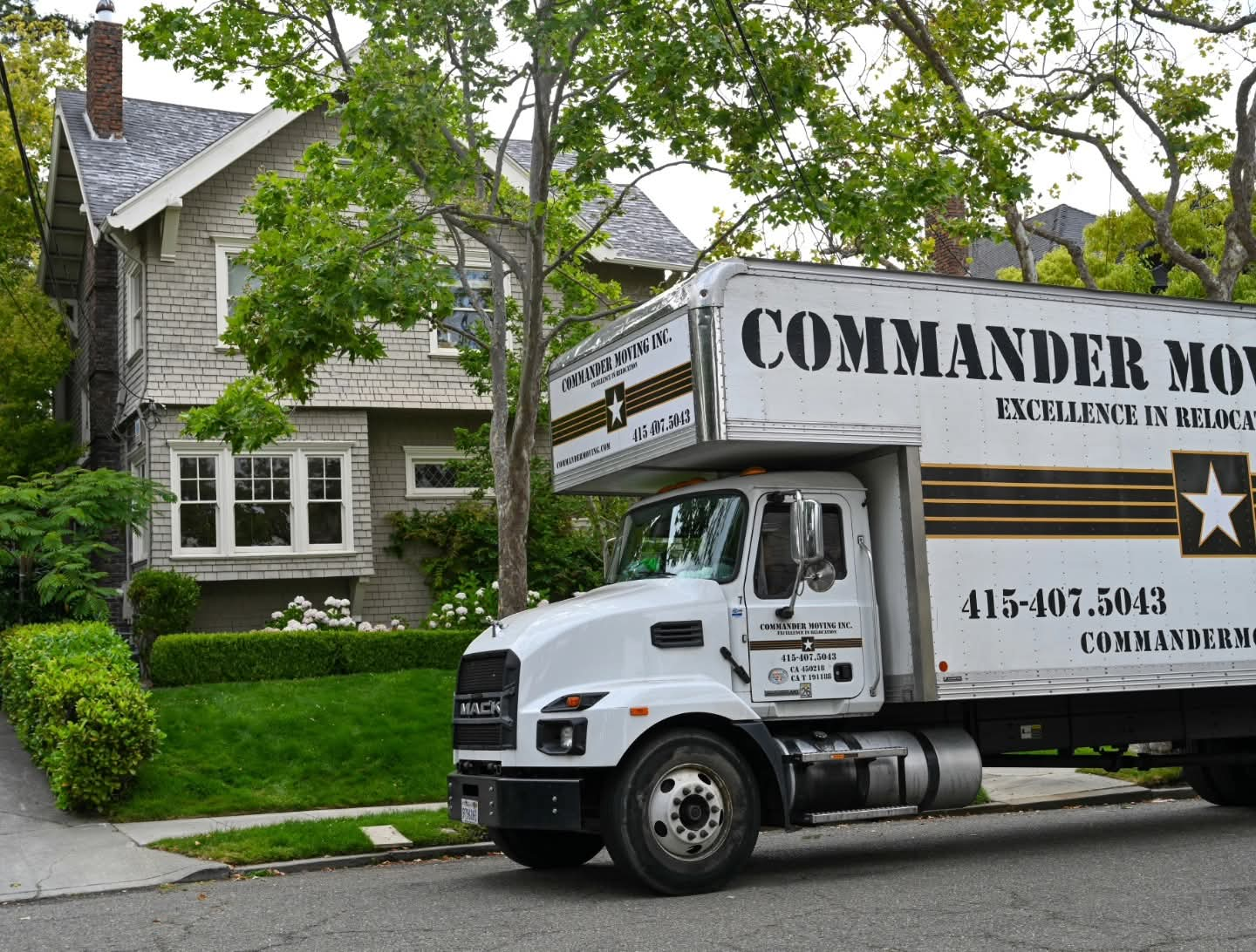
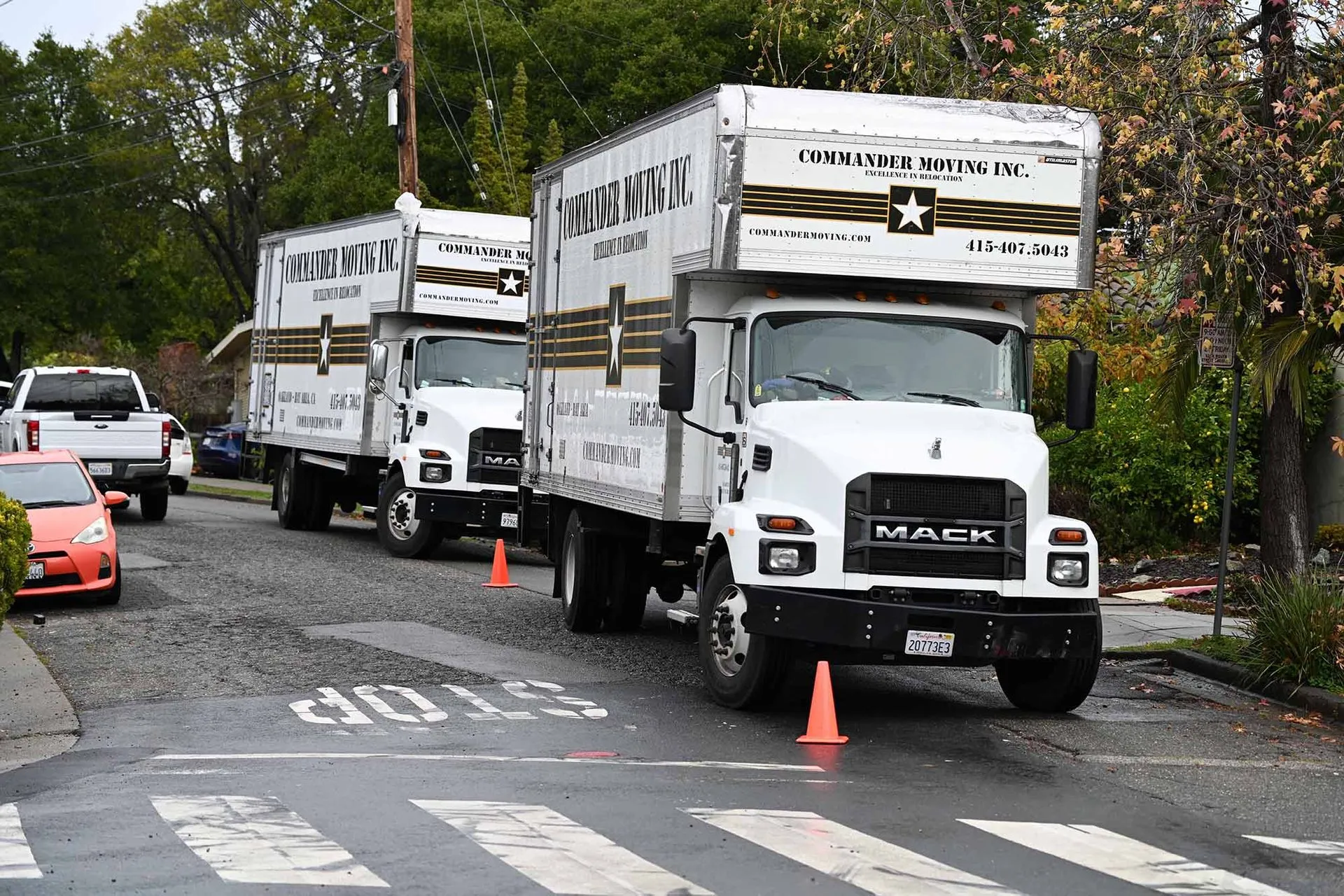
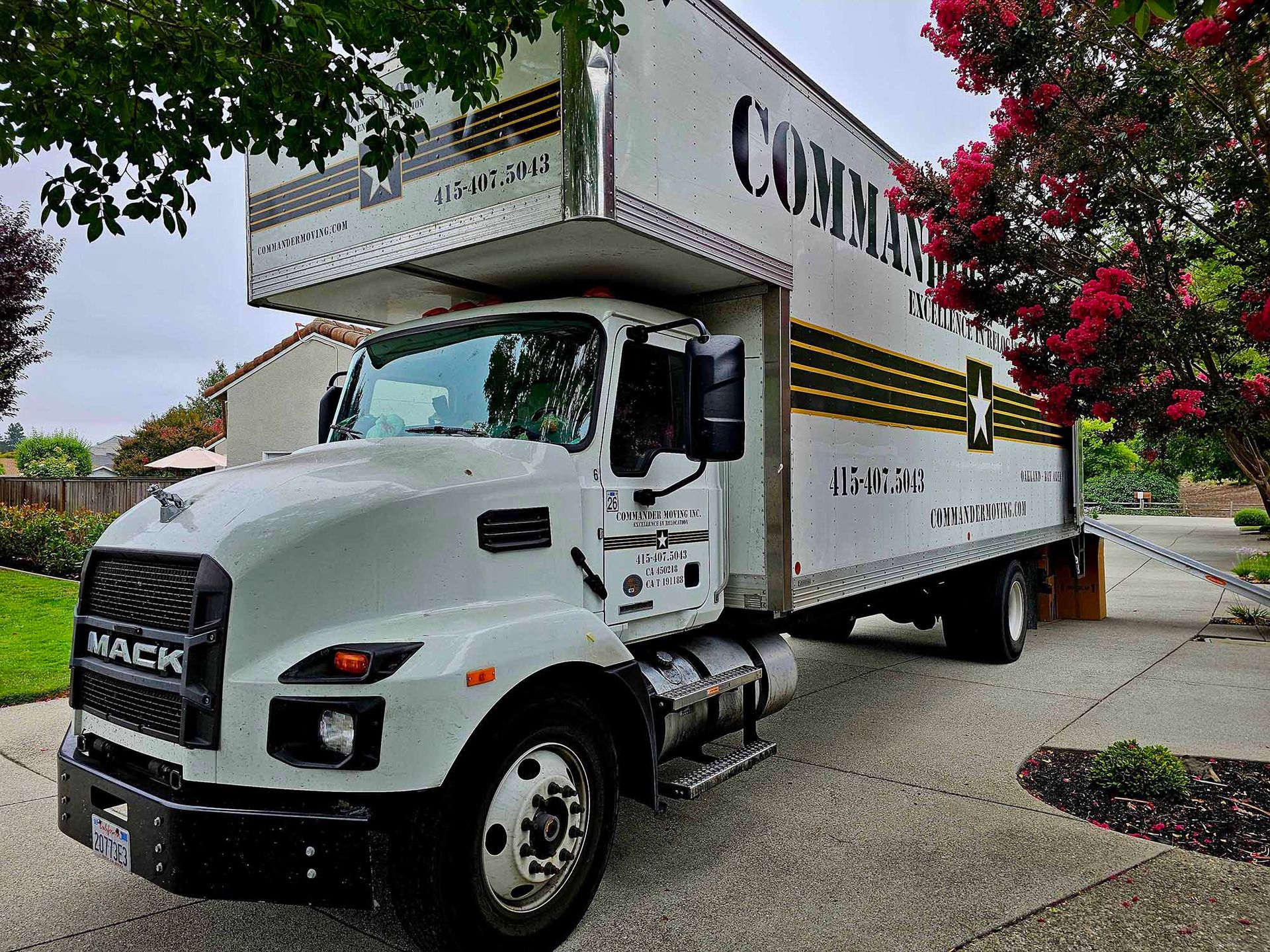
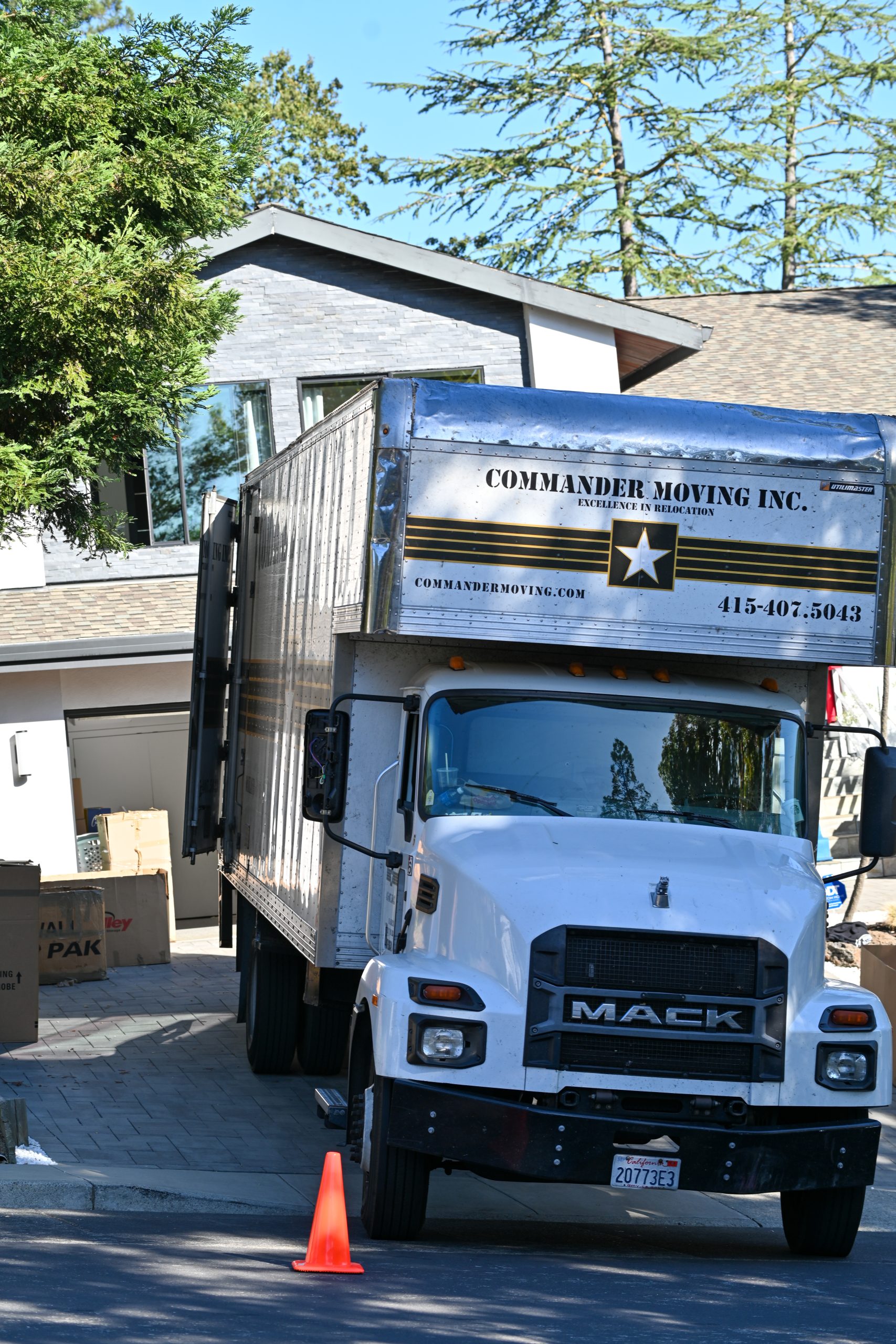
Commander Moving provides residential moving services throughout the San Francisco Bay Area. Its advertised services include packing assistance, furniture handling, and local and long-distance moving. Homeowners with expensive or delicate belongings should discuss their inventory and property access in advance so the team can explain the available protection and transportation arrangements.
Key Takeaways
- Identifying valuable, fragile, or oversized belongings before moving day helps the moving company determine appropriate preparation and handling requirements.
- Suitable furniture protection may include moving blankets, padding, protective coverings, corner protection, and appropriate cartons. Specialty crating should be confirmed separately.
- Professional residential movers may use furniture dollies, moving straps, protective padding, and coordinated handling methods to reduce the risk of damage when transporting bulky belongings.
- Artwork, antiques, mirrors, electronics, and collectibles may require additional cushioning, suitable cartons, or specialist packing arrangements depending on their condition and construction.
- Proper weight distribution, suitable securing methods, and separation of fragile belongings can help reduce shifting and impact risks during transportation.
- Homeowners should identify delicate floors, walls, railings, and other property finishes so appropriate protective measures can be discussed before moving day.
- Photographs, household inventories, room labels, and clear communication can help document valuable belongings and organize their delivery.
- Before choosing a mover, verify its experience with your belongings, confirm available specialty services, and review the written estimate and applicable liability protection.

Why High-End Household Moves Require Additional Planning
High-end moves may involve oversized furniture, antiques, artwork, mirrors, sculptures, electronics, and custom furnishings. Their dimensions, fragility, materials, or condition can require extra preparation or specialist assistance.
A marble tabletop can be heavy yet prone to cracks. An antique cabinet may have weakened joints or veneers, while an oversized sofa may require access measurements. Disclose these characteristics so the mover can assess equipment, staffing, and handling needs.
Items to identify during the assessment:
- Item dimensions, approximate weight, and construction
- Existing condition, fragile components, and delicate finishes
- Doorway, hallway, staircase, and elevator clearance
- Packing, lifting, and transportation requirements
- Specialty handling and destination placement needs
A detailed assessment helps the mover identify necessary packing, labor, equipment, or outside specialists before moving day.
Understanding the Difference Between Valuable and Fragile
Value and fragility differ. A designer dresser may be sturdy but easily scratched, while an inexpensive glass ornament may be irreplaceable to its owner. Explain both condition and personal significance when requesting care.
Handling should reflect materials, condition, fragility, and transportation requirements, not price alone. Review liability limits for unusually valuable pieces.
Luxury Movers Begin With A Detailed Pre-Move Assessment
Planning begins with an accurate inventory and property access assessment. Identify antiques, artwork, delicate finishes, and heavy furniture. For California intrastate household moves, a visual inspection is required before the written estimate. Use that assessment to confirm packing, handling, and delivery responsibilities.
For particularly delicate pieces, take photographs of the access route and measure doorways or stair turns before the crew arrives. Ask who is responsible for detaching wall-mounted art, disconnecting electronics, or preparing built-in components. These tasks may not be part of ordinary loading and transportation. If the move needs a specialist, arrange that work before moving day and confirm whether it affects the estimate.
Identifying High-Risk Items Early
Tell the mover about belongings that are unusually fragile, oversized, heavy, or difficult to replace. Examples include:
- Antique furniture, handmade or custom pieces, and heirlooms
- Paintings, framed art, sculptures, mirrors, and glass tabletops
- Stone or marble furniture and delicate designer finishes
- Chandeliers, lighting components, and delicate collectibles
- Large instruments, premium electronics, and oversized furnishings
Early disclosure allows time to discuss handling options. Oversized furniture may need doorway measurements or limited disassembly, while valuable artwork might require specialist packaging. Confirm custom crating and any additional services before booking.
Planning The Route Through The Home
Review doors, stairs, elevators, hallways, parking, and loading areas at both properties. Measuring large furniture and restricted passages in advance helps identify access problems.
Ask whether disassembly, extra labor, coverings, or alternative access is needed. Movers should explain limitations before attempting an item that cannot safely pass through an opening.
High-End Furniture Receives Layered Protection
High-end furniture may have finishes sensitive to pressure, moisture, friction, or impact. Leather, velvet, lacquer, glass, and stone may need different protection. Consider the piece’s condition, manufacturer guidance, and known handling restrictions before wrapping.
Moving Blankets And Furniture Padding
Moving blankets and padding may reduce scratches, scuffs, and minor impacts. Secure them without excess pressure on delicate surfaces or vulnerable parts. Tell the mover about unusual finishes or existing damage.
Stretch Wrap And Protective Coverings
Stretch wrap may secure padding but should not automatically touch delicate finishes. Antique, painted, lacquered, leather, or moisture-sensitive surfaces may need non-contact protection. Follow manufacturer or specialist guidance where applicable.
Corner And Edge Protection
Exposed corners and edges can be damaged in narrow passages. Suitable guards may protect tables, mirrors, cabinets, framed art, stone, and glass, provided the materials suit the finish.
Furniture Is Carefully Disassembled When Necessary
Removing certain furniture components can simplify transport, but disassembly is not suitable for every piece. Check construction, fragile joints, previous repairs, and manufacturer instructions first.
Depending on construction and agreed services, removable parts might include legs, shelves, bed components, attached mirrors, glass panels, or modular sections. Delicate hardware should be removed only when appropriate.
Hardware Must Stay Organized
Keep screws, bolts, and brackets in labeled containers linked to the corresponding item. Do not tape hardware directly to delicate finishes. Confirm reassembly responsibilities and any need for specialist help.
When Furniture Should Not Be Disassembled
Older or handmade furniture may have fragile joints, unusual hardware, or repairs that make disassembly risky. Seek manufacturer or conservator guidance if uncertain. Some pieces must remain assembled.
When Valuable Items May Need Specialty Crating
Standard cartons may not protect every oversized, delicate, or irregularly shaped item. Custom crating or other specialty packaging may help, depending on construction, condition, and transportation needs. Verify availability before booking.
Selecting Specialty Packaging
Specialty crating may suit artwork, sculptures, mirrors, antiques, glass, or unusually shaped pieces. Not every valuable item needs a wooden crate. Ask whether an art carton or another specialist package is more appropriate.
A crate can limit certain impacts, but protection depends on internal support, design, and handling. Crating cannot guarantee damage-free delivery.
Internal Protection Matters Too
Rigid crates require appropriate internal cushioning and support. Ask whether the mover provides custom packaging or recommends a qualified crating specialist.
Artwork, Mirrors, Antiques, And Collectibles Receive Specialized Handling
Some possessions require techniques that differ from ordinary furniture moving.
Fine Art And Framed Pieces
Paintings and frames can be damaged by pressure, puncture, moisture, scratches, or impact. Art cartons, cushioning, and corner guards may help, but materials must not contact sensitive painted surfaces without guidance. Consult a qualified art handler or conservator for rare or fragile works.
Mirrors And Glass
Large mirrors and glass components require support that avoids twisting or uneven pressure. Choose cushioning and packaging suited to each piece. Removable glass tops may travel separately. Confirm placement and handling rather than assuming one method fits all glass.
Antiques
Antiques may have weak joints, veneers, previous repairs, and delicate finishes. Document their condition and disclose vulnerabilities before lifting. Rare, unstable, or historically important items may require a conservator or furniture specialist.
Collections And Decorative Objects
Fragile collections often need individual wrapping, dividers, cushioning, and suitable cartons to limit contact between objects. Inventory valuable pieces and identify any needing specialist handling.
Moving Equipment and Heavy-Item Handling
Protective wrapping must be paired with suitable equipment and careful handling. Equipment choices depend on dimensions, weight, condition, and property access. Certain specialty items exceed standard moving capabilities.
Equipment may include dollies, hand trucks, lifting straps, sliders, ramps, and floor protection. Confirm lift gates, rigging, or other specialist tools if required.
Suitable equipment can make heavy belongings easier to handle and may reduce certain risks, but the item’s condition, access route, available assistance, and equipment limitations must also be considered.
Heavy Does Not Mean Indestructible
Heavy furniture can be fragile. Marble, glass, stone, and antique pieces may chip, crack, or suffer joint damage. Disclose their weight, dimensions, and vulnerabilities. Specialist handling may be needed.
Team Communication Is Essential
Moving large furniture may require coordinated help around stairs, corners, and doors. Keep access routes clear and explain property hazards beforehand.
Protecting the Home During a High-End Move
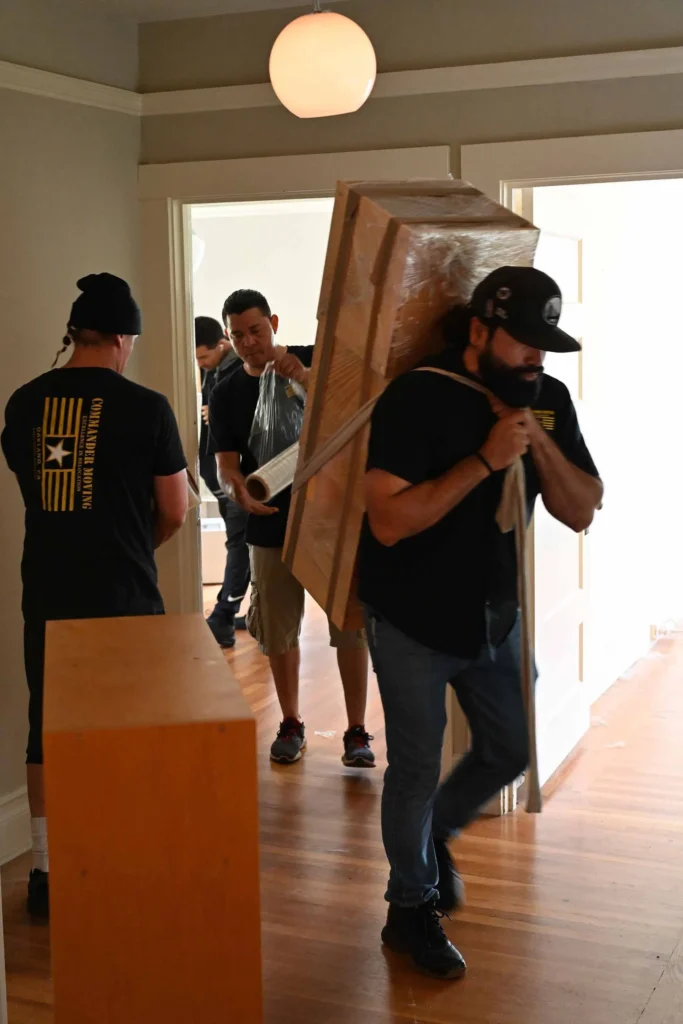
Protect both belongings and property. Hardwood, stone, stairways, millwork, railings, and narrow entrances may be damaged during heavy furniture moves. Identify sensitive areas in advance.
Floor Protection
Appropriate floor coverings may reduce dirt and surface damage but must suit the flooring without creating slip or adhesive hazards. Confirm the available protection.
Walls, Doors, And Railings
Narrow doorways, halls, stairs, and railings may need padding and a planned carrying route. Discuss delicate architectural details and building requirements in advance.
Secure Truck Loading for Valuable Belongings
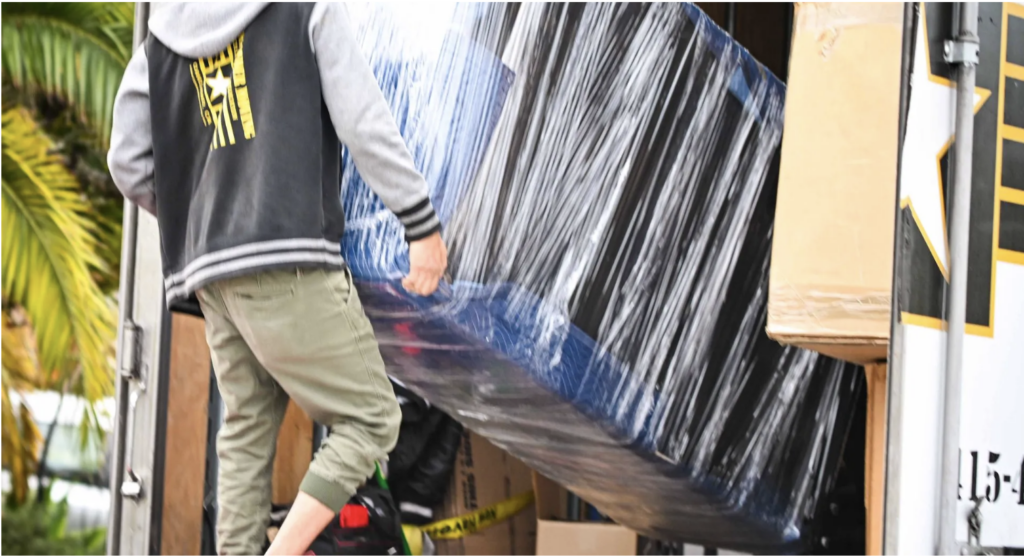
Braking, turns, and uneven roads can shift unsecured belongings. Loading should account for item weight, fragility, truck space, and securing methods.
Weight Distribution
Keep heavy items stable without crushing delicate pieces. Stack cartons according to weight and strength, and follow appropriate vehicle loading requirements.
Preventing Movement
Securing methods, padding, and careful positioning may reduce movement. Fragile furniture must not support heavy cargo. Ask how valuable pieces will be protected.
Separating Incompatible Items
Separate mirrors, polished wood, glass, and delicate cartons from hard or heavy objects that could damage them. Packing and loading reduce risk but cannot eliminate it.
Long-Distance Moves Require Additional Attention
Long-distance moves may mean more time in transit, vibration, temperature changes, or handling stages. Discuss packing, delivery, and specialist transport needs in advance.
Stronger Packing For Extended Transit
Belongings traveling longer distances may benefit from additional cushioning, suitable cartons, or different securing arrangements. Packing requirements should be based on the item’s construction, condition, and expected transportation conditions rather than distance alone.
Inventory And Labeling
Photograph and inventory valuables, keeping receipts, serial numbers, and appraisals. For interstate moves, ask about declaring articles of extraordinary value and review valuation protection before shipping.
Careful Delivery, Furniture Placement, and Condition Checks
At delivery, identify delicate flooring, stairs, narrow access, and furniture locations. Suitable protective measures may reduce damage while unloading.
Room-By-Room Placement
Label cartons by destination room and prepare placement instructions for major furniture. Confirm whether room-by-room placement is included in the moving agreement and communicate any stairs or restricted access at the destination.
Furniture Reassembly
Reassembly may be available for suitable furniture when included in the agreement. Confirm responsibilities for antiques and custom items. Wall anchoring or technical installation may need separate professionals.
Final Condition Check
Inspect valuables promptly where practical, compare with pre-move records, and document damage. Follow written claims procedures and deadlines. A verbal report may not constitute a formal claim.
What Should Homeowners Do Before Moving Valuable Items?
Before moving valuable belongings, prepare an inventory and document their condition with photographs. Keep available appraisals, receipts, and other ownership records. Identify unusually heavy, fragile, irreplaceable, or specialty items during the moving assessment. Ask whether additional packing, specialist handling, or specific value declarations are necessary.
Ask what the mover cannot transport. Keep cash, jewelry, ID, medications, documents, and small irreplaceable items with you. Confirm restrictions involving batteries, hazardous materials, firearms, or other regulated goods.
Choosing Residential Movers for a High-End Move
For high-end items, verify moving credentials, relevant experience, available packing services, written estimates, and liability protection before comparing prices.
Ask About Experience
Ask about experience with antiques, designer furniture, mirrors, stone, and fragile collections. Discuss specialist requirements, equipment limits, and preparation methods.
Request A Clear Estimate
Obtain a written estimate identifying agreed services and charges. California intrastate movers must conduct the required visual inspection and provide a Not-to-Exceed price. Document additional requested services through the applicable change-order process, and confirm any crating charges before signing.
Discuss Protection And Valuation Options
Review moving-company liability protection, exclusions, value-declaration requirements, and claims procedures. Interstate Full Value Protection and Released Value Protection are valuation options, not separate insurance. Check your own policies and consider additional insurance if appropriate.
For valuable shipments, ask for the specific liability terms in writing rather than assuming the word insured means full replacement protection. Certain extraordinary-value articles may require a separate declaration for interstate moves. Ask how owner-packed cartons and pre-existing damage affect potential claims. Keep copies of the inventory, estimate, and related agreements with your photographs so they are available if a question arises after delivery.
Pay Attention To Communication
Confirm a primary contact, how schedule changes are communicated, your responsibilities, and how extra services or delivery concerns are documented.
Care Beyond High-Priced Furniture
Careful moving services can benefit households regardless of the monetary value of their belongings. A family heirloom, custom furniture piece, or irreplaceable photograph may have personal significance beyond its resale value. Homeowners should identify sentimental and delicate possessions before packing so their handling requirements can be discussed with the moving company.
Commander Moving: Dependable Residential Moving With Careful Attention
Commander Moving provides residential moving services throughout the San Francisco Bay Area, including packing assistance, furniture protection, and local and long-distance moving. Homeowners with valuable furniture, antiques, artwork, or other delicate belongings can discuss their requirements before booking. The company can explain the available handling arrangements, moving services, and any additional preparation needed for the relocation.
Before moving day, share your inventory, property access details, scheduling requirements, and any belongings needing additional attention. Learn more about Commander Moving’s residential moving services or request a moving estimate to discuss your upcoming relocation.
Conclusion
Luxury movers can help protect high-end furniture and valuable belongings through appropriate preparation, protective materials, careful handling, organized loading, and coordinated delivery. The right approach depends on each item’s condition, construction, fragility, and transportation requirements.
Homeowners should disclose delicate or unusually valuable possessions before moving day, document their condition, and confirm the services included in the written estimate. Specialty packing and liability protection deserve particular attention.
For local and long-distance residential relocations throughout the San Francisco Bay Area, Commander Moving offers professional moving assistance. Contact the team to discuss your household inventory and request an estimate based on your relocation needs.
Frequently Asked Questions
1. How Do Luxury Movers Protect Expensive Furniture During A Residential Move?
Luxury movers may use furniture blankets, protective padding, appropriate wrapping, suitable moving equipment, and organized loading to help reduce damage risks. The materials and handling methods should reflect the item’s dimensions, construction, surface finish, and fragility. Some furniture may require limited disassembly or additional protection, but specialty services should be confirmed before booking. No moving method guarantees completely damage-free transportation.
2. Can Residential Movers Safely Move Antiques And Family Heirlooms?
Experienced residential movers may handle many antiques and family heirlooms, but the appropriate method depends on the item’s condition, construction, and fragility. Homeowners should disclose weakened joints, delicate finishes, previous repairs, and other vulnerabilities before moving day. Particularly rare, unstable, or historically significant pieces may need evaluation by a qualified conservator or specialist. Confirm the company’s experience and available arrangements before booking.
3. Do Luxury Movers Use Custom Crates For Artwork And Valuable Items?
Some luxury moving companies offer or arrange custom crating for particularly delicate, valuable, or unusually shaped belongings. However, custom crating is not automatically included in every residential moving service. Homeowners should ask whether the mover provides it directly, works with a specialist, or recommends another packaging method. Confirm the cost and scope before booking.
4. How Are Marble, Glass, And Other Delicate Furniture Materials Moved?
Marble, stone, and glass furniture can be heavy while remaining vulnerable to cracking or chipping. The appropriate handling method depends on the item’s dimensions, construction, support requirements, and whether components can be removed. Protective padding, suitable equipment, and careful transportation may reduce certain risks. Unusually heavy stone pieces or delicate glass furniture may require specialist assistance.
5. What Should I Tell Residential Movers About My Valuable Items Before Moving Day?
Tell your moving company about artwork, antiques, designer furniture, large mirrors, stone pieces, collections, and other valuable or fragile belongings. Provide approximate dimensions and weights when relevant, and explain known damage or unusual construction. Ask whether additional materials, handling arrangements, or declarations of value are needed. Photographs and an inventory can also help document belongings before transportation.
6. How Can I Prepare High-End Furniture For A Long-Distance Move?
Prepare an inventory of valuable furniture and photograph important items before packing. Keep available receipts, serial numbers, appraisals, and condition records. Inform the moving company about delicate finishes, removable components, oversized dimensions, and any specialist preparation requirements. Confirm how the belongings will be protected, the expected delivery arrangements, and the applicable liability protection. Keep small irreplaceable items and essential documents with you when appropriate.
7. Why Should I Hire Commander Moving for My Residential Move?
Commander Moving provides residential moving assistance throughout the San Francisco Bay Area, including local and long-distance relocation services, packing assistance, and furniture protection. Homeowners can discuss high-end furniture, fragile belongings, property access, and scheduling requirements before booking. The team can explain available services and the arrangements appropriate for the household. Visit Commander Moving’s residential moving page or request an estimate to begin planning.
Make Your Next Move Easier, Smoother, And Stress-Free
Moving to a new home or business is an exciting new chapter, but the process can quickly become overwhelming. From packing and organizing to coordinating transportation and protecting your belongings, there’s a lot to manage. At Commander Moving, we believe your move should be an opportunity to look forward to what’s next, not a source of unnecessary stress.
Our professional moving team provides personalized relocation solutions designed around your needs. Whether you’re moving locally, relocating across California, planning a long-distance move, or transitioning your business to a new space, we handle every step with care and attention. From residential and commercial moving to packing, transportation, and secure storage options, we’re here to make your transition as seamless as possible.
Your time, peace of mind, and belongings matter. With experienced movers, careful handling, honest upfront pricing, and a customer-first approach, Commander Moving takes care of the heavy lifting so you can focus on settling into your next chapter. Whether you’re moving across town or across state lines, you can count on our team for dependable service from start to finish.
Request your free moving estimate from Commander Moving today and let us help make your next move a smooth and worry-free experience.
Disclaimer
The materials available on this website are provided for general informational and educational purposes only and are not intended as legal, financial, moving, storage, or professional advice. Every move is different, and you should contact a qualified moving professional regarding your specific relocation needs, timelines, pricing, storage requirements, or specialty moving concerns.
Do not act or rely solely on the information contained on this website without first speaking directly with Commander Moving or another qualified professional regarding your individual situation. While we strive to keep the information on this website accurate and up to date, moving regulations, service availability, pricing, and operational details may change without notice.
Commander Moving disclaims all liability for actions taken or not taken based on any content found on this website to the fullest extent permitted by law. Use of this website or communication through this website does not create a contractual agreement for moving services unless confirmed in writing by Commander Moving.