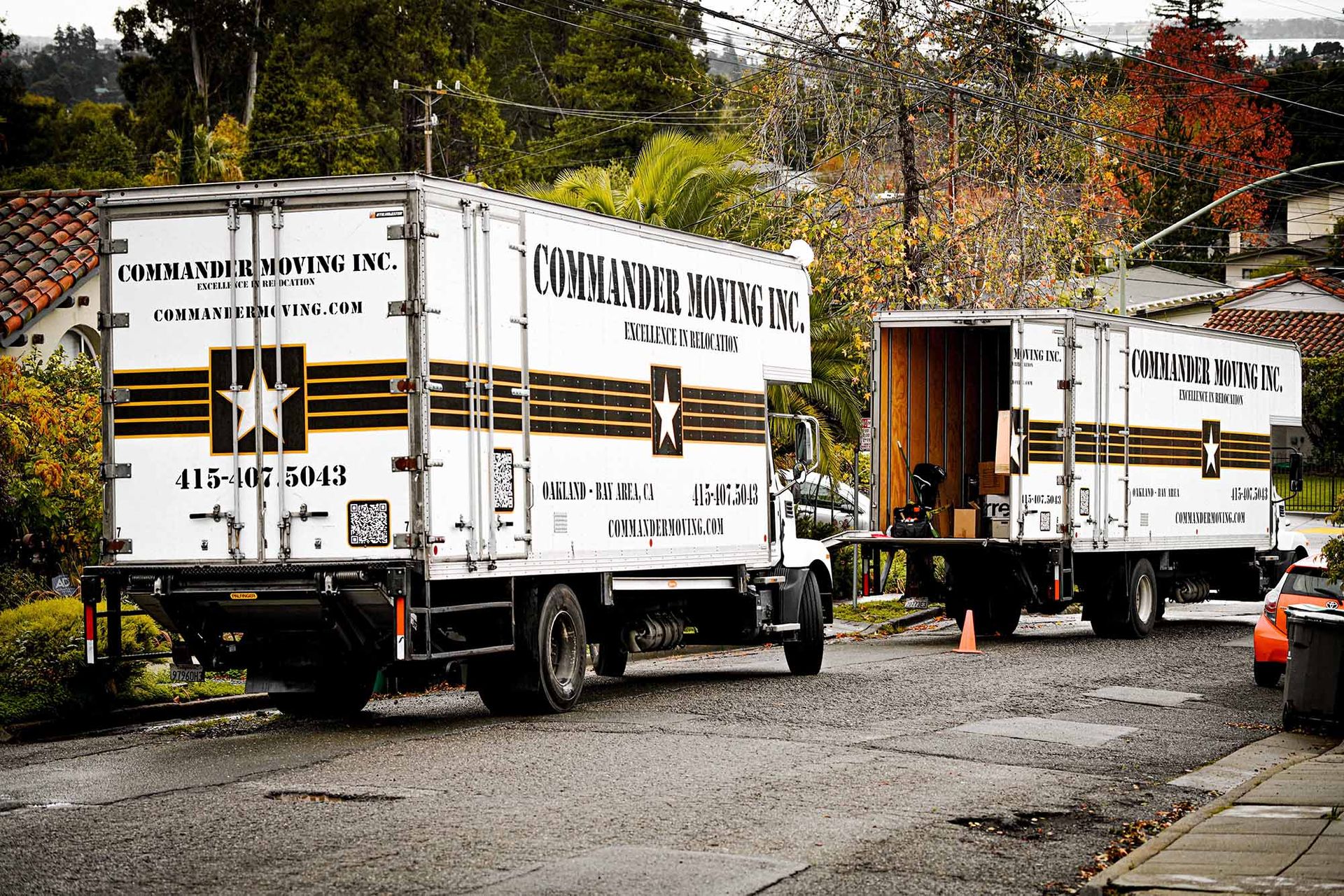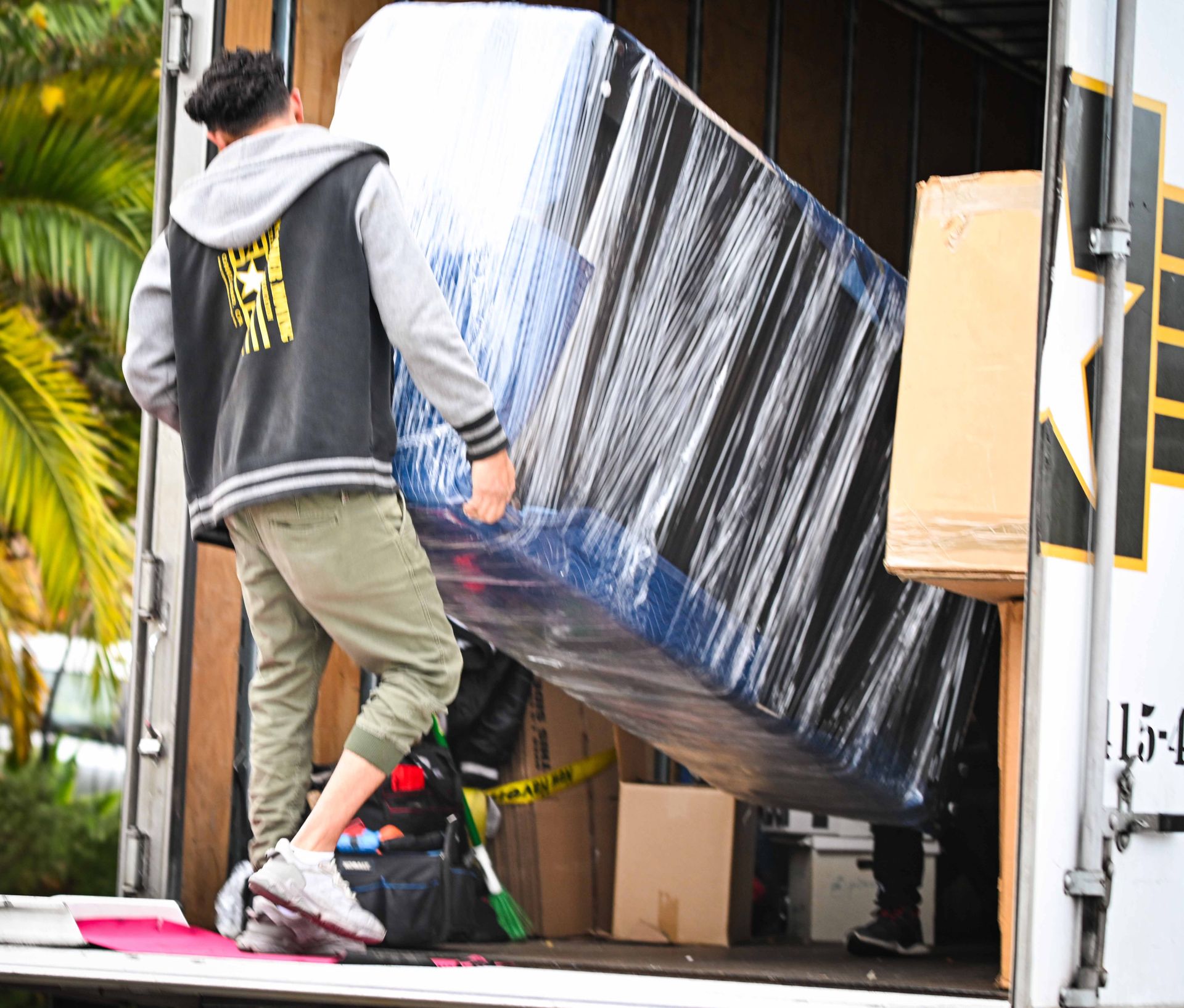
Moving a household is rarely as simple as putting possessions into boxes and loading them onto a truck. For homeowners with original artwork, antique furniture, heirlooms, sculptures, delicate glassware, designer furnishings, or other valuable belongings, moving requires an entirely different level of preparation and care. These items may carry significant financial value, but their sentimental or historical importance can make them truly irreplaceable.
Luxury movers handle artwork, antiques, and fragile belongings through careful planning, specialized packing methods, appropriate materials, controlled handling, secure transportation, and organized placement at the destination. Instead of treating every household item the same way, experienced Residential Movers assess the characteristics and vulnerabilities of individual pieces before deciding how they should be packed, moved, and transported.
That attention to detail can make a substantial difference during both local and long-distance residential moves. At Commander Moving, the goal is to provide homeowners with dependable moving support while treating household belongings with the care they deserve. Whether a move involves a few valuable pieces or an entire home filled with delicate furnishings, professional planning helps reduce unnecessary handling, prevent avoidable damage, and create a more organized transition from one property to another. Understanding how luxury movers protect fragile possessions can also help homeowners know what to look for when choosing a residential moving company.
Key Takeaways
- Luxury movers typically evaluate valuable and fragile belongings before moving day so they can determine appropriate packing, handling, equipment, and transportation requirements.
- Artwork, antiques, mirrors, sculptures, glassware, and other delicate belongings may require specialized packing materials or custom protection rather than standard moving boxes.
- Experienced Residential Movers use careful lifting, loading, positioning, and securing techniques to reduce movement and impact during transportation.
- Antique furniture requires special attention because age, previous repairs, delicate finishes, and weakened joints can make pieces more vulnerable than modern furniture.
- Long-distance transportation may require additional preparation because belongings remain in transit longer and encounter more vibration and movement.
- Clear communication, labeling, inventories, and an organized moving plan help movers understand which belongings require additional attention.
- Working with a dependable company such as Commander Moving gives homeowners professional support for household moves involving everything from everyday furnishings to delicate and valuable possessions.
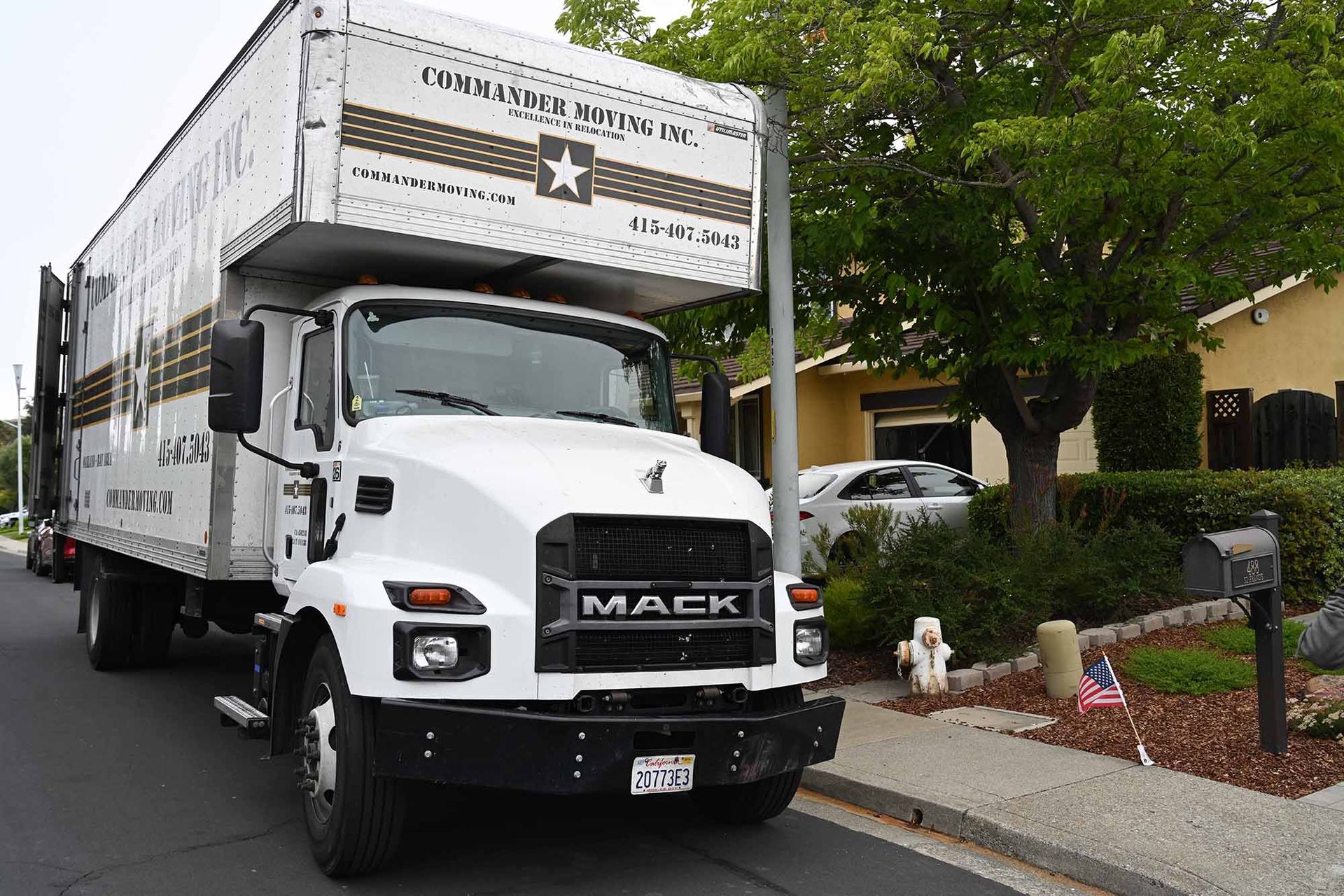
Why Valuable Household Belongings Require Specialized Moving Care
A standard household contains objects with dramatically different characteristics. A stack of towels can withstand pressure that a framed painting cannot. A newly manufactured table may tolerate handling that could damage a century-old antique. Similarly, a television, marble sculpture, crystal chandelier, and collection of porcelain pieces all require different forms of protection. Professional residential moving services consider these differences. Fragile belongings face several potential risks throughout a move. They can experience vibration during transportation, pressure from neighboring items, accidental impacts during loading, or damage caused by improper lifting techniques. Large pieces can also encounter narrow staircases, tight hallways, door frames, elevators, or other obstacles.
Valuable possessions may present additional concerns because repairing or replacing them can be difficult or impossible. An antique inherited through several generations, for example, cannot simply be replaced with another piece of furniture if it is damaged. Original paintings and handcrafted objects may also have characteristics that make conventional packing unsuitable. For this reason, luxury moving is primarily about preparation and precision rather than simply moving expensive possessions.
How Residential Movers Prepare for Luxury Household Moves
Professional preparation begins before the first box is loaded. When a household contains artwork, antiques, designer furniture, or other fragile possessions, movers benefit from understanding exactly what they will be handling. This allows the moving team to plan packing materials, labor, equipment, vehicle space, and loading strategies before moving day.
Evaluating Valuable And Fragile Items
A pre-move evaluation helps identify belongings requiring additional attention. Movers may consider an item’s dimensions, weight, construction, condition, fragility, and location within the home. Oversized paintings, marble tables, antique cabinets, mirrors, sculptures, chandeliers, and unusually shaped furniture can require considerably more planning than standard household belongings.
Access conditions matter as well. A large painting that fits comfortably through a front entrance may present difficulties when being removed from an upstairs room with a narrow staircase. Likewise, an antique armoire could require a different handling plan if elevators, tight turns, or limited loading areas are involved. Identifying these circumstances beforehand helps the moving crew arrive prepared.
Creating An Organized Moving Plan
Once delicate possessions have been identified, Residential Movers can determine how they fit into the broader relocation. The moving plan may address packing order, equipment requirements, loading sequence, transportation arrangements, and placement at the destination. Fragile pieces generally should not be treated as an afterthought. Planning their movement alongside the rest of the household helps prevent situations where valuable items are rushed because the truck is nearly full or the moving schedule is running behind.
How Luxury Movers Pack Fine Art
Artwork presents unique moving challenges because the term can describe everything from small framed prints to oversized canvases, sculptures, mixed-media pieces, and delicate decorative installations. Different pieces require different approaches.
Protecting Framed Artwork
Framed artwork usually needs protection for both the artwork itself and its frame. Corners can be particularly vulnerable during transportation. Decorative frames may include carved details, gilding, or delicate finishes that can chip or crack when bumped. Professional movers may use protective wrapping, corner guards, cushioning materials, and appropriately sized containers depending on the piece. The goal is to create protection against impacts while preventing unnecessary pressure against vulnerable surfaces.
Handling Large Canvases
Large canvases can be challenging because their surface may be sensitive to pressure. Placing heavy materials directly against the canvas can cause dents, stretching, or other damage. Movers therefore need to consider how the artwork is wrapped, positioned, carried, and secured. Oversized pieces also require careful route planning through the property. Measurements may be taken beforehand to confirm that doorways, hallways, elevators, and staircases provide adequate clearance.
Moving Sculptures And Three-Dimensional Art
Sculptures create another set of challenges. Their weight distribution may be uneven, and projecting sections can be particularly vulnerable. A sculpture that appears solid may have narrow or delicate areas that should never be used as lifting points. Experienced movers assess the safest way to support the piece from structurally appropriate areas. Depending on size and construction, additional cushioning, containers, crates, or handling equipment may be appropriate.
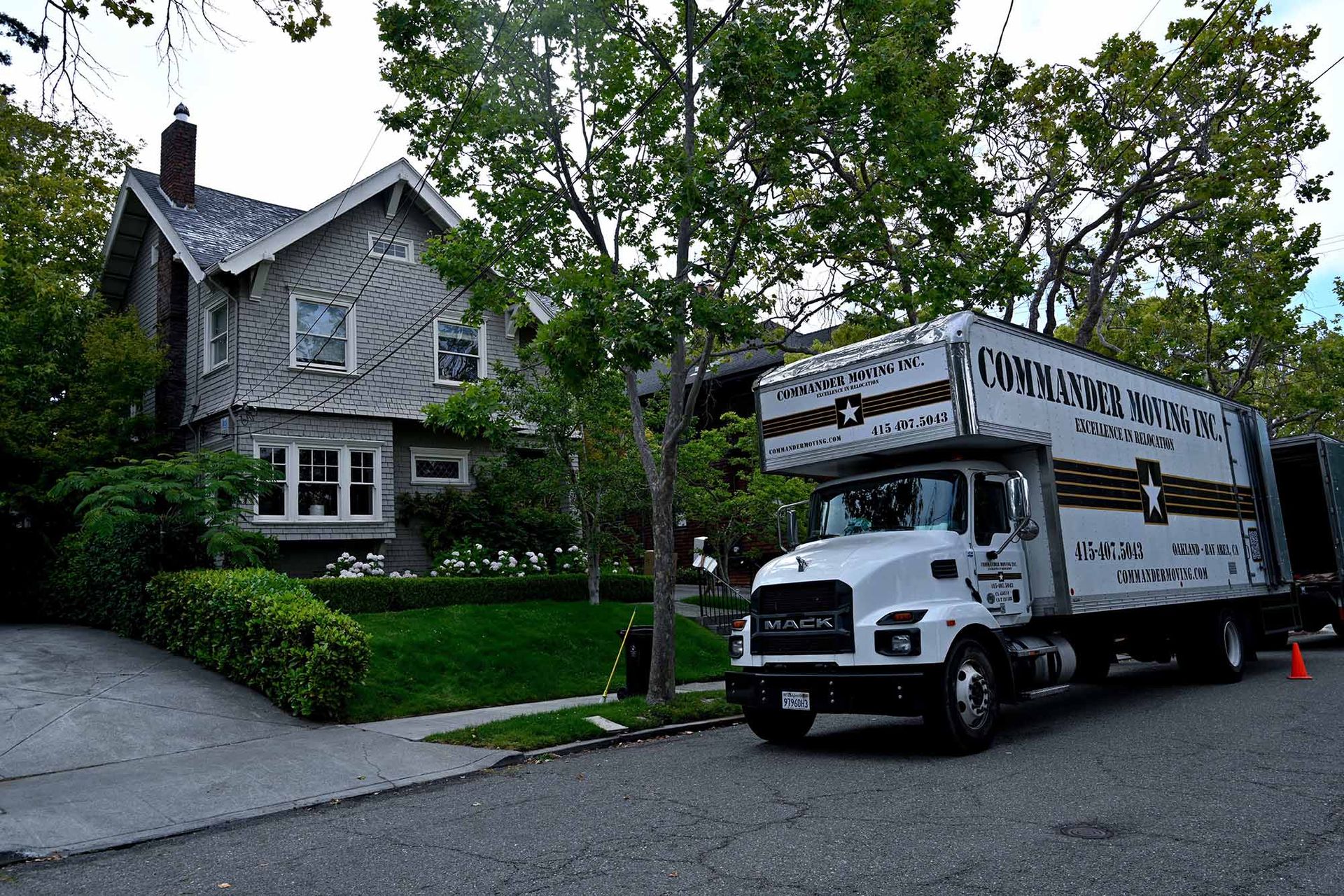
Why Custom Crating May Be Used For High-Value Items
Some belongings cannot be adequately protected by conventional cardboard moving boxes. Custom crating provides a more structured protective solution for items with unusual dimensions, significant value, or high sensitivity to impact. A crate can be designed around the dimensions and characteristics of a particular object. Internal cushioning can help limit movement while the rigid exterior provides additional protection from surrounding cargo.
Custom protection may be considered for items such as large artwork, sculptures, oversized mirrors, delicate decorative pieces, certain antiques, or other belongings that require additional structural protection. Not every fragile possession needs a custom crate. The appropriate solution depends on the item and the circumstances of the move. A professional moving company can help homeowners determine which belongings may benefit from specialized packing.
How Residential Movers Protect Antiques
Antiques often require more careful handling than modern furnishings. Age alone can change the structural characteristics of furniture. Wood can become brittle, joints may loosen, veneers may separate, and old repairs may no longer provide the strength they once did. An antique that appears sturdy while sitting in a room can respond very differently when lifted and carried.
Assessing Condition Before Moving
Before relocating antique furniture, movers should look for vulnerable areas. Loose legs, weakened joints, damaged hardware, cracked wood, fragile decorative components, or existing surface damage can influence how a piece should be handled. Recognizing these conditions before lifting reduces the likelihood that a mover will unknowingly place pressure on a weak point. Homeowners should also tell their movers about known repairs, structural issues, or particularly delicate sections.
Protecting Delicate Finishes
Antique furniture may feature polished wood, lacquer, veneer, carvings, painted surfaces, or other finishes that can be scratched or damaged. Protective wrapping helps create a barrier between the furniture and walls, doorways, moving equipment, or neighboring cargo. The protection should also be applied thoughtfully. The objective is to safeguard the finish without introducing unnecessary pressure against delicate decorative details.
Handling Removable Components
Some furniture contains removable shelves, drawers, glass panels, doors, or decorative components. When appropriate, separating certain parts can reduce weight and make the main piece easier to handle. Individual components can then receive their own protection. Antique furniture should not automatically be disassembled.
Older construction methods, fragile hardware, or previous repairs may make disassembly risky. Movers should consider the specific piece before determining whether components should be removed.
Protecting Mirrors, Glass, And Other Breakable Belongings
Mirrors and glass objects are among the most recognizable fragile items in a household, but successful protection requires more than simply labeling a box “fragile.” Proper packing limits movement and helps protect vulnerable edges and surfaces.
Mirrors And Glass Tabletops
Large mirrors and glass tabletops require careful handling because their size can make them awkward to maneuver. Protective materials can help cushion surfaces and edges, while appropriately sized containers provide additional separation from other cargo. These pieces should also be positioned carefully inside the moving vehicle rather than being placed where heavy belongings could shift against them.
Crystal, Porcelain, And Collectibles
Small breakable items benefit from individual protection. Crystal glasses, porcelain figures, ceramics, decorative objects, and similar possessions should generally not be packed loosely together. Individual wrapping and cushioning help prevent pieces from striking one another during transportation. Empty spaces inside containers should also be addressed because excessive movement can increase the chance of damage.
Chandeliers And Delicate Fixtures
Chandeliers and specialty lighting can contain numerous fragile components. If a fixture is being moved, individual crystals, shades, or removable decorative pieces may need separate protection. Keeping small components organized and clearly labeled also makes reassembly easier at the destination. Homeowners should discuss specialty fixtures with their moving company beforehand because removal or installation requirements may extend beyond standard moving services.
Specialized Moving Equipment Makes A Difference
Professional residential moving involves more than having a truck and a few boxes. Equipment can help movers manage heavy, oversized, and fragile belongings more safely and efficiently. Depending on the household, crews may use moving blankets, dollies, straps, protective coverings, ramps, specialty carts, or other equipment.
The appropriate tools depend on the item and the property. A heavy antique cabinet, for example, requires a different handling strategy than a large framed painting. Equipment should support safe movement without placing damaging pressure on vulnerable areas. Professional movers also consider the home itself.
Floor protection, doorway protection, and careful maneuvering can help reduce the risk of damage to walls, floors, railings, and other property features while large belongings are being removed or delivered.
Careful Loading Is Essential For Fragile Belongings
Packing is only one part of protecting valuable possessions. How items are arranged inside the moving vehicle is equally important. Even well-packed belongings can be damaged if heavy furniture shifts into them during transportation.
Experienced Residential Movers think strategically about weight distribution, stability, and loading order. Heavy, sturdy belongings need to be positioned securely, while fragile items require protection from crushing forces and excessive movement.
Reducing Movement During Transportation
Road travel naturally creates vibration, turns, stops, and acceleration. Proper securing techniques help prevent cargo from moving excessively in response. Movers may use straps, padding, barriers, or careful positioning to stabilize belongings. The objective is to create a secure load in which items support the overall arrangement without placing harmful pressure on delicate possessions. This becomes particularly important during long-distance moves, where belongings may spend many hours or days in transit.
Local Versus Long-Distance Moves With Valuable Items
The fundamental principles of careful handling apply to both local and long-distance residential moves, but distance introduces additional considerations. A local move may involve only a relatively short period of transportation. A long-distance relocation exposes belongings to prolonged vibration, additional road conditions, and longer periods inside the moving vehicle. As a result, preparation becomes even more important.
Planning For Long-Distance Transportation
Homeowners preparing for a long-distance move should identify valuable and fragile possessions early. This gives the moving company time to discuss specialized packing, unusual dimensions, and other requirements. Items should also be clearly organized so movers understand which belongings require additional attention throughout the move. Professional planning helps maintain consistency from pickup through delivery rather than relying on last-minute decisions.
The Importance Of Labeling And Inventory Organization
Organization is one of the simplest but most effective ways to improve a residential move. Clear labels allow movers to identify fragile containers and understand where they belong in the new home. For households with valuable collections or numerous delicate pieces, an inventory can provide additional organization.
Homeowners may choose to photograph certain belongings before packing and keep their own records of high-value possessions. These records can also help homeowners keep track of what was packed and where items should be placed after delivery. An inventory becomes particularly useful when multiple rooms contain artwork, collectibles, antiques, or specialty furnishings.
Communication Between Homeowners And Movers
Professional movers bring experience, but homeowners possess information about their belongings that movers may not know. Good communication connects the two. If an antique chair has a repaired leg, the moving crew should know. If a sculpture has an extremely delicate component, that should be identified before anyone attempts to lift it.
Likewise, homeowners should point out belongings with unusual sentimental or financial importance. This information allows the crew to make better handling decisions. Communication should begin during the estimate and planning process rather than waiting until moving day.
What Homeowners Can Do Before Movers Arrive
Professional moving services can handle much of the physical work, but homeowners can take several steps to make the process smoother. Start by identifying belongings that require special attention. Walk through the home and consider artwork, antiques, mirrors, collections, electronics, instruments, designer furnishings, and sentimental pieces. Tell the moving company about these belongings when requesting an estimate.
It is also helpful to separate documents, medications, jewelry, cash, keys, and other personal essentials that you intend to transport yourself. Finally, avoid making assumptions about what can or cannot be moved. If you are uncertain about an unusual or particularly valuable item, discuss it with your moving company beforehand.
Common Mistakes When Moving Artwork And Antiques
One common mistake is assuming that ordinary packing methods are suitable for every household possession. Using an oversized box with insufficient cushioning, for example, can allow fragile objects to move freely. At the opposite extreme, forcing too much material around delicate pieces can create unwanted pressure. Another mistake is waiting until moving day to mention unusually large or fragile belongings. If movers are unaware of a large sculpture, antique cabinet, oversized mirror, or substantial art collection, they may not have planned the necessary space or materials.
Homeowners sometimes also attempt to move heavy antiques themselves because they are worried about letting someone else handle them. Heavy and awkward objects can be difficult to control without proper equipment and sufficient help. Working with experienced Residential Movers can provide a more organized solution.
Choosing Residential Movers For Valuable Household Belongings
Not every moving company provides the same level of service. When a home contains artwork, antiques, fragile furnishings, or other valuable possessions, homeowners should look beyond the lowest advertised price. Experience, professionalism, communication, planning, and handling practices all matter.
Ask About Packing Services
Find out whether the company provides professional packing and what options are available for fragile or unusual items. A good conversation about packing should consider the actual belongings involved rather than offering a one-size-fits-all answer.
Discuss Specialty Items During The Estimate
Tell the mover about artwork, antiques, oversized furniture, mirrors, sculptures, or other belongings that could affect the move. Providing accurate information helps the company estimate labor, materials, equipment, and transportation requirements more effectively.
Look For Clear Communication
Reliable movers should communicate clearly about scheduling, services, expectations, and pricing. Moving is already a complex process. Homeowners should not have to struggle to obtain basic information about how their possessions will be handled.
Consider The Entire Moving Experience
Residential moving is not just transportation between two addresses. It involves preparation, packing, loading, transportation, unloading, and placement. The quality of each stage affects the overall experience. A moving company that approaches the entire process systematically can provide homeowners with greater confidence from the initial estimate through final delivery.
Why Professional Residential Movers Can Reduce Moving Stress
Moving valuable belongings yourself may initially seem like a way to maintain complete control. In practice, it can create additional challenges. Large artwork may require multiple people to maneuver safely. Heavy antiques can create lifting risks. Improperly packed glassware can break during even a short drive. Rental vehicles may also lack the equipment or organization needed to secure a household efficiently.
Professional Residential Movers provide trained labor, moving equipment, packing experience, and transportation as part of a coordinated process. That support allows homeowners to focus on other responsibilities involved in relocating, including utilities, address changes, closing arrangements, family schedules, and settling into the new property. For homeowners with demanding schedules or complex households, this can be particularly valuable.
Residential Moving Services For Homes Of Every Size
Luxury-level care is not relevant only to mansions or enormous estates. A modest apartment can contain a valuable painting, family heirloom, antique desk, or collection of delicate objects. Likewise, a large household may include a combination of ordinary furniture and a relatively small number of belongings requiring specialized attention. Professional moving service should adapt to the household.
Commander Moving works to provide careful and dependable support for residential relocations of different sizes. Whether homeowners are moving locally or preparing for a longer relocation, the objective remains the same: plan the move carefully, handle belongings responsibly, and help create an efficient transition into the new home.
How Commander Moving Supports Careful Household Relocations
Choosing a residential mover means trusting a team with belongings accumulated over years or even generations. That responsibility requires professionalism. Commander Moving approaches residential moving with an emphasis on planning, careful handling, communication, and dependable service. Homeowners can discuss fragile belongings and specialty items during the planning process so the moving team can better understand the requirements of the relocation.
For moves involving artwork, antiques, delicate furniture, mirrors, collectibles, and other fragile possessions, early communication is particularly valuable.
The result is a moving plan designed around the household rather than forcing every customer into the same process. Whether the move involves a small residence, family home, luxury property, or large household, professional support can make packing, transportation, and delivery significantly easier to manage. Homeowners planning an upcoming relocation can contact Commander Moving to discuss their moving needs and request an estimate for professional residential moving services.
Final Remarks
Luxury movers protect artwork, antiques, and fragile belongings by combining preparation, specialized packing, careful handling, appropriate equipment, organized loading, and secure transportation. The process is designed around the characteristics of individual possessions rather than treating every household item identically.
For homeowners, choosing experienced Residential Movers is particularly important when a relocation includes belongings that are delicate, valuable, sentimental, or difficult to replace.
Commander Moving provides professional residential moving support for households of different sizes, helping homeowners approach local and long-distance relocations with a clear plan and dependable moving assistance. If you’re preparing to move and have belongings that deserve additional care, contact Commander Moving to discuss your relocation and request a residential moving estimate.
Frequently Asked Questions
1. How Do Residential Movers Protect Artwork During A Move?
Professional Residential Movers typically protect artwork according to its size, construction, frame, surface, and overall fragility. Protection may include cushioning materials, corner guards, protective wrapping, specialty containers, or custom crating when appropriate. Movers also consider where artwork will be positioned in the moving vehicle so heavy household belongings cannot shift against it during transportation.
2. Can Residential Movers Safely Move Antique Furniture?
Experienced residential movers can handle many types of antique furniture using careful preparation and appropriate moving techniques. Before lifting, movers may identify weak joints, delicate finishes, loose components, previous repairs, or other vulnerable areas. Protective wrapping and suitable moving equipment can then help reduce unnecessary impacts and surface damage. Homeowners should always tell movers about known structural concerns before the piece is handled.
3. Should Valuable Artwork Be Custom Crated For A Residential Move?
Not every piece of artwork requires custom crating. The appropriate protection depends on factors such as size, shape, construction, fragility, value, and transportation conditions. Large canvases, sculptures, oversized framed pieces, and particularly delicate artwork may benefit from more specialized protection. Discussing individual pieces with your moving company before moving day can help determine the most suitable packing approach.
4. How Should I Prepare Fragile Belongings Before Residential Movers Arrive?
Begin by identifying artwork, antiques, mirrors, collectibles, glassware, specialty furniture, and other belongings that need additional care. Inform your movers about these items before moving day, particularly if anything is unusually heavy, oversized, delicate, or difficult to access. You may also want to photograph valuable belongings and create a personal inventory. Keep important documents, medications, jewelry, cash, keys, and essential personal items separate if you plan to transport them yourself.
5. Do Long-Distance Residential Movers Handle Fragile Items Differently?
The basic principles of careful packing and handling remain the same, but long-distance moves may require additional planning because belongings spend more time in transit. Extended transportation can expose cargo to prolonged vibration, road movement, and changing conditions. Secure packing, strategic loading, appropriate cushioning, and careful stabilization become especially important when valuable belongings are traveling longer distances.
6. What Should I Look For When Hiring Residential Movers For Antiques And Fragile Items?
Look for a moving company that communicates clearly and is willing to discuss the specific belongings in your home. Ask about professional packing, handling procedures, specialty items, moving equipment, estimates, scheduling, and transportation. Rather than choosing exclusively by price, consider the company’s overall approach to preparation and customer service. A detailed conversation before booking can help determine whether the mover is equipped for the requirements of your household.
7. What Makes Commander Moving A Trusted Residential Mover?
Commander Moving focuses on providing professional, organized, and careful residential moving support for households of different sizes. By discussing specialty belongings, access conditions, packing needs, and transportation requirements in advance, homeowners can create a moving plan that reflects their particular relocation. Whether you’re planning a local household move or relocating farther away, contact Commander Moving to discuss your moving needs and request an estimate.

Give Your Body The Time And Space To Rest, Recover, And Restore
When life feels nonstop, your body often carries the stress long after the day is over. Tight muscles, fatigue, tension, and mental overload can all be signs that it’s time to slow down and recharge. At The Sanctuary Holistic Healing Center, our approach to Rest, Recovery, and Restoration is designed to help you step away from the demands of everyday life and give your body the care it needs to reset.
Each session is personalized around how you’re feeling and what your body needs most. Through holistic therapies such as massage, cupping, Gua Sha, infrared light therapy, breathwork, and other supportive techniques, we create a calming experience focused on releasing tension, encouraging relaxation, and supporting your body’s natural recovery process.
Rest isn’t something you have to earn. It’s an important part of feeling your best. Whether you’re recovering from physical strain, navigating a stressful season, or simply feeling worn down, making space for intentional recovery can help you feel more grounded, refreshed, and ready for what’s next.
Schedule your session with The Sanctuary Holistic Healing Center today and make time to rest, recover, and restore.
Disclaimer
The materials available on this website are provided for general informational and educational purposes only and are not intended as legal, financial, moving, storage, or professional advice. Every move is different, and you should contact a qualified moving professional regarding your specific relocation needs, timelines, pricing, storage requirements, or specialty moving concerns.
Do not act or rely solely on the information contained on this website without first speaking directly with Commander Moving or another qualified professional regarding your individual situation. While we strive to keep the information on this website accurate and up to date, moving regulations, service availability, pricing, and operational details may change without notice.
Commander Moving disclaims all liability for actions taken or not taken based on any content found on this website to the fullest extent permitted by law. Use of this website or communication through this website does not create a contractual agreement for moving services unless confirmed in writing by Commander Moving.