Moving from one home to another can involve far more than packing boxes and loading furniture onto a truck. When a household includes designer furnishings, artwork, antiques, custom-built pieces, electronics, delicate décor, or other valuable belongings, choosing the right moving company becomes especially important. Homeowners need movers who understand that careful handling, preparation, communication, and accountability matter at every stage of the relocation.
Before hiring luxury movers, ask about their experience with high-value household belongings, packing methods, insurance and valuation options, moving equipment, employee screening and training, scheduling procedures, communication practices, and approach to protecting both the home and its contents. You should also request a detailed estimate and clarify which services are included before signing an agreement.
Professional Residential Movers should be able to explain exactly how they plan to handle your relocation rather than offering vague promises about quality or care. Asking the right questions allows you to compare companies more effectively, identify potential concerns, and select a moving team capable of providing the level of service your household requires.
For homeowners preparing for local or long-distance moves, Commander Moving provides professional residential moving services centered on careful handling, dependable coordination, and attentive service from beginning to end.
Key Takeaways
- Ask residential movers about their experience handling luxury homes, valuable furniture, artwork, antiques, electronics, and other delicate household belongings.
- Request a detailed written estimate so you understand moving costs, optional services, possible additional charges, and payment requirements.
- Learn how movers protect floors, walls, doorways, staircases, furniture, and fragile belongings during the relocation.
- Discuss packing, custom crating, transportation, inventory management, storage, and delivery requirements before moving day.
- Verify licensing, valuation coverage, insurance information, and company policies rather than relying only on marketing claims.
- Ask who will be responsible for your move and how the company communicates updates, delays, or unexpected issues.
- Choose Residential Movers based on professionalism, preparation, transparency, and reliability rather than price alone.

Why Choosing The Right Luxury Residential Movers Matters
Every residential move requires organization, but luxury relocations often introduce additional considerations. A standard household might contain furniture, appliances, clothing, kitchenware, electronics, and personal belongings. A luxury residence can include those same items alongside custom furniture, oversized pieces, fine artwork, sculptures, antiques, chandeliers, wine collections, specialty electronics, delicate décor, and other possessions requiring more deliberate handling.
The property itself may also require additional protection. Hardwood flooring, stone surfaces, custom staircases, elevators, narrow hallways, decorative walls, landscaping, and high-end fixtures can be expensive or difficult to repair if damaged. Experienced Residential Movers recognize that moving carefully means protecting both the belongings being transported and the properties involved.
Luxury moving should therefore begin well before the truck arrives. A professional moving company may need to evaluate access points, identify oversized belongings, determine packing requirements, plan equipment needs, coordinate building restrictions, and establish an appropriate moving schedule. Asking detailed questions before hiring movers allows you to determine whether a company approaches these responsibilities systematically.
What Experience Do You Have With Luxury Residential Moves?
One of the first questions to ask is straightforward: How much experience do you have handling luxury residential moves?
Moving experience matters, but relevant experience matters even more. A company that regularly handles straightforward apartment relocations may not necessarily have extensive experience transporting large collections of valuable furniture, artwork, or specialty household pieces. Ask potential movers what types of residential relocations they regularly complete. You can also ask whether they have experience with homes similar in size and complexity to yours.
Ask About High-Value And Delicate Belongings
If your household contains items requiring special attention, discuss them early.
Examples may include:
- Fine artwork and sculptures
- Antiques and heirloom furniture
- Designer furniture
- Pianos and specialty instruments
- Large mirrors and glass pieces
- High-end electronics
- Chandeliers and lighting fixtures
- Custom cabinetry or furniture
- Collectibles
- Fragile decorative pieces
Rather than simply asking whether movers can transport these belongings, ask how they would prepare and move them. A detailed explanation can reveal much more about the company’s capabilities than a simple yes. Experienced movers should be able to discuss appropriate packing materials, lifting techniques, furniture protection, crating options, equipment, truck placement, loading procedures, and other precautions relevant to your belongings.
Are You Properly Licensed And Insured?
Professionalism begins with the fundamentals. Before hiring any residential moving company, verify that it operates in accordance with applicable licensing and insurance requirements. Requirements can vary depending on the location and whether your relocation is local or interstate. Long-distance interstate moves may be subject to different regulatory requirements than local household moves. Ask the company to provide the appropriate licensing information for your type of relocation.
Understand Valuation And Liability Options
Homeowners sometimes use the terms “moving insurance” and “valuation coverage” interchangeably, but they are not necessarily the same thing. Ask your mover to explain what level of liability or valuation protection is included and what additional options may be available.
Questions worth discussing include:
What happens if an item is damaged during the move? How is its value determined? Are certain belongings excluded or subject to limitations? Are additional protection options available? What documentation would be required if a claim became necessary?
For a luxury household containing particularly valuable belongings, these questions are especially important. Don’t wait until moving day to understand the company’s policies. Review the applicable documentation before signing your moving agreement.
Will You Conduct An In-Home Or Detailed Pre-Move Assessment?
Luxury relocations benefit from careful planning. An accurate moving plan is difficult to create when the mover has limited information about the household. Ask whether the company conducts an in-home assessment, virtual walkthrough, or another detailed pre-move evaluation. During this process, movers can evaluate the volume of belongings, furniture dimensions, packing requirements, stairways, elevators, parking conditions, entry points, specialty pieces, and potential obstacles.
Why A Pre-Move Assessment Is Valuable
Imagine discovering on moving morning that a large sectional cannot fit through the main doorway or that an oversized artwork requires custom protection that was never prepared. Those surprises can create delays and unnecessary complications. A detailed assessment allows your Residential Movers to identify challenges before they interfere with the schedule.
It also allows homeowners to discuss expectations. If certain belongings need to be packed separately, particular rooms must remain accessible, or specific items need priority placement at the new home, those requirements can be incorporated into the plan.
What Exactly Is Included In My Moving Estimate?
Price naturally plays a role when comparing moving companies, but the lowest estimate does not automatically represent the best value. Ask each company to explain exactly what is included in its estimate. Depending on the move, charges may involve labor, transportation, packing supplies, packing services, specialty handling, equipment, travel time, stairs, elevators, long carries, storage, disassembly, reassembly, or other services. A detailed written estimate makes comparison easier.
Ask About Potential Additional Charges
A professional mover should be willing to discuss circumstances that could affect the final cost.
Ask questions such as:
Could the price change if the move takes longer than expected? Are packing materials billed separately? Are there additional fees for stairs or elevators? What happens if the truck cannot park close to the property? Is specialty handling priced separately? How are long-distance costs calculated?
Understanding these details before booking helps reduce unexpected expenses. For homeowners seeking luxury service, transparency should be considered part of the experience. You should understand what you are purchasing and what could influence the final bill.
Who Will Actually Handle My Belongings?
A moving company’s website and sales representative may make a strong impression, but homeowners should also know who will physically perform the relocation. Ask whether the movers are employees, temporary workers, subcontractors, or a combination. Then ask how crews are selected and trained.
Ask About Training And Screening
Luxury residential moves require more than physical strength. Movers may need skills involving packing, furniture wrapping, safe lifting, teamwork, equipment operation, property protection, loading, and communication. Ask whether team members receive training in these areas. You may also want to ask about employee screening practices and supervision.
Homeowners are inviting movers into private spaces and trusting them with personal possessions. A reputable residential moving company should understand why customers want reassurance about the people entering their homes.
How Will You Protect My Furniture?
Furniture protection should be a central part of any household move. Ask potential movers what materials and procedures they use for furniture. Depending on the piece, preparation could involve moving blankets, protective wrap, corner protection, specialty coverings, disassembly, custom crating, or other measures.
Not every piece should necessarily be handled identically. A solid wood dining table, upholstered sofa, glass cabinet, antique dresser, and custom headboard can have very different vulnerabilities. Professional Residential Movers should adjust their handling methods accordingly.
Will Furniture Be Disassembled And Reassembled?
Some furniture is safer or easier to transport after partial disassembly. Ask which items movers typically disassemble and whether reassembly at the destination is included. Also clarify how hardware will be organized and labeled. Small components such as screws, brackets, bolts, shelves, and furniture feet are easy to misplace when they are not managed systematically. A well-organized crew should have a process for keeping components associated with the correct piece.
How Do You Protect The Home During The Move?
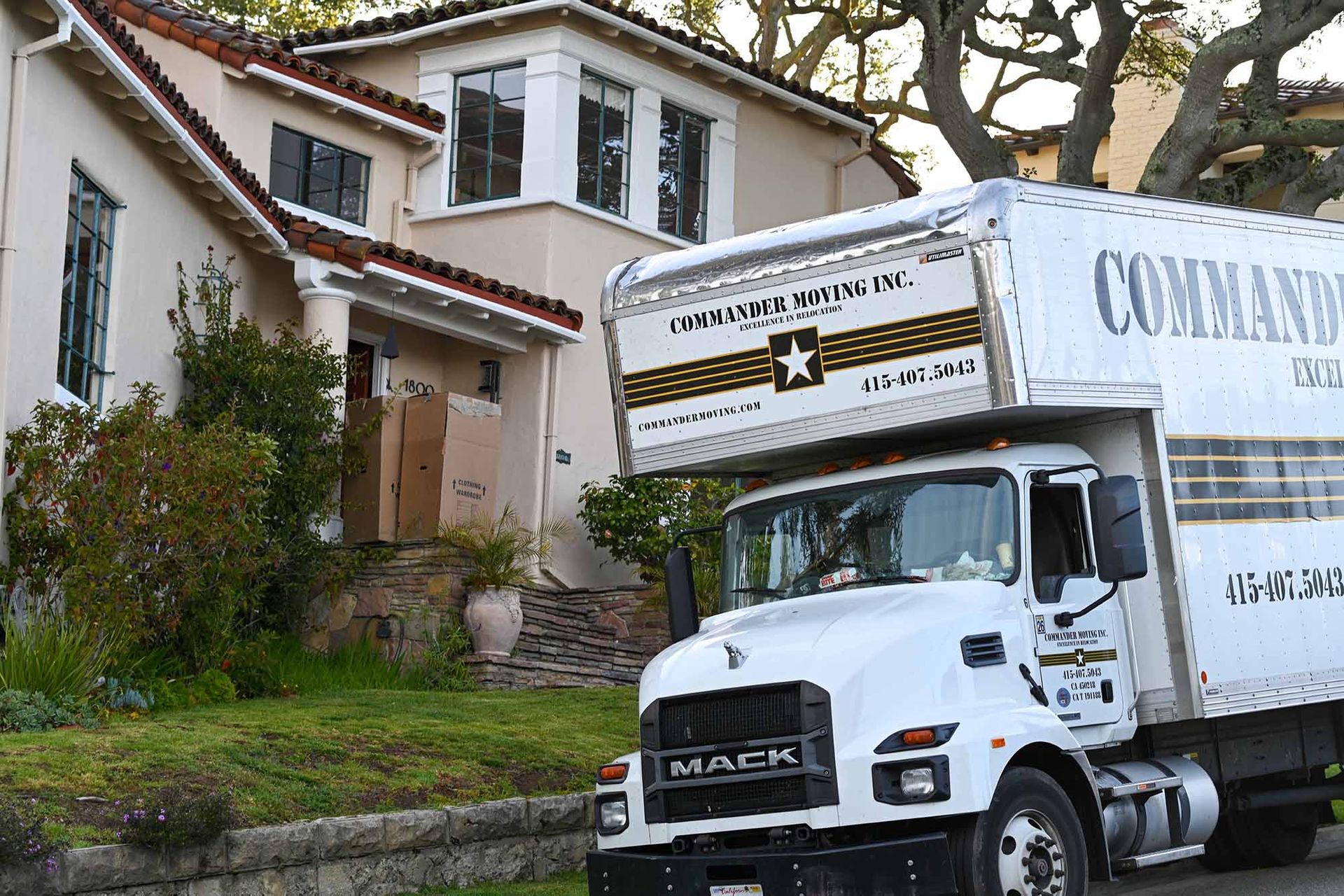
Your possessions are only one part of the equation. Your current and future homes also require protection. Ask movers how they safeguard flooring, walls, doorframes, railings, staircases, elevators, and other surfaces.
Property Protection Should Be Planned In Advance
Moving large furniture through a finished residence requires careful route planning. Professional movers may assess the safest paths through the home and determine where protective materials are appropriate. Particular attention may be required around narrow turns, hardwood flooring, finished staircases, glass doors, or delicate architectural details. Luxury moving services should prioritize controlled movement over rushing. A crew that saves a few minutes by ignoring appropriate protection can create far more inconvenience if the property is damaged.
What Packing Services Do You Offer?
Packing is one of the most time-consuming elements of a residential move. For luxury households, it can also be one of the most important. Ask whether your moving company offers full packing, partial packing, fragile-only packing, unpacking, or custom crating.
Full-Service Packing
With full-service packing, the moving team handles much of the household packing process. This can be valuable for busy homeowners, large residences, complicated relocations, or situations where professional packing is preferred. Ask how the company labels boxes and organizes belongings by room. A systematic labeling approach can make unloading and unpacking significantly easier.
Fragile-Only Packing
Some homeowners prefer to pack clothing and everyday belongings themselves while leaving artwork, glassware, mirrors, electronics, antiques, and other delicate pieces to professionals. If that is your preference, ask whether fragile-only packing is available.
Custom-Built Crating
Certain belongings may require more protection than a conventional moving box can provide. Ask whether custom crating is available for artwork, sculptures, glass, antiques, electronics, or other specialty items. If crating is performed by another provider, clarify who coordinates the service and who is responsible for each stage.
How Will You Handle Artwork, Antiques And Specialty Pieces?
If your home contains valuable collections, avoid assuming that every residential mover has the same level of experience. Discuss important pieces individually during the planning stage. Tell the moving company about unusual dimensions, materials, weights, values, fragility, and installation requirements when applicable.
Ask About Documentation
For particularly important belongings, ask whether the mover uses an inventory or condition documentation process. Creating a clear record can help everyone understand what is being transported and how pieces appeared before the move. You can also create your own photographic inventory before packing begins. Photographing valuable belongings and noting identifying details can provide a useful personal record.
How Do You Keep Track Of Household Belongings?
Organization becomes increasingly important as the size of a household grows. Ask how the moving company labels and tracks boxes, furniture, crates, and other pieces throughout the relocation. For a large move, an inventory system can help ensure belongings are loaded, transported, and delivered to the appropriate locations.
Room-Based Labeling Makes Unloading Easier
A straightforward labeling system can have a significant impact at the destination. Boxes labeled according to room and general contents are easier to direct. Furniture can also be assigned to designated areas before unloading begins. If your new residence is large, consider creating a simple floor plan or room naming system. For example, “Bedroom 2” is clearer to a moving crew than “the guest room near the office” when several similar spaces exist. Good residential movers should be able to work with an organized placement plan.
What Equipment Will You Use For My Move?
Professional moving requires appropriate equipment. Ask what equipment the crew expects to use and whether anything special will be needed for your property or belongings. Equipment might include dollies, furniture pads, straps, ramps, floor protection, lifting tools, specialty carts, crates, or other moving materials. The exact requirements depend on the household.
Ask About The Moving Truck
You can also ask about the vehicle that will transport your belongings. Is the truck appropriately sized? How are belongings secured inside? Will your household share truck space with another shipment during a long-distance move? If so, how are shipments separated and identified? For long-distance moving, understanding the transportation process is particularly important because belongings may remain in transit longer than they would during a local move.
How Do You Handle Long-Distance Residential Moves?
A long-distance relocation introduces additional logistical considerations. If you are moving across a state or across the country, ask how pickup and delivery schedules are established, how communication works while belongings are in transit, and what happens if delays occur.
Ask About Delivery Windows
Long-distance delivery may involve a window rather than a single guaranteed arrival time. Ask how that window is determined and what factors could change it. You should also know whom to contact if you need an update. Dependable Residential Movers should establish communication expectations before departure rather than leaving homeowners uncertain about when they will hear from the company.
What Happens If The Moving Schedule Changes?
Even carefully planned moves can encounter unexpected circumstances. Severe weather, road conditions, closing delays, building restrictions, or other issues can affect a schedule. Ask how the company handles changes. Can the date be adjusted? Are rescheduling fees involved? What happens if your new home is not ready? Can storage be arranged if necessary? Understanding contingency options can make the moving process more manageable if circumstances change.
Discuss Storage Before It Becomes Urgent
Storage can become necessary when possession dates don’t align. If there is any possibility of a gap between homes, ask about storage options early. Clarify where belongings would be stored, how they would be handled, how access works, and how storage charges are calculated. Planning for the possibility does not mean you will necessarily need storage. It simply gives you an established option if circumstances require it.
How Will We Communicate Before And During The Move?
Communication is one of the strongest indicators of a well-managed moving experience. Ask who your main point of contact will be and how you can reach that person. Will you receive confirmation before moving day? Who should you call with last-minute questions? How will long-distance updates be provided? Who handles concerns during loading or delivery? Clear answers indicate an established process.
Pay Attention To Communication Before You Book
The way a moving company communicates during the sales process can provide useful insight into what you might experience after booking. Notice whether representatives answer questions thoroughly, provide requested documentation, return calls, explain pricing, and follow through on commitments. Dependability should be visible before the first box is moved.
Can You Accommodate Building And Property Requirements?
Some residences have rules governing moving activities. Condominiums, high-rise buildings, gated communities, and managed properties may require reservations, elevator scheduling, certificates of insurance, designated loading areas, or restricted moving hours. Ask whether your movers are accustomed to coordinating these requirements.
Verify Requirements With Both Properties
Contact property management at your current and future residences well before moving day. Ask about: Moving hours, parking restrictions, elevator reservations, loading dock access, required documentation, security procedures, and protection requirements. Then communicate these rules to your moving company. Even an experienced crew cannot follow restrictions they have not been told about.
What Is Your Cancellation And Rescheduling Policy?
Moving dates can change for reasons beyond a homeowner’s control. Before paying a deposit or booking the move, ask about cancellation and rescheduling policies. Find out whether deposits are refundable, how much notice is required to change the date, and whether fees apply. These details are especially important when a move depends on a real estate closing, construction completion, lease date, or another event that could shift unexpectedly. Get important terms in writing.
Can You Provide References Or Reviews From Residential Customers?
Reputation can help homeowners evaluate moving companies. Ask whether the company can provide references or direct you to recent customer reviews. Look beyond the overall rating. Read comments about issues that matter to your move, including punctuality, careful handling, professionalism, communication, packing quality, and responsiveness when problems occur. Patterns are generally more informative than a single glowing or negative review. A company with a history of completing residential moves professionally should be comfortable allowing potential customers to examine its reputation.
What Should I Do Before The Movers Arrive?
Luxury moving is collaborative. Even when you hire full-service movers, some preparation remains the homeowner’s responsibility. Ask your moving coordinator what should be completed before moving day. You may need to separate personal documents, medications, jewelry, keys, chargers, travel essentials, and belongings you intend to transport personally.
Create A Personal Essentials Kit
Keep immediate necessities separate from the main shipment. Your essentials might include identification, medications, important documents, basic toiletries, a change of clothing, electronic chargers, children’s necessities, pet supplies, and items needed during the first night. For long-distance moves, prepare enough essentials to cover the anticipated transit period plus some flexibility. This prevents you from needing to search through packed boxes for necessities.
What Should I Expect On Moving Day?
Knowing the process in advance can make moving day more organized. Ask what time the crew will arrive, how long preparation generally takes, who will supervise the team, and what the homeowner needs to do during loading. At the beginning of the move, confirm any special instructions with the crew leader. Walk through the home and identify belongings requiring particular attention. Make sure everyone understands what is moving, what is staying, and which items should not be packed.
Perform A Final Walkthrough
Before the moving truck leaves, inspect the residence carefully. Check closets, cabinets, storage areas, garages, patios, basements, attics, and other spaces where belongings could be overlooked. At the destination, another walkthrough can help verify furniture placement and identify boxes that need to be redirected before the crew finishes.
What Are The Warning Signs Of An Unreliable Moving Company?
Knowing what to avoid is as important as knowing what to look for. Be cautious when a moving company provides unclear pricing, avoids questions about licensing or coverage, refuses to provide written information, or pressures you to book immediately without giving you time to review the details. Extremely low estimates may also deserve closer examination. A luxury move requires trained labor, equipment, transportation, planning, and time. An unusually inexpensive quote could indicate that important services have been omitted.
Vague Answers Are A Concern
If you ask how an antique cabinet will be protected and the response is simply “don’t worry about it,” you still don’t know the plan. Professional movers should be capable of explaining their procedures in understandable terms. Transparency builds trust because it allows homeowners to make informed decisions.
How Should You Compare Luxury Residential Movers?
After speaking with several moving companies, compare more than their estimates. Consider their experience, communication, planning process, services, property protection procedures, packing capabilities, valuation options, scheduling, reputation, and responsiveness. Then consider the overall value. A moving company that offers careful planning and professional handling may provide greater value than a lower-cost provider that leaves important questions unanswered.
Look For A Complete Moving Solution
The best fit is often a company capable of supporting your relocation from preparation through final placement. That might include packing, furniture protection, loading, transportation, unloading, reassembly, and optional storage or specialty services. The fewer disconnected providers you need to coordinate, the simpler your move may become.
Why Professional Residential Movers Can Make A Difference
Moving a household requires time, physical effort, planning, and logistical coordination. Handling a luxury residence adds another layer of responsibility because both the belongings and the property may demand greater attention. Professional Residential Movers bring organized labor, moving equipment, packing knowledge, transportation resources, and established procedures to the process. They can also reduce the amount of physical moving work homeowners need to perform themselves.
Rather than recruiting friends, renting equipment, packing fragile belongings without professional guidance, and coordinating transportation independently, homeowners can rely on a moving team whose primary responsibility is managing household relocations. The goal is not merely to transport belongings from one address to another. It is to complete the relocation carefully and efficiently while keeping homeowners informed throughout the process.
Why Choose Commander Moving For Your Residential Move?
Choosing a moving company is ultimately about trust. You are allowing a team into your home and placing household belongings in its care. Whether you are moving from a modest residence or a large luxury property, you deserve a moving experience built around preparation, professionalism, and respect for your belongings.
Commander Moving understands that residential moves are personal. Furniture, photographs, artwork, heirlooms, and everyday possessions represent more than items on an inventory list. They are part of the household being transferred to a new home. Our approach to residential moving emphasizes careful handling, organized planning, dependable communication, and attentive service.
Whether your relocation is local or long-distance, our team can help coordinate the moving process according to the needs of your household. If you are planning an upcoming move, contact Commander Moving to discuss your residential moving requirements and request an estimate.
Final Remarks
The most important questions to ask before hiring luxury movers concern experience, transparency, protection, and accountability. Find out who will handle your belongings, how valuable pieces will be packed, how your property will be protected, what your estimate includes, and how the company will manage communication from pickup through delivery.
Don’t choose Residential Movers based solely on the lowest price. A household move involves your furniture, personal belongings, valuable possessions, and the homes themselves. Professional planning and careful handling can be just as important as transportation.
For homeowners preparing for local or long-distance relocations, Commander Moving offers dependable residential moving support for households of different sizes and moving requirements. From careful preparation to transportation and final delivery, the focus is on creating an organized and professionally managed moving experience. Planning your next household move? Contact Commander Moving today to request a residential moving estimate and discuss the services your relocation requires.
Frequently Asked Questions
1. What Should I Ask Residential Movers Before Hiring Them?
Ask about licensing, experience, pricing, valuation options, packing services, property protection, specialty-item handling, scheduling, storage, and communication. You should also request a written estimate and ask what circumstances could result in additional charges. The answers can help you compare residential moving companies based on overall service rather than price alone.
2. How Far In Advance Should I Hire Luxury Movers?
Booking several weeks ahead is generally helpful, especially for large households, long-distance relocations, or moves requiring packing and specialty services. Peak moving periods can fill quickly, so earlier planning may provide more scheduling flexibility. If your moving date is approaching, contact Commander Moving to discuss availability and your household’s requirements.
3. Do Residential Movers Pack Household Belongings?
Many professional Residential Movers offer packing services in addition to loading and transportation. Options may include full-house packing, partial packing, fragile-item packing, unpacking, and specialty crating. Ask what services are available and whether packing materials are included in the estimate.
4. How Do Professional Movers Protect Expensive Furniture?
Protection depends on the furniture and its vulnerabilities. Movers may use moving blankets, protective wrapping, corner guards, appropriate lifting equipment, disassembly, or specialty packing methods. Before hiring a mover, explain which pieces require special attention and ask how the company plans to prepare them for transportation.
5. Can Residential Movers Handle Long-Distance Household Moves?
Many residential moving companies provide both local and long-distance services, although capabilities and licensing requirements can differ. For a long-distance move, ask about transportation procedures, delivery windows, shipment tracking or updates, valuation options, storage availability, and whether your belongings will share truck space with other shipments.
6. Are Luxury Movers Worth Hiring For A Large Home?
Professional movers can be particularly valuable for large households because the move may involve substantial furniture, numerous boxes, delicate possessions, complicated access points, and extensive coordination. A professional crew can provide labor, equipment, packing assistance, transportation, and an organized moving plan tailored to the property.
7. How Do I Request a Moving Estimate From Commander Moving?
Contact Commander Moving and provide information about your current home, destination, preferred moving date, household size, packing requirements, and any specialty belongings. Providing detailed information helps the moving team better understand the scope of the relocation. Homeowners can request an estimate and discuss the residential moving services appropriate for their local or long-distance move.

Give Your Body The Time And Space To Rest, Recover, And Restore
When life feels nonstop, your body often carries the stress long after the day is over. Tight muscles, fatigue, tension, and mental overload can all be signs that it’s time to slow down and recharge. At The Sanctuary Holistic Healing Center, our approach to Rest, Recovery, and Restoration is designed to help you step away from the demands of everyday life and give your body the care it needs to reset.
Each session is personalized around how you’re feeling and what your body needs most. Through holistic therapies such as massage, cupping, Gua Sha, infrared light therapy, breathwork, and other supportive techniques, we create a calming experience focused on releasing tension, encouraging relaxation, and supporting your body’s natural recovery process.
Rest isn’t something you have to earn. It’s an important part of feeling your best. Whether you’re recovering from physical strain, navigating a stressful season, or simply feeling worn down, making space for intentional recovery can help you feel more grounded, refreshed, and ready for what’s next.
Schedule your session with The Sanctuary Holistic Healing Center today and make time to rest, recover, and restore.
Disclaimer
The materials available on this website are provided for general informational and educational purposes only and are not intended as legal, financial, moving, storage, or professional advice. Every move is different, and you should contact a qualified moving professional regarding your specific relocation needs, timelines, pricing, storage requirements, or specialty moving concerns.
Do not act or rely solely on the information contained on this website without first speaking directly with Commander Moving or another qualified professional regarding your individual situation. While we strive to keep the information on this website accurate and up to date, moving regulations, service availability, pricing, and operational details may change without notice.
Commander Moving disclaims all liability for actions taken or not taken based on any content found on this website to the fullest extent permitted by law. Use of this website or communication through this website does not create a contractual agreement for moving services unless confirmed in writing by Commander Moving.