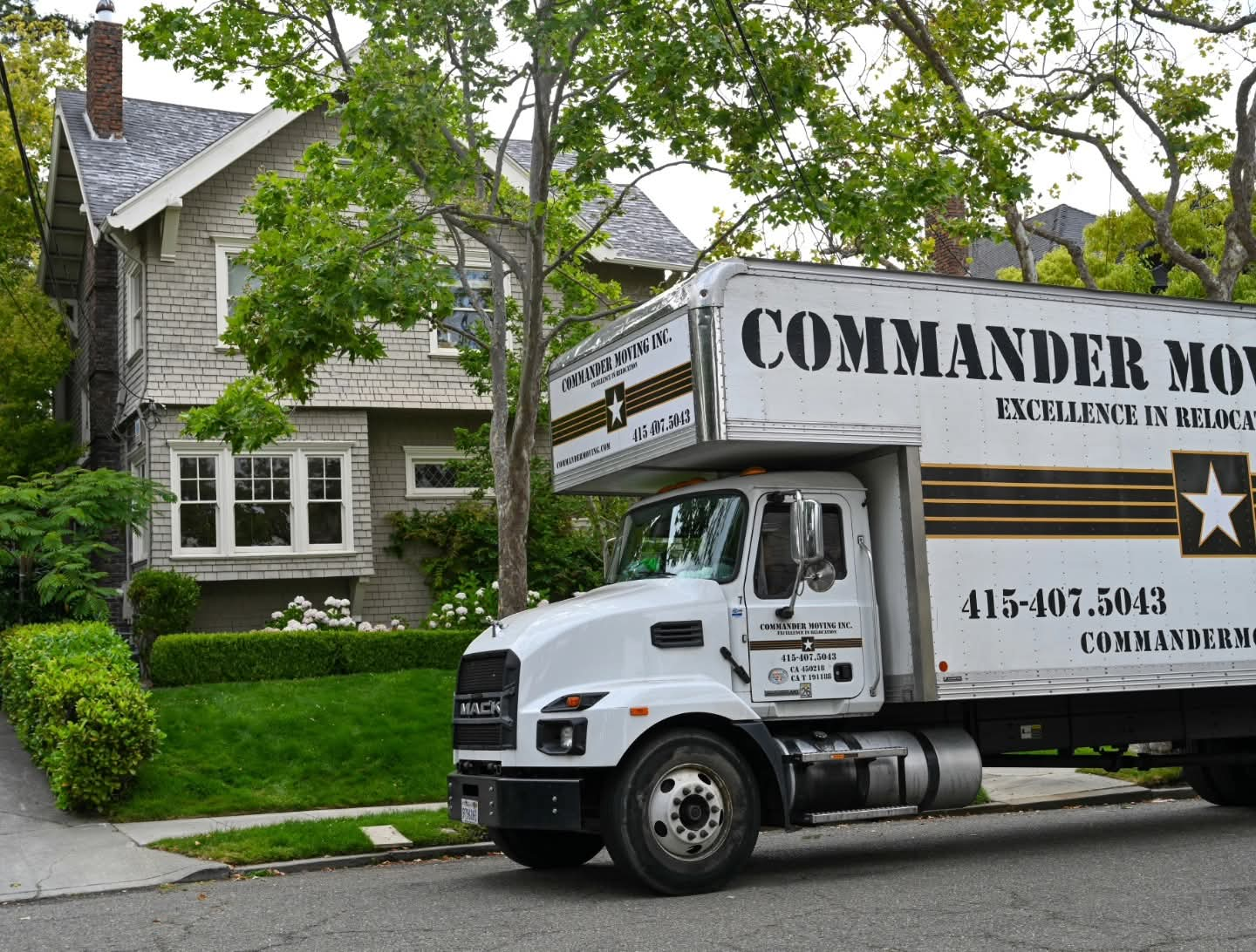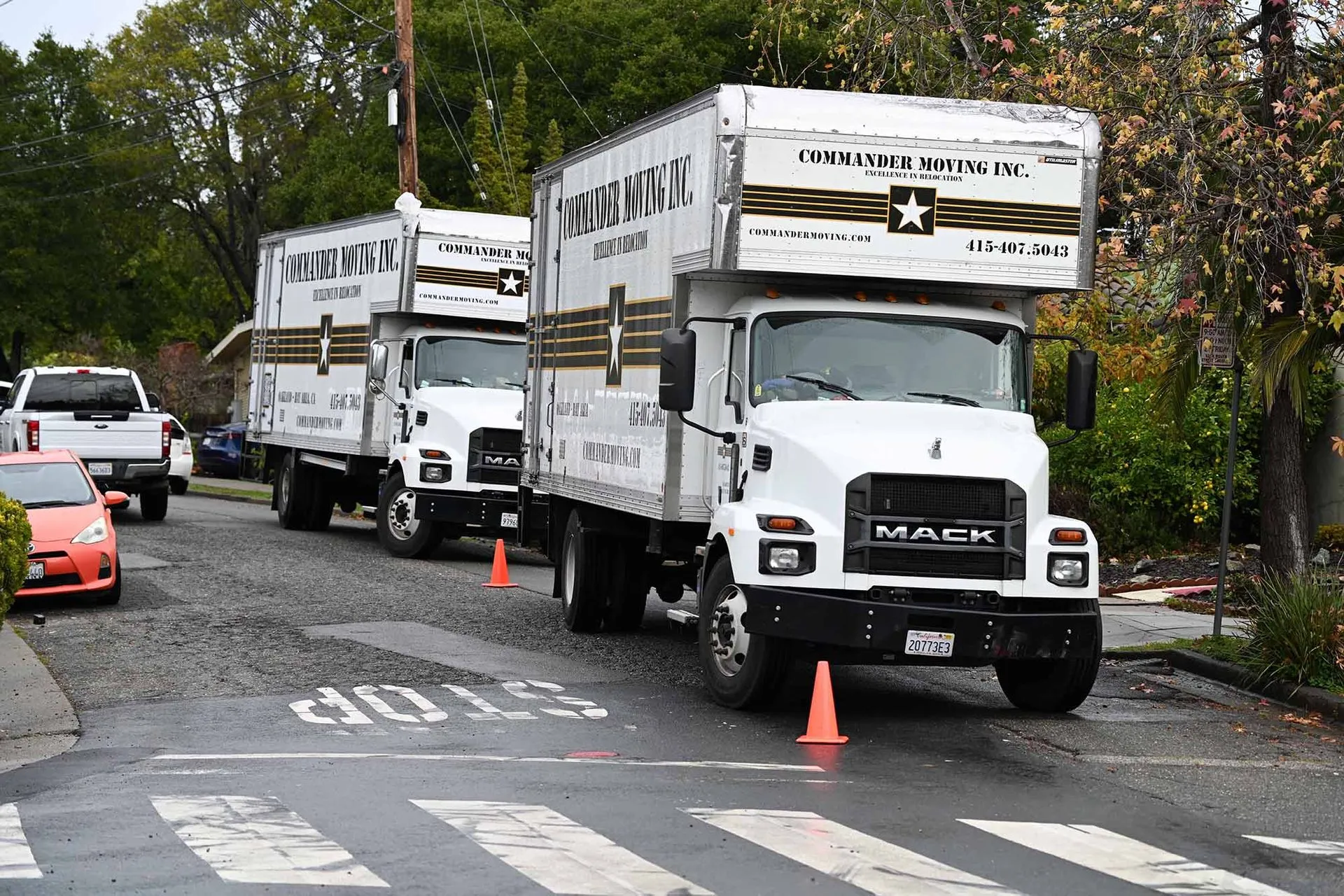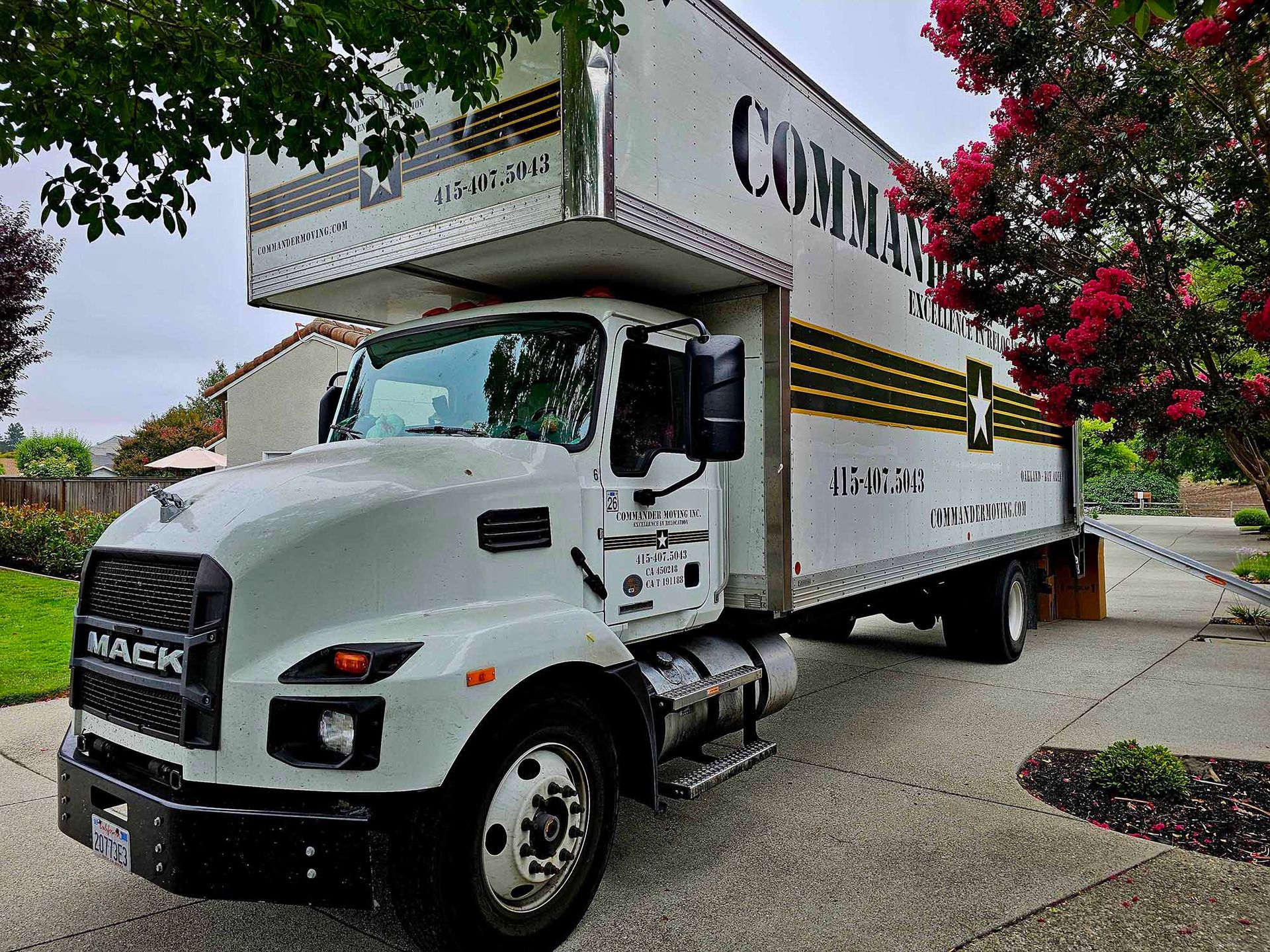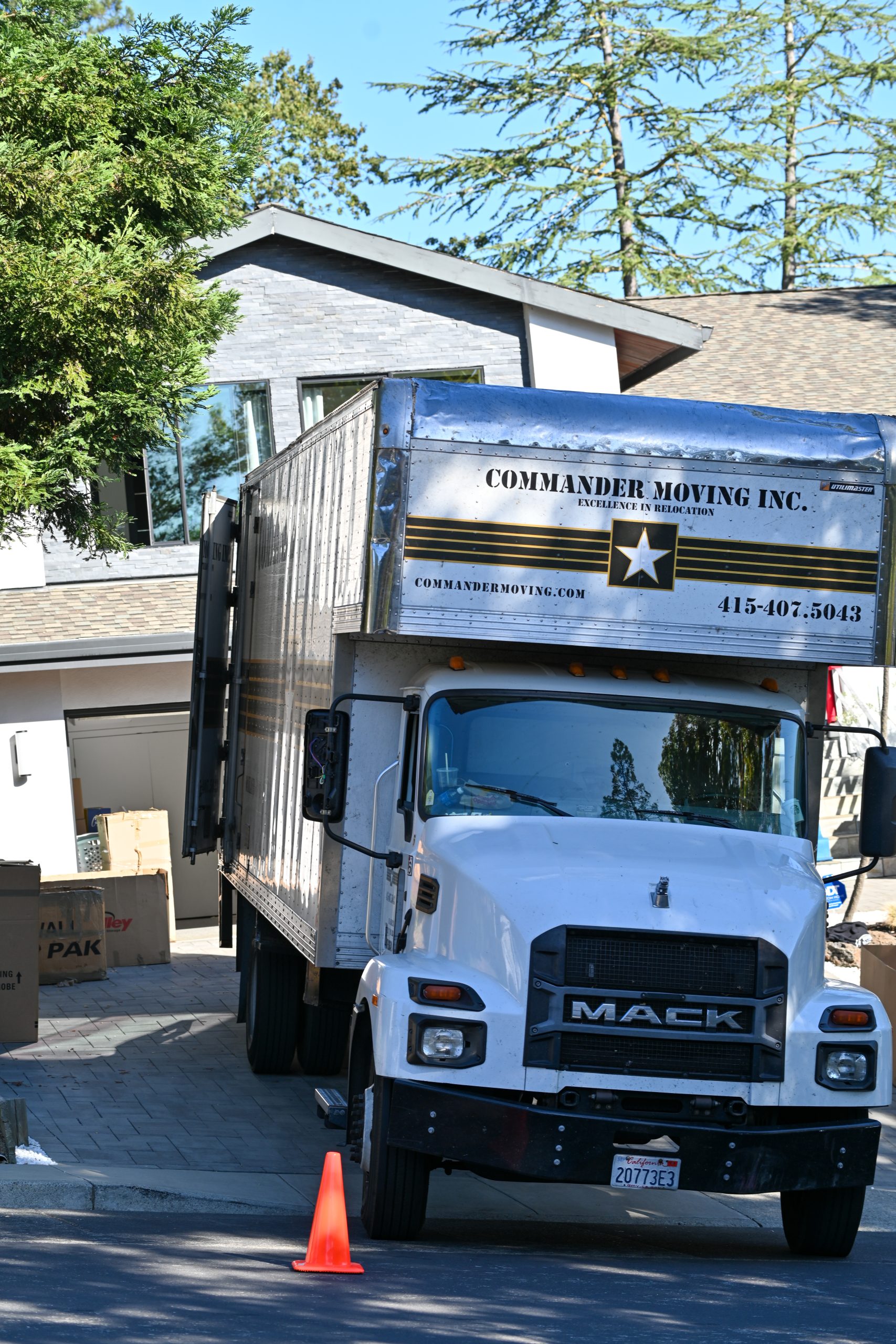
Moving a household becomes more complex when valuable furniture, fine art, antiques, designer pieces, delicate décor, or other irreplaceable belongings are involved. These belongings may require additional packing, handling, or coordination beyond the services included in a basic moving estimate. White glove moving describes an approach that can address those needs, but homeowners should confirm the specific services offered.
Professional residential movers providing white glove service focus on careful planning, premium packing, controlled handling, secure transportation, and precise placement at the destination. Rather than simply moving boxes from one property to another, the goal is to manage the household transition with exceptional attention to detail.
At Commander Moving, residential moving services can be planned around the household inventory, property access, destination, and requested assistance. Whether homeowners are planning a local relocation or a long-distance move, professional preparation can help make moving day safer, more organized, and less stressful.
Key Takeaways
- White glove moving provides a higher level of attention for valuable, fragile, oversized, and specialty household belongings.
- Experienced residential movers plan the move before loading begins, identifying access challenges and items requiring specialized handling.
- Premium packing materials, custom protection, careful loading, and secure transportation can reduce the possibility of property damage.
- Depending on the agreed scope, services may include furniture disassembly, specialty packing, unpacking, reassembly, placement, and packing-material removal. Confirm availability and charges before booking.
- Clear communication and an organized moving plan help homeowners know what to expect throughout local and long-distance moves.
- Professional movers can tailor services to anything from a few high-value pieces to an entire luxury residence.
- Commander Moving provides residential moving support designed around careful handling, dependable service, and the individual requirements of each household.
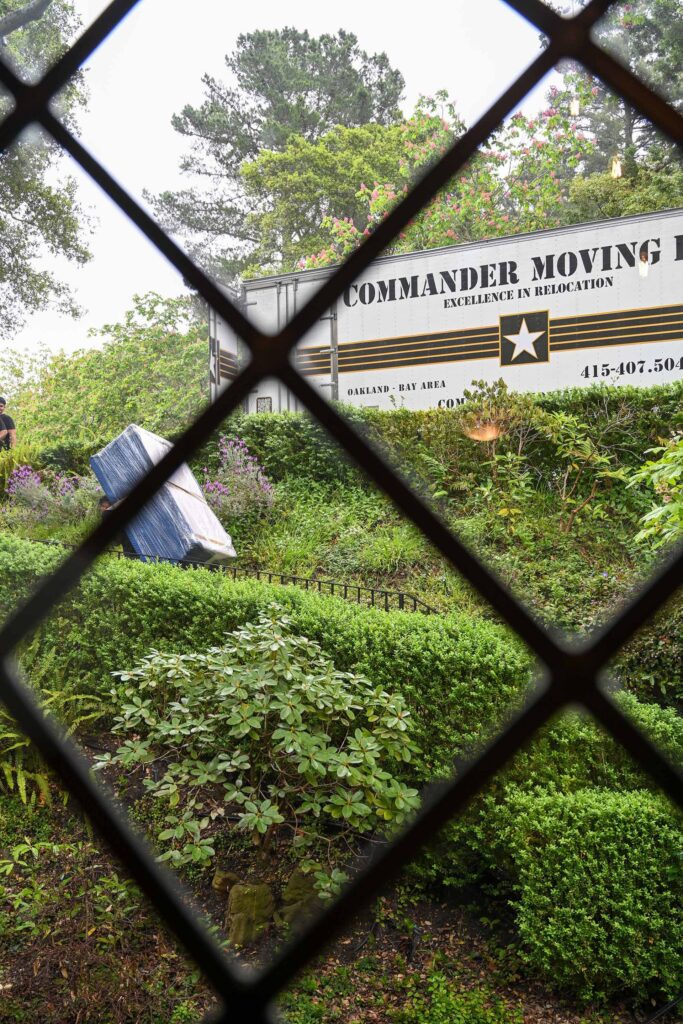
What Is A White Glove Moving Service?
White glove moving describes a service approach emphasizing detailed preparation, careful handling, and additional assistance before or after transportation. The expression refers to the service experience rather than movers literally wearing white gloves. Companies use the term differently, and many residential movers also offer packing, unpacking, and furniture reassembly. Compare the written service descriptions to understand what each company includes.
Depending on the needs of the homeowner, services may involve professional packing, specialty wrapping, furniture disassembly, custom protection, careful loading, transportation, unpacking, furniture assembly, room-specific placement, and removal of used packing materials.
The difference is largely found in the details. A valuable dining table may need protective padding around every exposed surface. A large painting may require specialized packaging rather than a standard moving blanket. An antique cabinet might need its shelves and hardware secured individually. A designer sofa may need protection from both dirt and pressure during transportation.
Professional residential movers examine these requirements before deciding how an item should be handled. This individualized approach makes white glove moving particularly useful for homeowners with valuable possessions, large residences, specialty furnishings, or complex moving requirements.
How Do Luxury Movers Plan A White Glove Residential Move?
Exceptional moving service starts well before the truck arrives. Luxury movers typically begin by understanding the scope of the relocation and identifying anything that could complicate packing, loading, transportation, or delivery. Planning is especially important because premium households often contain a mixture of ordinary possessions and items requiring specialized attention.
Assessing The Home And Its Contents
An effective moving plan starts with an assessment of what needs to be moved. Movers may consider the volume of household belongings, furniture dimensions, fragile possessions, valuable artwork, antiques, electronics, specialty pieces, and other items requiring extra protection. They also need to understand the physical environment.
Narrow hallways, staircases, elevators, gated entrances, long driveways, limited parking, high-rise loading requirements, and oversized furniture can all affect how a move should be organized. Identifying these conditions ahead of time helps prevent unnecessary delays on moving day.
Creating A Personalized Moving Plan
White glove moves are rarely handled effectively with a one-size-fits-all strategy. Movers may develop a plan outlining the packing requirements, moving crew, equipment, vehicle space, specialty handling procedures, and estimated schedule. Items requiring additional attention can be identified before packing begins. For example, movers may decide that an antique mirror requires specialized wrapping while a large sculpture requires custom protection and a coordinated lifting strategy. Making those decisions early allows the crew to arrive prepared.
Coordinating The Moving Schedule
Timing matters during luxury residential moves. Homeowners may need to coordinate movers with property managers, building management, contractors, interior designers, real estate professionals, or household staff. Professional scheduling helps these activities work together. For long-distance moves, confirm the pickup arrangements, delivery window, destination access, and process for communicating delays. Plan building reservations and personal travel around the agreed delivery terms rather than assuming an exact arrival time.
How Do Residential Movers Protect Luxury Furniture?
Furniture represents one of the largest categories of belongings handled during residential moves, and luxury furnishings frequently require additional protection. Premium furniture can have delicate finishes, unusual shapes, handcrafted components, or materials that are vulnerable to scratches and pressure. Experienced movers evaluate the individual piece rather than assuming every sofa, table, cabinet, or chair can be handled identically.
Protective Wrapping
Furniture protection often begins with appropriate wrapping. Moving pads can cushion hard surfaces, while stretch wrap or other protective coverings may help keep padding securely positioned. Corners and exposed edges may receive additional protection because these areas are especially susceptible to impact.
Movers also consider the material underneath the protection. Polished wood, glass, leather, stone, metal, and upholstered furniture can have different handling requirements. Using suitable materials helps protect both the furniture and its finish.
Furniture Disassembly
Some pieces are safer to move when partially disassembled. Bed frames, dining tables, sectional sofas, cabinets, and other large furniture may have removable components that make transportation easier and reduce stress on the piece.
When included in the service agreement and suitable for the piece, movers can remove components, organize hardware, and reassemble furniture at the destination. Discuss custom-built, damaged, or unusually complex furniture beforehand because it may require a specialist. Appropriate disassembly can make it easier to navigate staircases, doorways, and narrow corridors.
Careful Lifting And Carrying
Even excellent packing cannot compensate for careless handling. Movers need appropriate lifting techniques and clear communication when carrying heavy or awkward pieces. Large furniture may require multiple crew members working together so weight remains controlled. The objective is not simply speed.
White glove moving prioritizes deliberate, controlled movement, particularly when handling valuable furnishings or working inside homes with delicate floors, walls, and architectural finishes.
How Are Fine Art, Antiques, And Fragile Items Handled?
Fine art and antiques introduce challenges that ordinary household belongings may not. Their value can be monetary, historical, artistic, or deeply personal. In many cases, replacing an item would be difficult or impossible. Professional movers therefore consider the item’s shape, construction, condition, fragility, and transportation requirements before selecting a packing method.
Specialized Packing Materials
Standard cardboard boxes may be suitable for many household belongings, but certain possessions need more specialized protection. Movers can use cushioning, protective wrapping, sturdy cartons, corner protection, and other materials based on the item being packed. The goal is to reduce movement inside the package while protecting vulnerable surfaces. For paintings, mirrors, framed artwork, sculptures, collectibles, and similar belongings, the packing strategy may differ substantially from ordinary household goods.
Custom Crating When Appropriate
Some especially fragile, valuable, unusually shaped, or oversized possessions may benefit from custom crating. A crate can provide rigid exterior protection and create a more controlled space around the item during handling and transportation. Not every valuable belonging requires a custom crate. Discuss the item’s condition, materials, dimensions, and handling requirements during the assessment. Confirm whether the moving company provides or arranges crating and whether a specialist is needed for unusually delicate or valuable pieces.
Detailed Organization
Luxury moves often involve many pieces that need to arrive in specific rooms or positions. Clear labeling and an agreed inventory help track belongings throughout the move. Photograph valuable items before packing and document existing damage or special handling instructions with the mover. Instead of opening boxes at the destination to determine where they belong, properly identified belongings can be directed to their intended rooms. This makes unpacking and setup considerably more efficient.
How Do Luxury Movers Protect The Home During A Move?
White glove moving is about protecting more than the belongings being transported. The property itself deserves attention. Moving heavy furniture through a finished home can put floors, walls, stairways, railings, door frames, and other surfaces at risk if appropriate precautions are not taken.
Careful Flooring Protection
Foot traffic increases significantly on moving day. Crew members repeatedly travel between the residence and moving vehicle while carrying boxes and furniture. Appropriate floor protection can help reduce dirt, scuffs, scratches, and other unnecessary wear. Confirm the protection planned for each flooring surface, including any restrictions for recently installed or refinished floors. Share relevant instructions from the flooring manufacturer or installer before moving day.
Doorways And High-Traffic Areas
Door frames and narrow passageways can be vulnerable when large furniture passes through them. Movers can assess these areas before attempting to carry oversized pieces. Sometimes changing the angle of the item, removing a safe detachable component, or using additional protection can prevent contact with surrounding surfaces.
Care Around Architectural Features
Luxury homes may contain custom millwork, decorative railings, stone surfaces, built-in cabinetry, specialty lighting, and other architectural details. These features can make a move more complicated. Professional movers should remain aware of the environment around them, not merely the item in their hands. Careful route planning through the home can reduce unnecessary risks.
What Happens During White Glove Packing?
Packing is one of the most important stages of any household move. It becomes even more significant when homeowners have delicate or valuable possessions. White glove packing services can reduce the preparation homeowners need to handle personally. Confirm which rooms and belongings are included, what you should prepare yourself, and which items the mover won’t accept.
Room-By-Room Packing
Professional packing is often organized systematically. Movers can work through individual rooms, grouping belongings logically and labeling cartons according to their contents or destination. A structured system reduces confusion later. Kitchen items remain associated with the kitchen, bedroom belongings stay organized by room, and specialty items can receive individual attention.
Fragile Household Goods
Glassware, dishes, decorative pieces, lamps, collectibles, and similar belongings require appropriate cushioning. Packing too many fragile pieces into one container can create excessive pressure. Leaving too much space can allow belongings to shift. Experienced packers aim for the appropriate balance of cushioning, support, and stability.
Clothing And Personal Belongings
Hanging garments can often be transferred into wardrobe cartons, helping them remain organized during the move. Other personal belongings can be packed according to the homeowner’s preferences and service arrangement. Homeowners should generally keep important documents, medications, identification, essential valuables, and immediate necessities accessible rather than placing everything on the moving truck.
How Are Belongings Loaded Into The Moving Truck?
Loading is more strategic than simply filling available space. The position of each item can influence its stability during transportation. Heavy furniture, fragile cartons, unusually shaped objects, and lightweight belongings need to be arranged thoughtfully.
Strategic Weight Distribution
Heavy items are generally positioned so they remain stable and don’t place unnecessary pressure on fragile belongings. Movers also consider how the load may shift when the vehicle accelerates, turns, or brakes. Proper weight distribution contributes to both cargo stability and safer transportation.
Securing Furniture And Large Items
Furniture and large possessions may need to be secured so they remain in position during transit. Protective padding can help prevent contact between pieces, while appropriate securing methods help limit unwanted movement. This is especially important during long-distance moves where belongings may spend substantially more time in transit.
Keeping Fragile Items Protected
Fragile possessions should not be placed where heavy objects could shift against them. Professional loading creates protected areas for belongings that cannot withstand significant pressure. The packing and loading strategies work together. Good packing protects individual items, while thoughtful loading protects the shipment as a whole.

How Do White Glove Movers Handle Long-Distance Residential Moves?
Long-distance relocation introduces additional logistical considerations. Belongings may travel hundreds or thousands of miles, making organization and transportation planning particularly important. Homeowners should confirm pickup and delivery terms, who will transport the shipment, whether belongings will be transferred or stored along the route, and whom to contact for updates. Ask whether any requested specialty handling will remain available throughout the move.
Planning For Extended Transportation
Packing methods should account for the duration and conditions of transportation. Items need to remain protected not only while being carried into and out of the truck but throughout the journey. Secure packing and loading become particularly valuable when belongings will remain in transit for an extended period.
Maintaining Clear Communication
Homeowners naturally want to know what is happening with their belongings. Reliable communication can help clients understand expected timelines, delivery arrangements, and any updates that affect the move. This transparency can reduce uncertainty, particularly when homeowners are coordinating travel, closing dates, temporary accommodations, or access to a new residence.
Coordinating Delivery
Long-distance delivery needs to be coordinated around destination access. The moving company may need information about parking, elevators, building requirements, loading zones, gates, or other restrictions. Providing these details before arrival helps movers prepare for unloading efficiently.
What Makes White Glove Moving Different From Standard Residential Moving?
Careful handling should be expected from any professional mover. A white glove arrangement may add more extensive packing, item-specific preparation, unpacking, furniture placement, or other agreed assistance. The useful comparison is which tasks each estimate includes, who performs them, and what additional services cost.
For homeowners, this can mean less physical work and fewer moving-day responsibilities. Instead of coordinating numerous individual tasks, clients can rely on professional residential movers to manage a larger portion of the relocation. This approach is particularly appealing for complicated moves, larger households, valuable collections, executive relocations, luxury residences, and homeowners who simply prefer a more comprehensive moving experience.
Does White Glove Moving Include Unpacking And Setup?
Depending on the selected moving service, assistance can continue after belongings arrive. This is one of the most useful distinctions of full-service residential moving.
Room-Specific Placement
Clearly labeled boxes and furniture can be directed to their intended rooms. Rather than leaving everything near the entrance or in a central area, movers can position items according to the moving plan and homeowner instructions. This can dramatically reduce the amount of heavy lifting required after the crew leaves.
Expert Furniture Reassembly
Confirm which furniture the crew will reassemble and whether that work is included in the estimate. Furniture reassembly doesn’t automatically include wall mounting, electrical connections, appliance installation, or repairs. Arrange any required specialist work separately.
Unpacking Assistance
Homeowners who select unpacking services can receive help removing items from boxes and packaging. The precise level of unpacking may vary depending on the moving plan. Some clients want comprehensive assistance, while others prefer movers to handle only selected rooms or fragile belongings.
Packing Material Removal
A full unpacking process can leave behind large quantities of boxes, paper, wrapping, and other packing materials. Ask whether packing-material removal is included, which materials qualify, and whether removal happens during unpacking or requires a later collection. Confirm any additional charges and retain packaging needed to document a damaged item until the mover provides instructions.
Can White Glove Services Be Customized?
Many moving companies allow homeowners to select services according to their needs. Available combinations depend on the company, the belongings involved, and the move schedule. Confirm the selected services in writing. One household may want full packing and unpacking, while another only needs professional assistance with antiques, artwork, and oversized furniture.
A customized moving plan could involve complete household packing, partial packing, specialty-item handling, furniture protection, loading and transportation, furniture assembly, unpacking, or other services appropriate for the move. This flexibility also makes white glove service useful beyond traditional luxury estates. A homeowner moving from a modest residence may still own a valuable art collection, grand piano, antique furniture, or fragile heirlooms requiring specialized handling. White glove moving is ultimately about the requirements of the belongings and the homeowner, not simply the size or price of the property.
Why Is Professional Moving Equipment Important?
Skill matters, but so does equipment. Professional residential movers use moving tools designed to help crews handle heavy and awkward belongings more safely and efficiently. Depending on the move, equipment may include dollies, hand trucks, moving pads, straps, ramps, protective coverings, and other specialized tools.
Using suitable equipment can reduce unnecessary lifting and improve control. For example, trying to carry an extremely heavy piece entirely by hand may increase the possibility of dropping it or making contact with a wall. Proper moving equipment can give the crew greater stability and leverage. Equipment is especially useful when movers encounter stairs, long walking distances, heavy furniture, or unusual property layouts. The combination of experienced personnel, suitable materials, and professional equipment helps create the controlled environment expected from white glove service.
Why Does Crew Experience Matter For Luxury Moving?
Moving valuable belongings requires judgment. Movers constantly make decisions about how to lift, turn, wrap, carry, position, and secure household possessions. Experience helps crews recognize potential problems before they become costly mistakes. For example, an experienced mover may recognize that a large cabinet should be partially disassembled rather than forced through a doorway. Another piece may need additional padding because of a vulnerable finish. An awkward staircase may require a different carrying strategy.
These decisions can be difficult to capture in a simple moving checklist. Professionalism also affects how movers work inside the residence. Homeowners expect crews to communicate respectfully, follow instructions, remain organized, and treat the property carefully. For premium moving services, customer experience and physical moving skill are equally important.
How Can Homeowners Prepare For White Glove Movers?
Hiring full-service movers can significantly reduce the homeowner’s workload, but some preparation still helps the process run efficiently. Start by identifying belongings that require particular attention. Tell the moving company about antiques, artwork, fragile collections, unusually heavy pieces, or furniture with special handling requirements. Providing this information early allows movers to plan properly.
Homeowners should also identify anything that will not be transported by the moving company. Keep essential documents, keys, medications, electronic devices, chargers, and immediate necessities together so they remain accessible. Access details are equally important. Let the movers know about parking restrictions, gates, elevators, loading areas, stairs, narrow entrances, building rules, or scheduled access periods at both properties.
Finally, communicate placement preferences before unloading begins. When delivery is complete, review the inventory, check accessible belongings and property surfaces, and document any concerns promptly using the mover’s reporting process.
Are White Glove Movers Only For Large Luxury Homes?
No. The term “luxury moving” can create the impression that these services are exclusively intended for mansions or exceptionally expensive properties. In practice, homeowners can benefit from premium handling whenever their move involves belongings requiring additional attention. Someone moving from a two-bedroom condominium may have valuable artwork and designer furniture. A family moving from a standard suburban home may own generations of antiques and sentimental heirlooms.
Another homeowner may simply want professional packing and unpacking because work, family obligations, or time constraints make a do-it-yourself move impractical. The right level of service depends on the household. Professional residential movers should be able to discuss these needs and develop an appropriate plan instead of assuming every client requires exactly the same package.
How Does White Glove Service Help Reduce Moving Stress?
Residential moving involves many simultaneous responsibilities. Homeowners may be coordinating real estate transactions, utilities, travel, school schedules, work obligations, address changes, cleaning, repairs, and countless other details. Packing and physically transporting an entire household adds another major responsibility. Full-service movers can take over many labor-intensive tasks.
Professional crews can pack belongings, prepare furniture, move heavy pieces, load the vehicle, transport household goods, unload, reassemble furniture, and assist with unpacking according to the selected service. This allows homeowners to devote their attention to other aspects of the relocation. Organization also reduces uncertainty. When there is a clear plan for packing, loading, transportation, and delivery, moving day becomes easier to understand and manage.
Why Hire Professional Residential Movers Instead Of Moving Yourself?
A do-it-yourself move can initially appear straightforward, especially when homeowners have access to friends, rental trucks, and basic packing materials. The difficulty often becomes apparent once heavy furniture, stairs, fragile belongings, limited time, and transportation logistics are involved.
Professional residential movers bring labor, equipment, packing knowledge, loading experience, and logistical coordination together. They also handle these tasks regularly. Knowing how to maneuver a large sofa through a tight entrance, stabilize furniture inside a truck, pack delicate household goods, or coordinate an efficient loading sequence requires practical experience.
Professional service can be particularly valuable for homeowners who have limited time, large households, valuable belongings, physical limitations, or complicated moving routes. Rather than viewing movers solely as transportation providers, homeowners can consider the broader value of planning, labor, protection, and organization.
How Do You Choose The Right White Glove Moving Company?
Selecting a mover should involve more than comparing prices. The lowest estimate does not necessarily represent the best value, particularly when expensive or irreplaceable belongings are involved. Homeowners should verify the mover’s licensing and authorization for the planned route, then compare written estimates and service details. Ask about loss-and-damage protection, exclusions, deductibles where applicable, and requirements for declaring valuable items. A white glove service label doesn’t establish the amount the mover would pay for a loss.
Ask About Packing Options
Find out whether the company offers full packing, partial packing, specialty packing, and unpacking. Ask how fragile furniture, artwork, mirrors, and other delicate belongings are typically prepared.
Discuss Specialty Items Early
Don’t wait until moving day to reveal an unusually heavy, valuable, or difficult item. Mention specialty belongings when requesting the estimate so the moving company can determine what equipment, packing, personnel, or preparation may be required.
Request A Detailed Estimate
Request a written estimate based on the required assessment of your belongings. Provide the inventory, destination, access conditions, and requested services. Ask the mover to identify included work, optional services, additional charges, and the process for documenting changes. Confirm the estimate requirements that apply to a move within California or across state lines.
Prioritize Clear Communication
The moving experience begins before moving day. Responsiveness, clear explanations, organized scheduling, and willingness to answer questions can indicate how a company approaches customer service. Homeowners should feel comfortable asking questions about the process before committing to a mover.
Why Homeowners Choose Commander Moving For Residential Moves
Every household move has its own challenges. Some families are moving a few miles away, while others are relocating across a much greater distance. Some need basic transportation, while others want extensive packing, specialty handling, and setup assistance.
Commander Moving approaches residential relocation with an emphasis on careful handling, professional service, and dependable planning. Our goal is to help homeowners move their belongings efficiently while providing the attention household possessions deserve. We understand that customers are not simply moving furniture and boxes. They are moving the belongings that make a house feel like home. That is why careful preparation matters.
From organizing the moving process to protecting furniture and handling household possessions during loading and unloading, professional support can make a substantial difference in the moving experience. Whether you are planning a local move, long-distance relocation, large household transition, or move involving delicate possessions, choosing experienced residential movers can help you approach moving day with greater confidence. Request an estimate from Commander Moving to discuss your home, destination, belongings, and preferred level of service. Confirm any specialty packing, unpacking, reassembly, or debris-removal arrangements during the assessment.
Conclusion
White glove moving is about more than transporting household belongings. Depending on the agreed services, it can combine detailed planning, professional packing, furniture protection, specialty handling, organized loading, transportation, and assistance at delivery.
For homeowners with valuable furniture, fragile possessions, antiques, artwork, large households, or simply a desire for greater convenience, working with experienced residential movers can remove much of the physical work and logistical pressure associated with relocation.
A successful move begins with understanding the household and preparing for its individual requirements. With the right plan and professional moving team, even complicated local and long-distance relocations can become significantly more manageable.
Commander Moving is ready to help homeowners plan household moves with careful, dependable service. If you are preparing for your next relocation, contact Commander Moving to discuss your needs, request a residential moving estimate, and find the level of moving support that works for your home.
Frequently Asked Questions
1. What Does White Glove Moving Include?
White glove moving generally provides a higher level of assistance than basic loading and transportation. Depending on the moving plan, services may include professional packing, specialty protection for fragile possessions, furniture wrapping, disassembly, careful loading, transportation, unloading, furniture reassembly, unpacking, room-specific placement, and removal of eligible packing materials.
Because every household is different, homeowners should confirm exactly which services are included in their estimate.
2. Are White Glove Moving Services Worth It For A Residential Move?
White glove moving can be worthwhile when a household contains valuable, fragile, oversized, sentimental, or difficult-to-move possessions. It can also be useful for homeowners who want to reduce the amount of packing, lifting, unpacking, and organization they need to handle personally.
The value depends on the complexity of the move and the level of assistance the homeowner wants.
3. Can Commander Moving Manage A Complete Household Packing Job?
Commander Moving offers packing as part of its residential moving services. Discuss whether you need packing for the entire household or selected items, and confirm the agreed scope in your estimate. Identify artwork, antiques, oversized belongings, and other specialty pieces early so handling requirements and any separate arrangements can be reviewed.
4. How Do Movers Protect Expensive Furniture During Transportation?
Professional movers can use moving pads, protective wrapping, corner protection, appropriate disassembly, careful loading, and secure positioning inside the moving vehicle. The specific method depends on the furniture’s size, materials, construction, finish, and fragility. Luxury and specialty pieces may require additional protection beyond what is used for standard household furniture.
5. Can White Glove Movers Handle Long-Distance Moves?
Some companies offer white glove services for long-distance moves. Confirm that the mover serves your destination and that the requested packing, handling, and delivery services are available for your route. Careful preparation, secure loading, organized inventory practices, communication, and destination coordination can make the relocation easier to manage from pickup through delivery.
6. How Early Should Homeowners Schedule Professional Movers?
Scheduling as early as practical gives homeowners more time to discuss packing requirements, specialty belongings, access restrictions, moving dates, and other logistical details. Planning can be particularly important during busy moving periods or for large, complicated, and long-distance relocations. Contacting Commander Moving early also provides time to request an estimate and determine which moving services fit your household.
7. How Can I Get An Estimate From Commander Moving?
Start by providing information about your current residence, destination, approximate amount of household belongings, moving date, access conditions, and any specialty items or additional services you may need. The more accurate the information, the easier it is to understand the scope of the move. Contact Commander Moving to request an estimate and arrange the applicable assessment of your household belongings and service requirements.
Make Your Next Move Easier, Smoother, And Stress-Free
Moving to a new home or business is an exciting new chapter, but the process can quickly become overwhelming. From packing and organizing to coordinating transportation and protecting your belongings, there’s a lot to manage. At Commander Moving, we believe your move should be an opportunity to look forward to what’s next, not a source of unnecessary stress.
Our professional moving team provides personalized relocation solutions designed around your needs. Whether you’re moving locally, relocating across California, planning a long-distance move, or transitioning your business to a new space, we handle every step with care and attention. From residential and commercial moving to packing, transportation, and secure storage options, we’re here to make your transition as seamless as possible.
Your time, peace of mind, and belongings matter. With experienced movers, careful handling, honest upfront pricing, and a customer-first approach, Commander Moving takes care of the heavy lifting so you can focus on settling into your next chapter. Whether you’re moving across town or across state lines, you can count on our team for dependable service from start to finish.
Request your free moving estimate from Commander Moving today and let us help make your next move a smooth and worry-free experience.
Disclaimer
The materials available on this website are provided for general informational and educational purposes only and are not intended as legal, financial, moving, storage, or professional advice. Every move is different, and you should contact a qualified moving professional regarding your specific relocation needs, timelines, pricing, storage requirements, or specialty moving concerns.
Do not act or rely solely on the information contained on this website without first speaking directly with Commander Moving or another qualified professional regarding your individual situation. While we strive to keep the information on this website accurate and up to date, moving regulations, service availability, pricing, and operational details may change without notice.
Commander Moving disclaims all liability for actions taken or not taken based on any content found on this website to the fullest extent permitted by law. Use of this website or communication through this website does not create a contractual agreement for moving services unless confirmed in writing by Commander Moving.