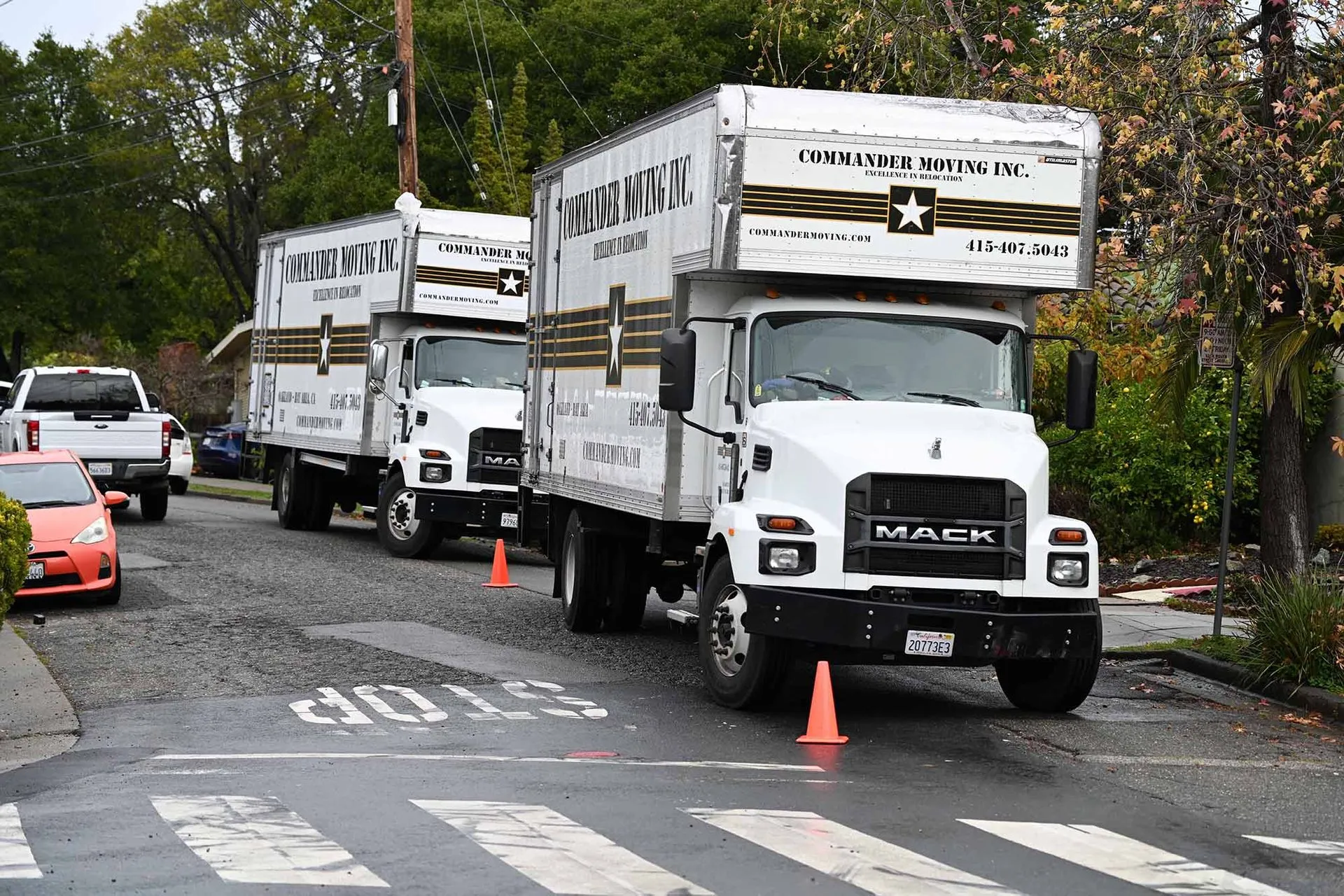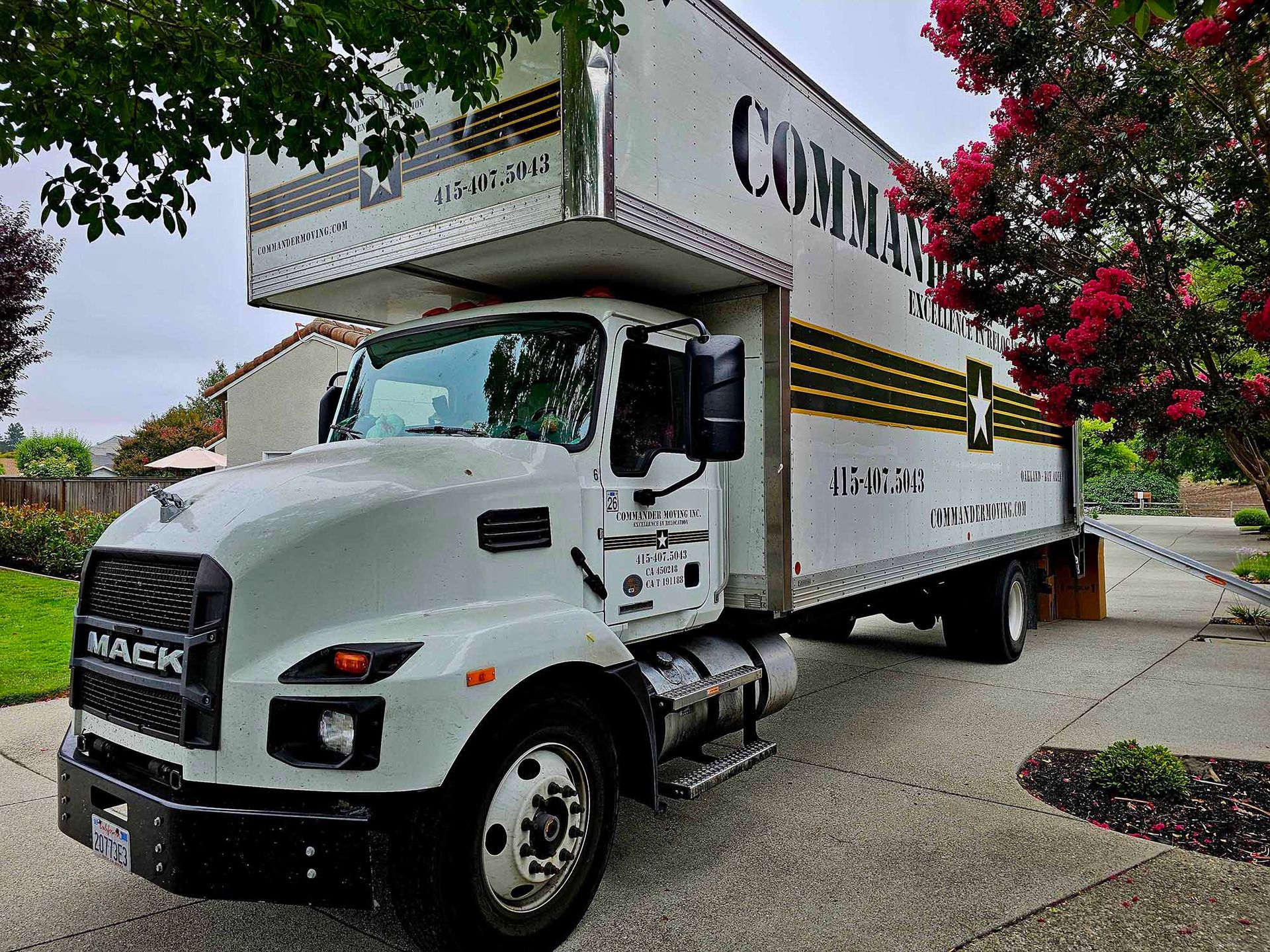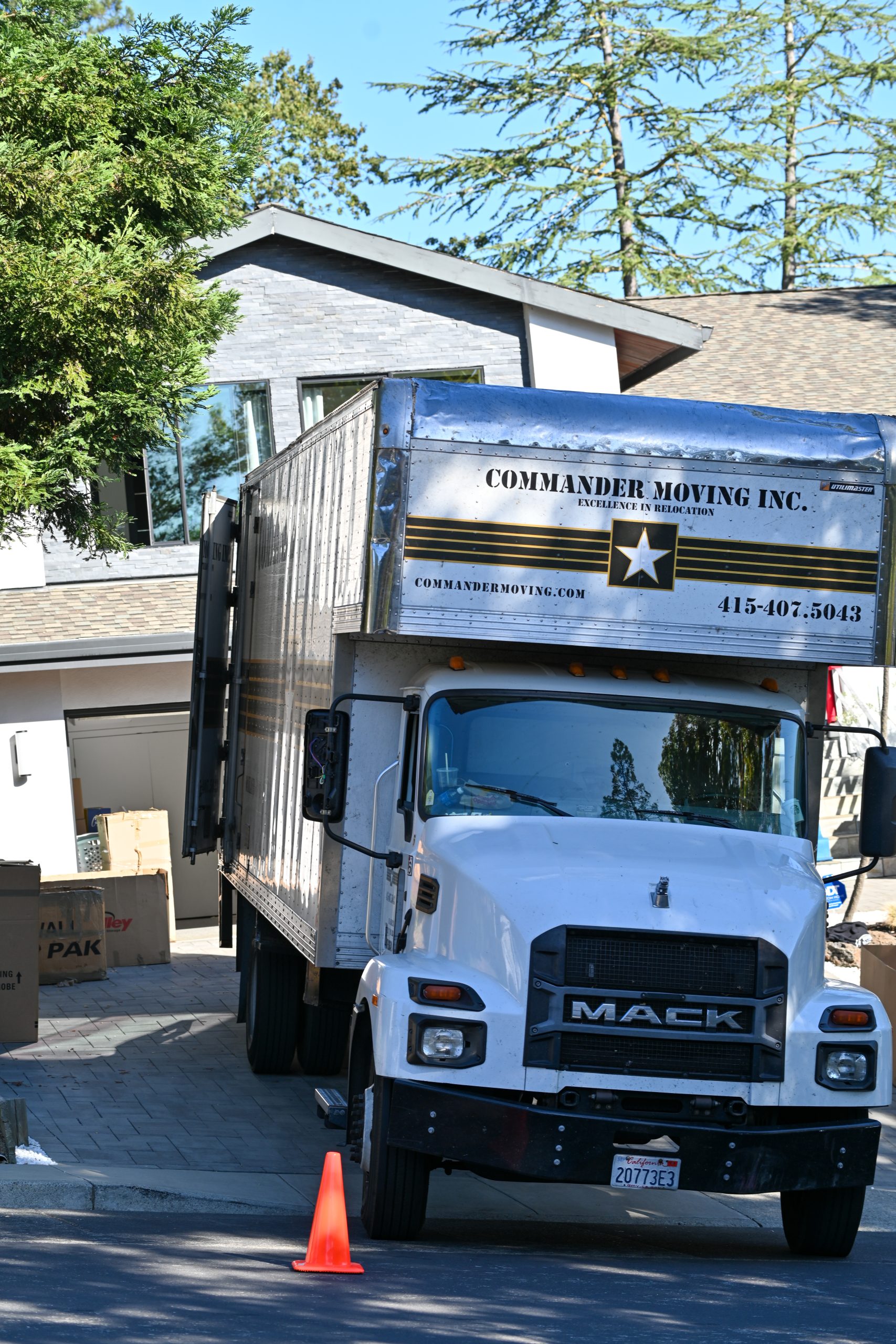
Moving day with full-service movers generally begins with the crew’s arrival, a walkthrough of your belongings, and confirmation of the services included in your agreement. Depending on your moving package, professionals may handle packing, furniture protection, loading, transportation, unloading, and optional furniture reassembly or unpacking. Homeowners should be available to answer questions, confirm access arrangements, and review moving documents. Understanding what happens at each stage helps you prepare for a more organized relocation and avoid unnecessary confusion.
Key Takeaways
- Full-service movers can manage several stages of relocation, including packing, loading, transportation, unloading, and selected setup services. Stay available to answer questions and confirm important decisions throughout moving day.
- When the crew arrives, confirm you’re working with the scheduled moving company, review the applicable paperwork, and walk through the home to identify fragile items, belongings that shouldn’t be loaded, and furniture requiring special attention.
- Professional packing, organized loading, and transportation planning can help protect belongings and support the moving schedule. Keep important documents, medications, valuables, and a bag of daily essentials with you.
- During unloading, direct furniture placement, check for visible damage, and identify boxes containing essentials. Furniture reassembly and unpacking should be confirmed as part of the moving agreement rather than assumed to be included.
- Keep copies of your written estimate, moving agreement or bill of lading, applicable inventory records, change orders, receipts, and final charges. Review these documents carefully and retain them in case questions or damage claims arise.
- Check both properties for forgotten belongings and visible damage. Document concerns before the crew leaves when possible, and follow the company’s written claims procedures if necessary. Tipping is optional and should reflect your satisfaction with the service.
The Moving Day Blueprint
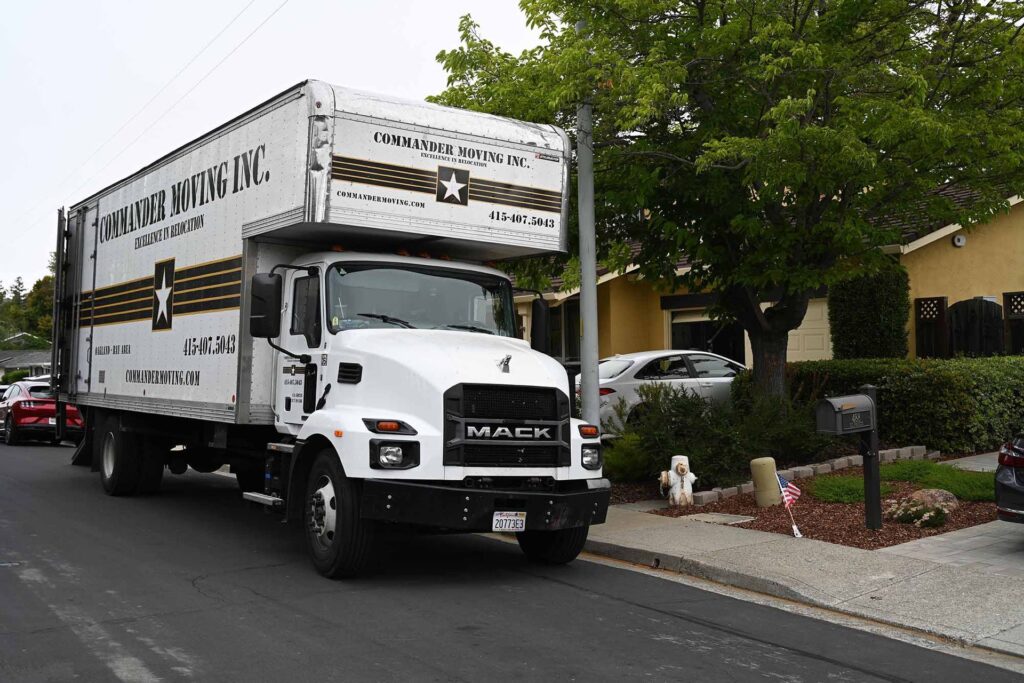
Moving day is easier to manage when homeowners understand the order of events and prepare essential information in advance. The process generally includes crew arrival, an initial walkthrough, packing when requested, loading, transportation, unloading, and furniture placement. Keep moving documents and contact information accessible, prepare a bag of essentials, and arrange a safe space for children and pets while the crew works.
1. The Arrival
Your moving company should communicate the expected arrival window before moving day. When the crew arrives, confirm the company and review any outstanding instructions or documents. Make sure parking arrangements, building access codes, and elevator reservations are ready. Keep pets and young children away from active loading areas, and avoid assigning children tasks involving moving boxes or equipment.
2. The Walkthrough
Walk through each room with the crew leader and identify fragile belongings, oversized furniture, and items that should remain with you. Point out pieces that may require disassembly or special handling. Review the inventory procedures applicable to your move and document the condition of valuable or easily damaged belongings before loading.
3. Move Packing
When professional packing is included, movers use suitable boxes, cushioning, protective wrapping, and labeling methods to prepare household belongings. Customers should identify fragile electronics, glassware, artwork, and other items requiring special attention. Specialty containers and custom crating may be available for certain belongings, but these services should be confirmed before moving day.
4. The Loading
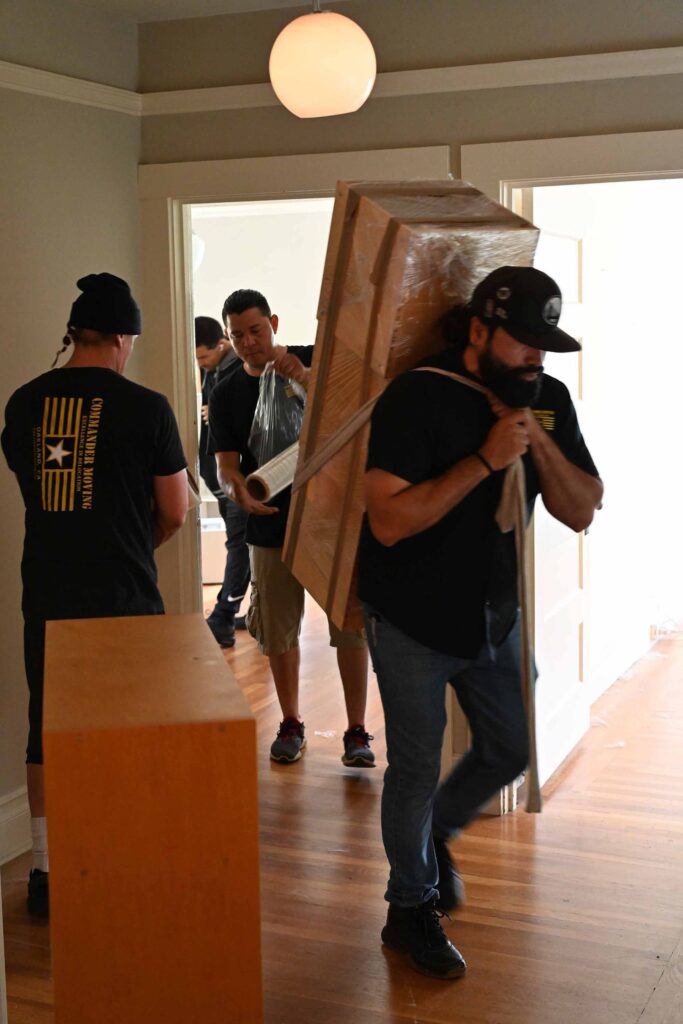
During loading, professional movers use appropriate equipment and handling methods to help secure belongings inside the truck. The crew determines loading order based on item weight, fragility, and available space. Before departure, confirm that all intended belongings have been loaded, review applicable inventory records, and ask how transportation or delivery updates will be communicated..
5. The Unloading
At the destination, direct the moving crew to the appropriate rooms for furniture and boxes. Check delivered belongings for visible damage or missing items and document any concerns. If furniture reassembly is included in the agreement, confirm which pieces the crew will assemble before completing the delivery.
6. The Placement
Clearly label rooms at the new property and explain where major furniture pieces should be placed. Boxes labeled by destination room can make unloading more organized. If reassembly or unpacking services are included, review these arrangements with the crew leader before moving day concludes.
Your Role In The Process
Although professional movers handle the agreed moving tasks, homeowners still play an important role in communication and decision-making. Stay available to answer questions, confirm furniture placement, and identify belongings that require special attention. Keep essential documents and personal valuables accessible throughout the move.
The Communicator
Communicate your priorities and special instructions clearly to the crew leader. Point out fragile belongings, furniture requiring disassembly, and boxes that should go to specific rooms. Confirm parking restrictions, elevator reservations, and building rules before work begins. If a large item cannot fit through an opening, notify the crew and allow them to assess alternative handling methods. Stay available for questions, and keep your personal inventory accessible so you can check that the intended belongings are loaded.
The Point Person
Designating one household contact can help prevent conflicting instructions during moving day. This person should be available to communicate with the crew leader, confirm room assignments, and answer questions about the inventory. A simple checklist can help track completed rooms and remaining tasks. If the primary contact becomes unavailable, arrange for another responsible adult to assist.
Final Inspection
Before leaving your previous home, inspect every room, closet, cabinet, and storage area for overlooked belongings. Check behind furniture, under beds, and inside drawers. Photograph any property concerns and confirm that everything intended for transportation has been loaded. Follow your property’s move-out instructions for utilities, windows, doors, and keys. Review the applicable moving documents before signing and retain copies for your records.
Handling Your Valuables
Fragile and valuable belongings deserve special attention before moving day. Photograph delicate furniture, artwork, antiques, and electronics to document their condition. Discuss items requiring additional protection or handling with the moving company before the crew arrives. Review the inventory and any changes to the planned services so the mover can prepare appropriate materials and equipment.
Fragile Items
Clearly label boxes containing fragile belongings and identify their destination rooms. Protective materials should be selected based on each item’s weight, size, and sensitivity. Artwork, ceramics, and unusually shaped possessions may require specialized packing or custom crating when available. Discuss these needs with the moving company in advance. The crew should determine loading order based on safe weight distribution and protection requirements rather than automatically placing every fragile box last.
High-Value Items
Keep cash, jewelry, passports, important legal documents, medications, keys, and irreplaceable personal items with you rather than placing them in the moving truck. Use a secure bag or container that remains under your control throughout moving day.
- Jewelry and watches
- Financial and legal documents
- Family heirlooms and limited-edition collectibles
- High-end cameras and lenses
Valuable books, original artwork, antiques, and collectibles may require specialized packing and additional documentation. For items that will be transported by the moving company, discuss their condition, handling requirements, and applicable liability protection before loading. A locked container doesn’t automatically provide insurance coverage or guarantee protection against loss.
Special Instructions
Provide clear instructions for items that must remain upright, cannot be stacked, or require special handling. Label boxes with their destination rooms and identify furniture that needs careful placement. Record any pre-existing damage where appropriate and discuss fragile belongings directly with the crew leader. Keep an essentials bag with clothing, toiletries, medications, documents, and necessary electronics rather than relying on immediate unpacking.
The Unseen Logistics
A professional moving company coordinates crew assignments, transportation, scheduling, and communication before and during moving day. Depending on the company, these responsibilities may be handled by office staff, dispatchers, crew leaders, or a dedicated coordinator. Customers should ask who manages scheduling and how updates will be communicated if circumstances change.
Crew Coordination
Moving crews coordinate packing, loading, transportation, and unloading according to the work required. A crew leader may organize tasks and communicate with the customer throughout the day. Heavy furniture and specialty belongings may require additional equipment or handling methods. Customers should confirm that the moving company has experience with their particular inventory and understand what documentation will accompany the shipment.
Route Optimization
Moving companies plan transportation routes based on distance, road access, traffic conditions, and delivery requirements. For longer moves, driver schedules and applicable rest requirements may also affect timing. Traffic, weather, and access restrictions can cause delays, so estimated arrival times shouldn’t be treated as guarantees. Ask whether shipment tracking or transportation updates are available and how the company communicates changes.
Contingency Plans
Unexpected challenges such as severe weather, vehicle problems, and restricted property access can affect moving schedules. Professional movers can assess available alternatives and explain how changes may affect transportation or delivery. Customers should ask in advance how the company communicates delays and handles changes to the agreed services. Backup vehicles and specialized contingency arrangements aren’t guaranteed with every move.
Understanding The Paperwork
Moving documents explain the services you’re purchasing, the applicable charges, liability protection, and the responsibilities of the moving company and customer. Review the written estimate and moving agreement before work begins. Keep copies of signed documents, approved changes, receipts, and delivery records. For California intrastate moves, the agreement must include the applicable Not-to-Exceed price, subject to properly documented change orders.
Bill Of Lading
| Document Field | What to Verify |
| Pickup address | Correct origin address and access details |
| Delivery address | Correct destination and delivery arrangements |
| Services included | Agreed packing, loading, transportation, unloading, and optional services |
| Pricing information | Written estimate, applicable Not-to-Exceed price, and authorized charges |
| Moving company details | Company name, contact information, and applicable authorization |
| Liability protection | Selected protection level and relevant limitations |
Review the moving agreement or bill of lading carefully, including the pickup and delivery addresses, services, charges, payment terms, and applicable liability provisions. For California intrastate moves, confirm the written Not-to-Exceed price and any authorized changes. Both parties should follow applicable signing requirements and retain copies of the completed documents. Missing paperwork can make disputes harder to resolve, but it doesn’t automatically eliminate consumer rights.
Inventory List
Before loading, photograph or document your belongings and review the moving company’s inventory procedures. For interstate household moves, the carrier is generally required to prepare an itemized inventory. California intrastate moves have separate documentation rules. Customers should keep their own records of valuable belongings and note visible pre-existing damage where appropriate.
During unloading, compare delivered belongings with the applicable inventory records and check for visible damage or missing items. Photograph concerns and make appropriate notes on delivery documents before signing whenever possible. Review documents carefully for any language that could waive liability. If damage isn’t immediately visible, report it promptly through the moving company’s written claims process.
Final Invoice
| Cost Element | What to Review |
| Base moving charge | Does it match the applicable estimate and agreement? |
| Packing materials | Were supplies included or separately authorized? |
| Access-related services | Were stairs, long carries, or other conditions disclosed and priced appropriately? |
| Additional services | Were changes requested and documented? |
| Final amount | Does it comply with the moving agreement and applicable pricing rules? |
Review the final charges against the written estimate, moving agreement, and any authorized change orders. Ask for clarification if a charge is unfamiliar or doesn’t match the agreed services. Confirm the accepted payment method and obtain receipts for payments made. Keep the completed moving and receipts for your records.
After The Last Box
After loading is complete, take time to check your previous home for forgotten belongings and confirm the transportation arrangements with the moving company. Once delivery is complete, inspect the new property, review your belongings, and address any concerns before the crew leaves when possible. Keep the company’s contact details available for questions or follow-up needs.
Final Sweep
Inspect every room, closet, drawer, cabinet, and accessible storage area before leaving your previous property. Check behind furniture and inside areas that are easy to overlook. Photograph any concerns involving walls, floors, doorframes, or furniture. At the destination, confirm that your belongings have been delivered and document visible damage or missing items.
Before leaving the original property, collect remaining packing materials and confirm that nothing intended for the move has been overlooked. Follow your move-out checklist for utilities, cleaning, and property access. At the new home, verify that essential utilities are functioning and identify any immediate setup needs. Delivery timing depends on the transportation distance, traffic conditions, and agreed schedule.
Tipping Guidelines
Tipping professional movers is optional and generally depends on service quality, the complexity of the move, and personal preference. If you choose to tip, ask whether the company has a preferred procedure for distributing gratuities among crew members. There is no universal required tipping amount, and tips should never be confused with agreed moving charges.
Post-Move Support
Keep the moving company’s contact information and completed documents accessible after delivery. If you discover missing or damaged belongings, document the issue and follow the applicable written claims procedures. Optional services such as additional unpacking, packing debris removal, or storage may be available, but they should be confirmed directly with the provider. Once the move is complete, consider sharing feedback about your experience.
Conclusion
Moving day with full-service movers is easier to manage when you understand the schedule, prepare your belongings, and maintain clear communication with the crew. From the initial walkthrough to loading, transportation, and delivery, knowing what to expect helps you stay organized. Review your moving documents, keep important belongings with you, and inspect your property and delivered items before completing the process.
Preparing a moving-day checklist and reviewing the agreed services in advance can help homeowners approach their relocation with greater confidence.
Frequently Asked Questions
1. What Should I Do Before Movers Arrive On Moving Day?
Before the movers arrive, clear walkways, confirm parking and building access, and identify any items that shouldn’t be loaded. Keep important documents, medications, valuables, and essential belongings with you. Review the scheduled arrival window and have your moving agreement and contact information accessible. Appliance disconnection should follow the manufacturer’s guidance and any arrangements made with qualified professionals.
2. Can I Leave My Valuables With The Movers?
Keep cash, jewelry, passports, medications, legal documents, and irreplaceable personal items with you whenever possible. For larger valuable belongings that require professional transportation, discuss packing requirements and liability protection with the moving company in advance. Document their condition before loading.
3. How Long Will A Full-Service Move Take?
Moving-day duration depends on the number of belongings, crew requirements, property access, travel distance, and services included. Some local moves can be completed in one day, while larger or long-distance relocations may take longer. Ask your moving company for an estimated schedule and clarify how changes will be communicated.
4. What Paperwork Should I Expect To Sign?
Expect written documents explaining the moving services, applicable charges, and liability protection. These may include an estimate, moving agreement or bill of lading, applicable inventory records, and receipts. California intrastate moves require a written Not-to-Exceed price, while interstate moves follow separate federal requirements. Read the documents carefully before signing and keep copies.
5. Who Supervises The Movers At My Home?
A crew leader typically directs the moving team’s on-site work, although staffing arrangements vary by company. Homeowners should remain available to answer questions, identify belongings requiring special attention, and confirm furniture placement. Ask who your primary moving-day contact will be before the crew arrives.
6. What If Something Gets Damaged During The Move?
If an item is damaged, photograph the damage, document the item’s condition, and notify the moving company promptly. Note visible damage on the applicable delivery documents when possible and follow the company’s written claims procedures. Keep copies of the moving agreement, inventory records, photographs, and related communications. Don’t assume that reporting damage verbally or noting it on delivery paperwork replaces a formal written claim.
7. What Happens After The Movers Leave?
After delivery, inspect your belongings and property for visible damage or missing items. Keep your moving documents, payment receipts, and relevant photographs organized. Prioritize essential rooms and contact the moving company if you have questions about the completed services or need to report a concern.
Make Moving Easier With Trusted Full Service Movers
Moving involves more than loading boxes onto a truck. Packing, protecting furniture, coordinating transportation, handling specialty items, and managing moving day logistics can quickly become overwhelming. Working with experienced full-service movers gives you professional support through every stage of the process, helping make your move more organized, efficient, and less stressful.
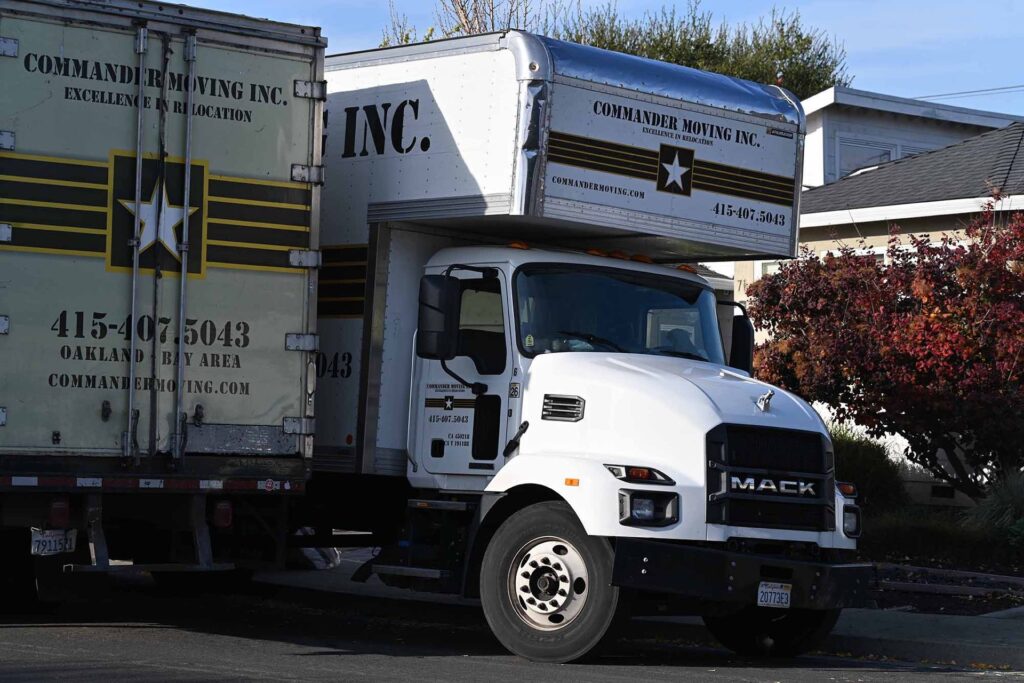
At Commander Moving, we provide full-service moving solutions for homeowners and families throughout the Bay Area. From packing and preparing your belongings to loading, transportation, unloading, and specialty item handling, our team can manage the details from start to finish. Whether you’re moving from an apartment, relocating a large household, or simply want professionals to handle the heavy lifting, Commander Moving has the experience and equipment to keep your move on track.
Choosing the right full-service movers means having a dependable team that respects your belongings, your home, and your schedule. Commander Moving focuses on careful planning, clear communication, and professional service at every step. Contact Commander Moving today to schedule your estimate and see how full-service movers can make your next relocation easier.
Disclaimer
The materials available on this website are provided for general informational and educational purposes only and are not intended as legal, financial, moving, storage, or professional advice. Every move is different, and you should contact a qualified moving professional regarding your specific relocation needs, timelines, pricing, storage requirements, or specialty moving concerns.
Do not act or rely solely on the information contained on this website without first speaking directly with Commander Moving or another qualified professional regarding your individual situation. While we strive to keep the information on this website accurate and up to date, moving regulations, service availability, pricing, and operational details may change without notice.
Commander Moving disclaims all liability for actions taken or not taken based on any content found on this website to the fullest extent permitted by law. Use of this website or communication through this website does not create a contractual agreement for moving services unless confirmed in writing by Commander Moving.