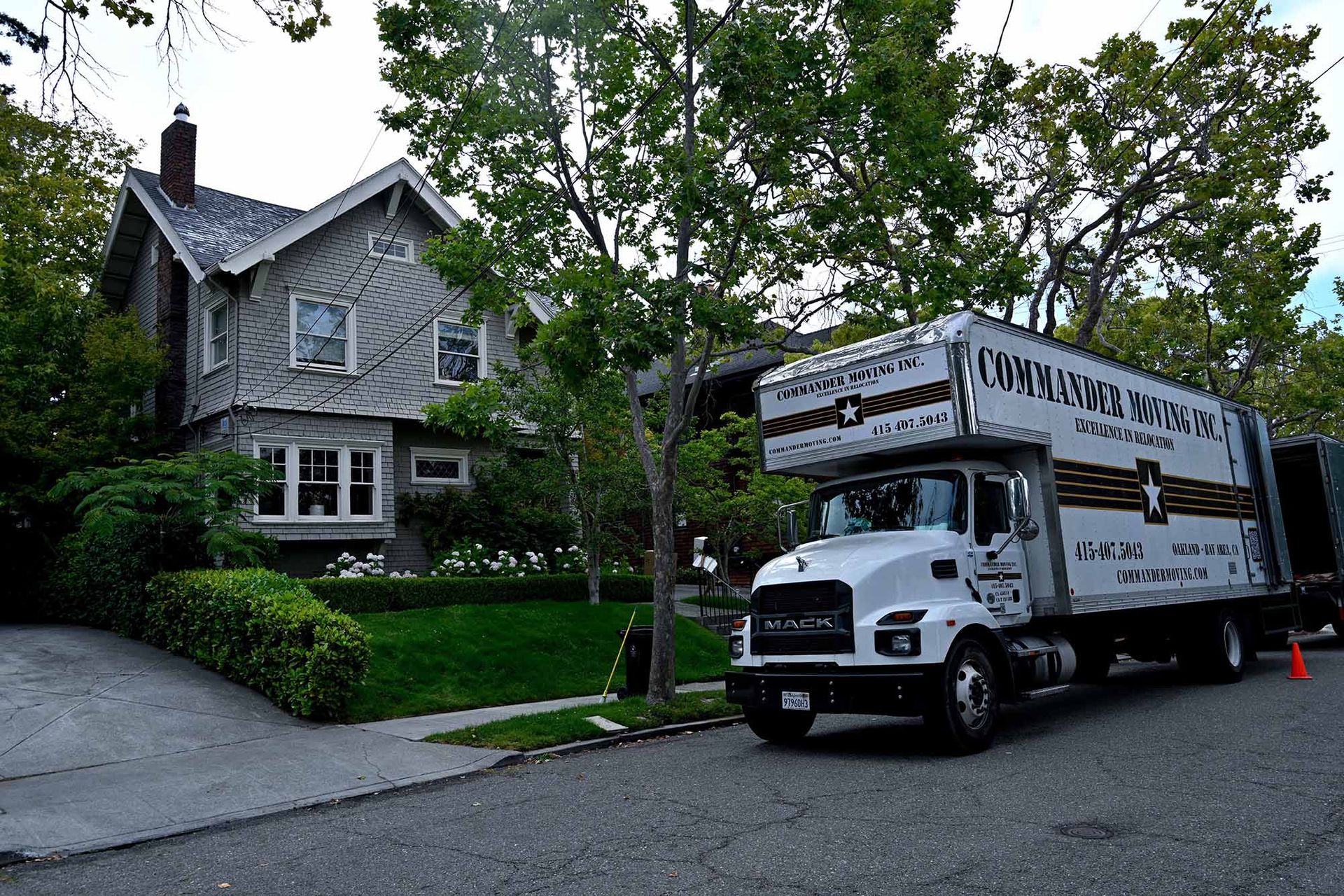
Moving into or out of a beautifully finished home requires more than carrying furniture from one location to another. Hardwood floors, custom millwork, designer lighting, stone surfaces, built-in cabinetry, luxury furniture, and carefully selected décor can all be vulnerable during a move. Even a minor scrape, impact, or dropped object may leave damage that is expensive or difficult to repair.
Luxury movers protect hardwood floors and designer interiors by preparing the home before heavy lifting begins. Professional Residential Movers may use floor runners, protective coverings, furniture padding, doorway protection, corner guards, careful wrapping techniques, specialized moving equipment, and planned carrying routes to reduce the chance of accidental damage. Just as importantly, an experienced moving crew coordinates each stage of the move so furniture and boxes travel through the property in a controlled manner.
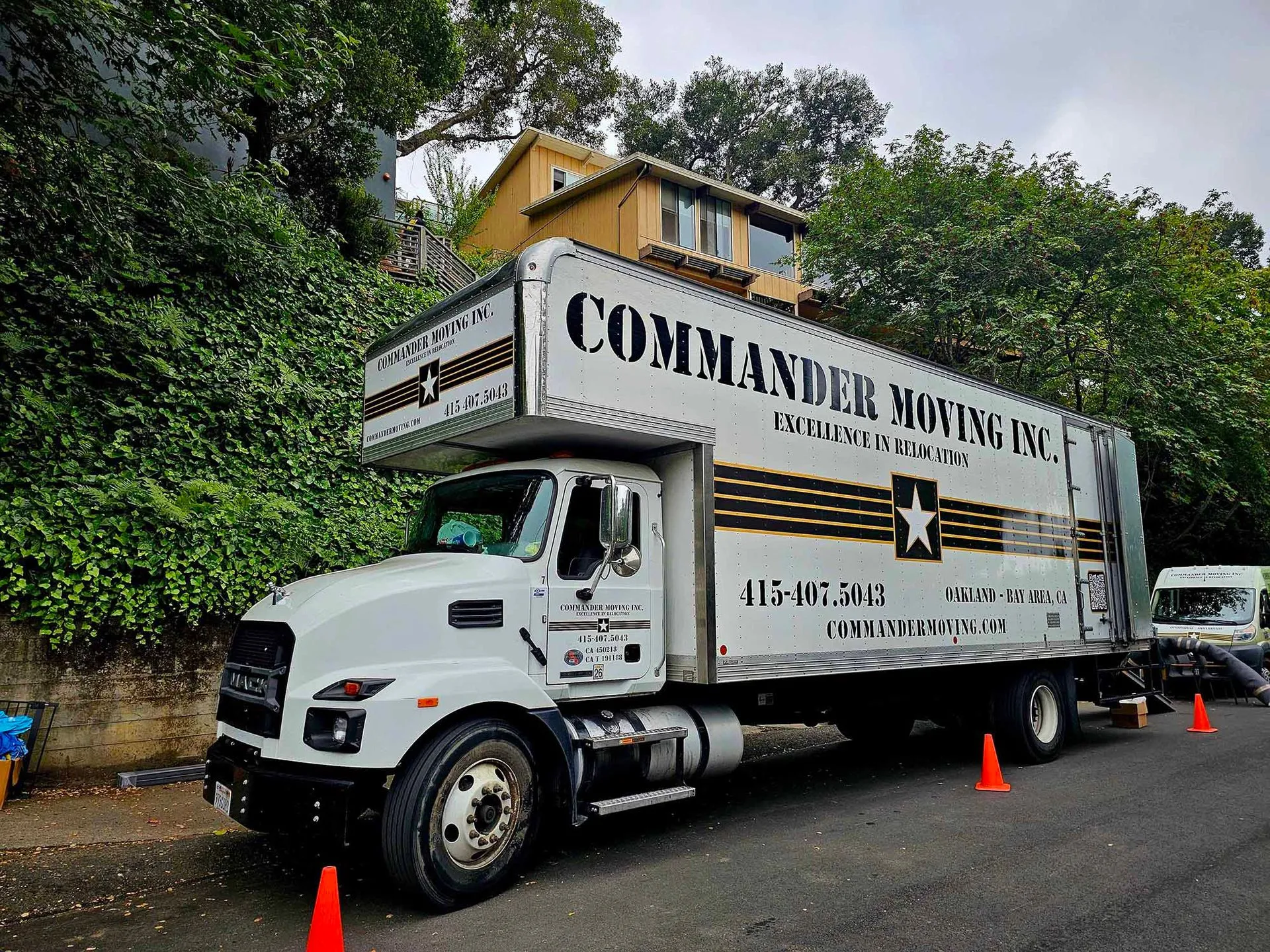
For homeowners who have invested considerable time and money in their interiors, this attention to detail can make professional moving services particularly valuable. Commander Moving approaches residential relocations with an emphasis on preparation, careful handling, dependable service, and protection throughout the moving process.
Key Takeaways
- Professional Residential Movers protect hardwood floors before furniture, boxes, and equipment begin moving through the home.
- Floor runners, protective coverings, furniture blankets, corner protection, and doorway guards can help prevent scratches, dents, dirt, and accidental impacts.
- Luxury furniture and designer décor often require item-specific packing and handling rather than a one-size-fits-all approach.
- Planning the carrying route reduces unnecessary movement through delicate or high-value areas of a home.
- Proper moving equipment helps crews transport large items while maintaining greater control in tight spaces.
- Experienced movers consider both the belongings being transported and the property surrounding them.
- Commander Moving provides residential moving support designed to help homeowners complete local and long-distance moves carefully and efficiently.
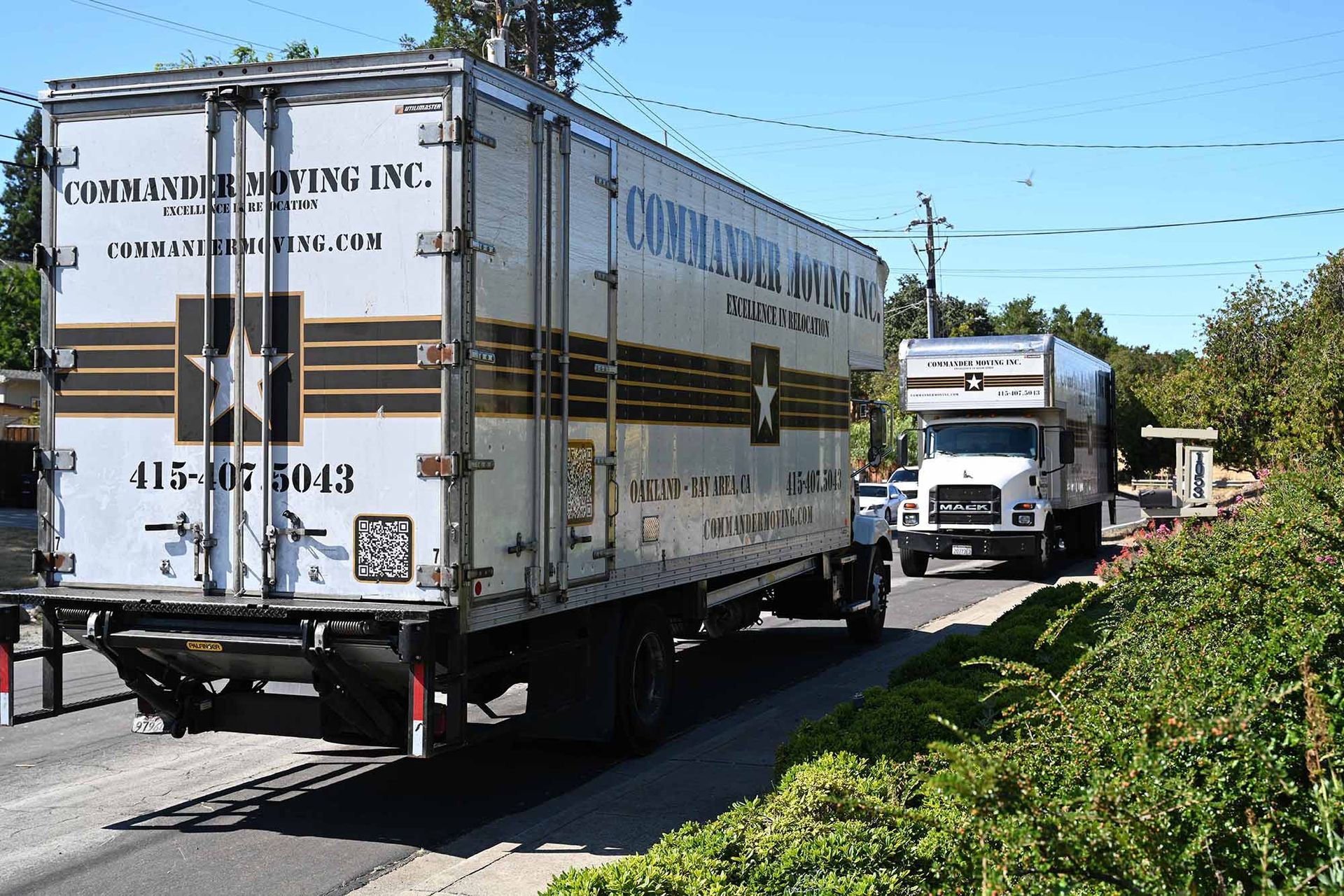
Why Hardwood Floors Need Special Protection During Residential Moves
Hardwood flooring is durable under ordinary residential use, but moving day creates unusual conditions. Furniture that normally stays stationary is suddenly being lifted, turned, rolled, and transported. Dollies and moving equipment travel repeatedly through the same areas. Boxes may be temporarily placed in hallways, and crews frequently enter and exit the home. One careless movement can leave a visible mark.
The risks increase when homeowners have premium flooring such as wide-plank hardwood, hand-scraped boards, custom stains, parquet patterns, reclaimed wood, or other specialty finishes. Repairing an isolated scratch may also be complicated if the repaired section needs to match surrounding flooring.
Experienced Residential Movers recognize that floor protection should therefore begin before the first major piece of furniture is moved. One of the most obvious risks is scratching. Furniture legs, metal hardware, grit trapped underneath boxes, or moving equipment can create marks when dragged across an unprotected surface.
Dents are another concern. A heavy object dropped onto hardwood can cause an indentation even when the finish itself does not crack. Moisture and outdoor debris can also create problems. Rain, mud, sand, and small stones can be tracked indoors as movers repeatedly walk between the house and moving truck. Tiny pieces of gravel caught underneath a shoe or piece of equipment can act like sandpaper against finished flooring. These risks explain why careful movers don’t simply rely on being cautious. They create physical barriers between moving activity and vulnerable surfaces.
How Luxury Movers Protect Hardwood Floors
A successful floor-protection strategy combines suitable materials with disciplined moving practices. Protective products are useful, but they work best when the moving crew understands how to use them properly and keeps them secure throughout the relocation.
Floor Runners Create Protected Travel Paths
Professional movers can establish designated routes through the house using protective floor runners or other suitable coverings. Rather than allowing repeated foot traffic and equipment to travel directly across exposed hardwood, the crew creates a path connecting important areas such as bedrooms, living spaces, stairways, entrances, and the moving truck. This approach serves two purposes.
First, it places a protective layer between the flooring and moving-day traffic. Second, it establishes a predictable carrying route. Movers know where to travel, which can reduce unnecessary movement through other parts of the house. The coverings should remain flat and secure. A loose or poorly positioned floor covering can become a tripping hazard, which is why professional installation and ongoing inspection matter.
Entry Areas Receive Extra Attention
The entrance to the house frequently experiences the heaviest traffic. Every box, piece of furniture, and moving crew member may pass through the same doorway. The transition between the exterior and interior can also introduce moisture and debris. Professional Residential Movers may give these areas additional protection and periodically check whether dirt has accumulated near the entrance. Maintaining a cleaner transition area helps prevent abrasive material from being carried throughout the home.
Furniture Is Lifted Instead Of Dragged
One of the simplest rules for protecting hardwood floors is also one of the most important: heavy furniture should not be dragged unnecessarily across finished surfaces. Dragging a dresser, dining table, bed frame, cabinet, or sofa can scratch flooring or damage the furniture itself. Experienced moving teams coordinate lifting responsibilities before an object starts moving. For particularly heavy or awkward pieces, movers may use appropriate moving equipment or additional crew members. The goal is controlled movement rather than forcing an item across the floor.
Moving Equipment Is Used Carefully
Dollies, hand trucks, furniture dollies, straps, and other equipment can make residential moving more efficient, particularly when handling heavy belongings. Equipment must be appropriate for the surroundings. Movers need to consider the flooring, available clearance, weight of the object, turns along the route, and transitions between rooms. Professional movers also inspect the planned path for obstacles before transporting particularly heavy items. This preparation helps avoid sudden stops or awkward adjustments while the item is already in motion.
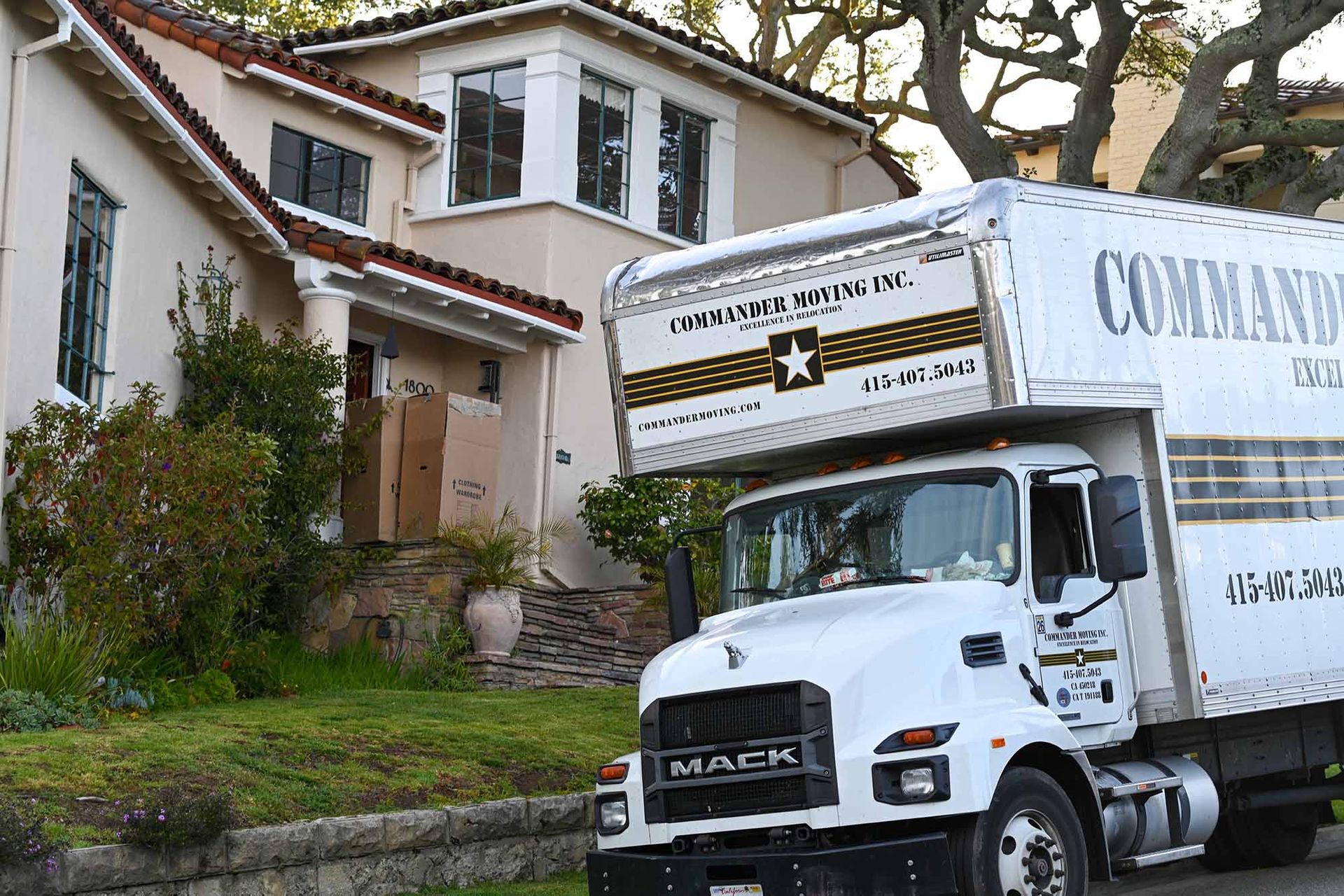
Protecting Designer Interiors Requires More Than Floor Coverings
Hardwood flooring is only one part of a high-end home’s interior. Luxury properties may include custom cabinetry, detailed trim, decorative wall treatments, designer wallpaper, stone countertops, oversized mirrors, built-in shelving, statement lighting, and carefully finished staircases. Protecting these elements requires thinking about the entire moving environment. Professional Residential Movers assess how belongings will travel through the home and identify places where clearance is limited or accidental contact is more likely.
Doorways And Trim Need Protection Too
Doorways are natural collision points during a residential move. A sofa may fit easily in the middle of a living room but leave only a few inches of clearance when passing through a door. Mattresses, cabinets, tables, and large appliances can create similar challenges. Movers may use protective materials around vulnerable doorframes, jambs, railings, or trim when appropriate. This is especially valuable in homes featuring custom woodwork or recently painted surfaces.
Why Measuring Before Moving Matters
Professional moving involves more than physical strength. Before attempting to move an oversized object, experienced crews can evaluate its dimensions and compare them with doorways, hallways, elevators, staircases, and other restrictions along the route. Sometimes furniture needs to be partially disassembled.
A dining table might be easier to move after its legs are removed. A bed may need to be dismantled. A sectional sofa may separate into individual pieces. Taking a few extra minutes to prepare an item can eliminate the need to squeeze it through a space where both the furniture and interior finishes could be damaged.
Corners And Walls Are Common Impact Zones
Corners can be especially vulnerable because movers may have limited visibility while carrying large objects. When a dresser or sofa blocks a mover’s view, judging clearance becomes more difficult. A second crew member can help guide the item through narrow areas and communicate when adjustments are necessary. Protective corner materials may also be used in vulnerable locations. The broader principle is straightforward: instead of waiting for accidental contact to happen, professional movers anticipate where it is most likely and prepare accordingly.
Staircases Require Controlled Movement
Stairs introduce several challenges at once. Movers have less room to maneuver, the weight of the object may shift between crew members, and decorative railings or walls can be close to the carrying path. Large furniture can also be difficult to rotate at landings.
Luxury moving crews plan how an item will travel up or down a staircase before beginning the maneuver. Appropriate padding can protect the furniture, while communication between crew members helps maintain controlled movement. This level of coordination becomes particularly important for heavy dressers, large tables, armoires, artwork, and other substantial pieces.
How Luxury Movers Protect Designer Furniture
Protecting the property is only half of the job. The furnishings inside the home also require careful preparation. Designer furniture can feature delicate finishes, specialty fabrics, polished wood, metal details, glass, marble, or custom components. Some pieces may also have unusual shapes that make standard packing methods ineffective. Professional Residential Movers consider the characteristics of individual items before determining how they should be prepared for transportation.
Moving Blankets Provide An Important Protective Layer
Furniture pads and moving blankets can help shield furniture from scratches, rubbing, and incidental contact.
They are commonly used on items such as:
- Dressers and cabinets
- Dining tables and chairs
- Headboards and bed components
- Desks and consoles
- Sofas and upholstered furniture
- Other substantial household furnishings
The blankets need to remain securely positioned throughout handling and transportation. When properly applied, padding helps create a buffer between the furniture and nearby objects.
Corners And Edges May Need Additional Protection
Corners often receive impacts before flat surfaces because they extend outward and may contact doorframes, walls, truck interiors, or nearby furniture. Pieces with decorative edges, exposed wood, stone surfaces, or intricate detailing can require additional attention. Professional movers evaluate these vulnerable areas during preparation rather than treating every piece of furniture exactly the same.
Protecting Upholstery And Specialty Fabrics
High-end sofas, dining chairs, benches, and upholstered headboards may feature materials that are vulnerable to dirt, moisture, abrasion, or snagging. Movers need to protect these surfaces without applying packing materials in a way that damages the fabric. The item should also be kept away from dirty floors and surfaces while it is being staged, carried, or loaded. Careful planning matters because upholstery damage may be difficult to correct, particularly when the original fabric is custom, discontinued, or difficult to source.
Moving Glass, Mirrors, And Fragile Décor
Large mirrors, glass tabletops, framed artwork, and decorative pieces require different handling than ordinary boxes. These items can be vulnerable to impact, vibration, pressure, and improper stacking. Professional Residential Movers may use specialized packing methods depending on the size, shape, construction, and fragility of the item. For certain valuable or unusually fragile belongings, custom crating or additional protective preparation may be appropriate.
Why Proper Placement In The Moving Truck Matters
Protection does not end once an item reaches the truck. Furniture and boxes must be loaded strategically to minimize shifting during transportation. Heavy belongings should not place inappropriate pressure on delicate items, and fragile objects need suitable positioning. For long-distance residential moves, secure loading becomes particularly important because belongings remain in transit for a longer period and may encounter road vibration, turns, braking, and changing conditions. A carefully loaded truck helps maintain the protection established inside the home.
Custom Crating For High-Value Household Items
Not every possession belongs in a standard moving box. Artwork, sculptures, antiques, specialty mirrors, collectible pieces, or unusual decorative objects may benefit from custom protection. Custom crating can provide a more structured enclosure designed around the object’s dimensions and vulnerabilities.
Whether crating is necessary depends on the item, its value, construction, fragility, and transportation requirements. Homeowners with particularly valuable belongings should discuss these items with their movers before moving day so the appropriate preparation can be arranged.
Protecting Stone, Tile, And Other Premium Surfaces
Luxury interiors frequently combine hardwood flooring with marble, natural stone, tile, and other premium materials. Although these surfaces may appear extremely strong, they are not immune to damage. Heavy impacts can chip or crack certain materials. Metal equipment may scratch polished finishes, and dropping a dense object can damage flooring or countertops.
Experienced movers therefore avoid assuming that a hard surface is automatically a safe surface. Each area of the home should be considered according to the materials present and the type of moving activity that will occur there.
Why Pre-Move Planning Makes Such A Difference
Many forms of moving damage are easier to prevent than repair. That makes planning one of the most valuable aspects of professional residential moving. Before major moving activity begins, a crew can evaluate access points, staircases, tight hallways, furniture dimensions, flooring materials, parking arrangements, and other property-specific challenges. This allows the team to identify potential problems while they are still easy to solve.
Establishing A Moving Route
Instead of choosing a path each time an item leaves the house, movers can establish primary routes. A planned route allows floor protection to be placed where it matters most and helps the crew avoid delicate rooms or unnecessary obstacles. For example, if two possible routes lead from an upstairs bedroom to the truck, the crew may choose the route offering better clearance and fewer difficult turns. Small decisions like this can significantly improve moving-day efficiency.
Identifying Valuable Items Before The Move
Homeowners should point out possessions requiring unusual care before moving begins. This might include a designer dining table, antique cabinet, oversized artwork, fragile mirror, piano, sculpture, or custom-built furniture. Identifying these items early allows the moving company to plan labor, equipment, packing materials, and handling procedures. It also reduces the chance of discovering on moving day that a particularly challenging item requires resources that were not anticipated.
Communication Helps Protect Luxury Homes
Physical protection materials receive considerable attention, but communication is equally important. Movers carrying a large item need to coordinate turns, stairs, doorways, and elevation changes. Crew members should know who is guiding the movement and when an item needs to stop. Clear communication also extends to the homeowner.
Customers should be able to explain concerns about specific belongings or areas of the property. If a room contains delicate wall treatments or a staircase has a custom railing, that information can be incorporated into the moving plan. Professional moving is most effective when expectations are established before the heavy lifting begins.
Local Residential Moves Still Require Careful Protection
A short move is not necessarily an easy move. Moving only a few miles away still requires furniture to leave one property, enter a truck, travel to another location, and be carried into the new residence. That means belongings and interiors encounter many of the same risks present during a long-distance move.
Professional local Residential Movers can help protect both the home being vacated and the property receiving the household goods. This is especially important when homeowners are moving into newly built or recently renovated homes where flooring, paint, cabinetry, and fixtures are in pristine condition.
Long-Distance Moves Add Another Layer Of Planning
Long-distance relocations introduce additional considerations because belongings remain in transportation longer. Proper packing and loading become increasingly important. Furniture should be prepared for transportation, fragile belongings should be packed appropriately, and the load should be organized to reduce unnecessary shifting.
Homeowners should also discuss timelines, inventory considerations, access requirements, and particularly valuable belongings with their moving company beforehand. A professional moving plan connects the protection inside the original home with secure transportation and careful placement at the destination.
Protecting The New Home Is Just As Important
Much of the discussion surrounding moving protection focuses on the property being emptied, but the destination deserves equal attention. In many cases, the new residence may contain freshly refinished floors, new carpeting, recently painted walls, upgraded cabinetry, or custom interior work. Protection should therefore be re-established before unloading begins. Floor coverings can be positioned along primary traffic routes, and movers can evaluate doorways, staircases, and furniture placement before large objects enter.
Furniture Placement Should Be Planned
Knowing where major pieces belong can reduce unnecessary movement. If movers carry a large dresser upstairs only to learn that it belongs in a different room, the item must travel through the house again. Before unloading, homeowners can decide where major furniture will go and clearly communicate those locations to the crew. This improves efficiency while reducing additional traffic across floors and through doorways.
Why Experience Matters When Moving Luxury Interiors
Moving a box through an empty hallway is straightforward. Moving an oversized designer sofa through a narrow doorway beside custom millwork requires considerably more judgment. Experienced movers learn how to evaluate weight distribution, clearance, balance, furniture construction, carrying angles, and available space. They also recognize when an item should be disassembled rather than forced through an opening. The value of experience is not simply moving faster. It is knowing when to slow down.
Professional Residential Movers should prioritize controlled handling over rushing, particularly when working around high-value interiors.
What To Do Before Your Luxury Moving Team Arrives
Homeowners can support the protection process by preparing the property before moving day. Remove small obstacles from primary pathways and make sure movers can access the belongings scheduled for transportation. Inform the moving company about particularly valuable or challenging items in advance rather than waiting until the crew arrives. If your home has delicate flooring, specialty wall finishes, unusual staircases, restricted access, or recently completed renovations, discuss these details while requesting your estimate.
Providing accurate information allows the moving company to prepare more effectively. Homeowners should also separate belongings they plan to transport personally, such as important documents, medications, jewelry, and other personal essentials, according to their preferences and the moving company’s policies.
What To Ask Residential Movers About Property Protection
Before hiring a moving company, ask how it approaches home and furniture protection. Instead of accepting a general promise that movers will “be careful,” ask about the actual process. Useful questions include how hardwood flooring is protected, what materials are used for furniture, how oversized items are handled, and whether specialty packing or crating options are available.
For a long-distance move, ask how furniture and fragile belongings are secured during transportation. You can also discuss your home’s particular challenges during the estimate process. Detailed conversations help both sides understand expectations before moving day.
Why Professional Moving Can Reduce Household Moving Stress
Residential moving involves numerous decisions at the same time: packing, scheduling, transportation, utilities, closing arrangements, address changes, and preparing the new property. Trying to manage heavy furniture on top of those responsibilities can make the process significantly more demanding. Professional movers provide trained labor, moving equipment, packing knowledge, and an organized process.
For homes containing expensive flooring and carefully designed interiors, professional moving assistance can also provide greater confidence that property protection has been considered from the beginning. Rather than relying on improvised methods, homeowners have a structured moving process designed around preparation and controlled handling.
Commander Moving: Careful Residential Moving For Your Home
Every household move deserves care, whether you are relocating from a modest residence, a large family home, or a luxury property filled with custom furnishings. Commander Moving understands that residential moving involves more than transporting belongings. Movers work inside spaces homeowners have invested in, cared for, and often spent years creating. Our approach emphasizes preparation, careful handling, communication, and dependable moving service.
From protecting furniture and planning carrying routes to navigating hardwood flooring, stairs, doorways, and other sensitive areas, the objective is to make the relocation organized and manageable from start to finish. Whether your move is local or long-distance, working with professional Residential Movers can help you avoid the uncertainty of handling everything yourself. Homeowners planning an upcoming relocation can contact Commander Moving to discuss their moving needs and request an estimate.
Final Remarks
Luxury moving requires careful attention to both the possessions being transported and the homes surrounding them. Hardwood flooring, designer furniture, custom woodwork, walls, staircases, artwork, and premium finishes can all be vulnerable when large household belongings are being moved.
Professional Residential Movers reduce these risks through preparation. Floor coverings, furniture padding, planned moving routes, appropriate equipment, careful lifting, secure loading, and clear crew communication all contribute to a more controlled relocation.
The most important protection is a thoughtful process. Experienced movers assess the property, identify challenging items, prepare vulnerable areas, and avoid forcing furniture through spaces where damage could occur.
Whether you are moving across town or beginning a long-distance relocation, Commander Moving provides dependable residential moving support with attention to the details that matter. If you are planning your next household move, contact Commander Moving to discuss your needs, request an estimate, and learn how professional movers can help protect your belongings and your home throughout the relocation.
Frequently Asked Questions
1. How Do Residential Movers Protect Hardwood Floors During A Move?
Professional Residential Movers can use protective floor runners, suitable coverings, and carefully planned traffic routes to help shield hardwood from scratches, dirt, moisture, and repeated foot traffic. Furniture should generally be lifted rather than dragged across finished flooring. Movers may also pay particular attention to entrances and other high-traffic areas where outdoor debris can enter the home.
2. Can Movers Protect Newly Finished Hardwood Flooring?
Yes. Tell your moving company about newly installed or refinished flooring before moving day. This allows the crew to consider appropriate protective materials and moving routes in advance. Homeowners should also follow any curing or care instructions provided by their flooring contractor, especially when the finish is very recent.
3. How Do Luxury Movers Protect Designer Furniture?
Designer furniture may be protected with moving blankets, padding, wrapping materials, corner protection, careful disassembly, or specialty packing depending on the piece. Experienced movers evaluate the furniture’s material, shape, weight, finish, and vulnerable areas before deciding how it should be prepared and transported.
4. Do Residential Movers Protect Walls And Doorways?
Professional movers may use protective materials around vulnerable doorways, corners, railings, or other interior areas when appropriate. Equally important is careful route planning. Measuring furniture and evaluating clearance before moving oversized pieces can help prevent unnecessary contact with walls, trim, and doorframes.
5. How Are Artwork, Mirrors, And Fragile Designer Décor Moved Safely?
Fragile belongings require appropriate packing and controlled handling. Large mirrors, framed artwork, glass pieces, sculptures, and other delicate objects may require specialty packing materials or custom crating. Homeowners should identify particularly valuable or fragile belongings before moving day so their moving company can recommend suitable preparation.
6. Is Professional Floor Protection Important For A Local Move?
Yes. Even when you are moving only a short distance, furniture and boxes still have to travel through both properties. Floors, walls, stairs, and doorways are exposed to repeated moving activity regardless of the number of miles traveled. Local Residential Movers can help protect the home you are leaving as well as the home you are moving into.
7. How Can I Get An Estimate From Commander Moving For A Residential Move?
Contact Commander Moving with information about your current residence, destination, approximate household size, moving date, and any items requiring special attention. Mention features such as hardwood flooring, designer furniture, oversized belongings, artwork, stairs, or challenging access. Providing these details can help create a more accurate estimate and allow the moving team to prepare for the requirements of your relocation.
Give Your Body The Time And Space To Rest, Recover, And Restore
When life feels nonstop, your body often carries the stress long after the day is over. Tight muscles, fatigue, tension, and mental overload can all be signs that it’s time to slow down and recharge. At The Sanctuary Holistic Healing Center, our approach to Rest, Recovery, and Restoration is designed to help you step away from the demands of everyday life and give your body the care it needs to reset.
Each session is personalized around how you’re feeling and what your body needs most. Through holistic therapies such as massage, cupping, Gua Sha, infrared light therapy, breathwork, and other supportive techniques, we create a calming experience focused on releasing tension, encouraging relaxation, and supporting your body’s natural recovery process.
Rest isn’t something you have to earn. It’s an important part of feeling your best. Whether you’re recovering from physical strain, navigating a stressful season, or simply feeling worn down, making space for intentional recovery can help you feel more grounded, refreshed, and ready for what’s next.
Schedule your session with The Sanctuary Holistic Healing Center today and make time to rest, recover, and restore.
Disclaimer
The materials available on this website are provided for general informational and educational purposes only and are not intended as legal, financial, moving, storage, or professional advice. Every move is different, and you should contact a qualified moving professional regarding your specific relocation needs, timelines, pricing, storage requirements, or specialty moving concerns.
Do not act or rely solely on the information contained on this website without first speaking directly with Commander Moving or another qualified professional regarding your individual situation. While we strive to keep the information on this website accurate and up to date, moving regulations, service availability, pricing, and operational details may change without notice.
Commander Moving disclaims all liability for actions taken or not taken based on any content found on this website to the fullest extent permitted by law. Use of this website or communication through this website does not create a contractual agreement for moving services unless confirmed in writing by Commander Moving.