Moving from a luxury home involves far more than transporting boxes from one address to another. High-value furniture, artwork, antiques, designer décor, electronics, specialty pieces, and delicate finishes can turn an ordinary household move into a complicated.
Moving from a luxury home involves far more than transporting boxes from one address to another. High-value furniture, artwork, antiques, designer décor, electronics, specialty pieces, and delicate finishes can turn an ordinary household move into a complicated logistics project. A low price doesn’t automatically mean poor service, and a high price doesn’t guarantee careful handling. The risk comes from choosing an estimate without checking whether it includes the crew, equipment, preparation, and protection the move requires. Missing services or unclear terms can lead to damage, delays, disputes, or additional expenses.
Professional residential movers provide more than physical labor. Homeowners should confirm the company’s relevant experience, planned equipment, packing methods, transportation arrangements, and communication process rather than assuming these are established by the price or service label. For luxury homeowners, these qualities are especially important because even a single handling mistake can become expensive.
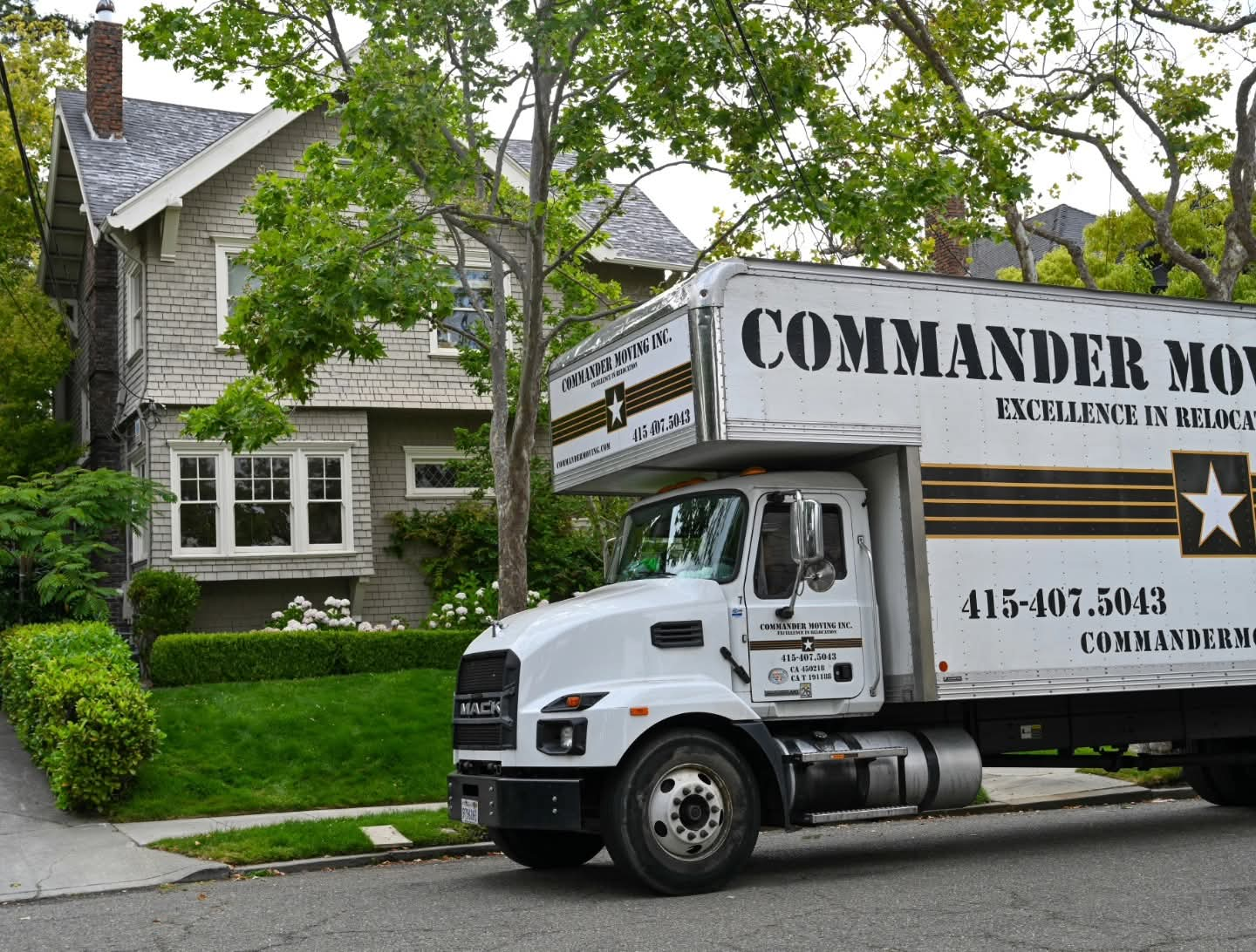
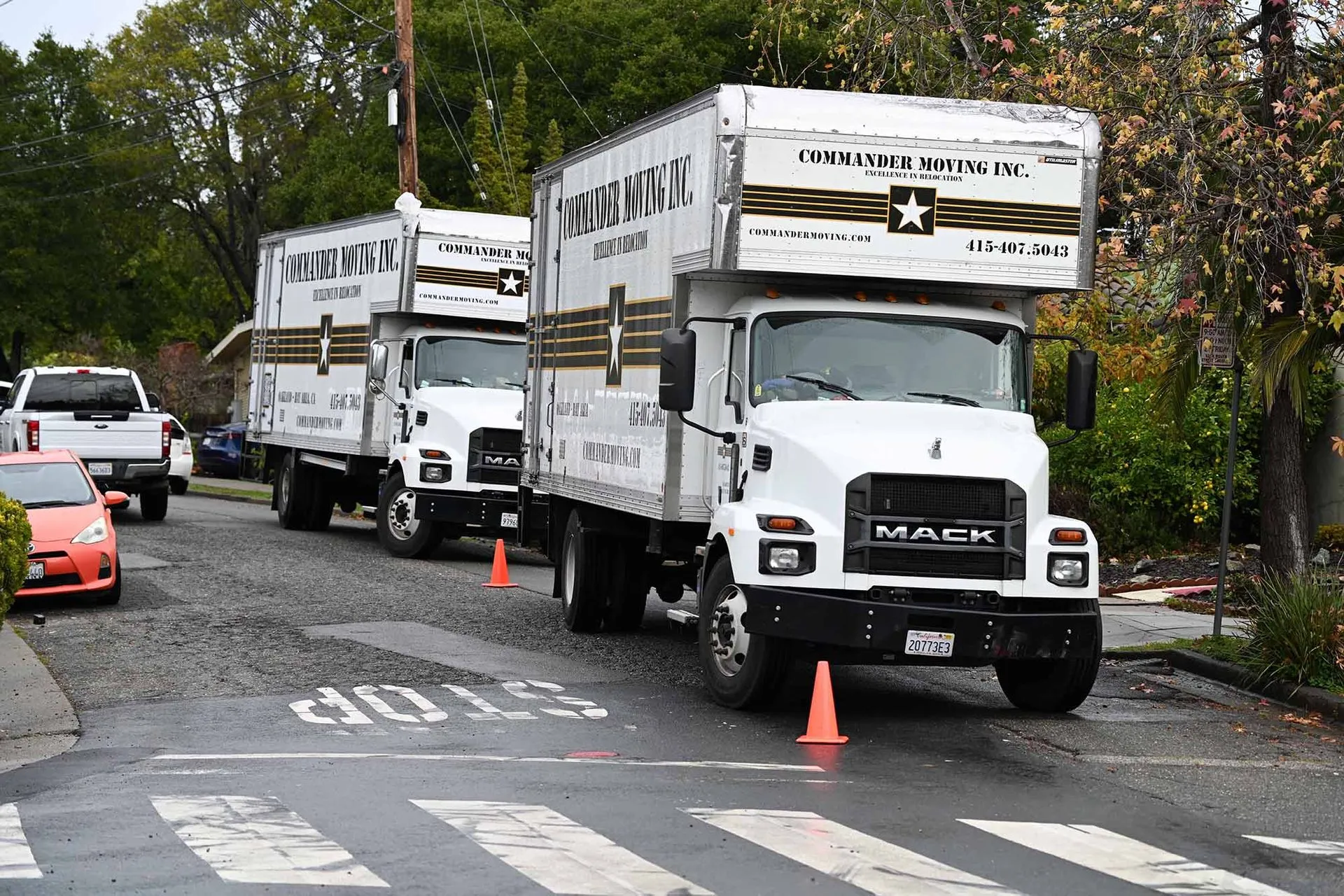
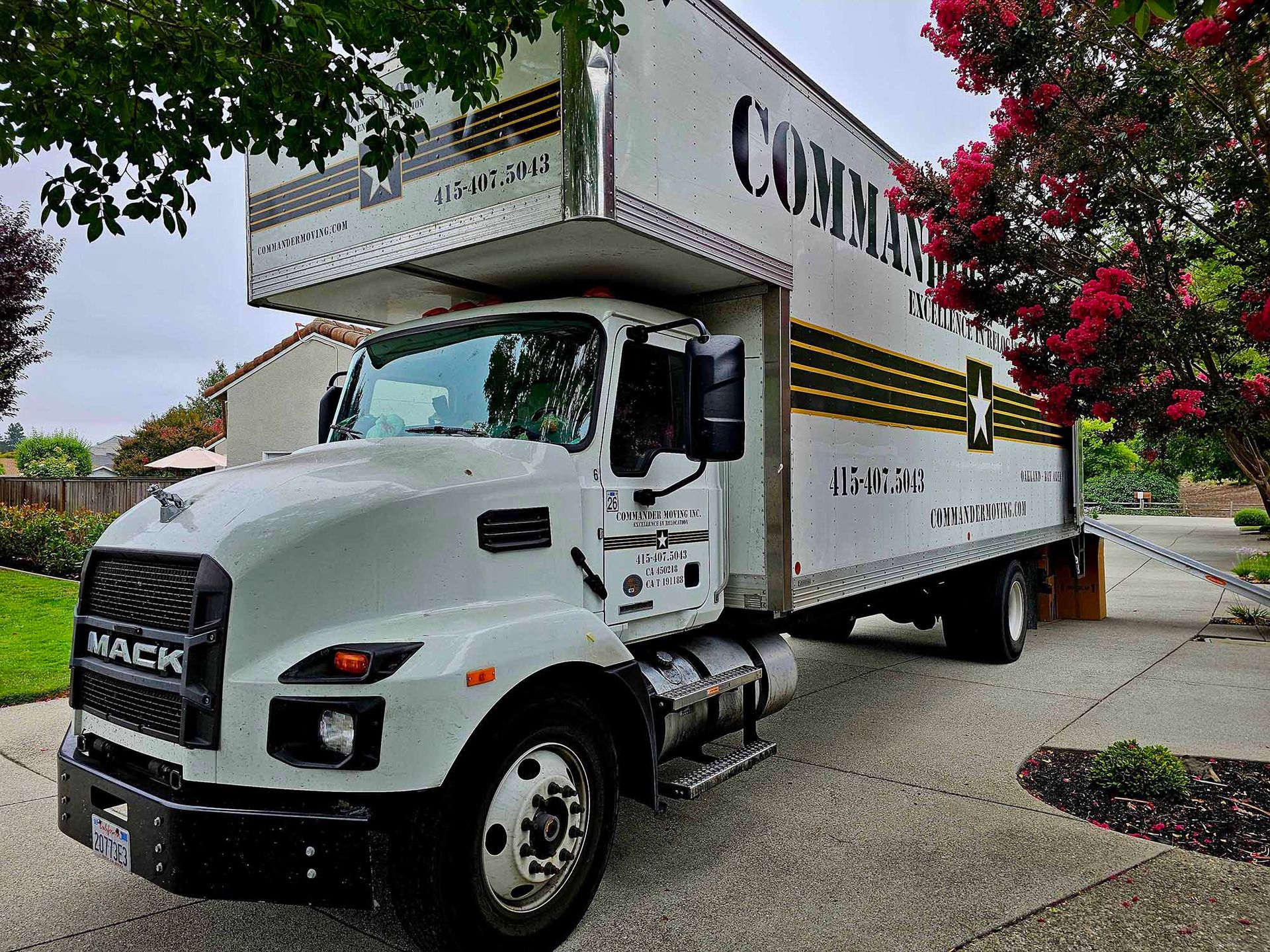
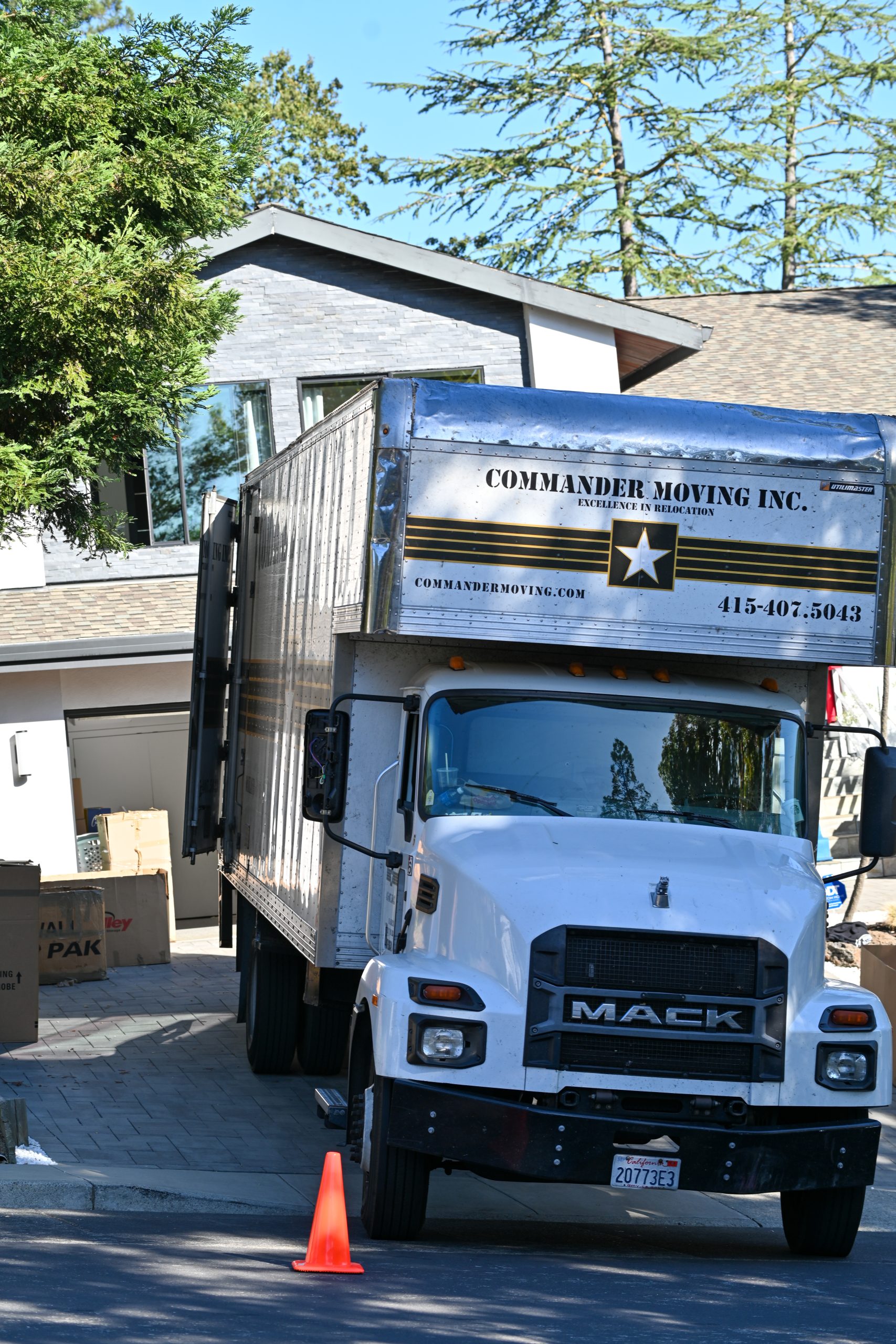
Commander Moving approaches residential relocations with the care and organization homeowners expect, whether the move involves a large estate, a family residence, an apartment, or a long-distance transition. Understanding the risks associated with unusually cheap moving services can help homeowners make a more informed decision before moving day arrives.
Key Takeaways
- An unusually low estimate deserves closer review when it leaves staffing, equipment, packing, or loss-and-damage protection unclear.
- A low initial quote does not necessarily represent the final moving cost, particularly when important services are excluded.
- Luxury homes often contain oversized, fragile, custom, antique, or high-value pieces that require specialized packing and handling.
- Inexperienced moving crews can damage not only belongings but also floors, walls, staircases, doorways, elevators, and architectural finishes.
- Compare movers using their written service scope, relevant experience, licensing, communication, and protection terms rather than price alone.
- Evaluating value, reliability, and service quality is generally more important than choosing a moving company solely on price.
- Homeowners can contact Commander Moving for an estimate based on the actual requirements of their household relocation.

Why Can Cheap Movers Be A Risk For Luxury Home Relocations?
A luxury-home move often presents challenges that may not be obvious during the initial estimate. A large residence may contain a substantial inventory, but complexity depends on the actual belongings, access conditions, and requested services. Oversized, fragile, custom, or difficult-to-replace items can require preparation that isn’t included in a basic moving estimate.
Movers may need to navigate grand staircases, narrow hallways, custom doors, stone flooring, hardwood surfaces, elevators, gated entrances, long driveways, or strict building access requirements. Furniture may need to be partially disassembled before it can safely leave a room. Artwork and mirrors may require specialized protection. Large tables, armoires, cabinets, or designer furniture can demand careful maneuvering and appropriate moving equipment. The concern is therefore not simply whether movers can lift an item. The more important question is whether they can plan, protect, move, transport, and place it correctly without creating unnecessary risk.
Ask each company how its estimate accounts for these requirements. A lower price may reflect a different service scope, fewer packing services, or different scheduling arrangements. The concern is whether the proposed resources and terms meet the move’s needs, not whether the company charges less than another mover.
Risk 1: Damage To High-Value Furniture And Personal Belongings
Improper handling is a significant risk when the crew, equipment, or preparation doesn’t match the belongings being moved, regardless of the quoted price. Luxury homes frequently contain pieces that cannot simply be placed on a standard moving truck with minimal protection. Custom furniture, imported décor, antique cabinets, designer tables, sculptures, oversized mirrors, chandeliers, fine art, and premium electronics can require different handling methods.
Inadequate Packing Can Create Expensive Problems
Professional movers select packing and protection methods according to the item being transported. Furniture may require moving blankets, stretch wrap, corner protection, or other safeguards. Fragile pieces need appropriate cushioning. Electronics should be packed to minimize movement and impact. Mirrors and artwork need protection against pressure, scratches, and shifting. Ask which packing materials and preparation are included for each fragile or valuable item. Inadequate protection can result from an incomplete service scope, poor assessment, or careless execution.
That can lead to:
- Scratched furniture
- Chipped wood or stone
- Torn upholstery
- Cracked mirrors
- Broken glass
- Damaged electronics
- Dented appliances
- Damaged decorative pieces
For an ordinary household item, replacement may be inconvenient. For a custom or collectible piece, replacement could be difficult or impossible.
Improper Loading Increases Transportation Risk
Packing an item correctly is only part of the process. The moving truck must also be loaded strategically. Heavy pieces need stable positioning, while fragile belongings should not be exposed to excessive weight or movement. Items must be secured so they don’t shift when the vehicle turns, stops, or travels across uneven roads. Experienced residential movers understand that truck loading is a skill. Poor loading can allow belongings to collide during transit even when they looked secure at departure.
Risk 2: Damage to the Luxury Home Itself
Homeowners naturally focus on protecting furniture and personal possessions, but the property can be just as vulnerable during a move. Hardwood floors, natural stone, decorative staircases, custom millwork, glass doors, built-in cabinetry, specialty wall finishes, and landscaped entrances can all be damaged by unsuitable equipment, inadequate protection, or careless handling.
Floors and Staircases Need Protection
Moving large furniture through a home creates repeated traffic across the same pathways. Dirt, moisture, furniture legs, equipment, and dropped objects can scratch or damage flooring. Staircases create another challenge because movers must control large objects while navigating changes in height and direction. A trained moving team plans these routes carefully. Confirm the protection planned for each surface at both properties. Share any restrictions for recently installed flooring, fresh paint, or delicate finishes. Suitable coverings and controlled lifting can reduce risk, but protective materials must be compatible with the surfaces they touch.
Walls, Doorways, and Trim Are Vulnerable
Oversized furniture does not always fit through doorways in its assembled form. Inexperienced movers may try to force pieces through tight spaces instead of stopping to reconsider the approach. The result can be damaged walls, chipped door frames, scratched furniture, or broken trim. Professional residential moving services emphasize preparation before heavy items begin moving. Depending on the item’s construction and condition, the plan may involve approved disassembly, different equipment, or an alternative route. Confirm who will perform any disassembly and reassembly and whether a specialist is required. Spending a few extra minutes planning can prevent hours of repairs.
Risk 3: Untrained or Inexperienced Moving Crews
Moving looks simple until something goes wrong. Carrying boxes requires strength, but safely relocating an entire household requires judgment, coordination, technique, and experience. This difference becomes especially important in luxury homes.
Heavy Items Require Proper Technique
Large furniture can be difficult to control on stairs, around corners, or through restricted spaces. Without appropriate lifting techniques and teamwork, movers may lose control of an item. That creates risks for the furniture, property, and people involved. Professional moving crews understand how to communicate during difficult carries and how to use appropriate equipment when manual lifting alone is not the best option.
Experience Helps Movers Anticipate Problems
Ask about the experience of the crew assigned to your move, particularly with comparable furniture, stairs, and access restrictions. Relevant experience helps movers identify problems before handling begins. An experienced mover may notice that a dresser needs to be disassembled before entering a stairwell. A crew leader may determine that a particular doorway is unsuitable for a large item. Movers may recognize that an object needs additional padding or a different position in the truck. These decisions happen throughout the move. An inexperienced crew may recognize the problem only after something has been scratched, dropped, or damaged.
Risk 4: Insufficient Equipment For Large Or Specialty Items
Professional residential moves rely on more than trucks and cardboard boxes. Moving equipment allows crews to handle heavy and awkward belongings with greater control. The specific equipment required depends on the home, access conditions, and inventory. Ask what equipment and crew resources the company plans to provide for your inventory. If a heavy or awkward item requires equipment that hasn’t been arranged, the move may need to pause while an appropriate handling plan is established.
Luxury Homes Often Include Difficult-To-Move Pieces
Examples may include:
- Oversized dining tables
- Heavy dressers
- Large sectional sofas
- Premium appliances
- Safes
- Sculptures
- Antique furniture
- Large mirrors
- Exercise equipment
- Custom cabinets
These items can be challenging because of weight, dimensions, fragility, or a combination of all three. Have the mover assess these belongings before moving day and confirm which items fall within their services. Safes, premium appliances, exercise equipment, and built-in components may require separate preparation, disconnection, or specialist handling.
Proper Tools Improve Control
Dollies, moving pads, straps, ramps, and other professional moving equipment can make heavy objects easier to control. Equipment does not eliminate the need for experience. Instead, trained movers combine appropriate tools with careful techniques. A crew that arrives without the equipment required for the job may have to improvise. Improvisation is rarely desirable when valuable furniture and expensive property finishes are involved.
Risk 5: Low Estimates That Turn Into Unexpected Charges
Price is understandably an important consideration when choosing residential moving services. The problem arises when homeowners compare companies based only on the lowest advertised number. An unusually inexpensive estimate may not include everything required to complete the relocation.
The Initial Quote May Not Tell The Whole Story
Some moving quotes may exclude services or circumstances that ultimately affect the total price. Depending on the move, additional considerations can involve packing, packing materials, stairs, long carrying distances, bulky belongings, specialty handling, storage, or other requirements. Homeowners should understand what an estimate covers before making a decision. Ask for a written estimate identifying the inventory, included services, pricing method, and potential additional charges. Confirm how changes to the inventory or requested services will be documented before work proceeds.
Transparency Matters More Than A Bargain Price
A realistic estimate allows homeowners to budget appropriately. A very low quote may appear attractive at first, but it offers little value if the final cost becomes substantially higher. When comparing residential movers, homeowners should consider the scope of service alongside the price. Ask what is included, what is not included, and what circumstances could create additional costs. For moves entirely within California, the estimate must follow a visual inspection, and the moving agreement must include a Not to Exceed price. Changes require appropriate written documentation, and a change order cannot simply correct the mover’s underestimate. For interstate moves, confirm whether the estimate is binding or nonbinding and review the applicable payment terms.
Risk 6: Poor Protection For Fragile And Irreplaceable Items
Luxury homes often contain belongings whose importance cannot be measured solely by their retail value. Family heirlooms, inherited furniture, collectibles, photographs, artwork, and sentimental objects may be difficult or impossible to replace. These belongings deserve careful attention.
Fragile Items Cannot Be Treated Like Standard Boxes
Different materials react differently to pressure, movement, and impact. Glass can crack. Decorative surfaces can scratch. Frames can separate. Delicate furniture components can snap when weight is applied incorrectly. A one-size-fits-all packing strategy is therefore inadequate. Professional movers identify items requiring extra care and adapt their handling accordingly.
Custom Protection May Be Appropriate
Certain high-value pieces may benefit from specialized packing or custom crating. The objective is to limit movement and protect vulnerable surfaces throughout handling and transportation. Homeowners should discuss unusual, fragile, or particularly valuable belongings with their moving company in advance. Confirm whether specialty packing or crating is available, who will perform it, and whether preparation, unpacking, and crate removal are included. For unusually delicate artwork or collectibles, ask whether a separate specialist assessment is needed.
Risk 7: Weak Accountability When Something Goes Wrong
Professionalism becomes particularly important when a move does not proceed exactly as expected. Even well-planned relocations can encounter unforeseen circumstances. What separates dependable residential movers from questionable operators is often how they communicate and respond.
Homeowners Need A Clear Point Of Contact
When movers are difficult to reach, even minor issues become stressful. Homeowners may need updates regarding arrival times, transportation, access problems, scheduling, or delivery coordination. A reliable moving company should provide clear communication channels and explain who the homeowner should contact with questions.
Documentation Protects Everyone
Written estimates, service details, inventory information, and agreed-upon terms create clarity. Without documentation, disputes become harder to resolve because homeowners and movers may have different understandings of what was promised. Keep copies of the estimate, agreement, inventory, condition photographs, and approved changes. Ask how to report missing items, damaged belongings, or damage to the property, including the relevant contact and deadlines.
Understand Loss-And-Damage Protection
Careful handling and financial protection are separate issues. For interstate moves, compare Full Value Protection and Released Value, including applicable limits, deductibles, and requirements for declaring high-value items. These valuation options describe the mover’s liability and aren’t the same as a separate insurance policy. For moves within California, review the options and terms applicable to that move. Ask separately how damage to floors, walls, or fixtures is handled.
Risk 8: Delays And Unreliable Scheduling
Timing matters during any residential move, but luxury relocations often involve several coordinated parties. Homeowners may be working with real estate agents, property managers, building staff, contractors, designers, cleaners, security personnel, or storage providers. A moving delay can therefore affect more than the movers themselves.
Unclear Scheduling Can Disrupt The Move
Delays can occur at any price level. Confirm the arrival window, expected work schedule, and process for communicating changes. Tell the mover about elevator reservations, building access hours, closing dates, or other restrictions that affect the move, and ask how scheduling conflicts will be handled.
Long-Distance Moves Require Even More Coordination
Long-distance moving introduces additional logistical considerations. Travel distance, loading schedules, delivery planning, access at the destination, and communication all become more important. Homeowners need realistic expectations about how the relocation will progress. Confirm the pickup arrangements, delivery window, contact responsible for updates, and any planned transfers or storage. Don’t assume an estimated arrival date is a guaranteed delivery commitment.
Risk 9: Rushed Moving Practices
Speed can be beneficial when it comes from organization and experience. It becomes dangerous when movers rush because they are understaffed, behind schedule, or trying to complete as many jobs as possible in one day. There is an important distinction between efficiency and haste.
Professional Efficiency Comes From Planning
Experienced crews can work quickly because they have a process. They determine how belongings will leave the property, establish loading priorities, prepare furniture, protect surfaces, and coordinate responsibilities among crew members. The move progresses efficiently without sacrificing care.
Rushing Encourages Shortcuts
A rushed crew may skip padding, stack belongings improperly, drag furniture, overload dollies, or attempt difficult carries without sufficient planning. Skipping necessary protection or exceeding equipment limits can increase the chance of damage or injury. If handling appears unsafe, raise the concern with the crew leader and ask for the plan to be reassessed before work continues.
Risk 10: Inadequate Planning Before Moving Day
A successful luxury relocation begins before the first box is loaded. Planning helps movers understand the size of the household, the types of belongings involved, property access, specialty requirements, and the destination. An estimate that doesn’t account for these details may leave the crew unprepared, regardless of the company’s price level.
Pre-Move Planning Identifies Challenges
- A moving plan may consider:
- Household inventory
- Large or unusually heavy pieces
- Fragile belongings
- Packing requirements
- Staircases and elevators
- Parking and truck access
- Building restrictions
- Delivery access
- Timing requirements
Identifying these factors early allows the moving company to prepare the right crew, materials, equipment, and schedule.
Luxury Moves Benefit From Customized Service
Two large homes can require completely different moving strategies. One may contain extensive artwork and antiques. Another may have primarily modern furniture but challenging access. A third may involve temporary storage before delivery. Confirm that the proposed services address your inventory, access, and delivery requirements. Record specialty work and any separate arrangements in the agreement rather than relying on the term “luxury moving.”
Risk 11: Greater Stress For The Homeowner
Unclear expectations, poor handling, and unresolved scheduling problems can add stress to an already demanding move. Moving already involves deadlines, decisions, paperwork, packing, address changes, and coordination. Homeowners should not also have to supervise every movement of the crew because they are worried about how belongings are being handled.
Trust Makes Moving Easier
A clear plan and responsive crew can reduce the amount of coordination homeowners need to manage. Even with a trusted company, arrange for yourself or an authorized representative to be available during loading and delivery to answer questions, review the inventory, and raise concerns.
Communication Reduces Uncertainty
Homeowners should know what happens next. Clear communication about arrival, packing, loading, transportation, and delivery reduces uncertainty throughout the process. Dependable residential movers treat communication as part of the service rather than an afterthought.
Why The Cheapest Residential Movers May Cost More In The End
The lowest moving quote is not necessarily the least expensive option once the entire relocation is considered. For example, a lower initial quote may offer less value if essential packing is excluded or the service doesn’t meet the household’s needs. Damage, delays, or separately arranged services can create additional expenses, although these outcomes aren’t inevitable with a lower-priced mover.
Compare the expected total cost and agreed service scope before deciding whether the initial savings represent good value. This is why homeowners should evaluate overall value rather than price alone. Value includes reliability, experience, efficiency, care, communication, preparation, and confidence that the moving company is equipped for the job. A competitive price combined with dependable service can provide much greater value than an extremely low quote paired with uncertainty.
How Should Homeowners Compare Residential Movers?
Choosing a mover deserves the same careful consideration as selecting other professionals who will work inside the home. Compare written estimates for the same inventory and requested services. Verify the mover’s applicable licensing, review recent feedback about comparable moves, and confirm the legal business name on the estimate and agreement.
Verify Who Will Perform The Move
For a move within California, check the mover’s permit through the Bureau of Household Goods and Services. For an interstate move, verify the applicable FMCSA registration and household-goods operating authority. Ask whether you’re dealing with the transporting mover or a broker arranging transportation, and identify the company responsible for the shipment.
Review The Scope Of The Estimate
Determine what services are included. If one estimate appears significantly lower than another, find out why. The companies may not be quoting the same level of service.
Ask About Moving Experience
Homeowners with large or luxury residences should discuss the specific characteristics of their move. Ask whether the company regularly handles large homes, fragile furnishings, oversized pieces, or similar requirements.
Discuss Specialty Belongings In Advance
Don’t wait until moving morning to reveal an unusually heavy, delicate, or valuable item. Providing this information early helps the mover prepare appropriately.
Value Open And Professional Communication
The booking process can reveal a great deal about a moving company. Are questions answered clearly? Are expectations explained? Does the company gather relevant information about the move? Strong communication before booking often indicates a more organized service experience.
Look At The Complete Luxury Moving Experience
Price should remain part of the decision, but it should not be the only consideration. Homeowners are trusting movers with both their property and their possessions. Reliability and care have real value.
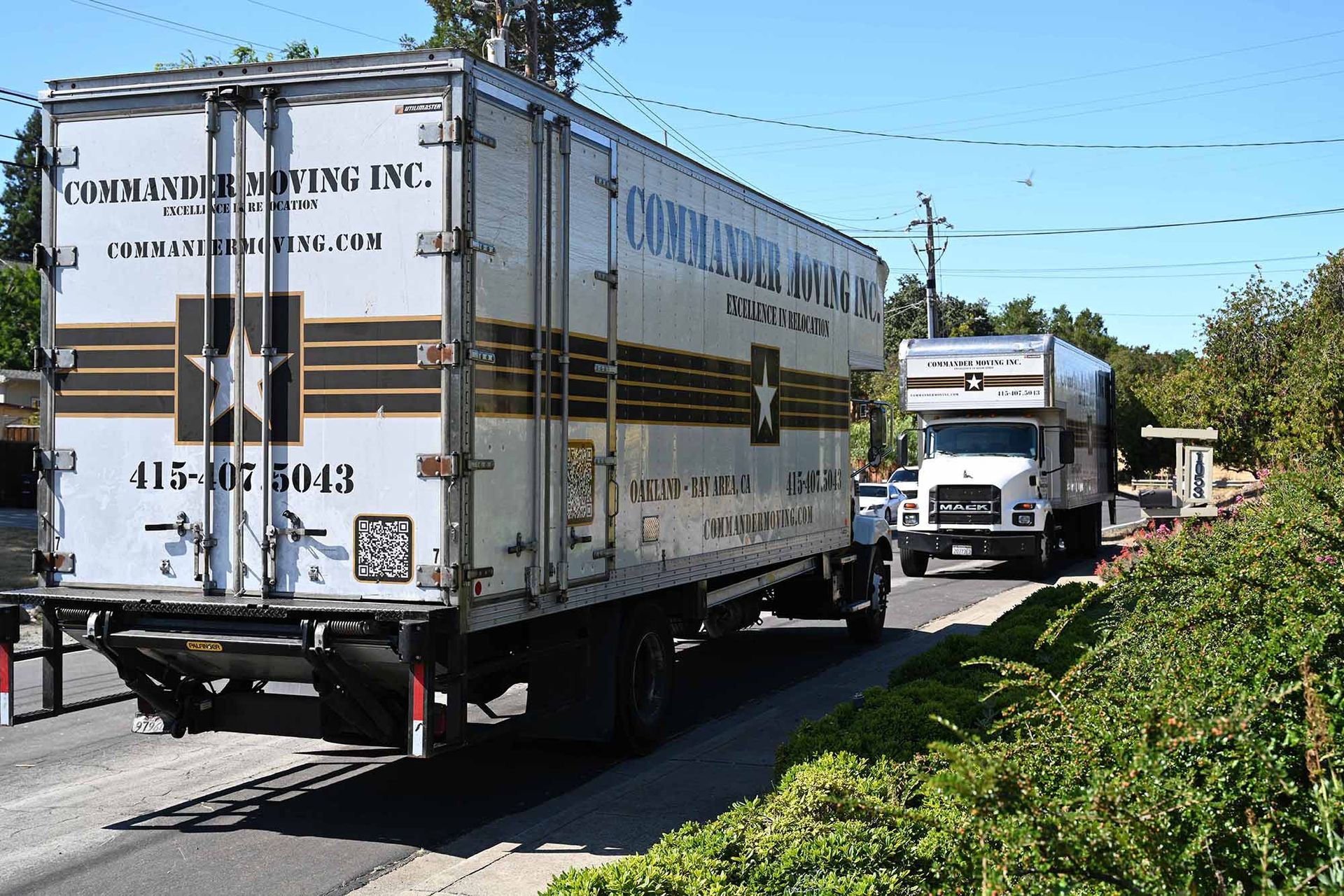
What Should Luxury Homeowners Expect From Professional Residential Movers?
A professional moving service should create an organized experience from initial planning through final delivery. The exact process depends on the agreed services. Confirm responsibilities for packing, disassembly, property protection, loading, delivery, reassembly, and any specialty work before booking.
A Clear Moving Plan
Movers should understand the origin, destination, approximate inventory, access conditions, schedule, and special requirements. For complicated relocations, additional planning may be necessary.
Careful Furniture Protection
Furniture and household belongings should be prepared according to their materials, dimensions, and vulnerability. The objective is to reduce exposure to scratches, impacts, pressure, and movement.
Organized Loading And Transportation
A moving truck should be loaded deliberately rather than randomly. Proper organization helps protect belongings while also making unloading more efficient.
Respect For Both Properties
Professional movers should treat the home itself as carefully as the belongings inside it. That means paying attention to floors, walls, stairs, doors, and other surfaces throughout loading and unloading.
Dependable Communication
Homeowners should have a clear understanding of the schedule and know how to reach the company when necessary. This is especially important during long-distance relocations.
Local Vs. Long-Distance Luxury Home Moves
Although both types of moves require careful handling, their logistics can differ considerably.
Local Residential Moving
A local move may involve a shorter transportation period, but that does not make careful preparation less important. Damage can occur during packing, carrying, loading, transportation, and unloading, so a short driving distance doesn’t remove the need for careful handling. Loading, stairs, doorways, heavy lifting, and unloading remain critical stages. Professional local residential movers can help homeowners coordinate these tasks efficiently while protecting the household throughout the transition.
Long-Distance Residential Moving
Long-distance relocations place greater emphasis on secure packing, organized loading, scheduling, and communication. Belongings may spend more time in transit, making careful preparation especially important. Homeowners should confirm delivery expectations, packing requirements, inventory tracking, and any transfers or storage before the move begins. Also clarify whether the journey stays within one state or crosses state lines, because distance alone doesn’t determine which moving rules apply.
Why Homeowners Can Choose Commander Moving For Residential Moves
Choosing the right moving company is ultimately about confidence. Homeowners need a team capable of handling their possessions carefully while keeping the relocation organized and manageable. Commander Moving provides residential moving services for households with different inventories, access conditions, and service needs. Whether a homeowner is relocating from a luxury property, family residence, apartment, or another type of home, the goal is to create a dependable moving experience built around preparation, careful handling, and communication.
Luxury-home relocations deserve particular attention because belongings and property features can carry substantial financial and personal value. Rather than treating every move as a basic transportation job, homeowners benefit from working with residential movers who understand that each relocation presents different requirements. For homeowners preparing for a local or long-distance move, discussing the details in advance is one of the best ways to establish realistic expectations and develop an appropriate moving plan.
Request an estimate from Commander Moving and discuss your inventory, destination, access restrictions, packing needs, and specialty belongings so the proposed services reflect your relocation.
How Professional Residential Movers Help Protect Your Investment
A home contains much more than furniture. It contains belongings accumulated over years, items associated with family memories, carefully selected décor, and possessions that may have significant financial or sentimental value. Moving those belongings safely requires a combination of planning and execution. Professional residential movers help reduce risk by approaching the relocation systematically.
They consider how items will be packed, which pieces need additional attention, how furniture will travel through the home, how the truck should be loaded, and how belongings will be placed at the destination. This level of preparation is particularly valuable in luxury moves because the margin for error can be small. An item’s importance isn’t determined by its purchase price. Custom-built pieces, antiques, discontinued furnishings, and sentimental belongings may be difficult to repair or replace, making early assessment and clear handling instructions especially useful. Investing in capable moving services is therefore not merely about convenience. It is about reducing avoidable exposure to damage and disruption.
When Is It Worth Paying More For Professional Movers?
For many homeowners, the answer depends on what is at risk. If the move includes expensive furniture, fragile décor, specialty pieces, difficult access, a large volume of belongings, or a demanding schedule, choosing movers based primarily on the lowest price may be a poor trade-off.
Paying more may be worthwhile when the additional cost covers clearly identified services or resources that your move needs, particularly when:
- The household contains items that are expensive or difficult to replace.
- The property has premium floors, walls, stairs, or architectural finishes that need careful protection.
- The move involves multiple floors, elevators, restricted parking, or challenging access.
- The homeowner needs scheduling arrangements that the mover can confirm in writing.
- The relocation is long-distance.
- Specialty packing or handling is necessary.
The homeowner wants a coordinated service rather than managing every stage personally. Ask what the higher price includes and whether those services address your specific requirements. A higher quote alone doesn’t establish better service.
Warning Signs Of An Extremely Cheap Moving Quote
Not every affordable mover provides poor service, and a higher price alone does not guarantee quality. Homeowners should investigate quotes that appear dramatically lower than comparable estimates. A low price becomes concerning when the company cannot clearly explain what is included, avoids discussing important details, provides vague answers about charges, or seems uninterested in the actual size and complexity of the move.
Luxury homeowners should be particularly cautious if a mover does not ask about large furniture, stairs, access, fragile belongings, packing requirements, or specialty items. Those factors directly affect how a move should be planned. An estimate should reflect the work required. If a company knows very little about the relocation but immediately promises an unusually low price, investigate before committing. Other warning signs include refusal to provide a written estimate, requests to sign blank documents, large upfront payment demands, and unclear business identity or registration. Don’t proceed while material questions about the company or agreement remain unresolved.
How To Prepare For A Luxury Residential Move
Even when working with experienced movers, homeowners can make the process easier through early preparation. Begin by identifying belongings requiring special attention. Make note of antiques, artwork, mirrors, oversized furniture, electronics, delicate décor, and items with unusual dimensions or weight. Discuss these belongings with the moving company before moving day.
Next, consider access at both properties. Parking restrictions, gates, elevators, narrow roads, loading areas, staircases, and building rules can affect the moving plan. Finally, determine whether you need packing assistance.
Professional packing can be valuable for homeowners who have limited time or significant quantities of fragile belongings. Provide an accurate inventory, photographs of specialty items, and access details for both properties. Document the existing condition and complete any required high-value declarations. Keep important documents, medications, jewelry, and immediate essentials separately accessible, and confirm which belongings the mover won’t transport.
Why Quality Residential Moving Is About More Than Transportation
It is easy to describe moving as taking belongings from one house to another. In reality, transportation is only one part of the service. A successful residential relocation requires preparation before loading, careful handling inside the property, secure organization inside the moving vehicle, communication during the process, and controlled unloading at the destination. Every stage affects the next.
Poor packing makes loading more difficult. Poor loading increases transportation risk. Weak planning creates delays. Poor communication creates confusion. Professional residential movers connect these stages into a coordinated process. Evaluate that coordination through the company’s assessment, written service plan, and answers to your questions. Neither a low quote nor a premium label establishes how well the work will be performed.
Conclusion
Choosing a mover solely on price can leave important service gaps unnoticed. Inadequate preparation, unclear terms, unsuitable equipment, and poor communication can contribute to damaged belongings, property repairs, disputes, and delays. These risks should be assessed through the company’s credentials, proposed services, and written agreement rather than assumptions about price.
Homeowners should compare residential movers based on overall value, experience, preparation, transparency, and care rather than price alone. For local and long-distance household relocations, Commander Moving offers homeowners a dependable option for planning and completing their move with greater confidence.
Contact Commander Moving to discuss your upcoming residential move and request an estimate tailored to your home, belongings, and moving requirements.
Frequently Asked Questions
1. Why Is Hiring The Cheapest Residential Mover Risky For A Luxury Home?
The lowest price isn’t automatically risky. The concern is whether the estimate includes the staffing, equipment, packing, and preparation your move needs. Compare written service details, verify the mover’s credentials, and review loss-and-damage protection before booking. A higher price doesn’t guarantee better service.
2. What Should I Look For When Comparing Residential Movers?
Compare estimates for the same inventory and services. Check applicable licensing, relevant crew experience, packing and equipment plans, scheduling terms, protection options, and the process for approving changes. Confirm which company will perform the move and ask about any specialist work or services excluded from the price.
3. Can Professional Movers Handle Fragile And High-Value Household Items?
Professional residential movers can plan appropriate packing and handling for many types of fragile or high-value household belongings. Requirements vary according to the item, so homeowners should identify artwork, antiques, mirrors, designer furniture, electronics, collectibles, and other delicate possessions in advance. Certain pieces may require custom crating, specialist preparation, or a separate provider. Confirm availability, responsibilities, charges, and any high-value declaration requirements before booking.
4. Are Professional Residential Movers Worth The Cost For A Local Move?
Professional movers can provide value even when the new home is nearby. Belongings still need to be packed, carried through doors and staircases, loaded securely, transported, unloaded, and placed at the destination. Since many moving risks arise during handling rather than driving distance, professional care can be valuable for both local and long-distance moves.
5. How Can I Avoid Unexpected Moving Charges?
Request a written estimate based on the applicable assessment and provide accurate inventory, access, and service information. Ask about exclusions, additional charges, payment terms, and how changes will be approved. For moves within California, review the Not to Exceed price and change-order requirements. For interstate moves, confirm the estimate type and applicable payment rules. Keep copies of the agreed documents.
6. How Far In Advance Should I Contact Residential Movers For A Luxury-Home Relocation?
It is generally helpful to contact movers as early as possible, particularly when the relocation involves a large household, specialty belongings, packing services, long-distance transportation, or a specific moving date. Early planning provides more time to discuss access requirements, inventory, fragile pieces, and other logistical considerations that may influence the moving plan.
7. Why Should Homeowners Consider Commander Moving For Residential Moving Services?
Commander Moving provides residential moving services designed around careful preparation, dependable handling, and clear communication. Homeowners can discuss the size of their household, moving distance, access requirements, packing needs, and specialty belongings before the relocation. Request an estimate from Commander Moving to confirm service availability, the assessment process, and the packing, protection, and handling arrangements appropriate for your relocation.

New Home. New Beginning. Let Our Residential Movers Handle the Heavy Lifting!
Moving into a new home should feel like the start of something exciting, not an endless checklist of boxes, heavy furniture, packing supplies, and moving-day headaches. Whether you’re upgrading to your dream home, downsizing for a simpler lifestyle, or relocating your family across the Bay Area, you don’t want to spend moving day stressed about what could go wrong. At Commander Moving Inc., our experienced Residential Movers take the pressure off your shoulders, making it easier to leave the stress behind and look forward to what’s next.
Your belongings aren’t just things. They’re the furniture you’ve gathered over the years, the family keepsakes you treasure, and the everyday essentials that make a house feel like home. That’s why our professional residential moving services focus on careful handling, dependable service, and attention to detail. From packing and protecting your belongings to loading, transportation, and unloading, our team handles the hard work so you don’t have to. Whether you’re moving from a small apartment or a large family home, we’ll help make your transition as smooth and organized as possible.
Imagine arriving at your new home feeling excited instead of exhausted. No struggling with oversized furniture, no worrying about how everything will get there, and no sacrificing your weekends to manage the move alone. With over 15 years of experience serving the San Francisco Bay Area, Commander Moving Inc. helps families and homeowners move with greater confidence. From local residential moves to statewide and long-distance relocations, we’re here to help you settle into your next chapter with less stress and more peace of mind.
Ready to make your next move your easiest one yet? Contact Commander Moving Inc. today for a free residential moving estimate and let our professional movers handle the heavy lifting while you focus on making your new house a home!
Disclaimer
The materials available on this website are provided for general informational and educational purposes only and are not intended as legal, financial, moving, storage, or professional advice. Every move is different, and you should contact a qualified moving professional regarding your specific relocation needs, timelines, pricing, storage requirements, or specialty moving concerns.
Do not act or rely solely on the information contained on this website without first speaking directly with Commander Moving or another qualified professional regarding your individual situation. While we strive to keep the information on this website accurate and up to date, moving regulations, service availability, pricing, and operational details may change without notice.
Commander Moving disclaims all liability for actions taken or not taken based on any content found on this website to the fullest extent permitted by law. Use of this website or communication through this website does not create a contractual agreement for moving services unless confirmed in writing by Commander Moving.