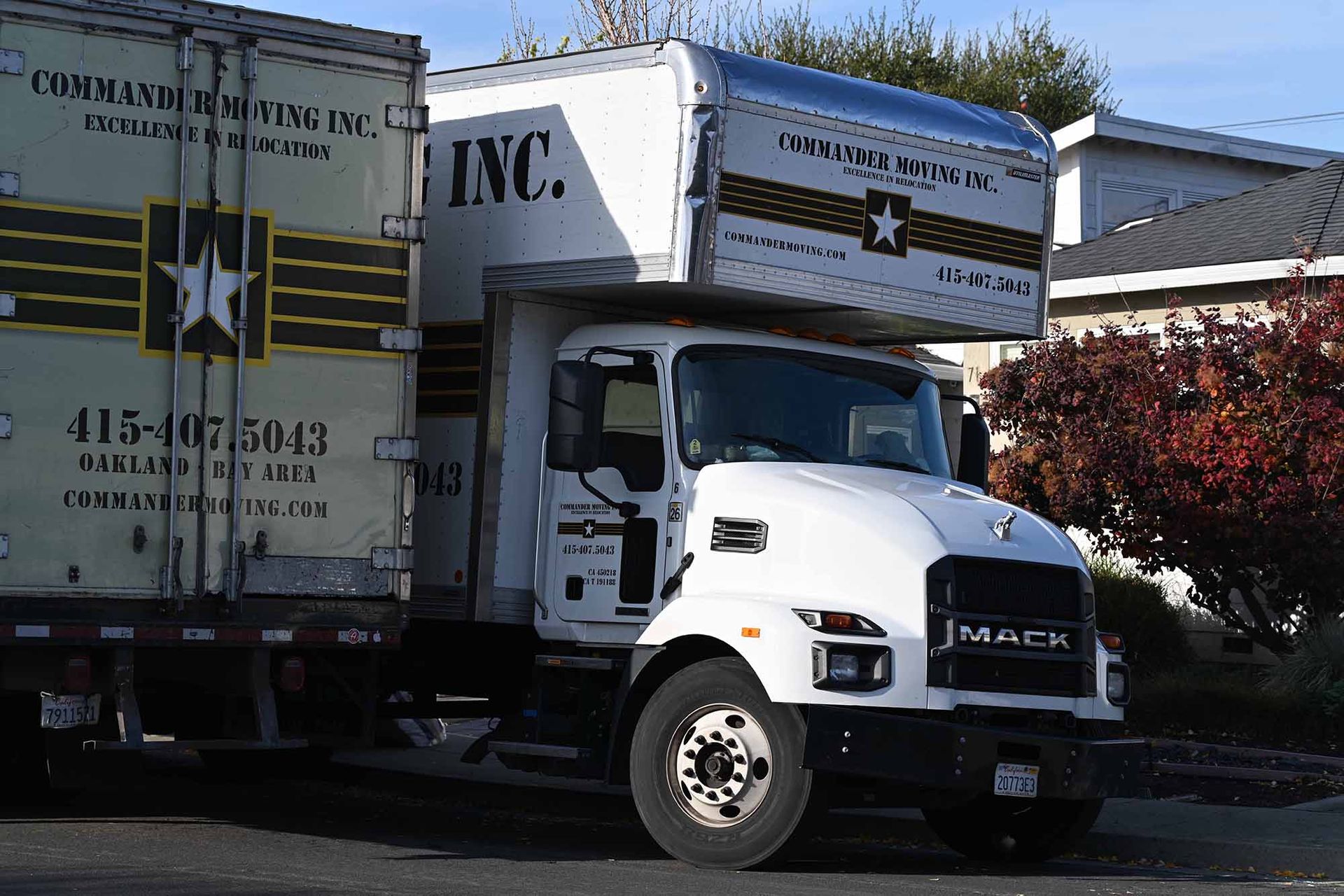
Residential movers are expert crews that box up, load, transport, and unload household belongings for people moving from one residence to another. They handle logistics, full-service packing, temporary storage, and breakables handling. Prices differ depending on distance, cubic metre volume, and additional services such as stair carries or appliance disconnection. Residential movers comply with local laws, offer insurance coverage, and give written quotes after in-home or virtual surveys. When selecting movers, be sure to read reviews, check credentials, and compare binding and non-binding estimates. Below, we break down service types, what drives cost, packing tips, and a checklist to help early-career professionals and students strategize moves and avoid typical mistakes.
Key Takeaways
- Pro tip: Check credentials and insurance before booking to mitigate risk. Ask for evidence of registration, workers’ comp, and industry associations during your vetting process.
- Evaluate service coverage and specialty competencies to confirm that the mover accommodates local or long-distance moves, fragile or hefty items, and packing and storage for your specific household.
- Compare price structures and estimates side by side, request line-item detail, and use binding or binding not-to-exceed estimates when you need to be sure of costs.
- Verify reputation and reviews across several platforms and validate how companies manage complaints, damages, and scheduling to safeguard your move day experience.
- Get ready with a detailed inventory, home prep checklist, and essentials bag to help movers quote appropriately and ensure your move goes smoothly.
- Opt instead for movers that leverage technology, sustainable processes, and transparent insurance and communication to optimize convenience, accountability, and peace of mind.

How To Evaluate Residential Movers
Evaluating residential moving services requires a clear look at credentials, service scope, pricing, and reputation to judge the reliability of the best moving company before you commit.
1. Credentials
Verify registration with the appropriate state agency, like the Texas DMV Truckstop Portal, and request registration numbers for online validation. Ensure you demand liability insurance and workers’ compensation, which protect you during your upcoming move against loss and employee injuries. Inquire about industry memberships or certifications, such as affiliations with reputable moving companies, and check for background checks and continuous training for all experienced movers and staff. Inspect vehicle registrations and maintenance records if possible, as a mover with up-to-date licenses and transparent insurance minimizes legal and financial exposure.
2. Service Scope
Find out if the best moving company handles local and long-distance moves, and whether their experienced movers are familiar with apartment and condo restrictions. Check for access to comprehensive moving services, including full packing, partial packing, crating for fragile goods, and on- or off-site storage. Have them provide examples of previous moves similar to yours, such as heavy equipment, pianos, or fine art, complete with photos or case notes. Ensure they can manage access challenges like narrow stairways, elevators, or limited parking. An in-home survey is essential to determine if their service range aligns with your move type.
3. Pricing Model
When planning your upcoming move, ask for a written, itemized quote that includes labor, truck fees, packing materials, fuel surcharges, and extras. Understand flat-rate, hourly, and binding estimates, particularly what triggers those annoying extra charges for stairs, elevators, long carries, or schedule changes. Use a moving cost calculator to set expectations based on home size and distance, ensuring you hire experienced movers. Find out whether they require deposits and whether these are refundable, as well as the mover’s liability limits to avoid unexpected expenses.
4. Reliable Service Record
Check confirmed reviews on Google, Yelp, and BBB, and triangulate ratings for reliable movers. Look for patterns, as repeat complaints about damage, delays, or poor communication from moving companies carry more weight than isolated negative comments. Pay attention to local awards, neighborhood recommendations, and the company’s complaint response to gauge their customer satisfaction.
5. Consultation
Arrange for an in-home or virtual evaluation with experienced movers to receive a precise estimate and a documented moving plan, including timeline, steps, and who does what. Take advantage of this walk-through to verify equipment, vehicle size, and crew while receiving advice on packing services. Good communication in consultation presages smoother residential moving service results.
Beyond The Basics
There’s more to local moves than just reserving a truck. They require scheduling, risk management, and decisions that align with the worth and delicacy of belongings. Go beyond the basics. Begin at least 8 weeks in advance, plan out weekday versus weekend costs, and reserve a whole day for residential moving services, including packing, transport, and unpacking. Mornings are best, as there is less tiredness and less traffic. Safe lifting and a clear, stepwise plan minimize injury and stress.
Specialty Items
When inquiring about moving companies, be sure to ask about their previous jobs involving pianos, antiques, fine art, and high-end electronics. It’s essential to request references and photos of custom crating work to ensure you’re choosing experienced movers. Confirm the availability of specialty packing materials, such as foam-in-place and acid-free paper, which are crucial for a successful residential moving service. Additionally, verify that they have the right equipment for heavy, awkward loads, including piano boards and ramps. Double-check your insurance language and replacement valuations on specialty items, as full-replacement policies are preferable for valuable items.
Storage Solutions
Consider climate-controlled units for valuables sensitive to humidity or heat, such as leather, wood, and electronics. For your upcoming move, consider supervised spaces with CCTV, gated entry, and hours that fit your movement’s schedule, even early morning pickup if you’re the type to be relocating at dawn. Inquire whether the best moving company combines transport and storage in a single contract to facilitate billing and minimize handling points. Look at unit sizes and rate tiers, minimum rental periods, and pro-rated prices for short holds between homes. For conservation, verify pest management techniques and periodic access regulations. Think beyond the basics, like consolidated packing into labeled pallets if you’re utilizing residential moving services more than once, and verify inventory services that facilitate getting your stuff back.
Packing Options
Choose from residential moving services including full-service packing, partial packing, or DIY kits according to your budget and time. While a full-service move buys you hours, it comes at a premium. Partial packing allows you to reserve experienced movers for your breakables. Be sure to ask for expert packing of artwork, glass, and electronics, and inquire about green options such as recycled boxes, paper wrap, and reusable plastic bins. Additionally, check for unpacking services and debris removal at your destination. Having skilled movers assemble furniture and haul trash can leave you free to manage setup and your first-night survival kit with toiletries and clothes.
The Mover’s Perspective
A residential move, often facilitated by experienced movers, is a logistics project that hinges on timing, planning, and communication. The mover’s perspective emphasizes task sequencing, anticipating constraints, and minimizing risk to man and materials before that initial box is packed.
Seasonal Demand
Plan on those monster summer and end-of-month timeframes to claim the move date you want! Peak windows command higher rates and limited crew availability, especially with experienced movers. Weekend and holiday moves often incur surcharges, so anticipate fewer truck sizes and fewer time slots available if you delay, which can cause split moves or extended timelines. Using reliable movers during off-peak times can help you save money. Moving a few days earlier or later, or on a weekday, usually reduces the price. Schedule grace periods to save you last-minute stress and excess charges. Preparation will make or break a move more than any other variable.
Logistical Hurdles
Before the arrival of experienced movers, it’s crucial to assess access constraints. Narrow hallways, multiple flights of stairs, elevator limits, and tight turns can add time and require different gear. To ensure a smooth move, coordinate with building management for elevator reservations and loading dock access well in advance. Additionally, city regulations might necessitate parking windows, street permits, or temporary no-parking signs, which can affect truck size choices and unloading sequence. Communicating special circumstances such as construction delays early allows the skilled movers to plan alternate routes or equipment effectively.
Household Moving Precautions
Ensure that your experienced movers use proper lifting techniques and equipment, such as dollies, straps, and appliance skates, to prevent injury and damage. Be meticulous about inventory tracking and labeling; label each box on two sides and the top with the destination room, as a box labeled on one side may become illegible in a pile. Ask about the measures taken to protect your floors, walls, and doorways, as skilled movers often provide runners, corner guards, and furniture blankets. Review health guidelines when necessary and prepare for items that cannot be transported on moving day. An essentials box labeled ‘OPEN FIRST’ containing a charger, toiletries, and clothing can save valuable time. Kitchens typically require at least twice as long, so being present and available on moving day is crucial for a smooth transition.
Understanding Your Quote
A moving quote from a reputable moving company is a detailed estimate of anticipated charges and services for an in-home move. It should outline what you’re charged for, what’s optional, and what conditions might affect the price. Here’s a quick chart of the usual quote types and what they mean, at a minimum.
| Quote Type | What It Guarantees | When Cost Can Change | Best Use ase |
| Binding estimate | Total price fixed unless you add services | Only if you authorize extras | Firm budget needs |
| Non-binding estimate | Best guess; final billed on actuals | If weight, time, or services exceed estimate | Flexible inventories, uncertain moves |
| Binding not-to-exceed | Capped maximum; you pay actual if lower | Generally not; exceptions defined in contract | Want a cap but need flexibility |
1. Binding Estimate
A binding estimate means a total move price is locked in, allowing you to budget with precision. Ensure the contract lists move size, distance, access issues, and each service such as packing services, disassembly, and insurance level. Verify exclusions such as fuel surcharges or specialty-item handling, which often lurk in fine print. Binding estimates are ideal when you want a reliable service with minimal surprises during your upcoming move.
2. Non-Binding Estimate
Non-binding estimates from reputable moving companies are based on anticipated time, weight, and resources. Your final invoice can increase if the residential moving services take longer or involve more weight. Monitor hours and inventory on move day and have experienced movers initial the load sheet. This aids in reconciling discrepancies. Obtain in writing all hourly rates, travel charges, waiting charges, and accessorial fees. Non-binding estimates are great where inventory or timing is fluid, but they require more oversight to control cost.
3. Binding Not-To-Exceed
A binding not-to-exceed agreement puts a cap on what you’ll pay for your upcoming move, but the final charge can be less if the move is lighter or faster. When selecting among reputable moving companies, check for things that nullify the cap, such as unreported items or unique entry requirements, such as skinny streets and limited parking. This model threads the needle between risky and flexible, making it appropriate for moves that are somewhat uncertain but where there’s a clear need to rein in expenses. Also, check for valuation choices, high-season surcharges, and precise inclusion of loading, transport, unloading, and minimum protection.
Preparing For Moving Day
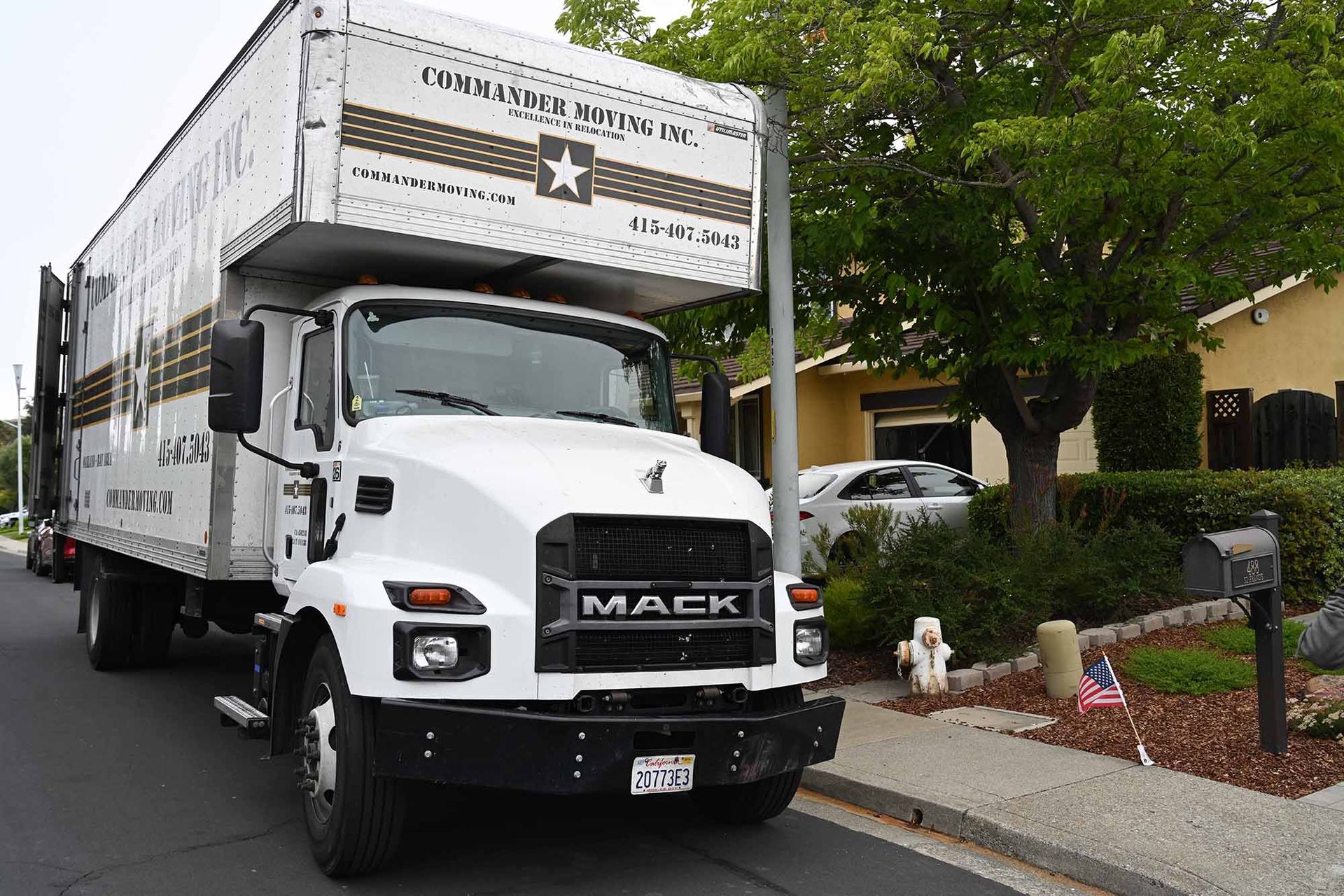
A plan to de-friction your moving day involves hiring experienced movers. The following subsections break the work into concrete tasks: compile an accurate inventory, prepare the physical space, and assemble immediate-use supplies for a smooth transition.
Your Inventory
Create a room-by-room list of every major piece of furniture, boxed items, and loose items to ensure nothing is overlooked during your upcoming move. Document the condition, size, and disassembly requirements of each item, as this information helps experienced movers plan truck space and labor effectively. To expedite searches at your destination, consider color-coding boxes or using a digital inventory app. It’s essential to flag delicate, expensive, or specialty items, such as pianos and electronics, with a separate tag and provide handling notes. A few days before the move, send the complete inventory to your reputable moving company to reconfirm the time of arrival and any special instructions needed for a smooth transition.
Your Home
To ensure a smooth local move, make sure hallways, staircases, and entryways are clear of furniture and other obstacles. Rugs should be pushed out of the way, and cords taped down. Cover floors and walls with cardboard, runner covers, or padded sheets, and set corner guards where furniture will slide. Booking parking and loading zones is essential; ask for short-term permits if applicable. This facilitates easy truck access, saves time, and minimizes carry distance. Notify building management or neighbors of your schedule and elevator reservations to prevent conflicts, allowing them to place elevator pads. Verify the truck arrival window with your reliable movers a few days before, and have an overall plan for the day, including breaks and a target end time.
Your Essentials
Pack an obvious first-night box with toiletries, meds, a change of clothes, chargers, towels, and a few basic kitchen items so those first 24 to 48 hours are bearable. All of your important documents, IDs, and valuables should be in a bag that is traveling with you. Reserve pet supplies, kids’ stuff, and essential cleaning supplies for emergencies. Take along a home DIY toolkit that includes a screwdriver and a wrench. Breakfast is important, so eat up before you dive into work. For a smooth transition, consider hiring experienced movers to assist with packing to ensure your upcoming move is stress-free.
- Toiletries and medications
- Phone chargers and power banks
- Important documents and jewelry
- Towels, sheets, and a change of clothes
- Snacks, water, and basic utensils
The Unseen Value
Moving has its obvious costs and labor, but hiring experienced movers can significantly mitigate these challenges. The unseen value frequently determines if a relocation is truly efficient and economical, especially when considering the benefits of reliable moving services. Concealed costs such as parking fees, renting tools, overtime, lost income for time off work, fixing or replacing broken items, or renewing memberships or subscriptions on auto-renew post-move can add up. Timing affects these unseen costs; peak season and weekends raise rates, while weekday, mid-month moves usually lower them. Consider intangible costs too. Stress, time consumed in coordinating, and the cognitive burden of change all take a toll on efficiency and wellness.
Technology
Leverage online booking, inventory, and move tracking tools to minimize errors and expedite workflows. Digital inventories tally items and add photos, which assist in establishing the condition if something is broken and reduce blame arguments. Online quotes and contracts enable you to easily compare firms and secure pricing information, sidestepping hidden surcharges such as invisible equipment or labor fees.
GPS-enabled trucks and mobile updates provide real-time location and ETA that reduce idle time and allow you to schedule work absences around lost wages. Automated reminders, chat-based customer support, and payment portals make the process paperless and traceable, lessening the likelihood of missed deadlines or accidental renewals attached to your old address. Select venues with exportable logs for insurance claims or employer reimbursement.
Sustainability
Opt for movers who use reusable crates, recycled packing materials, and fuel-efficient hybrid vehicles to minimize both waste and their long-term operating costs. Companies that operate green warehouse initiatives, such as LED lighting, smart HVAC, and waste sorting, frequently pass savings onto consumers and minimize environmental impact. Give away unwanted goods or arrange sustainable disposal via movers’ affiliates to evade landfill surcharges and additional hauling fees.
Inquire if they have carbon offset programs or partnerships with local recyclers. These options offset emissions and could facilitate paperwork for corporate relocations. Sustainable options minimize the hidden cost associated with community damage and future junkyard obligations.
Peace Of Mind
Employ insured, licensed, and seasoned movers to deflect risk from you. Trusted teams minimize breakage, decreasing time in repairs or replacements and lost workdays. Clear policy documents, transparent fees for potential extras like parking permits or stair carries, and responsive customer service reduce uncertainty and stress.
Professional movers bring systems that predict unseen expenses and relay them upfront, which saves time, money, and concentration in flux.
Final Remarks
Moving day gets so heavy and loud. Great movers provide peace of mind, expertise, and transparent processes. An authoritative quote reflects specific prices and restrictions. A tight prep plan saves time and reduces stress. Home movers with quality equipment and established policies handle belongings carefully. Discuss fragile items by name and establish concrete pick-up times. Verify licenses and reviews. Request insurance and maintain a written inventory. Small tasks add up: box by room, label with color, and keep essentials in one bag. Real value is built on trust, transparent fees, and consistent work. Go with an awesome local crew that’s got great reviews. Want to compare quotes? Begin a short list and call three movers today.
Frequently Asked Questions
1. What Should I Check First When Evaluating Residential Movers?
Do check licensing, insurance, and customer reviews for reliable movers. A local address and business history establish authenticity and safeguard your valuables.
2. How Can I Get An Accurate Moving Quote?
Solicit an on-site or video survey from experienced movers. Provide them with inventory, access limitations, and precise move dates to minimize hidden charges.
3. What Extras Should I Ask About Beyond Basic Moving Services?
Inquire about packing services, fragile-item handling, storage, and disassembly/reassembly for your upcoming move.
4. How Do Movers Determine Liability And Insurance Coverage?
Experienced movers provide valuation options: basic (minimal) or full-value protection, ensuring reliable service for your upcoming move and valuable possessions.
5. How Should I Prepare My Home For Moving Day?
Remove obstacles from walkways and entrances, label all boxes clearly for the upcoming move, and cover or protect your floors. Keep necessities within reach to ensure a smooth transition.
6. What Red Flags Indicate An Unreliable Moving Company?
Big deposits, fuzzy contracts, and mixed reviews with outstanding complaints can be mitigated by trusting reputable moving companies that offer transparent conditions and local movers.
7. How Can I Save Money Without Risking Quality?
For your upcoming move, consider using reliable movers midweek or mid-month, purge first, and pack yourself to save on costs.
Give Your Body The Time And Space To Rest, Recover, And Restore
When life feels nonstop, your body often carries the stress long after the day is over. Tight muscles, fatigue, tension, and mental overload can all be signs that it’s time to slow down and recharge. At The Sanctuary Holistic Healing Center, our approach to Rest, Recovery, and Restoration is designed to help you step away from the demands of everyday life and give your body the care it needs to reset.
Each session is personalized around how you’re feeling and what your body needs most. Through holistic therapies such as massage, cupping, Gua Sha, infrared light therapy, breathwork, and other supportive techniques, we create a calming experience focused on releasing tension, encouraging relaxation, and supporting your body’s natural recovery process.
Rest isn’t something you have to earn. It’s an important part of feeling your best. Whether you’re recovering from physical strain, navigating a stressful season, or simply feeling worn down, making space for intentional recovery can help you feel more grounded, refreshed, and ready for what’s next.
Schedule your session with The Sanctuary Holistic Healing Center today and make time to rest, recover, and restore.
Disclaimer
The materials available on this website are provided for general informational and educational purposes only and are not intended as legal, financial, moving, storage, or professional advice. Every move is different, and you should contact a qualified moving professional regarding your specific relocation needs, timelines, pricing, storage requirements, or specialty moving concerns.
Do not act or rely solely on the information contained on this website without first speaking directly with Commander Moving or another qualified professional regarding your individual situation. While we strive to keep the information on this website accurate and up to date, moving regulations, service availability, pricing, and operational details may change without notice.
Commander Moving disclaims all liability for actions taken or not taken based on any content found on this website to the fullest extent permitted by law. Use of this website or communication through this website does not create a contractual agreement for moving services unless confirmed in writing by Commander Moving.