Balancing a move with work, school, childcare, and daily responsibilities can be challenging for busy families. Full-service movers can reduce that workload by handling packing, loading, transportation, unloading, and other agreed-upon tasks. Professional assistance may also reduce the amount of heavy lifting homeowners perform and make scheduling easier to manage. Although these services generally cost more than moving independently, the additional convenience can be worthwhile for households with limited time or complicated relocation needs. Understanding the costs, available services, and DIY alternatives helps families decide whether full-service moving fits their priorities.
Key Takeaways
- Full-service movers can reduce the time families spend packing, loading, transporting, and unloading belongings. Optional unpacking and furniture setup may provide additional convenience, depending on the moving agreement.
- Professional moving assistance can reduce the physical demands and coordination responsibilities involved in relocation. Moving crews use appropriate equipment and handling methods, while customers should separately review the company’s liability protection and applicable insurance terms.
- Compare written moving estimates with the full cost of a DIY move, including truck rental, packing supplies, equipment, personal time, and any additional services. This helps families weigh convenience against their budget.
- Professional movers may assist with packing, furniture disassembly, transportation, unloading, and selected setup tasks. Confirm which services are included and whether specialty assistance requires additional arrangements.
- Consider your family’s available time, physical capabilities, caregiving responsibilities, and moving budget. Compare these practical needs with the additional cost of professional assistance.
- DIY moving may suit households with manageable belongings, available assistance, and flexible schedules. Families considering professional movers should compare estimates, verify the company’s authorization, and review the services and liability protection offered.
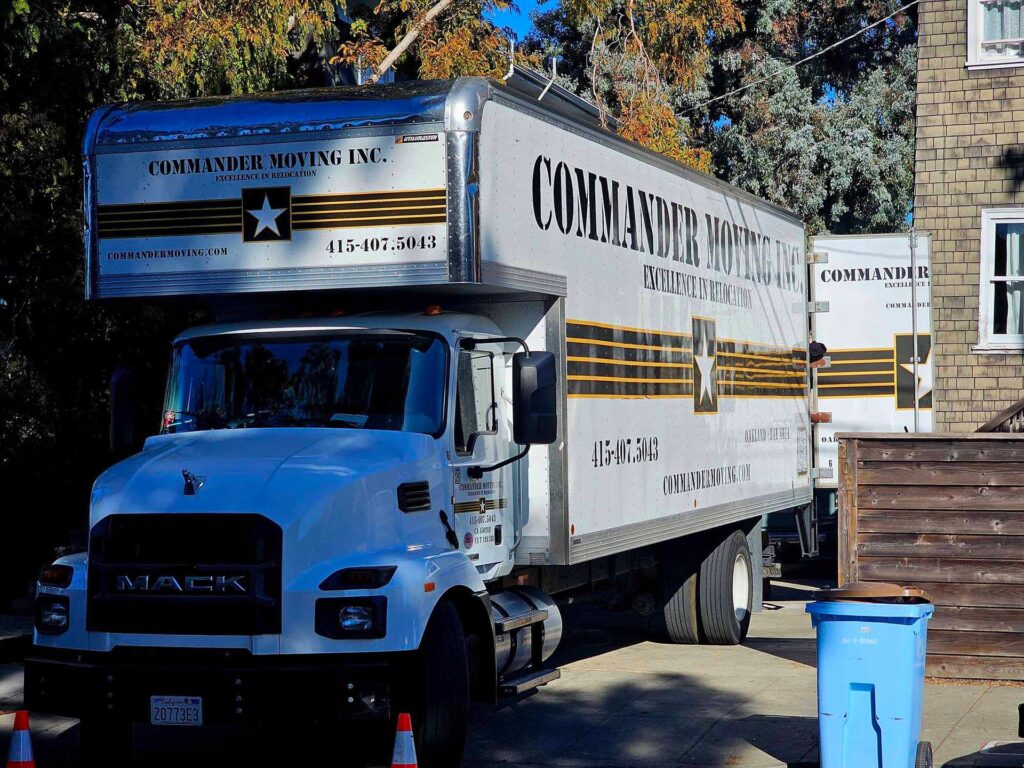
Why Full Service Movers?
Full-service moving can simplify residential relocation by combining professional labor, transportation, and selected additional services. For families managing jobs, school schedules, and childcare, this assistance may reduce the number of tasks they need to complete independently. However, the moving timeline depends on household size, travel distance, property access, and the services included.
1. Time
Experienced moving crews can reduce the time homeowners spend packing, loading, and coordinating transportation. Organized workflows, appropriate equipment, and suitable vehicle capacity help make these tasks more manageable. Families may also avoid arranging truck rentals or recruiting additional help when those responsibilities are covered by the moving agreement. Actual time savings vary according to the home’s inventory, access conditions, and selected services.
2. Sanity
Relocation involves many small decisions about packing, transportation, scheduling, and furniture handling. Professional moving assistance can reduce the number of these tasks homeowners must coordinate. Families still need to manage personal documents, keys, school arrangements, and other responsibilities, but delegating agreed moving tasks may make the overall process easier to organize.
3. Safety
Moving heavy furniture and boxes can be physically demanding, especially when stairs, narrow hallways, or difficult access conditions are involved. Professional movers use appropriate lifting methods and equipment to help manage these tasks. Customers should also review the mover’s liability protection options, particularly when transporting fragile or valuable belongings. Professional assistance can reduce certain risks, but it cannot eliminate every possibility of injury or damage.
4. Expertise
Professional moving experience can be especially useful when handling stairs, restricted entrances, oversized furniture, or longer transportation routes. Movers can assess access requirements and recommend appropriate handling methods. Customers should confirm whether the company assists with permits, building reservations, or other arrangements that may affect moving day.
5. Simplicity
Combining professional labor and transportation within one moving agreement can simplify planning. However, packing, specialty handling, storage, and other services may be priced separately. Review the written estimate carefully so you understand which tasks the moving company will handle and which remain your responsibility.
The True Cost Of Moving
Understanding the full cost of relocation helps families decide whether professional moving assistance is worthwhile. Start by comparing the services included in a written moving estimate with the expenses involved in a DIY move. Consider transportation, packing materials, equipment, additional services, and the time needed to complete the relocation.
Quoted Price
Request a written estimate that clearly identifies the transportation services, packing arrangements, specialty handling, and any applicable additional charges. Pricing methods depend on the type and distance of the move. For California intrastate relocations, review the required written Not-to-Exceed price and any procedures for authorizing changes.
Transport: Charges depend on the applicable pricing rules, moving distance, shipment size, and written agreement.
Labor: Review the crew requirements, services included, and applicable labor charges stated in the written estimate
Supplies: Confirm whether boxes, tape, cushioning, protective wrapping, and professional packing labor are included or charged separately
Insurance: Review the mover’s applicable valuation options, limitations, and any separately available insurance products
Extras: lAsk about access-related charges, specialty handling, storage, packing materials, and any requested changes to the original moving agreement.
Compare written estimates from qualified moving companies based on your actual inventory, transportation distance, and requested services. For California intrastate moves, the state’s household moving rules distinguish relocations under 100 miles from those over 100 miles. The applicable pricing method should be explained in the estimate. Avoid relying on generalized per-pound or per-mile formulas because actual charges depend on the moving agreement and regulatory requirements.
Hidden Expenses
Additional moving expenses may arise from specialty services, restricted property access, storage, or changes to the original inventory. Building management may also charge separate fees for elevator reservations or loading arrangements. Ask the moving company to identify applicable charges in writing and explain how changes to the service agreement are authorized.
Review cancellation and rescheduling policies before booking, especially if your family’s moving dates may change. Storage or additional handling services may increase costs when requested. Tipping is optional rather than a required moving charge. Maintaining a reasonable personal budget reserve can be helpful, but the appropriate amount depends on your circumstances.
Intangible Costs
Beyond the direct financial expense, families should consider how relocation affects work schedules, childcare, caregiving, and physical energy. A DIY move may be practical for smaller households with sufficient help, while professional moving services can reduce the workload involved in larger relocations. The cost of full-service moving depends on the inventory, distance, access conditions, and services selected. Professional assistance may offer meaningful convenience, but it does not guarantee savings or prevent every delay or damage claim.
When comparing moving options, consider time away from work, interruptions to childcare or caregiving routines, and the physical effort needed for packing and heavy lifting. These factors may make professional assistance valuable even when it does not reduce the direct moving expense.
What Full Service Includes
Full-service moving allows families to select professional assistance for several parts of a residential relocation. Common services include loading, transportation, and unloading, while packing, furniture disassembly, unpacking, and setup may be included or offered separately. Understanding the available options helps homeowners choose a service package that matches their schedule, budget, and household needs.
Services to discuss with your moving company include professional packing, furniture disassembly, loading, transportation, unloading, optional unpacking, and furniture reassembly. Confirm which are included in your estimate and whether specialty assistance requires additional arrangements.
Packing
Professional packing services can reduce the time families spend preparing belongings for transportation. Movers use appropriate boxes, cushioning, protective wrapping, and labeling methods based on the items being packed. Fragile artwork, mirrors, antiques, and other unusual belongings may require additional materials or specialty handling. Customers should confirm whether packing supplies, professional packing labor, and custom crating are available and included in their estimate.
Disassembly
Some furniture pieces, including beds, tables, and modular shelving, may need to be disassembled before transportation. Professional movers can assess these requirements and help organize removable parts and hardware when furniture disassembly is included in the agreement. Appliance preparation, disconnection, or installation may require separate qualified professionals. Confirm the scope and cost of these services before moving day.
Unpacking
Optional unpacking services may help busy families settle into their new homes by opening boxes and placing selected belongings in designated areas. However, detailed home organization, closet arrangement, and packing debris removal may not be included. Ask whether the moving company provides these services and whether customers can select unpacking assistance for specific rooms.
Setup
Some moving companies offer furniture reassembly and placement services after delivery. These tasks may include reassembling beds, attaching removable furniture components, and arranging larger items in designated rooms. Appliance installation, utility connections, wall mounting, and complex electronics setup may require separate qualified providers. Customers should confirm which tasks are included in the service agreement before booking.
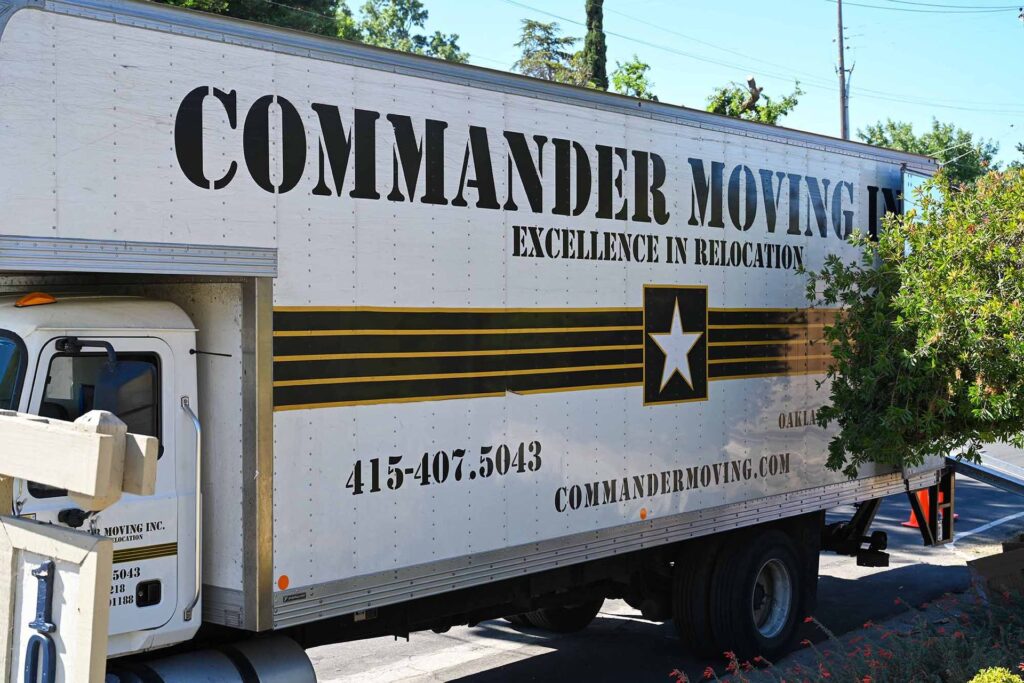
The Family Balance Sheet
For busy families, deciding whether full-service moving is worthwhile involves more than comparing prices. Available time, physical energy, childcare responsibilities, and the complexity of the move can all influence the decision. Evaluating these factors alongside written moving estimates helps families determine which option offers the most practical value.
Your Time’s Value
When comparing DIY moving with professional assistance, estimate how much time your family would spend planning, packing, loading, transporting belongings, and unloading. Consider whether those tasks would require time away from work or interfere with childcare and other responsibilities. Professional services may reduce this workload, although families still need to handle personal arrangements such as school enrollment, utility transfers, and important documents. The value of time saved depends on each household’s circumstances rather than a universal hourly calculation.
Your Energy Level
Moving involves lifting, carrying, bending, and navigating stairs or narrow spaces. These tasks can be especially demanding for households already balancing long workdays, childcare, or other caregiving responsibilities. Professional movers can reduce the amount of heavy lifting family members perform. Families may still choose to handle lighter tasks, such as organizing personal items, labeling boxes, and preparing essential belongings, while leaving physically demanding work to the moving crew.
Your Stress Threshold
Some families prefer to manage their relocation independently, while others value having professional assistance with packing, transportation, and moving-day logistics. Consider how much coordination your household can realistically manage alongside other responsibilities. If scheduling, heavy lifting, or complex belongings would place significant demands on your family, the convenience of professional moving services may justify the additional cost.
When DIY Makes Sense
DIY moving can be a practical option for families with manageable belongings, sufficient help, and flexible schedules. Handling the move independently may offer greater control over packing and transportation while reducing some direct expenses. The decision should depend on the household’s inventory, moving distance, physical capabilities, and available time.
Consider DIY Moving for Smaller Households
Smaller households often have fewer belongings to pack and transport, which can make DIY relocation more manageable. A studio, dorm room, or lightly furnished apartment may require less equipment and assistance than a larger home. However, the time and vehicle capacity needed still depend on the amount of furniture, access conditions, and transportation distance. Families should assess their actual inventory rather than assume a particular household size can always be moved in one day.
Consider DIY When Budget and Scheduling Allow
Budget is often an important factor when families choose how to move. DIY relocation may cost less upfront, particularly when homeowners have access to suitable vehicles, equipment, and reliable assistance. However, rental charges, packing supplies, fuel, and personal time should be considered. Families who want help with heavy lifting but prefer to pack independently may also explore partial-service or labor-only arrangements where available.
Maintain Control Over Packing and Scheduling
DIY moving gives families greater control over how belongings are packed, when boxes are prepared, and how moving tasks are scheduled. This flexibility can be useful when coordinating work, childcare, or other commitments. However, homeowners also assume responsibility for arranging transportation, handling heavy belongings, and protecting items during the move.
Assess Available Help for Local Moves
Friends and relatives may help reduce labor expenses during a local move, but carrying heavy furniture still requires safe handling methods and appropriate equipment. Before relying on informal assistance, consider the weight of your belongings, stairs, narrow spaces, and the availability of suitable transportation. Hiring professional movers for selected tasks may be a practical middle ground when a full-service move is not necessary.
Avoiding Common Pitfalls
Preparing for common moving challenges helps families manage relocation more effectively. Weather, traffic, difficult property access, incomplete packing, and unexpected inventory changes can affect the schedule. Heavy lifting and inadequate furniture protection may also create injury or damage risks. A realistic moving plan should account for these conditions, whether the family hires professional movers or handles the relocation independently.
Estimate Moving Time, Vehicle Space, and Supplies
Create a room-by-room inventory that identifies large furniture, fragile belongings, and items requiring special handling. Use this information to estimate packing supplies and transportation requirements, or provide it to the moving company for assessment. Allow sufficient time for loading, transportation, and unloading, particularly when stairs or restricted access are involved. Keep heavy belongings in appropriately sized boxes, label fragile items clearly, and prepare a safe area for children and pets away from moving activity.
Review Moving Liability Protection and Insurance Options
Before booking, review the moving company’s liability protection options and any available separate insurance products. For interstate household moves, federal regulations require movers to offer Full Value Protection and Released Value Protection. California intrastate relocations follow separate state requirements. Mover valuation is not the same as an insurance policy, and the terms and limitations should be reviewed carefully. Photograph valuable belongings before the move and retain the applicable inventory and moving documents.
Verify Moving Companies and Compare Reviews
Verify that the moving company is authorized for the type of relocation you are planning. For California household moves, check its status through the Bureau of Household Goods and Services. Interstate moves also involve federal operating requirements. Compare written estimates, review customer feedback, and ask about experience with similar moves. Be cautious of unusually low estimates, unclear service agreements, or requests for large upfront payments. Before booking, confirm the company’s scheduling policies, included services, liability protection, and procedures for changes or complaints.
Create a Family Moving Checklist
A family moving checklist should include a room-by-room inventory, important moving dates, packing responsibilities, utility transfers, school or childcare arrangements, building access information, and moving-company contact details. Identify valuable items that need additional attention and prepare a separate bag for documents, medications, and first-day essentials. Review the written estimate and keep the moving agreement accessible throughout the relocation.
Conclusion
Full-service movers can be worth the cost for busy families who want to reduce heavy lifting, simplify moving-day logistics, and spend less time coordinating relocation tasks. Professional assistance may be especially helpful for households balancing work, childcare, caregiving, and large furniture inventories. DIY moving remains a practical option for families with manageable belongings, available help, and flexible schedules. Before deciding, compare written estimates, review the available services, and consider which approach best fits your family’s budget, time, and energy.

Frequently Asked Questions
1. Are Full-Service Movers Worth It For Busy Families?
Full-service movers may be worth the cost for families balancing work, childcare, school schedules, and other responsibilities. Professional moving assistance reduces the amount of packing, heavy lifting, and transportation coordination homeowners manage themselves. The value depends on the household’s needs, budget, and selected services.
2. How Much More Do Full-Service Movers Cost Compared To DIY?
Full-service moving generally costs more upfront because it includes professional labor, transportation, and selected additional services. The price difference depends on household size, distance, access conditions, and the services requested. Compare written moving estimates with the total cost of truck rental, equipment, packing supplies, and personal time to make an informed decision.
3. Will Full-Service Movers Protect Fragile Or Valuable Items?
Professional movers use protective wrapping, sturdy boxes, suitable cushioning, and organized loading methods to help reduce damage risks. Valuable artwork, antiques, electronics, and unusually shaped belongings may require additional packing or handling. Discuss these items before booking and confirm the company’s available services and liability protection.
4. Can Full-Service Movers Handle Short-Notice or Same-Day Moves?
Some moving companies may accommodate short-notice or same-day relocations, depending on crew availability, transportation capacity, and the services requested. Availability and pricing vary, so contact moving companies directly to discuss your timeline. Booking earlier generally provides more scheduling flexibility.
5. How Do I Evaluate A Reputable Full-Service Moving Company?
Verify the moving company’s authorization, review customer feedback, and ask about experience with similar household relocations. Request a written estimate and confirm the services included, payment terms, cancellation policies, and available liability protection. For California household moves, check the company’s status through the Bureau of Household Goods and Services.
6. When Is DIY Moving A Better Choice For Families?
DIY moving may be practical for smaller households with flexible schedules, sufficient help, and manageable belongings. It can also appeal to families who want more control over packing and transportation. Before choosing DIY, consider equipment needs, physical effort, rental expenses, and the time required.
7. What Hidden Costs Should Families Watch For With Full-Service Movers?
Depending on the move, additional charges may involve packing materials, storage, specialty handling, restricted access, or services added after the original estimate. Ask the moving company to explain applicable charges and how changes are authorized. Review the written agreement carefully, including California’s Not-to-Exceed pricing requirements when applicable.
Make Moving Easier With Trusted Full-Service Movers
Moving involves more than loading boxes onto a truck. Packing, protecting furniture, coordinating transportation, handling specialty items, and managing moving day logistics can quickly become overwhelming. Working with experienced full-service movers gives you professional support through every stage of the process, helping make your move more organized, efficient, and less stressful.
At Commander Moving, we provide full-service moving solutions for homeowners and families throughout the Bay Area. From packing and preparing your belongings to loading, transportation, unloading, and specialty item handling, our team can manage the details from start to finish. Whether you’re moving from an apartment, relocating a large household, or simply want professionals to handle the heavy lifting, Commander Moving has the experience and equipment to keep your move on track.
Choosing the right full-service movers means having a dependable team that respects your belongings, your home, and your schedule. Commander Moving focuses on careful planning, clear communication, and professional service at every step. Contact Commander Moving today to schedule your estimate and see how full-service movers can make your next relocation easier.
Disclaimer
The materials available on this website are provided for general informational and educational purposes only and are not intended as legal, financial, moving, storage, or professional advice. Every move is different, and you should contact a qualified moving professional regarding your specific relocation needs, timelines, pricing, storage requirements, or specialty moving concerns.
Do not act or rely solely on the information contained on this website without first speaking directly with Commander Moving or another qualified professional regarding your individual situation. While we strive to keep the information on this website accurate and up to date, moving regulations, service availability, pricing, and operational details may change without notice.
Commander Moving disclaims all liability for actions taken or not taken based on any content found on this website to the fullest extent permitted by law. Use of this website or communication through this website does not create a contractual agreement for moving services unless confirmed in writing by Commander Moving.