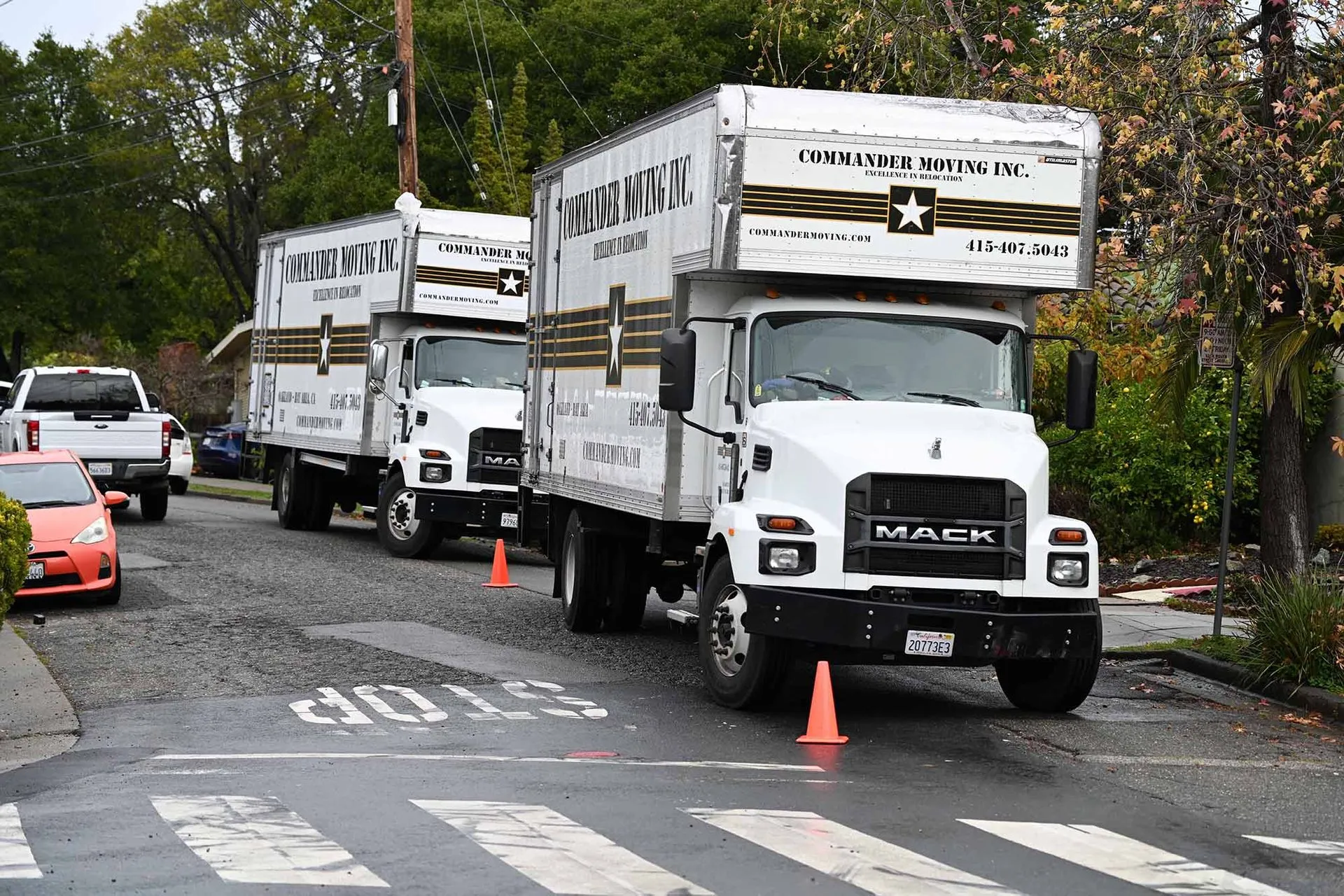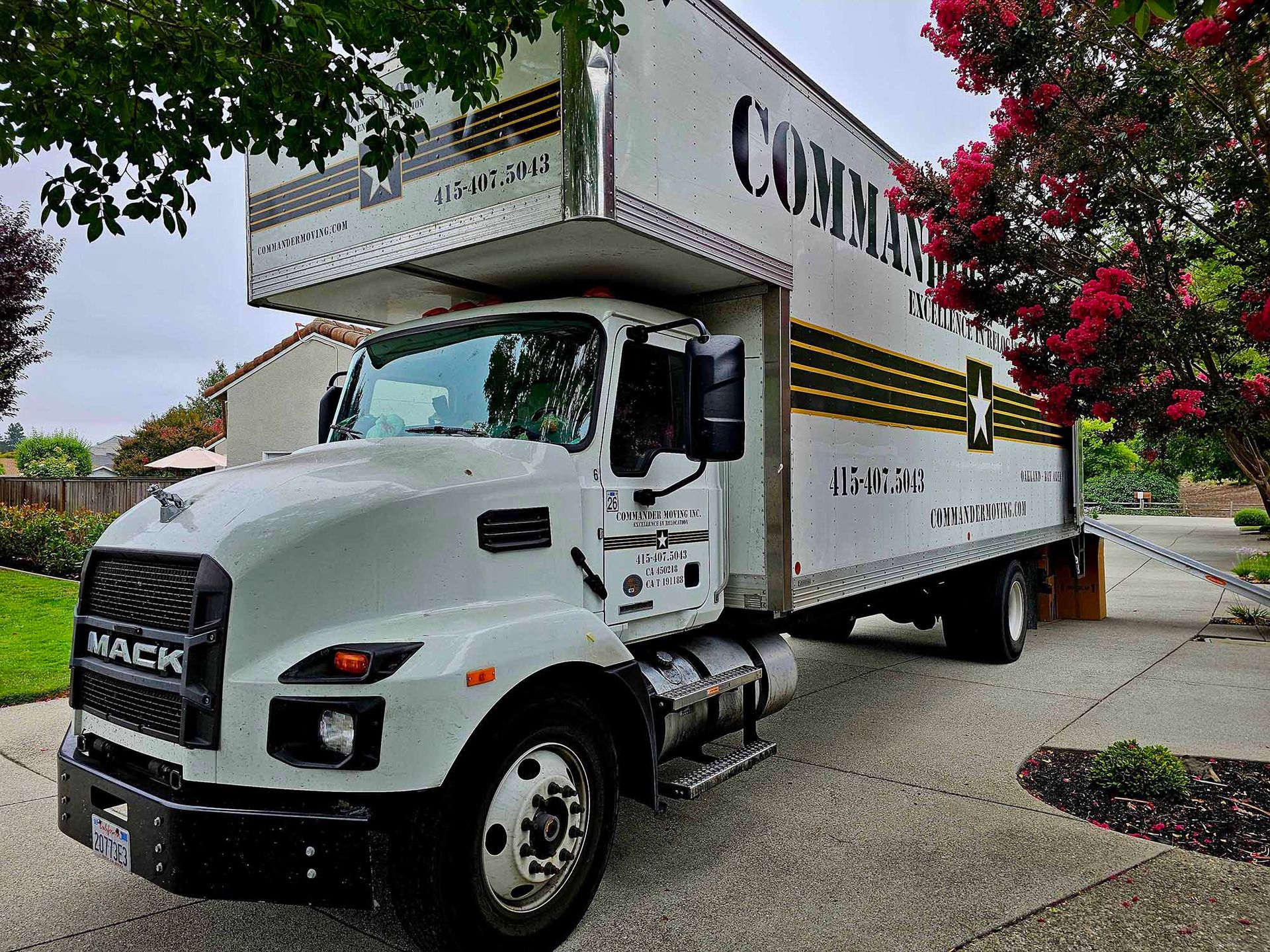
Moving involves more than transporting belongings from one home to another. Packing, coordinating schedules, protecting furniture, and managing moving-day logistics can place considerable demands on homeowners and families. Full-service movers help reduce these responsibilities by handling packing, loading, transportation, unloading, and other agreed-upon services. With professional support and a clear moving plan, customers can spend less time managing physical tasks and focus more on their family, work, and transition into a new home.
Key Takeaways
- Full-service movers can reduce the workload of relocating by coordinating packing, transportation, unloading, and optional unpacking services. This allows homeowners to devote more attention to family responsibilities and other priorities.
- Professional packing and loading techniques, combined with appropriate equipment, help reduce physical demands and the risk of damage when handling fragile, heavy, or oversized belongings.
- Professional transportation planning helps movers coordinate routes, delivery expectations, and potential access challenges. Customers should review the company’s written agreement and available liability protection options before moving day.
- Optional unpacking, furniture reassembly, and specialty-item handling can make settling into a new home more manageable when these services are included in the moving agreement.
- Depending on the moving company’s offerings, additional services such as temporary storage, inventory coordination, and packing debris removal may help simplify the transition between homes.
- Choose a moving company with relevant residential experience, verifiable credentials, clear communication, and a detailed written estimate that explains the services included.

The Sources Of Moving Stress
Relocation can be stressful because it combines physical work, financial decisions, scheduling challenges, and changes to everyday routines. Understanding these pressures helps homeowners identify which moving tasks they may want professional assistance with.
- Time pressure and poor planning
- Packing load and physical labor
- Coordination of transportation and logistics
- Emotional loss and change of routine
- Unexpected costs, damage, and delays
- Last-minute decisions and uncertainty
- Work-life balance strain during the move
- Risk of injury during lifting and handling
Leaving a familiar neighborhood can bring emotional challenges alongside the practical demands of moving. Families may need to adjust to different routines, commutes, schools, and community connections. When these changes overlap with packing and scheduling responsibilities, the transition can feel overwhelming. Reducing the amount of physical moving work may give households more time to prepare for these adjustments.
Managing a move independently requires time for sorting, packing, arranging transportation, loading, and unpacking. These responsibilities can be particularly demanding when combined with work schedules, childcare, or other commitments. Professional moving assistance can reduce the number of tasks homeowners must complete themselves and help create a more organized moving schedule.
DIY moving requires careful attention to lifting techniques, packing materials, transportation, and property access. Heavy furniture, fragile belongings, and unexpected delays can create additional challenges. Hiring professional movers may help reduce some of these demands through appropriate equipment, coordinated loading, and experience handling household belongings.
Unclear schedules, unexpected expenses, and last-minute decisions can make relocation harder to manage. Establishing a realistic timeline and confirming responsibilities early helps homeowners maintain better control over the moving process.
How Full-Service Movers Reduce Stress
Full-service movers can reduce the workload associated with relocation by coordinating packing, loading, transportation, unloading, and selected setup services. Their assistance helps homeowners manage the physical and logistical demands of moving while maintaining a clearer schedule.
| Service Offering | Key Features | How It May Reduce Stress |
| Packing | Protective materials, organized boxing, clear labels | Reduces hands-on packing work and simplifies unpacking |
| Loading | Trained crew, dollies, straps and planned placement | Reduces heavy lifting for the household and helps protect belongings |
| Transportation | Route planning, vehicle and delivery coordination | Helps clarify schedules and respond to access or traffic issues |
| Unloading | Placement in designated rooms, careful handling | Makes settling in and locating items more manageable |
| Optional setup | Furniture reassembly or unpacking, if agreed | May reduce the work needed after delivery |
| Liability and support | Written terms, valuation options and communication | Helps customers understand responsibilities and available protections |
1. Comprehensive Packing
Professional packing crews use appropriate materials and organized methods to prepare household belongings for transportation. The time required depends on the home’s size, the number of belongings, and any specialty packing needs. Clearly labeled boxes can make unloading and unpacking easier, while protective materials help reduce the risk of damage to fragile items. Customers should confirm whether packing supplies are included in their estimate.
2. Strategic Loading
Professional movers plan loading order and weight distribution to help keep belongings stable during transportation. Equipment such as dollies, moving straps, and furniture padding can make heavy-item handling more manageable and help protect property surfaces. Customers should confirm building access, parking arrangements, and elevator requirements before moving day to reduce avoidable delays.
3. Secure Transport
Moving companies plan transportation routes based on distance, vehicle access, road conditions, and delivery requirements. Although traffic and weather can affect timing, advance planning helps teams respond to changing conditions. Customers should also review the mover’s liability protection options and ask whether separate insurance coverage is available.
4. Efficient Unloading
During unloading, movers can place boxes and furniture in designated rooms according to the agreed service. Clear labels and instructions help the crew organize deliveries and make unpacking easier. The number of trips and delivery arrangements depends on the shipment size, transportation plan, and service agreement.
5. Post-Move Setup
Depending on the moving package, post-move assistance may include furniture reassembly, unpacking, and placing belongings in designated rooms. Appliance installation, utility connections, and detailed household organization may require separate arrangements. Confirm these services before booking so expectations are clear.
Beyond The Basic Move
Some relocations require additional services beyond standard packing and transportation. Specialty-item handling, temporary storage, and packing debris removal may help homeowners manage more complicated moving situations. Availability varies by moving company, so customers should confirm which options are offered and whether additional charges apply.
| Moving Situation | Potential Services to Discuss |
| Local urban move | Parking and building-access planning, elevator considerations, route coordination |
| Long-distance relocation | Delivery windows, shipment-handling arrangements, status communication |
| Specialty-item transport | Appropriate protective packing, equipment, additional handling when available |
| Senior or downsizing move | Packing assistance, accessible scheduling and furniture placement |
| Busy family relocation | Packing support, essentials prioritization and optional unpacking |
| Apartment or student move | Move-size planning, limited packing and loading assistance |
Specialty Belongings
Specialty belongings such as pianos, antiques, artwork, oversized furniture, and sensitive electronics may require additional packing materials or handling equipment. Depending on the item, movers may recommend protective wrapping, custom crating, specialized dollies, or additional crew members. Customers should describe valuable or unusual belongings during the estimate process so the moving company can confirm whether appropriate handling services are available. Temperature-controlled transportation and specialty storage should only be discussed when specifically offered by the provider.
Storage Options
Temporary storage may be helpful when move-out and move-in dates don’t align or when a new property isn’t ready for delivery. Some moving companies provide storage directly, while others coordinate with separate facilities. Before arranging storage, ask about availability, access restrictions, facility conditions, inventory procedures, handling fees, and delivery scheduling. Climate-controlled storage may be appropriate for certain sensitive belongings, but it isn’t automatically included in full-service moving.
Moving Debris Cleanup
Packing debris removal may be available as an additional service, particularly when customers purchase professional unpacking. However, junk removal, hazardous waste disposal, appliance disconnection, and full-property cleaning are separate services that not every moving company offers. Ask whether used packing materials can be collected and whether unwanted items require arrangements with a separate provider.

The Mental Load Lifted
Relocation involves numerous decisions, from scheduling transportation to organizing belongings and coordinating access to both properties. Full-service movers can reduce this mental workload by managing the moving tasks included in their agreement. A clear schedule, written service details, and regular communication help homeowners understand what needs their attention and what the moving team will handle.
Decision Fatigue
Full-service moving assistance can reduce the number of daily decisions homeowners must make during relocation. Professional crews can manage packing methods, loading arrangements, and transportation logistics within the agreed scope of work. Customers still make important choices about belongings, scheduling, and service preferences, but a structured moving plan can make those decisions easier to manage.
Emotional Transition
Moving can involve emotional adjustments, especially when families are leaving familiar neighborhoods, schools, or routines. Professional moving assistance may free up time for conversations, planning, and helping family members prepare for the transition. While movers cannot remove every source of stress, reducing the practical workload can make the experience easier to manage.
Time Reclamation
Packing, loading, and transportation can require substantial time, particularly for larger households. By assigning these responsibilities to professional movers, homeowners may have more flexibility to manage work commitments, childcare, and preparations for their new home. The amount of time saved depends on the services selected and the complexity of the move.
Navigating The Unexpected
Experienced movers can help customers prepare for common scheduling challenges, including traffic delays, elevator restrictions, building access requirements, and changes to moving dates. Discussing these possibilities before moving day helps establish realistic expectations and identify practical alternatives when plans change.
Building rules, parking restrictions, elevator reservations, and loading dock requirements can affect moving-day schedules. Some moving companies assist with coordinating these details, but customers may remain responsible for securing permits or reservations. Confirm responsibilities in advance and share property access requirements with the moving company before the scheduled date.
When unexpected challenges arise, professional movers can assess the situation and discuss available adjustments with the customer. Depending on the circumstances, this may involve changing loading arrangements, revising the schedule, or coordinating an alternative delivery plan. Any changes affecting services, timing, or charges should be confirmed with the moving company.
Professional moving crews use appropriate lifting methods and equipment to handle heavy or awkward belongings. This reduces the amount of physical work homeowners must perform themselves. Organized checklists, inventory records when applicable, and clear communication also help keep moving tasks coordinated.
Clear communication is especially important when plans change. Ask the moving company how it handles delays, additional services, storage needs, and scheduling adjustments. Understanding these procedures before moving day can help customers make informed decisions if unexpected issues arise.
Choosing Your Moving Partner
Begin by verifying the moving company’s credentials for the type of relocation you’re planning. For household moves within California, check the mover’s authorization through the California Bureau of Household Goods and Services. For interstate moves, verify applicable registration and operating authority through the Federal Motor Carrier Safety Administration. Review the company’s written estimate and available liability protection options. Interstate moves generally offer federally defined valuation choices, while California intrastate moves follow separate requirements. Mover valuation protection isn’t the same as insurance, so ask for an explanation of the applicable terms.
Look for a moving company with relevant residential experience, consistent customer feedback, and clear communication practices. Review customer comments for recurring issues involving scheduling, billing, and damaged belongings. Ask how the company prepares furniture, handles fragile items, and communicates throughout the moving process. These details can help you evaluate whether its services match your needs.
Confirm that the moving company offers the specific services your household requires. Ask about packing options, furniture protection, storage availability, and procedures for specialty belongings. If you have a piano, antique, or valuable artwork, explain its dimensions and handling requirements before requesting an estimate. The company should clarify whether it can accommodate the item and whether additional services or charges apply.
Request a detailed written estimate that identifies the services included, applicable charges, scheduling expectations, and any conditions that may affect the final cost. Ask how the company handles changes to the inventory, additional packing, delays, or storage requests. Confirm important dates and arrival windows so you can coordinate work schedules, childcare, and property access.
Consider how your preferred moving date affects availability and pricing. Some companies may offer greater scheduling flexibility during less busy periods, although rates depend on the specific move. Tipping is optional and should reflect your satisfaction with the service. To compare moving options for your household, request a written estimate from Commander Moving and discuss your packing, transportation, and scheduling needs.
Conclusion
Full-service movers can make relocation less demanding by handling packing, heavy lifting, transportation, and other agreed-upon tasks. Professional assistance gives homeowners more time to manage family responsibilities and prepare for their new surroundings. The best moving experience starts with a realistic schedule, clear communication, and a written estimate that explains the services included. Comparing qualified moving companies can help you find the right balance between convenience, cost, and support.

Frequently Asked Questions
1. What Tasks Do Full-Service Movers Handle To Reduce My Workload?
Full-service movers can handle packing, loading, transportation, unloading, and optional unpacking. Furniture assembly and specialty-item handling may also be available, depending on the moving company and the services included in your agreement.
2. How Do Movers Lower The Risk Of Damage Or Loss?
Professional movers use packing materials, protective equipment, and organized loading methods to help reduce the risk of damage. Customers should also review the mover’s liability protection options and ask about any additional insurance products available.
3. Can Full-Service Movers Save Me Time During A Relocation?
Yes. Professional movers can reduce the time homeowners spend packing, lifting, loading, and coordinating transportation. The amount of time saved depends on the size of the household, the services selected, and the complexity of the move.
4. Do Movers Handle Logistics And Permits For Complex Moves?
Some moving companies assist with building access arrangements, elevator scheduling, and parking requirements. However, customers may be responsible for obtaining permits or reservations. Confirm these responsibilities with the moving company and property manager before moving day.
5. How Do Movers Help When Unexpected Problems Arise?
Experienced movers can help assess unexpected challenges such as access restrictions, traffic delays, or scheduling changes. They can discuss available alternatives and explain whether adjustments affect the timeline or cost.
6. Are Full-Service Moves More Cost-Effective Than DIY When Factoring Stress?
Full-service moving generally involves additional costs compared with handling more tasks yourself. However, professional assistance may offer meaningful value for households with limited time, heavy furniture, or complicated moving requirements. Compare the total expenses and effort involved before deciding.
7. What Should I Ask When Choosing A Moving Company To Ensure Less Stress?
Ask about licensing, residential moving experience, written estimates, packing services, scheduling, potential additional charges, and liability protection. Confirm which tasks the company will handle and how it communicates changes during the move.
Make Moving Easier With Trusted Full-Service Movers
Moving involves more than loading boxes onto a truck. Packing, protecting furniture, coordinating transportation, handling specialty items, and managing moving day logistics can quickly become overwhelming. Working with experienced full-service movers gives you professional support through every stage of the process, helping make your move more organized, efficient, and less stressful.
At Commander Moving, we provide full-service moving solutions for homeowners and families throughout the Bay Area. From packing and preparing your belongings to loading, transportation, unloading, and specialty item handling, our team can manage the details from start to finish. Whether you’re moving from an apartment, relocating a large household, or simply want professionals to handle the heavy lifting, Commander Moving has the experience and equipment to keep your move on track.
Choosing the right full-service movers means having a dependable team that respects your belongings, your home, and your schedule. Commander Moving focuses on careful planning, clear communication, and professional service at every step. Contact Commander Moving today to schedule your estimate and see how full-service movers can make your next relocation easier.
Disclaimer
The materials available on this website are provided for general informational and educational purposes only and are not intended as legal, financial, moving, storage, or professional advice. Every move is different, and you should contact a qualified moving professional regarding your specific relocation needs, timelines, pricing, storage requirements, or specialty moving concerns.
Do not act or rely solely on the information contained on this website without first speaking directly with Commander Moving or another qualified professional regarding your individual situation. While we strive to keep the information on this website accurate and up to date, moving regulations, service availability, pricing, and operational details may change without notice.
Commander Moving disclaims all liability for actions taken or not taken based on any content found on this website to the fullest extent permitted by law. Use of this website or communication through this website does not create a contractual agreement for moving services unless confirmed in writing by Commander Moving.