How do residential movers protect furniture and valuable belongings during relocation? Professional residential moving services use protective materials, careful handling methods, and organized loading practices to help reduce the risk of damage. Depending on the item, these precautions may include furniture blankets, stretch wrap, padded cartons, corner protectors, and securing equipment inside the moving truck. Fragile or unusually valuable belongings may require additional preparation or specialized services. Homeowners should also understand the moving company’s liability protection and document the condition of important items before transportation. This guide explains how residential movers protect different types of belongings, what precautions homeowners can take, and which questions to ask before booking.
Key Takeaways
- Protecting furniture and valuable belongings begins with identifying fragile or difficult-to-handle items before moving day. Appropriate packing, secure loading, and careful unloading can help reduce preventable damage.
- Residential movers may use furniture pads, stretch wrap, protective cartons, dollies, and securing straps based on the belongings being transported. Specialty materials and services should be confirmed before booking.
- Furniture preparation may involve securing removable components, protecting delicate surfaces, and carefully positioning items for transport. Oversized furniture, artwork, and sensitive electronics may require additional handling arrangements.
- Secure loading involves distributing weight appropriately, stabilizing heavy furniture, and separating fragile items from objects that could damage them. Customers should ask whether temperature-sensitive belongings require specialized transportation.
- Protective floor coverings, furniture padding, and careful maneuvering can help reduce damage to floors, walls, and doorways. Ask which home-protection materials are included and whether difficult access requires additional preparation.
- Homeowners should document valuable belongings, explain special handling requirements, verify the moving company’s credentials, and review the applicable liability protection and claims procedures before signing.
What Is The Protection Process?
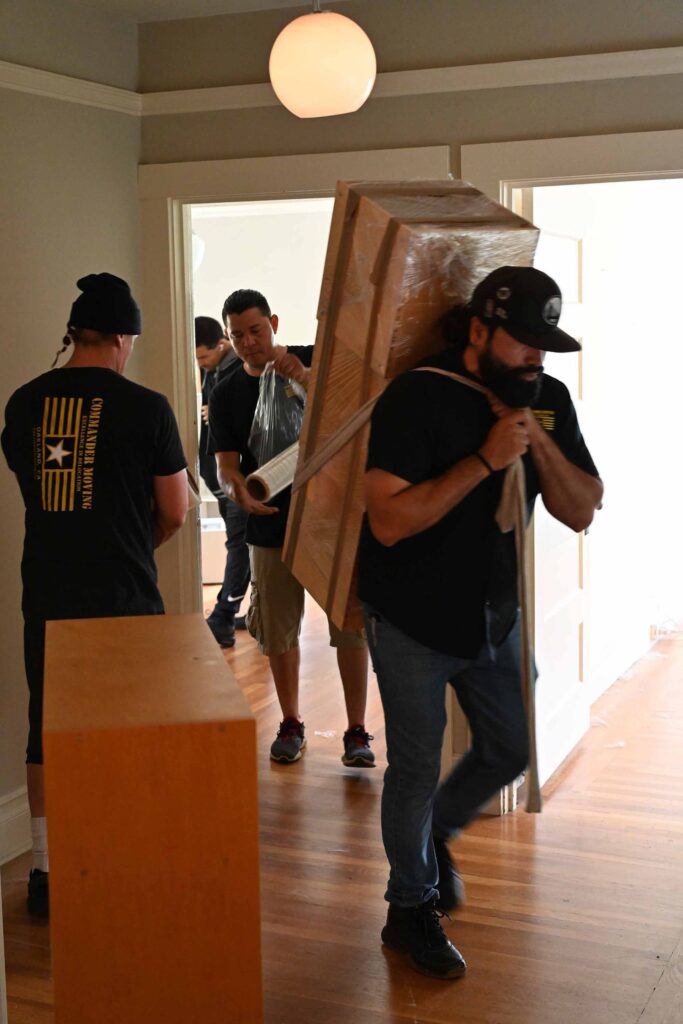
Protecting household belongings begins before moving day. Identifying fragile items, understanding property access, selecting suitable packing materials, and planning how furniture will be loaded can help reduce handling risks. The goal is to minimize preventable damage while recognizing that no moving company can guarantee a completely risk-free relocation.
The Assessment
- Take a complete walkthrough to identify delicate, high-value, or large items that require special care.
- Identify existing damage, fragile components, and belongings that may require additional packing or handling precautions.
- Prepare an inventory of important belongings, identify fragile items, and discuss any required value declarations with the moving company. Avoid displaying the monetary value of expensive possessions on the outside of boxes.
- Rough out a room-by-room strategy that puts packing, loading, and unloading in sequence to minimize double handling.
An accurate assessment helps the moving company identify large furniture, narrow access points, and belongings requiring additional care. Sharing photographs and measurements in advance can make preparation more effective.
The Materials
Different household belongings require different protective materials. Furniture blankets and padded coverings can help protect wood and upholstered surfaces, while suitable cartons, packing paper, and cushioning materials help support fragile items. Mattress covers may help keep bedding clean during handling. Dollies, lifting straps, and floor protection can reduce unnecessary contact with walls and floors when used appropriately. Ask which materials the moving company provides and whether specialty packing adds to the estimate.
It matters what material you put down on each surface. Delicate china deserves more padding than a hardback novel.
The Techniques
Fragile belongings should be individually protected with suitable cushioning, especially around corners, edges, and other vulnerable areas. Some furniture can be disassembled to make transportation safer, but homeowners should confirm whether disassembly and reassembly are included in the moving service. Removable parts should be secured without applying adhesive directly to delicate finishes. Heavy appliances, safes, and oversized furniture may require additional equipment or specialized assistance.
Proper padding, secure positioning, and balanced loading help reduce movement and pressure during transportation.
The Loading
Professional loading involves distributing weight safely and securing large belongings against shifting during transportation. Heavy, sturdy items are generally positioned to provide stability without placing damaging pressure on fragile objects. Furniture pads, straps, and suitable barriers can help separate belongings and reduce movement. Important personal valuables and essential documents should generally remain with the homeowner rather than being placed on the moving truck.
A thoughtful packing arrangement keeps things from tipping over and makes it easier to unload when you arrive.
The Transit
Appropriate load restraint and transportation planning help reduce the risk of belongings shifting during transit. Some artwork, electronics, and other sensitive items may be affected by prolonged exposure to extreme temperatures or humidity. If specialized transportation conditions are necessary, confirm the available arrangements before booking. Homeowners should also ask how the company communicates significant transportation or delivery delays.
Protecting Special Items
Fragile, valuable, and sentimental belongings often need additional preparation before moving day. The appropriate packing method depends on the item’s materials, construction, size, and condition. The following examples illustrate common considerations, although specialty packing and transportation services vary by moving company.
| Item Type | Recommended Preparation | Materials or Arrangements to Discuss |
|---|---|---|
| Glassware and ceramics | Wrap pieces individually, prevent contact, and avoid overloading cartons | Packing paper, cushioning, sturdy dish cartons |
| Artwork and sculptures | Document condition and assess fragile surfaces and unusual dimensions | Artwork cartons, padded protection, specialty crating when available |
| Large electronics | Follow manufacturer instructions and secure removable components | Original packaging, fitted cushioning, suitable electronics cartons |
| Heirlooms and photographs | Protect against pressure, bending, and moisture exposure | Archival-safe materials, rigid containers, personal transport for irreplaceable items |
| Antique furniture | Check vulnerable joints, finishes, and decorative components | Furniture blankets, suitable padding, careful handling, specialist consultation when appropriate |
Fragile Goods
Wrap glassware and ceramic items individually using suitable packing paper or other nonabrasive cushioning. Select the amount of protection according to each item’s shape, weight, and fragility. Keep detachable parts in clearly labeled bags or containers, but avoid attaching tape directly to delicate surfaces. Use sturdy cartons with enough cushioning to prevent pieces from touching or shifting during transportation.
Label fragile cartons clearly and identify their destination rooms. Use appropriately sized, sturdy boxes and avoid excessive weight. Fragile cartons should be positioned so heavier belongings cannot crush them during transportation. Discuss unusually delicate items with the moving company before loading instead of relying on labels alone.
Valuable Art
Valuable artwork may require specialty cartons, protective padding, or custom crating depending on its size, materials, and condition. The necessary cushioning and handling arrangements should be determined for the individual piece rather than following a universal measurement. Ask whether specialty packing is available and whether a qualified art-handling professional should be involved.
Artwork sensitive to temperature or humidity changes may require specialized transportation and storage arrangements. These services should be confirmed with the moving company or an appropriate specialist before booking. Homeowners should also plan where valuable artwork will be stored after delivery, since installation and mounting are not automatically included in residential moving services.
Large Electronics
Original manufacturer packaging is often useful for moving televisions, monitors, and other electronics. When original boxes are unavailable, use suitably sized protective cartons and cushioning designed to support the equipment. Follow manufacturer instructions for screen protection and transportation orientation. Disconnect and label cables, then keep accessories in separate bags or containers rather than taping them directly to sensitive surfaces.
Transport electronics according to the manufacturer’s handling recommendations. Keep screens and delicate components protected from pressure, excessive movement, and heavy objects. Anti-static materials may be appropriate for certain electronic components but are not necessary for every device. Photograph valuable equipment before and after the move and keep any relevant documentation for potential damage claims.
The Mover’s Mindset
Careful residential moving depends on communication, preparation, and attention to the condition of household belongings. Before moving day, homeowners should discuss fragile items, difficult access, and any special handling requirements with the moving company. Clear expectations help the crew prepare suitable equipment and reduce avoidable misunderstandings during loading and delivery.
Professional Training
Professional moving companies should be able to explain how their crews prepare for lifting, loading, packing, and handling different household belongings. Appropriate techniques may include coordinated lifting, furniture padding, securing large items, and recognizing weak or fragile components before transportation. When hiring movers for antiques, electronics, artwork, or unusually heavy furniture, ask about relevant experience and the equipment available for those items. Do not assume every crew has specialized certifications or participates in a particular training program.
Problem Solving
A pre-move assessment can help identify narrow entrances, stairways, limited parking, and other obstacles that affect furniture handling. If conditions change, contact the moving company to discuss available adjustments and whether additional labor, equipment, or time is necessary. Weather may also affect loading and transportation. Professional movers can take reasonable precautions, but changes to staffing, vehicles, or scheduling depend on availability and the written agreement.
Careful Communication
Clear communication helps homeowners understand how their belongings will be handled and what to expect during transportation. Before moving day, ask who will be your primary contact, how scheduling changes are communicated, and whether the company uses an inventory or labeling system. Point out valuable or sentimental belongings and confirm that any special handling requests are documented. These steps can help reduce misunderstandings without promising that every unexpected issue will be eliminated.
Protecting Your Home
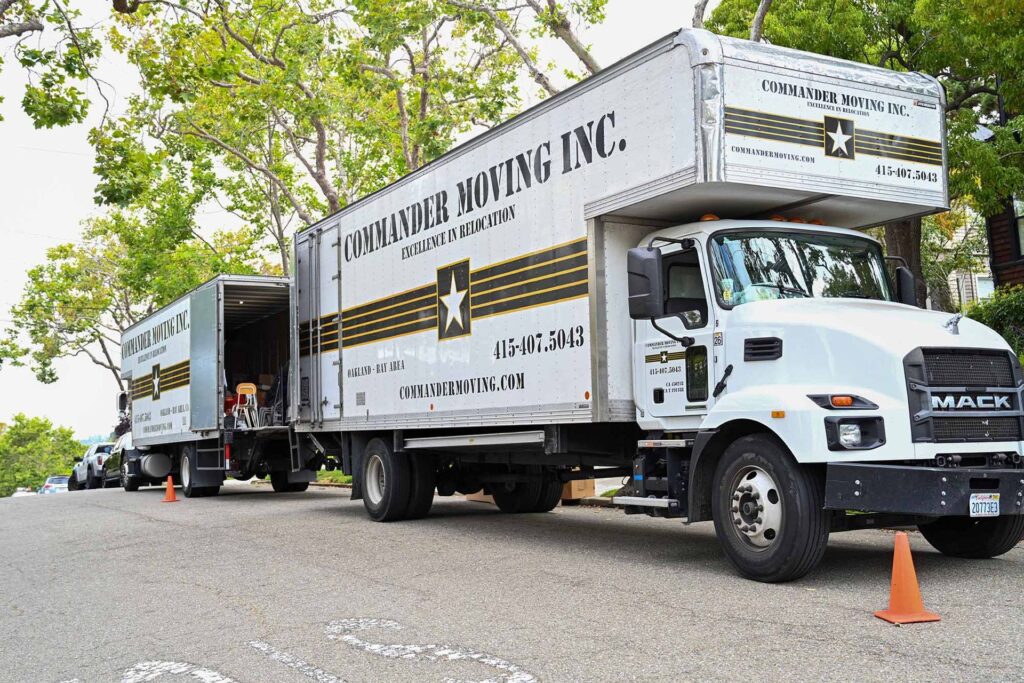
Protecting the property is an important part of residential moving preparation. Floors, walls, doorways, stair railings, and tight corners can be vulnerable when large furniture is being carried through the home. Appropriate protective materials, clear pathways, and careful handling can reduce the risk of scratches, dents, and other damage.
Floor Protection
Choose floor protection according to the surface and the moving equipment being used. Suitable runners or protective coverings may help reduce scratches and tracked-in dirt, provided they are secured appropriately and do not create slipping or tripping hazards. Hardwood, tile, carpet, and other flooring materials have different protection requirements. Ask the mover which materials are appropriate, especially when transporting unusually heavy furniture or appliances.
Moving equipment should be appropriate for the item’s weight and the type of flooring. Dollies, protective pads, and suitable lifting methods may help reduce unnecessary contact with delicate surfaces. Avoid dragging heavy furniture or appliances across unprotected floors. Keep pathways clear of debris and ensure that protective coverings do not create additional hazards.
Weather conditions can affect both property protection and moving-day safety. During rain, use appropriate floor protection and take reasonable precautions to keep packing materials and walkways dry. If conditions make lifting or transportation unsafe, discuss available scheduling adjustments with the moving company.
Wall Protection
Corner protection, furniture padding, and careful maneuvering can help reduce contact between bulky belongings and walls. Protective materials should be suitable for the surfaces involved, and adhesive products should not be applied to delicate finishes without confirming they are safe to use. Measure large furniture and narrow openings before moving day to identify potential access problems.
Discuss narrow hallways and vulnerable surfaces with the moving crew before carrying oversized furniture. Proper lifting and the assistance of additional crew members, when necessary, can help reduce accidental contact. Inspect vulnerable areas before and after moving so any concerns can be documented promptly.
Doorway Protection
Doorframe protectors and suitable furniture padding can help reduce damage when large belongings pass through entrances. Measure oversized furniture and compare its dimensions with doorways, hallways, and stair turns. If removing a door or another fixture appears necessary, obtain permission from the property owner and confirm who will perform the work. Do not assume furniture modification or fixture removal is included in the moving service.
Large furniture and heavy belongings should be positioned and secured appropriately for transportation. Fragile cartons should remain protected from excessive weight or pressure. Clear labeling and organized loading can also make unloading more manageable at the destination.
Understanding Mover Liability
Understanding moving-company liability is essential when transporting valuable household belongings. A moving company’s responsibility for loss or damage depends on applicable regulations, the circumstances of the claim, and the valuation protection selected. Homeowners should review the written agreement, available protection options, and claims procedures before moving day. Liability protection should not be confused with a separate insurance policy.
Levels Of Liability Coverage
| Coverage Type | What It Pays | Typical Cost | When It Applies |
| Released Value Protection (Basic Carrier Liability) | Limited compensation based on an item’s weight rather than its actual value | Generally included at no additional charge | When selected under the mover’s applicable terms |
Full-Value Protection provides broader protection for your belongings. Under the applicable terms, the mover may repair a damaged item, replace it with a comparable item, or offer a cash settlement. This option generally costs more than basic protection and should be arranged before the move.
Third-party moving insurance is purchased separately and may provide additional coverage. Replacement terms, exclusions, and deductibles vary by policy, so review the details carefully.
Released Value Protection offers limited compensation based on weight. As a result, reimbursement may fall well below the repair or replacement cost of lightweight, valuable, or fragile belongings.
In contrast, Full-Value Protection insures the item’s fixed value, whether repaired or replaced, or reimburses the depreciated value depending on the carrier. The type of coverage you select sets the compensation cap, making it essential to examine your options thoroughly.
Customers must examine coverage options and pre-declare valuables in writing. Examples include listing fine art, antiques, jewelry, or high-end electronics and providing receipts or appraisals. Making a list of what’s being moved ensures it is counted and priced into any protection plan. If acts of nature cause damage, movers typically aren’t responsible unless the customer secured broader coverage such as full-value or third-party policies.
If damage or loss occurs, claim immediately and gather evidence. Photograph the items, retain all packing lists and delivery receipts, and observe the packaging and the truck. Claims need inventories, value verification through receipts or appraisals, and specific damage descriptions. Federal regulations give you as long as nine months to make interstate claims, but movers sometimes enforce 30- to 90-day windows, so read the fine print and move fast.
Preventive steps can significantly reduce both risk and disputes during the moving process. Photographing and inventorying your important belongings, using sturdy boxes and quality padding, labeling fragile items, and attending the pre-move survey to confirm handling plans are all vital. These activities not only strengthen your assertions but also reduce the risk of preventable problems during your relocation.
Navigating Unforeseen Challenges
Even a carefully planned move can be affected by weather, traffic delays, parking restrictions, or unexpected access challenges. Advance preparation and clear communication help homeowners and moving crews respond to these circumstances. Discuss possible delays and the company’s procedures for addressing changes before moving day.
Preparing for Weather and Access Challenges
Check weather forecasts before moving day and discuss any conditions that could affect loading or transportation. Protective covers and suitable packing materials may help reduce exposure to moisture, while safe access routes can reduce slipping hazards. Traffic, narrow streets, and limited parking may also affect the schedule. Share access restrictions with the moving company in advance and confirm how significant delays or unsafe conditions will be handled.
Adjusting to Last-Minute Changes
If the moving schedule or access conditions change, contact the moving company as soon as possible. Additional belongings, unexpected parking restrictions, and delayed property access may require adjustments to the original plan. Confirm whether the company can accommodate the requested change, how the schedule may be affected, and whether the agreement requires updated documentation or charges.
Communicating During Moving-Day Challenges
Confirm the expected arrival and delivery windows before moving day. Ask who will communicate significant delays and how to reach the company if access conditions or scheduling requirements change. Clearly identify fragile belongings and review any special handling instructions with the crew. Keeping a written record of important changes can help avoid misunderstandings.
The Value of Experienced Moving Assistance
Experienced residential movers can help homeowners manage heavy lifting, furniture handling, and transportation challenges. Appropriate equipment, protective materials, and organized loading may reduce avoidable damage risks. Although unexpected situations can still arise, clear communication and careful preparation make the relocation easier to manage.
Conclusion
Protecting furniture and valuable belongings during a residential move requires appropriate preparation, packing materials, and handling methods. Professional movers can help reduce damage risks through furniture padding, secure loading, careful transportation, and attention to difficult property access. However, specialty services and liability protection vary, making it important to review the moving agreement before booking.
Homeowners should document valuable belongings, discuss fragile or oversized items, and confirm which packing and protection services are included. For those planning a relocation in the San Francisco Bay Area, Commander Moving provides residential moving services and can help discuss the handling requirements of an upcoming move.

Frequently Asked Questions
1. How Do Movers Protect Wooden Furniture From Scratches And Dents?
Residential movers can use furniture blankets, padded coverings, stretch wrap, and suitable moving equipment to help protect wooden furniture. Careful lifting and secure positioning may reduce scratches and dents during loading and transportation. Delicate finishes or antique pieces may require additional precautions, so identify them before moving day.
2. Will Movers Wrap And Box Fragile Items Like Glass And Artwork?
Many residential moving companies offer packing assistance for fragile belongings, although specialty services vary. Glassware, artwork, and other delicate items may require appropriate cartons, cushioning, and secure positioning. Ask whether packing materials, specialty cartons, or custom crating are available and whether additional charges apply.
3. How Do Movers Secure Heavy Items Inside The Truck?
Moving crews can use appropriate securing equipment, weight distribution, and protective padding to stabilize heavy furniture and appliances. Proper positioning helps reduce movement during transportation and prevents heavy objects from placing excessive pressure on fragile belongings. The specific techniques depend on the shipment and available equipment.
4. What Protection Do Movers Offer For Electronics And Appliances?
Electronics and appliances may require special preparation before moving. Follow manufacturer recommendations for disconnecting, draining, securing, and transporting each item. Professional movers may provide protective wrapping or suitable moving cartons, but appliance disconnection and reconnection services should not be assumed. Confirm responsibilities and any additional handling requirements in advance.
5. Are There Extra Measures For High-Value Or Sentimental Items?
Valuable or sentimental belongings may require additional documentation, specialized packing, or a separate transportation arrangement. Ask whether the moving company offers the required handling services and review any applicable exclusions or liability limitations. For exceptionally valuable or irreplaceable items, consider consulting a qualified specialist or arranging personal transportation when appropriate.
6. How Do Movers Protect My Home During Loading And Unloading?
Residential movers may use floor runners, furniture padding, protective coverings, and careful handling to reduce damage to walls, floors, and doorframes. The materials used depend on the property and moving requirements. Ask which protective measures are included and discuss vulnerable surfaces or narrow access points before the crew arrives.
7. What Should I Do If Items Are Damaged During The Move?
Photograph the damaged belongings, record the condition of the items, and notify the moving company promptly. Keep your inventory, written agreement, valuation selections, and delivery documents. Submit a written claim under the applicable procedure and within the required filing period. For California intrastate and federally regulated interstate household moves, the written claims period is generally nine months. Review the agreement and applicable regulations for the specific requirements.
New Home. New Beginning. Let Our Residential Movers Handle the Heavy Lifting!
Moving into a new home should feel like the start of something exciting, not an endless checklist of boxes, heavy furniture, packing supplies, and moving-day headaches. Whether you’re upgrading to your dream home, downsizing for a simpler lifestyle, or relocating your family across the Bay Area, you don’t want to spend moving day stressed about what could go wrong. At Commander Moving Inc., our experienced Residential Movers take the pressure off your shoulders, making it easier to leave the stress behind and look forward to what’s next.
Your belongings aren’t just things. They’re the furniture you’ve gathered over the years, the family keepsakes you treasure, and the everyday essentials that make a house feel like home. That’s why our professional residential moving services focus on careful handling, dependable service, and attention to detail. From packing and protecting your belongings to loading, transportation, and unloading, our team handles the hard work so you don’t have to. Whether you’re moving from a small apartment or a large family home, we’ll help make your transition as smooth and organized as possible.
Imagine arriving at your new home feeling excited instead of exhausted. No struggling with oversized furniture, no worrying about how everything will get there, and no sacrificing your weekends to manage the move alone. With over 15 years of experience serving the San Francisco Bay Area, Commander Moving Inc. helps families and homeowners move with greater confidence. From local residential moves to statewide and long-distance relocations, we’re here to help you settle into your next chapter with less stress and more peace of mind.
Ready to make your next move your easiest one yet? Contact Commander Moving Inc. today for a free residential moving estimate and let our professional movers handle the heavy lifting while you focus on making your new house a home!
Disclaimer
The materials available on this website are provided for general informational and educational purposes only and are not intended as legal, financial, moving, storage, or professional advice. Every move is different, and you should contact a qualified moving professional regarding your specific relocation needs, timelines, pricing, storage requirements, or specialty moving concerns.
Do not act or rely solely on the information contained on this website without first speaking directly with Commander Moving or another qualified professional regarding your individual situation. While we strive to keep the information on this website accurate and up to date, moving regulations, service availability, pricing, and operational details may change without notice.
Commander Moving disclaims all liability for actions taken or not taken based on any content found on this website to the fullest extent permitted by law. Use of this website or communication through this website does not create a contractual agreement for moving services unless confirmed in writing by Commander Moving.