Is hiring residential movers better than handling a family move yourself? For many households, professional moving assistance can reduce the physical work, scheduling challenges, and transportation responsibilities involved in relocating. Moving with children, older relatives, or a large household inventory often requires coordinating childcare, work schedules, furniture handling, and access to two properties. Professional residential movers can help manage loading, transportation, and unloading, while additional services such as packing may be available. However, DIY moving can still be practical for smaller relocations with sufficient time and assistance. This guide compares professional residential movers with DIY moving, including costs, safety considerations, household belongings, and the factors families should evaluate before choosing an approach.
Key Takeaways
- Professional residential movers provide written estimates that help families understand the cost of labor, transportation, and selected services. Comparing these charges with truck rental, supplies, and personal time can help determine whether professional moving offers better overall value.
- Professional moving assistance can reduce the amount of heavy lifting family members must perform. Keeping children, pets, and older relatives away from active loading areas can also help reduce moving-day safety risks.
- Appropriate furniture padding, packing materials, and secure loading can help reduce damage risks. Homeowners should confirm available packing services and understand the mover’s applicable liability protection.
- Experienced moving crews can organize loading and transportation, potentially reducing the time family members spend moving belongings. The overall schedule depends on household size, distance, property access, and selected services.
- Hiring residential movers may reduce some of the physical and logistical responsibilities of relocation, allowing parents and caregivers to focus on other family needs.
- When comparing DIY moving with professional residential movers, consider your budget, available time, household size, physical capabilities, and property access. Request written moving estimates to understand the services and costs before making a decision.
The Hidden Costs and Challenges of DIY Moving
DIY moving can be appealing for families who want greater control over their schedule and are comfortable handling the physical work themselves. However, the total cost includes more than the initial truck rental. Fuel, mileage charges, moving equipment, packing materials, parking, and additional rental days can increase expenses. Long-distance relocations may also involve lodging, meals, and other travel costs. While moving independently may be less expensive for some households, comparing the complete budget with professional moving estimates provides a more realistic understanding of the financial trade-offs.
Moving furniture, appliances, and heavy boxes can be physically demanding, particularly when stairs, narrow entrances, or long carrying distances are involved. Families handling a move themselves must consider the time needed for packing, loading, driving, and unloading. Fatigue and unfamiliarity with moving equipment may increase the possibility of accidents or property damage. Friends and relatives can provide valuable assistance, but the work should be planned according to everyone’s physical abilities and the equipment available.
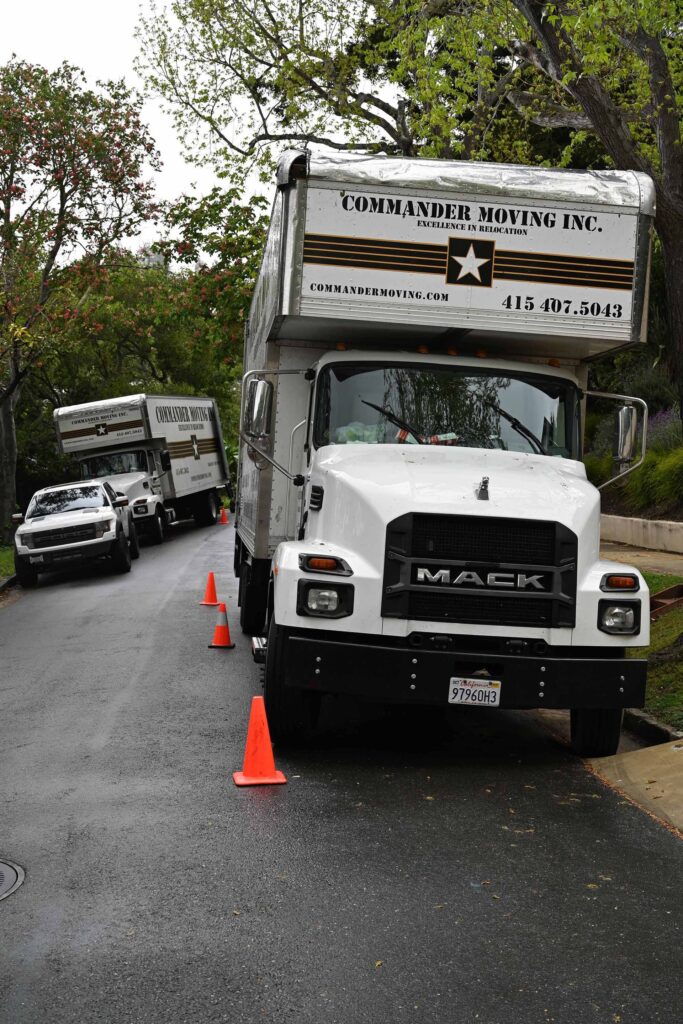
DIY moving also requires coordinating transportation and property access. Homeowners may need to choose an appropriately sized rental truck, arrange parking, reserve building elevators, and plan loading times. Busy Bay Area neighborhoods can present additional challenges involving narrow streets and restricted parking. Professional movers can help families understand transportation and access requirements, although homeowners should confirm who is responsible for permits, elevator reservations, and other property arrangements.
Families should also consider the responsibility that comes with transporting their belongings independently. During a DIY move, homeowners generally manage packing, loading, transportation, and the condition of their possessions. Rental vehicle agreements and any applicable insurance policies may address certain losses, but coverage varies. The need to coordinate these responsibilities while maintaining work and family routines can create additional stress. The time required to unpack and settle into a new home depends on the size of the move and the household’s circumstances.
These financial, physical, and logistical considerations help explain why some families choose professional residential movers rather than handling every task themselves. However, the best approach depends on the household’s budget, available assistance, moving distance, and personal priorities. A careful comparison can help families choose the level of professional support that makes sense for their relocation.
Why Choose Residential Movers?
Professional residential movers can help families manage some of the most physically demanding and time-consuming aspects of relocation. Depending on the services selected, moving assistance may include loading, transportation, unloading, and packing support. These benefits can be especially useful for large households, parents with young children, or families facing difficult property access.
Clear Written Estimates: Professional movers provide estimates that identify the agreed services and applicable pricing terms. For California intrastate household moves, customers should review the required Not-to-Exceed price. Interstate moves may involve binding or non-binding estimates under federal regulations. Compare the written estimate with the complete cost of handling the move independently.
Convenient Moving Services: Professional movers typically handle loading, transportation, and unloading. Additional services, such as packing, furniture disassembly, reassembly, or unpacking, may be available depending on the moving company and selected package. Confirm the scope before booking.
Liability Protection: Moving companies have obligations regarding lost or damaged belongings, but the available valuation options depend on the type of move and applicable regulations. Valuation protection differs from a separate moving insurance policy. Homeowners should review the applicable limits, exclusions, and claims procedures.
Handling Difficult Belongings: Residential movers may have equipment and experience suitable for large furniture and awkward household items. Pianos, antiques, artwork, and unusually heavy belongings may require specialized arrangements that should be confirmed before booking.
Scheduling and Communication: Professional movers can explain expected pickup and delivery arrangements. Ask how significant delays are communicated and whether shipment updates or tracking services are available for your particular relocation.
Transportation Planning: Experienced moving crews can organize loading and select appropriate transportation arrangements based on the size of the shipment. Secure loading and suitable equipment can help reduce handling difficulties, although time savings and overall costs vary.
1. Family Safety
Heavy furniture, appliances, and numerous moving boxes can create physical challenges during a family relocation. Professional movers can use appropriate lifting methods, moving equipment, and coordinated handling to reduce the amount of strenuous work homeowners perform. Children and pets should remain away from active loading areas, particularly near stairways, doorways, and moving vehicles. Families should also communicate any difficult access conditions before moving day.
2. Belongings Protection
Professional movers may use furniture blankets, protective wrapping, suitable cartons, and secure loading methods to help reduce damage risks. Fragile belongings such as dishware, electronics, and antiques may require additional packing materials or specialized assistance. Families should identify valuable items before booking and confirm the services and liability protection available for those belongings.
3. Time-Efficient Moving Services
Professional moving crews can coordinate loading and transportation tasks that families would otherwise need to perform themselves. This can be particularly helpful when a relocation involves multiple bedrooms, heavy furniture, or limited time between properties. The amount of time saved depends on the household inventory, moving distance, access conditions, and selected services.
4. Stress Reduction
Hiring residential movers can reduce the need to coordinate volunteer helpers, rental equipment, and transportation independently. Families can use the time to manage childcare, essential documents, utility arrangements, and preparations for their new home.
5. Total Efficiency
Professional moving assistance may improve organization through coordinated loading, suitable equipment, and a clear division of responsibilities. For families with substantial belongings, this can reduce some of the work required on moving day. However, professional movers cannot guarantee faster completion or eliminate all possible delays.
The True Cost Of Moving
The total cost of moving includes transportation, materials, labor, and the time required to complete the relocation. Comparing DIY moving with professional residential services involves examining which expenses are included in each option. Some costs are predictable, while others depend on the household’s circumstances or unexpected events.
- Fuel and mileage overages on rental trucks
- Rental truck protection options and any applicable insurance or liability limitations
- Equipment rental: dollies, furniture pads, straps
- Packing materials: boxes, tape, bubble wrap, specialty crates
- Meals on the road and extra overnight stays
- Lost wages from time off work and reduced productivity
- Repair or replacement of damaged furniture and appliances
- Potential costs associated with an injury, where relevant, rather than assuming an injury will occur
- Additional rental time, extra labor, or unexpected packing supply purchases
- Disposal fees for unwanted items or debris
To compare costs fairly, begin with the rental truck, estimated fuel, mileage charges, packing supplies, and equipment required for a DIY move. Add any predictable expenses such as parking, travel, or assistance with heavy furniture. Then compare this total with a professional moving estimate covering the same household inventory and transportation requirements. Potential accidents or property damage should be discussed as risks rather than treated as expenses that automatically occur during a DIY relocation.
Professional moving estimates generally identify transportation and labor charges, while packing materials and other services may be included or billed separately. The applicable pricing method also depends on the relocation. Hiring movers may reduce the amount of physical work homeowners perform, but professional assistance does not eliminate every risk or unexpected expense. Compare written estimates with your expected DIY costs and household priorities before deciding.
Cost Comparison: DIY Moving vs. Residential Movers
| Cost consideration | DIY moving | Professional residential movers |
|---|---|---|
| Transportation | Truck rental, fuel, mileage, and applicable fees | Transportation charges included or identified in the estimate |
| Labor | Household members or separately arranged helpers | Moving crew labor under the agreed service scope |
| Packing | Purchased materials and personal time | Optional packing labor and materials, depending on the package |
| Equipment | Rental or purchase of dollies, pads, and other supplies | Appropriate equipment used for the agreed moving services |
| Liability protection | Depends on rental agreements and other applicable policies | Governed by the mover’s applicable valuation terms |
| Scheduling | Homeowners manage the process | The company coordinates its agreed moving responsibilities |
| Unexpected expenses | May include extra rental days, supplies, or repairs | May include authorized additional services or other permitted charges |
The best financial choice depends on the size and complexity of the move. Families should compare total costs alongside time commitments, physical demands, available assistance, and the services they want professionals to handle.
Handling Your Family’s Treasures
Family homes often contain belongings with both practical and sentimental importance, from inherited furniture and framed photographs to fragile dishes and electronics. These items may require additional preparation because their value cannot always be measured by replacement cost alone. Professional residential movers can help with appropriate packing and transportation arrangements, depending on the services offered. Homeowners should identify fragile or irreplaceable belongings early and discuss any special handling requirements.
Preparing Family Heirlooms and Valuable Belongings
Artwork, antiques, heirlooms, and unusually delicate belongings may require additional padding, suitable cartons, or specialist handling. Before moving day, photograph valuable items, document existing damage, and prepare a household inventory. Ask whether the moving company provides specialty packing or inventory assistance and how these services are priced. Irreplaceable personal items, important documents, and small valuables may be better transported by the homeowner.
Packing Fragile Items, Electronics, and Furniture
Fragile belongings need packing methods appropriate to their size, materials, and construction. Electronics should be prepared according to manufacturer recommendations, while delicate artwork may require specialized cartons or additional cushioning. Appliances may need to be disconnected, emptied, or secured before transportation, but homeowners should confirm who is responsible for that preparation. Professional packing assistance can reduce preparation work when available, although it does not guarantee damage-free delivery.
Understanding Liability Protection for Valuable Items
Moving-company liability protection establishes the carrier’s financial responsibility for covered loss or damage according to applicable regulations and the moving agreement. This protection is different from a separate moving insurance policy. Because sentimental belongings can be difficult or impossible to replace, homeowners should document valuable items, review the available valuation options, and understand the claims process before transportation.
Organizing Unloading and Settling Into Your New Home
Organized unloading can help families locate important belongings and begin settling into their new home. Label boxes by room and identify essential items such as bedding, children’s supplies, and kitchen necessities. Ask whether furniture assembly or unpacking services are available and included in the estimate. Parents can also keep familiar belongings accessible to help children adjust during the first few days.

The Unseen Emotional Toll
Relocating can be emotionally demanding for families because it involves changes to routines, familiar surroundings, school schedules, and household responsibilities. Parents may need to coordinate packing and transportation while also helping children adjust to a new environment. Managing every moving task independently can add to these responsibilities, especially when time is limited. Professional moving assistance may reduce some of the physical and logistical work involved, allowing families to devote more attention to the transition.
Children and pets may respond differently to changes in their surroundings and routines. Some children benefit from familiar belongings, clear explanations, and opportunities to participate in age-appropriate moving preparations. Pets may need a quiet space away from loading activity. Parents can make the transition more manageable by maintaining essential routines and setting realistic expectations. Professional movers can handle transportation and heavy lifting while family members focus on these needs.
Professional moving assistance can allow parents and caregivers to focus on practical family needs during relocation. While the crew manages agreed loading and transportation tasks, family members can organize essential belongings, coordinate childcare, and prepare the destination home. Keeping bedding, medications, school supplies, and familiar comfort items accessible may help maintain routines during the first days after moving.
Clear expectations about the moving schedule can make family planning easier. Ask the moving company about arrival windows, communication procedures, and how significant delays are handled. Keeping children and pets away from active moving areas and setting aside a bag of essentials can help families prepare for unexpected changes.
Establishing clear responsibilities can reduce confusion during a family relocation. Before booking, confirm which moving tasks the company will perform and which preparations remain your responsibility. Review the written estimate, discuss special handling needs, and identify a primary contact for moving-day questions. This preparation can help families approach the transition with greater confidence.
Making The Right Decision
Choosing between DIY moving and professional residential movers requires balancing costs, available time, physical demands, and household responsibilities. A smaller local relocation with limited belongings may be manageable independently, while a larger family move may benefit from professional assistance. The most suitable approach depends on the distance, property access, available help, and the services a household needs.
Key factors to consider when choosing a moving approach:
- Total cost of truck rental, fuel, packing materials, and applicable coverage.
- Time available for packing, loading, driving, and unloading.
- Moving distance in miles, estimated travel time, and transportation requirements.
- Volume and weight of items, and whether specialty items exist.
- Physical capacity and health of household members.
- Applicable liability protection, rental vehicle coverage, and any separate insurance needs.
- Risks to belongings and to family safety.
- Local parking, building access, and loading dock constraints.
- Desire for lower stress and more predictable timelines.
Comparing DIY moving with professional assistance is easier when both options are evaluated against the same household needs. Consider the time required for packing, the equipment necessary for heavy belongings, property access restrictions, and the total transportation cost. The following comparison highlights practical differences families should evaluate before deciding.
| Factor | DIY moving | Professional residential movers |
|---|---|---|
| Cost | May cost less for smaller moves, but requires budgeting for rentals, fuel, supplies, and time | Involves professional service charges based on the estimate and agreed scope |
| Time and effort | Family members manage packing, loading, transportation, and unloading | Movers handle agreed physical and transportation tasks |
| Belongings protection | Depends on the household’s packing methods and equipment | Moving crews may provide protective materials, suitable equipment, and organized loading |
| Distance | Can be practical for short moves or manageable inventories | May be especially useful for larger or more complex relocations |
| Flexibility | Homeowners control many arrangements but must coordinate each task | Scheduling and available services are established with the provider |
Some households find DIY moving manageable, particularly for smaller relocations with sufficient time and assistance. Others may prefer professional support when the move involves several bedrooms, heavy furniture, children, or complicated schedules. Comparing these needs with written moving estimates can help determine which approach is more suitable.
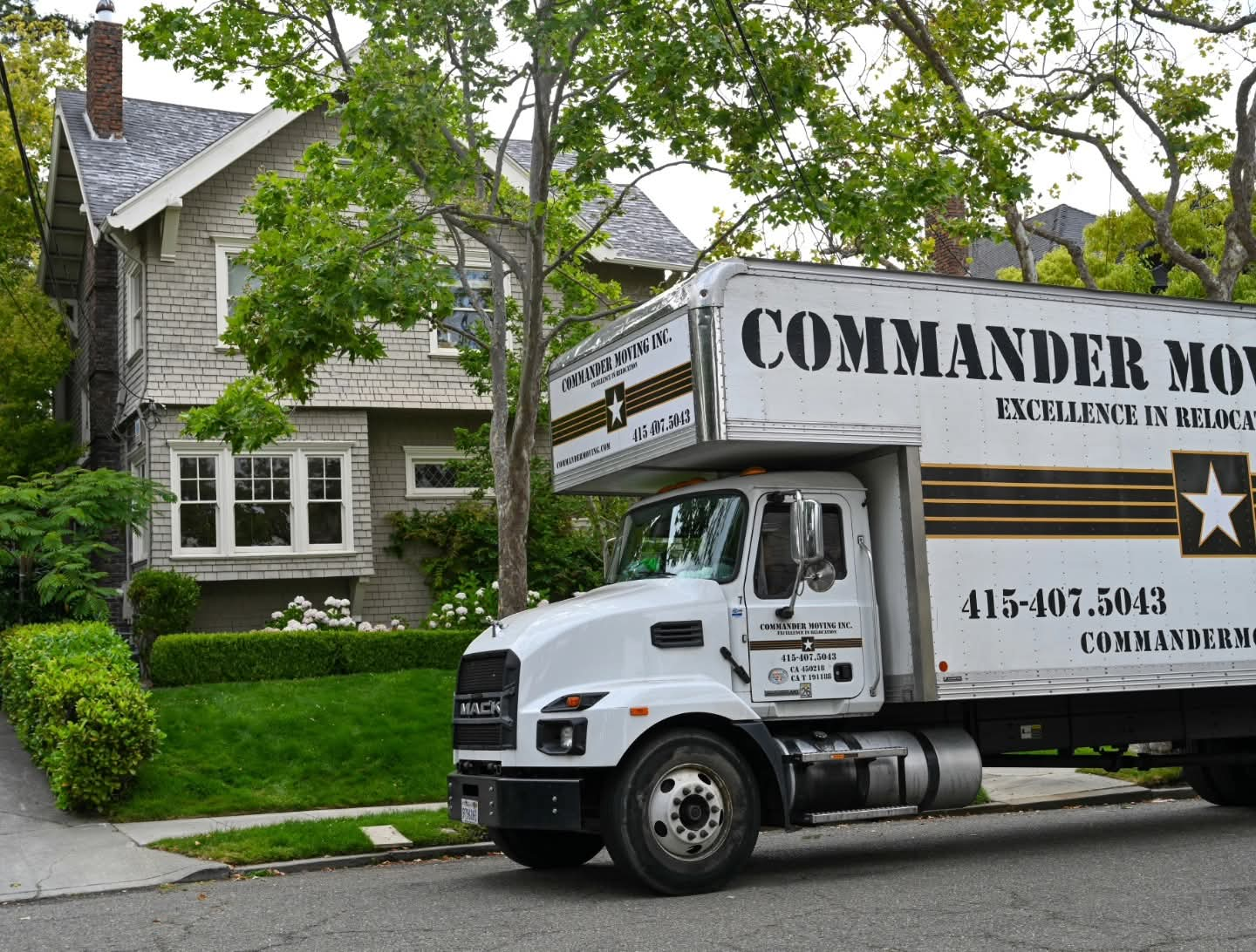
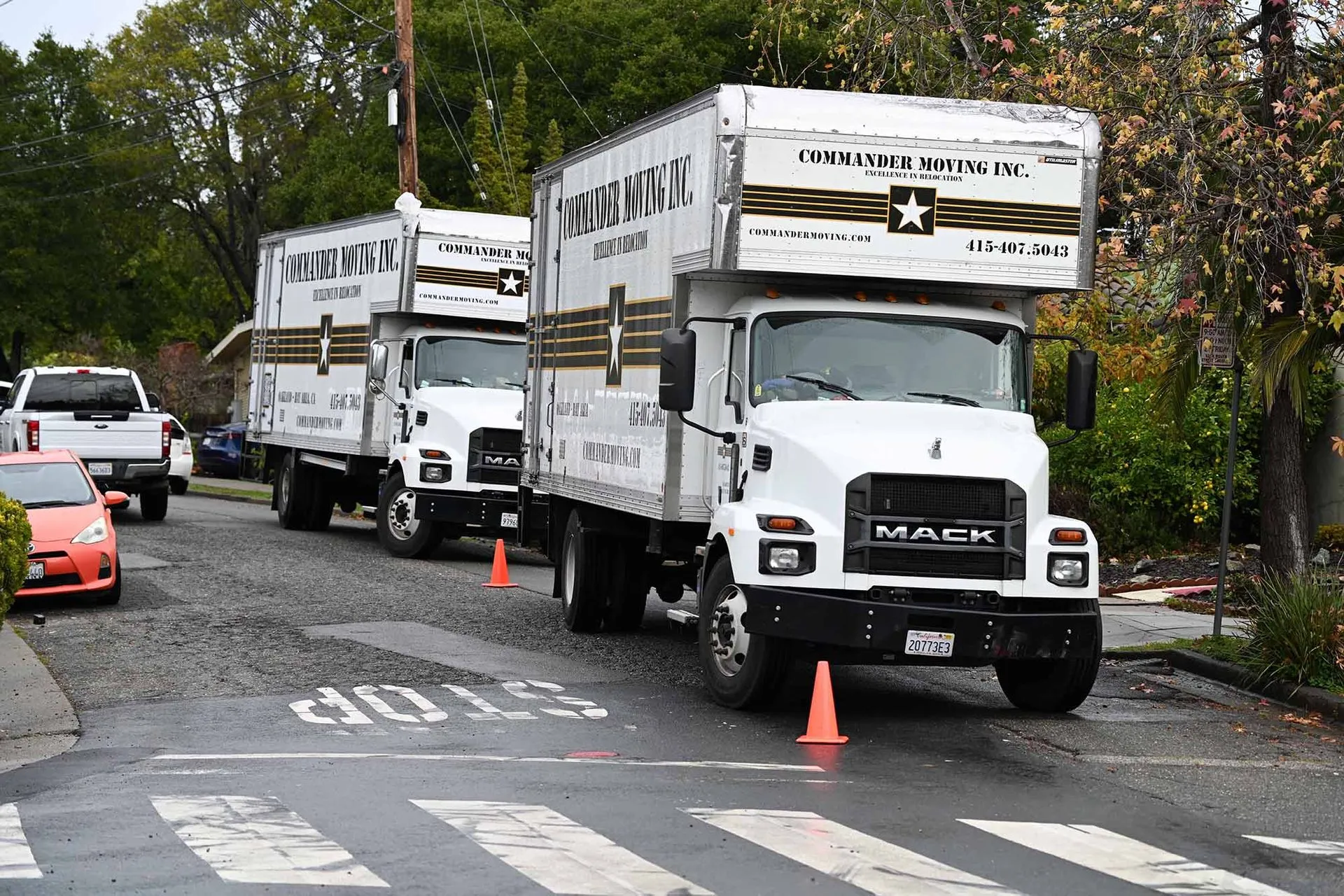
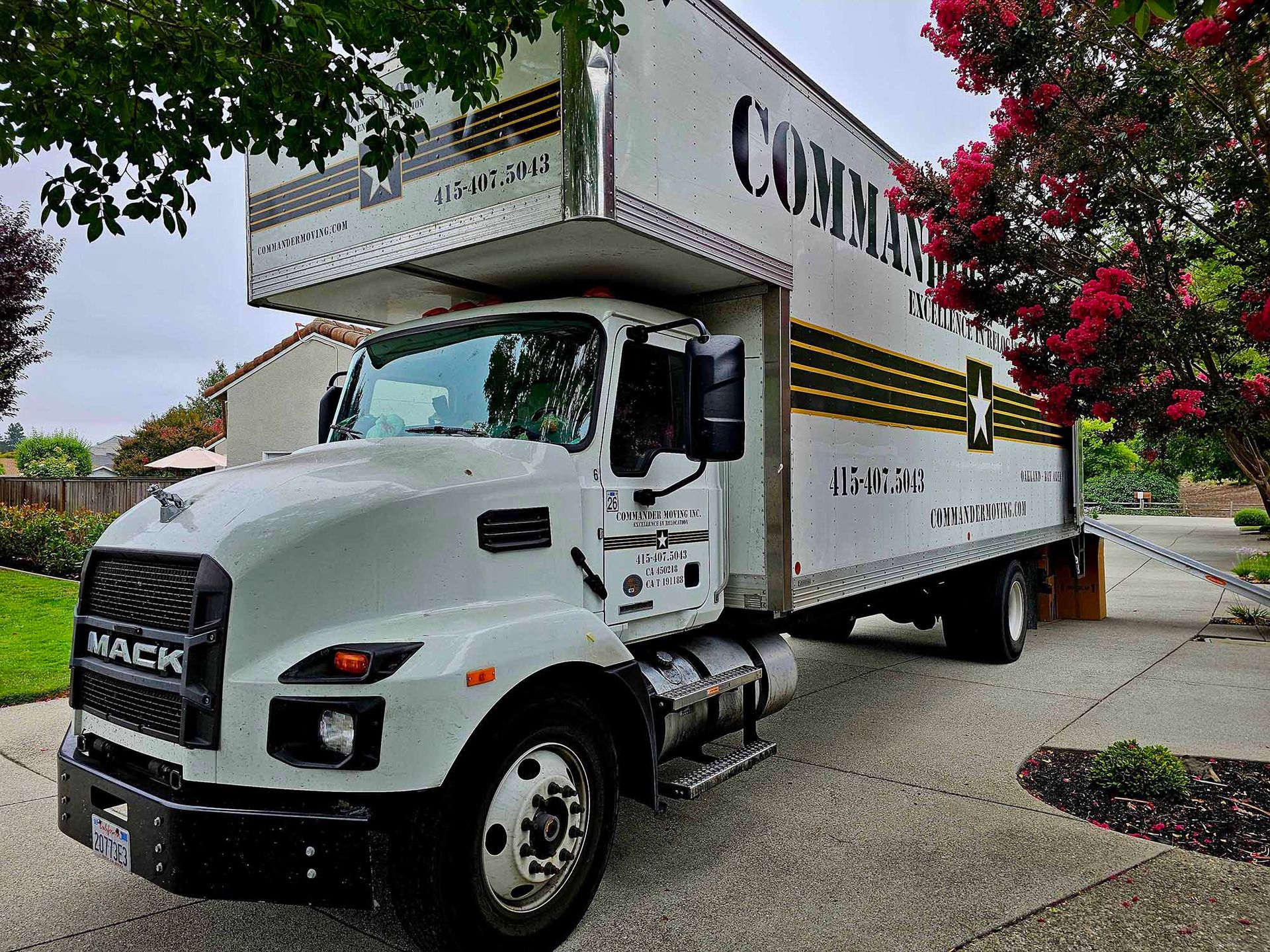
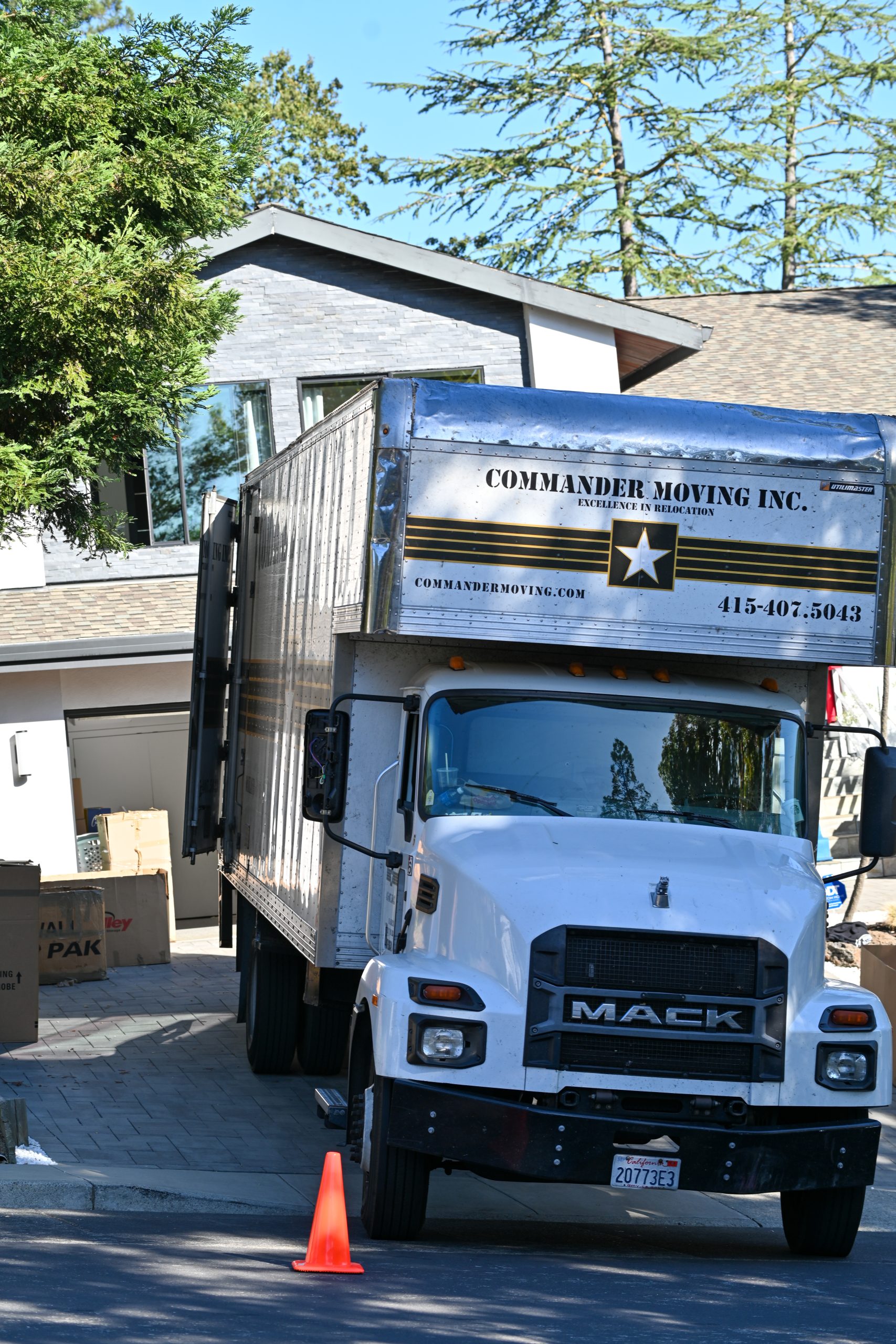
For families considering professional moving assistance in the Bay Area, Commander Moving provides residential moving services that can help with the physical and transportation requirements of relocation. Homeowners can discuss their inventory, moving dates, access conditions, and packing needs to understand the available options. Learn more about Commander Moving’s residential moving services or request an estimate.

Conclusion
Choosing between DIY moving and professional residential movers depends on a family’s priorities, moving budget, and relocation requirements. While moving independently may be suitable for smaller households, professional assistance can reduce heavy lifting, transportation responsibilities, and some of the logistical challenges associated with relocating. Families with children, older relatives, or extensive belongings may particularly value the additional support.
Before making a decision, compare the total costs, time commitments, physical demands, and available services. Review written estimates, verify the moving company’s credentials, and understand the applicable liability protection. For families planning a relocation in the San Francisco Bay Area, Commander Moving offers residential moving services and can help discuss the requirements of an upcoming move.
Frequently Asked Questions
1. Why Are Residential Movers Safer Than DIY Moving For Families?
Professional residential movers can reduce the amount of heavy lifting family members must perform. Appropriate equipment, coordinated carrying techniques, and careful loading may help manage risks when transporting furniture and other bulky belongings. Children and pets should remain away from active loading areas. Although professional assistance can reduce physical demands, no moving process is completely free of safety risks.
2. How Do Residential Movers Save Families Money Compared To DIY?
Hiring residential movers does not necessarily cost less than moving independently. However, professional estimates may include labor, transportation, and equipment that families would otherwise arrange separately. To compare the options fairly, consider truck rental, fuel, packing supplies, time away from work, and the services included in each professional estimate.
3. Can Movers Handle Fragile Family Items Better Than I Can?
Residential movers may offer packing materials and handling methods appropriate for fragile belongings, including protective wrapping, padded cartons, and careful loading. However, specialty crating and fine-art handling are not automatically available from every moving company. Inform the mover about fragile or valuable items before booking and confirm any additional preparation requirements.
4. Do Residential Movers Reduce The Emotional Stress Of Moving?
Professional movers can reduce the physical and logistical work involved in relocation, potentially making the experience more manageable for families. Parents may have more time to coordinate childcare, prepare essential belongings, and help children adjust to their new surroundings. The benefits depend on the services selected and the household’s circumstances.
5. Are Professional Movers Insured For Family Belongings?
Residential moving companies must meet applicable insurance and liability requirements, but the protection available for household belongings depends on the type of move and selected valuation terms. Interstate movers are required to offer Released Value Protection and Full Value Protection. California intrastate moves follow separate state rules. Valuation protection is different from a separate moving insurance policy, so review the applicable terms before signing an agreement.
6. How Do Movers Protect Homes During The Move?
Residential movers may use floor coverings, furniture padding, protective wrapping, and careful handling to help reduce damage to walls, floors, and doorways. The specific protective materials depend on the company and the property. Before moving day, identify delicate flooring, narrow entrances, stairways, and other areas requiring additional care.
7. How Do I Choose A Reliable Residential Moving Company?
Choose a residential moving company with verifiable credentials, a clear written estimate, relevant experience, and recent customer feedback. California homeowners should verify the mover’s authorization through the Bureau of Household Goods and Services and understand the required Not-to-Exceed price for intrastate household moves. Ask about included services, additional charges, scheduling, and liability protection before booking.
New Home. New Beginning. Let Our Residential Movers Handle the Heavy Lifting!
Moving into a new home should feel like the start of something exciting, not an endless checklist of boxes, heavy furniture, packing supplies, and moving-day headaches. Whether you’re upgrading to your dream home, downsizing for a simpler lifestyle, or relocating your family across the Bay Area, you don’t want to spend moving day stressed about what could go wrong. At Commander Moving Inc., our experienced Residential Movers take the pressure off your shoulders, making it easier to leave the stress behind and look forward to what’s next.
Your belongings aren’t just things. They’re the furniture you’ve gathered over the years, the family keepsakes you treasure, and the everyday essentials that make a house feel like home. That’s why our professional residential moving services focus on careful handling, dependable service, and attention to detail. From packing and protecting your belongings to loading, transportation, and unloading, our team handles the hard work so you don’t have to. Whether you’re moving from a small apartment or a large family home, we’ll help make your transition as smooth and organized as possible.
Imagine arriving at your new home feeling excited instead of exhausted. No struggling with oversized furniture, no worrying about how everything will get there, and no sacrificing your weekends to manage the move alone. With over 15 years of experience serving the San Francisco Bay Area, Commander Moving Inc. helps families and homeowners move with greater confidence. From local residential moves to statewide and long-distance relocations, we’re here to help you settle into your next chapter with less stress and more peace of mind.
Ready to make your next move your easiest one yet? Contact Commander Moving Inc. today for a free residential moving estimate and let our professional movers handle the heavy lifting while you focus on making your new house a home!
Disclaimer
The materials available on this website are provided for general informational and educational purposes only and are not intended as legal, financial, moving, storage, or professional advice. Every move is different, and you should contact a qualified moving professional regarding your specific relocation needs, timelines, pricing, storage requirements, or specialty moving concerns.
Do not act or rely solely on the information contained on this website without first speaking directly with Commander Moving or another qualified professional regarding your individual situation. While we strive to keep the information on this website accurate and up to date, moving regulations, service availability, pricing, and operational details may change without notice.
Commander Moving disclaims all liability for actions taken or not taken based on any content found on this website to the fullest extent permitted by law. Use of this website or communication through this website does not create a contractual agreement for moving services unless confirmed in writing by Commander Moving.