Moving to a new home can be stressful, especially when you’re balancing packing, work schedules, family responsibilities, and the logistics of transporting your belongings. Professional residential movers can help reduce some of that pressure by managing physically demanding tasks such as loading, transportation, and unloading. Depending on the company and selected services, homeowners may also request assistance with packing, furniture preparation, or temporary storage. Although hiring movers cannot eliminate every challenge, clear planning and professional support can make the relocation more manageable. This guide explains how residential movers help reduce moving stress, which services may be available, and what homeowners should consider before booking.
Key Takeaways
- Professional residential movers can reduce the physical work homeowners perform by handling loading, transportation, and unloading. Furniture disassembly and reassembly may also be available depending on the service agreement.
- When professional packing services are available, appropriate materials and organized labeling can help reduce damage risks and make unpacking more manageable.
- Advance planning can help coordinate transportation, property access, and moving-day responsibilities. Homeowners should confirm who handles parking permits, elevator reservations, and other access arrangements.
- Clear communication and written service arrangements help homeowners understand what to expect. Schedule changes, additional services, and last-minute adjustments depend on the moving company’s availability and agreement.
- Hiring residential movers can reduce the time and effort homeowners spend on physically demanding moving tasks, allowing more attention for work, family responsibilities, and preparing the new home.
- Professional moving services involve additional costs, but they may provide value by reducing the need to arrange labor, transportation, and equipment independently. Compare written estimates with the full costs of moving yourself.

How Movers Alleviate Moving Stress
Professional residential moving services can help make relocation more manageable by handling the loading, transportation, and unloading of household belongings. Additional services may be available for packing or furniture preparation. Knowing which responsibilities the moving company will handle allows homeowners to plan their remaining tasks more effectively. The following services explain how professional moving assistance may reduce some of the physical and logistical challenges of relocation.
Careful Furniture Handling
Moving bulky furniture can be physically demanding, particularly when a home has narrow doorways, staircases, or limited access. Professional moving crews can use appropriate equipment and coordinated lifting techniques to help manage heavy belongings. This reduces the amount of strenuous work homeowners must perform themselves. Some furniture may need to be disassembled before transportation, but disassembly and reassembly services should be confirmed in advance. Protective padding and careful maneuvering can help reduce damage risks without guaranteeing that accidents will never occur.
When professional movers handle heavy lifting and transportation, homeowners may have more time to coordinate utilities, update their address, supervise childcare, and prepare essential belongings. Establishing a clear division of responsibilities before moving day can reduce confusion and help the household manage its schedule.
Expert Packing
Professional packing services can help homeowners prepare fragile belongings using suitable cartons, cushioning, wrapping, and labeling methods. Materials should be selected according to the item’s size, construction, and fragility. Labeling boxes by room and identifying essential belongings can make unpacking easier. However, specialty materials such as custom crates or archival-grade packing supplies may not be available with every residential moving package.
Some moving companies offer full packing, partial packing, or assistance with selected fragile items. Availability and pricing vary, and specialty handling for pianos, antiques, or artwork should be confirmed before booking. Homeowners should generally keep essential documents, medications, small valuables, and irreplaceable personal belongings accessible during relocation.
Strategic Logistics
Advance coordination can help identify issues involving building rules, elevator reservations, parking restrictions, and truck access. Homeowners should provide these details during the moving assessment and confirm which arrangements they must make themselves. Moving companies can then discuss transportation requirements and scheduling expectations. Early planning may reduce avoidable delays, although traffic and unexpected access problems can still affect moving day.
Professional Moving Tools
Moving crews may use furniture dollies, lifting straps, protective blankets, and other suitable equipment to help transport bulky belongings. Vehicle size and equipment requirements depend on the household inventory and property access. Unusually heavy furniture or difficult access conditions may require specialized arrangements that should be discussed before booking.
Efficient Transport
Professional movers can coordinate loading and transportation according to shipment size, destination, and property access. An appropriately planned load may reduce unnecessary handling or repeated trips. Homeowners should ask about pickup and delivery expectations, how significant delays are communicated, and whether shipment updates are available. Real-time tracking and immediate rerouting should not be assumed unless the company specifically provides those capabilities.
Mitigating Common Moving Challenges
Uncertainty about timing, property access, fragile belongings, and unexpected changes can contribute to moving stress. Preparing a clear moving plan helps homeowners understand which tasks need attention and when they should be completed. Professional movers can assist with their agreed responsibilities while homeowners coordinate personal belongings, building requirements, and household schedules.
Access Issues
Parking restrictions, elevator access, narrow streets, and building regulations can complicate residential relocations, particularly in busy Bay Area neighborhoods. Before moving day, provide the moving company with information about entrances, stairs, loading areas, and any building rules. Ask whether elevator reservations or parking permits are necessary and who is responsible for arranging them. Difficult access may affect staffing, equipment, or scheduling requirements, so discuss these details during the moving assessment. Planning ahead can reduce avoidable complications without guaranteeing that every delay will be prevented.
Protecting Fragile Household Belongings
Identify fragile and sentimental belongings before the moving assessment. Glassware, electronics, artwork, and other delicate items may require appropriate cushioning, sturdy cartons, or additional packing services. Specialty crating and certain protective materials are not standard offerings from every residential moving company, so availability should be confirmed. Clearly label fragile boxes, document valuable items, and discuss any special handling requirements with the crew. Although protective packing can reduce risks, it cannot guarantee damage-free transportation.
Tight Schedules
- Create a moving checklist that identifies important tasks, responsible individuals, and preparation deadlines. Include packing, utility arrangements, access requirements, and essential household items. Share relevant scheduling information with the moving company.
- Allow reasonable flexibility for traffic, property access delays, or changes to your inventory. Notify the moving company promptly if additional belongings or services need to be included.
- Confirm how the moving company communicates arrival windows, significant delays, and scheduling changes so homeowners know when to expect updates.
The Value of Personalized Plans
A moving plan tailored to the household’s inventory, schedule, property access, and selected services can make relocation more manageable. Understanding responsibilities and scheduling expectations may help reduce uncertainty before moving day.
Custom Strategy
An effective moving assessment identifies household inventory, fragile belongings, oversized furniture, stairs, elevators, parking restrictions, and other access conditions. These details help establish realistic labor, transportation, and scheduling requirements. Homeowners should inform the company about specialty belongings such as pianos, artwork, or unusually heavy furniture and confirm whether additional handling is available. Essential personal items should be kept accessible, and boxes can be labeled by room to simplify unloading. Clear priorities and agreed responsibilities can help families manage the relocation more efficiently.
Clear Communication
Clear communication begins during the moving assessment and continues through the agreed services. Homeowners should confirm who will be their primary contact, which communication channels are available, and how important scheduling changes will be reported. Clarifying packing responsibilities, furniture preparation, and property access requirements can help prevent misunderstandings. Ask how customers can request changes, whether additional charges may apply, and how revised arrangements are documented.
Flexible Solutions
Residential moving services may be customized according to the household’s needs and the company’s available options. Customers can ask about professional packing, furniture disassembly, temporary storage, and other assistance before booking. If weather, property access, or scheduling conditions change, contact the mover promptly to discuss available alternatives. Additional crew members, equipment, rescheduling, or other changes depend on availability and the written agreement. Confirm how adjustments affect timing and charges.
How Professional Movers Reduce Mental and Emotional Stress
Moving can feel overwhelming because homeowners must coordinate transportation, household belongings, property access, and personal responsibilities at the same time. Professional movers can reduce some of this workload by managing agreed moving tasks. Knowing who is responsible for loading, transportation, and unloading can make planning easier. However, the emotional experience of moving varies between households, and professional assistance should not be described as eliminating anxiety or guaranteeing peace of mind.
Reclaimed Time
Residential movers can handle loading, transportation, and unloading, reducing the time homeowners spend performing these tasks themselves. Professional packing may also be available as an additional service. Families can use the time to coordinate work, childcare, utility connections, and preparations at the destination. Labeling boxes and identifying important belongings in advance may make unpacking easier. Actual time savings depend on the size of the move, the services selected, and the property’s access conditions.
Reduced Anxiety
Concerns about damaged belongings, missed scheduling windows, or transportation delays can make relocation stressful. A written estimate, clear service responsibilities, and advance planning can help homeowners understand what to expect. Ask the moving company about its packing methods, communication procedures, and approach to unexpected access or delivery problems. These practical steps may reduce uncertainty, although the company cannot guarantee immediate solutions to every issue.
Stress-Relieving Moving Support
Leaving a familiar home can be emotionally challenging for some households, especially when children, older relatives, or significant life changes are involved. Professional moving assistance may give families more time to support one another and maintain important routines. A moving company can help by explaining its responsibilities, answering service-related questions, and communicating about scheduling. Personal emotional support remains a responsibility of family members and other appropriate sources of assistance rather than a guaranteed moving-company service.
Unpacking Financial Misconceptions
Moving costs can contribute to stress when homeowners are uncertain about transportation charges, packing expenses, and potential additional services. Understanding how moving estimates work can make financial planning easier. Compare the costs of professional moving services with the full expenses of a DIY relocation, and review which services are included before booking. A realistic budget should account for household size, moving distance, property access, and any additional assistance required.
Common financial misconceptions about moving:
- Professional movers always cost more: A DIY move may cost less, but the full comparison should include truck rental, fuel, equipment, packing supplies, and personal time.
- Packing everything yourself guarantees savings: Self-packing may reduce labor costs, but homeowners still need suitable materials and time to prepare.
- Every estimate works the same way: Pricing methods and permitted changes depend on the type of move and applicable regulations.
- Belongings need no protection during short moves: Loss or damage can occur during moves of any distance. Review the available liability protection.
- Unexpected fees are unavoidable: Clear written estimates and accurate inventories help homeowners understand the agreed charges.
- Time has no financial value: Time away from work and other responsibilities may influence the overall value of professional assistance.
Damage Prevention
Appropriate packing, careful loading, and secure transportation can help reduce the risk of damage to household belongings. However, professional moving services do not eliminate every possibility of loss or damage. Homeowners should review the liability valuation options applicable to their relocation and understand how claims are handled. Moving-company valuation protection is different from a separate insurance policy, and compensation may be limited by the selected terms and applicable regulations.
| Protection Method | Potential Benefit | What Homeowners Should Confirm |
| Professional packing | May reduce packing mistakes and help protect fragile belongings | Availability, materials, labor charges, and handling limitations |
| Specialty packing | May offer additional protection for artwork or unusually delicate items | Whether the service is offered, specialty equipment, and pricing |
| Secure loading | Helps stabilize belongings and reduce movement during transportation | How heavy furniture and fragile cartons will be handled |
| Property protection | May reduce scratches to floors, walls, and doorframes | Which floor coverings and protective materials are included |
Hassle-Free Home Moving
Professional moving crews can help reduce the time homeowners spend loading, transporting, and unloading belongings. For households balancing work and family responsibilities, this assistance may offer practical value beyond the transportation service itself. However, professional moving does not guarantee faster completion or lower overall costs. Compare the time commitments and financial expenses of both options using your household’s actual requirements.
Understanding the expected pickup and delivery schedule can help homeowners coordinate work, childcare, utility arrangements, and access to their new property. If the move involves a gap between homes, account for temporary accommodation or storage where necessary. Planning may help control expenses, but arrival and delivery estimates should not be presented as guarantees.
All-Inclusive Costs
A written moving estimate helps homeowners understand the charges associated with transportation, labor, packing, and other agreed services. Not every residential moving package includes all materials, furniture preparation, storage, or unpacking. Review the exact scope of work and the applicable liability protection before signing. Comparing written estimates based on the same inventory and services can reduce uncertainty and support more accurate budgeting.
| Cost Consideration | Professional Moving | DIY Moving |
| Transportation | Included or separately identified in the written estimate | Rental truck, fuel, mileage, and applicable fees |
| Labor | Moving crew labor under the agreed scope | Household members or separately arranged help |
| Packing materials | May be included or charged separately | Materials purchased or supplied by the homeowner |
| Equipment | Appropriate equipment for the contracted services | Equipment rental or purchase |
| Belongings protection | Governed by applicable mover liability terms | Depends on rental agreements and separate insurance arrangements |
| Additional expenses | May include authorized extra services or storage | May include extra rental days, additional supplies, or other unforeseen costs |
Proactive Problem Solving
Preparing for common moving-day challenges can help homeowners respond more effectively when plans change. Traffic, weather, limited access, and unexpected inventory additions may affect the relocation schedule. A practical moving checklist should identify important tasks, essential belongings, and the people responsible for communicating changes. The following precautions can help make unexpected situations easier to manage.
Contingency Plans
Before moving day, review the relocation schedule, property access requirements, contact information, and essential supplies. When possible, allow some flexibility around work commitments and move-in arrangements. If delays could affect access to the new home, ask whether temporary storage or scheduling adjustments are available. Keep important phone numbers and documents accessible throughout the move.
Homeowners may benefit from keeping a small supply of tape, labels, basic tools, and other packing essentials available. However, crew training, equipment assignments, and staffing decisions belong to the moving company. Customers should instead ask how the company handles unexpected access restrictions, changes in inventory, or significant scheduling disruptions.
Organize your moving checklist into manageable tasks and identify which items need attention before the crew arrives. Confirm elevator reservations, parking permits, and building access requirements according to the property’s actual rules. Share important scheduling details with the moving company and keep a copy of the agreed arrangements for reference.
Weather Delays
Check the weather forecast before moving day and discuss any conditions that may affect loading, transportation, or property access. Some belongings may require additional protection from moisture or extreme temperatures. If specialized transportation conditions are necessary, confirm available arrangements with the moving company before booking.
During rain or other challenging weather conditions, appropriate floor protection and suitable furniture coverings may help reduce moisture-related damage. Keep walkways clear and avoid creating slipping or tripping hazards. Ask how the moving company handles unsafe weather conditions and whether rescheduling is possible. Alternative dates or partial moving arrangements depend on availability and the agreed services.
Unexpected Hurdles
Confirm that someone with appropriate access will be available at both properties on moving day. Check keys, gate codes, elevator reservations, and building entry instructions in advance. If additional belongings need to be moved, notify the company before loading so any changes to staffing, transportation, or pricing can be discussed and documented. Temporary storage should only be mentioned when available and included in the agreed arrangements.
If unexpected problems occur, communicate the situation clearly and focus on practical next steps. Contact the moving company’s designated representative if an access problem, scheduling change, or additional service needs to be addressed. Families can also assign one person to coordinate moving-day questions and allow time for meals, rest, and essential personal responsibilities. Clear communication helps prevent avoidable confusion during a demanding day.
Conclusion
Moving can be less overwhelming when homeowners have a clear plan and understand which responsibilities they can delegate. Professional residential movers can reduce the physical demands of loading, transporting, and unloading household belongings. When available, additional services such as packing or temporary storage may provide further support. Clear communication, realistic scheduling, and appropriate belongings protection also help families prepare for unexpected challenges.
Before hiring a moving company, review its credentials, obtain a written estimate, and clarify which services and liability protection options apply to your relocation. For homeowners planning a move in the San Francisco Bay Area, Commander Moving provides residential moving services that can help make the transition more manageable.

Frequently Asked Questions
1. How Do Professional Movers Reduce Physical Strain During A Move?
Professional movers reduce the amount of heavy lifting homeowners need to perform. Moving crews may use furniture dollies, lifting equipment, and coordinated carrying methods to handle bulky belongings. This can be especially helpful when a home has stairs, narrow doorways, or heavy furniture. Although professional assistance reduces physical work for customers, it does not eliminate every possible moving-related safety risk.
2. Can Movers Help Reduce Emotional Stress During Relocation?
Residential movers can reduce some of the responsibilities involved in relocation by managing loading, transportation, and unloading. This may give homeowners more time to coordinate work schedules, childcare, utilities, and preparations at their new home. Clear communication and agreed service responsibilities can also reduce uncertainty, although everyone’s experience of moving stress is different.
3. Do Moving Companies Offer Tailored Plans For Different Needs?
Many residential moving companies offer different service options according to household size, distance, and preparation needs. These may include professional packing, furniture preparation, transportation, and temporary storage. Availability and pricing depend on the company. Ask which services are included in the written estimate and how the schedule will be coordinated.
4. How Do Movers Prevent Common Moving Mistakes?
Professional movers can help reduce common moving mistakes through advance preparation, appropriate equipment, secure loading, and clear communication. Homeowners should provide an accurate inventory, identify fragile belongings, and explain any access restrictions at both properties. Although careful planning reduces certain risks, it cannot prevent every delay or unexpected situation.
5. Are Movers Cost-Effective Compared To DIY Moving?
Professional movers may offer better overall value for households with heavy furniture, limited time, or complicated moving requirements. However, hiring movers is not necessarily less expensive than moving independently. Compare the written moving estimate with the total cost of truck rental, fuel, packing supplies, equipment, and personal time before deciding.
6. Can Movers Help With Fragile Or Valuable Items?
Many residential moving companies can assist with fragile belongings using protective wrapping, suitable cartons, furniture padding, and careful loading. Artwork, antiques, pianos, and other unusually valuable items may require specialty services that are not available from every provider. Discuss these belongings during the moving assessment and review any handling requirements or liability limitations before booking.
7. What Should I Check Before Hiring A Residential Moving Company?
Verify the moving company’s applicable authorization, insurance information, and recent customer feedback. Ask for a written estimate based on the required moving assessment and confirm which services, charges, and liability protection options apply. For California intrastate household moves, the Bureau of Household Goods and Services requires a visual inspection and a written Not-to-Exceed price. Review scheduling, cancellation, and damage claims procedures before signing.
New Home. New Beginning. Let Our Residential Movers Handle the Heavy Lifting!
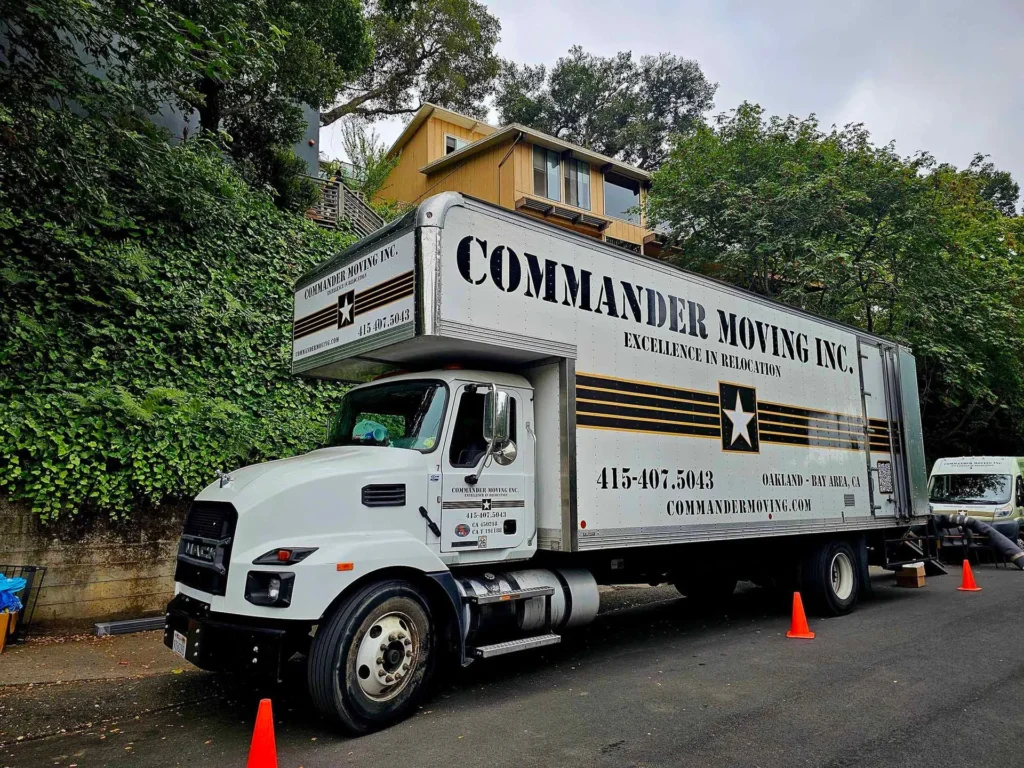
Moving into a new home should feel like the start of something exciting, not an endless checklist of boxes, heavy furniture, packing supplies, and moving-day headaches. Whether you’re upgrading to your dream home, downsizing for a simpler lifestyle, or relocating your family across the Bay Area, you don’t want to spend moving day stressed about what could go wrong. At Commander Moving Inc., our experienced Residential Movers take the pressure off your shoulders, making it easier to leave the stress behind and look forward to what’s next.
Your belongings aren’t just things. They’re the furniture you’ve gathered over the years, the family keepsakes you treasure, and the everyday essentials that make a house feel like home. That’s why our professional residential moving services focus on careful handling, dependable service, and attention to detail. From packing and protecting your belongings to loading, transportation, and unloading, our team handles the hard work so you don’t have to. Whether you’re moving from a small apartment or a large family home, we’ll help make your transition as smooth and organized as possible.
Imagine arriving at your new home feeling excited instead of exhausted. No struggling with oversized furniture, no worrying about how everything will get there, and no sacrificing your weekends to manage the move alone. With over 15 years of experience serving the San Francisco Bay Area, Commander Moving Inc. helps families and homeowners move with greater confidence. From local residential moves to statewide and long-distance relocations, we’re here to help you settle into your next chapter with less stress and more peace of mind.
Ready to make your next move your easiest one yet? Contact Commander Moving Inc. today for a free residential moving estimate and let our professional movers handle the heavy lifting while you focus on making your new house a home!
Disclaimer
The materials available on this website are provided for general informational and educational purposes only and are not intended as legal, financial, moving, storage, or professional advice. Every move is different, and you should contact a qualified moving professional regarding your specific relocation needs, timelines, pricing, storage requirements, or specialty moving concerns.
Do not act or rely solely on the information contained on this website without first speaking directly with Commander Moving or another qualified professional regarding your individual situation. While we strive to keep the information on this website accurate and up to date, moving regulations, service availability, pricing, and operational details may change without notice.
Commander Moving disclaims all liability for actions taken or not taken based on any content found on this website to the fullest extent permitted by law. Use of this website or communication through this website does not create a contractual agreement for moving services unless confirmed in writing by Commander Moving.