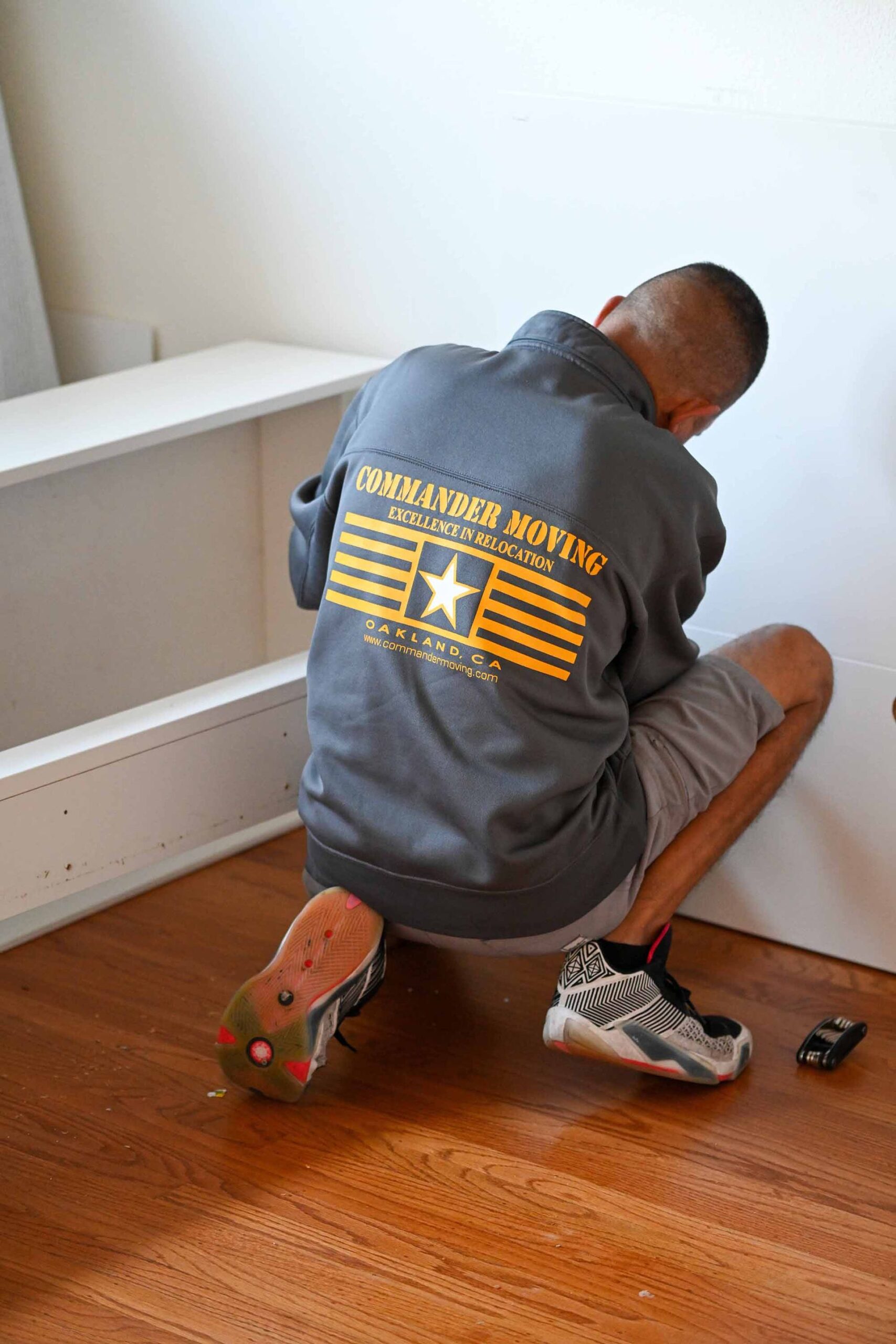
The biggest mistakes people make without residential movers are bad planning, unsafe lifting, and poor packing. The most common mistakes people make without residential movers include utilizing flimsy boxes and cramming them, resulting in broken belongings and additional trips. Heavy boxes and furniture get hoisted solo, resulting in injury and bent doorframes. Autos get packed with unbalanced weight, damaging suspension and mileage. They forget important paperwork and address updates, delaying utilities and mail. Little but important hardware and tools are misplaced when not bagged or labeled. The meat below lists actionable ways to sidestep each blunder and features handy kits to pack.
Key Takeaways
- Schedule and plan first to prevent last-minute frenzy and overlooked tasks. Book trucks or pods far in advance to avoid lack of availability and inflated prices.
- Pack with intention. Quality materials, easy labels, and an essentials box ensure delicate things are protected, and unloading is quick and effective!
- Logistics in advance, measure doorways, arrange for parking and move-in permits, and map routes to minimize delays, tickets, and detours.
- Safe lifting and moving protect your body and helpers by employing proper heavy lift form, equipment, breaks, and sufficient help to reduce injury and exhaustion.
- Plan for both impalpable and tangible expenses such as gas, tolls, insurance, boxes, storage, and replacement or repair expenses.
- Establish easy-to-execute systems for inventories, task assignments, and contingency plans to minimize stress, save time, and make the transition to the new house easier and more manageable.
Critical DIY Moving Mistakes
DIY moves save money and open up tons of failure points. Below we detail these do-it-yourself moving mistakes, why they’re important, where they happen, and how to sidestep them with simple, actionable advice.
Unorganized Moving Process
Neglecting a genuine schedule leads to avoidance and last-minute suffering. Book trucks or portable containers in advance because availability decreases and prices increase near popular move dates. Underestimating volume results in multiple trips or a truck that is too big and costs more. Do a room-by-room inventory and measure big pieces to find a vehicle that will fit well. Administrative tasks such as address updates, utility transfers, and vehicle registration tend to fall through the cracks. Set calendar reminders for each and consult a checklist to gauge completion. Procrastination is a root cause here because decisions made under time pressure are more costly.
Packing Missteps
Cheap boxes and no padding lead to broken stuff. Fragile items require bubble wrap, packing paper, or peanuts and double-boxing for high-value pieces. Mark boxes by room and key contents on the lid so unpacking is focused and quick. Load a ‘first week bag’ with clothes, toiletries, chargers, medications, and basic tools. Place it in your car or a clearly labeled box. Don’t jam basics to the bottom of piled boxes. Packing is something that always takes longer than people anticipate, so get an early start and pace yourself to avoid burnout.
Logistical Oversights
A parking plan for moving trucks dashes delays and tickets. Confirm curb permissions and reserve spaces if necessary. Verify building or neighborhood move regulations ahead of time to avoid schedule clashes and surcharges. Doorways, stairwells, and elevators require measurement. Measure everything before move day. You’ll save a ton of time on-site and know exactly when you need to break things down. If the new home isn’t ready, arrange for storage way in advance to avoid exorbitant last-minute rentals.
Physical Risks
Heavy lifting with no dollies, lifting straps, or team help causes injury. Be realistic about workload and enlist help or hire labor for the heavy stuff. Unclutter walkways, remove rugs and obstacles before moving. Tripping is a leading cause of moving injuries. Tired makes things easier to forget. Take breaks, stay hydrated, and rotate jobs.
Hidden Costs
Consider the mileage, tolls, and lodging on long-haul moves. These things add up. Add in utility activation fees and possible replacement costs for broken items. Minor costs, such as boxes, tape, cleaning supplies, and meals, add up fast and need to be in the budget.
The Ripple Effect Of Poor Packing
PACKING is where a self-managed move breaks down because it causes delays, damage, expense, and stress that ripple through every phase of the relocation. If your boxes are jumbled or poorly packed, it’s going to take you a lot longer to unpack and get comfortable in your new home. Rushed decisions and forgotten items, particularly on a tight schedule, can turn what might have been a few hours of unpacking becomes days or weeks of hunt and fix.
Wrong Materials
When you use weak boxes, oversized bags, or home containers not designed for moving, the risk of rips and collapse goes up. Delicate products cushioned in last month’s newspapers can absorb ink or tear in transport. Bubble wrap, corrugated padding, and styrofoam peanuts are mandatory for fragile items. Specialty boxes exist for dishes, flat-screen TVs, and wardrobes for a reason: they limit movement and protect shape. Without them, we encounter constant breakage in plates, framed art, and electronics, which are expensive to replace and a hassle to file an insurance claim for.
Improper Technique
Overfilled boxes become weight hazards and can split. Under-padded boxes let contents shift and collide. Gaps without cushioning and unsealed seams with cheap tape invite spills and missing pieces while loading. Typical error patterns include putting heavy things on top of light, which flattens clothes or crushes ceramics. These technique failures don’t just break things; they slow movers down as they re-stack and repack. This causes delays on moving day that ripple into scheduling conflicts and extra labor charges.
No System
Packing without grouping by room or category makes unpacking a mess and wastes time. Necessities combined with non-necessities require desperate digging for toiletries, chargers, or paperwork upon arrival. Passing on a packing list increases the likelihood of losing things and makes insurance claims more difficult. Failing to pack an essentials box sends the first 24 to 72 hours scrambling for fundamental items, adding stress and decreasing efficiency. When one person packs a whole household, it can take days or weeks. Poor packing just prolongs that timeline and inflates costs from last-minute material purchases or additional truck space.
Underestimating the Physical Toll
Packing and moving is frequently presented as a day of packing and carrying, yet that perspective overlooks the physical toll and decision exhaustion that accumulate over hours and days. Recognizing the physical demands up front changes planning: schedule rest, account for help, and select tools that reduce load. The next two subsections detail the ways that people injure themselves and how exhaustion saps both judgment and performance.
The Risk Of Injury
Lifting heavy furniture the wrong way exposes your lumbar spine and hip flexors. Bending at the waist instead of the knees compresses torque into your lower back and increases your chance of herniation or muscle strain. Employ hip-drive lifts, engage the core, and nestle loads to the chest. Underestimating the physical toll by skipping moving equipment such as dollies, forearm straps, and sliders multiplies force on your joints. Think about how a dolly transforms vertical lift into feasible, manageable rolling work and reduces repetitive load cycles.
Attempting to complete a full-house move in one big push frequently leads to rushed lifts on wet steps or uneven thresholds, resulting in falls, stumbles, and acute injury. Footwear matters. Soft-soled shoes, sandals, or no gloves reduce grip and ankle support, making dropped items or stubbed toes more likely. A practical step is to identify the three heaviest items before day one and plan equipment or hired help specifically for them.
The Drain Of Exhaustion
Underestimating the physical toll of a moving day causes you to drag later in the day and make bad decisions. Fatigue constricts attention and fine motor control, so simple tasks multiply, and mistakes cascade. Underestimating the physical toll by not scheduling breaks or rest days is a rookie mistake. Incorporating short rests and, in a multi-day plan, at least one full rest day helps you avoid both physical burnout and dramatic lulls in productivity. Pushing through fatigue increases the chance of mistakes. Cutting corners on securing loads or skipping warm-up stretches almost always raises accident risk. Overloading yourself without seeking assistance also amplifies stress and increases cognitive weariness that impairs problem-solving under pressure. Allocate time blocks for work and rest, list tasks by physical cost, and invite assistance for high-cost items. Rest days don’t just help muscles recover; they preserve your focus and motivation, which reduces the chance of injury and keeps the move on schedule.
The Unseen Financial Burdens
Moving without professional residential movers usually just relocates the apparent cost into an insidious tangle of incidental costs that accumulate rapidly. Here are the specific areas where individuals tend to most undercalculate the cost, with examples and real-world context so you can budget with greater precision.
Unexpected Moving Costs
Many renters and homeowners count only the truck or labor but miss recurring charges like fuel for long hauls, tolls on cross-country routes, and parking fines when loading in dense urban areas or during rush hour. Truck rental companies add line items such as required insurance, undercarriage protection, and late-return fees, which can be 10 to 30 percent of your base rate. Heavy items like pianos or gym equipment sometimes need to be secured with special straps or carried by an extra crew member, and movers charge per-hour premiums for those jobs. Last-minute alterations, such as moving it to a weekend during peak season or including an additional pickup, tend to result in premium charges. Cleaning or repair fees for leaving a unit in bad shape are common; most lease agreements authorize landlords to charge cleaners or contractors directly.
Damaged Belongings
Mispacking and misstacking generate the greatest silent losses. Routine errors, such as packing books in subpar boxes, stuffing too much into suitcases, and not wrapping electronics in padding, result in broken items, cracked screens, warped furniture, and shattered dishes. Replacement costs for key items can be substantial. A damaged laptop or a bent frame can cost several hundred dollars or more to replace. Sentimental items may not have monetary value, but they still cost time and money to repair or replace. Claims filing takes days and involves delays, documentation nightmares, and liability contention that diminishes recoverables.
Lost Time
Underestimating planning time generates direct financial costs. Scouring for lost papers or implements costs hours of chargeable work, and unpacking delays normal life and output. Bad packing and no elevator reservation in apartment buildings lead to additional trips and fines, especially at rush hours or lockout periods. Unexpected traffic, inclement weather, or rejected building entry amplify delays. Weekend and summer moves further magnify perils and expenses. By setting a schedule and reserving services in advance, you lower the rates and eliminate the frenzy that produces expensive, last-minute choices.
Navigating Logistical Hurdles
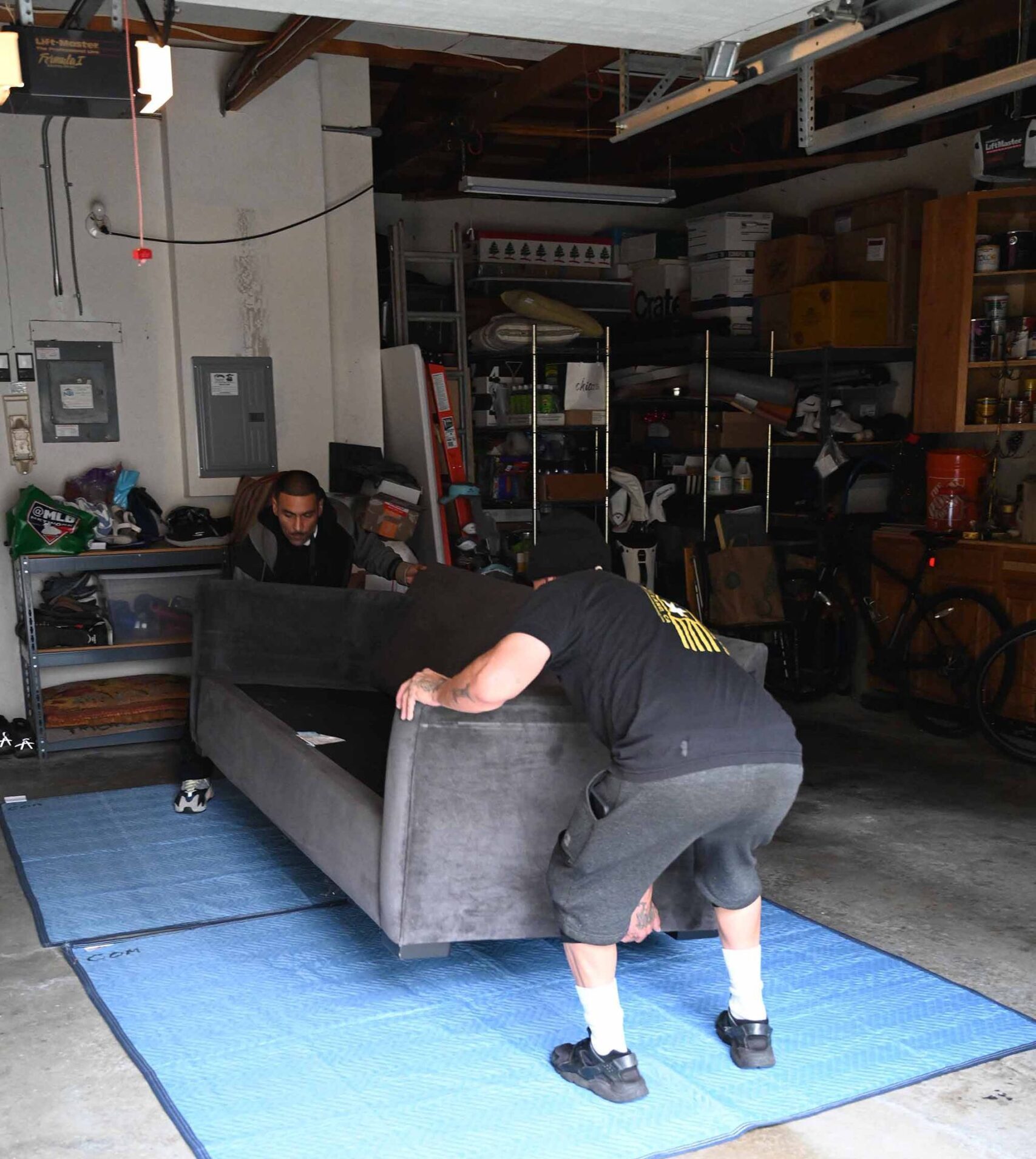
Moving without movers opens a cluster of scheduling, routing, and handling hazards that compound rapidly. We are notorious time and resource under-estimators, and a concise, well-buffered timeline helps avoid last-minute scrambles and allows time for purging, measuring your new house, and informing friends and vendors of your updated address.
Vehicle Rental
Book the right size truck after you’ve inventoried and measured any bulky items. Wrong-size trucks lead to additional trips or wasted space. Verify rental policies for mileage caps, fuel rules, damage waivers, and return windows. These terms can sneak in additional costs if overlooked. Make sure drivers have valid licenses that adhere to the rental company’s policies and include additional drivers for long-distance legs to minimize fatigue and legal liability. Early booking means lower rates and discounts. Last-minute rentals are expensive and limited. For example, a two-bedroom move that skips furniture measurements may book a medium van, then discover the couch and wardrobes need a full-size truck, which doubles time and fuel use. Check whether it overlaps with your own auto insurance before you say no to the rental company’s policy.
Route Planning
Plan first and second choices of routes with current traffic and construction info to bypass unnecessary miles and gas usage. Factor in low clearances, narrow lanes, and restricted zones that big trucks just can’t get through. City centers and old neighborhoods can be full of surprises. Verify planned road works and real-time congestion on moving day. A 30-minute delay can have a ripple effect into missed key handovers or curfewed building access. On the upside, we discovered that we needed rest stops and had to obey legal weight limits on bridges when carrying heavy loads. Getting stuck with one route is stressful when an unanticipated roadblock rears its head, and keeping the moving timeline flexible, which prevents packing errors made under pressure.
Unloading Strategy
Work it out ahead, room by room, what goes where when you arrive. Bring floor plans and measured dimensions so you can actually place furniture properly and not have to re-lift. Downplay logistical hurdles. A “first night” kit with clothes, toiletries, chargers, and basic bedding should be prioritized so initial comfort is assured. Maintain clear walkways and stage boxes by room with transparent labels to facilitate unpacking and avoid damage. Delegate to your helpers, lift teams, box runners, and furniture guides, and employ simple tools like dollies and straps to minimize wear and tear and injury. Marking boxes and purging in advance reduces move price and prevents the new house from feeling cramped right off.
The Emotional and Mental Strain
Moving gets characterized as a logistics issue; the emotional and mental strain is equally palpable. The combination of packing up years of stuff, getting new services in line, and moving bills intertwines in a tangle of to-dos that quickly becomes overwhelming. When humans attempt to relocate sans assistance, they tend to downplay how angst and tension fester in chaos and confusion. A disorderly schedule, uncertain accountability, and last-minute decisions of what to keep or leave behind increase stress. That concern manifests itself in late nights, frustration, and compromised decision-making, which results in last-minute decisions and increased expenses.
Underestimate The Anxiety And Stress Caused By Disorganization And Uncertainty
Uncertainty in plans fuels anxiety. Without a clear checklist and schedule, small delays cascade into day-long scrambles, such as mislabeled boxes, missed appointments for utility shutoffs, or truck delays. These activate a fight-or-flight response that depletes cognitive bandwidth. Practical step: build a day-by-day plan with buffer days and assign clear roles to each person. Use time estimates in hours, not vague blocks, and calculate transit times in kilometers. You won’t be surprised that way.
Overlook The Emotional Impact Of Leaving A Familiar Home And Adjusting To A New Environment
Departing from somewhere routines and friendships resided induces grief that parallels other life transitions. Everyday things familiar routes, neighbors, even something as trivial as where the light falls in a room have an emotional tug. It’s mentally and emotionally draining to adjust to a new layout and new routines. Anticipate a depressive or disoriented slump. Maintain a mini box of comfort, establish routine visits to ‘old haunts’ within the new environs, and permit yourself to grieve.
Fail To Communicate Clearly With Family Or Helpers, Increasing Tension And Misunderstandings
Bad communication breeds conflict. Guessing who wraps the glassware or sets up the final bills results in thrown energy and bitterness. Keep short, focused check-ins, record decisions in a shared file, and capture key deadlines like that final utility transfer. Defined roles minimize tension and accelerate work.
Ignore The Need For Self-Care And Breaks, Compounding Stress And Reducing Overall Well-Being
Missing out on rest increases injury risk and decreases productivity. Schedule rest days and microbreaks, consume frequent meals, and get sufficient sleep. Rest nourishes concentration and drive, so a timely pause saves time in the long run.
Final Remarks
Moving sans pros presents genuine perils. Being cheap on quality boxes and tape results in broken goods. Pushing too much weight leads to injuries and lost days at work. Poor planning and bad timing cause extra fees and wasted time. Forgetting insurance leaves people marooned after damage. Stress accumulates quickly and saps concentration.
A clear plan eliminates most issues. Pack by room, label heavy stuff, book a helper for hard lifts, and check your building’s moving rules. Test a box for strength. Include a buffer day for setbacks. Tell us what the most frequent errors people make without residential movers are.
Attempt one minor adjustment initially. Book to provide assistance or exchange breakables for professional wrapping. Experience the benefits of reduced damage, reduced cost, and reduced stress.

Frequently Asked Questions
1. What Are The Biggest Packing Mistakes People Make When Not Using Residential Movers?
Bad packing, using weak boxes, and mixing fragile items with heavy ones result in breakage, additional time, and added expense for replacement or repairs.
2. How Does Underestimating Physical Strain Impact A DIY Move?
Straining and hurting your back. Medical bills and downtime typically surpass the cost of hiring the pros.
3. What Hidden Financial Costs Come From Not Hiring Movers?
Costs add up. Broken items, rental truck fees, insurance holes, extra trips, and lost work accumulate fast and can exceed mover quotes.
4. Why Do Logistics Fail Without Professional Help?
They underestimate truck size, loading order, and timing. This creates multiple trips, delays, and access issues at the destination.
5. How Does A DIY Move Affect Emotional And Mental Well-Being?
Stress, decision fatigue, and conflict mount during do-it-yourself moves. The emotional toll saps your productivity and enjoyment of the new home.
6. Can Insurance Cover Damages During A Self-Move?
Regular homeowner insurance probably won’t cover transit damage. There are rental truck or moving insurance options, but coverage is different. Check policies beforehand.
7. When Is Hiring Residential Movers The Smarter Choice?
When you have lots of delicate, bulky, or precious possessions, not enough time, medical issues, or complicated logistics, professionals save time, mitigate risk, and decrease hidden expenses.
Give Your Body The Time And Space To Rest, Recover, And Restore
When life feels nonstop, your body often carries the stress long after the day is over. Tight muscles, fatigue, tension, and mental overload can all be signs that it’s time to slow down and recharge. At The Sanctuary Holistic Healing Center, our approach to Rest, Recovery, and Restoration is designed to help you step away from the demands of everyday life and give your body the care it needs to reset.
Each session is personalized around how you’re feeling and what your body needs most. Through holistic therapies such as massage, cupping, Gua Sha, infrared light therapy, breathwork, and other supportive techniques, we create a calming experience focused on releasing tension, encouraging relaxation, and supporting your body’s natural recovery process.
Rest isn’t something you have to earn. It’s an important part of feeling your best. Whether you’re recovering from physical strain, navigating a stressful season, or simply feeling worn down, making space for intentional recovery can help you feel more grounded, refreshed, and ready for what’s next.
Schedule your session with The Sanctuary Holistic Healing Center today and make time to rest, recover, and restore.
Disclaimer
The materials available on this website are provided for general informational and educational purposes only and are not intended as legal, financial, moving, storage, or professional advice. Every move is different, and you should contact a qualified moving professional regarding your specific relocation needs, timelines, pricing, storage requirements, or specialty moving concerns.
Do not act or rely solely on the information contained on this website without first speaking directly with Commander Moving or another qualified professional regarding your individual situation. While we strive to keep the information on this website accurate and up to date, moving regulations, service availability, pricing, and operational details may change without notice.
Commander Moving disclaims all liability for actions taken or not taken based on any content found on this website to the fullest extent permitted by law. Use of this website or communication through this website does not create a contractual agreement for moving services unless confirmed in writing by Commander Moving.