Full-service movers provide comprehensive relocation assistance that can include packing, furniture protection, loading, transportation, unloading, and unpacking. Depending on the moving company and selected service package, additional options may include furniture disassembly and reassembly, specialty item handling, and temporary storage. Professional crews use appropriate equipment and packing materials to help protect belongings and streamline the moving process. Costs vary based on the size and distance of the move, labor requirements, accessibility, packing needs, and additional services. Understanding what’s included in a written moving estimate helps homeowners choose the right level of assistance and prepare for a more organized relocation.
Key Takeaways
- Full-service movers can coordinate packing, loading, transportation, unloading, and unpacking, depending on the selected package. This comprehensive approach can save homeowners time, reduce physical demands, and make relocation easier to manage.
- Professional movers use appropriate packing materials, furniture padding, and handling equipment to help protect belongings. Custom crating and specialized equipment may be available for fragile, oversized, or valuable items at an additional cost.
- Verify a moving company’s credentials before booking. For moves within California, check the mover’s authorization through the California Bureau of Household Goods and Services. For interstate moves, verify applicable federal registration and operating authority through the Federal Motor Carrier Safety Administration. Review customer feedback, written estimates, and liability protection options before making a decision.
- Understand how moving costs are calculated and request a detailed written estimate. California intrastate household moves have specific written pricing requirements, while interstate moves follow separate federal estimate rules. Ask about potential charges for stairs, long carries, packing materials, and other services before booking.
- On moving day, keep communication open, establish a point person, keep valuables separate, and stick to your pre-move plan so the crew can move fast and safely.
- After delivery, inspect belongings, review the inventory when applicable, photograph visible damage, and follow the moving company’s written claims procedures if anything is missing or damaged.
What Full-Service Movers Include
Full-service movers help coordinate multiple stages of a residential relocation, from preparation and packing to transportation and delivery. Rather than managing each task independently, homeowners can work with one moving company to organize the services included in their agreement. Available options vary by provider, so it’s important to confirm whether packing, unpacking, furniture assembly, and specialty handling are part of the quoted service.
1. Pre-Move Planning
Experienced movers begin with a walk-through survey to evaluate volume, specialty items, access limitations, and timing. The moving company reviews scheduling requirements, packing needs, and the estimated crew size to develop a practical plan for moving day. The comprehensive moving plan outlines tasks, schedules, and backup actions, allowing teams to adjust if the move escalates in scale or encounters snags. Professional movers provide guidance on supplies, realistic timelines, and prep work, such as recommending crate sizes for art or staging a bedroom first for swift living access.
2. Professional Packing
Professional movers use quality materials such as double-wall boxes, acid-free paper for art, anti-static wrap for electronics, and moving blankets for furniture. Full packing generally covers eligible household belongings, but certain valuables, electronics, antiques, and specialty items may require separate arrangements or additional services. Some moving companies also offer partial packing for customers who prefer to handle selected items themselves. Experienced movers are more efficient and reduce damage by employing proven methods and color-coded labels that assist with both inventory and unpacking.
3. Furniture Handling
The experienced movers take the furniture apart, wrapping and protecting it with corner guards, moving pads, and shrink wrap. Heavy and fragile pieces receive special care, and as necessary, specialized dollies or hoists are used to navigate items through stairwells and elevators. Crews will reassemble standard furniture at the destination, but for complex pieces, third-party specialists may be needed. These precautions help reduce the risk of scratches, structural damage, and accidental damage to the home during the move.
4. Secure Loading
Professional moving crews use organized loading techniques to distribute weight, make efficient use of truck space, and reduce the movement of belongings during transportation. Heavy items are secured appropriately, with fragile belongings protected and positioned to minimize pressure and shifting.
5. Safe Transportation
Professional movers plan transportation based on the distance, shipment size, access conditions, and anticipated traffic. Local moves may be completed within a day, while larger or long-distance relocations can require additional time. Delivery schedules should be discussed before booking, and customers should review the applicable mover liability options in their written agreement.
6. Unloading And Placement
Upon delivery, experienced movers unload and position items according to directions, shield floors and doorways, and assemble standard furniture. This organized approach, guided by detailed room-by-room placement lists, ensures a smooth transition and accelerates move-in readiness.
7. Complete Unpacking
Unpacking services may include removing items from boxes, placing belongings in designated areas, and collecting used packing materials. Furniture reassembly and debris removal may also be available, depending on the service agreement. Confirm the scope of unpacking in advance, since arranging personal belongings, installing equipment, and removing unwanted items aren’t automatically included in every full-service package.
Beyond Standard Services
Some moving companies offer additional services for households with specialized relocation needs. These options can make complicated moves easier to coordinate, but availability and pricing vary. Customers should ask which services are available and whether they’re included in the written estimate.
- Specialty item handling may be available for pianos, artwork, antiques, oversized furniture, and other belongings requiring additional equipment or preparation.
- Custom crating and specialized packing for artwork, antiques, and delicate belongings, when available.
- Short-term or long-term storage options, with climate-controlled facilities available through some providers.
- Post-move junk removal and donation coordination, green disposal.
- Professional packing and unpacking services
- Customized service packages and payment arrangements, depending on the moving company’s policies.
Specialty Items
Specialty moving services are designed for belongings that require additional planning, protective materials, or handling equipment. Items such as pianos, antiques, artwork, and oversized furniture may need custom packing, specialized dollies, or additional crew members. Before booking, explain the item’s dimensions, weight, condition, and access requirements. The moving company can then determine whether it can safely accommodate the item and identify any additional services or charges.
Storage Solutions
Temporary storage can be helpful when move-out and move-in dates don’t align or a new home isn’t ready for delivery. Some moving companies provide storage directly, while others coordinate with separate storage facilities. Before choosing this option, ask about storage availability, access restrictions, handling charges, facility conditions, and how belongings are inventoried and released. Climate-controlled storage may be worth considering for temperature-sensitive possessions, depending on their storage requirements.
Debris Removal
Packing debris removal may be available as an additional moving service, particularly when customers purchase professional unpacking. However, unwanted furniture disposal, donation pickups, and full-property cleaning are separate services that not every moving company provides. Ask whether used boxes and packing materials can be collected after delivery and whether any additional disposal arrangements are needed.
How To Vet Your Movers
Vetting your experienced movers starts with validation and healthy comparison. Homeowners should verify the legality of their chosen moving company, read unbiased reviews, and pose detailed operational and financial questions before signing. Below are targeted steps to check credentials, decode reviews, and craft queries that uncover authentic service.
Verify Credentials
Verify the credentials required for the type of move you’re planning. For household moves within California, check the company’s authorization through the California Bureau of Household Goods and Services. For interstate household moves, review the carrier’s USDOT registration and applicable federal operating authority through the Federal Motor Carrier Safety Administration. Ask about required insurance and available liability protection before signing an agreement. Confirm that the company provides reliable contact information and a verifiable business address. Professional association memberships may offer additional context, but they aren’t substitutes for proper licensing, insurance, and a clear written agreement.
Read Reviews
Review feedback across multiple independent sources, including Google reviews and the Better Business Bureau, to identify consistent patterns in customer experiences. Look for repeated comments about punctuality, careful handling, billing transparency, and communication. Pay attention to how the company responds to complaints, particularly those involving damaged belongings, scheduling problems, or billing disputes. Ask the mover directly for its written claims procedures rather than relying on review responses alone. Use recent, detailed feedback to create a shortlist of companies for written estimates.
Request Information
Request an in-person or virtual survey of items to receive a precise written estimate from experienced movers. Stay away from loose or ballpark quotes. Confirm what the estimate includes: packing materials, labor, transport, fuel surcharges, storage fees, and unpacking. Inquire about insurance, their liability coverage, and their actual claims process if there’s any loss or damage. Additionally, ask about the crew’s experience, equipment, and plans for delays during the service move.
- Will you provide a detailed written estimate, and what pricing rules apply to my move?
- What mover liability or valuation protection applies to my belongings, are additional insurance options available, and how are damage claims handled?
- Are packing materials and labor included in price?
- What is your cancellation and deposit policy?
- Can you provide references from recent similar moves?
Understand The True Cost
Moving costs depend on the services requested, shipment size, travel distance, labor time, and property access. Understanding how your estimate is calculated helps you compare companies fairly and avoid unexpected charges. Pricing requirements also differ between California intrastate moves and interstate relocations, making it important to review the written estimate for your specific move.
Binding Estimates
For interstate household moves, a binding estimate generally establishes an agreed price for the listed shipment and services, subject to applicable federal rules and any properly authorized changes. This can help customers plan their moving budget more confidently. However, a binding estimate doesn’t automatically cover items or services that weren’t included in the original agreement. California intrastate household moves follow a different system that requires a written Not-to-Exceed price. Customers should review the applicable estimate carefully and confirm how changes to the moving scope are handled before work begins.
Non-Binding Estimates
For interstate household moves, a nonbinding estimate is an approximation rather than a guaranteed final price. The actual transportation charges may differ based on the shipment and services performed, subject to federal consumer-protection rules. California intrastate moves are governed by separate state pricing requirements, including the written Not-to-Exceed price. Regardless of the move type, customers should confirm how labor, packing, travel, additional items, and requested services affect the total cost.
Unexpected Charges
Some moving services may involve additional charges depending on the property’s layout, access conditions, and requested services. Reviewing these potential costs in advance makes estimates easier to compare.
- Long carry charges for long walks from door to truck.
- Stair fees occur when movers have to carry items up or down stairs.
- Fuel or transportation-related charges, when applicable under the moving company’s written pricing terms.
- Packing materials and full-service packing labor billed separately.
- Storage fees and monthly charges for interim storage units.
Request written estimates that clearly identify transportation, labor, packing, storage, and other applicable charges. Review mover liability options separately from any optional insurance products, and compare estimates based on the same inventory and service requirements.
The Day Of The Move
Moving day requires coordination between the customer, moving crew, and any property managers involved. Traffic, building access restrictions, weather, and unexpected changes to the inventory can affect the schedule. Confirm arrival windows, parking arrangements, elevator reservations, and any special instructions before moving day. Booking earlier can improve availability during busy periods, although the ideal lead time depends on the move’s size, location, and season.
Your Role
Have personal items packed and ready in case you didn’t purchase full packing services. Leave clearly labeled boxes for immediate needs, such as chargers, toiletries, and a change of clothes, so you can access them without unpacking everything.
Be there to guide movers and to verify inventory pre-load. Guide the crew through every room, indicate breakables, and double-check the inventory sheet. This reduces conflicts down the line and accelerates packing.
Lock up valuables, legal papers, and medications aside, and carry them yourself. A lockbox or small secured bag in your possession avoids loss and provides easy reach to necessities.
Make sure the crew has safe, unobstructed access to the property and knows where designated break areas are located. Offering water or light refreshments is a thoughtful gesture, but it isn’t a requirement for receiving professional moving services.
Their Process
The moving crew should arrive within the agreed scheduling window with the equipment and materials needed for the services booked. Before work begins, confirm the scope of the move, identify any access challenges, and discuss appropriate precautions if weather conditions could affect loading or transportation.
Movers follow a systematic approach: room-by-room packing or loading, padding and wrapping furniture, securing items in the truck by weight and fragility, then logging each item against the inventory. Bigger stuff gets custom crating or additional strapping.
A coordinated moving plan should outline the expected arrival window, loading requirements, transportation arrangements, and delivery expectations. The crew leader or designated company contact should communicate meaningful changes, including delays or access issues. Customers can help by remaining reachable throughout the move and confirming any necessary decisions promptly.
Communication
Keep lines open with the team all day. Be sure to have one main contact person to answer questions and make decisions to prevent mixed messages. Verify delivery window, destination address, parking regulations, and special instructions before departure. Provide real-time feedback during the move to address issues on the spot and maintain plan momentum.
After The Move Ends
Once the crew of experienced movers is gone, there are a few things that make or break the transition. Check out the area, take breaks, and have a transparent route to report problems or acknowledge the professional moving service. This prevents small issues from ballooning and helps safeguard your time and money.
Final Walkthrough
Before the experienced movers leave, conduct a thorough room-by-room check. Ensure that everything on the inventory is present and placed where you want it. Don’t forget to inspect closets, cabinets, and storage areas, and look behind large pieces of furniture. Document any apparent damage, and check your electronics and appliances for power. Photograph any scratches, dings, or broken pieces from multiple angles to keep a record.
Check off items on the inventory as you locate them and, whenever possible, have the crew leader sign off on the list. If you require things taken apart, snap photos of connections and labels before your departure so piecing back together is quicker. Address concerns right to the crew leader on site. A lot can be repaired immediately or documented for claims. A brief, cool conversation frequently resolves misplacement or treatment mistakes.
Damage Claims
If you discover missing or damaged belongings, document the issue with photographs and notify the moving company promptly. Follow the applicable written claims procedure and retain copies of the inventory, moving agreement, receipts, and relevant correspondence. Claim deadlines and procedures vary depending on whether the move is governed by California requirements or federal interstate moving regulations, so review the applicable terms carefully.
Understand the mover’s liability protection before your move. For interstate household moves, federal rules provide options such as Released Value Protection and Full Value Protection, each with different terms and limitations. California intrastate moves have separate valuation and liability requirements. Mover valuation isn’t the same as an insurance policy, so ask about available options and any exclusions. Keep written records of damage reports and claims correspondence.
Tipping Etiquette
Tipping movers is optional and generally depends on the customer’s satisfaction, the complexity of the move, and the quality of service. If you choose to tip, consider the effort involved and your available budget. You can ask the moving company about its tipping policy or thank the crew directly for their work.
After the move, organize important paperwork, confirm that essential utilities are working, and prioritize unpacking the items needed for your first few days. If you’d like to share feedback about the moving experience, consider leaving an honest review that reflects the service you received.
Conclusion
Full-service movers can make residential relocation more manageable by handling packing, loading, transportation, and other agreed-upon services. The right moving package depends on your household’s needs, budget, and schedule. Before booking, verify the company’s credentials, compare written estimates, and confirm which services are included. Clear communication and careful preparation can help create a more organized moving experience.
For a household with fragile belongings or heavy furniture, professional packing and handling may reduce the amount of work required from family members. Requesting a detailed estimate helps determine which services are appropriate for your specific move.
Frequently Asked Questions
1. What Exactly Do Full-Service Movers Handle?
Full-service movers can handle packing, loading, transportation, unloading, and unpacking. Furniture disassembly, reassembly, and packing debris removal may also be available. The exact services included depend on the company’s offerings and your written agreement.
2. How Do I Verify A Mover’s Credibility?
Check the mover’s licensing and operating authority with the appropriate regulator. California intrastate household movers are regulated by the Bureau of Household Goods and Services, while interstate movers fall under federal requirements. Also review customer feedback, written estimates, and the company’s liability protection options.
3. Are Full-Service Moves Insured?
Moving companies have liability responsibilities, but valuation protection isn’t the same as insurance. Interstate moves generally offer federally defined valuation options, while California intrastate moves follow separate rules. Review the available protection levels and consider whether additional insurance is appropriate for valuable belongings.
4. How Should I Compare Moving Estimates?
Request written estimates from multiple moving companies using the same inventory and service requirements. Compare the total estimated cost, included services, potential additional charges, scheduling terms, and liability protection. Remember that California intrastate moves and interstate moves follow different pricing requirements.
5. What Hidden Costs Should I Watch For?
Potential additional charges may involve stairs, long carrying distances, packing supplies, specialty item handling, storage, or appliance preparation. Ask which charges apply to your property and make sure they’re addressed in the written estimate or agreement.
6. How Far In Advance Should I Book A Full-Service Mover?
Booking several weeks ahead can improve scheduling flexibility, particularly during busy moving seasons. Larger households, specialty moves, and long-distance relocations may require additional planning. Contact moving companies as soon as your expected moving date becomes reasonably certain.
7. What Should I Do The Day Of The Move?
Be available to answer questions, confirm the inventory when applicable, and identify fragile or specialty items. Keep medications, important documents, valuables, and daily essentials with you. Before the crew leaves, confirm delivery instructions and the best contact number for updates.
Make Moving Easier With Trusted Full Service Movers
Moving involves more than loading boxes onto a truck. Packing, protecting furniture, coordinating transportation, handling specialty items, and managing moving day logistics can quickly become overwhelming. Working with experienced full-service movers gives you professional support through every stage of the process, helping make your move more organized, efficient, and less stressful.
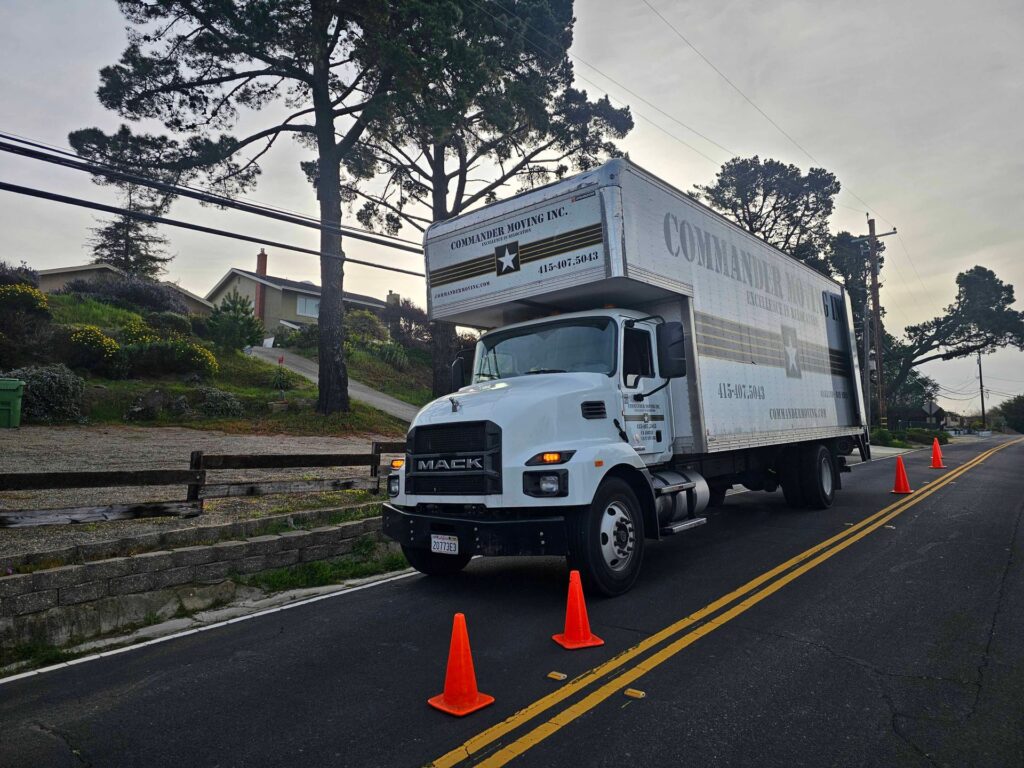
At Commander Moving, we provide full-service moving solutions for homeowners and families throughout the Bay Area. From packing and preparing your belongings to loading, transportation, unloading, and specialty item handling, our team can manage the details from start to finish. Whether you’re moving from an apartment, relocating a large household, or simply want professionals to handle the heavy lifting, Commander Moving has the experience and equipment to keep your move on track.
Choosing the right full-service movers means having a dependable team that respects your belongings, your home, and your schedule. Commander Moving focuses on careful planning, clear communication, and professional service at every step. Contact Commander Moving today to schedule your estimate and see how full-service movers can make your next relocation easier.
Disclaimer
The materials available on this website are provided for general informational and educational purposes only and are not intended as legal, financial, moving, storage, or professional advice. Every move is different, and you should contact a qualified moving professional regarding your specific relocation needs, timelines, pricing, storage requirements, or specialty moving concerns.
Do not act or rely solely on the information contained on this website without first speaking directly with Commander Moving or another qualified professional regarding your individual situation. While we strive to keep the information on this website accurate and up to date, moving regulations, service availability, pricing, and operational details may change without notice.
Commander Moving disclaims all liability for actions taken or not taken based on any content found on this website to the fullest extent permitted by law. Use of this website or communication through this website does not create a contractual agreement for moving services unless confirmed in writing by Commander Moving.