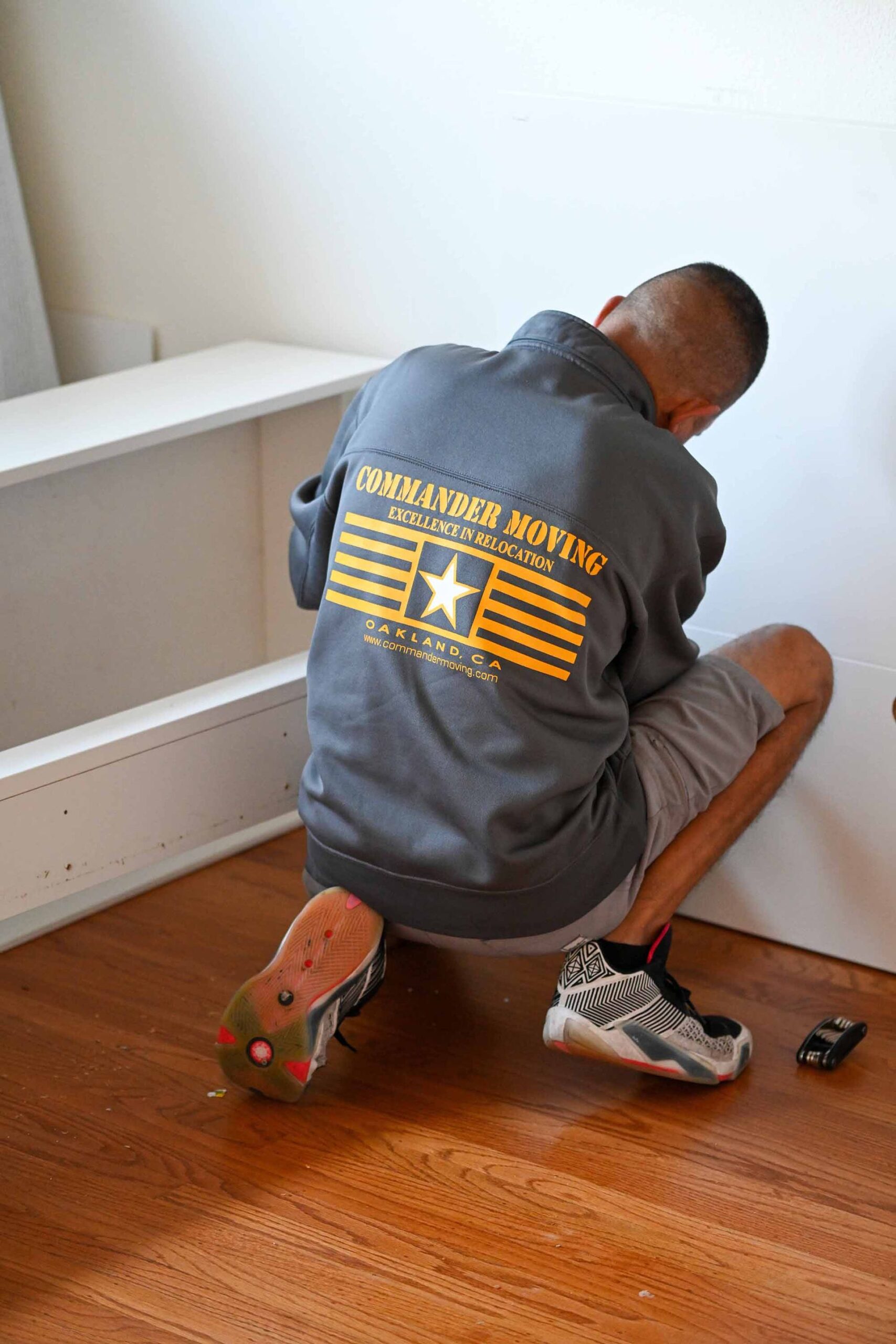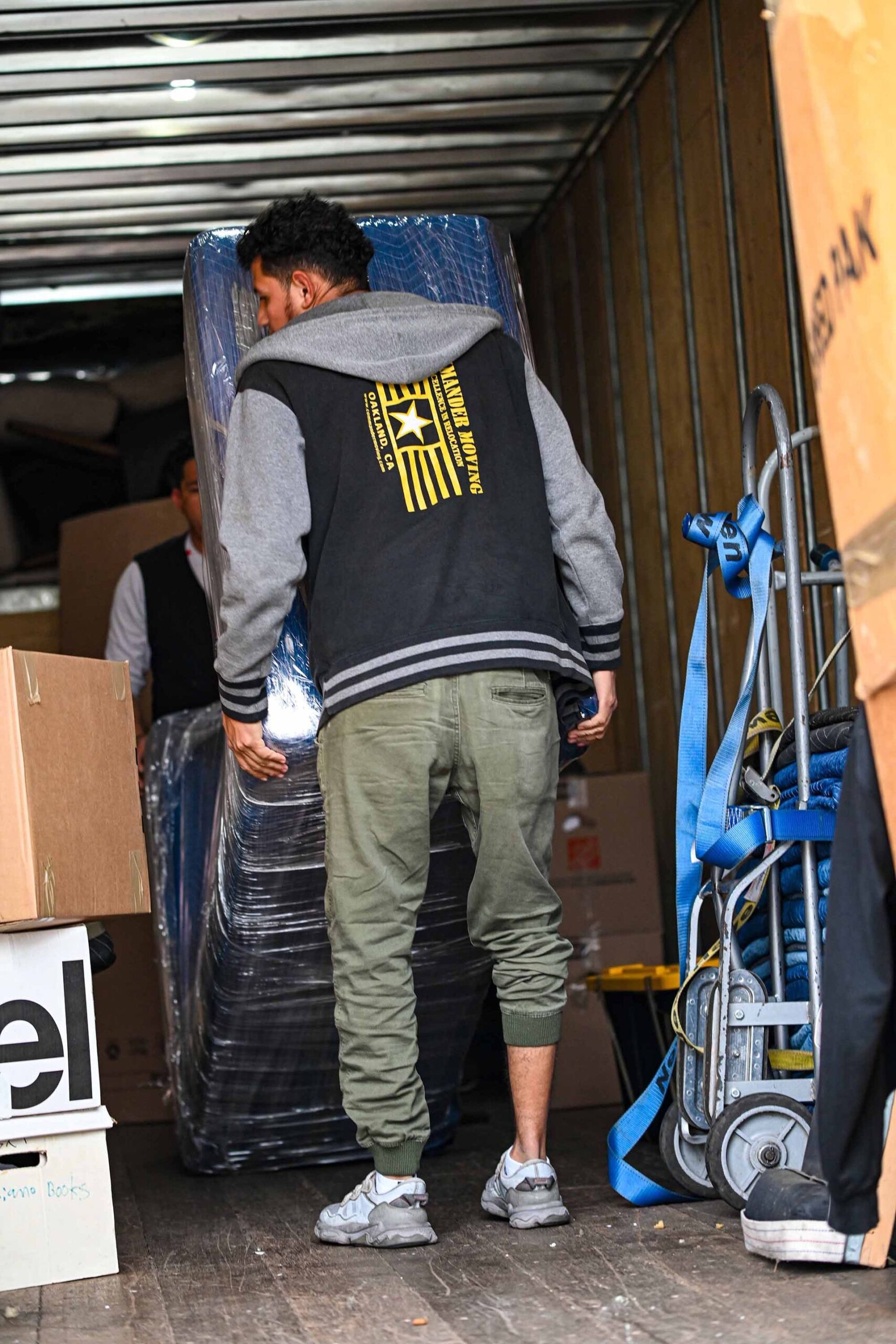
What about residential movers for large homes and multi-story houses? How do residential movers plan moves for big houses and multi-level properties? They evaluate stair width, elevator access, door clearances, and delicate items to plan workflow and safeguard floors and walls with pads and runners. They have teams of movers that use lifts, hoists, and stair-climbing dollies when necessary, and they deconstruct big items into pieces to move securely. Movers synchronize timing, parking permits, and on-site communication to limit delays and danger. Cost estimates are based on man-hours, tools, and packing necessities. The body details step-by-step checks, common tools, crew roles, and tips to get a large or multi-story home in shape for an efficient move.
Key Takeaways
- Perform a comprehensive intake capture of floors, square footage, impediments, and specialty rooms to identify equipment requirements and crew size. Then translate that into a detailed, phase-based moving strategy.
- Design a custom logistics plan that maps specific move routes, obtains permits or elevator reservations, and staggers packing and transport in phases to minimize disruption and increase safety.
- Use tools and covers such as hydraulic jacks, steel rollers, padded blankets, and custom crates, along with all equipment inspected and maintained to avoid damage and downtime.
- Conduct rigorous inventory control with labeled, room- and floor-organized boxes and live tracking technologies. Isolate fragile or valuable items for specialized crating and safe transport.
- Deploy seasoned, trained crews with on-site leadership that adhere to safety protocols, work closely with homeowners, and conduct staggered execution to navigate tricky stairwells, tight corners, and eccentric layouts.
- Safeguard valuables, disassemble and reassemble large items with hardware bags per item, use foam-lined crates for delicate pieces, and select secure loading and transport with insurance when required.
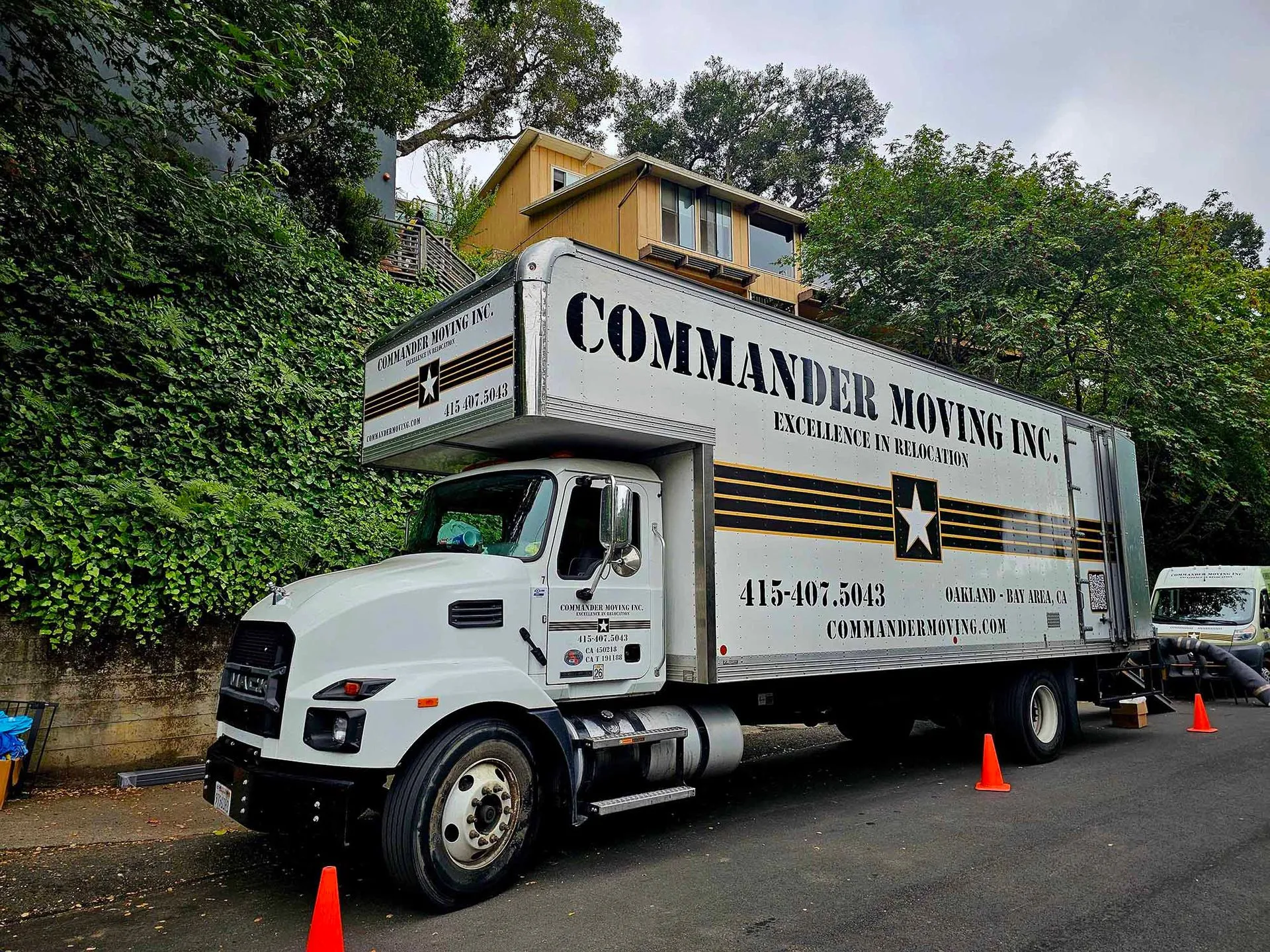
The Strategic Blueprint For Large Homes
Big home moves, especially for larger homes, are about more than just trucks and boxes. Professional movers begin with a well-defined scope, timeline, and risk map so crews, trucks, permits, and residents are synchronized across months, not days. Costs range widely: typical residential moving projects fall between 100,000 and 200,000 USD, with some large or long-distance house moves exceeding 200,000 USD. That compares to building new at roughly 150 to 300 USD per square meter in equivalent costs, which factors into the rebuild versus move decision.
The Initial Assessment
Scope out the building, number of floors, and gross floor area to determine load estimates and crew requirements for your house move. Pay attention to narrow doors, stair widths, ceiling heights, and specialty rooms like sunrooms or conservatories that switch up your approach. Main living areas, garages, basements, and attics receive complete photo and written inventories during the residential moving process. Minor mistakes in this stage lead to major headaches down the line. Calculate gross weight, as small one-story homes may weigh around 36,000 kg, while large homes with heavy finishes add tons, which affect route permits and foundation planning. Identify equipment requirements, such as hydraulic jacks, steel beams, cribbing, and temporary supports, according to design and soil bearing capacity.
Custom Logistics Plan
When planning a house move, it’s crucial to map a move route that considers road weight limits, overhead clearance, and bridge ratings. Additionally, coordinate utility line lifts and tree trimming with local agencies if necessary. Developing a stage-wise schedule for packing, loading, and transporting is essential for a successful residential moving experience, ensuring that everything from utility reconnections to post-move repairs is covered.
Inventory Management
Utilizing room- and floor-based checklists for furniture and specialty items is crucial during a house move. Labeling follows a standard scheme, ensuring that unpacking crews know right away where to place everything. For residential moving, applying inventory software provides real-time control and chain-of-custody documentation, especially for high-value items that require careful handling.
Phased Execution
Split work by floors or areas during your house move to minimize impact and allow homeowners to access parts they can still use. You have dedicated crews for each phase to minimize overlap and waiting, while leveraging temporary storage for residential moving and tracking phase progress carefully against milestones.
Client Communication
Provide schedule updates, prep instructions, and direct contact to on-site leadership on a regular cadence for your house move. Act swiftly on inquiries and capture changes to prevent cost or scope creep during the house moving process. Trust me by being transparent about costs, timelines, and risks.
Specialized Equipment And Techniques
Movers for big homes and multi-level properties depend on a combination of heavy equipment, protective supplies, and careful maneuvering tactics to transport humans and buildings without harm. Specialized equipment and techniques.
Depending on building type, weight of assets, site constraints, and whether the job is residential or commercial, equipment choices and techniques vary and drive cost estimates and scheduling.
Heavy Lifting Tools
Hydraulic Buckingham power systems and unified hydraulic setups provide a regulated, gradual lift for entire-house relocations or extremely heavy loads, making them invaluable for residential moving. Pump-operated toe jacks can elevate machinery and components up to approximately 60 tons on sturdy models, handy when excavating foundations or realigning HVAC units. Steel rollers, axles, and air bearings redistribute weight and allow multi-ton commercial equipment to glide on a thin air film, minimizing friction and floor strain. For house moving, good lifting straps and custom-designed dollies are essential, as some appliances are too heavy for a two-person lift. Coaster dollies and platform dollies are selected by weight and floor access, while ramps and custom skates enable crews to navigate stoops and thresholds. Regular upkeep of hydraulics, straps, and bearings provides dependability; failure in this area makes everything more risky and expensive.
Protective Materials
Pads, padded blankets, bubble wrap, and shrink wrap serve as the frontline defense for furniture and fragile items during a house move. Custom crating is essential for shielding artwork and high-value décor during long hauls or cross-border residential moving. Additionally, floor runners, corner guards, and temporary stair treads protect wood, stone, and tile surfaces from repeated trips, ensuring the structural integrity of your home. Tarps and breathable covers are crucial for safeguarding open surfaces and doorways from rain, dust, or debris, especially when work extends late or on weekends, which is typical for commercial moves, preserving delicate finishes and enhancing the overall moving experience.
Navigational Methods
Route planning for a house move starts with a site survey to circumvent trees, mailboxes, low branches, and narrow streets while locating load zones and turning radii. Average pro house movers manage close to 7,100 pounds (3,220 kilograms) of material, making space a critical factor. Local authority permits are essential when oversize loads use public ways. Radio communications and spotters direct semitrailers and moving trucks through tight spaces and around obstacles, ensuring the structural integrity of the load during the move.
The Human Element In Moving
Big house moves and second stories require more than just trucks and boxes; they need expert house movers who can read rooms, handle weight, and pacify homeowners. It’s the crew’s judgment, coordination, and care that ensure the delicate items arrive safely, making the house moving process seamless and timely. Below are the core attributes crews must bring to complex relocations.
- Physical strength and endurance, with safe lifting technique
- Spatial awareness and confidence in tight quarters
- Clear, calm verbal communication skills and hand signals
- Problem‑solving ability under time pressure
- Customer service mindset and emotional intelligence
- Familiarity with specialty gear and building structures
- Reliability and punctuality, plus attention to packing detail
Specialized Crew Training
Training focuses on practical skill sets crucial for house moving: how to move heavy furniture safely, disassemble built‑ins, and pack fragile collections. Its crews simulate moves down tight corridors and up and down stairs, practicing one‑person guiding and spotting techniques to ensure smooth transitions during a house move. They know how to segment loads so the typical household weight, around 3,400 kg (7,500 lb), is maneuvered in safe chunks. Certification includes the utilization of stair‑climbing dollies, hoist systems, and soft‑pad protection for banisters and doorframes.
On-Site Leadership
Under the coordination of a designated supervisor, assignments are distributed, and time is tracked to ensure a smooth house move. Homeowners’ preferences are communicated effectively, allowing for a seamless experience. This lead directs which carrier handles the residential move, monitors break points, and reassigns staff when surprise obstacles arise, such as a tight stair landing or lagging elevator service. The on-site leader is the homeowner’s contact, guiding them through decisions and coordinating subcontractors if framing is necessary. Real-time decisions on routing, temporary staging areas, and prioritizing fragile rooms keep the move orderly.
Safe Handling Procedures
Rigorous lifting protocols, PPE usage, and pre-shift equipment inspections are crucial for a safe house move, preventing injury and spoilage. Teams practice two-person lifts and use spotting, where one person gives stepwise verbal cues while another carries, which significantly reduces slips and collisions in cramped spaces. Frequent inspection of straps, dollies, and vehicle tie-downs detects damage before it causes injury. Emergency plans address injuries, structural issues, or weather delays, while crews are conditioned to identify homeowner anxiety and provide soothing, structured assistance during the house moving process.
Why Phased Moving Works
Phased moving breaks down a large home move into distinct, achievable stages, allowing groups to manage timing, resources, and hazards effectively. By segmenting the work, it aligns crew size, truck load, and packing preparedness with each phase. This approach reduces stress on manpower and truck space, decreases overtime requirements, and diminishes the risk of loss or breakage by controlling the bulk processed at a time. Coordination with contractors, utility companies, and storage providers becomes easier since each phase has a clear beginning and end.
Reduced Chaos
Phasing keeps life livable during a house move by relocating nonessentials early while retaining access to key rooms until the final phase. Kitchen essentials, bedding, and work essentials all stay put so routines continue and stress decreases. Expert house movers don’t end up jamming the hallways and stairways, preventing bottlenecks and delays in the loading process. Getting a few days of prep and packing in advance for each phase means boxes are taped shut and labeled, not tossed together at the eleventh hour with random scribbles. If you are moving a multi-level house, house movers can help manage the transition one level at a time, allowing families to phase into the process smoothly.
Increased Safety
Reducing the number of concurrent lifts during a house move minimizes accident risk and enables crews to focus on heavy or unwieldy pieces without feeling pressured to hurry. When only a percentage of goods is ready to go, professional movers can take greater care with each couch, piano, or heirloom, thus reducing the chance of damage. Between phases, crews can perform focused safety sweeps, such as stair stability and floor slickness, ensuring that dangers are identified and repaired before the next wave of house moving takes place. This phased approach allows time to schedule specialist rigs or cranes for bulky moves instead of resorting to dangerous improvised lifts under time constraints.
Better Organization
Phasing by phase, room, or floor expedites unpacking and setup, minimizing lost-item hunts during a house move. Inventory tracking helps keep track of what left when, enhancing accountability and reducing conflict over lost goods. As part of the residential moving process, storage needs become clear, whether it’s for temporary holding of phase-two items or immediate transit of high-priority pieces. Coordinating with electricians, cleaners, and landscapers is ideal, ensuring no overlap or idle labor during the move. Fragmenting work into multiple small jobs not only makes the overall project more manageable for clients and crews but also frequently delivers cost savings by optimizing truck and crew time.
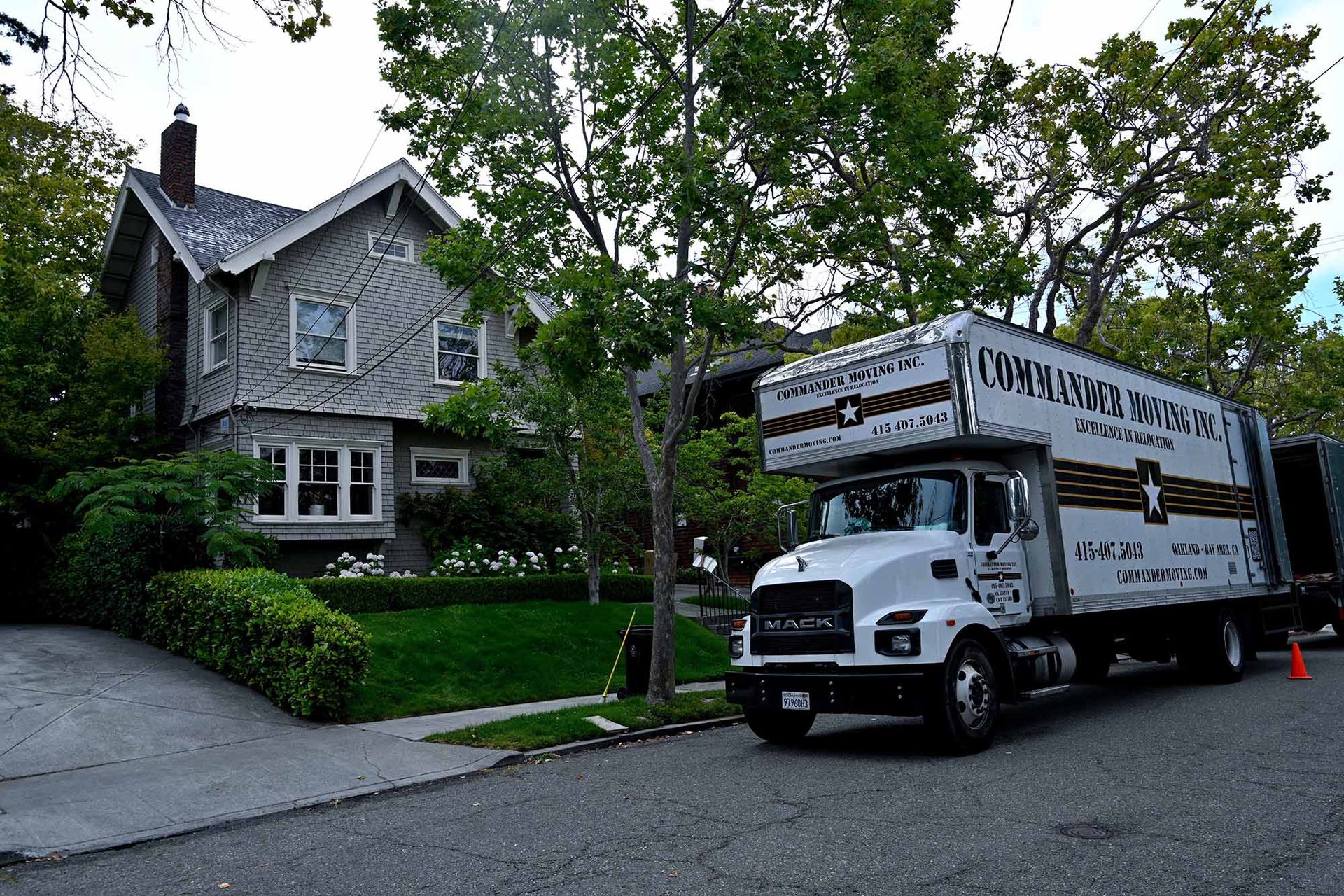
Overcoming Architectural Hurdles
Residential moves in large homes or multi-story buildings begin with a technical read of the structure: blueprints, floor plans, and structural drawings reveal load paths, ceiling heights, and where utilities run. This insight uncovers tight hallways and low door clearances, indicating whether permits or foundation work will be necessary. The subsequent house moving plan must be flexible; route mapping is iterative and adjusted on the fly as professional movers encounter unforeseen limitations.
Stairways And Levels
- Pre-move inspection: measure tread depth, riser height, landing size, and ceiling clearance. Note load limits for any in-building elevators.
- Equipment staging: Use stair-climbing dollies, padded shoulder straps, and two-person controlled descent rigs that let teams guide large objects down winding staircases.
- Protection: Wrap stair railings, walls, and landings with layered padding and rigid guards to prevent scuffs and structural damage.
- Team roles: Assign a lead to call steps and a spotter to watch footing. Good collaboration beats repetitive stress.
- Elevator use: Reserve service elevators weeks ahead when available and plan for tight two- to three-hour windows commonly set by property managers.
Tight Corners
Take apart oversized pieces when you can. Forced pivots strain frames and finishes.
Experienced movers know how to read angles and employ pivots paired with sliders and rollers to maneuver components through tight halls. One person directs the carrier to hazards and to turn, both by voice and hand signals. Pre-measure door widths and corner radii ahead of time to determine what pieces disassemble and whether alternate paths or temporary door removal is necessary. Over architectural hurdles, don’t try long treacherous slides; use short, controlled moves with resets.
Unique Layouts
Design bespoke move paths for split levels, attics, basements, and rooms with funky geometry. Route selection should reduce lifting and twisting as much as possible.
For the attic or basement work, designate teams, each with customized packing and lift plans. Modify packing to snap apart into pieces that correspond to stair runs or elevator cages. Tag each piece with a precise reassembly location. Discuss layout-specific actions and backup plans with each crew member before beginning. If structural work is required, account for drawings, permits, and possible overhead utility line lift fees, which can restrict the distance of the move.
Protecting Your Valuables
Protecting your valuables during a house move begins with careful planning and continues through packing, transport, and placement at your new home. Expert house movers survey the house, record multi-story layouts, and establish a staging plan to minimize risk of injury and exposure to weather or constrained stairwells.
High-Value Item Crating
Item type | Materials Used | Techniques |
Antique furniture | Kiln-dried plywood, corner guards, felt, heavy-duty screws | Build full-frame crates with internal bracing; add felt at contact points |
Artwork & mirrors | Acid-free paper, microfoam, corrugated boards, framed wooden crate | Sandwich method with foam layers; secure frame to crate base |
Electronics | Anti-static foam, shock mounts, sealed plywood box | Isolate heat sources; use shock sensors for long moves |
Sculptures & ceramics | Custom foam inserts, vibration dampers, pallet base | Molded foam to exact shape; bolt crate to pallet |
Foam and shock-absorbent fills surround articles during a house move to prevent shifting. Labels indicate care handling and destination room, ensuring that even larger homes can be managed efficiently. Crates are stacked by weight, with heavy crates at the base and fragile ones on top.
Disassembly And Reassembly
Take apart large furniture and appliances to prevent excessive strain on stairways and doors and frames. Movers label hardware and bag fasteners on items with tape. If they can, they add short assembly notes.
Take a picture or quick diagram of each before disassembly to assist reassembly at the new location. Reassemble according to manufacturer specifications and local codes for anchored items. Test drawers, doors, and electrical connections to verify sturdy and safe operation before sign-off.
One important step in protecting your valuables is organizing them properly and testing the security measures in place. Regularly reviewing your organization system ensures that everything is accounted for and secure.
Conducting safety checks on your valuables is essential to maintain their protection.
Secure Household Moving
Load sofas and appliances first as a base, and then load lighter items on top to avoid crushing. Use straps, ratchet tie-downs, and edge protectors through multiple anchor points to limit shift. Make sure to monitor temperature and humidity at both pick-up and delivery for pianos, wood antiques, and fine art on long moves. Sometimes conditioned transport is necessary.
Unloading sticks to the inventory list, and movers put everything in labeled rooms. Good teamwork and precise calls among the crew allow us to traverse narrow stairs and bypass each other without bumping. Inclement weather is anticipated, with covers, tarps, and flexible schedules to minimize exposure and damage.
Final Remarks
Large or multi-story homes require clean plans, sturdy equipment, and caution from those who understand the work. Movers divide the work into stages, plan paths, and pair equipment with cargo. We have ramps, hoists, stair-climbing dollies, and wraps. Crews communicate at each stage and assign duties that reduce hazards and accelerate the move. For residences with a tight stair or tricky layout, movers pre-stage items, relocate crews, and allocate extra time to protect floors and fixtures. Special pieces receive their own crates and careful, slow handling. The result is fewer surprises, less stress, and safer moves for families and crews. Ready to move? Contact a pre-screened mover and submit a floor plan to begin.

Frequently Asked Questions
1. How Do Movers Plan A Move For A Large Multi-Story Home?
Our expert house movers inspect the house, draft a room-by-room inventory, chart all access points and stair routes, and schedule equipment and crew size for the house move. This minimizes surprises, saves time, and avoids damage.
2. What Specialized Equipment Is Used For Multi-Level Moves?
What equipment do expert house movers use for large homes and multi-story properties? These tools enhance the house moving process, protecting your home and belongings.
3. How Do Movers Protect Floors, Walls, And Stairs During The Move?
Crews use floor runners, corner guards, stair treads, and wall padding during a house move. They tape and secure coverings to prevent shifting, reducing repair expenses and maintaining the value of your home.
4. When Is A Phased Move Recommended For Large Homes?
Phased moves are great for large homes, remodels, or pre-staged reductions. This house moving approach minimizes disruption, allowing expert house movers to better handle logistical challenges while distributing costs and effort over time.
5. How Do Movers Handle Awkward Architectural Features Like Narrow Staircases Or Tight Hallways?
Movers take measurements of your items and entrances, deconstruct furniture to make it easier to move when possible, and use hoists or other entry points. Even with residential moving, our expert house movers have experience in how to adapt techniques to avoid damage and wedge large pieces through small areas during a house move.
6. What Insurance Or Liability Coverage Should I Expect For Valuable Items?
Trusted house movers provide valuation protection alternatives and ask for assertions for high-valued goods. Inquire about released value versus full replacement and specialty insurance for antiques or art during your house move.
7. How Do Movers Ensure Safe Handling Of Fragile And High-Value Possessions?
Residential movers, like Commander Moving, use their own custom crating, bubble wrap, and labeled fragile boxes to protect valuables during a house move, ensuring everything arrives safely at the new destination.
Give Your Body The Time And Space To Rest, Recover, And Restore
When life feels nonstop, your body often carries the stress long after the day is over. Tight muscles, fatigue, tension, and mental overload can all be signs that it’s time to slow down and recharge. At The Sanctuary Holistic Healing Center, our approach to Rest, Recovery, and Restoration is designed to help you step away from the demands of everyday life and give your body the care it needs to reset.
Each session is personalized around how you’re feeling and what your body needs most. Through holistic therapies such as massage, cupping, Gua Sha, infrared light therapy, breathwork, and other supportive techniques, we create a calming experience focused on releasing tension, encouraging relaxation, and supporting your body’s natural recovery process.
Rest isn’t something you have to earn. It’s an important part of feeling your best. Whether you’re recovering from physical strain, navigating a stressful season, or simply feeling worn down, making space for intentional recovery can help you feel more grounded, refreshed, and ready for what’s next.
Schedule your session with The Sanctuary Holistic Healing Center today and make time to rest, recover, and restore.
Disclaimer
The materials available on this website are provided for general informational and educational purposes only and are not intended as legal, financial, moving, storage, or professional advice. Every move is different, and you should contact a qualified moving professional regarding your specific relocation needs, timelines, pricing, storage requirements, or specialty moving concerns.
Do not act or rely solely on the information contained on this website without first speaking directly with Commander Moving or another qualified professional regarding your individual situation. While we strive to keep the information on this website accurate and up to date, moving regulations, service availability, pricing, and operational details may change without notice.
Commander Moving disclaims all liability for actions taken or not taken based on any content found on this website to the fullest extent permitted by law. Use of this website or communication through this website does not create a contractual agreement for moving services unless confirmed in writing by Commander Moving.