A moving company estimate helps homeowners understand the services, labor, transportation, and costs involved in relocating. Knowing what happens during the estimate process makes it easier to prepare accurate information, ask useful questions, and compare moving companies before booking.
During an estimate, the mover gathers information about your belongings, property access, moving distance, preferred dates, and requested services. This assessment may take place in person, virtually, or through another appropriate process, depending on the relocation and applicable requirements.
The estimate should help you understand what is included in the price, which conditions could affect the cost, and what documentation you should review before booking. This guide explains each stage of the process, with additional guidance for homeowners planning moves within California.
Key Takeaways
- A moving estimate should reflect your complete inventory, moving locations, access conditions, and requested services.
- The assessment may involve an in-person survey, virtual walkthrough, or another appropriate method, depending on the type of move and applicable rules.
- Provide information about garages, storage areas, specialty belongings, stairs, elevators, and parking restrictions.
- Review the written estimate to understand labor, transportation, packing, materials, and potential additional charges.
- Interstate household moves follow federal binding and non-binding estimate requirements, while California intrastate moves follow separate Not-to-Exceed pricing requirements.
- Compare estimates based on the same inventory and services rather than selecting a moving company solely by price.
- Ask for clarification of payment terms, valuation protection, scheduling arrangements, and changes to the agreed scope before booking.
What Is a Moving Company Estimate?
A moving company estimate describes the expected cost and scope of a relocation based on the belongings, services, and conditions identified during the assessment. It helps the customer and moving company establish expectations about transportation, labor, scheduling, and any additional services before booking.
The factors used to calculate an estimate depend on the type of move and the company’s pricing structure. These may include shipment volume or weight, labor requirements, transportation distance, vehicle needs, access conditions, packing, and specialty services.
California intrastate household moves and interstate household moves are subject to different pricing and documentation requirements. Ask which framework applies to your relocation and how the estimate was prepared.
Two homes with the same number of bedrooms may require very different moving arrangements. Furniture size, packed boxes, appliances, outdoor belongings, specialty items, and access conditions all affect the work involved.
For example, an apartment with restricted parking, narrow hallways, and elevator reservations may require different planning from a single-story home with convenient truck access. A useful estimate accounts for these differences rather than relying only on the number of bedrooms.
How Does the Estimate Process Usually Work?
The exact process varies by moving company, but most estimates follow a similar sequence.
You Contact the Moving Company
The process generally begins when you contact a moving company and provide basic information about your move.
You may be asked for:
- Pickup and delivery locations, preferred moving dates, and type of relocation
- Approximate household size, furniture inventory, and box quantities
- Packing, storage, furniture assembly, or other requested services
- Specialty belongings requiring additional planning
- Stairs, elevators, parking, loading restrictions, and access conditions at both locations
During the initial conversation, the company may discuss general pricing information or arrange a more detailed assessment. The amount of information needed before preparing a written estimate depends on the move and applicable requirements. Ask when you can expect the formal estimate and what information the mover needs from you.
The Company Reviews Your Inventory
The estimator reviews the belongings you intend to transport, including furniture, appliances, packed boxes, outdoor items, and specialty possessions. This may involve an in-person walkthrough, virtual assessment, or another appropriate inventory process.
Accurate inventory information helps the mover assess labor, equipment, vehicle requirements, and handling needs. Identify belongings that will not be included in the move so they are not mistakenly counted.
The Estimator Evaluates Access
The estimator may ask about driveways, street parking, loading zones, stairs, elevators, narrow hallways, gates, security restrictions, and building access hours. Conditions at both the pickup and delivery locations matter because they can affect equipment needs, scheduling, and the work required.
Services Are Discussed
Discuss whether you need full or partial packing, furniture disassembly and reassembly, temporary storage, specialty handling, or appliance-related preparation. Service packages differ, so ask which tasks the company performs, which are included in the estimate, and whether certain work requires a separate provider.
The Estimate Is Prepared
After gathering the necessary information, the company prepares the estimate under the pricing requirements applicable to the move. Review the stated inventory, services, transportation arrangements, packing, materials, additional charges, and valuation options.
Before accepting the estimate, ask how changes to the agreed scope will be handled and documented.
What Happens During an In-Person Estimate?
An in-person assessment allows the estimator to review belongings, room layouts, and property access directly. It can be particularly useful for large households, complex moves, or homes containing specialty items that may require additional planning.
The Estimator May Go Room by Room
During the walkthrough, show the estimator all areas containing belongings you intend to move. These may include bedrooms, living areas, kitchens, offices, garages, basements, attics, sheds, storage rooms, and outdoor spaces.
If boxes are already packed, explain their approximate number and contents. Point out items you intend to donate, discard, or transport yourself so they can be excluded from the moving inventory.
Large and Heavy Items Get Special Attention
The estimator may pay particular attention to pianos, pool tables, safes, large appliances, exercise equipment, oversized furniture, antiques, artwork, and fragile glass items.
These belongings may require additional preparation, specialized equipment, extra labor, or services the moving company does not ordinarily provide. Ask whether the mover can handle each item and how any special requirements affect the estimate.
Access Conditions Are Evaluated
The estimator may review doorways, hallways, stairs, elevators, gates, driveways, and loading areas. Large furniture that fits inside a room may still be difficult to transport through narrow entrances or tight turns.
What Happens During a Virtual Moving Estimate?
A virtual moving estimate allows the company to assess belongings and property conditions remotely, often through a live video walkthrough. The estimator may guide you through each room and ask questions about furniture dimensions, packed boxes, specialty belongings, and access conditions.
Whether a virtual assessment is appropriate depends on the relocation and applicable requirements.
Be Thorough During the Video Tour
During a virtual walkthrough, show more than the largest furniture pieces. Include closets, cabinets, garages, storage areas, outdoor belongings, and packed boxes.
Explain which items will be moved, which will remain behind, and whether any belongings require special handling. Good lighting and clear views of larger items can help the estimator understand the inventory.
Show Access Areas
Show the estimator the driveway, parking area, loading zone, building entrances, stairs, elevators, gates, and any narrow walkways that could affect moving access.
Explain building rules, elevator reservations, loading-hour restrictions, or parking permits that may be required. Provide similar information about the destination, even if the estimator cannot view it directly.
What Information Should You Give the Estimator?
The quality of your estimate depends partly on the quality of the information you provide.
Be honest and complete.
Tell Them About Everything You Plan to Move
Include everything you expect the moving company to transport, even belongings stored outside the main living areas. Garages, sheds, attics, closets, and storage units may contain substantial amounts of furniture, equipment, or packed items.
If you are unsure whether something will be included, mention it during the assessment. Update the mover if your inventory changes after receiving the estimate.
Explain Your Packing Needs
Explain whether you will pack your belongings yourself or need assistance with the entire home, selected rooms, fragile items, or specialty belongings. Ask whether packing labor, boxes, protective materials, and other supplies are included in the estimate or priced separately.
Mention Special Items
Identify valuable, fragile, oversized, unusually heavy, or difficult-to-transport belongings during the estimate. Examples include artwork, antiques, musical instruments, safes, exercise equipment, and large appliances.
Ask whether special preparation, additional equipment, separate handling arrangements, or item declarations are necessary. Also review any valuation limitations that may apply.
What Fees Might Be Discussed During an Estimate?
Several types of charges may be discussed during a moving estimate. Whether they apply depends on the services selected, property conditions, the company’s pricing structure, and applicable regulations.
Labor and transportation: Ask how crew requirements, work time, travel, vehicle needs, and transportation distance are reflected in the estimate.
Property access: Stairs, elevators, long carries, parking restrictions, and difficult loading conditions may affect labor or equipment requirements. Confirm whether related charges are included.
Packing and specialty handling: Packing labor, boxes, protective materials, furniture preparation, and specialty items may require additional services or separate pricing.
Storage and scheduling: If temporary storage, additional stops, delayed delivery, or scheduling changes may be necessary, ask about availability, pricing, and applicable terms.
Request written clarification of which charges are included and how additional services or changes will be approved and documented.

What Pricing Rules Apply to Interstate and California Moving Estimates?
The pricing rules that apply to your estimate depend on whether the household move crosses state lines or takes place entirely within California.
Binding estimates for interstate moves
A binding estimate establishes the agreed price for the shipment and services described, subject to applicable federal rules concerning additional services and changes to the agreed scope.
Non-binding estimates for interstate moves
A non-binding estimate is an approximation rather than a guaranteed final price. Federal rules govern the amount that may generally be required at delivery and how remaining lawful charges are handled.
California intrastate Not-to-Exceed pricing
Household moves conducted entirely within California follow separate state requirements, including a written Not-to-Exceed price. Review the services covered by that price and ask how changes to the agreed scope will be documented.
Do not assume that federal binding or non-binding estimate terminology applies in the same way to a move entirely within California.
Ask the moving company which services and inventory are included in the agreed price and what happens if your requirements change. Additional belongings, packing requests, specialty handling, or access changes may affect the work involved.
For California intrastate moves, review the written Not-to-Exceed price and the applicable procedures for changes. For interstate moves, ask how additional services are handled under the relevant estimate terms. Any approved adjustments should be documented appropriately.
What Should Be Included in a Written Estimate?
A written estimate should clearly identify the services and terms that apply to your move. Review the following information:
- Moving company’s legal name and applicable identifying information
- Customer information, pickup and delivery locations, and scheduling details
- Inventory or shipment assumptions used to prepare the estimate
- Transportation, labor, packing, materials, and other agreed services
- Applicable price, potential additional charges, and payment terms
- Valuation options and relevant protection information
- Cancellation, rescheduling, and service-change conditions
Review the written estimate before signing or making a payment. If the inventory, services, pricing, or scheduling terms do not match what was discussed, request clarification and corrected documentation. Do not sign blank or incomplete paperwork.
What Are Red Flags During a Moving Estimate?
A moving estimate should provide enough information for you to understand the proposed services and pricing. Some situations deserve closer review:
- The company cannot explain the inventory, labor, services, or conditions used to calculate the estimate.
- The written price excludes known requirements or contains unclear additional charges.
- The company pressures you to sign before reviewing the terms.
- The business refuses to provide required written documentation.
- The estimator cannot explain the valuation options or claims procedures relevant to your move.
An affordable estimate is not automatically a warning sign. If one quote differs substantially from others, ask the company to explain its pricing assumptions and included services before making a decision.
How Should You Compare Moving Estimates?
Comparing written estimates can help homeowners evaluate the services and costs offered by different moving companies. Provide each company with the same inventory, access information, moving dates, and service requirements.
Review the total estimated price alongside the scope of services. One company may include packing materials, furniture preparation, or additional labor that another company prices separately.
Also compare the applicable pricing structure, payment terms, valuation options, potential additional charges, and cancellation policies. A lower estimate may offer good value, but only when it covers the services your move requires.
How Can You Prepare for a Moving Estimate?
A little preparation can make the estimate more accurate.
Declutter Before the Estimate
Identify belongings you plan to donate, sell, discard, or transport yourself before the assessment. Make sure the estimator knows which items should be excluded from the moving inventory. If your plans change later, notify the company so the estimate can be reviewed.
Create an Inventory
Prepare an overview of the furniture, appliances, packed boxes, outdoor belongings, and specialty items you expect to move. An item-by-item list may not always be necessary, but accurate information about the shipment helps the estimator assess the work involved.
Identify Items You Will Move Yourself
Tell the estimator which valuables, personal documents, electronics, or other belongings you intend to transport yourself. This helps prevent items from being included in the mover’s inventory unnecessarily.
Prepare Your Questions
Write down questions about pricing, packing, access conditions, valuation, scheduling, payment, and changes to the estimate. Having these questions ready can make the assessment more productive.
What Happens After the Estimate?
Once you receive the written estimate, compare it with the inventory and services discussed during the assessment. Check the proposed price, moving dates, packing arrangements, additional charges, payment terms, and applicable valuation information.
If anything is missing or unclear, contact the company before booking and request written clarification. Once you decide to proceed, confirm the reservation process, pickup arrangements, and any required paperwork.
Keep a copy of the accepted estimate and related communications for reference before and during the move.
How Can You Avoid Surprises on Moving Day?
After receiving your estimate, notify the moving company if your inventory, destination, packing needs, access conditions, or preferred schedule changes.
Ask whether the changes affect the agreed services, equipment requirements, or price. Review any revised documentation before moving day so both parties understand the updated arrangements.
Why Accuracy Matters More Than a Low Initial Quote
A useful moving estimate reflects the actual work required rather than simply offering an attractive starting price. An incomplete inventory or unclear service scope can make comparisons misleading.
When evaluating estimates, consider which proposal most accurately describes your belongings, requested services, property access, and scheduling needs. Price matters, but the completeness and clarity of the estimate are equally important.
What If Your Moving Estimate Changes?
Changes to inventory, packing requirements, delivery locations, additional stops, access conditions, or storage arrangements may affect the services required for a move.
If the moving company identifies a change in scope, ask for an explanation of the additional work and how it affects the agreement. The applicable pricing and documentation requirements depend on whether the move is interstate or entirely within California.
Review any proposed changes before approving additional services and keep copies of the updated paperwork
The Importance of Communication Before Moving Day
Clear communication between you and the moving company can prevent misunderstandings. Confirm these details before moving day:
- Confirmed moving date, arrival arrangements, and contact information
- Pickup and delivery addresses, parking, and building access requirements
- Final inventory, packing responsibilities, and specialty belongings
- Agreed services, pricing, payment arrangements, and applicable additional charges
- Any approved changes to the estimate or moving agreement
If possible, keep important communications and documents organized in one place.
What Makes a Good Moving Estimate?
A useful moving estimate should make the proposed services and pricing understandable. You should know which belongings are included, what work the company will perform, how the price was calculated, and which conditions may affect the agreement.
The estimator should also explain applicable valuation options, payment arrangements, scheduling terms, and the process for approving changes. Clear written information and responsive communication help homeowners make informed decisions before booking.
Conclusion
A moving company estimate helps homeowners understand the services, labor, transportation, and pricing involved in relocation. Providing a complete inventory and accurate access information allows the mover to prepare an assessment that reflects the work required.
Before booking, review the written estimate, confirm the services included, and ask about applicable pricing rules, valuation options, payment terms, and potential changes.
Taking an active role in the estimate process can help you compare moving companies more effectively and prepare for a better-organized move.
Frequently Asked Questions
1. What Happens During a Moving Company Estimate?
The mover gathers information about your belongings, pickup and delivery locations, property access, moving schedule, and requested services. The company uses these details to assess the work involved and prepare an estimate under the applicable pricing requirements.
2. How Should I Prepare for a Moving Estimate?
Create an overview of the belongings you plan to move, including furniture, appliances, packed boxes, and specialty items. Provide information about stairs, elevators, parking restrictions, and building access. Also identify packing or storage services you may need.
3. Can I Get a Moving Estimate Over the Phone or Through Video?
Depending on the type of move and applicable regulations, an estimate may involve a phone consultation, virtual walkthrough, or in-person assessment. Interstate household moves have specific federal survey requirements. Ask the mover which assessment method is appropriate for your relocation.
4. What is the Difference Between a Binding Estimate and a California Not-to-Exceed Price?
Binding estimates are part of the federal pricing framework for interstate household moves and establish a price for the agreed shipment and services, subject to applicable rules. California intrastate household moves follow separate state requirements, including a written Not-to-Exceed price.
5. What Information Should Be Included in a Written Moving Estimate?
The estimate should identify the moving company, relevant inventory or shipment assumptions, pickup and delivery information, agreed services, applicable pricing, and important payment terms. Review additional charges, valuation information, and conditions affecting the agreement.
6. Can a Moving Estimate Change After I Receive It?
Changes to belongings, requested services, property access, or scheduling may affect the work involved. The circumstances under which pricing can change depend on the agreement and applicable regulations. Ask for an explanation and appropriate written documentation before approving changes.
7. Should I Compare Estimates from Several Moving Companies?
Comparing multiple written estimates can help you evaluate pricing and service differences. Provide each company with the same inventory, access details, and service requirements. Review the total price, included services, additional charges, valuation options, and payment terms rather than comparing only the initial amount.
Need a Reliable Moving Company for Your Next Move?
Moving comes with a lot to manage, from packing and protecting your belongings to coordinating schedules, transportation, and moving day logistics. Without the right support, even a simple move can become stressful and time-consuming. Working with an experienced moving company helps keep the process organized while making sure your belongings are handled with care from start to finish.
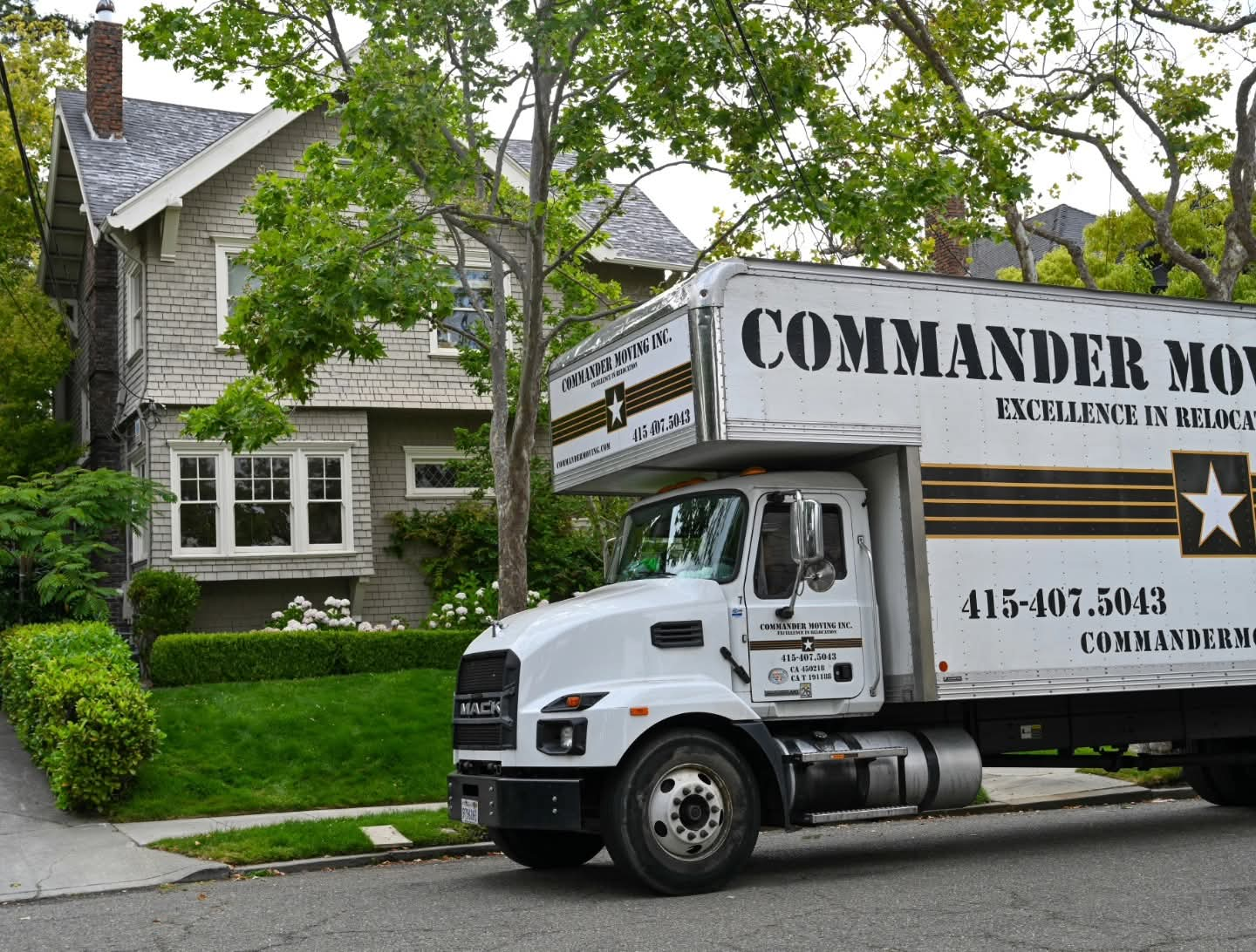
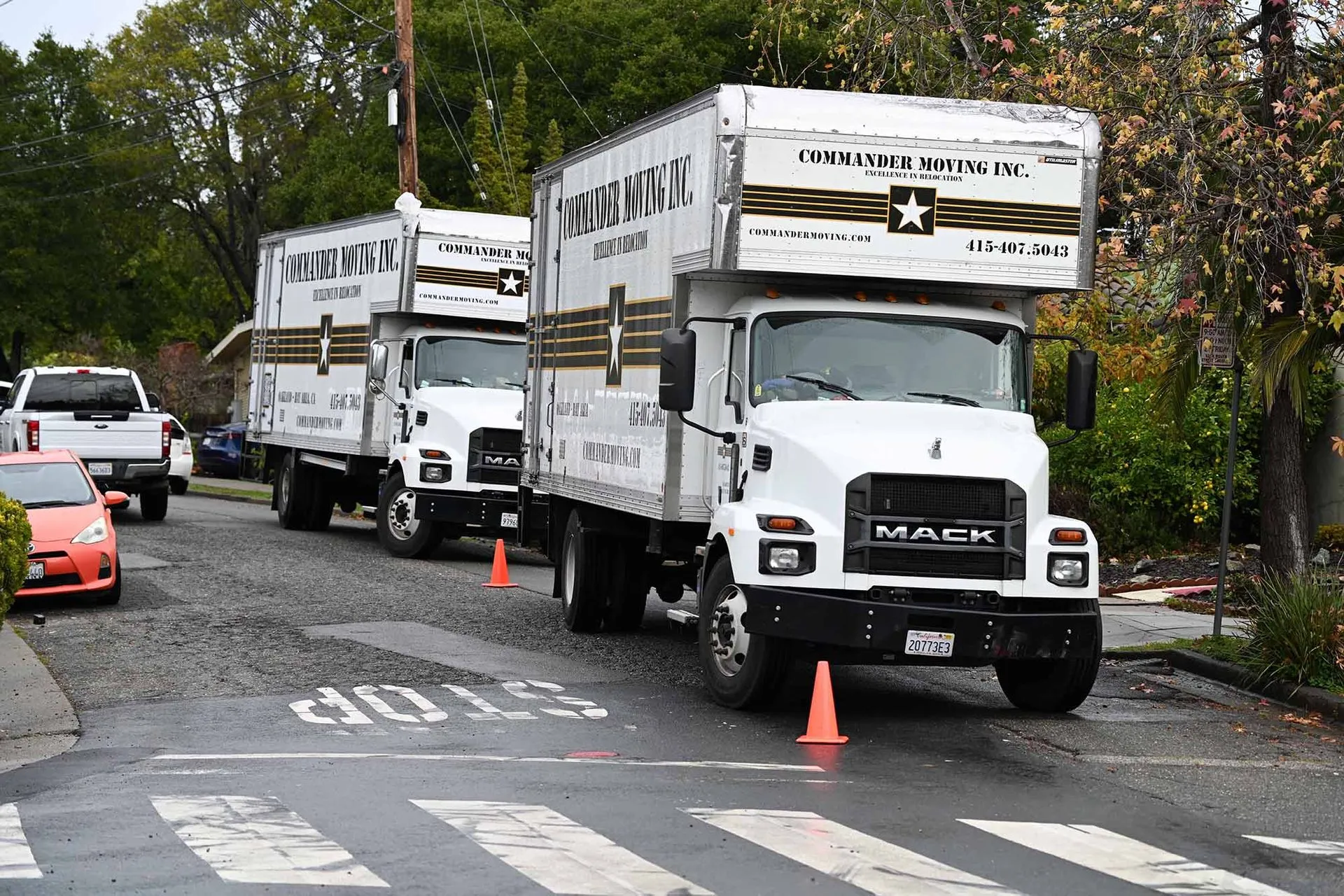
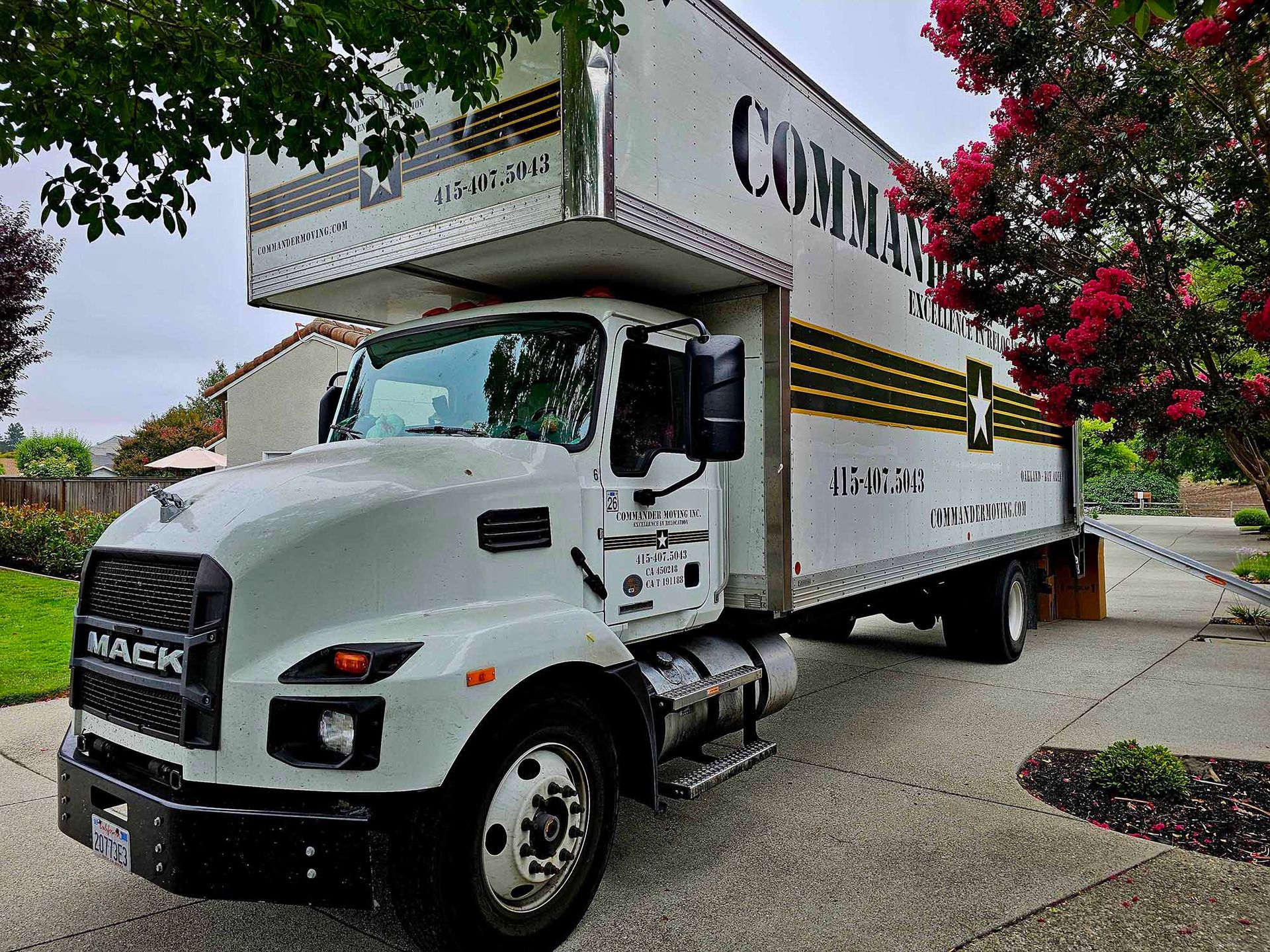
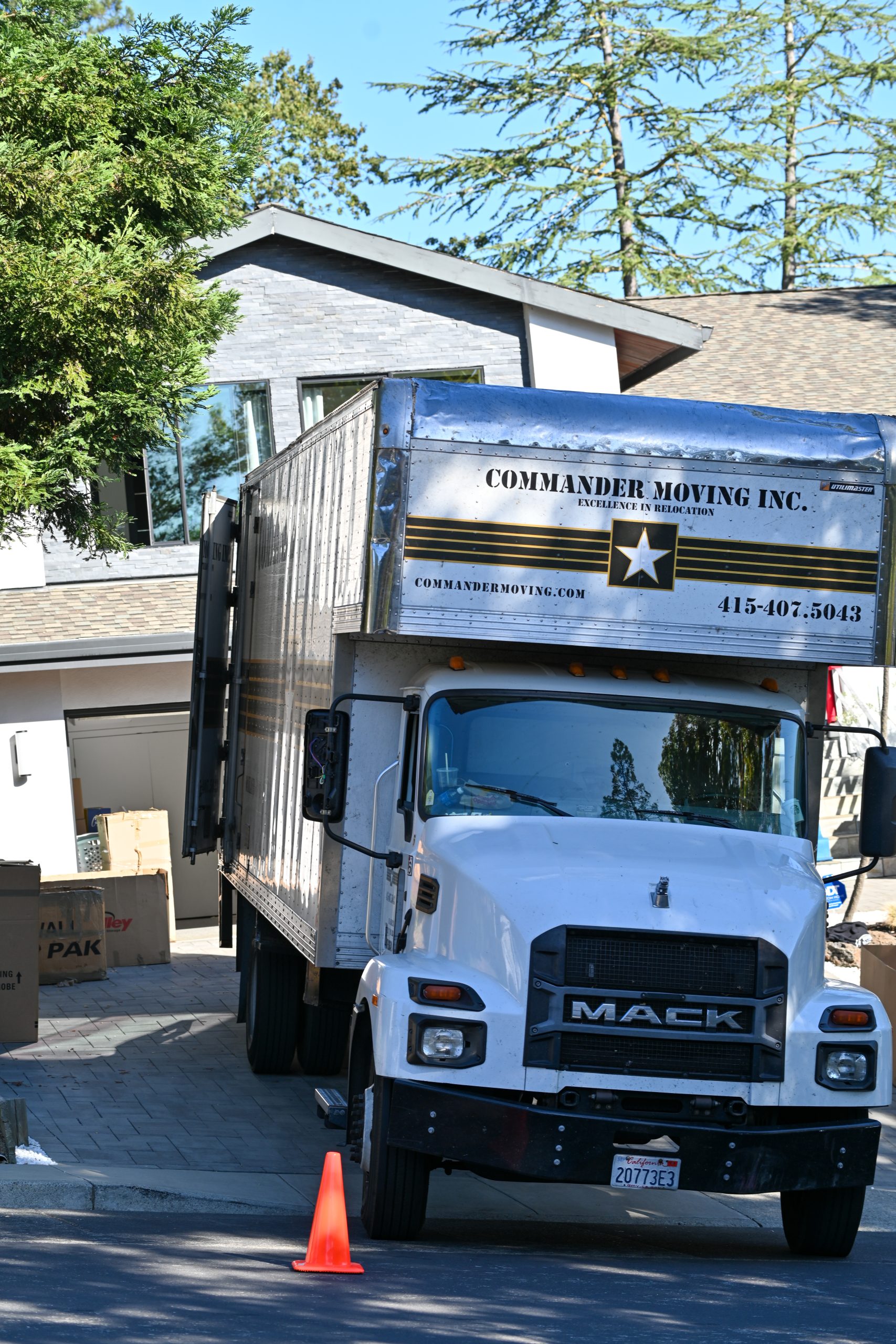
At Commander Moving, we provide professional moving services designed to make residential moves easier for homeowners and families throughout the Bay Area. Whether you’re moving from an apartment, relocating a large household, need help with specialty items, or want full-service packing, our team has the experience and equipment to handle every stage of your move safely and efficiently.
Choosing the right moving company means having a dependable team that respects your belongings, your home, and your schedule. Commander Moving focuses on careful planning, clear communication, and reliable service so you can move forward with confidence. Contact Commander Moving today to schedule your estimate and see how a professional moving company can make your next relocation easier.
Disclaimer
The materials available on this website are provided for general informational and educational purposes only and are not intended as legal, financial, moving, storage, or professional advice. Every move is different, and you should contact a qualified moving professional regarding your specific relocation needs, timelines, pricing, storage requirements, or specialty moving concerns.
Do not act or rely solely on the information contained on this website without first speaking directly with Commander Moving or another qualified professional regarding your individual situation. While we strive to keep the information on this website accurate and up to date, moving regulations, service availability, pricing, and operational details may change without notice.
Commander Moving disclaims all liability for actions taken or not taken based on any content found on this website to the fullest extent permitted by law. Use of this website or communication through this website does not create a contractual agreement for moving services unless confirmed in writing by Commander Moving.