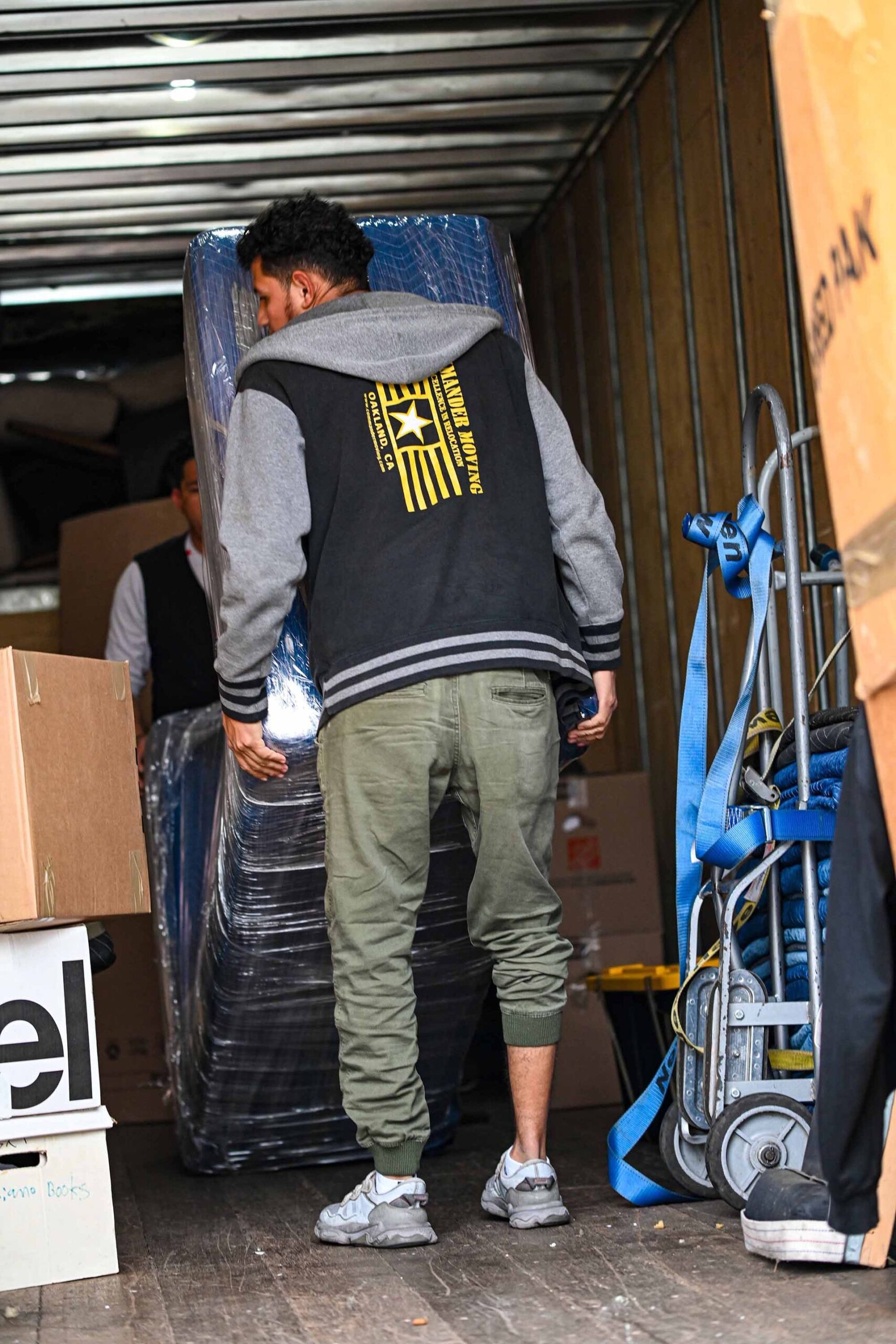
Packing / Unpacking: How do residential movers handle this? Residential movers provide packing and unpacking as a charged service that deploys trained crews, uniform materials, and managed processes. They pack all the breakables in paper or bubble wrap, get all the clothes stuffed into wardrobe boxes, and label everything by room and fragility. Movers use equipment such as dollies, padded blankets, and straps to safeguard furniture and maintain load balance in trucks rated by volume and weight. Upon delivery, crews arrange boxes in designated rooms, unwrap safeguarded goods, and put together simple furnishings as directed. Fees differ by labor level, supplies, and hours, with insurance choices for loss and damage.
Key Takeaways
- Take a tactical inventory of items before you pack. Spotlight specialty needs and schedule entry and timing so the move is smooth and safe.
- Residential Movers don’t entrust your fragile and valuable items to just anyone. They use high-quality materials and trained packing teams, using specialty containers, custom crating, and time-tested wrapping techniques.
- Adopt a structured packing and loading approach featuring well-labeled boxes, weight-stacking strategies, and tailored truck layouts to minimize breakage potential and ease unpacking.
- Provide different levels of service ranging from full packing to partial assistance and crating of individual items so homeowners can balance cost, effort, and protection.
- Add on beyond-the-box services such as furniture disassembly, appliance preparation, and electronics protection and reassembly to provide a frictionless move-in experience and speed your home setup.
- Be transparent, be safe, and be sure to put liability and coverage options in writing so that you and your customer have a trusted and less claims-driven professional moving experience.
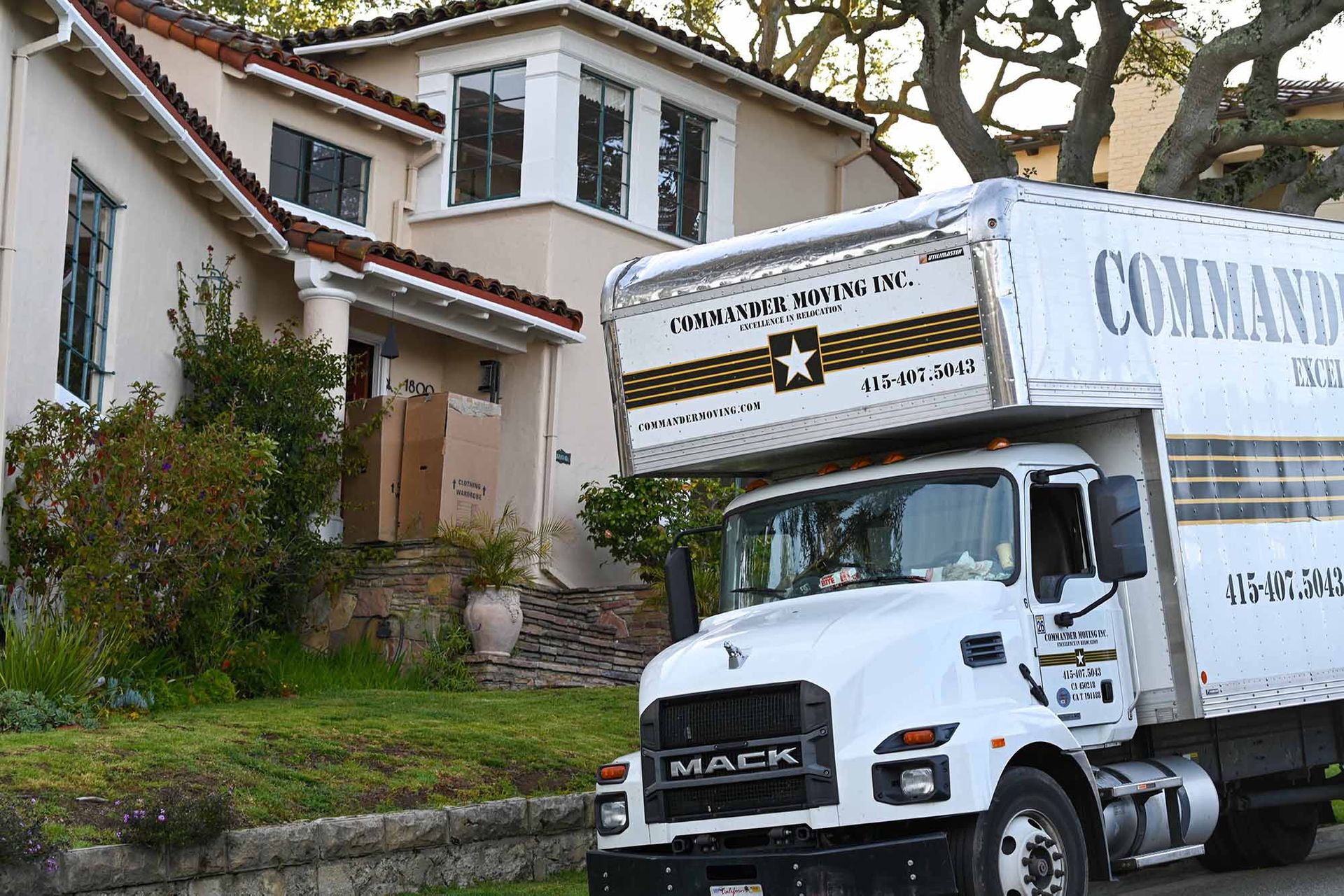
The Professional Packing Method
Professional packing services provide targeted assistance during one of moving’s most intense moments. This includes selecting various belongings, utilizing the right packing supplies, and implementing a thoughtful packing strategy to facilitate a seamless move experience and accelerate setup at the new home.
The Strategic Assessment
A thorough walkthrough creates a list of household goods and identifies any specialty items that require special attention. Teams designate which rooms are to be packed up completely or through partial packing services, and which items stay with the homeowner. They then mark a clear “Do Not Pack” area for property items. Access checks, including door widths, stairs, and elevator availability, dictate the packing and loading plan. The result is a personalized packing strategy connected to the homeowner’s timeline and priorities. It frequently reveals that packing an ordinary household can demand about 13 hours of effort, with an average three-bedroom home often requiring a day’s worth of labor.
The Right Materials
Quality packing materials are crucial for a seamless move experience. Sturdy boxes, bubble wrap, packing paper, and specialty containers for glass and ceramics reduce risk. Additionally, wardrobe boxes, mattress covers, and furniture blankets provide adequate protection for fabrics and expansive areas. Professional movers verify supplies pre-launch to ensure the unpacking process proceeds uninterrupted, allowing crews to avoid any downtime and meet the schedule.
The Systematic Process
Labeling by room and content makes your unpacking process easier and faster to handle. Professional movers stack boxes with heavy items on the bottom and delicate belongings on top. They have dedicated, seasoned staff for valuable items, using packing services honed through years of moves. These systems are why expert crews can pack so efficiently, allowing a professional packing team to complete most household items within the accepted packing time.
The Specialized Techniques
We provide comprehensive packing services, including custom crating and extra padding for artwork, antiques, and delicate electronics. Our professional packing team employs proper lifting equipment such as dollies and straps, along with techniques that ensure safety for the movers and adequate protection for bulky furniture. Fragile items benefit from thoughtful packing strategies, receiving personal wrapping and protective boxes to ensure a seamless move experience.
The Loading Blueprint
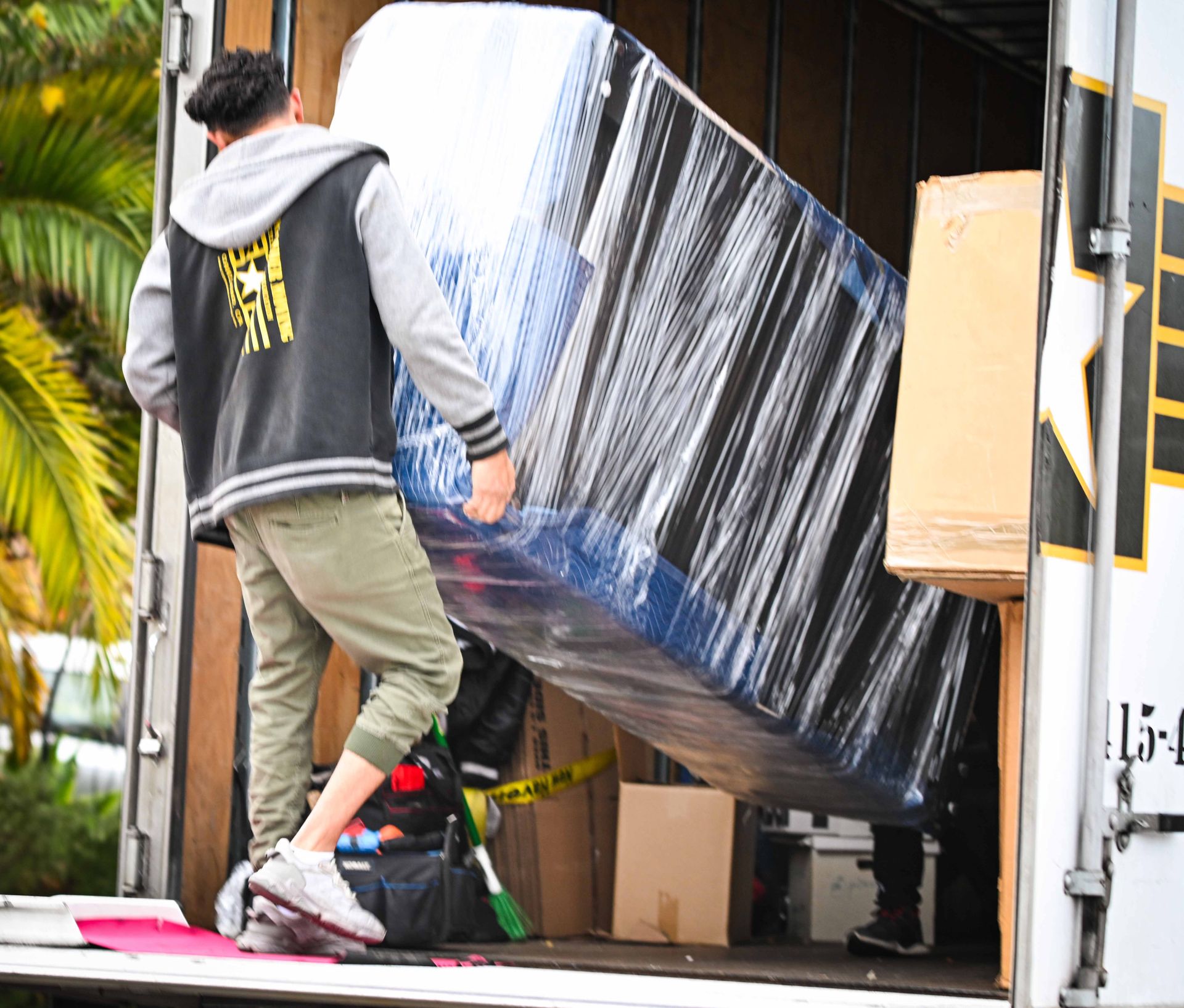
Trucks are loaded like a pro to prevent shifting and optimize space utilization during the move. Straps and covers hold it all in place, while our packing services ensure that necessities are in easy-to-grab locations for a quick camp setup. The operations manager coordinates truck space and timing, providing customers with unpacking guidelines and a list of prohibited items to ensure a seamless move experience.
Tailoring Your Packing Service
Movers customize packing services to meet customer requirements by aligning manpower, supplies, and timing with the home size, goods combination, and deadline. This thoughtful packing strategy allows customers to make cost and effort trade-offs, ensuring a seamless move experience.
Full-Service Packing
Full-service packing includes boxes, bubble wrap, foam, and paper, with packing services covering each room from beginning to end. We devote one packing team to one household to maintain consistency throughout the unpacking process. Movers who pack your china are also trained in how it will be loaded and unloaded. Specialty packing is included for fragile or oversized pieces, using professional packing teams for custom crating of pianos, reinforced boxes for flat-screen displays, and museum-grade materials for artwork. Teams work room by room to stay organized, minimizing mix-ups and streamlining the unpacking process. Movers will label boxes, jot down contents, and flag which cartons have the essentials you want on hand during moving day, such as medications, toiletries, snacks, and more. Full service minimizes homeowner time and labor while reducing the risk of damage through professional handling.
Partial-Service Packing
Partial packing services allow customers to select specific rooms or groups of items to outsource while they manage the packing of their remaining belongings themselves. Often, our professional movers focus on kitchens, garages, or delicate items, allowing owners to pack clothing and essentials. This option is ideal for busy families or individuals who want to oversee their personal items. Additionally, moving companies can provide the right packing supplies and quick tutorials to ensure that DIY-packed boxes meet necessary protection guidelines. For those needing last-minute assistance on moving day, a spare crew can help with priority boxes or stretch-wrap fragile items. While partial packing typically reduces costs compared to full packing services, clients should thoughtfully strategize which rooms to delegate based on their unique circumstances.
Single-Item Crating
Custom crating, a key aspect of packing services, protects valuable or irregular-shaped items for shipping and warehousing. Antiques, artwork, and sensitive electronics are safeguarded with specialized padding and shock-absorbing foam.
- Assess item dimensions, weight, and fragility.
- Design crate with appropriate internal bracing and materials.
- Fabricate crate and install cushioning.
- Wrap, tag crate, design handling/load sequence. Crating ensures specialized handling and increases the likelihood of safe delivery. Movers will even come back and pick up empty boxes and packing supplies if scheduled. Knowing prohibited items and sorting the unpacking order makes it all work better.
From One Home To Another
Movers consider packing services and unpacking services to be integral to their general service portfolio, aiming to protect goods and facilitate a smooth transition to a new home as soon as possible. The space below dissects typical add-ons and the thoughtful packing strategy movers employ to minimize harm, accelerate setup, and shorten that long tail of semi-unpacked boxes that tends to linger after a move.
Furniture Disassembly
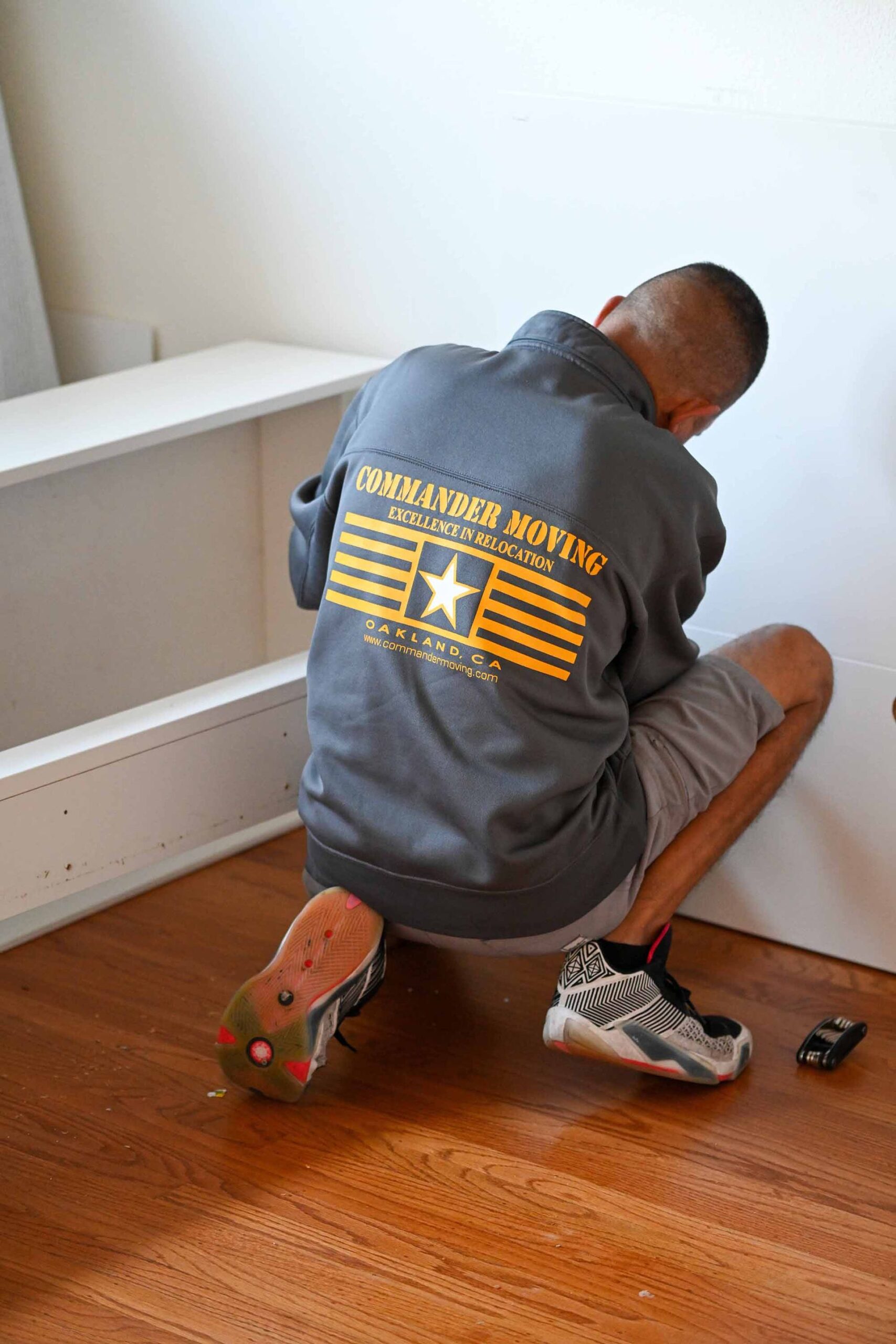
Oversized items often require careful attention during a distance move, especially when cramped doorways or steep staircases make storage or moving unsafe. Professional movers employ a metric and imperial toolkit, including Allen keys, socket sets, and torque wrenches, to disassemble legs, frames, and slats without damaging finishes. To ensure a seamless move experience, hardware is bagged, labeled, and taped or zippered to the component with an inventory note in the box for quick spot checks upon receipt. By scheduling disassembly to align with the loading order, we minimize wasted motion. Disassembly teams can hand off labeled components directly to loaders, ensuring that reassembly components travel with the right furniture, which is crucial for effective packing services.
Electronics Protection
Electronics require careful handling to avoid static, shock, and damage during the move. When original cartons are available, professional movers use them; otherwise, they opt for specialty packing services, including foam inserts and anti-static bags. Cables, remotes, and small peripherals are organized by being coiled, labeled, and zip-tied or placed into clear bags marked with the device name. Movers also remind clients to back up data and remove batteries to minimize corrosion risk. For delivery, teams can set up TVs, soundbars, and networking equipment based on a specified floor plan, ensuring everything functions smoothly in the new home. A home office move often involves tagging each cable with a number and providing a simple wiring map for the client.
Appliance Preparation
Appliances are prepared by draining fluids, securing drum tubs, and disconnecting gas lines exclusively by skilled technicians when necessary. Our doors are taped shut, and our cords are looped and tied, with protective coverings on our faces and edges to avoid any scratches. Professional movers schedule heavy stuff early so appliance placement occurs early in unloading, keeping hookup locations clear. After installation, the team can provide simple re-connection tips or arrange for approved contractors for gas or electrical work. The unpacking process takes the months-long burden of still-packed boxes off your hands by prioritizing essentials and efficiently disposing of packing waste.
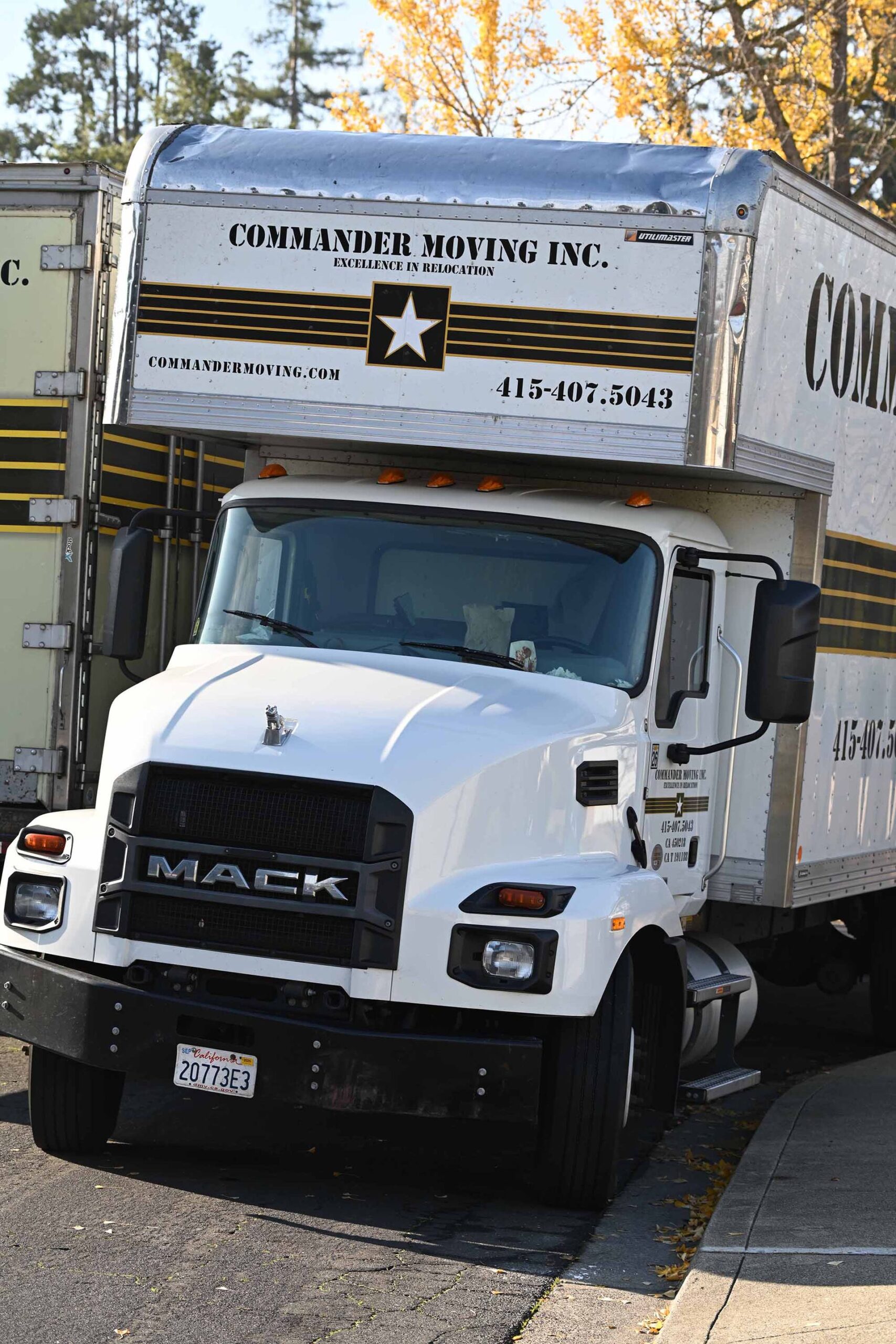
The Unpacking Experience
Unpacking begins the moment boxes arrive at the new home and often dictates whether the move is smooth or chaotic. Using professional packing services, teams break down the task into manageable steps: room placement, reassembly, and debris removal, with a move coordinator assigned to keep priorities aligned and ensure essential rooms, such as kitchen, bathroom, sleeping areas are ready first. This thoughtful packing strategy reduces stress and time, helping you avoid the common mistake of trying to tackle everything at once.
Room Placement
During the packing phase, it’s beneficial to set boxes and furniture in the room they are labeled for, which reduces handling and mistakes. Professional movers refer to the homeowner’s preferences and place large items first, followed by arranging boxes by priority to ensure that essential areas like the kitchen and bedrooms are functional within hours. Additionally, packing services can sort items by function inside rooms, positioning everyday dishes near the sink and toiletries by the bathroom mirror. Movers provide valuable assistance with unpacking services, helping residents reach necessities right away. If adjustments are needed, crews can make layouts on the fly to enhance the flow and comfort in the new home.
Reassembly Service
Reassemble furniture and equipment taken apart at the source, with labeled hardware and step notes maintained with each piece to eliminate guesswork. Technicians reverse the initial assembly of parts, adhere to the original order, do basic tooling and torque checks, and then conduct stability and safety testing. For beds, wardrobes, or IKEA-style units, this minimizes any future damage and keeps warranties intact. Additional services, such as packing services and personal assistant services like TV mounting, are offered upon request and conducted under safety protocols to preserve walls and wiring.
Debris Removal
Dispose of empty boxes, packing foam, and waste once the unpacking process is done so the new home is livable. Professional movers separate materials for recycling or disposal according to local laws and can stage bulky cartons for subsequent pickup upon request. This includes a final sweep to leave floors clear and surfaces dust-free, a convenience that spares homeowners the approximately 13 hours the entire unpacking service can otherwise consume.
Cost And Value
Professional packing and unpacking services have obvious costs and quantifiable value. Rates depend on the type of packing service, size of the move, distance of relocation, timing, and additional services. Here are some detailed breakdowns to help you weigh cost and benefit, with sample situations and real numbers to inform your choices.
Service Tiers
Basic tier: Labor-only help to box items homeowners have prepped, billed hourly. This option is good for small apartments or partial jobs. Mid tier: Full packing of non-specialty rooms, standard boxes, tape, and basic protection. It is priced per room or by time, typical for most households. Premium tier: Full-service move including dismantle and reassemble, custom crating, white-glove handling for artwork and electronics, and unpacking and placement. This service is charged as a flat move package or by shipment volume.
Tier | Included Labor | Materials | Specialty Services | Typical Cost Range (USD) |
Basic | Hourly packers | Customer-supplied | None | $150-$800 |
Mid | Team packers | Standard boxes, tape | Appliance prep | $350-$2,000 |
Premium | Full crew | Pro-grade supplies | Crating, unpacking | $1,000-$5,500+ |
Compare tiers by number of rooms, number of glass items, and level of unpacking to select the most cost-efficient options.
Material Fees
- Boxes, tape, and labels for regular boxes safeguard regular stuff, are cheap and recyclable, and anticipate bucket rates of $20 to $200 based on quantity.
- Bubble wrap and padding for glass and electronics, priced per roll or per meter pricing, reduce breakage risk.
- Specialty crates and wardrobe boxes for art, mirrors, and clothing have a higher per-unit cost, but there is less chance of damage to high-value items.
- Protective covers and mattress bags offer a small cost and a huge value in preventing soiling.
- Bulk bundles businesses provide bulk packages for sizable relocations, reducing per-piece price and streamlining invoicing.
Cost and value bundled material packages can reduce overall costs for moves that require adequate protection for various belongings. Pro-grade packing supplies might cost a bit more but will cut down on claims.
Liability Coverage
Manufacturers provide bare released-value coverage or full-value protection for your belongings during a move. Minimum coverage pays by weight, sometimes by a minor. All-risk insurance pays the cost of repair, replacement, or a cash settlement. To ensure a seamless move experience, photograph valuables and create inventory lists before packing. Claims need prompt notice, proof of value, and inspection. It’s essential to check policies about storage, transit, and unpacking services, as deductibles and exclusions vary. Distance, shipment size, and peak season all impact rates, especially for long-distance moves, which can range from $800 to $12,000.
The Mover’s Mindset
Residential moving crews take a service-first mentality that combines professionalism, planning, and empathy. This mindset begins with defined work ethics and quality and then materializes in practices that alleviate stress for customers already burdened with logistics and emotions during their distance relocation. Movers understand that clients are nervous, grieving, or enthused about change, so crews deliver predictability, progress, and small wins that make the adjustment easier.
Efficiency
Efficiency in packing services is crucial, as it involves planning every pack and unpack before a box gets taped. Crews use timed checklists and digital schedules to break down work into micro-tasks, including room-by-room packing lists, labeled inventories, and unpacking priorities for essentials. When it comes to transport, truck loading adheres to weight and fragility rules, ensuring that unloading at the new home is logical and fast. Heavy items are loaded first, fragile boxes ride on top, and frequently needed goods sit last-in-first-out. Continuous review of the entire moving process occurs post-job, allowing teams to record delays and refine their operations for a seamless move experience.
Safety
Safety is both physical and procedural during a move. Professional movers use lifting techniques, employ straps and dollies, and don protective gloves and footwear to reduce injury likelihood. Specialty training includes handling delicate items such as pianos, artwork, and electronics to avoid damage and liability. Supervisors inspect work areas for tripping hazards, weather dangers, and safe parking spaces prior to work commencing, ensuring a seamless move experience for homeowners concerned about mishaps or shattered heirlooms amid a tense life transition.
Clear Service Coordination
Open lines of communication alleviate stress and temper expectations. Every job typically has a lone move coordinator who manages timing, crew schedules, and customer inquiries. Standard status updates include arrival windows, progress milestones, and any surprises. Different communication modes serve different needs:
Method | Purpose |
Phone call | Immediate decisions, urgent changes |
SMS/text | Arrival windows, short alerts |
Detailed estimates, inventories, receipts | |
App/portal | Real-time tracking, photos, checklists |
Trust builds when crews consistently do what they say they will, train to keep their skills current, and demonstrate flexibility when clients encounter emotional or logistical curveballs.
Final Remarks
Movers pack with a plan, steady hands, and TLC for every piece. They organize by room and fragility, select the appropriate box, fill, and label so unpacking is a breeze. Teams relocate the heavy items first, wrap unusual shapes, and maintain an inventory of valuables. Great teams throw in little touches, such as fixing legs or plugging in electronics. They range in scale, timing, and experience, but you’re paying for quick, secure, and less stress. Choose a mover who presents pictures of previous work, provides a written inventory, and has insurance. Anticipate the kind of handoff where boxes land in the correct rooms and necessities lay waiting. Do your due diligence, request a walkthrough, and schedule a team that meets your budget and schedule.
Frequently Asked Questions
1. How Do Residential Movers Protect Fragile Items During Packing?
Movers use various packing options, including bubble wrap, packing paper, and sturdy boxes, to ensure adequate protection for your belongings. Their professional packing team provides additional padding and labels boxes as fragile, minimizing the potential for damage during the transportation process.
2. Can Movers Pack Only Part Of My Home?
Yes. Residential movers often offer partial packing services, allowing you to choose specific rooms or delicate items for packing. This thoughtful packing strategy saves time, maintains control, and decreases costs during your move.
3. Do Movers Provide The Packing Materials?
Several professional movers provide packing services, including materials such as boxes, tape, and padding. Some incorporate these packing options in service bundles, while others invoice them separately. Request a materials list and price estimate before booking!
4. How Long Does Professional Packing Usually Take?
Time varies by home size and belongings, with a one-bedroom typically taking a few hours. Professional movers provide hour estimates during their in-home surveys, ensuring a precise moving plan for your relocation.
5. What Does Unpacking Service Include?
Unpacking services, including full-service unpacking, range from placing boxes in rooms to assembling furniture and removing packing debris, ensuring a seamless move experience as you transition into your new home.
6. How Do Movers Price Packing And Unpacking Services?
Estimates for packing services can be flat-rate, hourly, or based on volume and materials. They correspond to labor, supplies, and the level of service the moving provided. Get written quotes and inquire about hidden fees to compare prices.
7. How Do Moving Companies Handle Valuable Or Sentimental Items?
They usually provide packing services that include special handling for valuables with custom crating, dedicated transport, and extra insurance, ensuring a seamless move experience for your belongings.
Give Your Body The Time And Space To Rest, Recover, And Restore
When life feels nonstop, your body often carries the stress long after the day is over. Tight muscles, fatigue, tension, and mental overload can all be signs that it’s time to slow down and recharge. At The Sanctuary Holistic Healing Center, our approach to Rest, Recovery, and Restoration is designed to help you step away from the demands of everyday life and give your body the care it needs to reset.
Each session is personalized around how you’re feeling and what your body needs most. Through holistic therapies such as massage, cupping, Gua Sha, infrared light therapy, breathwork, and other supportive techniques, we create a calming experience focused on releasing tension, encouraging relaxation, and supporting your body’s natural recovery process.
Rest isn’t something you have to earn. It’s an important part of feeling your best. Whether you’re recovering from physical strain, navigating a stressful season, or simply feeling worn down, making space for intentional recovery can help you feel more grounded, refreshed, and ready for what’s next.
Schedule your session with The Sanctuary Holistic Healing Center today and make time to rest, recover, and restore.
Disclaimer
The materials available on this website are provided for general informational and educational purposes only and are not intended as legal, financial, moving, storage, or professional advice. Every move is different, and you should contact a qualified moving professional regarding your specific relocation needs, timelines, pricing, storage requirements, or specialty moving concerns.
Do not act or rely solely on the information contained on this website without first speaking directly with Commander Moving or another qualified professional regarding your individual situation. While we strive to keep the information on this website accurate and up to date, moving regulations, service availability, pricing, and operational details may change without notice.
Commander Moving disclaims all liability for actions taken or not taken based on any content found on this website to the fullest extent permitted by law. Use of this website or communication through this website does not create a contractual agreement for moving services unless confirmed in writing by Commander Moving.