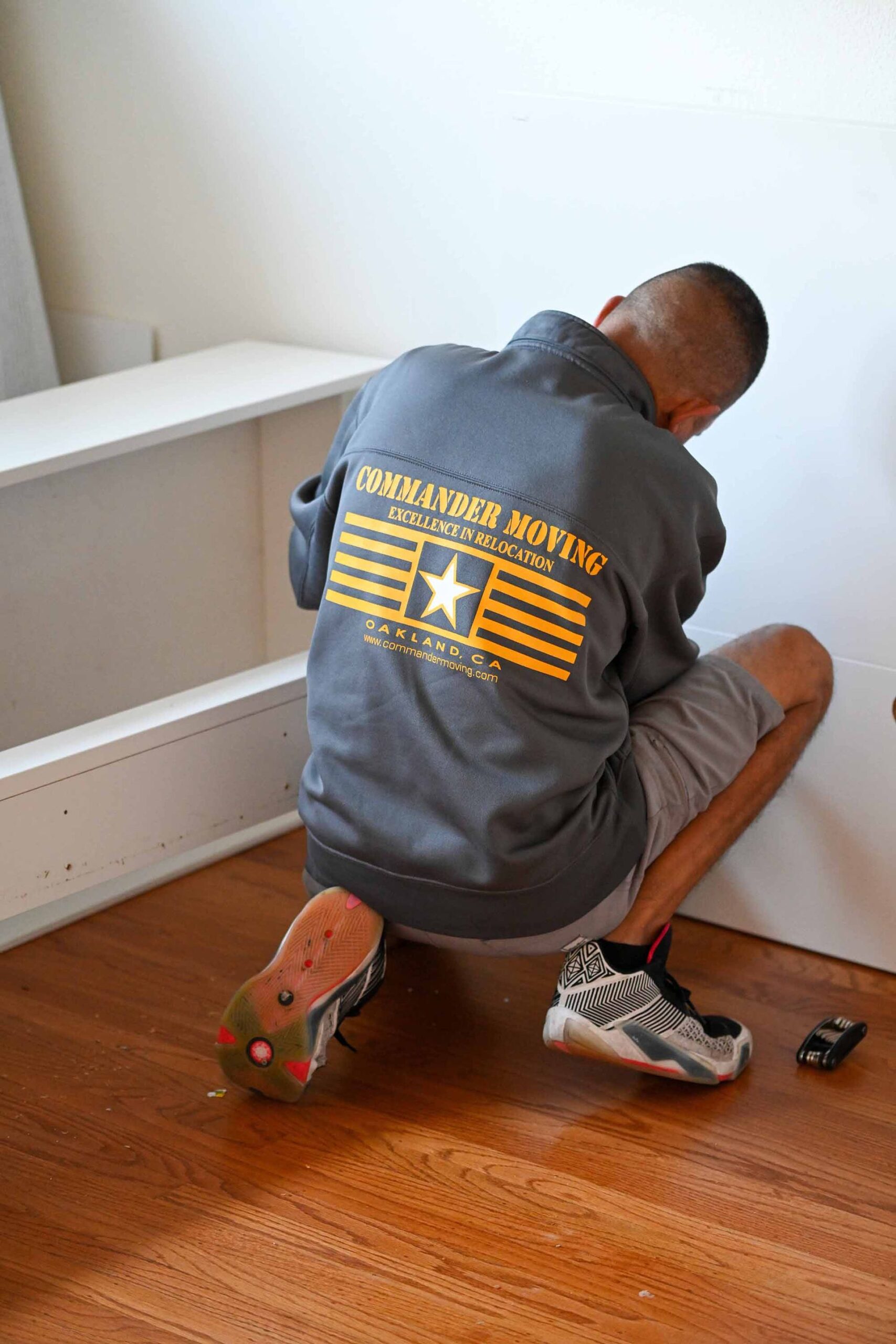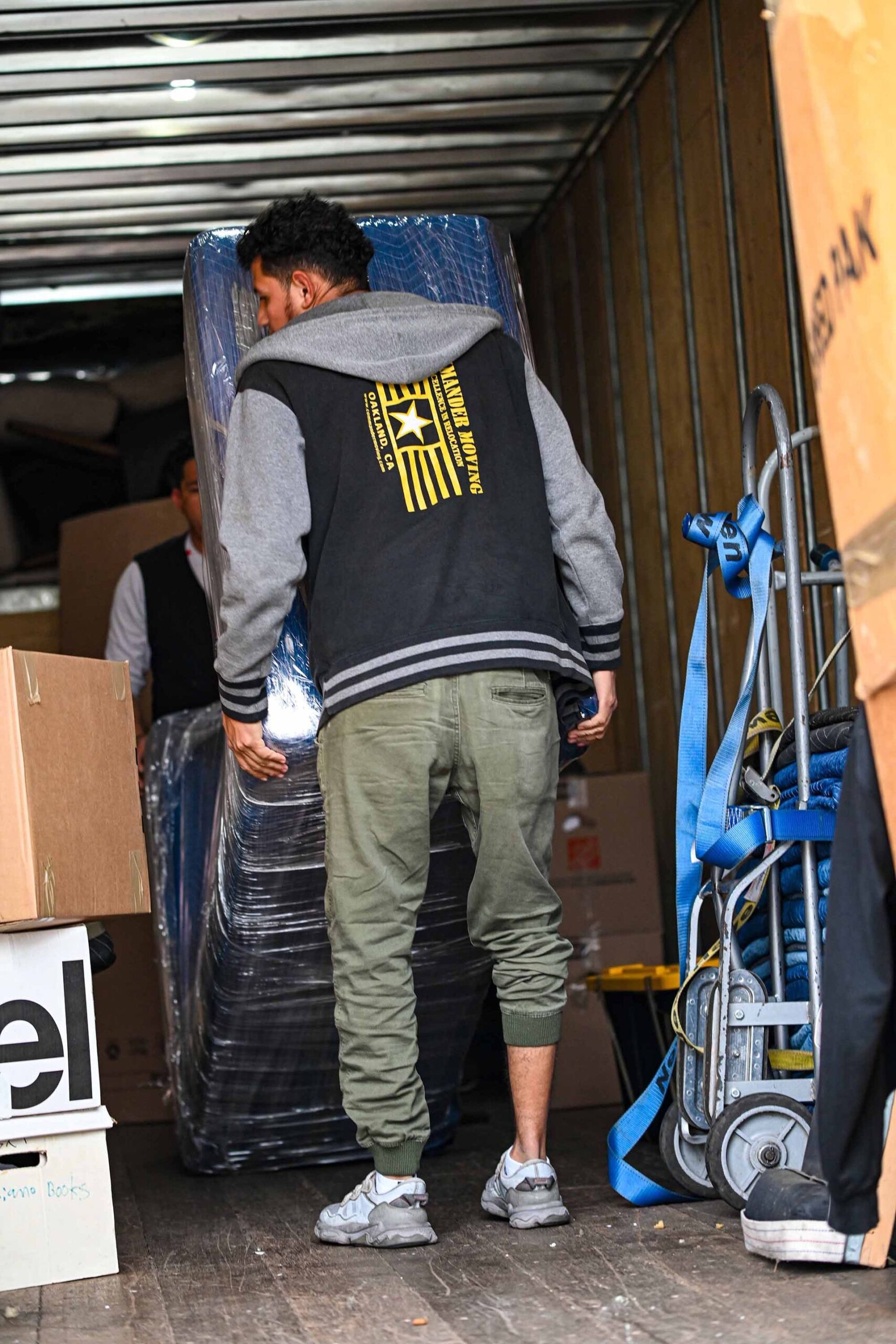
More homeowners hire professional residential movers to mitigate risk, save time, and handle heavy lifting with experienced crews and equipment. Pro teams use padding, straps, and vans sized to load profiles, which slashes damage and return trips. Companies tend to offer liability coverage and transparent quotes calculated by cubic meters and hours of labor, so families encounter fewer unexpected fees. A number are tacking on packing, disassembly, and even short-term storage, supporting full households with scaling schedules or complicated layouts. For work-at-home parents, contracting out moving labor provides quantitative time savings and reduced strain. It will cover service types, what affects cost, and tips to choose trustworthy movers.
Key Takeaways
- Professional movers minimize bodily injury and damage to your possessions by deploying trained crews equipped with ergonomic tools and protective materials to move heavy, awkward, or specialty items with care.
- Professional movers save you time and reduce upheaval with synchronized packing, loading, and logistics that get you moved within tight time frames and limit the disruption to your normal routine.
- Trusting a mover reduces stress and uncertainty by providing reliable communication, insurance-backed liability management, and proactive scheduling that prevents last-minute surprises.
- Pro services safeguard valuables with specialized packing, digital inventories, and secure loading techniques that minimize damage and theft, and streamline claims if it occurs.
- These movers use technology and know-how to generate transparent, itemized quotes, real-time tracking, and efficient route planning that increase accountability and predictability in costs.
- When choosing movers, check credentials, compare line-by-line estimates, and read up-to-date reviews to be confident in their trustworthiness. Ask for written itemized quotes, verify insurance and licensing, and value movers with transparent communication and documented experience.
Why Homeowners Hire Movers
Homeowners hire professional movers because a distance move is a mash-up of physicality, urgency, complexity, and risk to your belongings. Experienced movers tackle every one of these requirements with proper equipment, logistical planning, and process management well before the initial box is taped shut.
Physical Safety
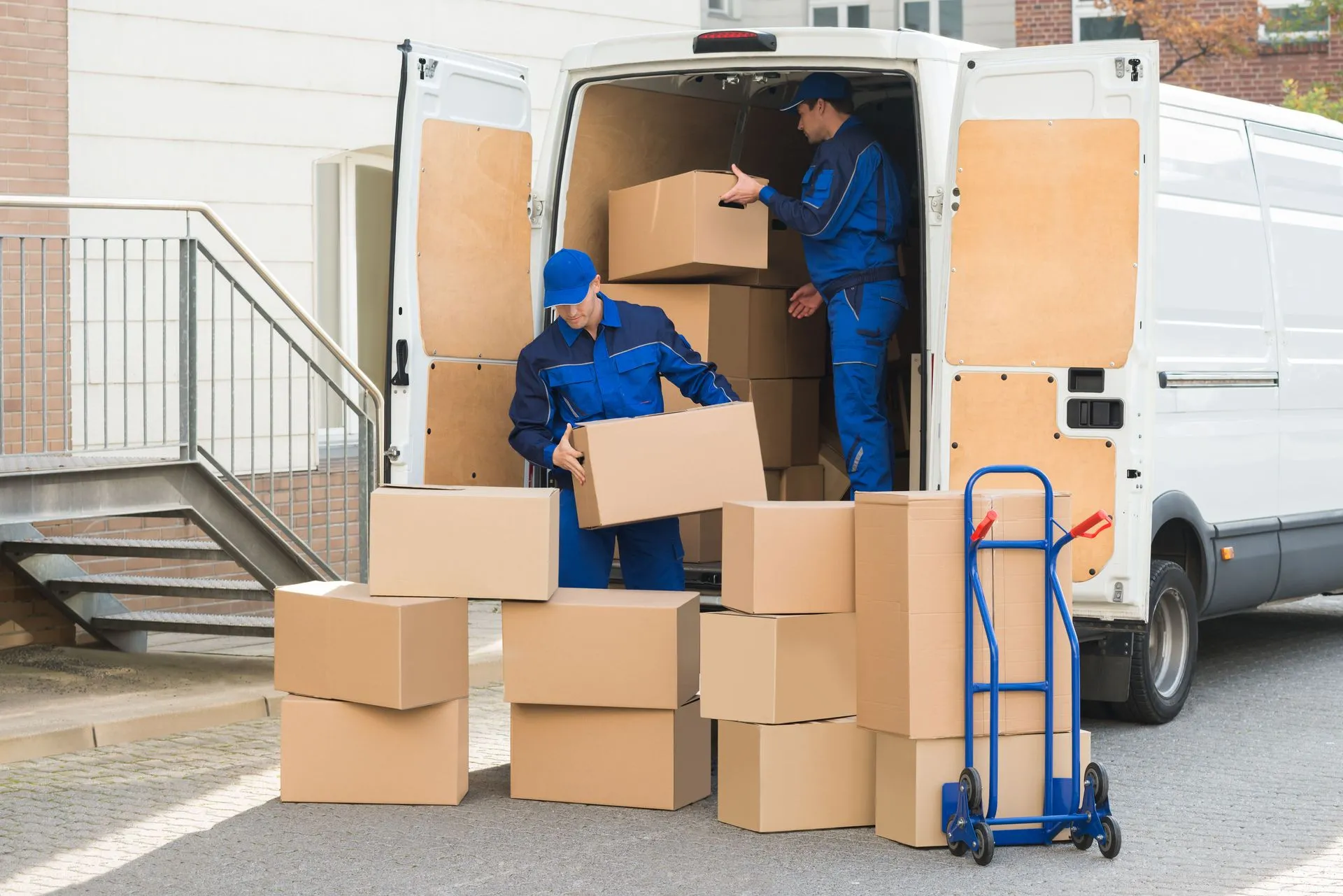
These opportunities for injury can be minimized when hiring experienced movers who have trained crews that use safe lifting techniques and ergonomic equipment. Moving heavy furniture up stairs or through small doorways creates a high risk of muscle strain and back injury for untrained people, and professional movers use dollies, straps, and hoisting techniques to shift loads safely. They shield floors, walls, and fixtures with pads and corner guards, ensuring that homeowners don’t get stuck with expensive property damage during their relocation process. Whether they’re navigating an elevator or a narrow stairwell, movers map their path and take apart what they must, so homeowners don’t have to wrestle heavy things in tight spaces.
Well-Managed Residential Move
Professional movers, especially experienced movers, can reduce potentially days-long work into a matter of hours, utilizing efficient packing strategies and well-defined roles. Crews operate on packing lists, label boxes for quick unloading, and stage items by room to ensure a smoother unpacking process. For homeowners who need to maintain work schedules, outsourcing the relocation avoids extended absences and wasted effort. Movers handle the driving of giant trucks and navigating tight delivery windows, which is crucial for clients uncomfortable behind the wheel of a 26-footer or facing a short lease overlap.
Mental Peace
Hiring long-distance movers reduces stress by transferring coordinated activities, such as scheduling, routing, and inventory checks, to one accountable source. Transparent quotes, a single point of contact, and agreed deadlines give their relocation process predictability. Deep pre-move surveys minimize last-minute surprises such as blockaded parking or oversized items, and professional liability and insurance terms provide financial recourse should damage occur. That combination allows homeowners to concentrate on getting comfortable in their new home, not troubleshooting along the way.
Item Protection
Specialized packing materials and techniques protect fragile items and valuables in transit, ensuring a smooth relocation for homeowners. They stockpile goods, strap down loads to prevent shifting, and wrap furniture with blankets and pads to prevent scratching. For a distance move, appliances and fragile instruments receive custom crating or straps, while seasoned handlers use custom techniques for specialty pieces like pianos and antiques, minimizing the risk of breakage.
Overall Efficiency
Coordinated teams of experienced movers, along with the right truck size and route planning, eliminate unnecessary trips and downtime during the relocation process. Experts maximize loading sequence and pair gear to the job while working around traffic or permit requirements, leading to more streamlined moves.
The Hidden Costs Of DIY Moving
DIY moving, which appears more affordable on its face, incurs a variety of hidden expenses that can rapidly wipe out any alleged savings. Below is one example of the main hidden costs, with actual figures and examples to give you a sense of the real trade-offs.
Unexpected Damages To Property Or Belongings
In addition, floor, door frame, electronics, or furniture damage is common when the right equipment and technique aren’t used. Twenty-four percent of DIY movers experience more than five hundred dollars in damages. Replacing a busted appliance or refinishing hardwood floors can cost hundreds or thousands of dollars. Packing wrong can cause breakage for fragile items, and DIY insurance is limited or optional, so replacement is out-of-pocket.
Medical Bills And Lost Wages From Injuries
DIY moves carry higher injury risk: about 80% of ER visits during moves come from DIY attempts, mainly back injuries and falls. Seniors and families with young kids are particularly at risk. A sprain or herniated disc can translate into medical bills and lost work time. The average lost wages associated with time off for a move can range between $300 and $900. These costs quickly change the cost-benefit picture.
Time Costs And Opportunity Loss
An average 2-3 bedroom DIY move requires 16 to 32 hours, including packing, loading, transport, and unloading. Time out of work or school adds indirect costs. For young professionals, that translates to lost billable hours or lost career momentum, a less obvious but tangible cost.
Direct Outlays: Truck, Fuel, Insurance, And Supplies
Rental truck gas comes to about $50 to $300, depending on how far you’re going. Equipment and packing supplies cost about $400 if you buy dollies, pads, and boxes. Rental insurance frequently runs $30 to $150 more. Aggregate DIY costs typically range from $500 to $1,500, and they can rise if storage or last-minute rentals are needed.
Relational And Mental Strain
Depending on friends or family breeds tension. Arguments about load order, fragile items, or scheduling are par for the course. That strain can throw off routines, create emotional exhaustion, and impact relationships long after the relocation.
Delays, Storage, And Cascading Expenses
Vehicle trouble, underestimating volume, or weather can cause delays that necessitate storage rentals or extra trips. Local professional moves range from $1,200 to $4,500. Long-distance moves can easily exceed $10,000, so weigh the risks against possible pro advantages.
Relational Strain
Stress mounts when you’re begging friends or family to assist with cumbersome labor during a long-distance move. Friends feel obligated, which fosters resentment if plans change. Small arguments about who’s in charge tend to develop. One individual may get stuck with the heavy lifting or most fragile articles, complicating the entire move and leading to emotional fatigue.
Additional Moving Expenses
Packing supplies, tolls, and extra miles accrue quickly during a long-distance move. Fuel costs can range from $50 to $300, while necessary equipment and supplies may add up to $400. Rental insurance costs between $30 and $150, and last-minute tool rentals or storage can push totals beyond $1,500.
Physical Toll
Heavy lifting causes strains, sprains, and long-term back issues, particularly during a distance move. Most ER move injuries stem from DIY attempts, as homeowners often lack the necessary equipment. Loose, improper, or uneven weight distribution increases the risk of accidents on the road, making professional movers essential for a safe and efficient relocation.
How Technology Elevates Moving
Technology now supports almost every point of a residential move, making it easier for homeowners to navigate the relocation process. By utilizing digital systems, clients can select the degree of assistance they require, customize services, and track progress, ensuring a predictable relocation experience. These subtopics demonstrate how software, tracking, inventories, and enhanced communication combine to make long-distance moves more efficient and manageable.
Accurate Quoting
Factor | Description | Impact On Cost |
Volume & weight | Measured from digital room scans or owner entries | Directly scales transport and labor fees |
Distance & route | GPS-optimized routing and traffic models | Affects fuel and time-based charges |
Access & handling | Stairs, elevators, narrow doors, special gear | May add labor or equipment line items |
Service level | Full pack, partial pack, self-pack, storage | Determines crew size and time estimates |
Insurance & valuation | Chosen coverage type and declared value | Adds predictable protection cost |
Itemized online quotes eliminate guesswork for homeowners and provide clear pricing overviews, ensuring no surprise charges during the relocation process. Industry-standard quoting tools facilitate side-by-side comparisons of distance movers, assisting in budget planning and selecting the right service mix.
Real-Time Moving Progress
GPS-enabled trucks and integrated telematics allow customers to track the location of their cargo during its journey. Live feeds indicate pickup, en route, and estimated arrival times, reducing ambiguity. Push notifications notify owners of delays or route changes so they can adjust schedules quickly. Tracking raises accountability: time-stamped location logs and driver confirmations tie actions to outcomes and reduce disputes.
Real-time systems tie in with customer portals and permit two-way updates. Movers can redirect or reallocate resources more quickly when traffic or weather changes plans. That nimbleness comes in incredibly handy for narrow move windows or when trying to time arrival with building access.
Digital Inventories
Make inventory lists with photos, barcode tags, or QR codes. Visual and coded inventories reduce the risk of loss and assist crews in managing delicate items properly. When damage or loss occurs, a documented inventory expedites the claims process as proof is already on file.
Inventories are accessible through mobile apps or web portals, allowing homeowners to check, organize, and export lists at any time. This visibility enables partial moves, storage transitions, and staged unpacking by priority. It complements specialized equipment suggestions for heavy or fragile objects.
Specialized Moving Expertise
Specialized moving expertise starts with a targeted inventory of what’s being moved, including the size, weight, and fragility of objects to craft a distinct, personalized relocation strategy. Experienced movers walk through homes to catalog odd items, stairs, access restrictions, and deadlines. This evaluation guides equipment selection and route decisions, ensuring an efficient packing process that reduces risk and time.
Fragile Home Furnishings
Specialized moving crews, including experienced movers, use a combination of quality materials and targeted packing techniques to safeguard your glassware, electronics, and artwork during the relocation process. Custom crates are used for irregular shapes, while double-boxing and acid-free wraps are provided for paper and canvas. To ensure a predictable relocation experience, crews insert anti-shift foam and vibration-absorbing pads to hold items in place. Movers dedicate seasoned personnel to pack, load, and unload sensitive pieces, minimizing the risk of damage that traditional household packing tends to miss.
Heavy Household Items
Heavy or cumbersome furniture requires professional packing and proper equipment to prevent damage during a distance move. Experienced movers use dollies, appliance ramps, moving straps, and furniture sliders to efficiently transport that sofa, sectional, or refrigerator with measured power. They’ll disassemble complicated units, mark down screws, and reassemble them at the new home, saving homeowners the frustration and time of doing so themselves. Smart lifting techniques reduce injury risk to both the crew and residents, while crews plan a path through tight doorframes, stairwells, or elevators to avoid scratches and dents.
Complex Logistics
Complicated moves require more than just muscle; they require strategy and coordination. Movers book elevator reservations, secure building permits, and create multi-stop routes to align with delivery windows. For long-distance moves, teams map out fuel-efficient routes, determine time on the road, and coordinate delivery windows with local factors. We handle the administrative stuff, such as inventory lists, insurance options, utility transfer coordination, to take the weight off the homeowner’s shoulders. Communication is maintained throughout so expectations remain aligned and contingencies are addressed swiftly. When loading zones are tight or urban traffic is heavy, movers stage equipment and modify loading orders to keep the move progressing.
Special moving expertise ranges in price according to distance, number of items, level of service, and equipment needed. Planning keeps budget and timing in check and stress levels down.
The Modern Mover’s Advantage
Here are some of the advantages that professional long-distance movers provide, transforming the moving experience for homeowners. They offer a mix of tools, experienced individuals, and methodology that reduces risk, saves time, and ensures a more predictable relocation process.
- Faster, safer moves with modern trucks, lifts, and tools
- Less broken stuff since crews pack and pad correctly.
- Predictable timelines from structured planning and routing
- More efficient management of cumbersome or weighty pieces with professional-grade equipment.
- Fewer surprises through pre-move surveys and tailored plans
- Flexible scheduling to match work, school, or international timelines
- Peace of mind from trained crews and insured services
Modern trucks, equipment, and technology are essential for safer, speedier moves. These distance movers use trucks equipped with lift gates, air-ride suspensions, and secure tie-down systems, which save loading time and protect fragile items from shock during the transportation process. GPS route planning and digital inventories allow crews to avoid congestion and keep track of each crate. For instance, using a tail-lift to load a heavy piano minimizes manual strain and risk.
Elite crews with decades of residential experience are vital for a successful move. They are trained in safe lift techniques, apartment stair maneuvers, and dismantling tricky furniture. This training includes injury prevention and handling specialty items such as fine art and large aquariums. A professional crew will lift a mattress and bed frame up tight stairs more efficiently than untrained friends, ensuring the safety of your possessions.
Flexible scheduling and white-glove solutions are also offered by modern movers. They provide half-day blocks, weekend moves, and short-term storage options. Homeowners can choose their desired level of packing service, whether it’s homeowner-only, partial, or full-service packing, making the transition smoother.
Organization, accuracy, and assurance are key aspects of the moving process. Pre-move surveys generate a room-by-room plan, listing heavy items and timing, minimizing chaos on moving day. Experienced movers with the proper equipment and expertise lead to less stress over potential damage or setbacks during the entire move.
How To Select Your Movers
Choosing a mover requires thorough planning and checks to minimize risks and maximize value during your relocation. Our step-by-step guide covers essential aspects like estimates, credentials, reviews, and the necessary equipment, ensuring you can confidently compare distance movers and make informed decisions.
- Determine what kind of movers you require and the scale of work. Determine if you want full packing, partial packing, or just labor assistance. Remember big pieces, floors, stairs, elevator access, long carries, and special pieces such as pianos or fine art. These specifics alter the quote and machinery required.
- Get several itemized estimates and compare them. Request itemized, written estimates based on an in-home or video survey. Obtain no less than three quotes for comparable move size and distance. Compare line items: packing, padding, disassembly, reassembly, fuel, tolls, and storage. Look for binding versus non-binding estimates and hourly rates.
- Check credentials and legitimacy. For interstate moves, check FMCSA registration and for intrastate work, verify local licensing. Request evidence of insurance, certificate numbers, and the insurer’s contact. Research the company’s background and longevity in the residential field, and steer clear of movers that demand big deposits up front, use unmarked trucks, or are unable to provide paperwork.
- Check out equipment and staff. Make sure trucks have appropriate lift gates, padding, straps, and dollies. Inquire about crew training on handling fragile or heavy objects as well as background checks. Specialized moves need specialty rigs or hoists, so make sure they are available.
- Don’t rely solely on reviews. Read through them and identify patterns. Verify recent reviews on Google, Yelp, and sector websites. Search for recurring compliments about timeliness and gentleness and multiple accusations of damage, tardiness, or lack of communication. Read full reviews, not just star ratings, for context.
- Consider timing and flexibility. Moving on non-peak days or in non-peak seasons generally provides better rates. Inquire about their cancellation and rescheduling policies and if they offer incentives for flexible dates.
- Final check before hire. Ask for evidence of a binding estimate or a written contract, inquire about pickup and delivery windows, and check the claims process for damages. Save copies of inventories and pictures of expensive items.
Verify Credentials
When verifying an actual moving company, it is crucial to check FMCSA registration and any state or local mover licensing. Additionally, confirm current insurance limits and request policy numbers to ensure a predictable relocation experience. Avoid companies that demand large cash deposits or provide only sketchy paperwork, as these can complicate the relocation process.
Compare Estimates
Company | Quote Type | Included Services | Exclusions | Estimated Total |
Example A | Binding | Packing, transport, basic insurance | Specialty crating | $2,441 |
Example B | Non-binding | Transport, loading | Packing, fine art | $2,035 |
Example C | Hourly | Crew, truck, fuel | Materials, stairs fee | $2,209 (est) |
Skip the table for sneak fees and ask clarifying questions about the costs associated with professional packing and long-distance movers.
Read Reviews
Look up recent reviews for timeliness, damage, and crew attitudes from various long-distance movers. Look for repeat themes: careful handling, clear communication, and fair claims handling. Warning signs include multiple complaints of blank trucks or inadequate follow-up on grievances, which can complicate the relocation process.
Final Remarks
Why are more homeowners picking professional residential movers? Movers wrap glassware with proven solutions, stow trucks with caution, and plot routes that minimize gas consumption and holdups. Tech such as live tracking, digital inventories, and online quotes makes the move transparent and less stressful. For those with hectic careers, kids, or long-distance moves, pros take out the heavy lifting and the uncertainty. This saves you time and headaches. At first glance, the costs may appear higher, but less breakage, fewer missed days of work, and rapid setup at your new place make the choice smart. If stress, damage, or hidden hassle matter, choose licensed movers with good reviews and transparent rates. Get a couple of quotes, inquire about insurance, and leave the heavy lifting to the pros.
Frequently Asked Questions
1. Why Do Homeowners Hire Professional Residential Movers Instead Of Doing It Themselves?
Time and muscle saver: professional movers handle packing, heavy lifting, and logistics, which reduces the potential for damage and injury. This often leads to a more efficient relocation process and a smoother long-distance move.
2. What Hidden Costs Should I Expect With A DIY Move?
DIY moves can include truck rental fees, fuel, insurance gaps, packing supplies, and medical bills, which can accumulate and exceed the cost of hiring professional movers for a more efficient relocation.
3. How Does Technology Improve The Moving Experience?
Technology provides real-time tracking, digital inventory, online booking, and transparent billing, enhancing the relocation process for homeowners and ensuring a more predictable relocation experience.
4. Are Professional Movers Insured And Licensed?
Licensed and insured: Commander Moving is licensed and insured, safeguarding your household belongings and providing liability coverage. Always remember to ask for their license and insurance proof when hiring.
5. Can Movers Handle Specialty Items Like Pianos Or Fine Art?
Yes. As you might have guessed, professional movers, especially experienced movers, come with special equipment and expertise for fragile or heavy items. They use custom packing and secure transport to safeguard household belongings.
6. How Do Movers Reduce The Risk Of Damage To My Home And Belongings?
Movers use protective materials, safe packing methods, and trained techniques, enhancing the relocation process to limit damage and ensure a predictable relocation experience.
7. What Should I Look For When Selecting A Moving Company?
Verify licenses, insurance, and reviews, while also considering the importance of itemized estimates and transparent contracts for your long-distance movers.
Give Your Body The Time And Space To Rest, Recover, And Restore
When life feels nonstop, your body often carries the stress long after the day is over. Tight muscles, fatigue, tension, and mental overload can all be signs that it’s time to slow down and recharge. At The Sanctuary Holistic Healing Center, our approach to Rest, Recovery, and Restoration is designed to help you step away from the demands of everyday life and give your body the care it needs to reset.
Each session is personalized around how you’re feeling and what your body needs most. Through holistic therapies such as massage, cupping, Gua Sha, infrared light therapy, breathwork, and other supportive techniques, we create a calming experience focused on releasing tension, encouraging relaxation, and supporting your body’s natural recovery process.
Rest isn’t something you have to earn. It’s an important part of feeling your best. Whether you’re recovering from physical strain, navigating a stressful season, or simply feeling worn down, making space for intentional recovery can help you feel more grounded, refreshed, and ready for what’s next.
Schedule your session with The Sanctuary Holistic Healing Center today and make time to rest, recover, and restore.
Disclaimer
The materials available on this website are provided for general informational and educational purposes only and are not intended as legal, financial, moving, storage, or professional advice. Every move is different, and you should contact a qualified moving professional regarding your specific relocation needs, timelines, pricing, storage requirements, or specialty moving concerns.
Do not act or rely solely on the information contained on this website without first speaking directly with Commander Moving or another qualified professional regarding your individual situation. While we strive to keep the information on this website accurate and up to date, moving regulations, service availability, pricing, and operational details may change without notice.
Commander Moving disclaims all liability for actions taken or not taken based on any content found on this website to the fullest extent permitted by law. Use of this website or communication through this website does not create a contractual agreement for moving services unless confirmed in writing by Commander Moving.