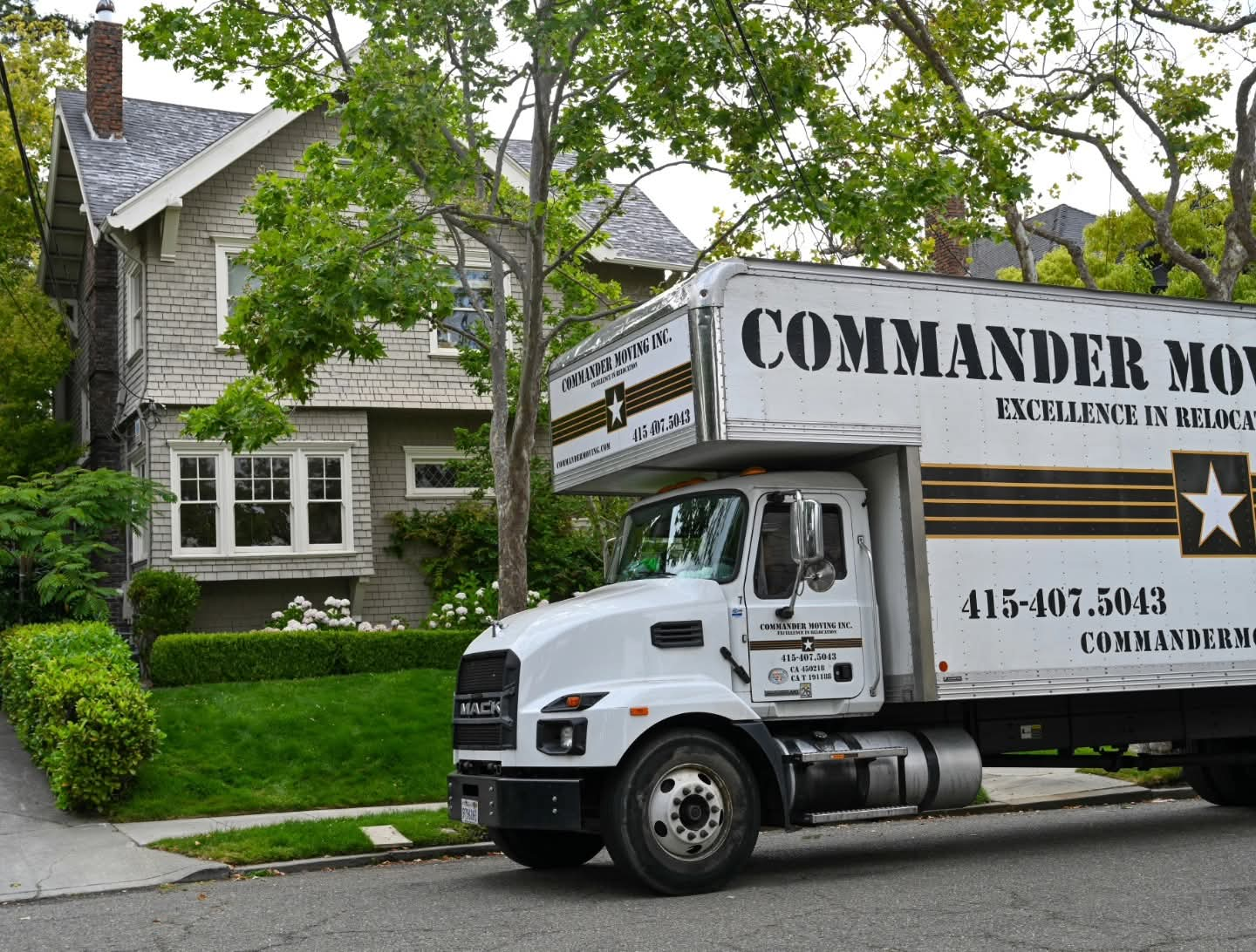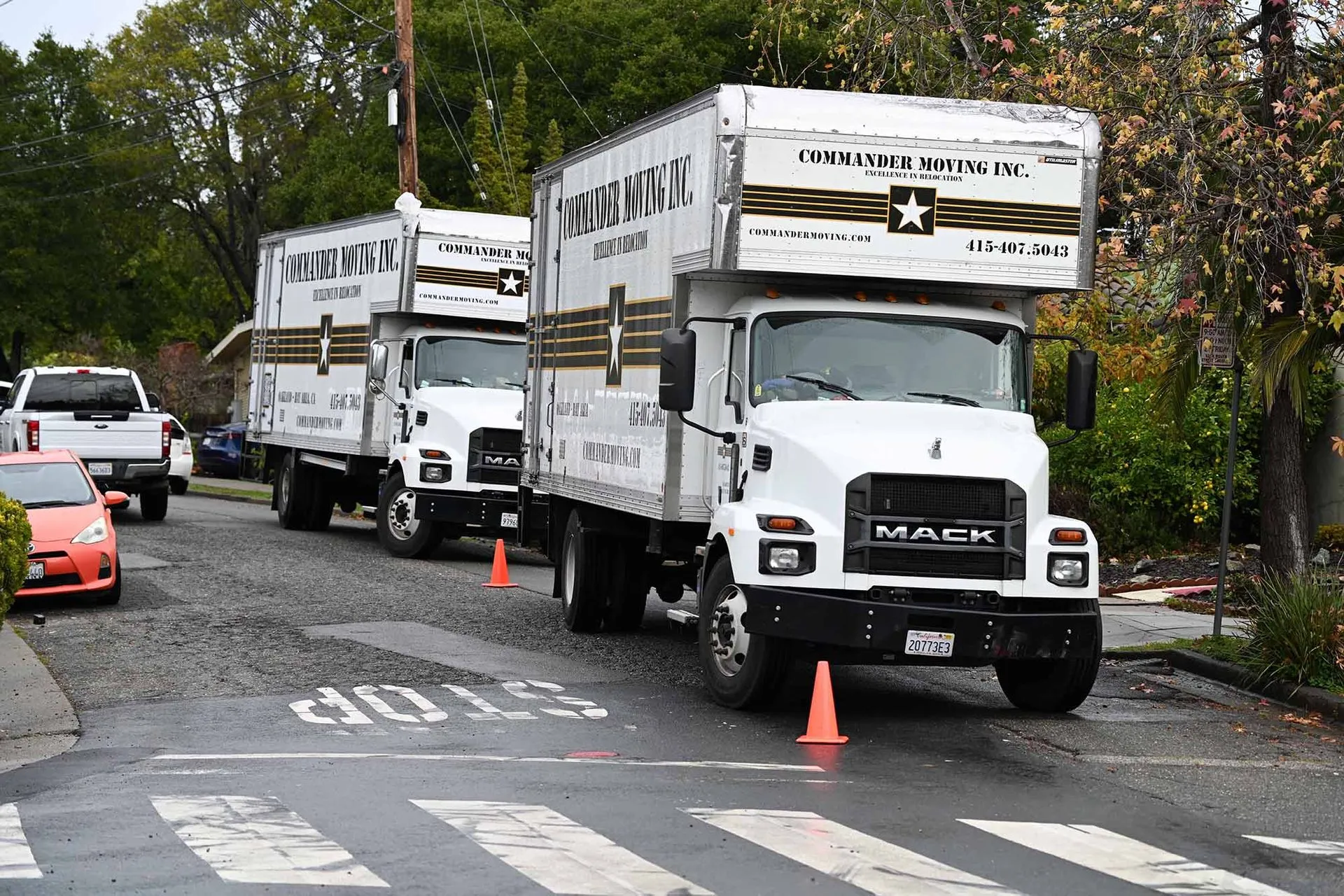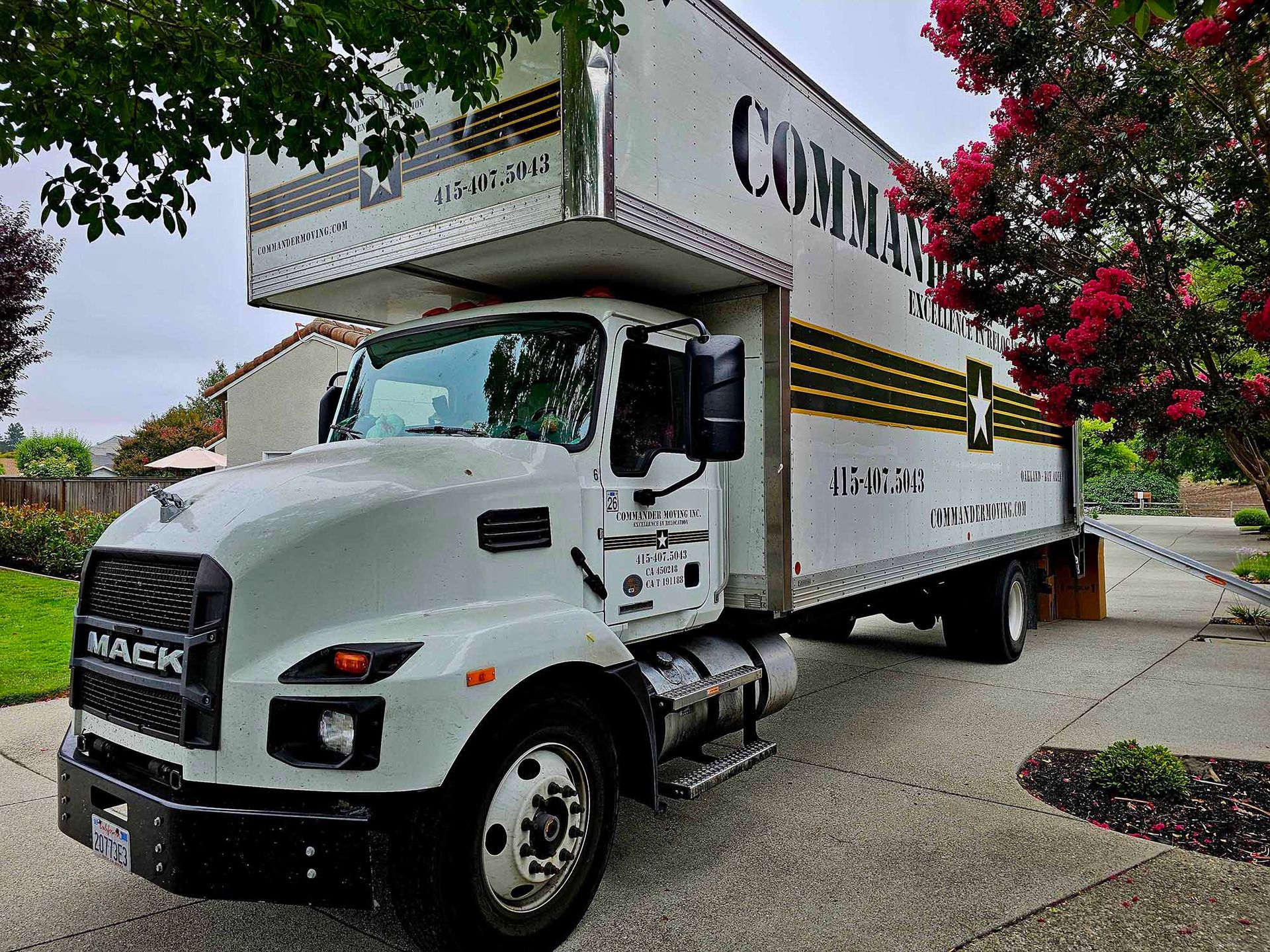
How do residential movers handle packing and unpacking services? Professional moving companies can help homeowners prepare household belongings for transportation, organize boxes, protect fragile items, and reduce some of the physical work involved in relocation. Packing assistance may include an entire home or selected rooms, depending on the company’s available services. Unpacking options can also vary, from placing boxes in their designated rooms to helping remove contents and prepare furniture. Costs depend on the size of the household, the materials required, labor, and the agreed scope of work. This guide explains how professional packing and unpacking services work, what homeowners should prepare, and which questions to ask before booking.
Key Takeaways
- Prepare a household inventory before packing begins. Identify fragile, oversized, or valuable belongings and share important scheduling and property access details with the moving company.
- Professional residential movers may use sturdy cartons, protective wrapping, furniture padding, and appropriate handling methods. Specialty crating and unusually delicate belongings may require separate arrangements.
- Clear room labels, appropriate box weights, protective cushioning, and organized loading can help reduce damage risks and make belongings easier to locate after delivery.
- Ask whether full packing, partial packing, and specialty packing are available. Selecting the appropriate level of assistance can help balance convenience, budget, and household preparation needs.
- Confirm whether furniture disassembly and reassembly, appliance handling, electronics packing, or unpacking assistance are included in the agreement. These responsibilities may vary by service and equipment requirements.
- Review the moving agreement, written estimate, applicable liability protection, and claims procedures before packing begins. Document valuable belongings and clarify who is responsible for preparing specialty items.
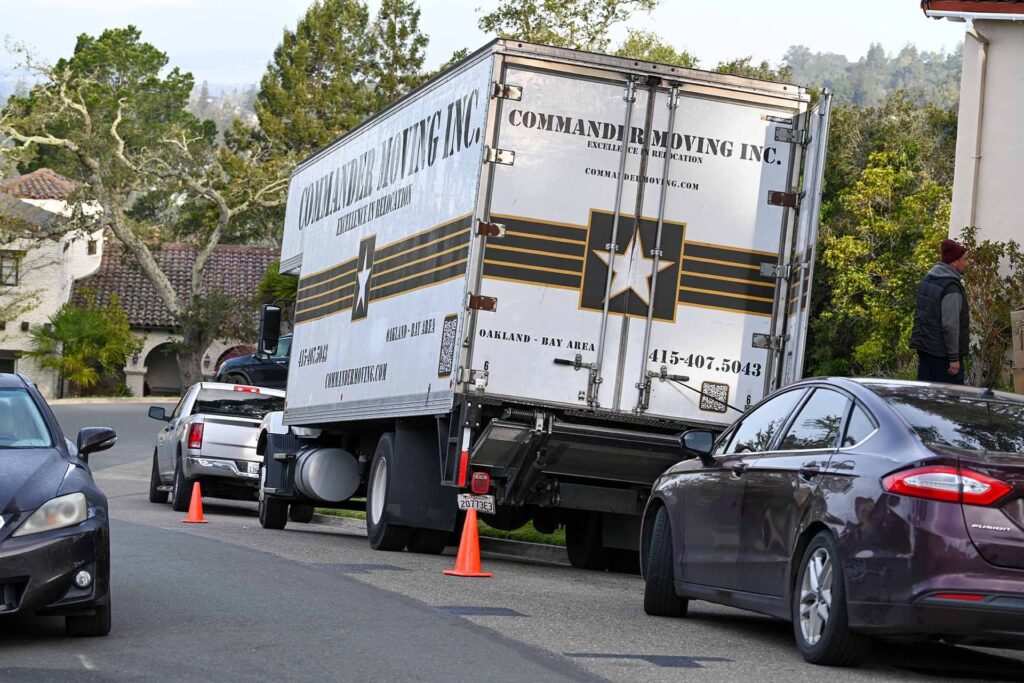
The Professional Packing Method
Professional residential moving services can help homeowners prepare belongings for transportation by organizing items, selecting suitable materials, and arranging boxes for loading. The approach depends on the household inventory, the condition of fragile belongings, and the level of assistance requested. A clear packing plan can make moving day easier to coordinate and help simplify unpacking at the destination.
The Strategic Assessment
The packing process begins with an assessment of household belongings, fragile items, furniture, and any special handling requirements. Homeowners should identify which rooms or belongings need professional packing and which items they intend to prepare themselves. A clearly marked area for belongings that should not be packed can help prevent misunderstandings. Stairs, elevators, and narrow doorways may also affect the moving plan. Packing time varies according to the number of belongings, their fragility, the household’s preparation, and the size of the assigned crew. Request a service-specific time estimate rather than relying on a universal average.
The Right Materials
Suitable packing materials are important for protecting household belongings. Sturdy cartons, packing paper, bubble wrap, and other cushioning materials may help reduce movement and contact between fragile items. Wardrobe cartons, mattress covers, and furniture blankets can be useful for certain belongings. Ask which materials the moving company supplies, whether specialty cartons are available, and how material charges are calculated. Appropriate preparation can help prevent avoidable delays, although it cannot guarantee that packing or unpacking will proceed without interruption.
The Systematic Process
A structured packing system helps keep belongings organized from the original home to the destination. Boxes can be labeled by room, with fragile contents identified where appropriate. Heavy items should be packed in suitable cartons, while delicate belongings need enough cushioning to prevent movement. Homeowners should discuss unusually valuable items before packing begins. The time required depends on the inventory, crew size, and scope of service rather than a guaranteed packing schedule.
The Specialized Techniques
Some belongings require additional precautions because of their weight, construction, or fragility. Artwork, antiques, glass, and delicate electronics may need suitable cartons, protective padding, or specialized handling. Professional movers can use appropriate equipment to manage bulky furniture, but no packing method guarantees complete protection against damage. Ask Commander Moving whether specialty packing or crating is available for your belongings and confirm the service before booking.
The Loading Blueprint
Once belongings are packed, the moving crew organizes the load according to item weight, size, and fragility. Furniture padding and appropriate securing equipment can help reduce movement during transportation. Homeowners should keep medications, identification, important documents, and essential personal belongings with them rather than relying on access to the moving truck. Before loading begins, confirm which items the company will not transport and how important scheduling details will be communicated.
Tailoring Your Packing Service
Packing assistance can be arranged according to the amount of work homeowners need completed and the services a moving company offers. Some households may prefer help with an entire home, while others need assistance only with kitchens, fragile belongings, or selected furniture. Discuss the inventory, schedule, packing materials, and estimated charges before choosing a service level.
Full-Service Packing
Full-service packing generally means a moving company handles the packing of most or all agreed household belongings. The service may include cartons, tape, cushioning, and room-by-room organization, depending on the written agreement. Fragile dishes, clothing, electronics, and other household items may require different packing materials. However, custom crating, museum-grade materials, and unusually specialized handling should not be assumed to be part of every package. Before packing begins, identify prohibited items, valuables, and belongings you intend to transport personally. Keep medications, important documents, and everyday essentials accessible. Full-service packing can reduce preparation work, but homeowners should confirm exactly which tasks and materials are included.
Partial-Service Packing
Partial packing allows homeowners to request professional assistance with selected rooms or belongings while preparing the remaining items themselves. This option may be useful for kitchens, fragile dishes, electronics, or rooms containing numerous small items. Homeowners can manage personal belongings and other items they prefer to pack independently. Ask whether packing supplies are included and how the company handles cartons packed by the customer. Partial packing may cost less than a full packing service because fewer tasks are assigned to the crew, although the final charges depend on labor, materials, and the agreed scope. Additional last-minute packing assistance must be confirmed with the company rather than assumed.
Single-Item Crating
Some unusually valuable, fragile, or irregularly shaped belongings may require specialized cartons or custom crating. These arrangements depend on the item’s size, materials, condition, and transportation requirements. Specialty crating is not automatically included in standard residential packing services, so homeowners should confirm whether the moving company provides it or recommends an appropriate specialist.
- Assess the item’s dimensions, weight, construction, and fragile components.
- Determine whether standard protective packaging is sufficient or specialist assistance is appropriate.
- Confirm the packing method, materials, responsibility, and charges before transportation.
When specialty packing is arranged, confirm how the item will be protected, loaded, and handled at delivery. No packaging method eliminates every possibility of damage. If the homeowner needs empty cartons or packing materials collected after unpacking, ask whether that service is available, whether a separate appointment is necessary, and whether additional charges apply.
From One Home To Another
Packing and unpacking services can support different stages of a residential relocation. Before moving day, the focus is on organizing and preparing belongings for transportation. At the destination, assistance may involve room placement, furniture preparation, or unpacking selected items. The exact responsibilities depend on the services requested and the agreement with the moving company. Understanding these differences helps homeowners plan for the time and work that will still be required after delivery.
Furniture Disassembly
Large furniture may require some disassembly to pass safely through narrow doorways, hallways, or stairwells. Depending on the furniture’s construction, removable legs, bed frames, and other components can sometimes be separated before transportation. Hardware should be placed in clearly labeled bags or containers and kept with the corresponding furniture when practical. Avoid applying adhesive directly to delicate finishes. Before moving day, confirm which items the company can disassemble, whether reassembly is included, and whether manufacturer instructions or specialist assistance are necessary.
Electronics Protection
Televisions, monitors, computers, and other electronics should be prepared according to manufacturer recommendations. Original packaging may provide useful protection when available, while suitable electronics cartons and cushioning can be considered when original boxes are missing. Disconnect and label cables, keep accessories in separate containers, and back up important digital files before relocation. Battery removal requirements vary by device, so follow manufacturer instructions rather than removing batteries indiscriminately. Ask whether the moving company provides electronics packing and confirm that technical installation, television mounting, and network setup are separate services unless expressly included.
Appliance Preparation
Appliances may need to be emptied, cleaned, disconnected, or secured before they can be transported. Preparation requirements depend on the appliance and manufacturer instructions. Gas, electrical, and water connections may require qualified technicians or other authorized professionals. Homeowners should confirm who is responsible for disconnection, reconnection, and any specialty preparation before moving day. Protective coverings can help reduce surface damage, but adhesive tape should not be applied directly to delicate appliance finishes. Moving crews should not be assumed to provide utility installation or technical servicing unless those responsibilities are expressly included.
The Unpacking Experience
Unpacking is a separate stage of residential relocation that begins after belongings have been delivered. Depending on the agreed service, assistance may include placing boxes in their designated rooms, opening selected cartons, or helping prepare furniture for use. Homeowners should distinguish unloading from unpacking and confirm which services are included. Prioritizing bedrooms, bathrooms, and essential kitchen supplies can help make the first days in a new home more manageable.
Room Placement
Clear room labels help the moving crew identify where cartons and furniture should be placed at the destination. Homeowners can prepare a simple room plan and communicate the intended locations of large belongings before unloading. If unpacking assistance is included, discuss whether the service involves opening cartons, placing contents on available surfaces, or arranging items in cabinets and storage areas. The amount of setup completed depends on the agreed scope, available time, and household inventory. Essential personal belongings should remain accessible regardless of the unpacking service selected.
Reassembly Service
Furniture reassembly may be available for items the moving company disassembled before transportation. Common examples include certain bed frames, tables, or removable furniture components, depending on their construction and condition. Keep hardware organized and review manufacturer instructions when appropriate. Not every item can be safely disassembled or reassembled, and moving services do not automatically preserve manufacturer warranties. Television mounting, electrical connections, and other installation work should be treated as separate services requiring confirmation before booking.
Debris Removal
Unpacking creates used cartons, paper, cushioning materials, and other packing waste. Before booking, ask whether the moving company removes empty boxes or packing materials as part of the service. Some providers may offer collection or disposal assistance, while others leave these materials for the homeowner to handle. If disposal is not included, check local recycling and waste collection requirements. The time needed to unpack depends on household size, the number of cartons, and the amount of organization requested.

Cost And Value
Professional packing and unpacking services can reduce the amount of preparation work homeowners perform, but their costs depend on the services requested. Factors may include household size, number of cartons, fragile belongings, packing materials, labor requirements, and the level of unpacking assistance. Before booking, request a written estimate showing which services and supplies are included. Understanding these details helps homeowners evaluate whether professional assistance fits their budget.
Service Options
- Labor-only packing assistance: Some providers may offer packing labor using materials supplied by the homeowner or purchased separately.
- Partial packing services: Homeowners select particular rooms or belongings for professional packing while handling the remaining items themselves.
- Full packing services: The moving company prepares most or all agreed household belongings using the materials and labor identified in the estimate.
- Unpacking and additional assistance: Furniture reassembly, carton unpacking, and other services may be available depending on the provider and written agreement.
These are general service categories rather than standardized industry pricing tiers. Confirm the actual services and rates offered by Commander Moving.
Compare service options using the number of rooms, estimated cartons, fragile belongings, materials required, and amount of unpacking assistance requested. Review the total written estimate rather than relying on service labels alone.
For residential moves within California, homeowners should verify that the moving company is authorized by the Bureau of Household Goods and Services. California household movers must conduct a visual inspection before providing a written estimate and must identify a Not-to-Exceed price for the agreed services. If packing, unpacking, or additional belongings change the original scope, the appropriate changes should be documented in accordance with California moving requirements.
Material Fees
Standard packing supplies: Boxes, tape, labels, and packing paper may be charged according to quantity, material type, or the company’s pricing arrangements. Ask for an itemized explanation of material charges before booking.
Protective cushioning: Bubble wrap, packing paper, and other padding materials can help protect fragile belongings. Pricing varies according to material type, quantity, and the moving company’s charges.
Specialty cartons and packaging: Wardrobe boxes, television cartons, mirror cartons, and other protective materials may cost more than standard boxes. Their suitability depends on the belongings being transported. Custom crating should be discussed separately when necessary.
Furniture and mattress protection: Suitable covers and protective wrapping can help reduce exposure to dirt and surface damage during handling and transportation. Ask which coverings are included.
Larger packing requirements: Households with numerous cartons should ask whether supplies are priced individually or included in a broader packing estimate. Discounts or bundled material pricing should be confirmed rather than assumed.
The value of packing materials depends on how well they suit the belongings being transported. Appropriate cartons and cushioning may reduce certain damage risks, but no material or packing service guarantees that a loss or damage claim will never be necessary.
Liability Coverage
Moving-company liability protection determines the carrier’s financial responsibility for covered loss or damage. The available options depend on whether the move is within California or crosses state lines, as well as the applicable agreement. For federally regulated interstate moves, carriers must offer Full Value Protection and Released Value Protection. These are valuation options rather than separate insurance policies. California intrastate household moves follow state-specific protection requirements.
Before packing begins, review the applicable liability terms, any limitations involving owner-packed cartons, and any special requirements for valuable belongings. Photograph important items and keep copies of your inventory and moving documents. If damage occurs, follow the written claims procedure and applicable filing deadlines. Separate insurance policies may offer different protection, but their coverage depends on their terms.
The Mover’s Mindset
Successful packing and unpacking services depend on preparation, communication, and attention to household belongings. Homeowners should choose a moving company that explains its services clearly, responds to questions, and provides written information about scheduling and responsibilities. These qualities can help customers understand what to expect without promising that every relocation will be completely predictable or stress-free.
Efficiency
Organized packing can make household belongings easier to identify, transport, and unpack. Room labels, suitable cartons, accurate inventories, and appropriate loading methods all contribute to the process. The crew should account for heavy furniture, fragile belongings, and available truck space when arranging items for transportation. Homeowners can help by identifying essential items and providing clear instructions about room placement. Ask about the company’s actual organization and communication methods rather than assuming it uses digital scheduling systems or a particular internal review process.
Safety
Packing and moving safety involve appropriate lifting methods, suitable equipment, and clear access routes. Moving crews may use dollies, lifting straps, furniture padding, and other protective materials according to the task. Homeowners should inform the company about heavy items, fragile furniture, stairs, and other potential hazards. If specialty belongings require additional expertise or equipment, confirm the company’s experience and available arrangements. Professional assistance can reduce certain risks but does not eliminate every possibility of damage or injury.
Clear Service Coordination
Clear communication helps homeowners understand the services being performed and the expected schedule. Ask who will serve as the main contact before and during the move, how arrival windows are communicated, and how additional service requests should be handled. The company should also explain how significant delays or changes to the agreed work are documented.
Homeowners can evaluate a moving company’s professionalism through clear estimates, responsive communication, relevant experience, and consistent explanations of its service policies. Changes to packing, unpacking, or scheduling should be discussed promptly and confirmed through the appropriate written arrangements.
Conclusion
Professional packing and unpacking services can reduce the time and effort homeowners spend preparing for relocation and settling into a new home. Appropriate materials, organized labeling, careful loading, and clear room-placement instructions can help make the process more manageable. However, the exact services available vary, and specialty packing, furniture reassembly, and debris removal should be confirmed before booking.
Before choosing a residential moving company, review its credentials, request a written estimate, and clarify the packing materials, labor, unpacking responsibilities, and applicable liability protection. Commander Moving provides residential moving services throughout the San Francisco Bay Area and offers packing and unpacking assistance for eligible relocations. Discuss your household’s requirements with the team to understand the services available for your move.
Frequently Asked Questions
1. How Do Residential Movers Protect Fragile Items During Packing?
Residential movers may use packing paper, suitable cushioning, sturdy cartons, and protective wrapping to help reduce damage risks. Fragile items should be packed according to their size, weight, and construction. Labels can help identify delicate belongings, but they do not replace appropriate packing and loading methods. Specialty items may require additional arrangements.
2. Can Movers Pack Only Part Of My Home?
Many residential moving companies offer partial packing assistance, allowing homeowners to request help with selected rooms or belongings. This may be useful for kitchens, fragile dishes, or other items that require careful preparation. Availability and pricing vary, so confirm the exact scope of the service before booking. Partial packing may reduce labor charges compared with full packing, but savings are not guaranteed.
3. Do Movers Provide The Packing Materials?
Many moving companies provide packing materials such as boxes, tape, paper, and protective wrapping when professional packing is arranged. These supplies may be included in the quoted service or charged separately. Ask for a written explanation of the materials provided, any specialty supplies needed, and how the charges will be calculated.
4. How Long Does Professional Packing Usually Take?
Professional packing time depends on household size, the number and condition of belongings, fragile items, and crew availability. A small apartment may require substantially less preparation than a large family home, but there is no universal packing timeline. Request an estimate based on your actual inventory and the packing services selected.
5. What Does Unpacking Service Include?
Unpacking services vary by moving company and agreement. They may include opening cartons, placing items in designated rooms, or helping organize selected belongings. Furniture reassembly and packing debris removal may be separate services. Ask whether the agreement covers unpacking carton contents, arranging items, and disposing of materials rather than assuming all tasks are included.
6. How Do Movers Price Packing And Unpacking Services?
Packing and unpacking charges depend on the labor required, materials used, number of belongings, and agreed level of service. Pricing methods vary by provider and the applicable moving regulations. For California intrastate household moves, customers should review the required written estimate and Not-to-Exceed price, including any packing or unpacking services covered. Ask how additional services would be documented and charged.
7. How Do Moving Companies Handle Valuable Or Sentimental Items?
Valuable or sentimental belongings may require special packing materials, additional documentation, or specialist handling. Tell the moving company about artwork, antiques, collectibles, and other delicate items before booking. Custom crating and dedicated transportation are not standard offerings from every provider. Review applicable liability limitations and consider transporting irreplaceable documents, jewelry, and small personal valuables yourself.
New Home. New Beginning. Let Our Residential Movers Handle the Heavy Lifting!
\Moving into a new home should feel like the start of something exciting, not an endless checklist of boxes, heavy furniture, packing supplies, and moving-day headaches. Whether you’re upgrading to your dream home, downsizing for a simpler lifestyle, or relocating your family across the Bay Area, you don’t want to spend moving day stressed about what could go wrong. At Commander Moving Inc., our experienced Residential Movers take the pressure off your shoulders, making it easier to leave the stress behind and look forward to what’s next.
Your belongings aren’t just things. They’re the furniture you’ve gathered over the years, the family keepsakes you treasure, and the everyday essentials that make a house feel like home. That’s why our professional residential moving services focus on careful handling, dependable service, and attention to detail. From packing and protecting your belongings to loading, transportation, and unloading, our team handles the hard work so you don’t have to. Whether you’re moving from a small apartment or a large family home, we’ll help make your transition as smooth and organized as possible.
Imagine arriving at your new home feeling excited instead of exhausted. No struggling with oversized furniture, no worrying about how everything will get there, and no sacrificing your weekends to manage the move alone. With over 15 years of experience serving the San Francisco Bay Area, Commander Moving Inc. helps families and homeowners move with greater confidence. From local residential moves to statewide and long-distance relocations, we’re here to help you settle into your next chapter with less stress and more peace of mind.
Ready to make your next move your easiest one yet? Contact Commander Moving Inc. today for a free residential moving estimate and let our professional movers handle the heavy lifting while you focus on making your new house a home!
Disclaimer
The materials available on this website are provided for general informational and educational purposes only and are not intended as legal, financial, moving, storage, or professional advice. Every move is different, and you should contact a qualified moving professional regarding your specific relocation needs, timelines, pricing, storage requirements, or specialty moving concerns.
Do not act or rely solely on the information contained on this website without first speaking directly with Commander Moving or another qualified professional regarding your individual situation. While we strive to keep the information on this website accurate and up to date, moving regulations, service availability, pricing, and operational details may change without notice.
Commander Moving disclaims all liability for actions taken or not taken based on any content found on this website to the fullest extent permitted by law. Use of this website or communication through this website does not create a contractual agreement for moving services unless confirmed in writing by Commander Moving.